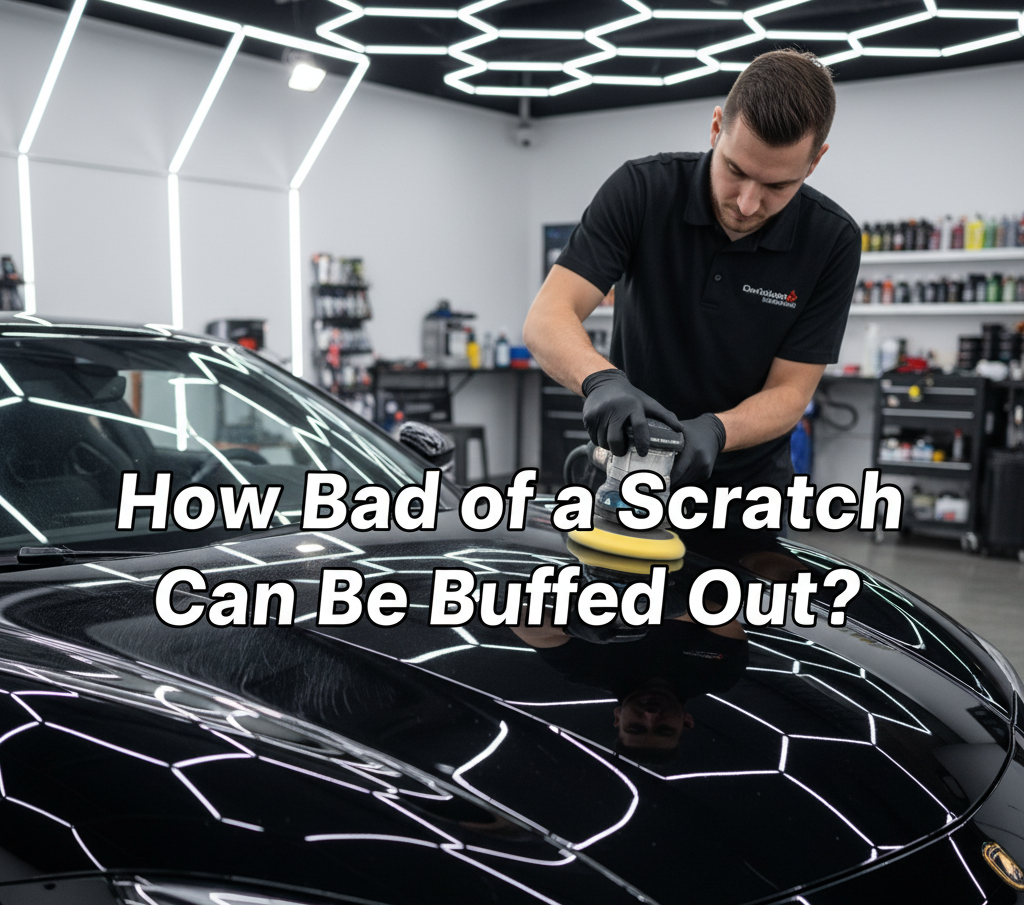
Every car owner knows that even the smallest scratch can ruin the look of an otherwise perfect paint job. Whether it comes from a stray shopping cart, an overgrown bush, or an accidental brush against a wall, those fine lines can feel frustrating. But how bad does a scratch have to be before it’s beyond repair? The good news is that, in many cases, skilled professionals can restore your paint’s flawless finish with Auto Paint Correction in Ashburn.
Through proper correction, polishing, and refinement, most surface scratches disappear completely. However, not all marks are created equal — and understanding the types, depths, and repair processes helps determine what can be buffed out and what might require more advanced care.
The Science Behind Paint Scratches
To understand what can be buffed out, it helps to know how automotive paint works. Modern vehicles use a multi-layer paint system designed for durability, shine, and protection.
Layers of Paint on Your Vehicle
- Clear Coat: The transparent top layer that gives gloss and UV protection.
- Base Coat: The colored paint that defines your car’s appearance.
- Primer Layer: The adhesion layer that bonds paint to the body.
- Metal or Plastic Substrate: The body panel beneath the paint.
When scratches occur, they cut through one or more of these layers. The deeper the scratch, the more complex the repair becomes.
Types of Scratches and Their Repairability
Not every scratch is the same. Some merely affect the surface, while others reach down into the base coat or beyond.
1. Clear Coat Scratches
These are the most common and easiest to repair. They appear as light, white marks or swirl lines visible under sunlight. Skilled professionals can easily remove them through polishing or Auto Paint Correction in Ashburn, restoring the glossy finish without repainting.
2. Paint Layer Scratches
When the scratch cuts through the clear coat and touches the colored base coat, it becomes more noticeable. The color contrast makes the defect visible even after washing. These scratches often require a multi-stage correction or careful touch-up before polishing.
3. Primer or Metal-Deep Scratches
If you see grey or bare metal beneath the scratch, it’s gone through all paint layers. Buffing alone won’t fix it. These scratches need professional repair involving sanding, repainting, and reapplying clear coat for a flawless blend.
How to Determine Scratch Depth
Before attempting any repair, assessing the depth is crucial. There are several easy methods to do this safely.
The Fingernail Test
Run your fingernail gently across the scratch. If you feel a catch or groove, it’s deeper than the clear coat. While minor surface marks may feel smooth, deeper ones require more than simple polishing.
Visual Inspection Under Proper Lighting
Under direct sunlight or detailing lights, examine the scratch at multiple angles. If it disappears when wet, it’s likely in the clear coat. However, if it remains visible, it probably extends into the color layer.
Professional Paint Thickness Measurement
Detailers at Grizzly Auto Detailing use electronic paint thickness gauges. This tool measures microns of clear coat remaining, ensuring safe and precise correction during Auto Paint Correction in Ashburn.
The Buffing and Correction Process
Buffing removes a tiny amount of clear coat to level the surface and eliminate visible defects. The process must be controlled carefully to prevent paint damage.
Step 1: Deep Cleaning and Decontamination
Before buffing, professionals thoroughly wash and decontaminate the paint. They use a pH-balanced shampoo, iron remover, and a clay bar to eliminate embedded particles that could scratch during polishing.
Step 2: Paint Inspection
Technicians assess the vehicle’s condition under various lighting setups. They mark problem areas and decide on the right combination of compounds and pads.
Step 3: Machine Polishing
Using dual-action or rotary polishers, experts remove micro layers of clear coat to level out the scratch. For light marks, a fine polish with a soft foam pad works best. For deeper imperfections, a cutting compound with a microfiber pad achieves better correction.
Step 4: Refining the Finish
After removing scratches, a finishing polish enhances clarity and deep gloss. This step ensures a smooth, mirror-like surface.
Step 5: Paint Protection
Finally, professionals apply a wax, sealant, or ceramic coating to protect the restored finish from future damage. Ceramic coatings offer the longest-lasting protection and hydrophobic effects.
Factors That Affect Buffing Success
Not every scratch can be safely buffed away. Several variables determine the success of the correction.
Paint Thickness
If too much clear coat has already been removed in the past, there may not be enough left to correct safely. Paint correction professionals always verify this before proceeding.
Paint Type and Hardness
Different paint systems react differently to polishing. For instance, German paints are generally harder and require more aggressive compounds, while Japanese paints are softer and respond quickly.
Scratch Location
Flat, open panels like hoods and doors are easier to correct than tight spots or edges where paint is thinner.
Technician Skill
The results depend heavily on professional experience. Skilled technicians understand how to balance correction and preservation without over-polishing the clear coat.
Realistic Scenarios: What Can and Can’t Be Buffed
Light Swirl Marks
Swirls and micro-scratches caused by improper washing can be fully removed. One or two polishing stages restore flawless clarity.
Scuff Marks or Transfer Scratches
Rub marks from other vehicles or objects often look serious but usually affect only the clear coat. A fine compound easily removes them.
Key Scratches or Deep Cuts
If a scratch exposes primer or metal, it can’t be buffed out. However, blending techniques minimize visibility until a full repaint is done.
Bird Drop Etching or Water Spots
These surface blemishes often respond well to polishing unless they’ve etched deeply. Proper correction restores uniform reflection.
Why Professional Correction Outperforms DIY Buffing
You might find dozens of DIY kits online, but professional correction ensures safety, precision, and long-term value.
Consistency and Control
Professionals adjust polishing speeds, pad pressure, and compound aggressiveness according to each area. This precision prevents burning the clear coat.
Specialized Equipment
Shops like Grizzly Auto Detailing use professional-grade polishers, Rupes pads, and compounds like Menzerna, Meguiar’s, and Koch Chemie for superior correction.
Long-Lasting Results
Unlike quick-fix polishes that mask scratches, Auto Paint Correction in Ashburn permanently removes defects, leaving the surface flawless and protected.
Added Protection Options
After correction, experts can apply ceramic coatings to lock in the shine and provide years of resistance against future damage.
The Cost of Professional Buffing and Correction
Pricing varies depending on the depth of scratches, size of the vehicle, and required correction stages. On average:
| Correction Level | Price Range | Time Required | Suitable For |
|---|---|---|---|
| Light Correction | $250 – $450 | 3–5 hours | Swirl marks, light surface scratches |
| Two-Stage Correction | $600 – $900 | 8–12 hours | Moderate defects, dull paint |
| Full Multi-Stage Correction | $1,000 – $1,500+ | 15–25 hours | Severe oxidation, deep imperfections |
Although professional correction costs more than DIY methods, it prevents long-term damage and saves money by avoiding premature repainting.
Maintaining Your Corrected Paint
After buffing and correction, maintaining your car’s finish becomes crucial to prolonging results.
Wash Properly
Use a two-bucket method and pH-neutral shampoo. Always rinse thoroughly before drying.
Dry Safely
Use microfiber towels to avoid new scratches. Never use dirty or rough materials.
Apply Regular Protection
Even if you have ceramic coating, apply maintenance toppers every few months to preserve slickness.
Avoid Automatic Car Washes
Brush-style washes cause micro-marring. Opt for touchless or hand washes only.
When Buffing Isn’t Enough
Some scratches simply go beyond correction. In those cases, repainting becomes the only option.
If bare metal or primer is visible, or if corrosion has started, polishing won’t solve the problem. Professionals at Grizzly Auto Detailing assess these defects honestly and recommend cost-effective solutions, sometimes combining polishing and localized touch-up repair for best results.
The Importance of Regular Detailing
Consistent detailing prevents many scratches from developing in the first place. Through Auto Paint Correction in Ashburn, professionals not only remove imperfections but also teach clients proper care routines. Regular maintenance keeps the paint healthy, reflective, and easier to clean.
Routine detailing also identifies minor issues early, preventing costly repairs later.
Expert Insights from Grizzly Auto Detailing
At Grizzly Auto Detailing, every technician approaches correction as an art. Their experience ensures perfect results without compromising paint integrity. Their approach to Auto Paint Correction in Ashburn combines cutting-edge technology, premium products, and years of practical expertise.
Precision and Passion
Each technician treats every panel as a new canvas. They inspect, polish, refine, and protect with unmatched attention to detail.
Modern Tools and Safe Methods
Using orbital polishers, calibrated lighting, and advanced paint gauges, they ensure consistent quality on every surface.
Customer Education
Beyond providing correction, they educate clients about proper washing, drying, and protection techniques for lasting results.
Final Thoughts
So, how bad of a scratch can be buffed out? The answer depends on its depth and severity. Light surface marks and clear coat scratches can vanish completely through professional correction. However, if the scratch reaches the color layer or metal, buffing alone won’t restore it.
Choosing experts like Grizzly Auto Detailing ensures that your car receives the right solution — whether it’s gentle polishing, multi-stage correction, or a more advanced repair process. With Auto Paint Correction in Ashburn, you restore more than just shine — you protect your investment, preserve your car’s value, and enjoy that flawless, reflective finish every time you drive.
Frequently Asked Questions
1. How can I tell if a scratch is too deep to buff out?
If your fingernail catches when you glide it across the scratch, it likely goes beyond the clear coat.
2. Can all scratches be removed through polishing?
No. Only surface-level scratches and clear coat imperfections can be fully removed.
3. Will buffing damage my paint?
Not when performed by trained professionals who monitor paint thickness and use safe techniques.
4. How often should I get paint correction?
Most cars need it once unless new damage appears. Proper maintenance keeps the surface perfect for years.
5. Is waxing enough to hide scratches?
Wax can temporarily fill light marks but doesn’t remove them. Correction offers permanent improvement.
6. How long does professional buffing take?
Depending on the vehicle size and correction level, it can take 3 to 12 hours.
7. Can I perform buffing myself?
DIY kits exist, but without skill and experience, you risk damaging the paint or creating holograms.
8. What’s the difference between buffing and paint correction?
Buffing focuses on surface gloss, while paint correction removes deeper defects permanently.
9. Do ceramic coatings prevent scratches?
They reduce the likelihood of minor marring but won’t stop deep scratches from physical contact.
10. How can I avoid scratches after correction?
Use proper wash methods, microfiber towels, and safe storage to maintain a flawless finish.
Leave a Reply