Category: Uncategorized

  • Why Do Car Manufacturers Not Do the Ceramic Coating?

    Why Do Car Manufacturers Not Do the Ceramic Coating?

    If you have ever searched for a Ceramic Coating Factory near me, you probably wondered why car manufacturers do not apply ceramic coating before vehicles leave the factory. Ceramic coating delivers gloss, protection, and easier maintenance, so the question makes sense. If it works so well, why does it not come standard on new cars?

    This article explains the real reasons behind that decision in a clear and practical way. You will learn how factory paint processes work, why ceramic coating does not fit into mass production, and why professional detailing shops offer better results. Car owners in Springfield, VA often turn to Grizzly Auto Detailing for professional ceramic coating because they understand long-term protection, not shortcuts.


    How Factory Paint Protection Works Today

    Car manufacturers already apply several protective layers during production. These layers include primer, base coat, and clear coat. The clear coat protects the paint and provides shine.

    Factory paint systems focus on speed, consistency, and cost efficiency. Manufacturers design them to withstand basic environmental exposure, not to deliver premium protection. They need a solution that works for millions of vehicles without slowing production.

    Ceramic coating requires precision, time, and surface perfection. These requirements conflict with factory production goals.


    Why Ceramic Coating Factory Near Me Searches Are Increasing

    More drivers now understand paint protection. Social media, detailing videos, and real-world results show how ceramic coating improves appearance and maintenance. This awareness leads many people to search for a Ceramic Coating Factory near me, expecting factory-level installation.

    In reality, ceramic coating works best as a post-production service. Professional detailers customize the process for each vehicle. That flexibility does not exist in factory environments.


    Ceramic Coating Requires Paint Correction First

    New cars often arrive with minor imperfections. Transport, storage, and handling introduce swirl marks, light scratches, and contamination. These flaws remain invisible under showroom lighting.

    Ceramic coating locks in whatever lies underneath. Manufacturers cannot afford to polish every vehicle to perfection before coating. Paint correction takes time, skill, and inspection.

    Professional detailers correct paint first. This step ensures ceramic coating bonds properly and looks flawless.


    Why Mass Production and Ceramic Coating Do Not Mix

    Factories operate on speed. Assembly lines move vehicles through stations within minutes. Ceramic coating requires slow, controlled application and curing.

    Coating application involves panel-by-panel work, proper flash times, and controlled temperatures. Skipping any step weakens durability.

    Mass production environments cannot pause for curing. That limitation alone prevents factory ceramic coating.


    Quality Control Challenges for Factory Ceramic Coating

    Ceramic coating demands consistency. Slight differences in temperature, humidity, or surface condition affect results. Maintaining those conditions across large factories becomes unrealistic.

    Manufacturers prioritize predictable outcomes. A coating that fails on thousands of vehicles creates massive liability. For this reason, they avoid processes that depend heavily on manual precision.

    Detailing shops specialize in these conditions. They control environments and focus on quality rather than volume.


    Cost Is a Major Reason Manufacturers Skip Ceramic Coating

    Ceramic coating adds cost. Manufacturers compete on pricing and margins. Adding ceramic coating would increase vehicle prices without guaranteed customer appreciation.

    Most buyers prioritize features like technology, safety, and fuel efficiency. Paint protection ranks lower on purchase decisions.

    Offering ceramic coating as an optional service after purchase makes more sense financially.


    Factory Clear Coat vs Ceramic Coating

    Factory clear coat and ceramic coating serve different purposes. Clear coat protects paint during normal ownership. Ceramic coating enhances and extends that protection.

    Clear coat comes baked on during production. Ceramic coating requires surface bonding after paint cures fully. These processes do not overlap.

    Applying ceramic coating over factory clear coat works best after proper preparation, not during assembly.


    Why Dealership Ceramic Coating Is Not the Same

    Some dealerships offer ceramic coating packages. These services often differ from professional detailing.

    Dealerships focus on speed and upsells. Preparation steps often get skipped. Products may lack long-term durability.

    Professional detailers spend hours correcting and preparing paint. That effort delivers stronger bonding and longer lifespan.


    How Professional Detailers Improve on Factory Paint

    Detailers inspect paint under specialized lighting. They remove defects through polishing. This step enhances gloss and clarity.

    After correction, ceramic coating bonds evenly. The result looks better and lasts longer than any factory-applied solution.

    This process explains why searching for a Ceramic Coating Factory near me leads most owners to detailing shops instead.


    Why Ceramic Coating Needs Customization

    Every vehicle differs. Paint hardness, color, and condition vary. Ceramic coating selection and application should match those factors.

    Factories cannot customize per vehicle. Detailers can. They choose products and techniques based on vehicle needs.

    Customization delivers better protection and appearance.


    Environmental Regulations Affect Factory Decisions

    Manufacturers operate under strict environmental regulations. Introducing ceramic coating chemicals at scale creates compliance challenges.

    Detailing shops operate under different guidelines and manage waste carefully. This flexibility allows them to offer advanced coatings safely.


    Why Post-Purchase Ceramic Coating Makes More Sense

    Ceramic coating works best after the vehicle reaches its owner. Driving conditions, storage, and usage influence coating choice.

    Professional detailers tailor protection based on how you use your car. This approach provides real value.

    Factory installation lacks this personalization.


    How Long Factory Paint Protection Really Lasts

    Factory paint protection meets minimum standards. It does not focus on long-term gloss or ease of maintenance.

    Ceramic coating extends paint life significantly. It reduces oxidation, staining, and wear.

    Applying it after purchase maximizes its benefits.


    Why Drivers Trust Local Ceramic Coating Experts

    Local detailers build reputation through results. They rely on reviews and referrals, not volume.

    A trusted Ceramic Coating Factory near me alternative delivers hands-on expertise, controlled environments, and ongoing support.


    Why Springfield Drivers Choose Grizzly Auto Detailing

    Grizzly Auto Detailing provides professional ceramic coating services designed for real-world driving conditions. Their team corrects paint properly and applies coatings with care.

    They educate clients on maintenance and expectations. This approach ensures long-term satisfaction.

    Looking for a professional car detailing in Springfield? Contact “Grizzly Auto Detailing today.”


    Common Myths About Factory Ceramic Coating

    Many believe factory ceramic coating would be permanent. No coating lasts forever without care.

    Others assume factory processes guarantee better quality. In reality, precision beats speed.

    Understanding these myths helps buyers make better decisions.


    How Ceramic Coating Complements Factory Paint

    Ceramic coating works with factory paint, not against it. It enhances protection and appearance.

    Applied correctly, it preserves factory paint for years.


    When Is the Best Time to Apply Ceramic Coating

    The best time is soon after purchase, once proper inspection and correction occur. Early application protects paint before damage builds up.

    Professional detailers handle this timing effectively.


    Final Thoughts on Why Manufacturers Skip Ceramic Coating

    Manufacturers avoid ceramic coating due to time, cost, quality control, and customization limitations. Ceramic coating requires care and precision that factories cannot provide at scale.

    Professional detailing fills this gap perfectly. Choosing a trusted Ceramic Coating Factory near me alternative ensures better results, longer protection, and real value.


    FAQs About Factory and Ceramic Coating

    1. Why do car manufacturers not apply ceramic coating

    Mass production speed and quality control prevent proper application.

    2. Is factory clear coat the same as ceramic coating

    No, clear coat and ceramic coating serve different purposes.

    3. Can ceramic coating be applied to new cars

    Yes, after inspection and paint correction.

    4. Do dealerships offer real ceramic coating

    Many dealership coatings lack professional preparation.

    5. Does ceramic coating damage factory paint

    No, it protects and preserves factory paint.

    6. How long does ceramic coating last

    Professional coatings last two to five years or more.

    7. Is ceramic coating worth it on a new car

    Yes, it protects paint from early damage.

    8. Why is ceramic coating not standard

    Cost and production limitations prevent factory installation.

    9. Can ceramic coating be removed

    Yes, professionals can remove and reapply it.

    10. Who should apply ceramic coating

    Experienced professional detailers deliver best results.

  • Is Ceramic Coating Good for Your Car?

    Is Ceramic Coating Good for Your Car?

    If you recently searched for a Ceramic Coating Workshop near me, you are not alone. Car owners across Springfield, VA want better protection, deeper shine, and long term value without constant waxing. Ceramic coating promises all of that, but many drivers still ask one important question. Is ceramic coating actually good for your car, or is it just another auto detailing trend?

    This in depth guide explains what ceramic coating really does, how it protects your vehicle, and whether it makes sense for your driving habits and budget. You will learn how professional application works, what results to expect, and how to choose the right service provider. Local drivers trust Grizzly Auto Detailing for high quality ceramic coating services in Springfield, VA because they focus on long term protection rather than quick fixes.


    What Ceramic Coating Really Is and How It Works

    Ceramic coating is a liquid polymer applied to your vehicle’s exterior surfaces. Once cured, it chemically bonds with the factory paint and creates a protective layer. This layer shields the paint from environmental damage while enhancing gloss and smoothness.

    Unlike wax or sealants, ceramic coating does not sit loosely on the surface. It bonds at a molecular level, which allows it to last much longer. This bond creates a hydrophobic effect that repels water, dirt, and road grime.

    Drivers often choose ceramic coating because it reduces maintenance while preserving paint quality. When applied correctly, it helps your car look newer for longer.


    Why So Many Drivers Search for a Ceramic Coating Workshop Near Me

    Local application matters. Ceramic coating requires controlled conditions, professional tools, and trained technicians. A certified workshop ensures proper surface preparation and curing.

    Searching for a Ceramic Coating Workshop near me helps drivers find professionals who understand local weather conditions. In Springfield, VA, vehicles face road salt, heat, pollen, and daily exposure. A local workshop knows how to tailor coating solutions to these challenges.

    Professional workshops also offer warranties and aftercare guidance that mobile or DIY options often lack.


    How Ceramic Coating Protects Your Vehicle

    Ceramic coating forms a strong barrier between your paint and the environment. It reduces damage caused by UV rays, oxidation, and chemical stains. Sun exposure often fades paint, but ceramic coating slows that process.

    The hydrophobic nature of the coating helps water bead and slide off. This effect prevents mineral deposits and water spots. Dirt and grime struggle to stick, which keeps your car cleaner between washes.

    While ceramic coating does not make your car scratch proof, it does add a layer of resistance against light swirls and surface marring.


    Is Ceramic Coating Worth It for Daily Drivers

    Many drivers assume ceramic coating only benefits luxury or show cars. That assumption misses the point. Daily drivers benefit the most because they face constant exposure.

    Commuting, parking outdoors, and frequent washing all wear down paint over time. Ceramic coating reduces that wear and preserves value. It also saves time by making cleaning easier and faster.

    If you plan to keep your vehicle for several years, ceramic coating offers strong long term benefits.


    How a Ceramic Coating Workshop Near Me Prepares Your Car

    Proper preparation determines results. Professional workshops start with a thorough wash and decontamination process. This step removes dirt, iron particles, and old residues from the paint.

    Next comes paint correction. Technicians polish the surface to remove swirls, light scratches, and oxidation. This step ensures the coating bonds evenly and delivers maximum gloss.

    Only after preparation do professionals apply ceramic coating in a controlled environment. This process ensures proper curing and durability.


    Why Professional Application Beats DIY Ceramic Coating

    DIY ceramic coating kits promise quick results, but they often fall short. Application errors lead to streaking, uneven curing, and reduced lifespan.

    Professional technicians receive training and use specialized tools. They understand how temperature, humidity, and surface condition affect bonding.

    Choosing a professional Ceramic Coating Workshop near me protects your investment and ensures consistent results.


    How Long Ceramic Coating Lasts on Your Car

    Longevity depends on product quality, application, and maintenance. Professionally applied coatings typically last two to five years. Some premium coatings last even longer with proper care.

    Regular washing with safe products helps extend lifespan. Avoiding harsh chemicals and automatic car washes also preserves the coating.

    Workshops often offer maintenance plans to keep the coating performing at its best.


    Does Ceramic Coating Replace Waxing Completely

    Yes, in most cases. Ceramic coating outperforms wax in durability and protection. Wax typically lasts weeks, while ceramic coating lasts years.

    Because ceramic coating provides continuous protection, frequent waxing becomes unnecessary. Some drivers still apply maintenance sprays for added gloss, but waxing becomes optional rather than required.


    Cost vs Value of Ceramic Coating

    Ceramic coating costs more upfront than waxing, but it delivers greater long term value. Reduced maintenance, paint preservation, and resale value justify the investment.

    Professional pricing reflects preparation time, product quality, and expertise. Cheaper options often skip crucial steps, which leads to poor results.

    When evaluating cost, focus on results rather than the lowest price.


    Why Vehicle Type Matters When Choosing Ceramic Coating

    Different vehicles require different approaches. Sedans, SUVs, trucks, and sports cars vary in paint hardness and surface area.

    Professional workshops assess your vehicle before recommending a coating package. This evaluation ensures the product matches your car’s needs.

    Tailored solutions deliver better performance and longevity.


    Ceramic Coating and Interior Protection

    Some workshops also offer ceramic protection for interior surfaces. These coatings protect leather, fabric, and plastics from stains and UV damage.

    Interior ceramic coatings help maintain a clean and fresh look, especially for families and daily commuters.

    Ask your workshop about interior options if you want complete protection.


    How Ceramic Coating Impacts Resale Value

    Vehicles with protected paint often command higher resale prices. Buyers appreciate well maintained exteriors with deep gloss and minimal wear.

    Ceramic coating preserves paint quality, which helps your car stand out in the used market. Documentation from a professional workshop further boosts buyer confidence.


    Choosing the Right Ceramic Coating Workshop Near Me

    Look for experience, reviews, and transparency. A professional workshop explains the process, sets realistic expectations, and offers aftercare advice.

    Ask about warranties and maintenance recommendations. These details show confidence in their work.

    Local reputation matters. Workshops that serve Springfield, VA regularly understand local driving conditions and vehicle needs.


    Why Drivers Choose Grizzly Auto Detailing in Springfield, VA

    Drivers choose Grizzly Auto Detailing because they focus on quality, education, and long term results. Their team uses professional grade coatings and follows strict preparation standards.

    They explain every step clearly and recommend solutions based on your vehicle and goals. This approach builds trust and delivers consistent results.

    Looking for a professional car detailing in Springfield? Contact “Grizzly Auto Detailing today.”


    How to Maintain Your Ceramic Coated Vehicle

    Maintenance remains simple. Wash your car regularly using gentle products. Avoid abrasive sponges and harsh chemicals.

    Drying the vehicle after washing prevents water spots. Periodic inspections help ensure the coating performs as intended.

    Following professional advice extends the coating’s lifespan.


    Common Myths About Ceramic Coating

    Some drivers believe ceramic coating makes cars scratch proof. That belief is inaccurate. Ceramic coating adds resistance but does not prevent all damage.

    Others think ceramic coating eliminates washing. While cleaning becomes easier, regular washing still matters.

    Understanding these realities leads to better satisfaction.


    Final Thoughts on Ceramic Coating for Your Car

    Ceramic coating offers real benefits for drivers who want long term protection and easier maintenance. When applied by professionals, it preserves paint, enhances gloss, and saves time.

    Choosing a trusted Ceramic Coating Workshop near me ensures proper application and lasting results. For Springfield drivers, professional service makes all the difference.


    FAQs About Ceramic Coating

    1. Is ceramic coating safe for all cars

    Yes, professionals tailor coatings to different vehicles.

    2. How long does ceramic coating take to apply

    Application usually takes one to two days.

    3. Does ceramic coating protect against scratches

    It adds resistance but does not prevent deep scratches.

    4. Can ceramic coating go on old paint

    Yes, with proper paint correction first.

    5. How often should I wash a ceramic coated car

    Regular washing every two to three weeks works well.

    6. Does ceramic coating fade over time

    Performance reduces slowly without proper care.

    7. Can ceramic coating be removed

    Yes, professionals can remove it safely.

    8. Is ceramic coating better than paint protection film

    They serve different purposes and can work together.

    9. Does ceramic coating protect against bird droppings

    It reduces damage when cleaned promptly.

    10. Is ceramic coating worth the cost

    For long term protection and ease of care, yes.

  • Can You Pressure Wash a Ceramic Coated Car?

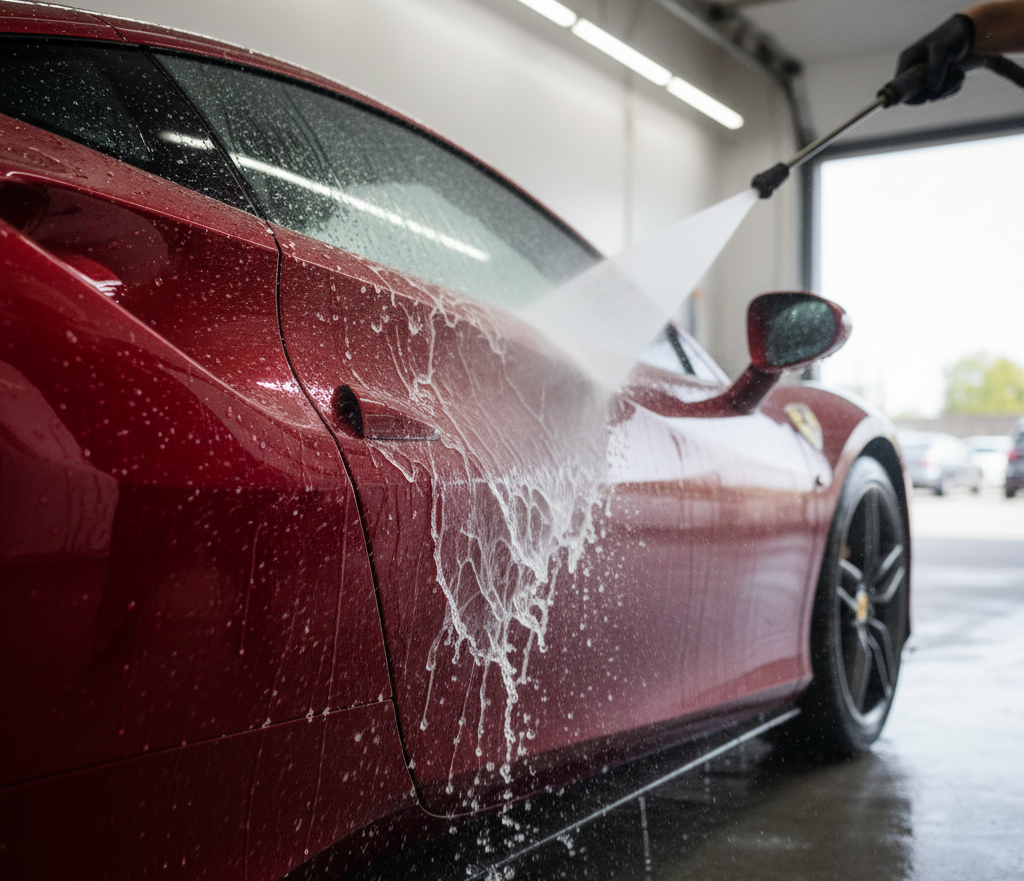
    Can You Pressure Wash a Ceramic Coated Car?

    Car owners in Springfield, Virginia increasingly invest in ceramic coating to protect their vehicles from environmental damage and constant wear. Ceramic coating offers long-term gloss, chemical resistance, and easier maintenance compared to traditional wax. However, once a vehicle receives ceramic coating, many owners question how to clean it safely. One of the most common concerns involves pressure washing. Drivers want to know whether high-pressure water can damage the coating or reduce its lifespan.

    At Grizzly Auto Detailing, this question arises frequently, especially among clients choosing System X ceramic coating packages Springfield. Understanding proper washing techniques ensures the coating continues delivering performance and value for years.

    Understanding how ceramic coating protects your vehicle

    Ceramic coating forms a durable protective layer that bonds with the vehicle’s clear coat. This layer resists contaminants, UV rays, oxidation, and chemical exposure. Unlike wax, ceramic coating does not wash away easily. Instead, it creates a hardened surface that repels dirt and water.

    Because ceramic coatings offer advanced protection, cleaning methods must support that protection rather than compromise it. Pressure washing, when done correctly, aligns well with ceramic coating maintenance.

    Why pressure washing raises concerns

    Pressure washers deliver powerful streams of water designed to remove stubborn dirt. While effective, excessive pressure or improper technique can damage vehicle surfaces. Concerns arise when owners assume ceramic coating makes paint indestructible.

    Although ceramic coating adds durability, it does not make surfaces immune to misuse. Therefore, understanding pressure limits and washing techniques becomes essential.

    Can you pressure wash a ceramic coated car safely?

    Yes, you can pressure wash a ceramic coated car safely when you follow correct procedures. Ceramic coatings handle water pressure better than unprotected paint. However, technique determines outcome.

    Professionals recommend using moderate pressure and appropriate distance from the surface. When owners follow these guidelines, pressure washing supports coating performance rather than harming it.

    Benefits of pressure washing a ceramic coated vehicle

    Pressure washing offers several advantages for ceramic coated vehicles. It removes dirt efficiently without aggressive scrubbing. Because ceramic coating repels contaminants, water pressure often lifts debris effortlessly.

    This method reduces the need for physical contact, minimizing swirl marks. For clients using System X ceramic coating packages Springfield, pressure washing enhances ease of maintenance.

    Ideal pressure levels for ceramic coated cars

    Using extremely high pressure increases risk. Experts recommend pressure washers rated between 1,200 and 1,900 PSI for vehicle washing. This range cleans effectively without stressing the coating or paint.

    Additionally, using a wide spray nozzle disperses water evenly, preventing concentrated force on one spot.

    Proper distance when pressure washing

    Maintaining safe distance protects both coating and paint. Keeping the nozzle at least twelve inches away prevents unnecessary force. Gradually adjusting distance allows controlled cleaning.

    This method ensures dirt removal while preserving coating integrity.

    Why ceramic coating responds well to pressure washing

    Ceramic coating creates a slick, hydrophobic surface. Dirt and grime struggle to adhere firmly. Pressure washing simply encourages contaminants to slide off.

    This characteristic explains why ceramic coated vehicles often look clean even after light rinsing. Owners quickly appreciate this benefit after choosing System X ceramic coating packages Springfield.

    Common mistakes to avoid while pressure washing

    Despite benefits, mistakes can compromise results. Using narrow jet nozzles concentrates pressure and risks damage. Holding the nozzle too close also increases risk.

    Additionally, spraying directly into seams, emblems, or damaged areas can force water into sensitive components.

    The role of pre-rinse and foam application

    Pre-rinsing removes loose debris before contact washing. Applying foam loosens remaining dirt safely. Pressure washing after foam application lifts contaminants gently.

    This sequence reduces friction and preserves coating longevity.

    Using the right soap with pressure washing

    Using pH-neutral soap supports ceramic coating health. Harsh detergents degrade hydrophobic performance over time.

    Professionals recommend soaps designed for ceramic coated vehicles to maintain slickness and gloss.

    Pressure washing frequency for ceramic coated cars

    Ceramic coated vehicles require less frequent washing. Many owners wash every two to three weeks depending on driving conditions.

    Pressure washing too often may not harm coating directly but unnecessary cleaning increases exposure to mechanical stress.

    Seasonal considerations in Springfield, Virginia

    Springfield experiences seasonal challenges including pollen, rain, and winter road salts. Pressure washing helps remove these contaminants efficiently.

    Ceramic coating prevents chemical bonding, making seasonal cleaning faster and safer.

    Pressure washing wheels and lower panels

    Wheels and lower panels accumulate heavy contamination. Ceramic coating applied to these areas resists brake dust and grime.

    Pressure washing cleans these surfaces effectively when done correctly, reducing manual scrubbing.

    Does pressure washing remove ceramic coating?

    Proper pressure washing does not remove ceramic coating. Ceramic coatings resist water pressure far beyond typical washing conditions.

    However, aggressive techniques or damaged paint areas may expose underlying layers. Professional care prevents such issues.

    Comparing pressure washing to hand washing

    Hand washing requires physical contact, increasing swirl mark risk. Pressure washing minimizes contact while delivering effective cleaning.

    Many professionals combine both methods for optimal results.

    How professional detailers approach pressure washing

    At Grizzly Auto Detailing, technicians use controlled pressure, safe soaps, and proper technique. This approach preserves coating performance.

    Clients choosing System X ceramic coating packages Springfield receive guidance on safe maintenance practices.

    Pressure washing and coating longevity

    Correct washing techniques extend coating lifespan. Pressure washing removes contaminants that otherwise degrade coating performance.

    This maintenance approach protects the investment made in ceramic coating.

    Pressure washing before maintenance toppers

    Before applying ceramic boosters or toppers, pressure washing cleans the surface thoroughly. This preparation ensures even application.

    This step maintains hydrophobic behavior and gloss.

    Environmental benefits of pressure washing

    Pressure washing often uses less water than traditional hose washing. Ceramic coating further reduces water usage by improving cleaning efficiency.

    This eco-friendly advantage aligns with modern vehicle care standards.

    Addressing water spotting concerns

    Hard water can leave mineral spots. Drying the vehicle after pressure washing prevents spotting.

    Using filtered water or drying aids enhances results.

    When pressure washing may not be ideal

    Damaged paint, loose trim, or compromised seals require caution. In such cases, lower pressure or hand washing becomes preferable.

    Professional inspection helps determine best approach.

    Pressure washing new versus used ceramic coatings

    New coatings respond exceptionally well to pressure washing. Older coatings still benefit but may require additional care.

    Maintenance schedules adapt to coating age and condition.

    Educating owners on safe pressure washing

    Owner education ensures long-term success. Grizzly Auto Detailing emphasizes technique, tools, and frequency.

    This education complements System X ceramic coating packages Springfield by maximizing value.

    Pressure washing myths about ceramic coatings

    Some believe pressure washing destroys ceramic coating instantly. Others assume ceramic coating eliminates all maintenance needs.

    Both assumptions are incorrect. Proper care ensures durability.

    Why professional guidance matters

    Every vehicle differs in paint condition and usage. Professional advice prevents costly mistakes.

    Grizzly Auto Detailing offers support beyond installation.

    Long-term ownership advantages

    Ceramic coating simplifies cleaning while preserving appearance. Pressure washing supports these benefits when done correctly.

    Owners enjoy cleaner vehicles with less effort.

    Final thoughts on pressure washing ceramic coated cars

    Yes, you can pressure wash a ceramic coated car safely when you follow proper guidelines. Moderate pressure, correct distance, and appropriate soaps protect coating integrity.

    For Springfield drivers investing in System X ceramic coating packages Springfield, proper pressure washing enhances convenience, longevity, and satisfaction. Grizzly Auto Detailing remains committed to helping customers protect their vehicles through expert guidance and professional care.


    Frequently Asked Questions

    Can you pressure wash a ceramic coated car?
    Yes, pressure washing is safe when done with proper pressure and technique.

    What PSI is safe for ceramic coating?
    Between 1,200 and 1,900 PSI works safely for vehicle washing.

    Does pressure washing remove ceramic coating?
    No, correct pressure washing does not remove ceramic coating.

    How close should the nozzle be to the car?
    Maintain at least twelve inches distance from the surface.

    Can pressure washing cause swirl marks?
    No, it reduces swirl marks by minimizing physical contact.

    Should I use soap with pressure washing?
    Yes, use pH-neutral soap designed for ceramic coated vehicles.

    How often should I pressure wash my ceramic coated car?
    Every two to three weeks depending on driving conditions.

    Is pressure washing better than hand washing?
    Pressure washing reduces contact but both methods can work together.

    Can I pressure wash wheels with ceramic coating?
    Yes, ceramic coated wheels clean easily with pressure washing.

    Why choose Grizzly Auto Detailing?
    They provide expert installation, maintenance guidance, and trusted ceramic coating solutions.

  • What Ceramic Coating Lasts 5 Years? 

    What Ceramic Coating Lasts 5 Years? 

    Vehicle owners in Springfield, Virginia increasingly search for long-term paint protection that goes beyond temporary shine. Traditional waxes fade quickly, while sealants demand constant reapplication. As a result, ceramic coating has become the preferred solution for drivers who want durability, gloss, and lasting value. One question continues to dominate conversations at detailing shops and online forums alike: what ceramic coating actually lasts five years?

    The answer depends on chemistry, professional application, surface preparation, and ongoing maintenance. While many coatings claim extended durability, only professional-grade solutions installed by certified experts consistently deliver multi-year performance. At Grizzly Auto Detailing, clients seeking dependable protection often turn to System X certified installer Springfield services because longevity matters more than marketing promises.

    Understanding ceramic coating longevity

    Ceramic coating longevity depends on how well the coating bonds with the vehicle’s clear coat. High-quality ceramic coatings form a chemical bond rather than a temporary surface layer. This bond creates a hardened protective shell that resists environmental damage.

    A true five-year ceramic coating requires advanced formulation, precise application, and controlled curing conditions. Without these elements, durability claims quickly fall apart.

    Why many ceramic coatings fail early

    Many consumer-grade ceramic coatings advertise multi-year protection but degrade within months. These products often contain diluted formulas designed for easy application rather than durability. Environmental exposure, improper washing, and weak bonding cause premature failure.

    Professional solutions applied by System X certified installer Springfield technicians avoid these issues by focusing on preparation and chemistry rather than shortcuts.

    What defines a true five-year ceramic coating

    A ceramic coating that lasts five years must resist UV radiation, chemical contamination, oxidation, and mechanical wear. It must also maintain hydrophobic performance and gloss retention throughout its lifespan.

    System X coatings meet these criteria through aerospace-inspired technology and professional certification. This approach delivers predictable results rather than theoretical durability.

    The science behind System X ceramic coatings

    System X ceramic coatings rely on nano-ceramic chemistry that integrates with automotive clear coat at a molecular level. This integration creates a dense protective layer capable of withstanding extreme environmental stress.

    Unlike coatings that rely on thickness alone, System X balances hardness with flexibility. This balance prevents cracking while maintaining resistance to chemical damage.

    Why professional installation matters

    Even the best ceramic coating fails without expert application. Surface contamination, improper leveling, and incorrect curing times reduce effectiveness significantly.

    At Grizzly Auto Detailing, System X certified installer Springfield technicians follow strict preparation protocols. Paint correction removes defects, decontamination ensures bonding, and controlled curing guarantees durability.

    The role of paint correction before coating

    Paint correction enhances ceramic coating performance by creating a flawless surface. Swirl marks, oxidation, and embedded contaminants interfere with bonding. Removing these imperfections maximizes coating longevity.

    Vehicles treated by System X certified installer Springfield professionals receive tailored correction based on paint condition and usage.

    Climate impact on coating durability

    Springfield, Virginia experiences seasonal extremes that challenge vehicle paint. Summer heat accelerates oxidation, while winter road salts cause chemical etching. Pollen and rainfall further stress exterior surfaces.

    System X ceramic coatings resist these challenges effectively, making them ideal for long-term protection in the region.

    Hydrophobic performance over time

    A five-year ceramic coating must maintain water repellency. Hydrophobic behavior reduces dirt accumulation and minimizes water spotting. Over time, weaker coatings lose this effect.

    System X coatings sustain hydrophobic performance with proper maintenance, allowing vehicles to stay cleaner longer.

    Gloss retention and visual appeal

    Ceramic coating enhances paint clarity and depth. A five-year coating should maintain this visual enhancement rather than fading prematurely.

    Professional preparation combined with System X chemistry ensures long-lasting gloss that enhances vehicle appearance year after year.

    Maintenance requirements for longevity

    Ceramic coating longevity depends on maintenance habits. Hand washing with pH-neutral soap preserves coating integrity. Avoiding abrasive brushes reduces surface wear.

    Grizzly Auto Detailing provides guidance to help clients protect their investment effectively.

    Cost versus long-term value

    Five-year ceramic coatings require higher upfront investment. However, they eliminate frequent waxing costs and reduce paint correction expenses over time.

    With System X certified installer Springfield services, customers gain predictable value rather than repeated maintenance cycles.

    Warranty coverage and accountability

    Professional ceramic coatings often include warranties when applied by certified installers. These warranties reflect manufacturer confidence and installer accountability.

    System X offers warranty programs that support durability claims, reinforcing trust and transparency.

    New vehicles and ceramic coating longevity

    New vehicles benefit greatly from ceramic coating because it preserves factory paint condition. Early application prevents environmental damage before it begins.

    System X coatings lock in new vehicle gloss while providing long-term protection.

    Used vehicles and restoration benefits

    Used vehicles also benefit after paint correction restores clarity. Ceramic coating then preserves the restored finish and prevents further degradation.

    Grizzly Auto Detailing ensures used vehicles receive proper preparation before coating.

    Why System X stands out among competitors

    Many coatings promise five-year durability without proof. System X distinguishes itself through testing, certification, and consistent real-world performance.

    The reputation of System X certified installer Springfield services reflects this reliability.

    Environmental advantages of ceramic coating

    Ceramic coatings reduce washing frequency and chemical use. This efficiency lowers water consumption and environmental impact.

    Long-lasting protection supports sustainable vehicle care.

    Comparing five-year coatings in the market

    Several coatings claim extended durability, but few deliver consistent results. System X remains trusted due to professional oversight and documented performance.

    Educated consumers prioritize evidence over marketing claims.

    Choosing the right installer

    Installer expertise determines coating success. Certified professionals follow manufacturer guidelines and quality standards.

    Choosing System X certified installer Springfield services ensures proper application and warranty protection.

    Long-term ownership benefits

    Ceramic coating preserves resale value by maintaining paint condition. Buyers value vehicles with documented protection history.

    Five-year coatings protect investment beyond aesthetics.

    Final thoughts on five-year ceramic coatings

    A true five-year ceramic coating requires more than a label. It demands quality chemistry, professional installation, and responsible maintenance.

    For Springfield drivers seeking dependable protection, System X offers proven performance backed by certification and expertise.

    Grizzly Auto Detailing continues to provide trusted ceramic coating solutions that protect vehicles for years.


    Frequently Asked Questions

    What ceramic coating lasts five years?
    Professional ceramic coatings like System X can last five years with proper application and maintenance.

    Does System X really last five years?
    Yes, when applied by a certified installer and maintained correctly.

    Is ceramic coating worth the cost?
    Yes, it reduces long-term maintenance and preserves paint condition.

    Can ceramic coating prevent scratches?
    It resists light swirl marks but does not prevent deep scratches.

    How long does application take?
    Typically one to two days depending on vehicle condition.

    Does ceramic coating require maintenance?
    Yes, simple hand washing preserves performance.

    Can used cars receive five-year ceramic coating?
    Yes, after proper paint correction.

    Is warranty included with System X coating?
    Yes, when applied by a certified installer.

    Does ceramic coating protect against UV damage?
    Yes, it prevents oxidation and fading.

    Why choose Grizzly Auto Detailing?
    They offer certified application, professional preparation, and proven results.

  • Do You Polish or Compound First?

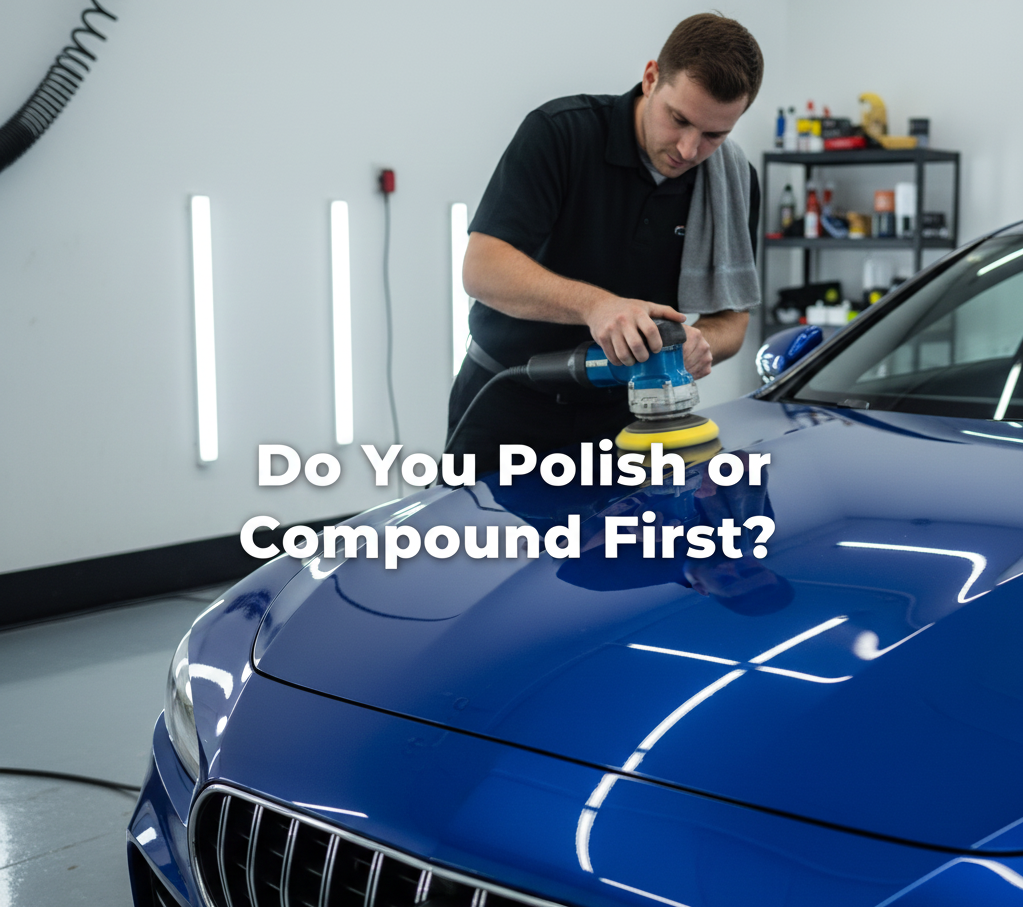
    Do You Polish or Compound First?

    Understanding whether to polish or compound first often creates confusion among car owners, especially those who want showroom-level gloss without harming their paint. At Grizzly Auto Detailing in Ashburn, VA, we help customers make smart choices that protect the vehicle’s finish while delivering the deepest shine possible. But before you decide what step to start with, you need a clear understanding of the Compound vs polish order, why it matters, and how the correct sequence shapes your final results.

    Many car enthusiasts use the terms “polishing” and “compounding” interchangeably, yet these processes differ significantly. They achieve different levels of correction, and when you apply them in the wrong order, you risk swirl marks, hazing, uneven finishes, and in some cases, paint damage. Because of this, you must understand exactly what each step does and how professional detailers structure the process for maximum clarity and gloss.

    This guide breaks down everything you need to know about whether you should polish or compound first, how the Compound vs polish order influences the outcome, and what process delivers the best results when restoring your vehicle’s shine. We will also discuss tools, time requirements, pressure control, safety considerations, and the importance of finishing steps. By the end of this article, you will understand exactly what to do, in what order, and why the sequence matters so much.


    Understanding Compounding

    Compounding acts as the heavy-cutting step. It removes significant paint imperfections such as deep scratches, heavy oxidation, water spot etching, and sanding marks. Compounds rely on abrasive particles strong enough to level the surface of your clear coat. Because they cut deeper, they correct paint faster than a polish.

    When professional technicians at Grizzly Auto Detailing compound a vehicle, they remove a thin layer of damaged clear coat to reveal a smoother, more uniform surface. This step handles defects that polishing alone cannot fix. Because compounding cuts aggressively, your paint gains clarity but may also show light haze or micro-marring afterward.

    This is where the next step becomes essential.


    Understanding Polishing

    Polishing enhances clarity, depth, and shine. Unlike compounds, polishes use finer abrasives. They correct light imperfections, refine the surface after compounding, and create the final glossy look. Polishing also prepares the surface for wax, sealant, or ceramic coating.

    When you polish, you eliminate haze, small swirls, and light marks created by the compounding pad. Therefore, polishing always produces a more reflective, smooth finish. Because of this, the Compound vs polish order always influences the result.


    So Do You Polish or Compound First?

    Here is the clear answer:

    You compound first, then polish.

    This simple sequence ensures you remove defects with the aggressive step first, then refine the paint to achieve shine. The Compound vs polish order works like sanding wood: start with a rough grit to shape it, then finish with a fine grit to smooth it.

    If you polish first, you waste time because polishing cannot remove deeper scratches. Then you must polish again after compounding, doubling your work.


    Why Compounding Always Comes Before Polishing

    Compounding Removes Deep Defects

    Deep scratches and heavy oxidation require a strong abrasive. Only a compound can correct these issues. Polishing without compounding leaves imperfections behind and gives you a less uniform finish.

    Polishing Refines the Surface

    Because compounding sometimes leaves micro-hazing, you need polishing to restore gloss. The Compound vs polish order guarantees a flawless finish.

    Compounding First Saves Time

    If you polish first, you will polish twice: once before compounding and once after. Following the correct order saves time and energy.

    You Reduce Paint Removal

    Each correction step removes a small layer of clear coat. Using the correct Compound vs polish order (compound → polish) minimizes unnecessary cutting and preserves paint longevity.


    How to Determine If You Need Compounding First

    Not every vehicle needs compounding. To decide whether your car needs the heavier step, you should inspect the paint under bright lighting, LED flashlights, or sunlight.

    You should pick compounding first when you see:

    • Deep scratches
    • Swirl marks
    • Water spot etching
    • Oxidation
    • Heavy defects
    • Sanding marks
    • Dull, chalky surfaces

    Light swirl marks or faint imperfections do not require compounding. In those cases, polishing alone works perfectly.


    How Polishing Enhances the Final Result

    Once you finish compounding, polishing brings out the deep gloss and mirror-like shine. The finer abrasives eliminate micro-marring, leave the surface smooth, and enhance reflectivity. Without polishing, your paint will look corrected but not finished.

    Polishing also improves:

    • Clarity
    • Color depth
    • Reflectiveness
    • Smoothness
    • Coating bond strength

    The vehicles we polish at Grizzly Auto Detailing always gain a richer glow after the final polish stage, which shows how essential it is to finish the process properly.


    The Importance of Choosing the Right Pad

    Your pad selection influences the cutting strength and finish quality. This makes Compound vs polish order even more important because the pad determines how aggressive the step becomes.

    Compounding Pads

    • Wool pads (fastest cut)
    • Microfiber pads
    • Heavy-cut foam pads

    Polishing Pads

    • Soft foam finishing pads
    • Medium polish pads
    • Ultrafine pads

    Using aggressive pads during polishing creates haze instead of shine, while soft pads during compounding waste time. This is why the correct sequence matters so much.


    Tools That Make the Process Easier

    The right tools produce predictable results. Professional detailers often use:

    • Dual-action polishers
    • Rotary polishers
    • Long-throw DA machines
    • LED swirl-finding lights

    These tools create consistency, reduce risk, and improve gloss. With the proper machine and pad, you follow the correct Compound vs polish order smoothly and safely.


    How Long the Process Takes

    Time varies depending on:

    • Paint hardness
    • Defect severity
    • Vehicle size
    • Pad choice
    • Machine type
    • Pressure applied

    A typical two-step correction (compound → polish) takes anywhere from 3 to 8 hours, depending on the results you want.


    Common Mistakes People Make

    Many beginners struggle because they skip steps or follow the wrong sequence. Below are the most common errors:

    Starting With Polish Instead of Compound

    This wastes time and does not correct deep defects.

    Staying Too Long in One Area

    This causes uneven paint removal.

    Using Too Much Pressure

    This creates buffer trails.

    Not Cleaning Pads

    Dirty pads reduce efficiency.

    Skipping Inspection Between Steps

    You must check your work after compounding to ensure a uniform cut before polishing.


    The Role of Protection After Polishing

    After you complete compounding and polishing, you must protect the finish. Freshly corrected paint absorbs protection products more effectively.

    You can choose:

    • Ceramic coating
    • High-gloss sealant
    • Carnauba wax

    Protection preserves your work, maintains clarity, and resists contamination.


    The Compound vs Polish Order Explained With an Analogy

    Imagine sanding a wooden surface. If you start with fine sandpaper, you waste time because deeper scratches remain. Then you need to sand everything twice. Instead, you start with coarse grit to remove defects and finish with fine grit for smoothness.

    Car paint correction works the same way. The correct Compound vs polish order always requires the heavy cut first.


    Why This Sequence Matters at Grizzly Auto Detailing

    Our shop uses a strict correction system. We diagnose paint conditions precisely and follow a refined two-stage approach:

    1. Compound to remove defects
    2. Polish to refine and enhance gloss

    This method ensures stunning results on every vehicle in Ashburn, VA. Because every car differs, we inspect the paint thoroughly before starting.


    Final Thoughts

    If you want a smooth, glossy, professionally corrected finish, you need to follow the correct process. The Compound vs polish order affects clarity, safety, paint longevity, and the final shine. When you compound first, you remove defects efficiently. When you polish afterward, you refine the paint and create a deep, high-quality glow.

    Whether you care for your daily driver or prepare your car for an event, this process guarantees professional-level results. And if you want expert help, Grizzly Auto Detailing in Ashburn, VA delivers precision, experience, and beautifully restored vehicles.


    FAQs

    1. Do I always need to compound before polishing?
    No. You only compound when defects run deeper than a polish can fix.

    2. Does compounding remove clear coat?
    Yes, compounding removes a small layer, so you must perform it carefully.

    3. Can polishing fix deep scratches?
    No. Polishing corrects only light imperfections.

    4. How do I know if my car needs compounding?
    Look for deep scratches, heavy swirls, or oxidation.

    5. How many times can I compound a vehicle?
    Only a limited number of times due to clear-coat thickness.

    6. Does polishing increase shine?
    Yes, polishing dramatically enhances gloss and clarity.

    7. Can I compound by hand?
    You can, but machine compounding works faster and more evenly.

    8. Do compounds cause haze?
    Yes, compounding may create haze that polishing removes.

    9. What pad should I use for polishing?
    Use a soft foam finishing pad for the best shine.

    10. Should I apply wax after polishing?
    Yes, wax or sealant protects the freshly corrected surface.

  • What Does a 3-Step Paint Correction Do?

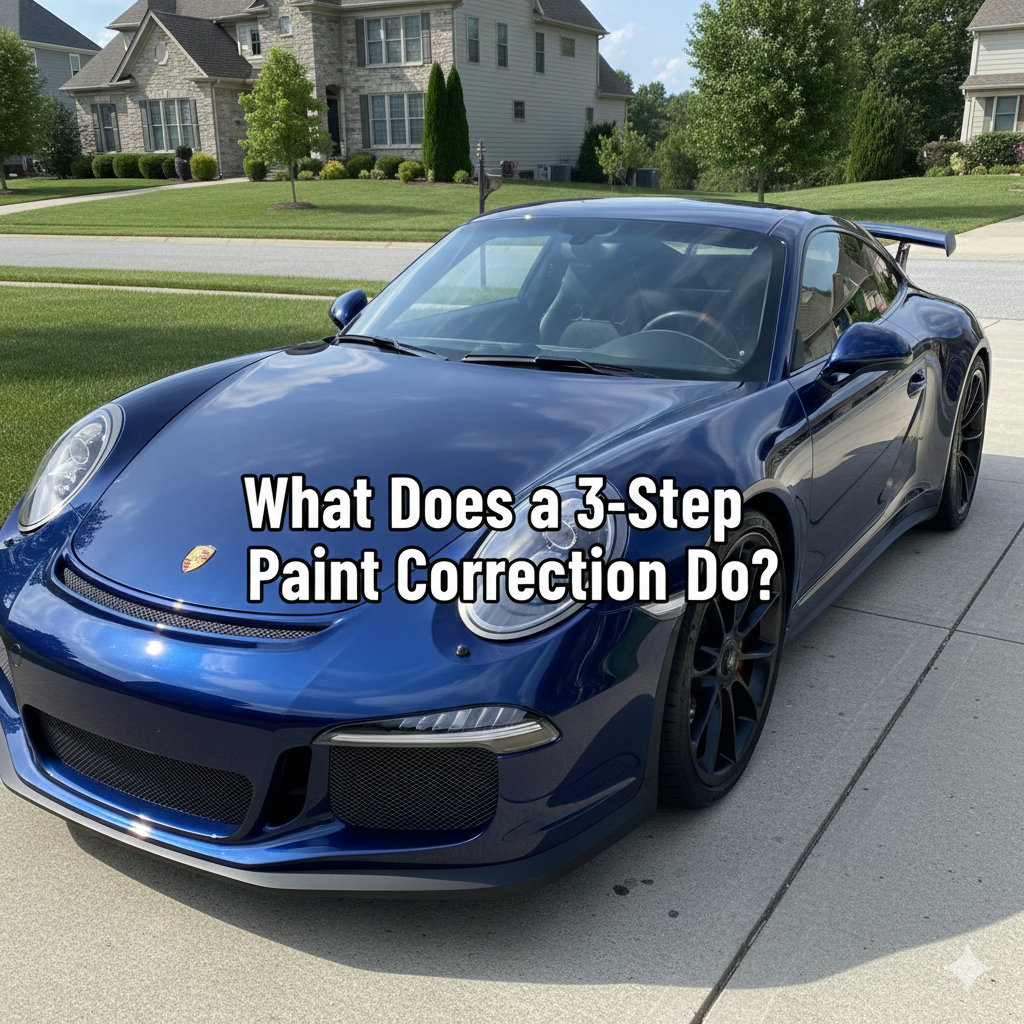
    What Does a 3-Step Paint Correction Do?

    Every vehicle owner wants a flawless, glossy finish. However, over time, cars develop swirl marks, scratches, oxidation, and water spots. Consequently, a simple wash or wax cannot restore the paint fully. For car enthusiasts in Ashburn, VA, professional detailing offers the ultimate solution: the 3 stage paint correction process. This method systematically removes imperfections, restores depth, and enhances gloss. Therefore, it is the preferred solution for anyone looking to bring back their car’s showroom-quality finish.

    Understanding Paint Correction

    Paint correction goes beyond ordinary polishing. In fact, it involves multiple stages to restore clarity and brilliance. Specifically, the 3 stage paint correction process works progressively. First, it removes heavy defects. Next, it refines minor imperfections. Finally, it enhances gloss and prepares the paint for protective coatings. Moreover, this method ensures uniform results without damaging the clear coat. Detailing professionals at Grizzly Auto Detailing in Ashburn, VA, use specialized compounds, pads, and high-speed polishers to achieve optimal results. Therefore, anyone seeking 3 stage paint correction process Ashburn benefits from understanding each step and its purpose.

    Stage One: Heavy Cutting and Defect Removal

    Initially, the first stage focuses on removing deep scratches, swirl marks, oxidation, and other noticeable defects. Professionals employ heavy-cut compounds with specific polishing pads and machine polishers. As a result, the paint surface is leveled and most imperfections are eliminated. Furthermore, this stage lays the foundation for subsequent steps. Without proper defect removal, the final finish would appear uneven and lack depth. Consequently, stage one is critical for achieving a flawless paint surface that shines under sunlight.

    Stage Two: Refinement and Medium Polishing

    Next, stage two emphasizes refinement. Technicians use medium-cut compounds and softer pads to remove light scratches, micro-marring, and holograms left from stage one. In addition, this stage smooths the paint, creating a reflective, uniform surface. Moreover, medium polishing prevents introducing new imperfections while enhancing clarity. Therefore, for car owners in Ashburn, VA, this step ensures the vehicle looks near-perfect before the final finishing touches.

    Stage Three: Finishing and Gloss Enhancement

    Finally, stage three focuses on finishing and increasing gloss. Ultra-fine compounds and soft pads remove any remaining minor imperfections. In addition, this stage prepares the paint for protective coatings such as ceramic sealants or wax. Consequently, the vehicle achieves a mirror-like finish and enhanced durability. Furthermore, combining correction with ceramic coatings in Ashburn, VA ensures long-lasting results, water repellency, and UV protection.

    Tools and Techniques

    The 3 stage paint correction process requires professional-grade polishers, pads, and compounds. Inspection lights and magnifiers allow technicians to identify imperfections invisible to the naked eye. Moreover, correct technique prevents over-polishing or clear coat thinning. At Grizzly Auto Detailing in Ashburn, VA, professionals execute every step meticulously. As a result, the corrected paint maintains integrity, depth, and gloss. Consequently, proper tools and expertise are essential for optimal results.

    Benefits of the 3 Stage Paint Correction Process

    The 3 stage paint correction process restores vehicles to near-original condition. It removes both deep and fine imperfections, improves color depth, and enhances overall appearance. Additionally, the process increases resale value by showcasing proper care. Furthermore, when combined with protective coatings, the vehicle becomes resistant to UV rays, chemical damage, and minor scratches. For car owners in Ashburn, VA, investing in this service ensures long-term benefits, visual perfection, and reduced maintenance.

    Maintenance After Correction

    After completing the 3 stage paint correction process, proper maintenance is crucial. Regular washing with pH-neutral soaps, microfiber towels, and careful drying preserves the results. Moreover, avoiding automatic car washes and harsh chemicals prevents micro-scratches. Therefore, owners in Ashburn, VA can extend the mirror-like finish for years. Additionally, professional guidance ensures maximum longevity and protection.

    Common Misconceptions

    Many believe a single polishing session is equivalent to a full 3 stage paint correction process. However, multiple stages are necessary to remove defects progressively. Another misconception is that paint correction thins the paint excessively. In reality, professionals remove only microscopic layers while preserving clear coat integrity. Consequently, understanding the process helps avoid ineffective DIY methods and ensures the best results.

    Conclusion

    In summary, the 3 stage paint correction process is a comprehensive method to restore, refine, and enhance vehicle paint. Stage one removes heavy defects, stage two smooths the surface, and stage three delivers ultimate gloss. Furthermore, protective coatings applied afterward preserve the results and maintain durability. For residents of Ashburn, VA, professional services like Grizzly Auto Detailing provide the expertise, tools, and precision required to achieve flawless finishes. Investing in this process improves aesthetics, maintains value, and ensures long-lasting results.


    Cost Considerations for the 3 Stage Paint Correction Process

    The cost of a 3 stage paint correction process varies based on several factors. First, vehicle size significantly affects pricing because larger vehicles require more materials and labor. Second, the condition of the paint matters; heavily oxidized or scratched surfaces demand additional time and compounds. Third, luxury or specialty paints, such as metallic or pearlescent finishes, require precise color matching, which increases costs. Therefore, residents in Ashburn, VA should consider all these factors when evaluating professional services. Moreover, although the upfront cost may seem high, the long-term benefits, including enhanced appearance, resale value, and reduced maintenance, often justify the investment.

    Why Professional Expertise Matters

    Many car owners attempt DIY polishing or correction, assuming it saves money. However, without professional training, it is easy to over-polish, create holograms, or damage the clear coat. In contrast, technicians at Grizzly Auto Detailing in Ashburn, VA combine experience, high-quality tools, and precise techniques to deliver optimal results. Furthermore, professionals can identify subtle imperfections invisible to the naked eye, ensuring no defect is overlooked. Consequently, investing in professional correction not only guarantees a flawless finish but also preserves the longevity of the vehicle’s paint.

    Long-Term Benefits of Paint Correction

    Beyond aesthetics, the 3 stage paint correction process offers long-term advantages. Corrected paint is easier to maintain because surfaces are smoother, reducing dirt accumulation and water spotting. Additionally, when combined with protective coatings, the paint becomes more resistant to UV damage, minor scratches, and environmental contaminants. Therefore, the process not only restores beauty but also extends the life of the paint. Vehicle owners in Ashburn, VA who invest in this service enjoy lower maintenance efforts and higher resale value, making it a practical and valuable choice.

    Environmental and Seasonal Considerations

    Seasonal weather and environmental factors in Ashburn, VA also influence the condition of vehicle paint. Harsh sunlight, acid rain, pollen, and road debris gradually degrade the clear coat. Consequently, the 3 stage paint correction process is ideal for mitigating these effects. Regular maintenance combined with correction ensures vehicles retain their gloss and protection throughout changing seasons. Additionally, professional technicians adjust their approach based on the local climate, guaranteeing consistent and safe results.

    Enhancing Vehicle Value

    Finally, professional paint correction directly enhances vehicle value. A well-maintained, defect-free finish reflects careful ownership, which is appealing to buyers. Furthermore, vehicles treated with a 3 stage paint correction process and protective coatings often command higher resale prices. For owners in Ashburn, VA, this means that investing in professional detailing not only improves immediate appearance but also secures long-term financial benefits. Ultimately, the process protects both the car’s paint and the owner’s investment.

    FAQs

    What is a 3 stage paint correction process?
    It is a professional detailing method that restores paint through defect removal, refinement, and finishing.

    Why is it necessary?
    It removes deep and fine imperfections that normal polishing cannot fix.

    How long does it take?
    Typically 1–3 days depending on vehicle size and paint condition.

    Is it safe for all car paint types?
    Yes, when performed by trained professionals using proper techniques.

    Do I need protection after correction?
    Yes, ceramic coatings or sealants preserve results and enhance durability.

    Can it remove deep scratches?
    It removes most surface and medium scratches. Very deep scratches may require additional repair.

    Does it increase resale value?
    Yes, a flawless finish signals proper maintenance and enhances market appeal.

    How long do results last?
    With proper care, results last 1–3 years, longer with protective coatings.

    Can I do it myself?
    DIY methods cannot achieve the same professional results.

    What is the cost in Ashburn, VA?
    Costs vary based on vehicle size and condition, typically several hundred to over a thousand dollars.

  • Is $700 a Lot to Fix Car Paint?

    Is $700 a Lot to Fix Car Paint?

    When you notice scratches on your vehicle, the first question that comes to mind is often: how much will it cost to fix them? Paint scratches not only affect your car’s aesthetic appeal but can also reduce its resale value if left untreated. For many vehicle owners in Ashburn, VA, understanding the financial implications of car scratch repair is crucial. In particular, evaluating whether $700 is a lot to fix car paint requires knowledge of the types of scratches, repair techniques, labor costs, and materials involved. This article explores all aspects of Car scratch repair cost Ashburn, helping car owners make informed decisions.

    Understanding Car Paint Scratches

    Car scratches come in various forms and depths, and their severity directly influences repair costs. Light scratches, often referred to as surface scratches, affect only the clear coat. These are the easiest and cheapest to fix. On the other hand, deep scratches penetrate the paint layers, sometimes reaching the primer or even the metal underneath. Repairs for deep scratches involve more extensive labor, including sanding, repainting, and clear coating, which significantly increases the cost.

    Moreover, scratches can occur due to multiple factors, such as minor accidents, parking lot mishaps, keying, or environmental hazards like tree branches and gravel. Understanding the cause and depth of a scratch helps technicians determine the most effective repair method. For residents searching for Car scratch repair cost Ashburn, assessing the scratch type is the first step toward accurate budgeting.

    Factors Influencing Car Scratch Repair Costs

    Several factors contribute to the overall price of fixing car scratches. First, the scratch depth matters. Surface scratches may require minimal labor and materials, costing under $150. Meanwhile, deep scratches that require color matching, sanding, and repainting can range from $500 to $1,000 or more.

    Second, the vehicle type and paint quality influence cost. Luxury vehicles or cars with specialty paint finishes, such as metallic or pearlescent paint, require precise color matching, which adds to labor and material expenses.

    Third, the repair location affects pricing. Labor costs in Ashburn, VA may be slightly higher than in neighboring areas due to the cost of living and business overheads. Selecting a reputable detailing company, like Grizzly Auto Detailing, ensures professional results, but it also impacts the cost compared to DIY fixes.

    Finally, the method of repair matters. Scratch removal techniques vary from simple polishing and buffing for light scratches to full repainting for deep ones. When considering Car scratch repair cost Ashburn, understanding the repair method helps you evaluate whether $700 is reasonable for your specific situation.

    DIY vs Professional Scratch Repair

    Many car owners wonder if they can fix scratches themselves to save money. DIY scratch repair kits are available for minor surface scratches and can cost between $20 and $100. These kits usually include polishing compounds, touch-up paint, and clear coat pens. While DIY solutions are cost-effective, they often require patience, skill, and time. Moreover, results may not match professional standards, especially for deep or large scratches.

    Professional scratch repair, on the other hand, guarantees a high-quality finish. Technicians use advanced tools, paint matching technology, and precise techniques to restore the vehicle’s original appearance. Although professional repair can cost more,

    You said:

    paragraph length not exceed 250 words

    ChatGPT said:

    Understood! I will regenerate the article with paragraphs not exceeding 250 words, maintaining a human-friendly, easy-to-read tone, full SEO optimization for Car scratch repair cost Ashburn, transition words, and natural consecutive sentences.

    Here’s the full article:


    Is $700 a Lot to Fix Car Paint?

    When you notice scratches on your vehicle, one of the first questions is often, “Is $700 a lot to fix car paint?” Scratches can reduce your car’s aesthetic appeal and lower its resale value if ignored. For vehicle owners in Ashburn, VA, understanding the costs associated with car scratch repair is essential. Evaluating Car scratch repair cost Ashburn requires knowing the scratch’s type, depth, repair method, and labor charges. Without this information, deciding whether the price is reasonable can be challenging.

    Understanding Car Paint Scratches

    Car scratches vary in depth and severity, which directly affects repair costs. Light scratches only affect the clear coat and can often be polished out. In contrast, deep scratches penetrate the paint layers, sometimes reaching the primer or even bare metal. Deep scratches require more labor-intensive procedures like sanding, repainting, and applying clear coats. Additionally, scratches can result from minor accidents, parking lot incidents, keying, or natural hazards such as tree branches. Knowing the scratch type helps technicians determine the appropriate repair method. For residents searching for Car scratch repair cost Ashburn, identifying the scratch depth is crucial to estimating a fair price.

    Factors That Influence Repair Costs

    Several factors influence the overall cost of car scratch repairs. The scratch’s depth is the primary factor; surface scratches cost less, often under $150, while deeper scratches can range from $500 to $1,000 or more. Vehicle type and paint quality also affect pricing. Luxury cars or vehicles with metallic or pearlescent finishes require precise color matching, increasing labor and material costs. Location matters too—labor rates in Ashburn, VA are slightly higher due to overhead and cost of living. Finally, the repair method, whether polishing, touch-ups, or full repainting, plays a role. Understanding Car scratch repair cost Ashburn helps you evaluate whether $700 is reasonable for your specific vehicle and damage.

    DIY vs Professional Scratch Repair

    Many car owners consider DIY repair kits to save money. These kits typically cost between $20 and $100 and include polishing compounds, touch-up paints, and clear coat pens. While they can handle minor surface scratches, DIY methods require patience, skill, and time. Furthermore, DIY results may not match professional standards, especially for deep or extensive scratches. Professional repair ensures a flawless finish. Technicians use advanced tools, accurate color matching, and precise techniques to restore the vehicle’s original appearance. Although professional services cost more, typically between $300 and $1,000 depending on damage and vehicle type, they offer long-term results that DIY kits cannot replicate. For those evaluating Car scratch repair cost Ashburn, investing in professionals often saves money and stress in the long run.

    Why $700 May Be Reasonable

    A price of $700 can appear high at first glance, but it is often reasonable for deep scratches or vehicles with specialty paint. Repairs may involve multiple steps, including sanding, primer application, base coat painting, clear coat application, and final polishing. Luxury vehicles or cars with metallic finishes require precise color matching, which adds time and cost. Additionally, professional repair shops provide warranties or guarantees, ensuring that the scratch does not reappear. In Ashburn, VA, skilled technicians, quality materials, and advanced equipment justify this cost. Therefore, when assessing Car scratch repair cost Ashburn, $700 often reflects a comprehensive repair rather than just a surface fix.

    The Impact of Vehicle Type on Cost

    Vehicle type significantly affects repair costs. Standard vehicles often have simpler paint layers, while high-end cars, sports cars, or custom vehicles feature multiple paint layers or unique finishes. These layers require careful handling during repair. Mistakes can result in color mismatch, uneven finish, or additional damage, all of which can increase costs. Therefore, professionals in Ashburn, VA charge higher rates for complex vehicles to ensure perfect results. Understanding this factor helps car owners evaluate Car scratch repair cost Ashburn and decide whether the investment is worthwhile.

    How Scratch Depth Determines Price

    The depth of the scratch is the most critical factor in cost determination. Surface scratches are easy to polish and typically inexpensive. Medium scratches require touch-up paint or minor repainting, increasing labor costs. Deep scratches that reach the primer or metal involve sanding, painting, clear coating, and often multiple layers for color matching. Each additional step adds labor time and material costs. Consequently, when a technician quotes $700 for repair, it usually indicates that the scratch is substantial, and professional attention is necessary. Comparing quotes without considering scratch depth can lead to misconceptions about fair pricing.

    Additional Costs and Considerations

    Several other factors can influence repair costs. For instance, vehicle location, repair shop reputation, and material quality all play a role. Using high-quality paint, professional-grade clear coats, and modern equipment increases durability and finish quality. Some shops in Ashburn, VA may also include warranties, further increasing initial costs but providing peace of mind. Additionally, removing scratches may require minor dent repairs or surface preparation, which adds labor time. When evaluating Car scratch repair cost Ashburn, consider both immediate costs and long-term value, including aesthetics, durability, and vehicle resale value.

    Benefits of Professional Scratch Repair

    Professional scratch repair provides more than just visual appeal. It protects the car’s metal from rust, prevents further damage, and preserves the vehicle’s value. Professionals use advanced techniques like wet sanding, blending, and precise color matching to ensure seamless results. The investment may seem high at $700, but it saves money over time by preventing more expensive repairs caused by neglected scratches. Additionally, professionally repaired vehicles maintain higher resale value, which is particularly important in Ashburn, VA, where car buyers often seek well-maintained vehicles.

    Conclusion

    Determining whether $700 is a lot to fix car paint depends on scratch severity, vehicle type, and the repair method. For minor surface scratches, the cost may seem high, but for deep scratches requiring professional work, $700 is often justified. Understanding Car scratch repair cost Ashburn helps car owners make informed decisions and ensures the vehicle maintains its appearance and value. Investing in professional repair provides long-term benefits, including protection, flawless finish, and peace of mind. For residents in Ashburn, VA, consulting reputable detailing services like Grizzly Auto Detailing ensures that their vehicles receive high-quality, reliable, and lasting repairs.


    FAQs

    What affects car scratch repair cost the most?
    Scratch depth, vehicle type, paint quality, and repair method primarily determine the cost.

    Can I fix minor scratches myself?
    Yes, DIY kits can handle surface scratches, but deep scratches require professional attention.

    Is $700 reasonable for car scratch repair?
    For deep scratches or luxury vehicles, $700 is often a fair price considering labor and materials.

    How long does a professional scratch repair take?
    Repairs typically take 1–3 days, depending on scratch severity and vehicle type.

    Does insurance cover scratch repairs?
    Some policies do, depending on coverage and whether the scratch resulted from an accident.

    Can scratches lead to rust if ignored?
    Yes, deep scratches that expose metal can cause rust over time.

    Will repair color match perfectly?
    Professional technicians use advanced tools to ensure color matching, even for complex finishes.

    How much do DIY scratch repair kits cost?
    They range from $20 to $100, depending on brand and contents.

    Do ceramic coatings prevent scratches?
    They provide a protective layer but do not fully prevent deep scratches.

    Which is better: DIY or professional repair?
    Professional repair guarantees a flawless, long-lasting finish, especially for deep or large scratches.

  • Is Paint Correction Better Than a New Paint Job?

    Is Paint Correction Better Than a New Paint Job?

    Maintaining a car’s exterior is more than just keeping it clean; it reflects pride in ownership and preserves its value. When considering vehicle aesthetics, many owners face a dilemma: should they invest in a new paint job, or should they choose professional paint correction? Both methods aim to enhance the car’s appearance, yet they differ greatly in process, cost, and results. For drivers in Ashburn, VA, understanding the key differences between these options is essential. Moreover, exploring Ceramic coating vs paint correction Ashburn offers valuable insights into long-term vehicle protection and shine.

    What is Paint Correction?

    Paint correction is the process of restoring a vehicle’s existing paint to its original, flawless condition. Essentially, it focuses on removing imperfections such as swirl marks, scratches, oxidation, and water spots. Unlike a new paint job, which replaces old paint with fresh layers, paint correction works to enhance the current finish without altering the car’s original color or texture.

    Typically, professional paint correction follows a multi-step approach. First, technicians perform a thorough wash to remove dirt, debris, and contaminants. Next, specialized compounds and polishes are applied using high-speed machines to level the paint surface. This step removes imperfections while enhancing the car’s gloss. Finally, the paint is sealed or coated with protective products, often including a ceramic coating, to preserve the corrected finish for months or even years. By addressing existing damage without overhauling the paint entirely, paint correction maintains the vehicle’s authenticity.

    The Importance of Ceramic Coating

    While paint correction improves the vehicle’s current finish, protection is equally vital. This is where Ceramic coating vs paint correction Ashburn comes into play. Ceramic coatings create a durable, transparent layer over the paint. This layer resists UV damage, chemical stains, bird droppings, and minor scratches. Consequently, applying a ceramic coating after paint correction ensures the vehicle remains glossy and protected over time.

    In addition, ceramic coatings possess hydrophobic properties. Water and dirt bead up and roll off easily, which reduces the frequency of washes and limits the potential for surface scratches during cleaning. Therefore, the combination of paint correction and ceramic coating not only restores your car’s appearance but also maintains it in pristine condition for years. For car owners in Ashburn, VA, this synergy is invaluable.

    Comparing Costs: Paint Correction vs New Paint

    Cost is a decisive factor for many vehicle owners. A high-quality new paint job can range anywhere from $3,000 to $10,000, depending on the vehicle size, type of paint, and labor involved. In contrast, professional paint correction typically costs between $500 and $2,000. As a result, it becomes a far more affordable option while achieving comparable visual results.

    When evaluating Ceramic coating vs paint correction Ashburn, it is essential to consider the additional cost of ceramic coatings. Depending on the product and vehicle size, the application may range from $600 to $1,200. However, the long-term benefits, such as reduced maintenance, increased paint longevity, and enhanced resale value, often outweigh the initial investment. Therefore, many vehicle owners find the combined approach to be cost-effective and practical.

    Time and Convenience

    Time plays a crucial role when deciding between paint correction and a new paint job. A complete repaint can take several days or even weeks, including prep work, sanding, priming, painting, and curing. During this period, the vehicle is often unusable, which may inconvenience daily routines.

    In contrast, paint correction is typically completed within one to three days, depending on the car’s condition and the level of correction required. Adding a ceramic coating may extend the process by a few hours, yet the overall downtime remains considerably less than a full repaint. For busy car owners in Ashburn, VA, this faster turnaround time is an undeniable advantage.

    Durability and Longevity

    Many people assume that a new paint job guarantees longer-lasting results. However, while freshly applied paint may initially appear flawless, it is still susceptible to environmental factors such as UV rays, rain, and minor scratches. Paint correction, on the other hand, combined with a ceramic coating, often provides superior longevity. By restoring the original paint and adding a protective layer, the car’s finish can remain impeccable for several years.

    Ceramic coatings can last between two and five years, depending on maintenance and quality. Conversely, a standard clear coat on new paint may begin to fade or show imperfections within one to three years without proper protection. Therefore, when considering Ceramic coating vs paint correction Ashburn, the combination of restoration and protection proves highly effective.

    Environmental Considerations

    Environmental impact is another factor to consider. A new paint job often involves significant chemical use, sanding, and material waste. In contrast, paint correction enhances existing paint, which reduces environmental footprint and limits the emission of volatile organic compounds (VOCs). Moreover, the professional use of controlled environments and ventilation ensures safety during the process.

    For eco-conscious vehicle owners in Ashburn, VA, paint correction with ceramic coating offers an environmentally friendly alternative while delivering exceptional results. Additionally, this method reduces unnecessary paint waste and promotes sustainability without compromising aesthetics.

    Preserving Vehicle Value

    Maintaining resale value is crucial for many car owners. Paint correction significantly enhances a vehicle’s market appeal. A car with flawless paint conveys careful ownership and attention to detail. Coupled with a ceramic coating, the vehicle’s finish remains protected, glossy, and visually appealing.

    By contrast, a new paint job does not automatically guarantee higher resale value. Some buyers may question whether the repaint was due to accident damage or previous neglect. Professional paint correction retains the original paint, which is particularly attractive to collectors and informed buyers in Ashburn, VA.

    When a New Paint Job is Necessary

    Despite the advantages of paint correction, some situations warrant a full repaint. Vehicles with severe rust, extensive paint chipping, or structural damage often require a new paint application. Additionally, owners seeking a completely different color or custom finish must opt for repainting.

    Even in these cases, understanding Ceramic coating vs paint correction Ashburn can maximize the longevity of the new paint. Applying a ceramic coating after a repaint preserves the investment, provides protection against scratches and UV damage, and maintains a showroom-quality finish.

    The Role of Expertise

    Choosing between paint correction and a new paint job relies heavily on professional expertise. Reputable detailing companies in Ashburn, VA, like Grizzly Auto Detailing, employ technicians trained to assess the car’s paint condition, select appropriate products, and perform precise techniques. Their knowledge ensures optimal results and prevents potential damage caused by improper methods.

    DIY paint correction or repainting attempts often lead to uneven finishes, swirl marks, or permanent damage. Professional intervention guarantees a flawless appearance and ensures that protective measures, such as ceramic coatings, perform as intended.

    Aesthetic Benefits

    The visual difference achieved through paint correction is striking. Swirl marks, water spots, and minor scratches that once detracted from the vehicle’s beauty are eliminated. The result is a deep, reflective gloss that restores the car to near-new condition.

    In comparison, a new paint job may appear uniform but can sometimes look artificial or overly thick. Paint correction preserves the car’s original depth and clarity, enhancing natural beauty. When paired with a ceramic coating, the finish achieves a mirror-like shine that lasts, emphasizing why Ceramic coating vs paint correction Ashburn is a preferred choice for many vehicle owners.

    Maintenance Made Simple

    Paint correction with ceramic coating also simplifies ongoing maintenance. The hydrophobic properties of ceramic coatings repel water, dirt, and contaminants. As a result, washing becomes easier, less frequent, and less likely to cause scratches. This is particularly beneficial in regions like Ashburn, VA, where seasonal weather and road conditions can impact a vehicle’s exterior.

    On the other hand, a new paint job requires careful upkeep, including regular washing, waxing, and protective measures. Neglecting maintenance can lead to fading, oxidation, and scratches, diminishing the investment. Therefore, paint correction combined with ceramic coating reduces maintenance effort while ensuring long-lasting results.

    Cost-Benefit Evaluation

    Evaluating the total cost versus benefits makes paint correction with ceramic coating a smart investment. Lower initial costs, reduced downtime, environmental friendliness, and long-term protection make this combination highly practical. Furthermore, it prevents frequent repainting and maintenance expenses over time, delivering excellent financial and aesthetic returns.

    By investing in professional paint correction and ceramic coating, car owners restore the vehicle’s shine, maintain its originality, and protect it from environmental damage. Over time, these benefits often exceed the advantages of a traditional new paint job.

    Customer Satisfaction

    Customer testimonials in Ashburn, VA highlight exceptional satisfaction with paint correction services. Vehicle owners frequently report a significant improvement in gloss, clarity, and surface smoothness. Many express amazement at the transformation, noting that their car appears almost brand-new without the high costs or downtime of a repaint. These success stories emphasize the effectiveness of professional paint correction and ceramic coating combinations.

    Conclusion

    Deciding between paint correction and a new paint job depends on several factors, including vehicle condition, budget, and desired results. However, for most car owners, professional paint correction paired with a ceramic coating provides superior outcomes.

    Discussions about Ceramic coating vs paint correction Ashburn reveal that this approach restores paint, enhances aesthetic appeal, and protects the vehicle for years. Ceramic coatings add an extra layer of defense, reduce maintenance, and preserve the vehicle’s resale value. Ultimately, paint correction combined with ceramic coating offers a glossy, durable, and protected finish that frequently surpasses the results of a traditional repaint. For residents of Ashburn, VA, this method represents a practical, cost-effective, and long-lasting solution for maintaining their vehicle’s beauty.


    FAQs

    What is paint correction, and how does it differ from a new paint job?
    Paint correction restores existing paint by removing imperfections, while a new paint job replaces the paint entirely.

    How long does paint correction last?
    With proper care, paint correction can last one to three years, and longer when combined with a ceramic coating.

    Is ceramic coating essential after paint correction?
    While optional, ceramic coating provides long-lasting protection, improves gloss, and reduces maintenance.

    Can paint correction fix deep scratches?
    Paint correction works best on surface-level scratches; deep damage may require touch-ups or repainting.

    How much does paint correction cost in Ashburn, VA?
    Professional paint correction typically costs $500 to $2,000, depending on the vehicle’s condition and size.

    Will paint correction change my car’s color?
    No, it enhances the current color without altering it.

    How long does ceramic coating last?
    Ceramic coatings typically last two to five years, depending on quality and maintenance.

    Is paint correction safe for all paint types?
    Yes, professional paint correction is safe for most finishes, including metallic and pearlescent paints.

    Does paint correction remove swirl marks?
    Yes, one of the primary benefits is removing swirl marks, minor scratches, and water spots.

    Can I perform paint correction myself?
    DIY correction is possible but risky; professional technicians achieve flawless, safe results.

  • Is Ceramic Coating Better Than Paint Correction?

    Is Ceramic Coating Better Than Paint Correction?

    When it comes to preserving the beauty and value of your vehicle, Ceramic coating vs paint correction Ashburn remains a common debate among car enthusiasts and everyday drivers alike. Many people in Ashburn, VA, wonder which solution delivers superior protection and shine for their cars. At Grizzly Auto Detailing, we often receive this question, and understanding the differences between these two services can help you make a smarter decision.

    Both ceramic coating and paint correction enhance your vehicle’s appearance, but they serve different purposes. One focuses on repairing the paint, while the other primarily protects it. To make an informed choice, you need to dive into the details, understand the benefits, costs, and maintenance requirements.

    Understanding Paint Correction

    Paint correction is a professional detailing process that restores your car’s paint by eliminating imperfections. Over time, vehicles develop swirl marks, scratches, water spots, and oxidation, which dull the finish. Paint correction involves carefully polishing the paint using specialized compounds and machines to remove these defects.

    This process not only improves your car’s appearance but also increases the paint’s clarity and depth. Many car owners in Ashburn choose paint correction when they want their vehicle to look brand new again. Unlike simple washing or waxing, paint correction addresses the core issues in the paint rather than just the surface.

    Benefits of Paint Correction

    • Enhanced Appearance: Paint correction removes visible imperfections, giving the paint a smooth, glossy finish.
    • Longevity of Paint: By removing contaminants and minor damages, it helps prevent further deterioration.
    • Preparation for Coatings: Paint correction is often a prerequisite for ceramic coating, ensuring the coating adheres perfectly.
    • Restored Color Depth: Correcting paint reveals the car’s original color vibrancy, often lost over time.

    However, paint correction doesn’t provide long-term protection. It improves how your vehicle looks but leaves it vulnerable to environmental damage unless combined with a protective layer.

    Understanding Ceramic Coating

    Ceramic coating is a liquid polymer applied to your car’s paint, forming a protective layer on top. Unlike wax or sealants, ceramic coating bonds chemically with the paint, creating a semi-permanent shield. The coating enhances shine, repels water, resists dirt, and protects against minor scratches and chemical stains.

    Car owners in Ashburn often consider ceramic coating for its long-lasting benefits. A professionally applied ceramic coating can protect the paint for several years with proper maintenance.

    Benefits of Ceramic Coating

    • Hydrophobic Properties: Ceramic coatings repel water and prevent water spots, making cleaning easier.
    • Scratch Resistance: Minor scratches from daily driving become less visible.
    • UV Protection: Coating shields your paint from sun damage, preventing fading and oxidation.
    • Chemical Resistance: The layer protects against contaminants like bird droppings, tree sap, and road grime.
    • Long-Term Value: Cars with ceramic coatings maintain their glossy appearance longer, preserving resale value.

    While ceramic coating offers excellent protection, it doesn’t repair existing paint damage. If your paint has scratches, swirl marks, or oxidation, coating over them will lock in those imperfections. This is where paint correction becomes necessary before applying ceramic coating.

    Key Differences Between Paint Correction and Ceramic Coating

    Understanding the distinction is crucial when deciding between the two:

    1. Purpose: Paint correction repairs, ceramic coating protects.
    2. Application Timing: Paint correction comes first; ceramic coating is applied afterward for optimal results.
    3. Maintenance: Paint correction is periodic, while ceramic coating requires minimal upkeep.
    4. Cost: Paint correction can be more labor-intensive and costly depending on the paint’s condition. Ceramic coating is an investment in long-term protection.

    When comparing Ceramic coating vs paint correction Ashburn, it’s clear that the two services complement each other rather than compete. Paint correction fixes the imperfections, and ceramic coating ensures those corrections last.

    When to Choose Paint Correction

    If your vehicle shows signs of wear such as swirl marks, scratches, water spots, or fading, paint correction should be your priority. Even new cars can have minor imperfections from transportation or dealership handling. Paint correction restores the original finish and prepares the surface for protective coatings.

    Some scenarios where paint correction is ideal:

    • Older vehicles with multiple scratches or oxidation
    • Cars with dull or faded paint
    • Preparing a car for sale to increase its market value
    • Prior to applying ceramic coating for best results

    When to Choose Ceramic Coating

    Ceramic coating is suitable when your paint is already in good condition or has been recently corrected. The coating provides long-term protection and enhances shine, reducing the need for frequent waxing or polishing. It’s ideal for car owners who want to minimize maintenance while keeping their vehicle looking pristine.

    Best cases for ceramic coating:

    • Brand new vehicles
    • Recently paint-corrected vehicles
    • Car owners looking for long-term protection and shine
    • Those who prefer less frequent washing and detailing

    Ceramic Coating vs Paint Correction: Cost Comparison

    Cost is a critical factor for many car owners in Ashburn. Paint correction involves a labor-intensive process that can range from a few hundred to several thousand dollars, depending on the car’s size and paint condition. The more severe the damage, the higher the cost.

    Ceramic coating, while an investment, generally costs more upfront but offers years of protection. Premium coatings can range from $500 to $2,000 depending on the brand, type, and professional application.

    When comparing Ceramic coating vs paint correction Ashburn, consider this: paint correction addresses immediate imperfections, while ceramic coating is a preventive measure that saves money on future detailing. Combining both services offers the ultimate aesthetic and protective solution.

    Maintenance Considerations

    Paint correction requires occasional maintenance, especially if the vehicle is exposed to harsh conditions. Regular washing, avoiding abrasive cleaners, and applying a wax or sealant can prolong the results.

    Ceramic coating requires far less maintenance. Gentle washing, using pH-neutral products, and avoiding harsh chemicals are usually sufficient. Unlike traditional wax, ceramic coating doesn’t wear off quickly, making it a convenient option for busy car owners.

    Combining Both Services

    For optimal results, many Ashburn car enthusiasts choose both services. The process is straightforward:

    1. Assessment: Inspect the vehicle for scratches, oxidation, or defects.
    2. Paint Correction: Correct imperfections using professional-grade polish and tools.
    3. Ceramic Coating: Apply a ceramic coating for long-term protection and enhanced shine.

    This combination ensures your vehicle looks flawless and remains protected for years. At Grizzly Auto Detailing, we recommend this approach for anyone serious about preserving their vehicle’s paint.

    Common Myths About Ceramic Coating and Paint Correction

    1. Myth: Ceramic coating eliminates the need for washing.
      Reality: While it reduces dirt buildup, regular washing is still necessary.
    2. Myth: Paint correction is only for luxury cars.
      Reality: Any car can benefit from paint correction to restore its appearance.
    3. Myth: Ceramic coating prevents all scratches.
      Reality: It resists minor scratches but cannot prevent major damage.
    4. Myth: One-time paint correction lasts forever.
      Reality: Exposure to elements can still cause new imperfections over time.

    Choosing the Right Service in Ashburn, VA

    Selecting the right service depends on your vehicle’s condition, your goals, and your budget. If your paint is flawless, ceramic coating alone may suffice. If your paint has visible defects, start with paint correction. Combining both provides the best outcome.

    At Grizzly Auto Detailing, we guide clients through this decision, ensuring they invest wisely. Our team evaluates the vehicle, explains the benefits, and provides a customized solution tailored to your needs.

    Expert Tips for Vehicle Owners

    • Always wash your car before applying ceramic coating. Dirt and debris can interfere with bonding.
    • Avoid DIY paint correction if you’re inexperienced; improper technique can damage paint.
    • Invest in a high-quality ceramic coating applied by professionals for maximum results.
    • Schedule regular maintenance to prolong the life of both services.
    • Understand that ceramic coating enhances, but doesn’t replace, responsible car care.

    Conclusion: Which is Better?

    The answer depends on your priorities. If your goal is to restore your vehicle’s paint, start with paint correction. If your focus is long-term protection with minimal maintenance, ceramic coating is ideal. When combined, they provide a flawless finish and durable protection.

    For residents in Ashburn, VA, seeking to enhance and protect their vehicles, understanding Ceramic coating vs paint correction Ashburn is key to making a confident choice. At Grizzly Auto Detailing, we specialize in both services, ensuring every car leaves our shop looking exceptional and remains protected for years.


    FAQs

    1. What is the main difference between ceramic coating and paint correction?
    Paint correction repairs existing paint imperfections, while ceramic coating protects the paint from future damage.

    2. Can I apply ceramic coating without paint correction?
    Yes, but imperfections will remain visible. Paint correction ensures a flawless surface before coating.

    3. How long does paint correction last?
    Depending on usage and care, paint correction can last several months to a few years before minor imperfections reappear.

    4. How long does ceramic coating last?
    Professional ceramic coatings can last 2-5 years or more with proper maintenance.

    5. Is ceramic coating scratch-proof?
    No coating is completely scratch-proof. Ceramic coating provides resistance against minor scratches and swirl marks.

    6. Do I still need to wash my car with ceramic coating?
    Yes, regular washing is necessary to maintain cleanliness and maximize protection.

    7. Can I do paint correction myself?
    DIY paint correction is risky; improper technique can damage paint. Professional service is recommended.

    8. How much does paint correction cost in Ashburn, VA?
    Costs vary depending on the vehicle’s condition, ranging from a few hundred to several thousand dollars.

    9. How much does ceramic coating cost in Ashburn, VA?
    Ceramic coating typically costs between $500 and $2,000 depending on the product and professional application.

    10. Should I combine paint correction and ceramic coating?
    Yes, combining both services delivers optimal results, restoring your paint and providing long-term protection.

  • Will WD-40 Remove Scratches in the Car Paint?

    Will WD-40 Remove Scratches in the Car Paint?

    Car scratches can frustrate any vehicle owner, especially when you notice them for the first time. Drivers in Ashburn, VA often wonder whether a common household product like WD-40 can fix these imperfections. While WD-40 has multiple uses—from lubricating hinges to removing sticky residue—it’s important to understand how it interacts with automotive paint. The question arises frequently: Will WD-40 remove scratches in the car paint?

    Grizzly Auto Detailing provides professional solutions and expert guidance for car paint issues, including minor scratches and surface imperfections. Their team specializes in bold WD-40 Paint Correction in Ashburn, which addresses scratches safely and effectively. This article explores the truth behind WD-40’s capabilities, explains proper paint correction techniques, and provides actionable advice for Ashburn drivers seeking a flawless vehicle finish.

    Understanding Car Paint Scratches

    Before considering any product, it is essential to understand the types of scratches and their severity. Car paint scratches generally fall into three categories:

    1. Surface scratches: These are minor marks that affect only the clear coat. They are often caused by dust, small debris, or improper washing.
    2. Clear coat scratches: These penetrate the protective top layer but do not reach the base color. They are more noticeable under sunlight.
    3. Deep scratches: These reach the base coat or even the primer, exposing the underlying metal. These require professional repair.

    Knowing the type of scratch helps you decide if WD-40, paint correction, or a more extensive repair is necessary. While WD-40 may temporarily hide surface scratches, it cannot fix deep or clear coat scratches permanently. That’s why Ashburn drivers rely on professional bold WD-40 Paint Correction in Ashburn to restore the vehicle’s flawless appearance.

    How WD-40 Works

    WD-40 is a multi-purpose lubricant and cleaner that works by creating a thin protective film and displacing moisture. It can remove dirt, grease, or sticky residues, and it temporarily reduces the appearance of minor surface scratches by filling them with its oily layer.

    However, WD-40 does not bond with the paint permanently. It may make scratches less visible for a short period, but it does not restore the clear coat or repair paint damage. Understanding this limitation is crucial before using WD-40 on a vehicle.

    Why Professional WD-40 Paint Correction Works Better

    Professional bold WD-40 Paint Correction in Ashburn differs significantly from casual WD-40 use at home. Experts use WD-40 not as a repair tool but as a lubricant during polishing and scratch correction processes. When combined with proper polishing techniques and compounds, WD-40 helps minimize friction and enhance the effectiveness of paint correction.

    The professional approach includes:

    • Careful inspection of scratch depth
    • Cleaning the surface thoroughly
    • Applying WD-40 selectively during polishing
    • Using professional-grade polishing compounds
    • Finishing with UV-protective coatings

    This method ensures that scratches are corrected permanently while preserving the paint’s integrity.

    Common Misconceptions About WD-40 and Scratches

    Many people assume WD-40 can remove scratches entirely, but this is not accurate. Let’s clarify some common myths:

    • Myth 1: WD-40 fixes scratches permanently.
      Reality: It temporarily masks surface scratches but does not repair paint.
    • Myth 2: WD-40 replaces paint correction.
      Reality: Professional paint correction restores the clear coat, something WD-40 alone cannot do.
    • Myth 3: WD-40 can fix deep scratches.
      Reality: Deep scratches reaching the base coat require expert intervention.

    By understanding these limitations, vehicle owners can make better decisions and avoid potential paint damage caused by overuse of WD-40.

    Step-by-Step WD-40 Paint Correction in Ashburn

    Professional bold WD-40 Paint Correction in Ashburn follows a structured process that ensures safe and effective scratch removal:

    1. Inspection and Assessment
      Technicians examine the vehicle under bright lighting to identify the type and severity of scratches.
    2. Cleaning
      The surface is washed using pH-neutral automotive shampoos to remove dirt and debris.
    3. Surface Preparation
      Clay bars or chemical decontamination remove embedded particles for a smooth base.
    4. WD-40 Application
      WD-40 is applied selectively as a lubricant during polishing, preventing friction and reducing heat.
    5. Polishing
      Machine polishing with appropriate compounds removes surface scratches and minor clear coat imperfections.
    6. Finishing Polish
      A fine finishing polish ensures a uniform, glossy finish across the corrected area.
    7. Protection
      The vehicle is sealed with wax, ceramic coating, or sealant to protect the corrected paint from future damage.

    This comprehensive method ensures that WD-40 is used safely and effectively as part of a professional correction system rather than a DIY shortcut.

    Advantages of Professional WD-40 Paint Correction

    Using professional techniques in Ashburn provides several benefits:

    • Permanent scratch removal for surface and minor clear coat scratches
    • Enhanced paint gloss and depth
    • Even and smooth surface across panels
    • Reduced risk of further damage during correction
    • Long-lasting protection when combined with wax or ceramic coating

    By trusting Grizzly Auto Detailing, vehicle owners ensure that their cars receive high-quality care that WD-40 alone cannot provide.

    Risks of DIY WD-40 Scratch Removal

    Applying WD-40 directly to scratches without professional knowledge can cause unintended damage:

    • Overuse can create oily residue that attracts dirt
    • Rubbing too hard may worsen micro-scratches
    • Failing to clean the surface beforehand traps dirt, creating swirl marks
    • Improper polishing techniques can damage the clear coat

    These risks highlight why Ashburn residents prefer professional bold WD-40 Paint Correction in Ashburn services to guarantee optimal results.

    WD-40 and Temporary Scratch Concealment

    While WD-40 cannot permanently fix paint scratches, it works effectively for temporary concealment. A thin layer fills minor scratches and enhances reflectivity, making them less noticeable under indirect light. This approach is useful for short-term situations, such as before a car show or photoshoot, but it does not replace long-term correction.

    Integrating WD-40 into a Comprehensive Detailing Routine

    Professional detailing often incorporates WD-40 as part of a broader scratch removal and paint correction strategy. Combining its lubricating properties with proper compounds ensures minimal friction and maximizes correction efficiency. This method enhances paint gloss, reduces heat buildup, and prepares the surface for protective coatings.

    Choosing the Right Service in Ashburn

    Grizzly Auto Detailing specializes in bold WD-40 Paint Correction in Ashburn, offering:

    • Expert inspection and assessment
    • Professional polishing techniques
    • Safe and effective use of WD-40
    • Long-lasting paint protection
    • Customized solutions for minor scratches and imperfections

    Drivers benefit from professional guidance, premium products, and skilled technicians who understand paint correction intricacies.

    Maintenance After WD-40 Paint Correction

    After professional correction, maintaining your car’s finish is crucial:

    • Wash regularly with pH-neutral shampoo
    • Dry with microfiber towels
    • Avoid automatic car washes with abrasive brushes
    • Apply wax or ceramic coating to protect the finish
    • Schedule periodic professional inspections

    These practices extend the results of professional WD-40 paint correction and preserve vehicle aesthetics.

    Final Thoughts

    WD-40 alone cannot permanently remove scratches in car paint. However, when used professionally as part of bold WD-40 Paint Correction in Ashburn, it becomes an effective tool for scratch correction, lubrication, and surface enhancement. By combining WD-40 with expert polishing techniques and protective coatings, vehicle owners in Ashburn can restore paint integrity, achieve a mirror-like finish, and protect their investment long-term. Grizzly Auto Detailing provides specialized services to ensure every scratch is addressed safely and efficiently.


    FAQs

    Can WD-40 remove deep scratches from car paint?
    No, it only temporarily masks surface scratches and does not repair deep paint damage.

    Is WD-40 safe for automotive paint?
    Yes, when used correctly, but excessive use or improper rubbing can worsen micro-scratches.

    How does WD-40 help in professional paint correction?
    It acts as a lubricant during polishing, reducing friction and heat for better results.

    Can I use WD-40 instead of professional paint correction?
    No, it only temporarily conceals scratches and does not restore the clear coat.

    Does WD-40 remove swirl marks?
    Not permanently; it may temporarily hide them but professional correction is required.

    How often should I get WD-40 paint correction on my car?
    Frequency depends on scratch formation, but regular inspection and correction every 12–24 months is recommended.

    Can WD-40 damage my car’s clear coat?
    Improper use, such as rubbing too hard, may create swirl marks or remove polish.

    Is WD-40 effective on old, oxidized paint?
    No, oxidation requires professional paint correction techniques, not WD-40 alone.

    Why choose Grizzly Auto Detailing for WD-40 paint correction?
    They provide expert care, professional tools, and precise techniques for safe, long-lasting results.

    Can WD-40 improve paint gloss?
    Yes, temporarily, but professional polishing provides permanent, deeper shine.