Tag: Ashburn auto care

  • Why is Paint Correction so Expensive?

    Why is Paint Correction so Expensive?

    When car enthusiasts or proud vehicle owners ask, “Why is paint correction so expensive?”, the answer goes far beyond surface beauty. It’s not just about polishing paint it’s about skill, precision, technology, and the protection of one of your most valuable assets. At Grizzly Auto Detailing, our commitment to quality defines our reputation for Premier Paint Correction in Ashburn. Every swirl removed, every imperfection leveled, and every reflection enhanced represents hours of expert work, professional-grade materials, and a passion for perfection.

    Paint correction isn’t merely a “buff and shine” job; it’s an art form backed by science. Let’s uncover exactly what makes this service worth every penny from process and tools to expertise and long-term value.


    The True Essence of Paint Correction

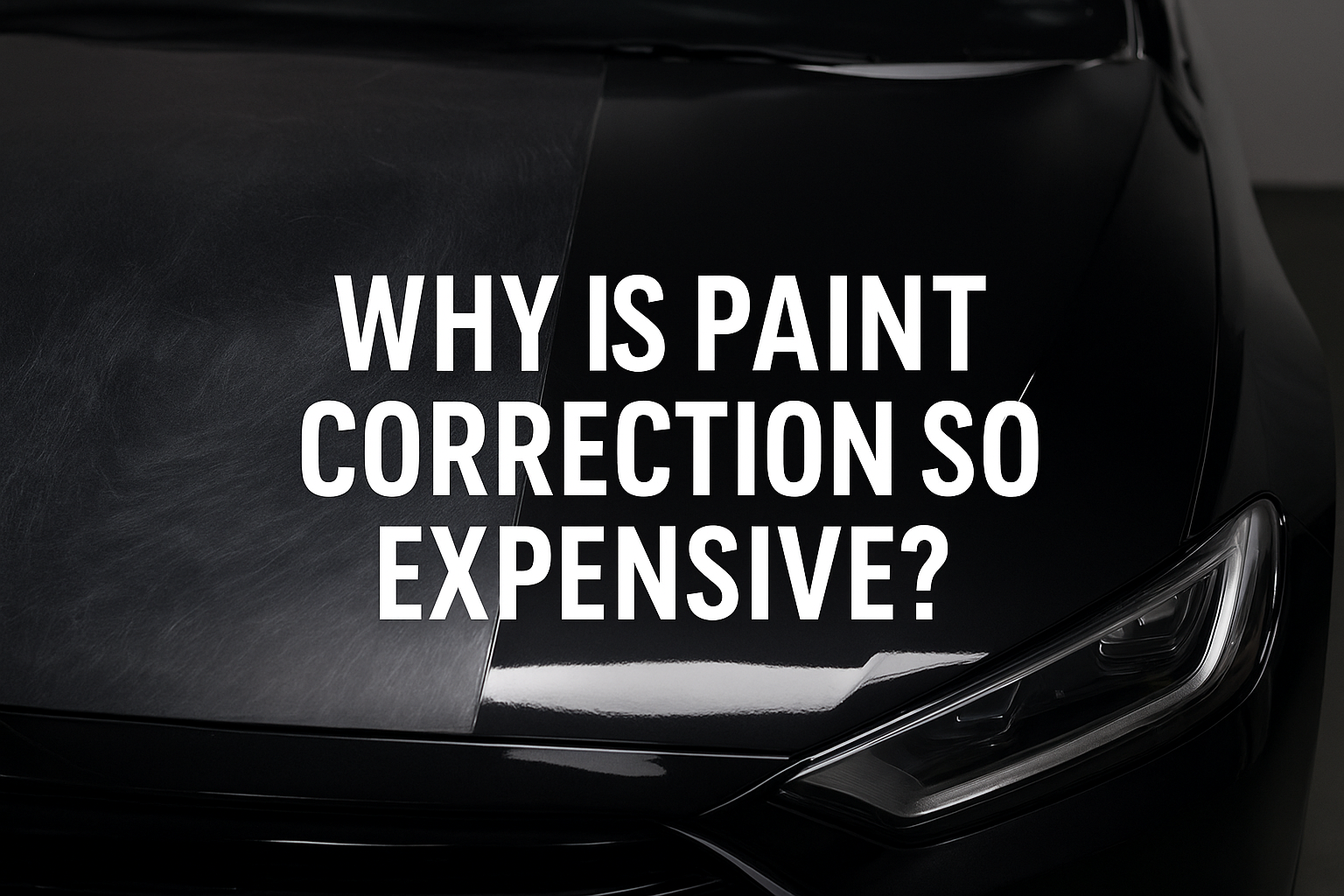
    Paint correction is the professional process of leveling out surface defects such as swirl marks, oxidation, etching, and scratches to restore paint clarity and depth. Unlike simple polishing or waxing, this process permanently removes imperfections instead of just hiding them.

    To achieve a flawless mirror finish, detailers don’t simply run a buffer over the car. They analyze paint thickness, assess defect depth, select correct pad and compound combinations, and perform multi-stage correction steps. That’s why customers seeking Premier Paint Correction in Ashburn quickly realize the investment reflects the precision and detail required.


    Step-by-Step Breakdown of Professional Paint Correction

    Understanding each phase of a proper correction service reveals why it commands higher pricing. Here’s what typically goes into a top-tier correction job:

    1. Inspection and Paint Assessment

    First, the vehicle undergoes a detailed inspection under professional lighting. Every panel is evaluated for defects, oxidation, and prior damage. The technician measures the paint thickness using digital gauges to determine how much material can be safely corrected.

    2. Decontamination Wash

    Next, the surface is thoroughly cleaned using pH-balanced soaps and iron removers. Clay bar treatment follows to remove bonded contaminants like tar, sap, and industrial fallout. This ensures no debris interferes with polishing.

    3. Tape Protection and Preparation

    Sensitive edges, trims, and emblems are carefully masked to prevent accidental damage. This preparation step demonstrates the professionalism behind Premier Paint Correction in Ashburn, where nothing is rushed or overlooked.

    4. Compounding Stage

    A heavy-cut compound paired with a microfiber or wool pad is used to level deep defects. The technician controls machine speed, pressure, and temperature to achieve uniform correction without overheating the paint.

    5. Polishing Stage

    After compounding, a fine polish and foam pad refine the surface to eliminate haze and micro-marring, creating a crystal-clear reflection. This step transforms a dull finish into a flawless gloss.

    6. Final Surface Cleansing and Inspection

    Once correction is complete, a surface wipe removes any remaining residues. The car is inspected under multiple lighting angles — sunlight simulation, LEDs, and color match lamps — to ensure no imperfection remains.

    7. Protection Layer Application

    Finally, a ceramic coating or professional wax is applied to protect the freshly corrected paint. The coating seals the gloss and prevents future defects from reappearing too soon.

    Each of these steps demands specialized tools, technical knowledge, and a controlled environment — key factors that drive up cost but ensure world-class results.


    Factors That Influence Paint Correction Costs

    Even among professional detailing shops, pricing varies because several key factors determine the final cost:

    1. Paint Condition and Vehicle Size

    A small, well-maintained sedan takes far less time than a large SUV with years of neglected paint. The level of correction required — one-step, two-step, or multi-stage — also impacts cost.

    2. Professional Experience and Skill

    Experience matters enormously. At Grizzly Auto Detailing, technicians undergo specialized training in safe correction techniques, machine handling, and paint behavior. Choosing a Premier Paint Correction in Ashburn means you’re paying for years of accumulated expertise.

    3. Equipment and Product Quality

    Premium compounds like Menzerna, Koch Chemie, or Meguiar’s, combined with high-end dual-action polishers and LED lighting systems, dramatically improve results — but they’re costly. Professional-grade microfiber pads and ceramic coatings also add to the expense.

    4. Time and Labor Intensity

    True correction isn’t rushed. Even a minor two-stage correction can take 12–20 hours, while show-level finishes might require 40+ hours of meticulous hand and machine work. Each pass, each polish, and each inspection round is performed until perfection is achieved.

    5. Controlled Environment

    Dust-free, temperature-regulated detailing bays are essential for flawless correction. Maintaining such professional facilities adds operational costs but ensures premium outcomes.


    Why DIY Correction Can Cost More in the Long Run

    Some car owners attempt DIY correction using inexpensive orbital buffers and retail-grade polishes. However, without training, it’s easy to cause irreversible damage such as paint burn-through or uneven correction.

    Correcting a poor DIY job usually costs more because professionals must first fix the new issues before addressing the original ones. Investing in expert-level correction from the start — like Premier Paint Correction in Ashburn — saves both time and money while protecting your car’s paint longevity.


    The Science Behind the Shine

    High-quality paint correction merges artistry with physics. When compounds and pads interact, microscopic abrasives gently remove clear coat layers measured in microns. The process involves controlling friction, heat, and mechanical pressure to refine the surface.

    Professional technicians rely on real-time paint readings and advanced correction charts to guide their work. Achieving flawless reflection requires a perfect balance — too little pressure won’t remove defects; too much may cause damage.

    Every corrected panel represents controlled material removal measured scientifically for long-term paint health. This scientific precision is part of what makes the service premium.


    The Value of Experience and Professional Standards

    Choosing a professional detailing company like Grizzly Auto Detailing ensures the job is executed using proper tools and methods. Every technician understands different paint systems — from hard German clears to soft Japanese finishes — and adjusts techniques accordingly.

    Quality assurance is another major factor. Each step is verified multiple times to maintain consistent gloss and clarity across all panels. This attention to uniformity and protection defines what Premier Paint Correction in Ashburn truly means — excellence without shortcuts.


    The Long-Term Benefits of Paint Correction

    Paint correction does far more than make a car look new; it increases longevity and resale value while offering practical protection benefits.

    • Enhanced Gloss and Depth: Creates a mirror-like finish that’s visibly superior to standard waxing.
    • Surface Smoothness: Makes maintenance easier since dirt and debris slide off effortlessly.
    • Oxidation Resistance: Removes early oxidation and prevents paint fading caused by UV exposure.
    • Increased Resale Value: Buyers are more attracted to a car that looks well-maintained.
    • Ceramic Coating Compatibility: Corrected paint ensures coatings bond properly for maximum durability.

    When performed by certified professionals, the results can last for years with proper care.


    Realistic Product Examples

    Professionals use premium-grade products for safe, consistent outcomes. Examples include:

    • Compounds: Meguiar’s M105, Menzerna Heavy Cut 400, Rupes Coarse Compound.
    • Polishes: Sonax Perfect Finish, CarPro Reflect, Koch Chemie Micro Cut.
    • Pads: Lake Country HDO, Rupes Blue/Wool, Hex Logic Orange.
    • Protection: CarPro CQuartz, Gtechniq Crystal Serum, or Gyeon Mohs.

    Each product type is selected based on paint hardness, color, and condition to maximize reflection and depth.


    Why Professional Paint Correction Is Worth Every Dollar

    When you invest in professional correction, you’re not just paying for shiny paint — you’re purchasing expertise, confidence, and lasting quality. A skilled detailer ensures your vehicle’s finish is not only beautiful but protected.

    The cost reflects years of accumulated training, thousands of dollars in professional-grade equipment, and countless hours of hands-on experience. For car lovers, that peace of mind is priceless.

    Ultimately, when you trust your vehicle with Premier Paint Correction in Ashburn, you ensure it receives the meticulous attention and craftsmanship it deserves. The price may seem steep initially, but the results — and protection — make it a true investment in long-term car care.


    Expert Maintenance Tips After Paint Correction

    To preserve your newly corrected finish, follow these expert recommendations:

    1. Wash Weekly with a pH-Neutral Shampoo: Avoid harsh detergents that strip protective layers.
    2. Use Two-Bucket Method: Minimize swirl mark formation during washes.
    3. Dry with Microfiber Towels: Prevent micro-scratches caused by rough fabrics.
    4. Avoid Automated Car Washes: Brushes can undo correction work.
    5. Apply Ceramic Spray Sealants: Extend the life of your coating protection.
    6. Store Indoors or Use Car Covers: Reduce UV and environmental exposure.

    Consistent care keeps your vehicle shining for years.


    Final Thoughts

    So, why is paint correction so expensive? Because it’s not just another car wash service — it’s a blend of technical expertise, advanced materials, and countless hours dedicated to perfection.

    Every swirl removed represents time, precision, and craftsmanship. For car owners who demand excellence, Premier Paint Correction in Ashburn isn’t a luxury — it’s the only way to restore and protect their investment with pride.

    At Grizzly Auto Detailing, we deliver unmatched quality, expert knowledge, and transformative results that redefine what professional detailing should be.


    Frequently Asked Questions (FAQs)

    1. How long does professional paint correction last?
    With proper maintenance, it can last several years, especially when protected with ceramic coating.

    2. Can paint correction remove all scratches?
    It removes most surface-level and moderate defects but cannot fix deep gouges that penetrate the clear coat.

    3. Is paint correction safe for all car paints?
    Yes, when performed by trained experts who assess paint hardness and thickness before correction.

    4. How many stages are in a full paint correction?
    Typically, one-step, two-step, or three-step processes depending on defect severity and finish goals.

    5. How do I maintain the finish after correction?
    Use pH-neutral shampoos, avoid automatic washes, and apply ceramic boosters every few months.

    6. Is paint correction better than waxing?
    Yes. Wax only hides defects temporarily, while correction permanently removes them for long-term clarity.

    7. How much does professional paint correction cost?
    Costs vary by vehicle size and condition but generally range between $500–$1,500 for high-end results.

    8. Does paint correction damage the clear coat?
    Not when done properly — professionals remove only microscopic layers to level imperfections safely.

    9. How can I tell if my car needs paint correction?
    If your paint looks dull under sunlight, or you see swirl marks or oxidation, it likely needs correction.

    10. Why choose Grizzly Auto Detailing for paint correction?
    Because we combine expertise, top-tier tools, and years of experience to deliver Premier Paint Correction in Ashburn that exceeds expectations.
  • How to Make a Car Exterior Look Better?

    How to Make a Car Exterior Look Better?

    Every car owner dreams of driving a vehicle that gleams under the sun with a flawless, mirror-like finish. However, maintaining that pristine look requires consistent care, the right techniques, and professional detailing expertise. At Grizzly Auto Detailing in Ashburn, VA, we’ve helped thousands of clients transform their vehicles from dull to dazzling. Whether you’re preparing for a special event, improving resale value, or simply take pride in your car, understanding how to make your exterior look its best is key. Professional Ashburn Car Detailing delivers that high-end shine and long-lasting protection every driver desires.

    In this comprehensive guide, we’ll explore proven methods, expert detailing techniques, and high-quality products to make your car’s exterior look brand new again.


    Understanding What Makes a Car Look Great

    Before diving into detailing steps, it’s important to understand what influences the overall appearance of your car’s exterior:

    1. Paint Condition – Scratches, oxidation, and swirl marks dull the finish.
    2. Surface Contaminants – Dust, tar, and pollutants stick to the paint, making it look rough.
    3. Wheel and Tire Appearance – Dirty rims or faded tires ruin even a freshly washed car.
    4. Glass and Trim – Clean windows and glossy trims add to the overall aesthetics.
    5. Lighting – Headlights and taillights lose clarity due to UV exposure and oxidation.

    Addressing each of these areas through detailing restores your vehicle’s aesthetic appeal and maintains its value.


    Step 1: Start with a Thorough Exterior Wash

    Use the Right Products

    Always begin with a pH-balanced car shampoo, never dish soap or household cleaners. These can strip protective coatings and damage paint. High-quality shampoos like Meguiar’s Gold Class Car Wash or Chemical Guys Mr. Pink gently remove dirt while preserving wax layers.

    Two-Bucket Wash Method

    1. Fill one bucket with clean water and car shampoo.
    2. Use the second bucket for rinsing your wash mitt.
    3. Wash from top to bottom to prevent dragging dirt onto clean surfaces.

    Rinse and Dry Properly

    Use a pressure washer or hose with moderate pressure to rinse off the suds. Dry with a microfiber drying towel to prevent water spots and streaks.


    Step 2: Decontaminate the Surface

    Even after washing, microscopic contaminants like iron particles, sap, and tar may remain. These impurities bond to the paint surface, creating a rough texture.

    Clay Bar Treatment

    • Spray a clay lubricant over small sections of the car.
    • Glide the clay bar gently across the surface.
    • Wipe off residue with a microfiber towel.

    This process removes embedded particles and prepares the paint for polishing.


    Step 3: Correct Paint Imperfections

    Assess the Paint

    Under direct light, examine your car’s paint for scratches, oxidation, and swirl marks. These imperfections reflect light unevenly, diminishing gloss.

    Machine Polishing

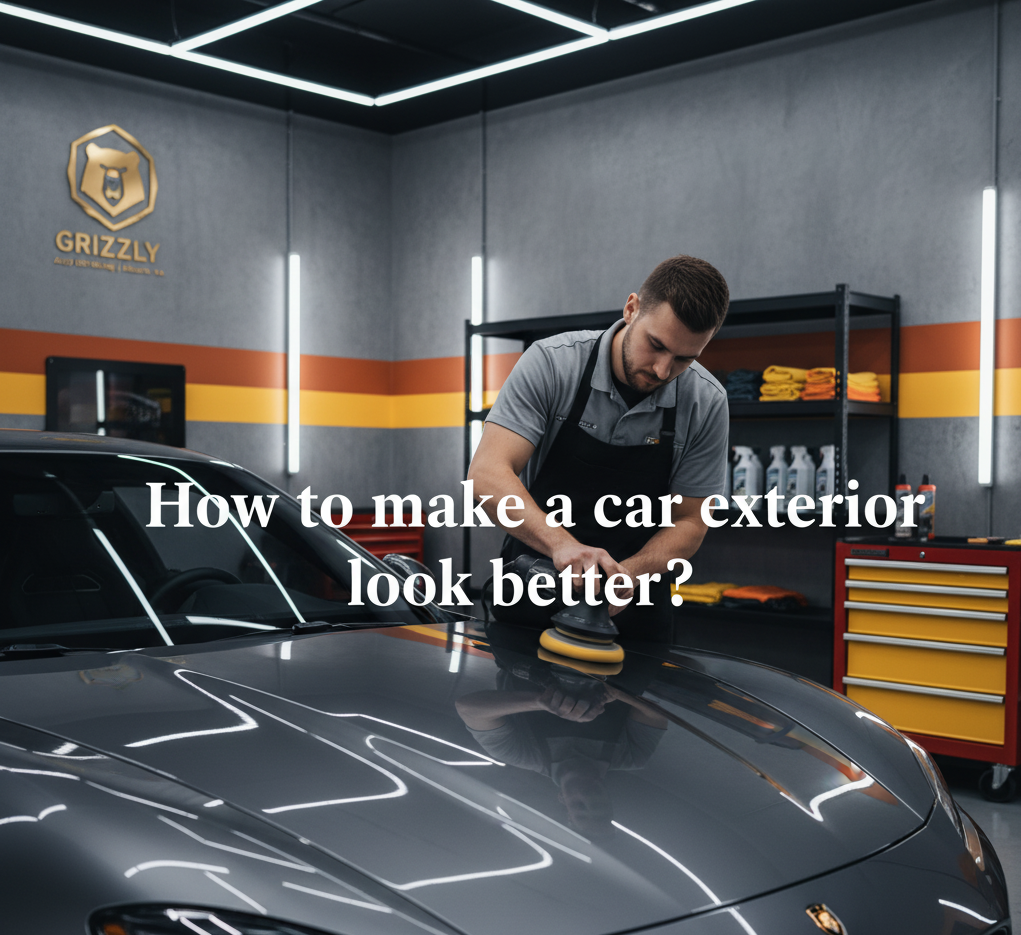
    Professional polishers like those used at Grizzly Auto Detailing use dual-action polishers to safely correct paint.

    • Start with a medium-cut polish for moderate defects.
    • Follow up with a finishing polish to refine gloss.

    Products like Menzerna Super Finish or Meguiar’s Ultimate Polish are excellent choices for DIY enthusiasts.

    Importance of Proper Pads and Technique

    Use foam pads suitable for your polish type and keep the machine moving steadily to avoid burning the paint.


    Step 4: Apply a Protective Layer

    After polishing, your car’s paint is at its most vulnerable. Applying protection seals in the shine and guards against UV rays, road salt, and environmental contaminants.

    Choose Between Wax, Sealant, or Ceramic Coating

    1. Wax – Offers a rich, warm glow; perfect for show cars.
    2. Sealant – Provides longer-lasting synthetic protection (up to 6 months).
    3. Ceramic Coating – Creates a nano-layer that lasts years and enhances gloss.

    At Grizzly Auto Detailing, our professional ceramic coating services in Ashburn Car Detailing ensure maximum protection and hydrophobic performance.

    Application Tips

    • Apply thin layers using an applicator pad.
    • Let the product cure per manufacturer’s instructions.
    • Buff gently with a clean microfiber towel.

    Step 5: Restore Trim and Plastics

    Faded black trims and rubber seals make a vehicle appear older. Use a trim restorer or dressing like Gtechniq C4 Trim Restorer to rejuvenate faded plastic.

    • Clean trims thoroughly.
    • Apply product evenly with a foam applicator.
    • Wipe off excess for a satin finish.

    Step 6: Clean and Protect Glass

    Streak-free glass enhances visibility and overall appearance.

    • Use an automotive glass cleaner such as Stoner Invisible Glass.
    • Wipe in a vertical motion on the outside and horizontal inside to spot missed areas.
    • Apply a rain repellent coating to help water bead off during bad weather.

    Step 7: Refresh Headlights and Taillights

    Oxidized headlights can drastically affect your car’s look and safety.

    • Wet sand with 2000-grit sandpaper if yellowing is severe.
    • Polish with a headlight restoration compound.
    • Seal with UV-resistant coating to prevent future fading.

    The same process can revive dull taillights for a complete refreshed exterior.


    Step 8: Revive Wheels and Tires

    Shiny paint means little if the wheels are dull and dirty.

    • Use a dedicated wheel cleaner (acid-free) and a soft brush.
    • Clean brake dust and tar thoroughly.
    • Apply tire dressing like Meguiar’s Endurance Gel for a deep, black finish.

    Pro Tip: Avoid silicone-heavy tire dressings—they attract dust and can sling onto paint.


    Step 9: Final Detailing Touches

    Once the major areas are complete, fine-tune the details:

    • Polish exhaust tips for a clean chrome shine.
    • Dress rubber weather seals to keep them supple.
    • Apply quick detailer spray for a finishing gloss boost.

    These small touches separate professional results from average ones.


    Step 10: Regular Maintenance

    Maintaining your freshly detailed look is easier than starting over each time.

    Maintenance Wash

    Perform a light wash weekly using gentle shampoo and a microfiber mitt. Avoid automatic car washes—they can cause swirl marks.

    Quick Detailing

    Use a quick detailer spray after each wash to refresh gloss and maintain protection.

    Reapply Protection

    • Wax: Every 4–6 weeks
    • Sealant: Every 4–6 months
    • Ceramic Coating: Every 2–3 years

    Consistent care ensures your car always looks its best, especially with professional Ashburn Car Detailing services.


    Professional Tools and Products We Recommend

    CategoryProduct ExamplePurpose
    ShampooChemical Guys Mr. PinkSafe, effective cleaning
    Clay BarMothers Clay KitRemoves bonded contaminants
    PolishMenzerna 2500Paint correction
    SealantWolfgang Deep GlossLong-lasting protection
    WaxCollinite 845High-gloss finish
    Trim RestorerGtechniq C4Revives faded plastics
    Glass CleanerStoner Invisible GlassStreak-free clarity
    Tire DressingMeguiar’s Endurance GelDeep, lasting shine

    Expert Tips from Grizzly Auto Detailing

    • Work in the shade: Direct sunlight causes premature drying and streaks.
    • Use high-quality microfiber towels: They prevent scratches and ensure even application.
    • Avoid cross-contamination: Separate towels for wheels, paint, and glass.
    • Don’t rush: Take your time to achieve uniform results.
    • Stay consistent: Detailing isn’t a one-time task; it’s regular care that keeps your car stunning year-round.

    Environmental and Seasonal Considerations

    Summer

    High heat can bake contaminants onto paint. Wash frequently and park in shaded areas.

    Winter

    Road salts and grime can corrode surfaces. Apply sealant or ceramic coating before winter starts for added protection.

    Spring and Fall

    Ideal seasons for full detailing since temperatures are moderate and curing conditions are optimal.


    Common Mistakes to Avoid

    1. Using household cleaners on paint – they strip protection and dull finishes.
    2. Skipping drying – air drying causes mineral deposits and spots.
    3. Overusing product – thin, even layers are more effective than thick coatings.
    4. Neglecting trim and wheels – clean wheels and trims elevate the whole car’s look.
    5. Not following curing times – rushing the process reduces product effectiveness.

    Benefits of Professional Exterior Detailing

    While DIY detailing is rewarding, professional detailing delivers exceptional precision and lasting protection.

    Why Choose Grizzly Auto Detailing

    • Certified technicians with years of experience.
    • Advanced tools and premium-grade products.
    • Custom detailing packages to fit every vehicle type.
    • Locally trusted name in Ashburn Car Detailing.

    From swirl-free finishes to ceramic coatings that last years, professional care ensures your car always stands out.


    Frequently Asked Questions (FAQs)

    1. How often should I detail my car’s exterior?
    Ideally, every 4–6 months for regular maintenance, depending on weather and usage.

    2. Can I use household soap to wash my car?
    No. Use automotive shampoos designed to protect wax or coating layers.

    3. What’s better—wax, sealant, or ceramic coating?
    Wax enhances shine; sealant offers longer protection; ceramic coating provides both durability and gloss.

    4. How can I remove water spots safely?
    Use a dedicated water spot remover or a mild vinegar solution, followed by rinsing.

    5. What causes swirl marks on paint?
    Improper washing methods, dirty towels, and automatic car washes often cause them.

    6. Should I polish my car every time I wash it?
    No. Polishing should only be done when necessary to remove defects.

    7. How can I make faded trim black again?
    Use a trim restorer or plastic dressing for color revival and UV protection.

    8. How long does a ceramic coating last?
    Typically 2–3 years with proper care. Professional application lasts longer.

    9. Is it okay to wax over a sealant?
    Yes, layering wax over a cured sealant adds warmth and depth to the finish.

    10. Why choose Grizzly Auto Detailing?
    Because we combine expertise, premium products, and passion for detailing to deliver stunning, long-lasting results for every car.


    Conclusion

    Making your car exterior look better isn’t just about vanity—it’s about pride, protection, and preservation. With regular cleaning, decontamination, polishing, and protection, you can keep your car looking brand new for years.

    At Grizzly Auto Detailing in Ashburn, we bring professional precision and expertise to every job. Whether you’re a car enthusiast or simply want your vehicle to shine like new, our experts ensure superior results every time. Experience the transformation that professional detailing brings—and see why we’re the trusted choice for Ashburn Car Detailing.