Tag: Ashburn Car Detailing

  • What does a paint correction do?

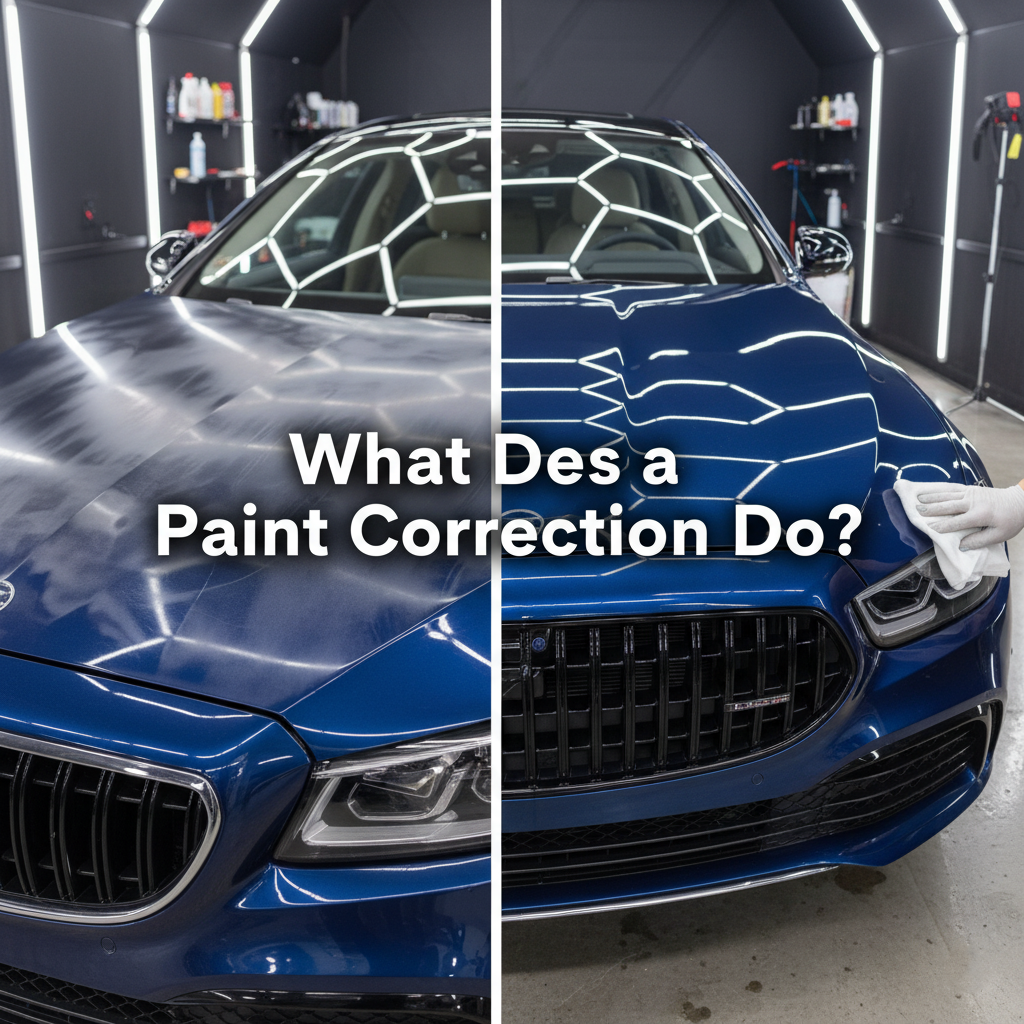
    What does a paint correction do?

    When your vehicle’s paint begins to look dull or scratched, you need the Best Paint Correction in Ashburn to restore its original shine. At Grizzly Auto Detailing, we provide a precise, step-by-step process that removes imperfections while enhancing gloss and depth. In this guide, we explain how paint correction works, why it matters, and how to maintain your car’s finish after treatment.


    What Is Paint Correction?

    Paint correction is a professional detailing process that eliminates visible defects from your car’s paint surface. It removes swirl marks, minor scratches, oxidation, water spots, and haze. Unlike temporary surface treatments, paint correction physically refines the clear coat, restoring the finish to near-showroom quality.

    By understanding how paint correction works, you can make an informed choice. Skilled technicians, like those at Grizzly Auto Detailing, combine expertise with advanced tools to achieve consistent results without damaging your paint.


    Why Paint Correction Matters

    1. Restores Shine and Depth

    Over time, daily wear causes swirls, micro-scratches, and oxidation. Paint correction removes these defects and enhances depth and gloss. Consequently, your car regains its vibrant, “wet-look” finish.

    2. Protects and Prepares for Coatings

    Paint correction prepares your vehicle for ceramic coatings, wax, or paint protection film (PPF). Removing surface defects ensures that protective layers adhere evenly, which maximizes their effectiveness.

    3. Boosts Vehicle Value

    A car with a flawless finish signals excellent maintenance. Paint correction improves aesthetic appeal, which can increase resale or trade-in value.

    4. Extends Paint Life

    By removing oxidation and minor imperfections, paint correction slows future paint degradation. It also makes ongoing maintenance more manageable, saving time and effort over the long term.


    Step-by-Step Process at Grizzly Auto Detailing

    Step 1: Paint Inspection

    We examine your car under bright, controlled light. This inspection identifies swirl marks, scratches, water spots, and haze. We also measure paint thickness to customize the correction plan.

    Step 2: Thorough Washing and Decontamination

    First, we wash your car with pH-balanced soap. Then, we remove bonded contaminants with clay bars and iron removers. Cleaning thoroughly prevents polishing defects from worsening.

    Step 3: Masking Sensitive Areas

    We carefully mask trim, emblems, glass, and rubber. Masking ensures the polishing process focuses only on paint and prevents accidental damage.

    Step 4: Correction – Cutting and Polishing

    We tackle defects using a multi-stage approach:

    • Cutting stage: We apply a cutting compound with a high-performance pad to remove deep swirl marks and scratches.
    • Polishing stage: We follow with a finishing polish to refine the surface, remove haze, and enhance gloss.

    Popular products we use:

    • Cutting: Menzerna 400, CarPro Essence
    • Polishing: Sonax Cut & Finish, 3D One Hybrid
    • Pads: Wool or aggressive foam for cutting, soft foam or microfiber for finishing

    We inspect every panel carefully and adjust technique as needed to ensure uniform results.

    Step 5: Final Surface Preparation and Protection

    After polishing, we wipe the surface with Isopropyl Alcohol or panel prep solution to remove residues. Then, we apply a protective layer—wax, sealant, or ceramic coating—locking in shine and safeguarding the paint from environmental damage.

    Step 6: Maintenance Guidance

    We advise on proper care, including the two-bucket wash method, microfiber mitts, and periodic top-coats. Following these tips extends the life of your paint correction.


    What Paint Correction Fixes

    • Swirl Marks: Corrects circular scratches caused by improper washing or drying.
    • Oxidation: Removes faded and cloudy paint to restore color.
    • Light Scratches: Levels minor scratches that affect the clear coat.
    • Water Spots: Reduces surface etching from minerals or acid rain.
    • Haze and Micro-Marring: Smooths the surface for a mirror-like reflection.

    Paint correction does not repair deep scratches or base coat damage. Severe defects may require touch-ups or repainting.


    How Often Should You Perform Paint Correction?

    Frequency depends on your vehicle’s use, storage conditions, and environment.

    • Light-use vehicles: every 2–3 years for a one-step correction.
    • Heavily used vehicles: every 1–2 years for multi-stage correction.
    • Always inspect annually; new defects may appear and require attention.

    Why Choose the Best Paint Correction in Ashburn

    • Experienced Technicians: Skilled in advanced polishing techniques.
    • Advanced Equipment: Dual-action polishers, paint thickness gauges, and premium pads.
    • Custom Approach: We tailor every correction to your vehicle’s specific condition.
    • Transparent Communication: We show defects and set realistic expectations.
    • Comprehensive Care: Includes final protection and maintenance advice.

    Choosing the Best Paint Correction in Ashburn ensures your vehicle looks flawless and stays protected longer.


    Common Misconceptions

    • Paint correction does not fix deep scratches that penetrate the base coat.
    • It does not prevent future defects; ongoing maintenance is necessary.
    • It cannot fully restore severely peeling or damaged clear coats.

    Maintenance Tips After Paint Correction

    1. Wait 48 hours before washing after coating application.
    2. Wash using the two-bucket method to prevent swirls.
    3. Dry with microfiber towels or a blower.
    4. Avoid automatic car washes with brushes.
    5. Apply wax or sealant every 6–12 months.
    6. Park in shaded areas to prevent sun damage.
    7. Inspect periodically for new defects and schedule touch-ups as needed.

    Estimated Time and Cost

    • One-step correction: 3–5 hours, ideal for light defects.
    • Multi-stage correction: 1–2 days for severe defects or full restoration.
    • Cost depends on vehicle size, paint color, and condition severity.

    FAQs

    Q1: What does paint correction remove?
    Paint correction removes swirl marks, light scratches, oxidation, haze, and micro-marring.

    Q2: How long do results last?
    Properly maintained corrections last 2–3 years or longer depending on conditions.

    Q3: Is paint correction safe?
    Yes. Skilled professionals monitor paint thickness and use proper techniques to prevent damage.

    Q4: Can it remove deep scratches?
    No. Deep scratches or base coat damage require touch-ups or repainting.

    Q5: How many stages exist in paint correction?
    One-step, two-step, and multi-stage corrections exist depending on defect severity.

    Q6: Why is correction needed before coatings or PPF?
    Correction removes defects, ensuring coatings adhere properly and look flawless.

    Q7: Will it remove swirl marks from washing?
    Yes, proper technique eliminates swirl marks effectively.

    Q8: How long does correction take?
    Small vehicles: a few hours; larger or heavily damaged vehicles: 1–2 days.

    Q9: Does color affect the correction process?
    Yes, darker colors show defects more clearly and require careful refinement.

    Q10: How do I maintain corrected paint?
    Use proper washing techniques, apply wax or sealant regularly, and inspect for new defects.
  • Does exterior detailing remove scratches?

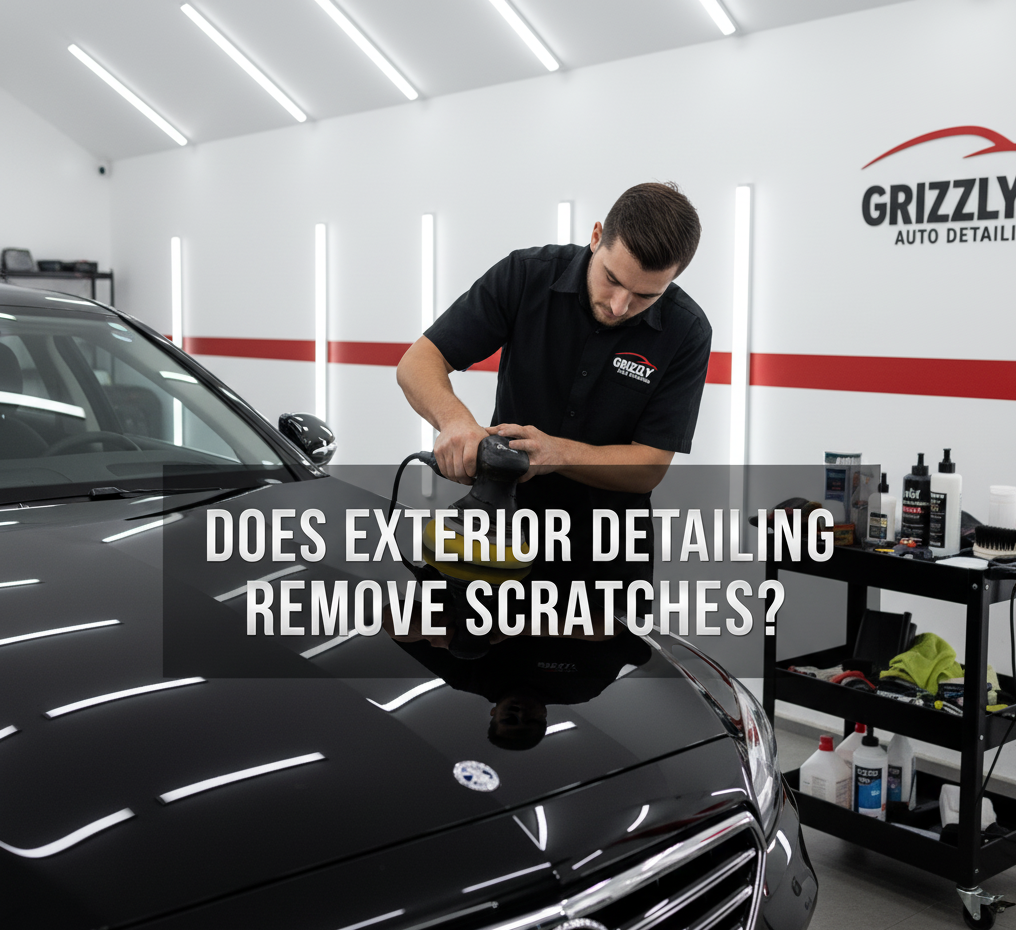
    Does exterior detailing remove scratches?

    When it comes to keeping your car in flawless condition, many car owners wonder, “Does exterior detailing remove scratches?” The answer depends on the type of scratches and the detailing process itself. At Grizzly Auto Detailing, we’ve worked with hundreds of clients who want their vehicles restored to a showroom finish. If you’re searching for professional, effective results, Ashburn Car Detailing services can help your vehicle look brand new again.

    Exterior detailing isn’t just about washing and waxing. It’s an art that combines science, skill, and precision. In this detailed guide, we’ll explore how exterior detailing works, what types of scratches it can remove, and what results you can expect from professional detailers in Ashburn, VA.


    Understanding Car Scratches

    Before discussing whether exterior detailing removes scratches, it’s essential to understand what scratches actually are. Car paint is made up of several layers—the clear coat, base coat, and primer. The clear coat protects the color and gives your car its glossy finish. Scratches typically occur when this layer is disturbed.

    There are three primary levels of scratches:

    1. Surface or Clear Coat Scratches – These are light and shallow. They usually occur from improper washing, dust, or light contact with foreign objects.
    2. Medium Scratches – These penetrate deeper into the clear coat and may expose the paint beneath.
    3. Deep Scratches – These go beyond the clear coat and reach the primer or metal body.

    Understanding these levels helps determine what exterior detailing can effectively fix.


    What Is Exterior Detailing?

    Exterior detailing is a professional-grade cleaning and restoration process aimed at rejuvenating your vehicle’s outer surface. Unlike a regular wash, detailing goes several steps further. It includes:

    • Pre-washing and hand washing with pH-balanced shampoos
    • Clay bar treatment to remove embedded contaminants
    • Paint correction to minimize or eliminate scratches and swirls
    • Polishing and waxing to restore shine and protection
    • Trim and tire restoration for a complete finish

    At Grizzly Auto Detailing, we tailor each step to your car’s paint condition and use only premium-grade products. When done properly, this process restores clarity, gloss, and protection—often making your car look better than new.


    Can Exterior Detailing Remove Scratches?

    The short answer: Yes—exterior detailing can remove or significantly reduce scratches, depending on their depth and severity.

    1. For light surface scratches, detailing is highly effective. The polishing and paint correction stages can eliminate these marks by carefully leveling the clear coat.
    2. For moderate scratches, professional polishing compounds can help minimize their appearance.
    3. For deep scratches, however, detailing alone cannot completely remove them. These may require touch-up paint or bodywork.

    In other words, Ashburn Car Detailing services, especially when done by experts like those at Grizzly Auto Detailing, can restore your car’s finish and dramatically reduce visible imperfections.


    How Does Paint Correction Work?

    Paint correction is the heart of exterior detailing when it comes to removing scratches. It involves using specialized polishing machines, pads, and compounds to gently remove microscopic layers of clear coat. This process evens out the paint’s surface and makes scratches virtually disappear.

    Here’s how professionals typically approach it:

    1. Inspection and Preparation:
      The surface is thoroughly cleaned and decontaminated using a clay bar to remove dirt, sap, and residues.
    2. Compounding Stage:
      A cutting compound and machine polisher are used to correct deeper imperfections.
    3. Polishing Stage:
      A finer polish refines the surface, restoring depth and gloss.
    4. Protection Stage:
      A wax, sealant, or ceramic coating is applied to shield the paint from future damage.

    This step-by-step correction process is one reason why Grizzly Auto Detailing in Ashburn, VA is trusted for professional results.


    Why Choose Professional Detailing Over DIY Methods

    Many car owners try to remove scratches using household remedies or over-the-counter products. Unfortunately, most DIY attempts lead to uneven finishes or even worsen the damage. Here’s why professional detailing is worth it:

    • Precision Tools: Professionals use dual-action polishers and graded compounds for controlled correction.
    • Experience Matters: Skilled technicians know exactly how much pressure and speed each paint type can handle.
    • Long-Lasting Protection: Professional waxes and ceramic coatings protect against UV rays and oxidation.
    • Time Efficiency: A full detailing session saves hours of trial and error.

    In short, professional exterior detailing ensures that your car gets the treatment it deserves without risking further damage.


    The Role of Ceramic Coating in Scratch Protection

    While detailing can remove minor scratches, ceramic coating helps prevent new ones. Ceramic coatings create a hard, hydrophobic layer over the paint, making it resistant to minor abrasions, UV damage, and contaminants.

    Benefits include:

    • Increased durability and longevity
    • Enhanced gloss and shine
    • Easier cleaning
    • Long-term protection from swirl marks and oxidation

    Applying a ceramic coating after detailing not only seals in the results but also provides an added defense against future wear and tear.


    Common Myths About Scratch Removal

    Let’s clear up a few misconceptions surrounding exterior detailing and scratch removal:

    1. Myth: Wax removes scratches.
      Fact: Wax only fills scratches temporarily; it doesn’t remove them.
    2. Myth: All scratches can be removed with detailing.
      Fact: Only surface-level imperfections can be eliminated completely.
    3. Myth: Hand polishing gives the same results as machine polishing.
      Fact: Machine polishing offers consistent pressure and depth control, which hand polishing cannot achieve.
    4. Myth: Frequent detailing damages paint.
      Fact: When done professionally, detailing preserves and enhances your paint’s longevity.

    Benefits of Regular Exterior Detailing

    Besides scratch removal, regular detailing provides many long-term benefits:

    • Paint Preservation: Prevents fading and oxidation.
    • Enhanced Resale Value: A well-maintained exterior increases your car’s market appeal.
    • Better Appearance: Keeps your vehicle glossy and attractive.
    • Protection Against Contaminants: Shields from tar, bird droppings, and road grime.
    • Improved Driving Pride: A clean, polished car simply feels better to drive.

    For vehicle owners in Ashburn, VA, scheduling regular Ashburn Car Detailing sessions ensures lasting shine and protection year-round.


    How Often Should You Get Exterior Detailing Done?

    For most cars, professional detailing every 4–6 months is ideal. However, if your car is frequently exposed to harsh weather, road salt, or debris, you might benefit from more frequent sessions.

    Luxury vehicles, show cars, and daily drivers each have different detailing needs. Our experts at Grizzly Auto Detailing recommend assessing your car’s condition regularly to maintain optimal paint health.


    Why Choose Grizzly Auto Detailing in Ashburn, VA

    At Grizzly Auto Detailing, we go beyond basic cleaning. Our team of experts focuses on paint correction, surface protection, and detailing precision. Using advanced technology, eco-friendly products, and meticulous attention to detail, we help your car regain its original brilliance.

    Our commitment to quality, customer satisfaction, and professional excellence makes us the preferred choice for Ashburn Car Detailing services.

    Whether your goal is scratch removal, gloss restoration, or paint protection, our exterior detailing packages are designed to meet your exact needs. From sedans to SUVs, every car gets the royal treatment it deserves.


    Conclusion

    So, does exterior detailing remove scratches? Absolutely—at least for light to moderate ones. With the right tools, products, and expertise, professional detailing can transform your vehicle’s appearance and restore its flawless shine.

    If you’re in Ashburn, VA, trust Grizzly Auto Detailing for comprehensive, expert-level detailing that goes beyond surface cleaning. Our specialists ensure that every inch of your car reflects perfection, value, and pride.


    FAQs

    1. Does exterior detailing remove deep scratches?
    Not completely. Deep scratches that reach the primer or metal may need repainting or touch-up work.

    2. How long does exterior detailing last?
    Typically, a professional detailing job lasts between 4–6 months, depending on driving habits and weather exposure.

    3. Can I remove scratches myself?
    Minor scratches can be masked temporarily, but for lasting results, professional detailing is recommended.

    4. How much does exterior detailing cost in Ashburn, VA?
    Prices vary based on vehicle size and condition, but professional services at Grizzly Auto Detailing offer excellent value for money.

    5. What is the difference between polishing and waxing?
    Polishing corrects imperfections, while waxing adds shine and protection after polishing.

    6. Will detailing remove swirl marks?
    Yes, professional polishing during detailing effectively removes swirl marks and restores clarity.

    7. Can ceramic coating completely prevent scratches?
    Ceramic coatings resist light scratches but don’t make your car completely scratch-proof.

    8. How often should I wax my car?
    If not ceramic-coated, waxing every 2–3 months helps maintain protection and gloss.

    9. Is exterior detailing safe for new cars?
    Absolutely. In fact, detailing helps protect your new car’s finish and prevents premature wear.

    10. Why choose Grizzly Auto Detailing over others?
    Because we combine skill, premium products, and unmatched attention to detail to deliver exceptional results every time.