Tag: Ashburn VA

  • How Long Does Professional Paint Correction Take in Ashburn?

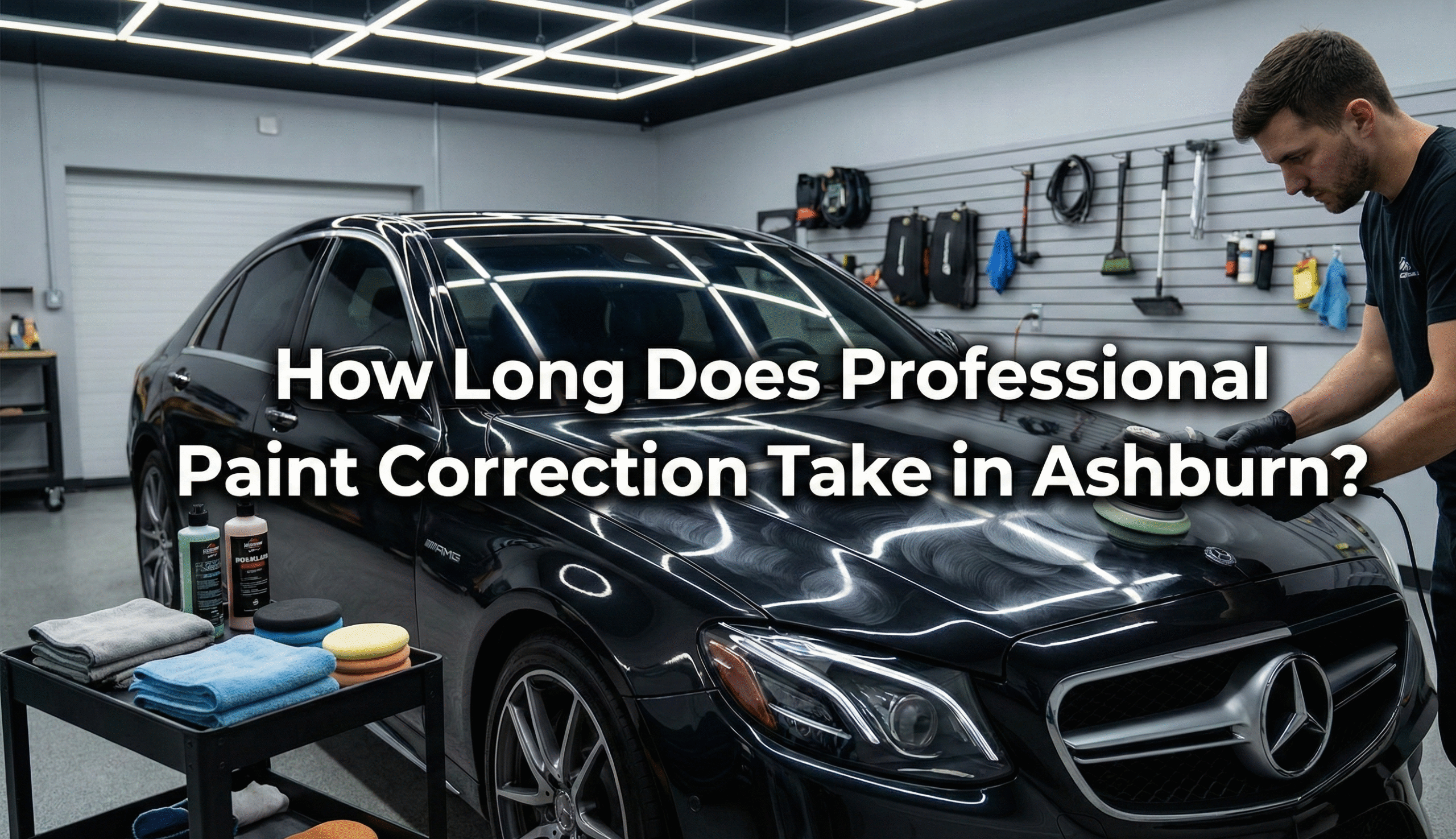
    How Long Does Professional Paint Correction Take in Ashburn?

    Owning a car in Ashburn, VA, comes with the pride of driving a vehicle that turns heads. But over time, the paint may lose its shine due to environmental exposure, daily wear, and minor scratches. Many car owners wonder: how long does professional paint correction take, and is it worth the investment? Grizzly Auto Detailing, experts in Multi-stage paint correction Ashburn, provides a comprehensive guide to help you understand the process, timeline, and benefits.

    Why Paint Correction Matters

    Paint correction restores the vehicle’s paint to its original depth, clarity, and gloss. Vehicles in Ashburn face sun exposure, dust, and occasional road debris, which contribute to oxidation, swirl marks, and light scratches. Professional Multi-stage paint correction Ashburn services not only improve aesthetic appeal but also protect the vehicle’s long-term value.

    The benefits include:

    • Enhanced vehicle appearance with mirror-like finishes
    • Prevention of long-term paint damage
    • Increased resale value
    • Smooth surface ready for protective coatings

    The Science Behind Paint Correction

    Paint correction involves removing imperfections from the clear coat using abrasive compounds and polishing machines. The science is simple yet precise: the top layer of the clear coat is carefully leveled to remove scratches, swirls, and oxidation. Advanced tools like dual-action polishers and high-quality microfiber pads allow technicians to restore the paint without causing further damage.

    Types of Paint Correction

    Single-Stage Correction addresses minor imperfections such as light swirl marks and surface scratches. It usually takes a few hours for a standard vehicle and includes polishing and a protective wax application.

    Multi-Stage Correction is more comprehensive. It involves multiple steps:

    1. Compounding – Aggressively removes deeper scratches and oxidation.
    2. Polishing – Refines the paint for clarity and depth.
    3. Finishing – Applies protective coatings like wax, sealant, or ceramic coating.

    Multi-stage correction is ideal for vehicles with moderate to severe paint imperfections and ensures a flawless, durable finish.

    Factors Affecting Paint Correction Duration

    The time required depends on several key factors:

    1. Vehicle Size – Larger vehicles like SUVs, trucks, or vans require more surface area to polish, increasing the time needed.
    2. Paint Condition – Severely oxidized, scratched, or faded paint requires more stages and careful handling.
    3. Number of Stages – Multi-stage corrections take longer than single-stage because each step is meticulous.
    4. Paint Type – Metallic, pearl, or custom paints require specialized techniques.
    5. Additional Services – Applying ceramic coatings, protective sealants, or detailing interiors can extend the total service time.

    Detailed Multi-Stage Paint Correction Process

    Step 1: Inspection and Assessment – Technicians assess the car’s paint thickness, scratches, swirls, and oxidation levels. This step determines the number of stages and compounds required.

    Step 2: Surface Preparation – The vehicle is washed with pH-neutral soaps, followed by decontamination to remove iron particles, tar, and other pollutants. Proper surface preparation ensures the polishing process is effective.

    Step 3: Compounding – An aggressive compound is applied with a polishing machine to remove deep scratches and oxidation. This step may require multiple passes depending on defect severity.

    Step 4: Polishing – Using a finer compound, the paint is refined to restore clarity and gloss. This stage also eliminates minor haze left by compounding.

    Step 5: Finishing – A protective wax, sealant, or ceramic coating is applied to preserve the corrected paint. This adds depth, shine, and long-lasting protection.

    Each stage requires precision and attention to detail. Skipping steps or rushing the process can compromise the finish.

    Equipment and Materials

    Professional paint correction relies on high-quality tools and compounds:

    • Dual-action or rotary polishers
    • Foam, microfiber, or wool pads
    • Cutting and finishing compounds
    • Protective sealants or ceramic coatings

    Using proper equipment ensures optimal results and prevents damage, though it also contributes to the time needed for the full process.

    Vehicle Size and Paint Complexity

    Small sedans typically take 4–6 hours for single-stage correction and 1–2 days for multi-stage. Larger vehicles like SUVs, trucks, or vans may require 2–4 days for multi-stage correction. Metallic or pearl paints require more cautious handling and additional polishing passes, which can extend the timeline.

    Environmental Factors in Ashburn, VA

    Ashburn’s climate plays a role in paint correction timing. Sunlight, dust, and seasonal debris can affect the paint’s surface. Controlled indoor environments with proper lighting and temperature ensure the best outcomes and prevent contamination during polishing.

    Professional Expertise

    Experienced technicians at Grizzly Auto Detailing follow a standardized approach to ensure efficiency and quality. Expertise impacts the speed and effectiveness of the correction, as professionals know the correct sequence of steps, compound choices, and pad selections to achieve flawless results.

    DIY vs Professional Paint Correction

    While DIY kits exist, professional Multi-stage paint correction Ashburn provides significant advantages:

    • Safe handling of all paint types
    • Proper compound and pad selection
    • Uniform polishing with consistent pressure
    • Long-lasting protection through wax, sealant, or ceramic coatings

    DIY attempts may improve minor imperfections but rarely match the depth, clarity, and durability of professional results.

    Maintenance After Paint Correction

    To preserve the results, car owners should follow these guidelines:

    • Wash regularly with pH-neutral soaps
    • Avoid automatic brushes that can cause new swirls
    • Apply wax or sealant every few months
    • Address new scratches promptly

    Grizzly Auto Detailing also offers maintenance programs tailored for Ashburn vehicles to maintain a showroom finish for years.

    Common Mistakes and Misconceptions

    • Misconception 1: Paint correction removes all scratches.
      Only surface and moderate scratches are removable; deep scratches may require touch-up or panel repair.
    • Misconception 2: Multi-stage correction is only for luxury cars.
      Any vehicle with paint imperfections benefits from professional correction.
    • Misconception 3: Once corrected, paint needs no maintenance.
      Regular upkeep is essential to maintain the finish.
    • Mistake 1: Using improper compounds or pads can damage paint.
    • Mistake 2: Rushing through stages leads to uneven results or holograms.

    Case Studies

    1. Compact Sedan – Single-stage correction removed light swirl marks and restored shine in 6 hours.
    2. Luxury SUV – Two-stage correction addressed oxidation and moderate scratches over 2 days.
    3. Sports Car with Custom Paint – Multi-stage correction restored deep scratches and applied ceramic coating over 4 days.
    4. Full-Size Truck – Compounding, polishing, and sealing took 3 days to achieve a flawless, protected finish.

    FAQs Section

    1. How long does a multi-stage paint correction take?
    It typically takes 2–4 days depending on vehicle size, paint condition, and additional services.

    2. Is paint correction safe for all vehicles?
    Yes, professional correction is safe for all paint types and vehicles.

    3. Does multi-stage correction remove deep scratches?
    It removes most surface and moderate scratches; deep scratches may require touch-up or panel repair.

    4. Can I perform multi-stage correction myself?
    DIY methods rarely achieve professional-grade results and may damage the paint.

    5. How often should paint correction be performed?
    Every 12–24 months depending on exposure, usage, and environmental conditions.

    6. Does paint correction include protective coatings?
    Yes, professionals often include wax, sealant, or ceramic coating for durability and shine.

    7. What factors influence correction duration?
    Vehicle size, paint condition, number of stages, paint type, and environmental factors.

    8. Can paint correction restore faded paint?
    Yes, it revives depth, gloss, and clarity for oxidized or dull paint.

    9. Is professional correction expensive?
    Cost varies by vehicle size, paint condition, and required correction stages.

    10. Why choose Grizzly Auto Detailing in Ashburn?
    We provide expert Multi-stage paint correction Ashburn services with high-quality tools, tailored techniques, and guaranteed results.
  • How Much Does a Full Paint Correction Cost in Ashburn?

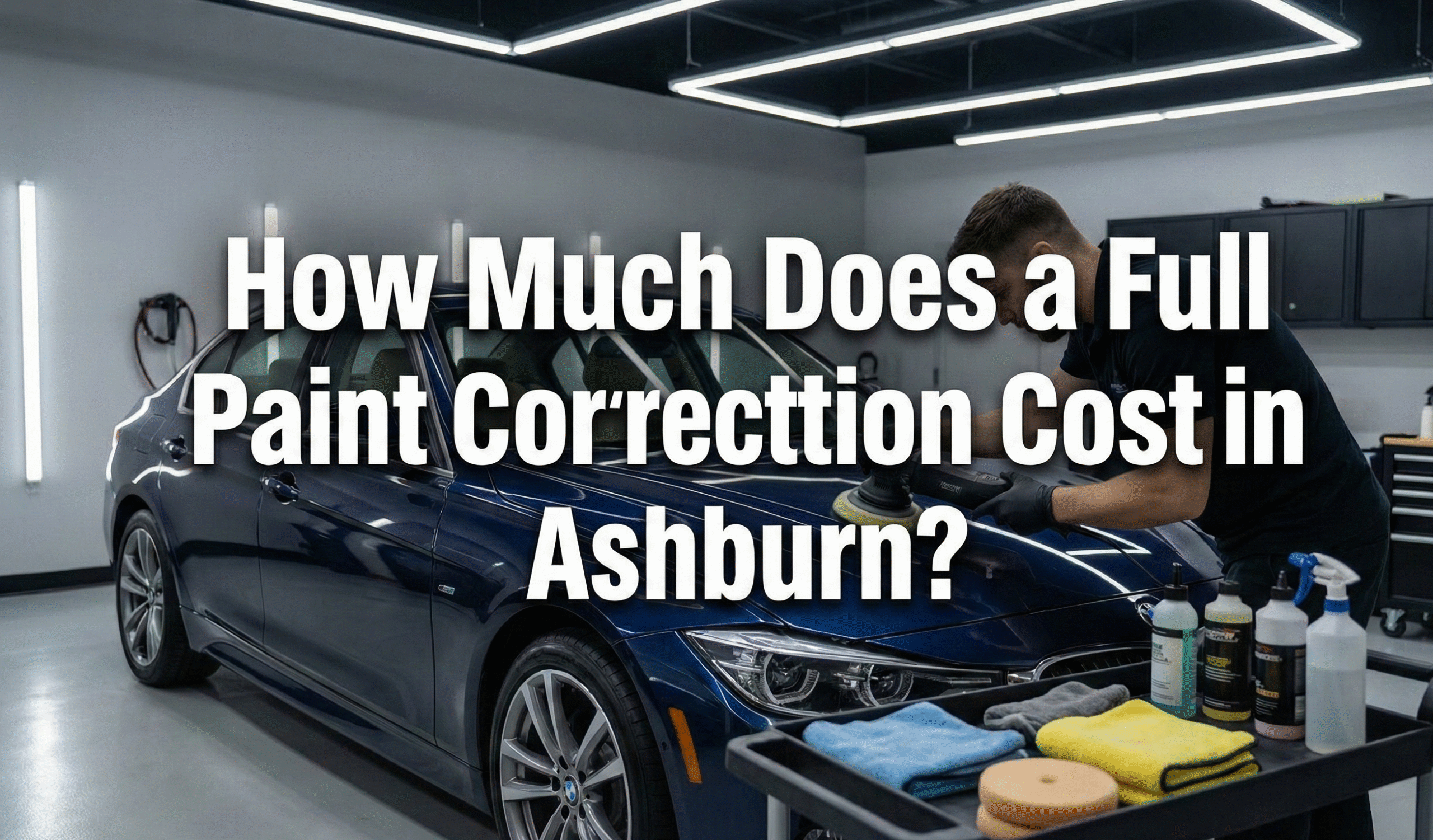
    How Much Does a Full Paint Correction Cost in Ashburn?

    If you are a car enthusiast in Ashburn, VA, you might have wondered, “How much does a full paint correction cost?” Maintaining your vehicle’s paint not only enhances its appearance but also protects it from environmental damage. Grizzly Auto Detailing specializes in professional Paint Correction price in Ashburn, providing comprehensive services to restore your vehicle’s finish to a flawless, showroom-quality shine.

    What is Paint Correction?

    Paint correction is a meticulous process aimed at removing imperfections such as swirl marks, scratches, oxidation, and water spots from your vehicle’s paint. These blemishes occur naturally over time due to exposure to sun, rain, debris, and improper washing techniques. Paint correction restores the paint to its original clarity, depth, and gloss. It is not just about aesthetics; proper correction also increases the longevity of your vehicle’s exterior.

    Why Paint Correction is Essential

    Over time, cars inevitably suffer from scratches and dull paint, which degrade the vehicle’s overall look. Ignoring these issues can reduce the vehicle’s resale value. Professional Paint Correction price in Ashburn ensures:

    • Restoration of original shine: Removes imperfections and reveals the true depth of the paint.
    • Protection against environmental hazards: A corrected paint surface allows protective coatings like ceramic to adhere better.
    • Increased resale value: A well-maintained paint finish attracts buyers and enhances market price.
    • Enhanced aesthetic appeal: A flawless finish stands out and makes a positive impression.

    Factors That Affect Paint Correction Price

    Pricing varies widely depending on the vehicle type, paint condition, and service level. Understanding these factors helps you budget effectively.

    1. Vehicle Size: Larger cars take more time and materials, increasing the cost. Sedans usually cost less than SUVs or trucks.
    2. Paint Condition: Heavily scratched or oxidized paint requires multiple stages of correction.
    3. Paint Type: Metallic, pearl, and custom paints require specialized polishing techniques.
    4. Service Level: Single, two, or three-stage corrections differ in time, materials, and results.
    5. Additional Services: Combining paint correction with ceramic coating or protective sealants will raise the price but offer long-term benefits.

    Average Paint Correction Price in Ashburn, VA

    Paint Correction price in Ashburn ranges based on service depth:

    • Single-Stage Correction: $400–$800 – Addresses minor swirl marks and light scratches.
    • Two-Stage Correction: $800–$1,500 – Corrects deeper scratches and moderate oxidation.
    • Three-Stage / Full Correction: $1,500–$2,500+ – Comprehensive restoration including compounding, polishing, and finishing with protective coatings.

    Understanding Each Stage of Paint Correction

    Single-Stage Correction

    Single-stage correction uses a polishing compound to remove superficial scratches and swirls. Technicians use dual-action polishers with specialized pads to ensure a uniform finish. This stage is ideal for vehicles with minor imperfections and is cost-effective for those seeking a refreshed appearance.

    Two-Stage Correction

    Two-stage correction begins with compounding to remove deeper scratches, followed by polishing to refine the surface. The process may involve:

    • Paint thickness measurement to avoid excessive removal
    • Compounding with aggressive pads
    • Polishing for enhanced clarity
    • Finishing with a protective wax or sealant

    This approach is suitable for cars with moderate wear, including swirl marks, oxidation, and minor scratches.

    Three-Stage / Full Paint Correction

    The three-stage correction is the ultimate service, ideal for vehicles with significant paint damage. The steps include:

    1. Compounding: Removes severe scratches and oxidation.
    2. Polishing: Refines the paint and enhances gloss.
    3. Finishing & Protection: Adds a sealant or ceramic coating to preserve the corrected finish.

    This method restores the vehicle to near-new condition and commands the highest Paint Correction price in Ashburn due to its thoroughness.

    Additional Factors Affecting Costs

    • Paint Thickness Testing: Essential for ensuring safe polishing without damaging the paint.
    • Spot Repair Areas: Localized scratches may need extra attention.
    • Ceramic Coating: Provides long-term protection, increasing overall value.
    • Detailing Packages: Interior, engine bay, or undercarriage detailing may be combined for convenience.

    Case Studies: Cost Examples

    • Compact Sedan: Single-stage correction at $450 for minor swirl removal.
    • Luxury SUV: Two-stage correction at $1,200 for moderate scratches and oxidation.
    • Exotic Car: Full three-stage correction at $2,300 including protective coatings and extensive polishing.

    These examples illustrate how vehicle type and paint condition influence Paint Correction price in Ashburn.

    DIY vs. Professional Service

    While DIY kits exist, they rarely achieve professional results. DIY attempts can lead to uneven surfaces, holograms, or paint thinning. Professionals at Grizzly Auto Detailing ensure:

    • Proper assessment of paint thickness
    • Correct choice of compounds and polishers
    • Safe, uniform application
    • Long-lasting, high-quality finish

    Choosing the Right Paint Correction Service

    Consider the following before scheduling:

    • Vehicle Usage: Daily drivers may need more frequent touch-ups.
    • Desired Finish: Professionals can match the level of gloss you desire.
    • Budget: Options range from affordable single-stage to premium full correction.
    • Protective Coatings: Adding ceramic coatings enhances durability and gloss.

    Maintenance After Paint Correction

    Proper maintenance preserves your investment:

    • Wash regularly with pH-neutral soaps
    • Avoid harsh automatic car washes
    • Apply wax or sealant every 3–6 months
    • Address minor scratches promptly
    • Use proper drying methods to prevent water spots

    Grizzly Auto Detailing offers maintenance packages that help extend the life of your corrected paint.

    Common Mistakes to Avoid

    • Choosing prohibited DIY methods
    • Skipping professional consultation
    • Ignoring paint type compatibility
    • Failing to maintain corrected paint

    Benefits of Professional Paint Correction

    • Restores vehicle to showroom-quality finish
    • Protects paint from future damage
    • Increases resale value
    • Improves overall aesthetic appeal

    Local Considerations in Ashburn, VA

    Weather, humidity, and road conditions in Ashburn can accelerate paint wear. Choosing a local professional ensures your vehicle is treated with methods suited to regional environmental conditions. Grizzly Auto Detailing specializes in Paint Correction price in Ashburn that considers local factors for optimal results.

    FAQs Section

    1. What is the average cost of a full paint correction in Ashburn? The average Paint Correction price in Ashburn ranges from $1,500 to $2,500, depending on vehicle size and paint condition.

    2. Does paint type affect the cost? Yes, metallic, pearl, and custom paints require specialized polishing techniques, which increases cost.

    3. How long does a full paint correction take? It usually takes 2–4 days depending on vehicle condition, size, and complexity of paint damage.

    4. Can I combine paint correction with ceramic coating? Yes, combining services enhances protection and longevity but increases total cost.

    5. Is paint correction necessary for new cars? Even new cars may have minor swirl marks from transport or dealership handling, so light correction is recommended.

    6. Can DIY paint correction be effective? DIY methods may help minor scratches but cannot match professional results in consistency and quality.

    7. How often should paint correction be performed? Every 12–24 months, depending on exposure, usage, and vehicle maintenance.

    8. Does paint correction remove scratches permanently? Professional paint correction removes surface scratches and restores clarity, but deep damages may require spot repair.

    9. Are there risks involved with paint correction? Risks include holograms or thinning paint if not performed correctly. Professionals minimize these risks.

    10. Why choose Grizzly Auto Detailing in Ashburn? We provide transparent pricing, expert service, and guaranteed results, ensuring the best value for Paint Correction price in Ashburn.

  • Is Paint Correction the Same as Cut and Polish?

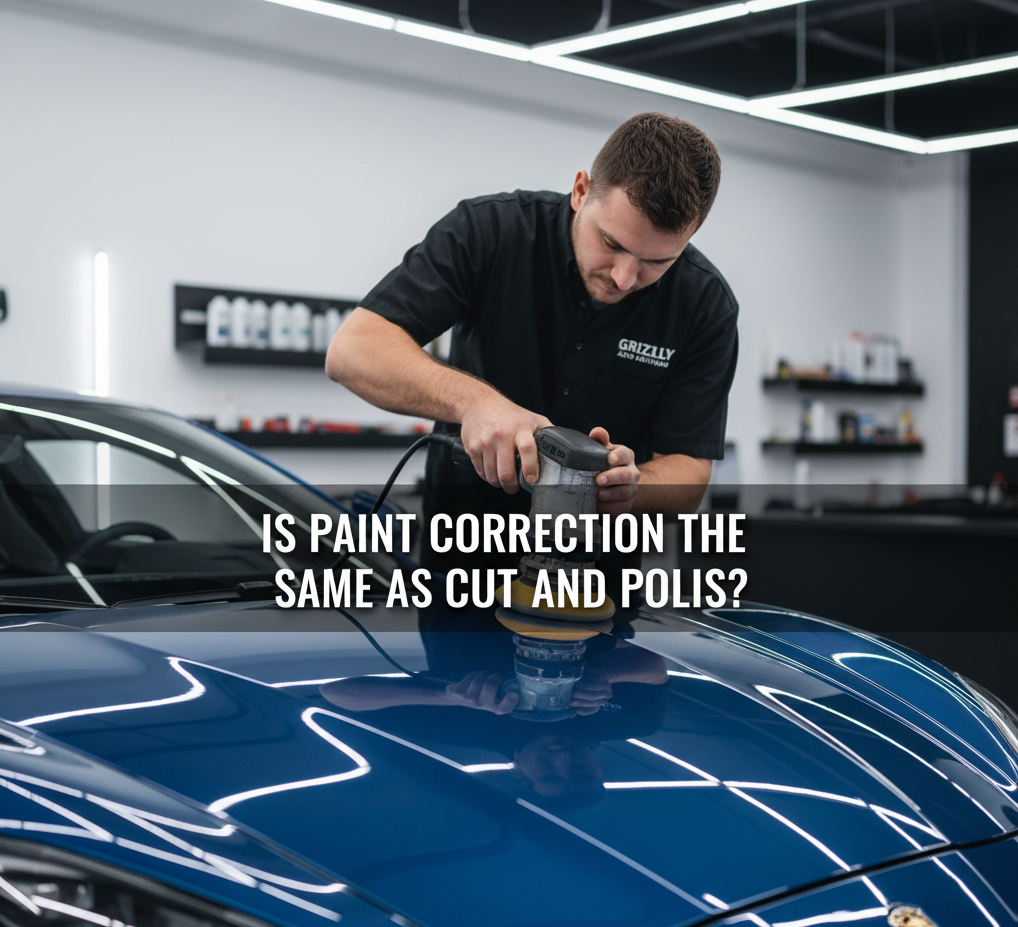
    Is Paint Correction the Same as Cut and Polish?

    When car enthusiasts or vehicle owners talk about restoring their car’s shine, the terms paint correction and cut and polish often come up. While these processes might sound similar, they are not identical. In fact, they differ significantly in technique, precision, and results. At Grizzly Auto Detailing, our experts specialize in Local Paint Correction in Ashburn, offering deep, transformative care that goes far beyond a simple polish. Understanding the distinction between the two helps car owners make smarter decisions about preserving their vehicle’s finish and value.

    Understanding the Basics: Paint Correction vs. Cut and Polish

    Paint correction is a meticulous process that removes imperfections from the vehicle’s clear coat. These imperfections include swirl marks, oxidation, scratches, holograms, and water spots. The goal is to level the surface of the paint so that light reflects evenly, creating that deep, mirror-like gloss every car owner loves.

    On the other hand, cut and polish is a less advanced process. It involves using a compound (the “cut”) to remove a small amount of paint or clear coat, followed by polishing to enhance shine. While it makes the car look better temporarily, it doesn’t eliminate imperfections as thoroughly as true paint correction. Essentially, cut and polish is a quick fix, while paint correction is a professional restoration.

    Why the Difference Matters

    Car paint is more than just color — it’s a multi-layered system that protects the vehicle from UV rays, corrosion, and wear. When imperfections occur, they scatter light, making the surface look dull. A simple cut and polish might conceal these for a while, but they eventually return. Paint correction, however, removes them entirely, delivering long-term clarity and gloss.

    Drivers in Virginia often face environmental stressors like road grime, salt, and harsh sunlight. That’s why Local Paint Correction in Ashburn has become a trusted solution for car owners who want lasting shine and protection instead of temporary sparkle.

    The Science Behind Paint Correction

    Paint correction isn’t a single-step procedure. It’s a systematic, multi-stage process that requires precision tools, experience, and advanced products. The technique involves using dual-action or rotary polishers along with varying grades of abrasives to gently level the clear coat.

    Each stage serves a purpose:

    1. Cutting stage: Removes deeper scratches and oxidation.
    2. Polishing stage: Refines the surface to a smooth, glossy finish.
    3. Finishing stage: Enhances depth and clarity while preparing for sealant or coating application.

    The process demands controlled pressure, consistent movement, and expert judgment. One wrong move can lead to over-polishing or uneven correction. That’s why professional training and experience are vital in achieving flawless results.

    Tools and Products Used in Paint Correction

    A professional like Grizzly Auto Detailing uses specialized tools and products during correction. The detailing process usually includes:

    • Dual-action polisher: Provides controlled oscillation to prevent burning the paint.
    • Microfiber or foam pads: Different densities are chosen based on the correction level.
    • Compounds and polishes: Products like Meguiar’s M105, Menzerna 400, or Griot’s Complete Compound help remove micro-level imperfections.
    • Paint depth gauge: Measures paint thickness to ensure safe correction.
    • Lighting system: Proper lighting reveals hidden swirl marks or micro scratches invisible under normal lighting.

    This combination of tools and expertise ensures that every inch of the paintwork is refined with precision.

    Step-by-Step Paint Correction Process

    To better understand why paint correction is more advanced than cut and polish, here’s a breakdown of the process followed by professionals like Grizzly Auto Detailing:

    1. Thorough Wash and Decontamination
      The vehicle is first cleaned using pH-neutral shampoo to remove dirt and grime. After washing, a clay bar treatment removes bonded contaminants such as tar, sap, and brake dust.
    2. Inspection and Tape Preparation
      Every panel is inspected under bright LED lighting. Areas like rubber trims, badges, and plastic edges are taped to prevent polish contamination.
    3. Cutting Stage
      Using a heavy-cut compound and a cutting pad, the technician removes deep scratches, oxidation, and heavy swirl marks.
    4. Polishing Stage
      A medium or finishing polish follows to refine the paint, enhancing gloss and eliminating micro-marring from the cutting process.
    5. Surface Refinement
      After polishing, any polish residues are wiped away using high-quality microfiber towels and an isopropyl alcohol solution.
    6. Protection Layer
      Finally, a ceramic coating or sealant is applied to preserve the new finish. This coating enhances gloss and provides hydrophobic protection that lasts for years.

    Through every step, the technician maintains control and precision, ensuring that no detail is overlooked.

    Why Cut and Polish Isn’t the Same

    Cut and polish uses fewer steps and less precision. While it makes a visible difference, it doesn’t permanently eliminate defects. It often relies on glazes or fillers to hide scratches rather than remove them. Over time, those hidden imperfections resurface, leaving the car looking dull again.

    Additionally, many DIY cut-and-polish kits are designed for ease rather than effectiveness. They lack professional-grade abrasives and tend to offer temporary results. In contrast, Local Paint Correction in Ashburn performed by experts ensures that the imperfections are permanently removed rather than masked.

    How to Tell If Your Car Needs Paint Correction

    There are several visual cues that signal when your car could benefit from paint correction:

    • Swirl marks visible under sunlight.
    • Water spots that don’t wash off.
    • A dull, faded finish even after waxing.
    • Minor scratches visible at an angle.
    • Holograms left from previous poor polishing.

    If your car exhibits these signs, it’s time for professional correction. The earlier you address the problem, the more clear coat you preserve and the better your paint will look long-term.

    The Value of Professional Expertise

    Paint correction is equal parts art and science. Professionals like the team at Grizzly Auto Detailing rely on years of experience, testing, and precision handling to achieve flawless results. They understand paint behavior under friction, temperature, and pressure, ensuring the finish remains safe while achieving maximum clarity.

    Moreover, expert detailers don’t just remove defects — they enhance the character of the vehicle’s paint, whether it’s metallic, pearl, or solid. This skill separates a true paint correction specialist from a simple polisher.

    Benefits of Paint Correction

    Paint correction delivers a wide range of benefits, including:

    • Superior gloss and clarity: Restores the mirror-like finish that looks better than showroom new.
    • Long-term protection: When sealed with a ceramic coating, corrected paint resists oxidation, UV damage, and environmental contaminants.
    • Increased resale value: Buyers are more attracted to well-maintained, glossy finishes.
    • Enhanced coating adhesion: Corrected surfaces allow protective coatings to bond better and last longer.
    • Pride of ownership: Nothing compares to the satisfaction of seeing your car shine like glass under the sun.

    These long-lasting advantages explain why Local Paint Correction in Ashburn is considered a high-value service for anyone serious about their vehicle’s appearance.

    Expert Tips for Maintaining Corrected Paint

    Once your car has undergone professional correction, proper care ensures lasting beauty. Follow these expert maintenance tips from Grizzly Auto Detailing:

    1. Use pH-balanced car shampoo for regular washing.
    2. Avoid automatic car washes — they often cause micro-scratches.
    3. Dry using microfiber towels instead of chamois.
    4. Apply a ceramic topper or sealant every 6–8 months for boosted protection.
    5. Park in shade or covered spaces to minimize UV exposure.
    6. Schedule routine inspections every year to catch early signs of wear.

    By following these steps, your corrected paint remains brilliant, hydrophobic, and protected.

    Common Myths About Paint Correction

    Despite its popularity, many misconceptions surround paint correction. Let’s clear a few:

    • Myth 1: Paint correction removes too much paint.
      In reality, professionals remove only microns of clear coat — far less than what’s removed during sanding.
    • Myth 2: It’s just expensive polishing.
      Paint correction is a multi-step, precision-driven process with measurable improvement.
    • Myth 3: Waxing offers the same results.
      Wax merely adds shine; it doesn’t correct defects.
    • Myth 4: DIY kits deliver equal outcomes.
      Consumer kits lack professional-grade abrasives, tools, and skill required for flawless finishes.
    • Myth 5: Once corrected, paint never needs maintenance.
      Even corrected paint needs protection to sustain its gloss.

    Why Choose Grizzly Auto Detailing

    Grizzly Auto Detailing has earned its reputation for excellence through commitment to detail and customer satisfaction. Each technician is trained to evaluate paint type, defect severity, and desired outcome before crafting a custom plan.

    Using advanced tools and proven products, our experts transform dull finishes into show-stopping reflections. Every vehicle receives individualized attention, ensuring consistent, high-quality results.

    Clients rely on our Local Paint Correction in Ashburn service because it’s more than just detailing — it’s restoration artistry. When you invest in Grizzly’s craftsmanship, you invest in long-term beauty, protection, and pride.

    Final Thoughts

    Cut and polish may give quick results, but they rarely last. Paint correction, however, delivers deep restoration that enhances gloss, removes defects, and safeguards your investment.

    At Grizzly Auto Detailing, we specialize in Local Paint Correction in Ashburn to bring out the absolute best in your vehicle’s finish. With precision, expertise, and passion, we don’t just restore shine — we redefine it.


    Frequently Asked Questions (FAQs)

    1. What’s the main difference between paint correction and cut and polish?
    Paint correction removes defects permanently, while cut and polish hides them temporarily.

    2. How long does paint correction take?
    A full correction usually takes 6–12 hours, depending on paint condition and vehicle size.

    3. Will paint correction damage my clear coat?
    No. Professionals remove only microscopic layers, ensuring long-term safety and gloss.

    4. How much does a paint correction cost in Ashburn?
    Prices vary based on condition and service level, but professional packages start around $400.

    5. Can I do paint correction myself?
    DIY kits exist, but they can’t match professional precision or long-lasting results.

    6. How long do results last?
    When properly maintained, corrected paint can look flawless for years.

    7. Should I wax after paint correction?
    Instead of wax, use ceramic coatings or paint sealants for superior protection.

    8. Does paint correction fix deep scratches?
    It removes light to moderate scratches but not those that cut into the base coat.

    9. Is paint correction worth the money?
    Absolutely. It preserves your vehicle’s finish, boosts resale value, and enhances appearance.

    10. How often should I get paint correction done?
    Every 2–3 years is ideal, depending on your driving conditions and care routine.