Tag: Auto Detailing Ashburn

  • Do You Polish or Compound First?

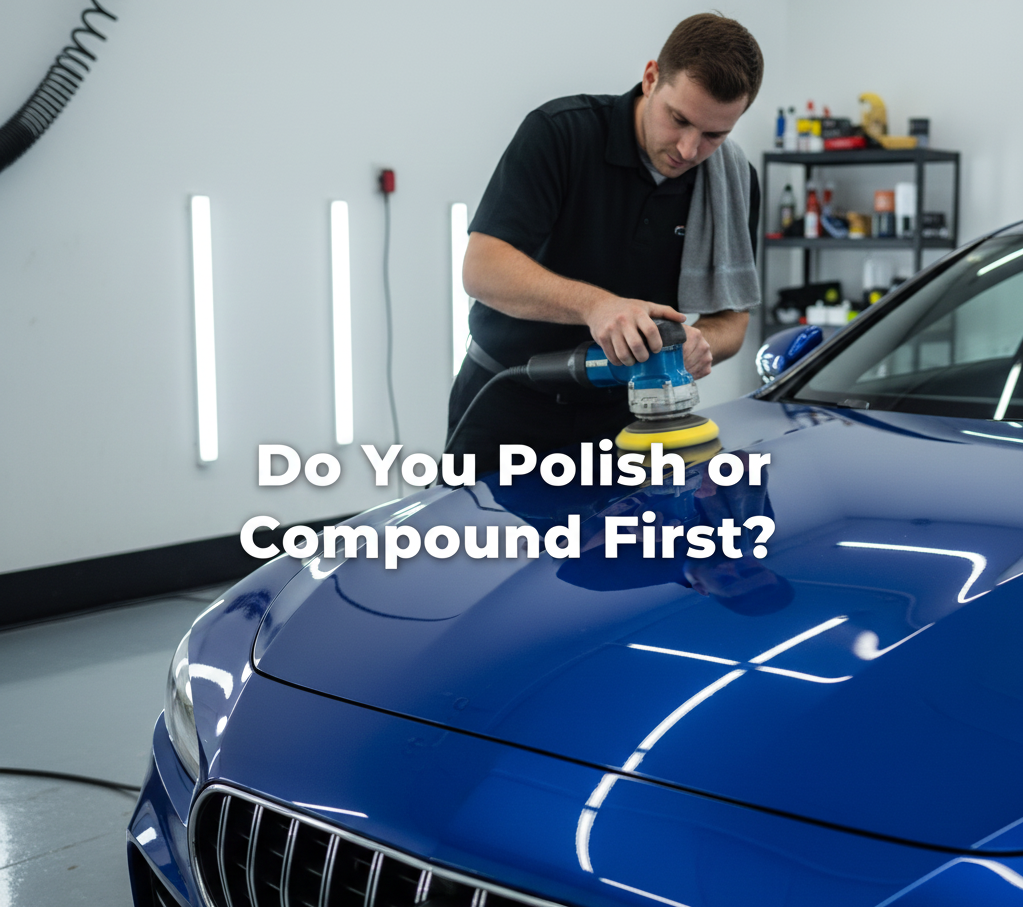
    Do You Polish or Compound First?

    Understanding whether to polish or compound first often creates confusion among car owners, especially those who want showroom-level gloss without harming their paint. At Grizzly Auto Detailing in Ashburn, VA, we help customers make smart choices that protect the vehicle’s finish while delivering the deepest shine possible. But before you decide what step to start with, you need a clear understanding of the Compound vs polish order, why it matters, and how the correct sequence shapes your final results.

    Many car enthusiasts use the terms “polishing” and “compounding” interchangeably, yet these processes differ significantly. They achieve different levels of correction, and when you apply them in the wrong order, you risk swirl marks, hazing, uneven finishes, and in some cases, paint damage. Because of this, you must understand exactly what each step does and how professional detailers structure the process for maximum clarity and gloss.

    This guide breaks down everything you need to know about whether you should polish or compound first, how the Compound vs polish order influences the outcome, and what process delivers the best results when restoring your vehicle’s shine. We will also discuss tools, time requirements, pressure control, safety considerations, and the importance of finishing steps. By the end of this article, you will understand exactly what to do, in what order, and why the sequence matters so much.


    Understanding Compounding

    Compounding acts as the heavy-cutting step. It removes significant paint imperfections such as deep scratches, heavy oxidation, water spot etching, and sanding marks. Compounds rely on abrasive particles strong enough to level the surface of your clear coat. Because they cut deeper, they correct paint faster than a polish.

    When professional technicians at Grizzly Auto Detailing compound a vehicle, they remove a thin layer of damaged clear coat to reveal a smoother, more uniform surface. This step handles defects that polishing alone cannot fix. Because compounding cuts aggressively, your paint gains clarity but may also show light haze or micro-marring afterward.

    This is where the next step becomes essential.


    Understanding Polishing

    Polishing enhances clarity, depth, and shine. Unlike compounds, polishes use finer abrasives. They correct light imperfections, refine the surface after compounding, and create the final glossy look. Polishing also prepares the surface for wax, sealant, or ceramic coating.

    When you polish, you eliminate haze, small swirls, and light marks created by the compounding pad. Therefore, polishing always produces a more reflective, smooth finish. Because of this, the Compound vs polish order always influences the result.


    So Do You Polish or Compound First?

    Here is the clear answer:

    You compound first, then polish.

    This simple sequence ensures you remove defects with the aggressive step first, then refine the paint to achieve shine. The Compound vs polish order works like sanding wood: start with a rough grit to shape it, then finish with a fine grit to smooth it.

    If you polish first, you waste time because polishing cannot remove deeper scratches. Then you must polish again after compounding, doubling your work.


    Why Compounding Always Comes Before Polishing

    Compounding Removes Deep Defects

    Deep scratches and heavy oxidation require a strong abrasive. Only a compound can correct these issues. Polishing without compounding leaves imperfections behind and gives you a less uniform finish.

    Polishing Refines the Surface

    Because compounding sometimes leaves micro-hazing, you need polishing to restore gloss. The Compound vs polish order guarantees a flawless finish.

    Compounding First Saves Time

    If you polish first, you will polish twice: once before compounding and once after. Following the correct order saves time and energy.

    You Reduce Paint Removal

    Each correction step removes a small layer of clear coat. Using the correct Compound vs polish order (compound → polish) minimizes unnecessary cutting and preserves paint longevity.


    How to Determine If You Need Compounding First

    Not every vehicle needs compounding. To decide whether your car needs the heavier step, you should inspect the paint under bright lighting, LED flashlights, or sunlight.

    You should pick compounding first when you see:

    • Deep scratches
    • Swirl marks
    • Water spot etching
    • Oxidation
    • Heavy defects
    • Sanding marks
    • Dull, chalky surfaces

    Light swirl marks or faint imperfections do not require compounding. In those cases, polishing alone works perfectly.


    How Polishing Enhances the Final Result

    Once you finish compounding, polishing brings out the deep gloss and mirror-like shine. The finer abrasives eliminate micro-marring, leave the surface smooth, and enhance reflectivity. Without polishing, your paint will look corrected but not finished.

    Polishing also improves:

    • Clarity
    • Color depth
    • Reflectiveness
    • Smoothness
    • Coating bond strength

    The vehicles we polish at Grizzly Auto Detailing always gain a richer glow after the final polish stage, which shows how essential it is to finish the process properly.


    The Importance of Choosing the Right Pad

    Your pad selection influences the cutting strength and finish quality. This makes Compound vs polish order even more important because the pad determines how aggressive the step becomes.

    Compounding Pads

    • Wool pads (fastest cut)
    • Microfiber pads
    • Heavy-cut foam pads

    Polishing Pads

    • Soft foam finishing pads
    • Medium polish pads
    • Ultrafine pads

    Using aggressive pads during polishing creates haze instead of shine, while soft pads during compounding waste time. This is why the correct sequence matters so much.


    Tools That Make the Process Easier

    The right tools produce predictable results. Professional detailers often use:

    • Dual-action polishers
    • Rotary polishers
    • Long-throw DA machines
    • LED swirl-finding lights

    These tools create consistency, reduce risk, and improve gloss. With the proper machine and pad, you follow the correct Compound vs polish order smoothly and safely.


    How Long the Process Takes

    Time varies depending on:

    • Paint hardness
    • Defect severity
    • Vehicle size
    • Pad choice
    • Machine type
    • Pressure applied

    A typical two-step correction (compound → polish) takes anywhere from 3 to 8 hours, depending on the results you want.


    Common Mistakes People Make

    Many beginners struggle because they skip steps or follow the wrong sequence. Below are the most common errors:

    Starting With Polish Instead of Compound

    This wastes time and does not correct deep defects.

    Staying Too Long in One Area

    This causes uneven paint removal.

    Using Too Much Pressure

    This creates buffer trails.

    Not Cleaning Pads

    Dirty pads reduce efficiency.

    Skipping Inspection Between Steps

    You must check your work after compounding to ensure a uniform cut before polishing.


    The Role of Protection After Polishing

    After you complete compounding and polishing, you must protect the finish. Freshly corrected paint absorbs protection products more effectively.

    You can choose:

    • Ceramic coating
    • High-gloss sealant
    • Carnauba wax

    Protection preserves your work, maintains clarity, and resists contamination.


    The Compound vs Polish Order Explained With an Analogy

    Imagine sanding a wooden surface. If you start with fine sandpaper, you waste time because deeper scratches remain. Then you need to sand everything twice. Instead, you start with coarse grit to remove defects and finish with fine grit for smoothness.

    Car paint correction works the same way. The correct Compound vs polish order always requires the heavy cut first.


    Why This Sequence Matters at Grizzly Auto Detailing

    Our shop uses a strict correction system. We diagnose paint conditions precisely and follow a refined two-stage approach:

    1. Compound to remove defects
    2. Polish to refine and enhance gloss

    This method ensures stunning results on every vehicle in Ashburn, VA. Because every car differs, we inspect the paint thoroughly before starting.


    Final Thoughts

    If you want a smooth, glossy, professionally corrected finish, you need to follow the correct process. The Compound vs polish order affects clarity, safety, paint longevity, and the final shine. When you compound first, you remove defects efficiently. When you polish afterward, you refine the paint and create a deep, high-quality glow.

    Whether you care for your daily driver or prepare your car for an event, this process guarantees professional-level results. And if you want expert help, Grizzly Auto Detailing in Ashburn, VA delivers precision, experience, and beautifully restored vehicles.


    FAQs

    1. Do I always need to compound before polishing?
    No. You only compound when defects run deeper than a polish can fix.

    2. Does compounding remove clear coat?
    Yes, compounding removes a small layer, so you must perform it carefully.

    3. Can polishing fix deep scratches?
    No. Polishing corrects only light imperfections.

    4. How do I know if my car needs compounding?
    Look for deep scratches, heavy swirls, or oxidation.

    5. How many times can I compound a vehicle?
    Only a limited number of times due to clear-coat thickness.

    6. Does polishing increase shine?
    Yes, polishing dramatically enhances gloss and clarity.

    7. Can I compound by hand?
    You can, but machine compounding works faster and more evenly.

    8. Do compounds cause haze?
    Yes, compounding may create haze that polishing removes.

    9. What pad should I use for polishing?
    Use a soft foam finishing pad for the best shine.

    10. Should I apply wax after polishing?
    Yes, wax or sealant protects the freshly corrected surface.

  • How Do I Know If My Car Needs Paint Correction?

    How Do I Know If My Car Needs Paint Correction?

    Determining whether your vehicle needs paint correction can feel confusing, especially when you notice strange marks, swirls, or fading in the finish. Many drivers in Ashburn, VA see surface flaws and wonder if the damage requires a quick polish or a full professional solution. As an expert industry copywriter, I designed this detailed guide to help you understand when your car needs attention, what signs you should look for, and how a specialized service like Paint defect removal Ashburn from Grizzly Auto Detailing brings your paintwork back to life.

    Because your car’s exterior serves as both a protective layer and a visual representation of your investment, understanding paint correction becomes crucial. In Ashburn’s climate—where humidity, pollen, snow, and road contaminants constantly attack vehicle surfaces—paint defects develop more quickly than most people realize. Reading this guide will help you decide when professional intervention becomes necessary and how to maintain that fresh, glossy finish afterward.


    Why Paint Correction Matters for Your Vehicle

    Paint correction does more than just beautify your car. It improves its resale value, protects the clear coat from deterioration, and restores the deep, mirror-like shine your vehicle originally had. When defects remain untreated, they worsen over time. Sun UV rays, dirt abrasion, and harsh cleaning chemicals intensify scratches and dullness. As a result, your paint loses clarity, smoothness, and depth.

    When you opt for Paint defect removal Ashburn, you reverse that damage. Skilled detailers remove imperfections safely rather than cover them, giving your paintwork a renewed lifespan. That’s why knowing the early warning signs matters so much—your timing determines how effective the correction will be.


    Understanding What Paint Correction Actually Is

    Paint correction involves machine polishing with compounds and pads that level the clear coat. Unlike surface waxing, correction reshapes the clear coat to eliminate scratches, oxidation, and swirl marks. The process requires precision, training, and controlled technique.

    During a correction session, a detailing expert evaluates the paint depth, surface integrity, and underlying issues. Since every car has slightly different paint hardness and clear-coat thickness, the strategy varies. The goal stays consistent: remove defects without compromising your vehicle’s long-term protection.

    Professional shops in Ashburn such as Grizzly Auto Detailing rely on specialized tools and multi-stage procedures to create a finish that looks dramatically better than anything a basic hand polish can offer. And because trained hands control every movement, the process avoids unnecessary wear on your clear coat.


    The Most Common Signs Your Car Needs Paint Correction

    You may already see certain marks or dullness but aren’t sure what they mean. Below are the most common indicators that your vehicle needs Paint defect removal Ashburn. When you notice any of these issues, it’s best to act quickly.

    1. Swirl Marks Under Sunlight

    When the sun hits your car at the right angle, you might see faint circular scratches. These marks happen when improper washing methods, dirty towels, or automated car washes drag abrasive debris across the surface. Although swirl marks seem light, they spread across large areas and make the paint look cloudy and unrefined.

    2. Dull or Faded Paint

    If your paint has lost its richness or appears cloudy, oxidation may be the cause. Ashburn’s summer sun accelerates fading, especially when vehicles sit outdoors regularly. Paint correction restores clarity and depth by removing the oxidized layer.

    3. Hard Water Etching

    Mineral deposits from sprinklers, rainwater, and washing act like tiny acids. They leave etched rings that do not come off through regular cleaning. Correction levels the clear coat around each spot to remove the visible etching safely.

    4. Light to Moderate Scratches

    Not all scratches penetrate the clear coat. Many remain on the upper surface and respond well to polishing. If you see faint straight marks from branches, keys, or accidental contact, paint correction solves the problem.

    5. Holograms or Buffer Trails

    Poor-quality polishing leaves strange zigzag distortions under light. These holograms appear when an inexperienced person uses a rotary buffer incorrectly. Professional correction removes these machine-induced flaws and restores consistency.

    6. Stains or Discoloration from Contaminants

    Bug splatter, bird droppings, and road tar stain paint quickly. If left untreated, they etch into the clear coat and create permanent marks. Correction removes the damaged layer and restores a uniform tone.

    7. Loss of Gloss Even After Washing

    If your car still looks dull after a thorough wash, the problem lies deeper than dirt. This flattening of gloss signals that your clear coat has surface defects absorbing light rather than reflecting it. That’s a definite sign you need professional detailing.


    The Detailed Process of Professional Paint Correction

    When you bring your car to Grizzly Auto Detailing for Paint defect removal Ashburn, the team follows a multi-step, precision-based process. Understanding each stage helps you appreciate the craftsmanship behind a flawless finish.

    Step 1: Comprehensive Inspection

    The detailer begins by examining the paint under specialized lighting. This evaluation reveals swirl patterns, scratches, oxidation, and deeper defects. Every decision afterward depends on this initial diagnosis.

    Step 2: Decontamination Wash

    Next, the car receives a deep cleaning to remove dirt, tar, road film, and iron particles. Clay bars or synthetic clay pads pull embedded contaminants from the surface so polishing becomes more effective and safer.

    Step 3: Paint Thickness Measurement

    Using a paint gauge, the detailer measures the clear coat. This step ensures correction remains safe and controlled. Different vehicle manufacturers apply different thicknesses, so this measurement protects the integrity of your paint.

    Step 4: Test Polishing

    Before working on the entire vehicle, the technician tests a small section to determine which compound, pad, and speed achieve the best results. This tailored approach prevents unnecessary abrasion.

    Step 5: Multi-Stage Machine Polishing

    Depending on the condition, a car may need one, two, or even three polishing stages:

    • Cutting Stage: Removes deeper scratches with aggressive compounds
    • Polishing Stage: Refines the surface to remove haze
    • Finishing Stage: Restores high-gloss clarity and mirror-like reflections

    Each stage transforms the surface, revealing smoother, richer paint.

    Step 6: Final Detailing and Protection

    Once polishing finishes, the vehicle receives a protective layer—wax, sealant, or ceramic coating. This enhances gloss and protects the corrected surface from UV rays, moisture, and contaminants.


    Why Paint Correction Is an Essential Investment in Ashburn, VA

    Ashburn experiences seasonal shifts that impact your paint in multiple ways. Winter road salt, pollen in spring, intense UV rays in summer, and fallen leaves in autumn all contribute to surface degradation. A freshly corrected vehicle resists these environmental factors and maintains a brilliant finish longer.

    Moreover, paint correction increases your car’s value if you plan to sell it. Buyers immediately judge a vehicle’s condition by its exterior. A car with perfect gloss and no scratches stands out instantly among listings.

    And because Grizzly Auto Detailing specializes in Paint defect removal Ashburn, you get professional-level restoration ideal for Ashburn’s climate and driving conditions.


    When You Should Choose Paint Correction Instead of Waxing

    Waxing adds temporary gloss and protection. It does not fix scratches, swirl marks, or oxidation. If your car already shows defects, wax becomes nothing more than a short-term shine enhancer that hides flaws for a brief time.

    Choose paint correction if:

    • The paint looks dull or cloudy
    • You notice swirls or light scratches
    • Water spots refuse to disappear
    • The finish lacks sharp reflections
    • Your vehicle looks older than it is

    Correction removes the root problem instead of covering it, giving you long-lasting results.


    Benefits of Professional Paint Correction

    You enjoy several advantages when you invest in a skilled service like Paint defect removal Ashburn:

    Enhanced Gloss and Reflectivity

    Paint correction restores stunning clarity. You will notice sharper reflections, deeper color, and a finish that feels smooth as glass.

    Increased Vehicle Value

    A flawless exterior immediately impacts resale appeal. Buyers prefer cars that look well-maintained.

    Surface Protection

    Corrected paint holds protective coatings better. Sealants and ceramic coatings bond more effectively to defect-free surfaces.

    Longer Paint Life

    By removing oxidation and early-stage damage, correction slows deterioration and extends the lifespan of your clear coat.

    Improved Visual Appeal

    Your car looks significantly newer. Even older vehicles regain showroom-level brilliance.


    How Often You Should Get Paint Correction

    The frequency depends on driving habits, storage conditions, and paint hardness. Many Ashburn vehicle owners get correction once every two to three years. However, if your car stays outdoors or drives frequently on highways, you may need it sooner.

    You can extend results by following best care practices:

    • Use a two-bucket wash method
    • Avoid automatic car washes
    • Dry with microfiber towels
    • Apply protective products consistently
    • Store your vehicle in a shaded area when possible

    With proper care, a corrected finish stays beautiful for a long time.


    Why Choose Grizzly Auto Detailing for Paint Correction in Ashburn?

    Grizzly Auto Detailing stands out because the team approaches every vehicle with precision, integrity, and a passion for restoring perfect finishes. Their advanced equipment, expert evaluation methods, and customized polishing strategies ensure safe and outstanding results.

    They specialize in Paint defect removal Ashburn, meaning they understand local environmental factors and how they affect vehicle paint. Whether your car suffers from oxidation, scratches, etching, or swirl marks, their experienced professionals deliver flawless restoration.


    Conclusion: Recognizing When Your Car Needs Paint Correction

    Your vehicle tells a story through its paint. Swirls, fading, scratches, and water spots reveal how the surface has endured daily exposure. Understanding these warning signs empowers you to take action at the right time.

    When you choose expert services like Paint defect removal Ashburn from Grizzly Auto Detailing, you revive your vehicle’s appearance, protect your investment, and enjoy a finish that looks stunning in every light. If your car no longer reflects the shine you expect, a professional paint correction session might be exactly what it needs.


    FAQs

    1. What is paint correction?
    Paint correction removes surface defects such as scratches, swirls, and oxidation by safely polishing the clear coat.

    2. How long does paint correction last?
    Results last one to three years depending on maintenance and exposure.

    3. Does paint correction remove all scratches?
    It removes most scratches that do not penetrate the clear coat.

    4. Can I wash my car immediately after correction?
    You should wait at least 24 hours before washing.

    5. Will paint correction damage my clear coat?
    When performed by professionals, the process remains safe and controlled.

    6. How long does the service take?
    Most vehicles require four to eight hours, depending on paint condition.

    7. Should I apply ceramic coating after correction?
    Yes, coating protects the corrected surface and extends results.

    8. Does waxing replace paint correction?
    No, wax hides defects temporarily but does not fix them.

    9. How do I maintain my paint after correction?
    Use proper washing techniques, microfiber towels, and protective sealants.

    10. Is paint correction worth it for older cars?
    Absolutely. Correction dramatically improves gloss and rejuvenates aging paint.

  • Does Paint Correction Improve Car Resale Value?

    Does Paint Correction Improve Car Resale Value?

    When drivers in Ashburn plan to sell their vehicles, they often look for effective ways to elevate their car’s value quickly. Often, they discover that High-end Paint Correction Ashburn VA delivers one of the highest returns because it transforms a tired finish into a vibrant, glossy surface that feels nearly new. In fact, buyers consistently pay more for a vehicle that looks immaculate, and prospective owners usually judge a car’s condition within seconds. Therefore, when sellers aim for the strongest resale results, they consistently choose professional paint correction because it instantly increases appeal, confidence, and perceived worth.

    Although many car owners understand that shine helps sales, they rarely understand why paint correction plays such a powerful role in valuation. Because of that, this article breaks down every element clearly. You will learn what paint correction includes, how detailers execute each stage, why this service alters buyer psychology, and how your car gains real monetary value after the procedure. Moreover, you will understand how the specialists at Grizzly Auto Detailing deliver superior results using advanced tools, safe techniques, and premium products that elevate finish quality in measurable ways.

    Furthermore, when you explore how dealers, inspectors, and private buyers assess a car’s condition, you will immediately see why restoring gloss improves financial outcomes more reliably than any quick cosmetic fix. Consequently, you can make an informed decision before listing your vehicle for sale. And when you prepare your car properly, you typically attract more interested buyers, reduce negotiation pressure, and close the sale faster at a higher price.


    Understanding How Paint Correction Works

    Although many people think of paint correction as simple polishing, the process actually removes visible defects from the clear coat through advanced mechanical refinement. Detailers eliminate swirl marks, oxidation, water spots, holograms, micro-marring, and fine scratches by leveling the clear coat with controlled abrasion. As a result, the surface becomes smooth, reflective, and crystal-clear.

    However, detailers do not grind away the clear coat randomly. Instead, the specialists at Grizzly Auto Detailing inspect the paint under color-matching LEDs and swirl-finder lights. Then, they measure clear-coat depth with digital paint gauges to ensure safe correction. Because of this careful approach, your car receives precision work that preserves long-term paint health while dramatically improving appearance.

    In addition, paint correction involves multiple stages. Because each step enhances clarity, the overall transformation becomes unmistakable when the job finishes.


    Inspection and Planning

    Technicians always begin by evaluating defect patterns across every panel. Since different panels experience different types of wear, professionals analyze each section separately. For example, horizontal surfaces like hoods and roofs typically show oxidation and etching, while vertical panels usually reveal swirl marks and light scratches. Additionally, areas behind door handles often show fingernail scuffing, and front bumpers frequently collect stone marks.

    With comprehensive inspection, the technician determines whether your vehicle needs one-step, two-step, or multi-stage correction. Moreover, this evaluation ensures that no unnecessary abrasives touch the paint.

    Because every detailer at Grizzly Auto Detailing maintains strict standards, they always choose a correction plan that fits your car’s age, paint hardness, defect severity, and resale goals.


    Decontamination and Surface Preparation

    Before any machine touches the paint, the technician removes all contamination. Otherwise, trapped debris would cause additional scratching during polishing. Therefore, your vehicle undergoes:

    • A pH-balanced foam pre-wash
    • Hand washing with lubricated shampoo
    • Iron-remover application that dissolves embedded brake dust
    • Clay-bar treatment that extracts bonded contaminants

    As a result, the paint becomes perfectly clean and smooth before correction begins.

    Because this thorough preparation prevents micro-marring and ensures consistent polishing results, your final finish looks sharper, glossier, and more uniform.


    Cutting and Polishing Stages

    Paint correction relies on controlled abrasion, and technicians select the pads, machines, and compounds based on your paint’s condition. They use dual-action polishers for safer temperature management, and they apply microfiber, wool, or foam pads depending on the required level of defect removal.

    During the cutting phase, detailers level the surface to eliminate deep imperfections. Then, during the polishing phase, they refine the finish until it gleams like glass. As a result, the paint achieves maximum clarity, depth, and reflection.

    Additionally, Grizzly Auto Detailing uses industry-leading products from brands like Koch Chemie, Meguiar’s Professional Series, and Rupes. Because these products offer consistent results with minimal dust, you enjoy a superior finish without residue.

    Moreover, when the correction concludes, the exterior looks dramatically fresher—often better than vehicles that sit on dealership showrooms.


    How Paint Correction Boosts Resale Value

    Although appearance alone influences buyers, paint correction increases resale value for several reasons that extend beyond aesthetics. Since modern buyers rely heavily on perceived condition, corrected paint generates immediate trust and confidence.

    1. A flawless finish signals responsible ownership

    When your paint looks immaculate, buyers assume the rest of the vehicle received similar care. Consequently, they view the interior, mechanical components, and maintenance history more positively.

    Because buyers trust the overall condition, they usually negotiate less aggressively.

    2. Enhanced exterior quality raises perceived market value

    Potential buyers often compare vehicles visually before researching mechanical records. Therefore, a shiny, corrected finish instantly positions your car as a premium option in the market.

    As a result, you can confidently list your vehicle at a higher price.

    3. Professional correction eliminates years of wear

    Since paint defects accumulate over time, your car may appear older than its true age. However, correction removes this visual aging. Consequently, your vehicle looks newer, fresher, and more modern.

    This renewed appearance often leads to resale increases that exceed the cost of correction.

    4. Buyers often favor well-presented vehicles

    Most buyers choose cars that require the least additional work. Because your corrected paint needs no improvement, it becomes a more attractive purchase. Therefore, buyers feel motivated to finalize the sale quickly.

    5. Paint correction prepares the car for coatings or sealants

    Because detailers refine the surface during correction, your vehicle becomes ready for ceramic coating application. Ceramic coating protects the finish from UV rays, oxidation, etching, and environmental contaminants. Therefore, buyers view coated vehicles as significantly more valuable.


    Why Ashburn Sellers Choose Professional Correction

    When residents of Ashburn prepare their vehicles for sale, they usually want fast improvements that deliver measurable value. Since High-end Paint Correction Ashburn VA restores paint clarity instantly, sellers receive one of the best returns on appearance-based upgrades.

    Additionally, Ashburn buyers generally prefer vehicles that appear well-maintained and professionally restored. Therefore, sellers who invest in correction frequently sell faster, with stronger offers and fewer last-minute negotiations.

    Moreover, because Ashburn’s climate includes sun exposure, pollen accumulation, and road salt during winter, local vehicles often develop paint imperfections more quickly. Consequently, correction becomes even more valuable in this region.


    Professional Tools Used for Correction

    Grizzly Auto Detailing uses advanced equipment such as:

    • Rupes BigFoot dual-action polishers
    • Flex forced-rotation machines
    • High-quality cutting and finishing pads
    • Digital gloss meters
    • LED swirl-finder lights
    • Paint-depth gauges

    With these tools, specialists deliver uniform results on every panel.

    Furthermore, skilled technicians understand paint hardness differences among brands like BMW, Honda, Tesla, and Ford. Because of this expertise, each vehicle receives a tailored correction strategy that maximizes shine and safety.


    Step-by-Step Example of a Full Correction Session

    Below is an example of how Grizzly Auto Detailing performs a full correction for a customer preparing for resale:

    1. Greet the client and evaluate goals
    2. Inspect paint thoroughly
    3. Measure clear coat levels
    4. Rinse and foam pre-wash
    5. Hand wash with pH-balanced shampoo
    6. Apply iron remover
    7. Clay-bar the paint
    8. Tape off sensitive trim
    9. Perform test spot to determine ideal pad/compound
    10. Execute full cutting stage
    11. Refine with finishing polish
    12. Wipe down with panel cleaner
    13. Inspect under bright lights
    14. Apply paint sealant or ceramic coating
    15. Deliver a final walkthrough with the customer

    Because this workflow ensures meticulous quality, your vehicle achieves maximum gloss, clarity, and resale impact.


    How Much Value Paint Correction Can Add

    Although results vary, sellers frequently earn between $500 and $2,000 more depending on vehicle age, paint condition, and market demand. Moreover, luxury vehicles often show even stronger value increases, especially when the finish regains its original depth and shine.

    Therefore, the service typically pays for itself, making it one of the smartest pre-sale investments for Ashburn sellers.

    Furthermore, paint correction increases online listing appeal. Since high-gloss photos attract more clicks, your car gains more attention, more inquiries, and more potential buyers.


    Long-Term Benefits Beyond Resale

    Although you may plan to sell your car soon, paint correction delivers additional advantages:

    • Stronger protection against UV damage
    • Easier maintenance
    • Enhanced clear-coat lifespan
    • Greater satisfaction during ownership

    Because your car stays cleaner and shinier, you enjoy improved pride of ownership until the moment you sell it.

    And when buyers see that your car looks stunning both in person and online, they instantly view it as a superior option—giving you exceptional leverage during price discussions.

    As you evaluate your options, you will consistently find that High-end Paint Correction Ashburn VA delivers the strongest improvement with the least effort, the shortest turnaround time, and the most impressive visual transformation.


    Why Choose Grizzly Auto Detailing

    Grizzly Auto Detailing stands out because of:

    • Extensive correction experience
    • Advanced industry tools
    • Premium abrasives and polishes
    • Careful inspection protocols
    • Transparent communication
    • Tailored services for every customer

    Furthermore, the team removes defects safely while preserving maximum paint thickness. Because they value long-term paint health, they treat each car as if they own it.

    Additionally, their correction packages pair beautifully with ceramic coating upgrades, allowing sellers to maximize resale appearance and protection simultaneously.


    Final Thoughts on Resale Value

    You can dramatically elevate your vehicle’s market presence by investing in High-end Paint Correction Ashburn VA before listing it for sale. Because buyers respond emotionally to a brilliant finish, your car will stand out in online listings, attract more inquiries, and command higher offers.

    Moreover, correction sets the right first impression and communicates responsible ownership. Therefore, you gain confidence when negotiating, and buyers feel confident paying a premium.

    Consequently, paint correction continues to rank among the most cost-effective ways to boost resale value, especially in a competitive region like Ashburn.

    When you want maximum return, you always win by choosing skilled professionals who treat your paint with the highest level of care.

    As a result, you sell faster, earn more, and enjoy a smooth, profitable selling experience.

    Finally, when you entrust your car to Grizzly Auto Detailing, you invest in expertise, precision, and lasting beauty—ensuring that your vehicle makes a statement the moment buyers see it.

    With knowledge, technique, and craftsmanship, the specialists at Grizzly Auto Detailing deliver the kind of glossy finish that consistently elevates resale value and leaves a lasting impression.

    And with the final mention, you understand why more sellers depend on High-end Paint Correction Ashburn VA when they want unmatched shine, stronger market appeal, and maximum profit from their vehicle sales.


    FAQs

    1. Does paint correction remove all scratches?
    Paint correction removes most light and moderate scratches but cannot eliminate deep gouges that cut into the base coat.

    2. How long does paint correction usually take?
    Most vehicles require 4–10 hours depending on defect severity and correction level.

    3. Will my paint look brand new after correction?
    Yes, the surface will look dramatically clearer, deeper, and glossier, often better than showroom condition.

    4. Can paint correction increase my car’s resale value?
    Absolutely. Many sellers earn hundreds or thousands more due to the improved appearance.

    5. Do I need ceramic coating after correction?
    Coating protects the newly corrected finish and prolongs gloss, so it becomes a highly recommended upgrade.

    6. How often should I get paint correction?
    Most cars only need full correction once, followed by a coating or sealant for maintenance.

    7. Does washing technique affect results after correction?
    Yes. Safe washing preserves clarity and prevents new swirl marks.

    8. Can paint correction fix oxidation?
    Yes. Detailers remove oxidation and restore depth and shine during correction.

    9. Should I correct paint before selling my car?
    Yes. The improved appearance attracts more buyers and strengthens resale value.

    10. Does paint correction work on all paint types?
    Yes. Technicians adjust pads, polish, and technique for every paint system.

  • Why is Paint Correction so Expensive?

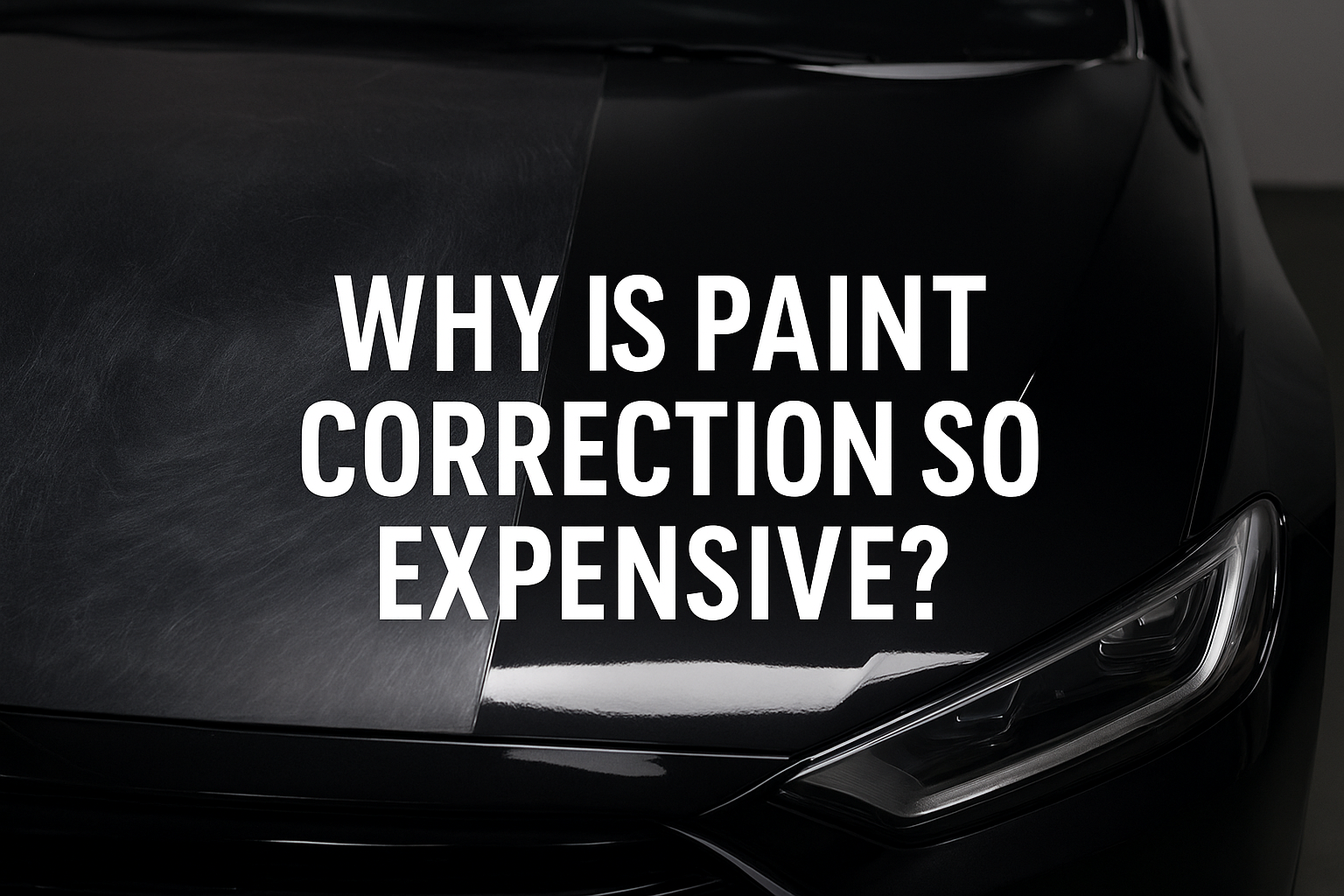
    Why is Paint Correction so Expensive?

    When car enthusiasts or proud vehicle owners ask, “Why is paint correction so expensive?”, the answer goes far beyond surface beauty. It’s not just about polishing paint it’s about skill, precision, technology, and the protection of one of your most valuable assets. At Grizzly Auto Detailing, our commitment to quality defines our reputation for Premier Paint Correction in Ashburn. Every swirl removed, every imperfection leveled, and every reflection enhanced represents hours of expert work, professional-grade materials, and a passion for perfection.

    Paint correction isn’t merely a “buff and shine” job; it’s an art form backed by science. Let’s uncover exactly what makes this service worth every penny from process and tools to expertise and long-term value.


    The True Essence of Paint Correction

    Paint correction is the professional process of leveling out surface defects such as swirl marks, oxidation, etching, and scratches to restore paint clarity and depth. Unlike simple polishing or waxing, this process permanently removes imperfections instead of just hiding them.

    To achieve a flawless mirror finish, detailers don’t simply run a buffer over the car. They analyze paint thickness, assess defect depth, select correct pad and compound combinations, and perform multi-stage correction steps. That’s why customers seeking Premier Paint Correction in Ashburn quickly realize the investment reflects the precision and detail required.


    Step-by-Step Breakdown of Professional Paint Correction

    Understanding each phase of a proper correction service reveals why it commands higher pricing. Here’s what typically goes into a top-tier correction job:

    1. Inspection and Paint Assessment

    First, the vehicle undergoes a detailed inspection under professional lighting. Every panel is evaluated for defects, oxidation, and prior damage. The technician measures the paint thickness using digital gauges to determine how much material can be safely corrected.

    2. Decontamination Wash

    Next, the surface is thoroughly cleaned using pH-balanced soaps and iron removers. Clay bar treatment follows to remove bonded contaminants like tar, sap, and industrial fallout. This ensures no debris interferes with polishing.

    3. Tape Protection and Preparation

    Sensitive edges, trims, and emblems are carefully masked to prevent accidental damage. This preparation step demonstrates the professionalism behind Premier Paint Correction in Ashburn, where nothing is rushed or overlooked.

    4. Compounding Stage

    A heavy-cut compound paired with a microfiber or wool pad is used to level deep defects. The technician controls machine speed, pressure, and temperature to achieve uniform correction without overheating the paint.

    5. Polishing Stage

    After compounding, a fine polish and foam pad refine the surface to eliminate haze and micro-marring, creating a crystal-clear reflection. This step transforms a dull finish into a flawless gloss.

    6. Final Surface Cleansing and Inspection

    Once correction is complete, a surface wipe removes any remaining residues. The car is inspected under multiple lighting angles — sunlight simulation, LEDs, and color match lamps — to ensure no imperfection remains.

    7. Protection Layer Application

    Finally, a ceramic coating or professional wax is applied to protect the freshly corrected paint. The coating seals the gloss and prevents future defects from reappearing too soon.

    Each of these steps demands specialized tools, technical knowledge, and a controlled environment — key factors that drive up cost but ensure world-class results.


    Factors That Influence Paint Correction Costs

    Even among professional detailing shops, pricing varies because several key factors determine the final cost:

    1. Paint Condition and Vehicle Size

    A small, well-maintained sedan takes far less time than a large SUV with years of neglected paint. The level of correction required — one-step, two-step, or multi-stage — also impacts cost.

    2. Professional Experience and Skill

    Experience matters enormously. At Grizzly Auto Detailing, technicians undergo specialized training in safe correction techniques, machine handling, and paint behavior. Choosing a Premier Paint Correction in Ashburn means you’re paying for years of accumulated expertise.

    3. Equipment and Product Quality

    Premium compounds like Menzerna, Koch Chemie, or Meguiar’s, combined with high-end dual-action polishers and LED lighting systems, dramatically improve results — but they’re costly. Professional-grade microfiber pads and ceramic coatings also add to the expense.

    4. Time and Labor Intensity

    True correction isn’t rushed. Even a minor two-stage correction can take 12–20 hours, while show-level finishes might require 40+ hours of meticulous hand and machine work. Each pass, each polish, and each inspection round is performed until perfection is achieved.

    5. Controlled Environment

    Dust-free, temperature-regulated detailing bays are essential for flawless correction. Maintaining such professional facilities adds operational costs but ensures premium outcomes.


    Why DIY Correction Can Cost More in the Long Run

    Some car owners attempt DIY correction using inexpensive orbital buffers and retail-grade polishes. However, without training, it’s easy to cause irreversible damage such as paint burn-through or uneven correction.

    Correcting a poor DIY job usually costs more because professionals must first fix the new issues before addressing the original ones. Investing in expert-level correction from the start — like Premier Paint Correction in Ashburn — saves both time and money while protecting your car’s paint longevity.


    The Science Behind the Shine

    High-quality paint correction merges artistry with physics. When compounds and pads interact, microscopic abrasives gently remove clear coat layers measured in microns. The process involves controlling friction, heat, and mechanical pressure to refine the surface.

    Professional technicians rely on real-time paint readings and advanced correction charts to guide their work. Achieving flawless reflection requires a perfect balance — too little pressure won’t remove defects; too much may cause damage.

    Every corrected panel represents controlled material removal measured scientifically for long-term paint health. This scientific precision is part of what makes the service premium.


    The Value of Experience and Professional Standards

    Choosing a professional detailing company like Grizzly Auto Detailing ensures the job is executed using proper tools and methods. Every technician understands different paint systems — from hard German clears to soft Japanese finishes — and adjusts techniques accordingly.

    Quality assurance is another major factor. Each step is verified multiple times to maintain consistent gloss and clarity across all panels. This attention to uniformity and protection defines what Premier Paint Correction in Ashburn truly means — excellence without shortcuts.


    The Long-Term Benefits of Paint Correction

    Paint correction does far more than make a car look new; it increases longevity and resale value while offering practical protection benefits.

    • Enhanced Gloss and Depth: Creates a mirror-like finish that’s visibly superior to standard waxing.
    • Surface Smoothness: Makes maintenance easier since dirt and debris slide off effortlessly.
    • Oxidation Resistance: Removes early oxidation and prevents paint fading caused by UV exposure.
    • Increased Resale Value: Buyers are more attracted to a car that looks well-maintained.
    • Ceramic Coating Compatibility: Corrected paint ensures coatings bond properly for maximum durability.

    When performed by certified professionals, the results can last for years with proper care.


    Realistic Product Examples

    Professionals use premium-grade products for safe, consistent outcomes. Examples include:

    • Compounds: Meguiar’s M105, Menzerna Heavy Cut 400, Rupes Coarse Compound.
    • Polishes: Sonax Perfect Finish, CarPro Reflect, Koch Chemie Micro Cut.
    • Pads: Lake Country HDO, Rupes Blue/Wool, Hex Logic Orange.
    • Protection: CarPro CQuartz, Gtechniq Crystal Serum, or Gyeon Mohs.

    Each product type is selected based on paint hardness, color, and condition to maximize reflection and depth.


    Why Professional Paint Correction Is Worth Every Dollar

    When you invest in professional correction, you’re not just paying for shiny paint — you’re purchasing expertise, confidence, and lasting quality. A skilled detailer ensures your vehicle’s finish is not only beautiful but protected.

    The cost reflects years of accumulated training, thousands of dollars in professional-grade equipment, and countless hours of hands-on experience. For car lovers, that peace of mind is priceless.

    Ultimately, when you trust your vehicle with Premier Paint Correction in Ashburn, you ensure it receives the meticulous attention and craftsmanship it deserves. The price may seem steep initially, but the results — and protection — make it a true investment in long-term car care.


    Expert Maintenance Tips After Paint Correction

    To preserve your newly corrected finish, follow these expert recommendations:

    1. Wash Weekly with a pH-Neutral Shampoo: Avoid harsh detergents that strip protective layers.
    2. Use Two-Bucket Method: Minimize swirl mark formation during washes.
    3. Dry with Microfiber Towels: Prevent micro-scratches caused by rough fabrics.
    4. Avoid Automated Car Washes: Brushes can undo correction work.
    5. Apply Ceramic Spray Sealants: Extend the life of your coating protection.
    6. Store Indoors or Use Car Covers: Reduce UV and environmental exposure.

    Consistent care keeps your vehicle shining for years.


    Final Thoughts

    So, why is paint correction so expensive? Because it’s not just another car wash service — it’s a blend of technical expertise, advanced materials, and countless hours dedicated to perfection.

    Every swirl removed represents time, precision, and craftsmanship. For car owners who demand excellence, Premier Paint Correction in Ashburn isn’t a luxury — it’s the only way to restore and protect their investment with pride.

    At Grizzly Auto Detailing, we deliver unmatched quality, expert knowledge, and transformative results that redefine what professional detailing should be.


    Frequently Asked Questions (FAQs)

    1. How long does professional paint correction last?
    With proper maintenance, it can last several years, especially when protected with ceramic coating.

    2. Can paint correction remove all scratches?
    It removes most surface-level and moderate defects but cannot fix deep gouges that penetrate the clear coat.

    3. Is paint correction safe for all car paints?
    Yes, when performed by trained experts who assess paint hardness and thickness before correction.

    4. How many stages are in a full paint correction?
    Typically, one-step, two-step, or three-step processes depending on defect severity and finish goals.

    5. How do I maintain the finish after correction?
    Use pH-neutral shampoos, avoid automatic washes, and apply ceramic boosters every few months.

    6. Is paint correction better than waxing?
    Yes. Wax only hides defects temporarily, while correction permanently removes them for long-term clarity.

    7. How much does professional paint correction cost?
    Costs vary by vehicle size and condition but generally range between $500–$1,500 for high-end results.

    8. Does paint correction damage the clear coat?
    Not when done properly — professionals remove only microscopic layers to level imperfections safely.

    9. How can I tell if my car needs paint correction?
    If your paint looks dull under sunlight, or you see swirl marks or oxidation, it likely needs correction.

    10. Why choose Grizzly Auto Detailing for paint correction?
    Because we combine expertise, top-tier tools, and years of experience to deliver Premier Paint Correction in Ashburn that exceeds expectations.

  • What’s the Difference Between Wax and Sealant?

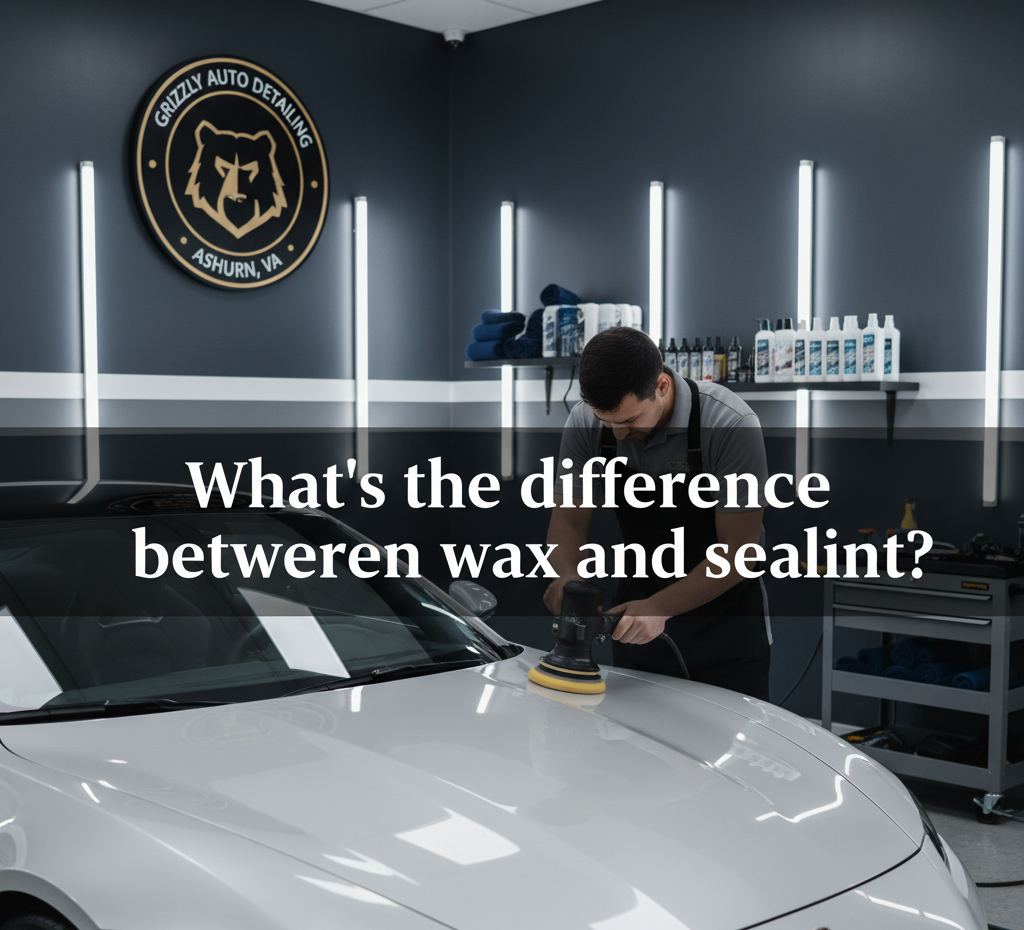
    What’s the Difference Between Wax and Sealant?

    At Grizzly Auto Detailing in Ashburn, VA, we often hear customers ask: “Should I use wax or sealant on my car?” It’s an important question because both products protect and enhance your vehicle’s paint, but they work in different ways. Understanding these differences ensures your car always looks its best. Professional Wax polish Car Exterior Detailing in Ashburn gives your vehicle not only a mirror-like shine but also reliable protection from harsh environmental elements.


    Understanding Car Wax

    What Is Car Wax?

    Car wax is a protective coating applied to your car’s paint to enhance its gloss and prevent damage from contaminants. Traditional waxes use natural carnauba—sourced from Brazilian palm leaves—while modern formulas often mix in synthetic polymers for improved durability.

    Benefits of Wax

    • Brilliant Shine: Wax creates a rich, warm glow that makes colors pop.
    • Water Repellency: It helps water bead off the surface to prevent water spots.
    • Surface Protection: Shields against UV rays, sap, bird droppings, and road grime.
    • Minor Scratch Filling: Smooths out small swirl marks for a flawless look.

    Types of Car Wax

    1. Carnauba Wax: Ideal for show-quality depth and warmth.
    2. Synthetic Wax: Longer-lasting protection with easier application.
    3. Spray Wax: Quick top-ups between full detailing sessions.

    When to Use Wax

    Wax is perfect for car owners who value beauty and shine. Moreover, it’s best used on vehicles that are regularly maintained and stored in garages or mild climates.


    Understanding Paint Sealants

    What Is a Paint Sealant?

    Paint sealants are synthetic, polymer-based products that chemically bond to the paint surface. Unlike wax, which simply sits on top, sealants create a durable barrier that lasts for months.

    Benefits of Sealants

    • Extended Protection: Lasts four to twelve months, even under harsh conditions.
    • Stronger Defense: Resists UV rays, acid rain, and road salt.
    • Enhanced Gloss: Provides a bright, glass-like finish.
    • Low Maintenance: Requires fewer reapplications than wax.

    Types of Sealants

    1. Synthetic Polymer Sealants: Tough, weather-resistant coatings.
    2. Hybrid Sealants: Blend polymer protection with wax-like shine.
    3. Spray Sealants: Fast and easy for regular upkeep.

    When to Use Sealants

    Sealants suit daily drivers and vehicles exposed to outdoor elements. They’re excellent for owners who prefer durable protection over frequent detailing.


    Wax vs. Sealant: Key Differences

    FeatureWaxSealant
    MaterialNatural or semi-syntheticFully synthetic
    Durability4–6 weeks4–12 months
    FinishWarm, deep glowBright, reflective gloss
    Protection LevelModerateHigh
    Ease of ApplicationRequires buffingWipe-on, easy removal
    CostLowerSlightly higher due to longevity

    In short: Wax offers unmatched warmth and shine, while sealants deliver long-term protection.


    Which Is Better for Your Car?

    The choice depends on your priorities. If you love a soft, luxurious glow, wax is unbeatable. If you prefer long-lasting protection with minimal effort, sealant wins. Many detailers—including Grizzly Auto Detailing in Ashburn, VA—combine both: a base layer of sealant for durability, topped with wax for visual depth.


    How to Apply Wax (Step by Step)

    Step 1: Wash and Dry

    Clean your car thoroughly with pH-balanced shampoo. Dry completely using a microfiber towel to prevent streaks.

    Step 2: Prep the Surface

    Use a clay bar to remove embedded contaminants. If needed, lightly polish to correct small imperfections.

    Step 3: Apply Wax

    • Use a soft foam applicator.
    • Work in small, circular motions.
    • Apply a thin, even coat across panels.

    Step 4: Buff to Perfection

    Let the wax haze for a few minutes, then buff using a clean microfiber towel. The result is a deep, glossy finish that feels silky smooth.

    Step 5: Maintain Regularly

    Reapply wax every month or so to preserve shine and protection.


    How to Apply a Sealant

    Step 1: Clean Thoroughly

    Wash and dry your vehicle just like before. Any leftover wax or debris can prevent bonding.

    Step 2: Apply the Sealant

    • Shake the bottle well.
    • Use a foam or microfiber applicator.
    • Spread evenly in straight, overlapping lines.

    Step 3: Let It Cure

    Allow 10–20 minutes for the sealant to bond. Then gently buff the surface with a soft towel.

    Step 4: Enjoy Long-Term Protection

    Sealants can last for months, but washing your car regularly will help maintain the hydrophobic effect.


    Combining Wax and Sealant

    Using both is a detailer’s secret weapon:

    1. Start with a Sealant – This forms a durable protective layer.
    2. Finish with Wax – Adds warmth, depth, and rich shine.

    This combination keeps your paint protected and stunning in every light.


    Professional Product Recommendations

    At Grizzly Auto Detailing, we trust only proven brands:

    Recommended Waxes:

    • Meguiar’s Gold Class Carnauba Plus
    • Collinite 845 Insulator Wax
    • Turtle Wax Hybrid Solutions

    Recommended Sealants:

    • Chemical Guys JetSeal 109
    • Menzerna Power Lock Polymer Sealant
    • Wolfgang Deep Gloss Paint Sealant

    Expert Tips from Grizzly Auto Detailing

    • Always start with a clean, smooth surface.
    • Apply thin coats—more product doesn’t mean better results.
    • Use quality microfiber towels to avoid scratches.
    • Avoid direct sunlight during application.
    • Maintain protection with gentle washes every week.

    These professional habits ensure consistent, long-term results for Wax polish Car Exterior Detailing in Ashburn customers.


    Practical Advice for Different Vehicles

    • Sedans & Coupes: Wax provides a brilliant show-car finish.
    • SUVs & Trucks: Sealant delivers rugged, long-lasting protection.
    • Luxury Cars: Combine both for maximum depth and durability.

    As a result, every vehicle type can achieve an ideal balance of shine and defense.


    Internal & External Resources


    Image Optimization Suggestion

    Include a featured banner image (900×300 px) showing a detailer applying wax and sealant under bright studio lighting at Grizzly Auto Detailing.
    Alt text: “Wax polish Car Exterior Detailing in Ashburn – Grizzly Auto Detailing.”


    Frequently Asked Questions (FAQs)

    1. What’s the main difference between wax and sealant?
    Wax gives short-term shine; sealant provides long-term protection.

    2. Can I layer wax over a sealant?
    Yes. Apply sealant first for protection, then wax for enhanced gloss.

    3. How long does each last?
    Wax lasts around 4–6 weeks, while sealant can last up to a year.

    4. Which is easier to apply?
    Sealant is typically easier—just apply, cure, and buff.

    5. Does wax protect from UV damage?
    Yes, but sealants offer stronger UV defense.

    6. Can I use wax on new paint?
    Yes, after the paint fully cures (usually 30–60 days).

    7. How often should I apply a sealant?
    Every 6–12 months depending on climate and usage.

    8. Do I need both wax and sealant?
    For best results, yes—sealant for protection, wax for shine.

    9. Are spray products as good as paste versions?
    Sprays are convenient but slightly less durable.

    10. Why choose Grizzly Auto Detailing for this service?
    Our experts use premium products, advanced techniques, and deliver unmatched gloss and durability for every car.


    Conclusion

    Understanding the difference between wax and sealant helps you choose the best care for your vehicle. Wax enhances beauty and depth, while sealants offer unmatched protection. Combining both creates the ideal finish—glossy, smooth, and shielded from damage.

    At Grizzly Auto Detailing, we specialize in Wax polish Car Exterior Detailing in Ashburn, providing top-tier results that keep your car looking brand new. Our skilled professionals use only the finest products to ensure long-lasting shine and superior protection. Book your detailing session today and experience the perfect balance of aesthetics and durability.


  • How Do You Detail the Exterior of a Car?

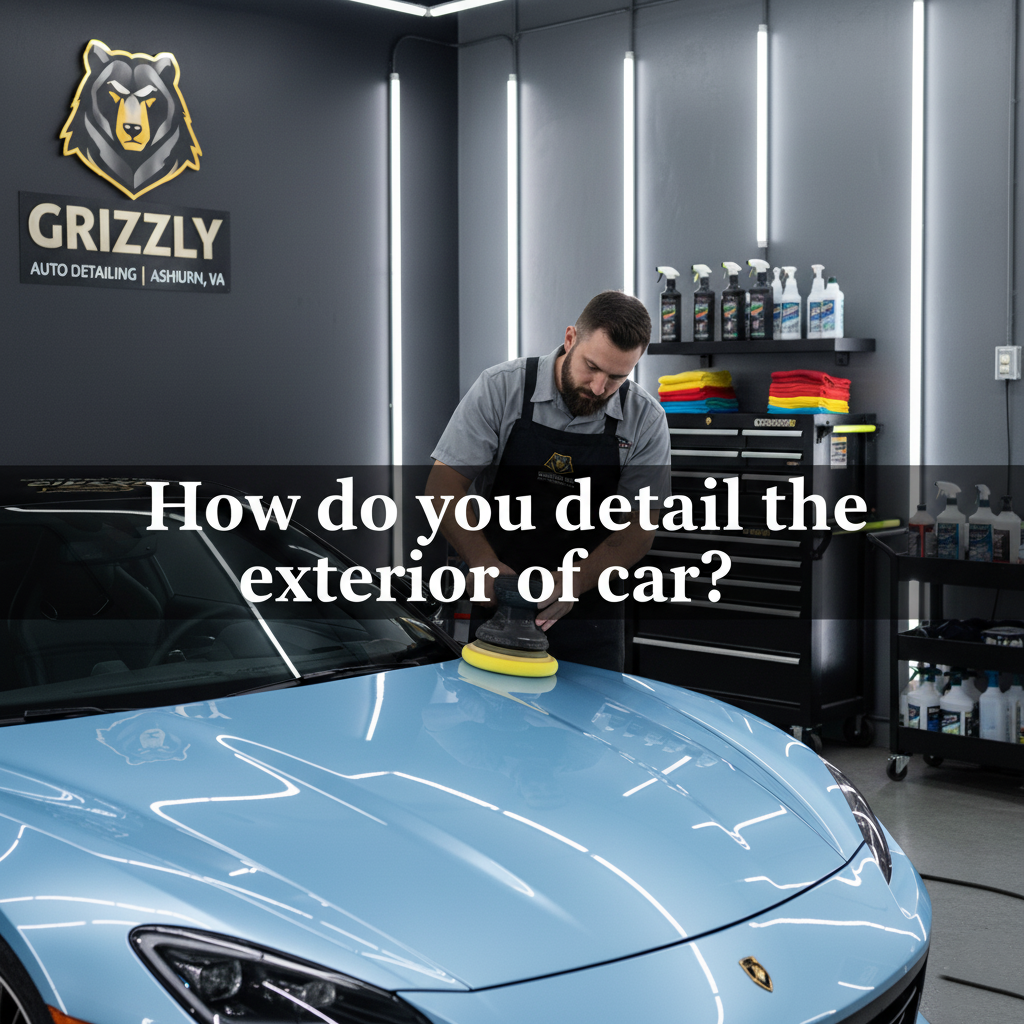
    How Do You Detail the Exterior of a Car?

    Maintaining a car’s exterior requires more than a simple rinse. At Grizzly Auto Detailing in Ashburn, VA, our Vehicle wash Car Exterior Detailing in Ashburn services provide meticulous care to restore, protect, and enhance your vehicle’s appearance. Exterior detailing goes beyond a standard car wash—it involves precision, high-quality products, and expert techniques to achieve a showroom-quality finish.

    This comprehensive guide will explain the step-by-step process, essential products, and tips to maintain your car’s exterior, helping you understand the professional detailing process.


    What Is Exterior Car Detailing?

    Exterior car detailing is a thorough cleaning and restoration of all exterior surfaces of a vehicle. Unlike a regular wash, detailing addresses:

    • Paint imperfections, scratches, and swirl marks
    • Contaminants like tar, sap, and industrial fallout
    • Wheels, tires, and trim
    • Glass surfaces and mirrors
    • Protective coatings such as wax, sealant, or ceramic

    Professional Vehicle wash Car Exterior Detailing in Ashburn ensures that every surface receives attention, restoring your car’s shine while preventing long-term damage.


    Key Differences Between Exterior Detailing and a Car Wash

    FeatureCar WashExterior Detailing
    Depth of CleaningRemoves surface dirtCleans, restores, and protects
    Paint CareMinimalPolishing and correction included
    ProtectionNoneWax, sealant, or coating applied
    Wheels & TiresQuick rinseThorough cleaning and dressing
    Time Required10–30 minutes2–6 hours depending on vehicle

    As a result, detailing is the ideal choice for long-term maintenance, while car washes serve only temporary cosmetic needs.


    Benefits of Exterior Detailing

    1. Restores Paint and Finish

    Detergents, environmental debris, and UV rays damage paint. Professional detailing restores vibrancy and gloss.

    2. Provides Protective Layer

    Coatings like wax or ceramic shield the paint from pollutants, UV exposure, and water spots.

    3. Enhances Resale Value

    Vehicles with well-maintained exteriors command higher resale prices compared to those cleaned superficially.

    4. Maintains Wheels, Tires, and Trim

    Detailing preserves rubber, chrome, and plastic components from cracking, fading, or corrosion.

    5. Prevents Long-Term Damage

    Removing contaminants prevents oxidation, rust, and permanent paint damage.


    Step-by-Step Exterior Detailing Process

    Step 1: Pre-Wash Rinse

    Removes loose dirt to prevent scratches during the washing process.

    Step 2: Hand Wash

    We use a two-bucket method with microfiber mitts and pH-balanced soap for gentle and effective cleaning.

    Step 3: Wheel and Tire Cleaning

    Non-acidic cleaners and brushes restore wheel surfaces, tires, and wheel wells.

    Step 4: Paint Decontamination

    Clay bars remove embedded contaminants such as tar, sap, and industrial fallout.

    Step 5: Polishing and Paint Correction

    Dual-action polishers and compounds remove swirl marks, minor scratches, and oxidation.

    Step 6: Protective Coatings

    Wax, sealant, or ceramic coatings are applied for protection and enhanced shine.

    Step 7: Glass and Trim Detailing

    Polishing glass and treating trim components restore clarity and luster.

    Step 8: Tire Dressing

    Professional application restores black gloss and prevents cracking and fading.

    Step 9: Final Inspection

    Every surface is inspected to ensure quality Vehicle wash Car Exterior Detailing in Ashburn standards.


    Essential Products for Exterior Detailing

    • Shampoos: Meguiar’s Gold Class, Chemical Guys Mr. Pink
    • Polishes: Menzerna Super Finish, 3D One-Step Polish
    • Protective Coatings: CarPro CQuartz UK 3.0, Gtechniq Crystal Serum
    • Tire and Trim Dressings: Chemical Guys VRP, Gyeon Trim

    Using premium products ensures superior finish and long-lasting protection.


    How Often Should You Detail Your Car?

    • Monthly Maintenance Wash: Keeps surfaces clean and reduces contaminant buildup.
    • Full Exterior Detail: Every 3–6 months, depending on driving conditions and environment.
    • Protective Coatings: Wax quarterly, sealants semi-annually, ceramic coatings maintained per manufacturer’s instructions.

    Regular detailing maximizes the benefits of Vehicle wash Car Exterior Detailing in Ashburn.


    DIY vs Professional Detailing

    While DIY car care works for basic cleaning:

    • Professionals use advanced tools and products
    • Techniques prevent scratches and swirl marks
    • Protective coatings last longer when applied professionally
    • Expert attention ensures flawless results

    Consequently, investing in professional detailing is more cost-effective in the long term.


    Seasonal Considerations for Exterior Detailing

    • Winter: Protects against road salt and grime
    • Spring: Removes pollen and environmental debris
    • Summer: Shields paint from UV damage
    • Fall: Prevents leaves and dirt buildup

    Tailored seasonal care ensures your vehicle remains protected year-round.


    Common Misconceptions About Exterior Detailing

    • Myth: “Car washes are sufficient.”
      Fact: Only detailing removes contaminants and protects surfaces.
    • Myth: “Detailing is only cosmetic.”
      Fact: It preserves value, prevents damage, and maintains vehicle integrity.
    • Myth: “DIY detailing works as well as professionals.”
      Fact: Professionals achieve a more thorough, longer-lasting finish.

    Benefits of Professional Detailing at Grizzly Auto Detailing

    1. Expert knowledge in paint correction and restoration
    2. Use of premium, professional-grade products
    3. Attention to every detail, including hard-to-reach areas
    4. Long-lasting protection for paint, trim, and glass
    5. Enhanced resale value for your vehicle

    FAQs

    1. How do you detail the exterior of a car?
    Exterior detailing involves washing, decontaminating, polishing, and applying protective coatings to all exterior surfaces.

    2. How often should I detail my car exterior?
    Every 3–6 months depending on usage and climate.

    3. Does detailing remove scratches?
    Minor scratches and swirl marks are corrected during polishing.

    4. Are waxes included in exterior detailing?
    Yes, wax or sealant is applied for protection and shine.

    5. How long does exterior detailing take?
    Typically 2–6 hours depending on the vehicle and services selected.

    6. Can I detail my car at home?
    Yes, but professional detailing ensures longer-lasting and superior results.

    7. What products are used for exterior detailing?
    Premium shampoos, polishes, waxes, sealants, ceramic coatings, and tire/trim dressings.

    8. Does exterior detailing improve resale value?
    Yes, well-maintained exteriors help retain higher vehicle value.

    9. Are ceramic coatings included in standard detailing?
    They are optional add-ons for extended protection.

    10. Why choose Grizzly Auto Detailing in Ashburn?
    We provide expert techniques, premium products, and meticulous attention to detail for flawless results.


    Final Thoughts

    Detailing the exterior of your vehicle preserves paint, protects surfaces, and enhances overall aesthetics. Professional Vehicle wash Car Exterior Detailing in Ashburn ensures your car receives the care it deserves, restoring a showroom-quality finish and long-lasting protection.

    At Grizzly Auto Detailing, we combine experience, high-quality products, and expert techniques to deliver exceptional results for every vehicle.


  • How Long Should a Full Car Detail Take?

    How Long Should a Full Car Detail Take?

    When it comes to maintaining a vehicle, many car owners ask, “How long should a full car detail take?” At Grizzly Auto Detailing in Ashburn, VA, we provide comprehensive Paint restoration Car Exterior Detailing in Ashburn services that go beyond a simple wash. Understanding the time, processes, and value of a full detail ensures your car gets the attention it deserves while maximizing protection and aesthetics.

    In this guide, we explore all aspects of full car detailing, from exterior restoration and interior care to expert insights and professional tips.


    What Is Full Car Detailing?

    Full car detailing is an extensive cleaning and restoration process for both exterior and interior surfaces. Unlike a standard car wash, detailing includes multiple stages designed to restore your vehicle’s appearance, protect paint and surfaces, and enhance overall value.

    Paint restoration Car Exterior Detailing in Ashburn is a core component of professional detailing, focusing on eliminating scratches, oxidation, and environmental contaminants while providing a protective finish.


    Why Understanding Time Matters

    Knowing how long a full car detail takes helps you plan appointments, set realistic expectations, and understand pricing. The duration depends on several factors:

    • Vehicle size: Sedans, SUVs, and trucks differ in surface area.
    • Condition: Heavily soiled or neglected vehicles require more attention.
    • Services included: Polishing, paint correction, ceramic coatings, and interior deep cleaning add time.
    • Detailing method: Hand detailing typically takes longer but delivers superior results compared to automated systems.

    Exterior Detailing Process

    Professional exterior detailing is more than washing your car. Here’s what it involves:

    1. Pre-Wash Rinse

    Removes loose dirt and debris, preventing scratches during the cleaning process.

    2. Hand Wash

    We use a two-bucket method with microfiber mitts and pH-balanced soap to ensure gentle yet thorough cleaning.

    3. Wheel and Tire Cleaning

    Specialized brushes and cleaners restore wheels, wheel wells, and tires to pristine condition.

    4. Paint Decontamination

    Clay bars remove bonded contaminants like tar, sap, and industrial fallout.

    5. Polishing and Paint Correction

    Dual-action polishers and premium compounds eliminate minor scratches, swirl marks, and oxidation.

    6. Protective Coatings

    Wax, sealants, or ceramic coatings are applied to enhance shine and protect against UV rays, environmental pollutants, and water spots.

    7. Glass and Trim Detailing

    All glass surfaces are polished and treated, while plastic, rubber, and chrome trims are conditioned for protection.

    8. Tire Dressing

    Professional application restores tire shine and prevents cracking and fading.

    9. Final Inspection

    Ensures every exterior surface meets professional standards, confirming the quality of Paint restoration Car Exterior Detailing in Ashburn.


    Interior Detailing Process

    Interior detailing is just as essential as exterior work:

    • Vacuuming: Floors, carpets, mats, seats, and cargo areas
    • Steam Cleaning: Deep cleans carpets and fabric surfaces, removing dirt and allergens
    • Leather Treatment: Cleans and conditions leather surfaces
    • Plastic and Vinyl Care: Protects dashboards, consoles, and interior trims
    • Window Cleaning: Ensures streak-free visibility

    In addition, detailing addresses odors, pet hair, and debris to restore interiors to a like-new condition.


    How Long Does a Full Detail Typically Take?

    The exact duration depends on your vehicle and chosen services:

    Vehicle TypeStandard Exterior & InteriorPaint Correction & Coatings
    Sedan3–4 hours5–6 hours
    SUV4–5 hours6–7 hours
    Truck4–6 hours6–8 hours

    Moreover, Paint restoration Car Exterior Detailing in Ashburn usually adds extra time due to polishing, scratch removal, and coating application.


    Factors That Affect Duration

    1. Vehicle Size: Larger surfaces require more washing, polishing, and protection.
    2. Condition: Oxidation, scratches, or heavy contamination increases detailing time.
    3. Additional Services: Ceramic coatings, headlight restoration, and engine bay cleaning extend service hours.
    4. Product Drying Time: Some protective coatings require curing time to ensure long-lasting results.
    5. Detailing Method: Hand detailing takes longer but produces superior, swirl-free finishes.

    Benefits of Full Car Detailing

    • Paint Protection: Coatings protect against UV rays, acid rain, and environmental hazards.
    • Enhanced Appearance: Polishing restores color and gloss.
    • Longevity of Interior Components: Leather, fabrics, and plastics last longer with proper care.
    • Resale Value: Well-maintained vehicles command higher resale prices.
    • Preventive Maintenance: Removes contaminants before they cause permanent damage.

    Recommended Products for Professional Detailing

    • Shampoos: Meguiar’s Gold Class, Chemical Guys Mr. Pink
    • Polishes: Menzerna Super Finish, 3D One-Step Polish
    • Protective Coatings: CarPro CQuartz UK 3.0, Gtechniq Crystal Serum
    • Tire and Trim Dressings: Chemical Guys VRP, Gyeon Trim

    Using high-quality products ensures durability and a premium finish.


    Tips for Maintaining Results Between Details

    • Wash with pH-neutral soap monthly
    • Avoid automated brushes that can cause swirl marks
    • Park in shaded areas to prevent UV damage
    • Quickly remove bird droppings, bug splatter, and tree sap
    • Apply spray wax for ongoing protection

    These practices maintain the benefits of Paint restoration Car Exterior Detailing in Ashburn.


    Seasonal Considerations

    • Winter: Salt and grime necessitate frequent washing and protective coatings
    • Spring: Pollen and debris require thorough cleaning
    • Summer: UV protection prevents fading
    • Fall: Leaves and dirt buildup require prompt cleaning

    Seasonal detailing ensures maximum protection and lasting shine.


    DIY vs Professional Detailing

    While DIY can handle basic cleaning:

    • Professionals use specialized tools and products
    • Techniques prevent scratches and swirl marks
    • Protective coatings last longer with professional application
    • Attention to detail ensures a flawless finish

    Investing in Paint restoration Car Exterior Detailing in Ashburn guarantees superior results.


    FAQs

    1. How long should a full car detail take?
    Typically 3–6 hours, depending on vehicle size and services.

    2. Does paint restoration add time?
    Yes, polishing and coating can extend the process by 1–2 hours.

    3. How often should I detail my car?
    Every 3–6 months for optimal protection and appearance.

    4. Is waxing included in a full detail?
    Yes, waxing or protective coating is a standard step.

    5. Can detailing remove scratches?
    Minor scratches and swirl marks are corrected during polishing.

    6. Are ceramic coatings included in a standard full detail?
    Ceramic coatings are optional and priced separately.

    7. How long does the protective coating last?
    Depends on the product; waxes last 6–8 weeks, sealants 3–6 months, ceramic coatings 1–3 years.

    8. Can I detail my car at home?
    Yes, but professional detailing ensures long-lasting results and paint protection.

    9. Does detailing improve resale value?
    Yes, well-maintained vehicles retain higher value.

    10. Why choose Grizzly Auto Detailing in Ashburn?
    We combine expert techniques, premium products, and meticulous attention to detail for flawless results.


    Final Thoughts

    A full car detail is an investment in your vehicle’s appearance, protection, and value. By understanding how long it should take and the steps involved, you can plan your appointments efficiently and ensure the best results. Professional Paint restoration Car Exterior Detailing in Ashburn not only restores your car’s finish but also protects it for years to come.

    At Grizzly Auto Detailing, we provide expert care, premium products, and meticulous techniques to deliver superior detailing results for every vehicle.

  • What Does Exterior Detailing Mean?

    What Does Exterior Detailing Mean?

    Maintaining your vehicle’s appearance goes far beyond a simple car wash. At Grizzly Auto Detailing in Ashburn, VA, our Hand detailing Car Exterior Detailing in Ashburn services provide a meticulous approach to cleaning, restoring, and protecting your car’s exterior surfaces. Understanding what exterior detailing means helps vehicle owners make informed decisions to preserve paint, trim, and overall value.

    This article explores every aspect of exterior detailing, the benefits it offers, professional techniques, and expert insights to help you maintain a showroom-quality finish.


    What Is Exterior Detailing?

    Exterior detailing refers to the comprehensive cleaning and restoration of all exterior surfaces of a vehicle. Unlike a regular car wash, detailing involves:

    • Removing dirt and grime embedded in paint and trim
    • Polishing to correct minor scratches and swirl marks
    • Applying protective coatings such as wax, sealant, or ceramic coatings
    • Restoring wheels, tires, and glass surfaces

    Hand detailing Car Exterior Detailing in Ashburn ensures precision, thoroughness, and long-lasting protection compared to automated or quick-service washes.


    Key Differences Between Exterior Detailing and a Car Wash

    FeatureCar WashExterior Detailing
    Cleaning DepthSurface dirt removalDeep cleaning including contaminants
    Paint CareMinimalPolishing and restoration included
    ProtectionNoneWax, sealant, or ceramic coating applied
    Tires & WheelsRinse onlyThorough cleaning and dressing
    Time Required10–30 minutes2–6 hours depending on vehicle

    As a result, while car washes maintain appearance superficially, Hand detailing Car Exterior Detailing in Ashburn delivers protection, gloss, and longevity.


    Benefits of Exterior Detailing

    1. Protects Paint and Finish

    Detergents, environmental pollutants, UV rays, and bird droppings can damage paint. Detailing protects your vehicle by sealing the paint surface with high-quality coatings.

    2. Enhances Vehicle Appearance

    Polishing restores color vibrancy, removes swirl marks, and creates a showroom-quality shine.

    3. Maintains Vehicle Value

    Vehicles with well-maintained exteriors have higher resale values compared to those receiving only routine washes.

    4. Preserves Wheels and Trim

    Exterior detailing also focuses on wheels, tires, and trims, keeping rubber, plastic, and chrome surfaces clean and protected.

    5. Prevents Long-Term Damage

    Regular detailing reduces oxidation, fading, and accumulation of contaminants that can lead to permanent damage.


    Exterior Detailing Process at Grizzly Auto Detailing

    Our Hand detailing Car Exterior Detailing in Ashburn process involves multiple precise steps:

    Step 1: Pre-Wash Rinse

    Removes loose dirt and debris to prevent scratches during the washing stage.

    Step 2: Hand Wash with pH-Balanced Soap

    We use microfiber mitts and a two-bucket method to gently clean all surfaces without damaging paint.

    Step 3: Wheel and Tire Cleaning

    Specialized brushes and non-acidic cleaners restore wheels, wheel wells, and tires to like-new condition.

    Step 4: Paint Decontamination

    Clay bars remove bonded contaminants like tar, sap, and industrial fallout that cannot be removed with a standard wash.

    Step 5: Polishing and Paint Correction

    Dual-action polishers and high-quality compounds correct minor scratches, swirl marks, and oxidation for a flawless finish.

    Step 6: Protective Coatings

    Wax, sealant, or ceramic coatings are applied to protect against UV rays, acid rain, and other environmental hazards, while enhancing shine.

    Step 7: Trim and Glass Detailing

    Rubber, plastic, and chrome trims are conditioned, and all glass surfaces are polished and treated for clarity and protection.

    Step 8: Tire Dressing

    Professional application restores black gloss and protects tires from cracking and fading.

    Step 9: Final Inspection

    Every panel and surface is inspected to ensure the highest standard of Hand detailing Car Exterior Detailing in Ashburn.


    Products Used in Exterior Detailing

    Professional detailing uses premium products for lasting results:

    • Shampoos: Meguiar’s Gold Class, Chemical Guys Mr. Pink
    • Polishes: Menzerna Super Finish, 3D One-Step Polish
    • Protective Coatings: CarPro CQuartz UK 3.0, Gtechniq Crystal Serum
    • Tire and Trim Dressings: Chemical Guys VRP, Gyeon Trim

    Moreover, using high-quality products ensures paint longevity and surface protection.


    How Often Should You Detail Your Vehicle?

    • Monthly Maintenance Wash: Keeps surfaces clean and prevents buildup.
    • Full Exterior Detail: Every 3–6 months, depending on climate and driving conditions.
    • Protective Coatings: Wax quarterly, sealants semi-annually, and ceramic coatings maintained per manufacturer recommendations.

    Regular detailing maximizes the benefits of Hand detailing Car Exterior Detailing in Ashburn.


    Common Myths About Exterior Detailing

    • Myth 1: “Car washes are enough to maintain my vehicle.”
      Fact: Detailing removes contaminants, corrects imperfections, and applies protective layers.
    • Myth 2: “Detailing is only for luxury cars.”
      Fact: All vehicles benefit from professional exterior detailing.
    • Myth 3: “Detailing is purely cosmetic.”
      Fact: It prevents long-term damage, preserves paint, and enhances resale value.

    Seasonal Exterior Detailing Tips

    • Winter: Protect against road salt and grime buildup.
    • Spring: Remove pollen, dirt, and environmental pollutants.
    • Summer: Apply UV-protective coatings to prevent fading.
    • Fall: Clean leaves and debris from crevices and trim.

    Professional detailing schedules adapt to seasonal challenges to maintain optimum protection.


    DIY vs Professional Detailing

    While DIY can be effective for basic cleaning:

    • Professionals use high-quality tools and products
    • Techniques prevent scratches and swirl marks
    • Protective coatings last longer when applied professionally
    • Complete attention to detail ensures a showroom-quality finish

    As a result, investing in Hand detailing Car Exterior Detailing in Ashburn is worthwhile for long-term benefits.


    FAQs

    1. What does exterior detailing mean?
    It’s a professional process that cleans, restores, and protects all exterior surfaces of a vehicle.

    2. How often should I detail my car exterior?
    Every 3–6 months depending on usage and environment.

    3. Does detailing protect against UV damage?
    Yes, waxes, sealants, and coatings shield paint from sun damage.

    4. Can detailing remove scratches?
    Minor scratches and swirl marks can be corrected with polishing.

    5. Are ceramic coatings included in standard detailing?
    Ceramic coatings are optional add-ons for extended protection.

    6. How long does exterior detailing take?
    Typically 2–6 hours depending on the vehicle’s size and condition.

    7. Can I detail my car at home?
    Yes, but professional detailing ensures longer-lasting and superior results.

    8. What products are used in detailing?
    Professional shampoos, polishes, waxes, sealants, ceramic coatings, and tire/trim dressings.

    9. Does detailing improve resale value?
    Yes. Well-maintained vehicles retain higher value.

    10. Why choose Grizzly Auto Detailing in Ashburn?
    We provide expert care, premium products, and precise techniques for flawless results.

  • What does full detail include?

    What does full detail include?

    For car owners who want their vehicles to look pristine, understanding the scope of a professional full detail is essential. At Grizzly Auto Detailing in Ashburn, VA, our Detailing studio Car Exterior Detailing in Ashburn provides comprehensive services that go beyond a standard car wash. Full detailing combines meticulous cleaning, restoration, and protection to maintain your vehicle’s value and appearance.

    In this guide, we’ll explore what a full detail includes, the products and techniques used, and expert insights to help you make informed decisions about your car’s care.


    What Is a Full Detail?

    A full detail is a thorough cleaning and rejuvenation of your vehicle, addressing both exterior and interior components. Exterior detailing focuses on surfaces that are exposed to environmental hazards, while interior detailing restores the cabin to a like-new condition. Moreover, full detailing enhances resale value and protects your investment from long-term damage.


    Exterior Detailing Components

    At Grizzly Auto Detailing, our Detailing studio Car Exterior Detailing in Ashburn covers the following exterior processes:

    1. Pre-Wash and Rinse

    The first step involves removing loose dirt and debris to minimize scratches during the wash process.

    2. Hand Wash with pH-Balanced Soap

    We use microfiber mitts and two-bucket washing techniques to gently clean paint surfaces without creating swirl marks.

    3. Wheel and Tire Cleaning

    Specialized cleaners and brushes restore the shine and condition of wheels, tires, and wheel wells.

    4. Paint Decontamination

    A clay bar removes bonded contaminants like tar, sap, and industrial fallout that standard washing cannot eliminate.

    5. Polishing and Paint Correction

    Using premium polishes and dual-action machines, professionals correct minor scratches, swirl marks, and oxidation to restore paint clarity.

    6. Protective Coatings

    Application of wax, sealant, or ceramic coating locks in shine, adds depth to the paint, and protects against UV damage, water spots, and environmental contaminants.

    7. Glass and Trim Detailing

    Glass surfaces are cleaned and treated with rain-repellent solutions, while rubber, plastic, and chrome trim is conditioned to restore color and protection.

    8. Tire Dressing

    Tires receive professional dressing to restore deep black gloss and protect against cracking and fading.

    9. Final Inspection

    A thorough inspection ensures that every panel and surface meets professional standards, guaranteeing perfection for our clients.


    Interior Detailing Components

    Full detailing also encompasses the vehicle’s interior. Common processes include:

    • Vacuuming: Floors, carpets, mats, seats, and cargo areas.
    • Steam Cleaning: Deep cleans fabric and carpets to remove dirt, allergens, and odors.
    • Leather Treatment: Cleans and conditions leather surfaces to prevent cracking and fading.
    • Plastic and Vinyl Care: Restores dashboards, consoles, and trims using specialized protectants.
    • Window Cleaning: Ensures streak-free clarity on all interior glass surfaces.

    In addition, professional detailing addresses odors, pet hair, and accumulated debris, leaving interiors spotless.


    Why Full Detailing Is Worth the Investment

    1. Paint and Surface Protection

    Deterring environmental damage such as UV rays, acid rain, and contaminants prolongs the vehicle’s lifespan.

    2. Enhanced Aesthetics

    Polishing and coating restore gloss and vibrancy, making your car look newer.

    3. Longevity of Interior Components

    Leather, fabric, plastics, and trim maintain their condition, reducing wear over time.

    4. Resale Value

    Vehicles that receive regular full detailing retain their market value better than those maintained with occasional washes.

    5. Preventive Maintenance

    Detailing removes harmful contaminants that could lead to rust, fading, or deterioration, protecting your long-term investment.


    Products Used in Full Detailing

    • Shampoos: Meguiar’s Gold Class, Chemical Guys Mr. Pink
    • Polishes: Menzerna Super Finish, 3D One Step Polish
    • Protective Coatings: CarPro CQuartz UK 3.0, Gtechniq Crystal Serum
    • Tire and Trim Dressing: Chemical Guys VRP, Gyeon Trim

    These professional-grade products ensure superior results and long-lasting protection.


    Step-By-Step Process of a Full Detail

    1. Pre-Wash Rinse: Removes loose debris and prepares the vehicle.
    2. Foam or Hand Wash: Gently cleans all exterior surfaces.
    3. Wheel & Tire Detailing: Specialized cleaners restore shine and remove brake dust.
    4. Clay Bar Treatment: Eliminates bonded contaminants.
    5. Polishing: Corrects minor imperfections in paint.
    6. Wax/Sealant/Ceramic Coating: Provides protection and depth of gloss.
    7. Glass Cleaning: Streak-free treatment for visibility and shine.
    8. Trim & Plastic Treatment: Restores and protects external trims.
    9. Tire Dressing: Professional application to maintain deep black finish.
    10. Interior Detailing: Vacuuming, steam cleaning, leather care, and odor removal.
    11. Final Inspection: Ensures every aspect meets professional standards.

    Factors That Influence Full Detail Pricing

    • Vehicle Size: Larger vehicles require more labor and products.
    • Condition: Heavily soiled or damaged vehicles require additional care.
    • Level of Service: Standard wash versus multi-step detailing with coatings.
    • Product Quality: Premium waxes, sealants, or ceramic coatings increase costs.
    • Labor Time: Full detailing can take 3–6 hours depending on the vehicle.

    Understanding these factors helps clients appreciate the value of professional detailing services.


    Tips for Maintaining Results Between Details

    • Wash the car monthly with pH-neutral soap.
    • Avoid automated car washes with harsh brushes.
    • Park in shaded or covered areas to prevent UV damage.
    • Promptly clean bird droppings, bug splatter, and tree sap.
    • Apply spray wax periodically for ongoing protection.

    Proper maintenance extends the results of Detailing studio Car Exterior Detailing in Ashburn.


    Seasonal Considerations

    • Winter: Salt and grime require more frequent cleaning and protection.
    • Spring: Pollen and environmental debris necessitate deep cleaning.
    • Summer: UV protection is critical to prevent fading.

    Professional detailing schedules adapt to seasonal conditions to maintain optimal protection.


    FAQs

    1. What does a full detail include?
    It includes exterior cleaning, paint correction, protective coatings, interior cleaning, and final inspection.

    2. How often should I detail my car?
    Every 3–6 months for optimal protection and appearance.

    3. Is wax included in a full detail?
    Yes, waxing or protective coating is part of the exterior detailing process.

    4. Can detailing remove minor scratches?
    Yes, minor scratches and swirl marks are corrected during polishing.

    5. Are ceramic coatings part of a standard full detail?
    Ceramic coatings are usually optional and priced separately.

    6. How long does a full detail take?
    Typically 3–6 hours, depending on vehicle size and condition.

    7. Can detailing be done at home?
    While possible, professional tools and techniques achieve longer-lasting results.

    8. Does full detailing improve resale value?
    Yes. Well-maintained vehicles retain higher resale value.

    9. What products are used in detailing?
    High-quality shampoos, polishes, protective coatings, and tire/trim dressings.

    10. Why choose Grizzly Auto Detailing in Ashburn?
    We offer expertise, premium products, and tailored services ensuring flawless results.


    Final Thoughts

    Full detailing is a comprehensive approach to car care that goes far beyond a simple wash. From Detailing studio Car Exterior Detailing in Ashburn services to interior restoration, professional detailing enhances your vehicle’s appearance, protection, and value. Investing in a full detail ensures that your car remains pristine and maintains its resale value over time.

    At Grizzly Auto Detailing, every vehicle receives meticulous attention, high-quality products, and expert techniques to achieve the ultimate in cleanliness, protection, and shine.


  • Is an Exterior Detail the Same as a Car Wash?

    Is an Exterior Detail the Same as a Car Wash?

    Maintaining your vehicle’s appearance is more than just rinsing off dirt and dust. At Grizzly Auto Detailing in Ashburn, VA, we specialize in Shine finish Car Exterior Detailing in Ashburn, offering services that go far beyond a simple car wash. While many people confuse exterior detailing with basic washing, understanding the difference is crucial to preserving your car’s paint, finish, and overall value.

    This article explores the distinctions, benefits, and professional processes of exterior detailing versus standard car washes. By the end, you’ll understand why investing in professional detailing is an essential step in car care.


    What Is a Car Wash?

    A car wash typically involves removing dirt and grime from your vehicle’s surface. There are several types:

    1. Automatic Car Washes

    These are quick and convenient, using rotating brushes and high-pressure water. However, brushes can create micro-scratches and swirl marks, potentially damaging your car’s paint over time.

    2. Hand Car Washes

    Hand washing involves manually scrubbing the car with soap, water, and microfiber mitts. It is gentler on paint and allows attention to specific areas like wheels and trim.

    3. Self-Service Car Washes

    These give vehicle owners control over water pressure, soap, and rinsing. While better than automatic washes, they rarely remove embedded contaminants or restore paint gloss.

    Key Point: A car wash cleans the surface but does not protect or rejuvenate your vehicle’s finish like professional detailing does.


    What Is Exterior Car Detailing?

    Exterior car detailing is a comprehensive process designed to clean, restore, and protect the vehicle’s surfaces. At Grizzly Auto Detailing, Shine finish Car Exterior Detailing in Ashburn involves:

    • Deep cleaning of paint, wheels, tires, and trim
    • Paint decontamination with clay bars
    • Polishing to remove scratches and oxidation
    • Application of protective coatings such as wax or sealants

    Moreover, detailing enhances the vehicle’s appearance, prolongs paint life, and shields against environmental damage. Therefore, it is far more than just cleaning.


    Key Differences Between Exterior Detailing and a Car Wash

    FeatureCar WashExterior Detailing
    Surface CleaningRemoves surface dirtRemoves dirt, contaminants, and embedded debris
    Paint RestorationNo restorationCorrects minor scratches, oxidation, and swirl marks
    ProtectionNo long-term protectionAdds wax, sealant, or ceramic coating
    Wheels & TiresBasic rinseDeep cleaning and dressing
    Time10–30 minutes2–6 hours depending on vehicle size

    As a result, while a car wash maintains cleanliness, Shine finish Car Exterior Detailing in Ashburn ensures both beauty and longevity.


    Why Exterior Detailing Is Worth the Investment

    1. Paint Protection

    Detergents, bird droppings, and UV rays can deteriorate paint over time. Detailing protects your vehicle with layers of wax, sealant, or ceramic coating.

    2. Enhanced Appearance

    Polishing restores the vehicle’s gloss, removes swirl marks, and revives color intensity.

    3. Longevity of Vehicle Components

    Trim, tires, and glass receive specialized treatments, prolonging their appearance and functionality.

    4. Increased Resale Value

    A well-maintained car with a professional shine retains value better than one that receives only routine washes.


    Detailed Exterior Detailing Process

    Step 1: Pre-Wash Rinse

    Removes loose dirt and reduces the risk of scratches during the wash.

    Step 2: Hand Wash with pH-Balanced Soap

    Ensures a gentle clean, preventing swirl marks and maintaining paint integrity.

    Step 3: Wheel and Tire Cleaning

    Specialized brushes and cleaners restore wheels and tires to like-new condition.

    Step 4: Clay Bar Treatment

    Removes bonded contaminants that cannot be removed with soap and water.

    Step 5: Polishing and Paint Correction

    Corrects minor scratches, oxidation, and other imperfections.

    Step 6: Protective Coating Application

    Wax, sealant, or ceramic coating protects paint and enhances shine. This step highlights the benefits of Shine finish Car Exterior Detailing in Ashburn.

    Step 7: Trim, Glass, and Tire Dressing

    Rubber, plastic, and glass surfaces receive professional treatments for long-lasting protection.

    Step 8: Final Inspection

    Every panel is inspected under bright lighting to ensure perfection.


    Common Myths About Car Washes vs. Detailing

    • Myth 1: “Car washes are the same as detailing.”
      Fact: Detailing includes restoration, protection, and thorough cleaning that a standard wash cannot provide.
    • Myth 2: “I don’t need detailing if I wash regularly.”
      Fact: Regular washing removes surface dirt but does not address oxidation, swirl marks, or contaminants embedded in the paint.
    • Myth 3: “Detailing is only for luxury cars.”
      Fact: Any vehicle benefits from exterior detailing, regardless of make or model.

    How Often Should You Detail Your Car?

    • Monthly Maintenance Wash: Keeps the vehicle clean and prevents minor buildup.
    • Full Exterior Detail: Every 3–6 months depending on environment and usage.
    • Special Coatings: Reapply wax quarterly, sealants semi-annually, and maintain ceramic coatings as recommended.

    Regular detailing ensures long-lasting results from Shine finish Car Exterior Detailing in Ashburn.


    Products Used by Professionals

    • Shampoos: Meguiar’s Gold Class, Chemical Guys Mr. Pink
    • Polishes: Menzerna Super Finish, 3D One-Step Polish
    • Protection: CarPro CQuartz UK 3.0, Gtechniq Crystal Serum
    • Tire & Trim Dressings: Chemical Guys VRP, Gyeon Trim

    These products guarantee optimal results and long-term protection.


    Tips for Maintaining Your Vehicle Between Details

    1. Use microfiber towels for touch-ups.
    2. Avoid harsh detergents or dish soap.
    3. Park in shaded or covered areas to prevent UV damage.
    4. Rinse off bird droppings, tree sap, and bug splatter promptly.
    5. Use spray wax monthly to prolong shine.

    Why Choose Grizzly Auto Detailing

    Grizzly Auto Detailing combines expertise, high-quality products, and meticulous care. Each vehicle is treated individually to ensure the highest standard of Shine finish Car Exterior Detailing in Ashburn.

    Whether you own a daily driver, luxury sedan, or SUV, we tailor each detailing session to maximize protection, longevity, and aesthetics.


    Recommended Detailing Schedule by Vehicle Type

    Vehicle TypeFrequencyProtection Type
    Daily DriverEvery 3–4 monthsWax or Sealant
    Luxury/SportsEvery 2–3 monthsCeramic Coating
    Off-Road/TruckEvery 2 monthsHeavy-Duty Sealant
    Garage-KeptEvery 6 monthsSealant
    Ceramic-CoatedEvery 6–12 monthsMaintenance Wash

    FAQs

    1. Is exterior detailing the same as a car wash?
    No. Detailing includes restoration, polishing, and protection, unlike a basic car wash.

    2. How often should I detail my car exterior?
    Every 3–6 months, depending on use and environment.

    3. Does detailing protect against UV damage?
    Yes. Wax, sealant, and ceramic coatings provide a protective layer against sun damage.

    4. Can detailing remove scratches?
    Minor scratches and swirl marks can be corrected during polishing.

    5. Are ceramic coatings included in standard detailing?
    No. They are typically an add-on service.

    6. How long does a full exterior detail take?
    On average, 3–6 hours depending on vehicle size and condition.

    7. Can I detail my car at home?
    Yes, but professional tools and techniques ensure better, long-lasting results.

    8. What products are used in detailing?
    High-quality shampoos, polishes, protective coatings, and tire/trims dressings.

    9. Does detailing improve resale value?
    Yes. A well-maintained exterior enhances vehicle value.

    10. Why choose Grizzly Auto Detailing in Ashburn?
    Because we deliver expert care, premium products, and tailored services for superior results.