Tag: best detailing service VA

  • How bad of a scratch can be buffed out?

    How bad of a scratch can be buffed out?

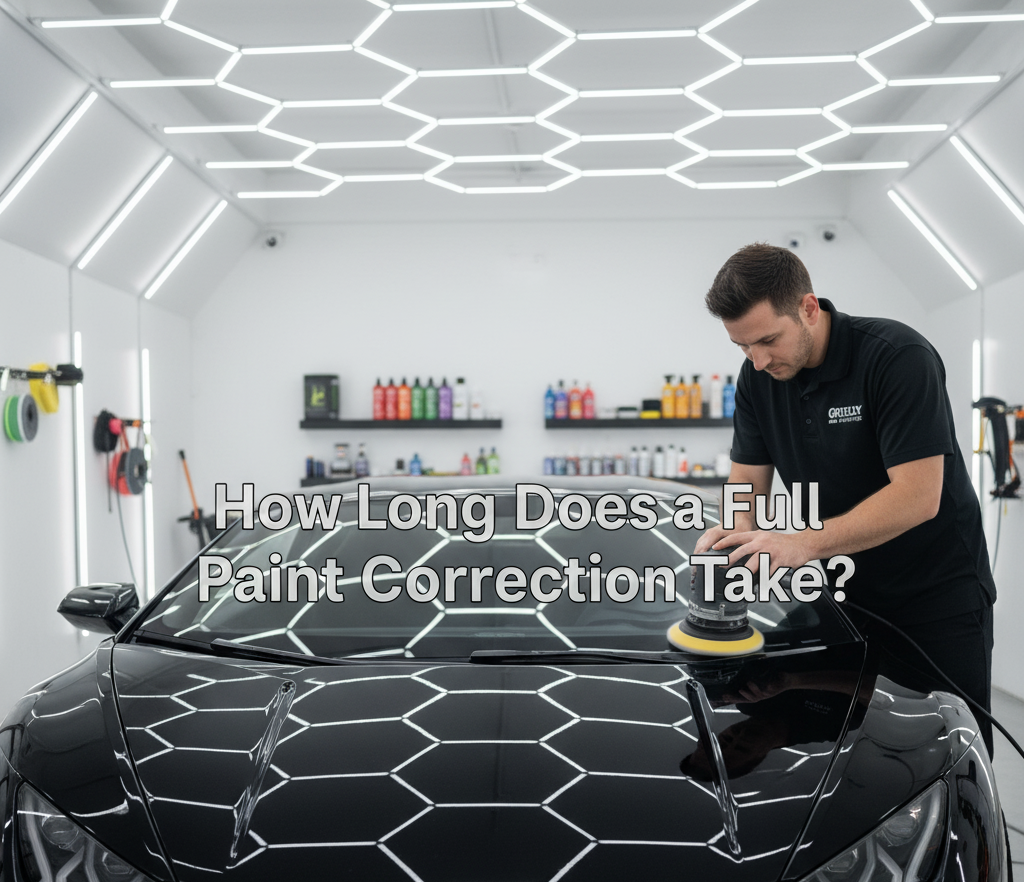
    Car enthusiasts know that a flawless finish does more than just turn heads—it speaks volumes about care, pride, and precision. When vehicle owners in Ashburn want that showroom-level gloss, they often turn to Modern Paint Correction in Ashburn by Grizzly Auto Detailing. Yet, one of the most common questions drivers ask before booking a service is simple: “How long does a full paint correction actually take?”

    To answer that, let’s break down every detail—from the process itself and the variables that influence timing to professional techniques that guarantee perfection.


    Understanding What Paint Correction Involves

    Paint correction is the meticulous process of leveling and refining a car’s clear coat to remove imperfections such as swirl marks, scratches, oxidation, and water spots. While washing and waxing can make a car look clean, paint correction restores the original depth and clarity of the finish.

    However, not every paint correction is the same. Depending on the level of damage, the paint’s hardness, and the desired finish, technicians may use single-step, two-step, or multi-step correction methods—each requiring different levels of time and attention.

    At Grizzly Auto Detailing, professionals performing modern paint correction in Ashburn approach every car with a systematic plan that blends art, science, and experience.


    The Step-by-Step Process That Determines Time

    Even though every job is unique, all complete paint correction projects generally follow the same key stages. Let’s explore how each step affects the total duration.

    1. Deep Cleansing and Decontamination

    Before any polishing begins, the car’s surface must be thoroughly washed and stripped of contaminants. This includes a foam pre-soak, a two-bucket hand wash, and a complete chemical decontamination using products like iron removers and tar solvents. Finally, technicians use a clay bar to remove embedded particles.

    Estimated time: 1–2 hours

    This stage sets the foundation. If contamination remains, polishing pads can pick it up and create fresh micro-scratches.

    2. Paint Inspection and Assessment

    Under LED lights or paint-correction inspection lamps, the detailing technician inspects every panel. They identify swirl marks, scratches, oxidation, and holograms. The goal is to determine the level of correction needed—light, moderate, or severe.

    Estimated time: 30–45 minutes

    This step also involves using a paint depth gauge to measure how much clear coat remains.

    3. Test Spot and Product Selection

    Before committing to a method, professionals test a small section of paint to see which combination of pad, compound, and polish yields the best results. Choosing the wrong combination can waste hours or risk paint damage.

    Estimated time: 30 minutes

    4. Correction Stages (The Most Time-Consuming Phase)

    This is where the magic—and most of the time—happens. The technician uses a machine polisher to gradually remove clear coat layers that contain defects.

    Single-step correction:
    Used for newer vehicles or minor imperfections. The process involves one compound and polish pass to refine the surface.
    Time required: 4–6 hours

    Two-step correction:
    Used for moderate swirl marks or oxidation. This stage includes compounding to remove heavy defects, followed by a finer polish to refine the finish.
    Time required: 8–12 hours

    Multi-step correction:
    Reserved for severely neglected or dark-colored vehicles that show every flaw. This method requires several cutting and polishing stages.
    Time required: 15–20+ hours

    Professionals offering modern paint correction in Ashburn assess the paint condition early on, ensuring the method matches the car’s needs while balancing efficiency and safety.

    5. Final Polishing and Finishing Touches

    Once the correction stages are complete, a final refining polish enhances gloss and eliminates any light haze. The technician then performs a full panel wipe to remove polishing oils, leaving behind a crystal-clear, reflective surface.

    Estimated time: 1–2 hours

    6. Protection Application

    After paint correction, the surface becomes more vulnerable to elements since the top layer of clear coat has been leveled. Therefore, professionals apply a high-grade sealant, wax, or ceramic coating to protect the finish.

    Estimated time: 1–3 hours


    Total Average Time Frame

    Taking all stages into account, a full paint correction typically takes anywhere from 8 to 20 hours, depending on the car’s condition and the number of correction steps required.

    However, at Grizzly Auto Detailing, modern paint correction in Ashburn isn’t rushed. The technicians emphasize perfection, not speed. Complex jobs on luxury cars or vehicles with hard paint, such as German makes (BMW, Audi, Mercedes-Benz), may take up to two full days for optimal results.


    Factors That Influence Paint Correction Duration

    1. Vehicle Size and Shape

    Compact cars take less time than large SUVs or trucks due to surface area. A full-size vehicle might require twice as many passes during polishing.

    2. Paint Type and Condition

    Soft paint systems (like Japanese brands) correct faster but mar easily, while harder European clear coats require more time and pressure.

    3. Desired Level of Perfection

    A show-car finish demands multiple stages, while a daily driver may only need a two-step correction for a glossy improvement.

    4. Environmental Factors

    Temperature, humidity, and lighting conditions can affect polish performance. Controlled environments like Grizzly’s detailing bay ensure efficiency without compromising results.

    5. Technician Experience

    Skilled professionals can achieve high-level correction faster through refined technique, tool control, and knowledge of product behavior.


    Tools and Products That Speed Up the Process

    Modern technology has significantly improved correction efficiency. At Grizzly Auto Detailing, technicians rely on professional-grade tools and materials that balance speed and safety:

    • Dual-action polishers for even correction and reduced risk of holograms.
    • Microfiber cutting pads for faster defect removal.
    • Advanced compounds like Meguiar’s M110 or Koch Chemie H8.02 for controlled cutting.
    • Finishing polishes such as Sonax Perfect Finish for ultimate gloss.
    • Inspection lights to ensure uniform correction across every panel.

    This combination ensures that Modern Paint Correction in Ashburn consistently delivers superior results in the shortest practical timeframe.


    Why Quality Always Trumps Speed

    While it’s tempting to focus on how long a service takes, the truth is that paint correction is about precision—not haste. A rushed correction can introduce buffer trails, missed imperfections, or even burn through the clear coat.

    Professional detailers at Grizzly Auto Detailing prioritize controlled pressure, panel-by-panel consistency, and safe heat levels. They understand that each car’s paint tells a story—and every swirl, mark, and defect deserves expert attention.

    As a result, clients enjoy a finish that not only looks flawless but also lasts for years with proper maintenance.


    Maintaining the Corrected Finish

    After a professional paint correction, proper maintenance keeps the finish looking flawless much longer. Here’s how:

    • Use pH-balanced car shampoos for regular washes.
    • Avoid automatic car washes that use abrasive brushes.
    • Dry with clean microfiber towels to prevent new swirl marks.
    • Apply a ceramic coating to reduce future oxidation and improve hydrophobicity.
    • Schedule maintenance detailing every 4–6 months for continued gloss retention.

    These steps help preserve the results of modern paint correction in Ashburn and prevent the need for another correction in the near future.


    The Value of Professional Paint Correction

    Paint correction is not just a cosmetic upgrade—it’s a restoration of your vehicle’s identity. It protects long-term value, enhances aesthetic appeal, and prevents further clear coat degradation.

    Drivers who invest in premium services like those offered by Grizzly Auto Detailing know they’re not just paying for shine—they’re paying for craftsmanship, durability, and expertise backed by professional certification and years of experience.


    FAQs

    1. How long does a single-stage paint correction take?
    A single-stage correction usually takes around 4–6 hours, depending on the paint’s condition and size of the vehicle.

    2. Does paint color affect correction time?
    Yes, darker colors reveal imperfections more clearly and require more time for perfect results.

    3. Can I drive my car immediately after correction?
    Yes, but it’s best to avoid washing it or exposing it to heavy rain for 24 hours if a sealant or coating was applied.

    4. What’s the difference between paint correction and polishing?
    Polishing only enhances shine, while paint correction removes actual imperfections for a flawless finish.

    5. How often should I get paint correction done?
    Typically every 2–3 years, depending on driving habits and maintenance practices.

    6. Does paint correction fix deep scratches?
    It removes surface defects, but deep scratches that penetrate the clear coat may require touch-up paint or wet sanding.

    7. How do I know if my car needs correction?
    If you notice swirl marks or dull reflection under sunlight, your car likely needs professional correction.

    8. Is paint correction safe for new cars?
    Yes, but it should be done carefully by certified professionals to avoid removing unnecessary clear coat.

    9. Will paint correction increase resale value?
    Definitely. A professionally corrected car looks newer and cleaner and commands a higher resale price.

    10. How do I find the best service for paint correction?
    Choose certified experts like Grizzly Auto Detailing in Ashburn, who specialize in precision, technology, and customer satisfaction.


    Final Thoughts

    A full paint correction is an investment in your car’s beauty and value. Depending on the correction level and paint condition, it can take anywhere from 8 hours to two full days. However, when handled by professionals skilled in modern paint correction in Ashburn, the result is a flawless, mirror-like finish that reflects not only light but also the pride of ownership.

  • Is Steam Cleaning Good for Car Interiors?

    Is Steam Cleaning Good for Car Interiors?

    Keeping your car’s interior spotless is not just about aesthetics—it’s about preserving value, hygiene, and comfort. Many vehicle owners are turning to steam cleaning as an eco-friendly and highly effective method for deep interior care. However, one question remains: Is steam cleaning really good for car interiors?

    At Grizzly Auto Detailing, known for its Certified Interior Detailing in Great Falls, we’ve explored the pros, cons, and best practices of using steam for interior cleaning. Let’s dive into how this method works, when it’s beneficial, and what you should know before booking your next detailing session.


    Understanding Steam Cleaning for Car Interiors

    Steam cleaning uses high-temperature vapor to loosen dirt, dissolve stains, and kill bacteria without relying heavily on harsh chemicals. The process typically involves a portable steam cleaner that generates dry vapor (around 200°F to 300°F), powerful enough to sanitize and lift grime from various interior surfaces like upholstery, carpets, plastic trims, and vents.

    Professionals offering Certified Interior Detailing in Great Falls often integrate steam cleaning into their service because it ensures a deep clean while being safe for the environment and delicate fabrics. Unlike water-based cleaning methods, steam uses minimal moisture, reducing the risk of mold and lingering odors.


    How Steam Cleaning Works

    Steam cleaning operates on a simple principle: heat breaks bonds between contaminants and surfaces. The pressurized vapor lifts dirt, grease, and stains so they can be wiped away easily.

    Here’s a simplified breakdown of the process:

    1. Preparation: Remove debris, vacuum seats and carpets thoroughly.
    2. Steam Application: Direct steam onto surfaces using the proper attachment—brushes for carpets, narrow nozzles for tight spaces.
    3. Agitation: Lightly scrub to loosen embedded grime.
    4. Wipe and Dry: Immediately wipe the steamed area with a microfiber towel to capture loosened dirt and moisture.
    5. Final Finish: Apply a conditioner or protectant on leather or vinyl to maintain a clean, nourished look.

    Brands like McCulloch MC1385 or Dupray Neat Steam Cleaner are excellent for professional-grade interior detailing. They generate consistent steam pressure suitable for both fabric and leather without causing damage.


    Benefits of Steam Cleaning Car Interiors

    When performed by trained experts such as those at Grizzly Auto Detailing, steam cleaning delivers exceptional results. Let’s explore its main benefits:

    1. Deep Sanitization

    Steam kills 99.9% of bacteria, germs, and allergens. It’s ideal for removing food spills, pet dander, and even harmful microorganisms that build up over time. This makes it a must-have service within Certified Interior Detailing in Great Falls.

    2. Eco-Friendly Cleaning

    Because steam cleaning relies mostly on heat and water, it eliminates the need for chemical detergents. This reduces chemical exposure and environmental impact—perfect for eco-conscious drivers.

    3. Odor Elimination

    Steam naturally neutralizes odors trapped within fabrics, carpets, and air vents. The process ensures a clean, fresh-smelling cabin without synthetic fragrances.

    4. Gentle on Delicate Materials

    When used correctly, steam doesn’t saturate materials with water. This means leather, suede, and fabric surfaces dry quickly, minimizing the risk of warping or discoloration.

    5. Enhances Vehicle Resale Value

    A pristine interior maintained through professional steam cleaning helps preserve your car’s market value, appealing to potential buyers who prioritize cleanliness and care.


    Potential Disadvantages of Steam Cleaning

    Despite its benefits, steam cleaning isn’t flawless. As experts in Certified Interior Detailing in Great Falls, we always educate our clients about potential downsides before the process begins.

    1. Risk of Overheating Surfaces

    If handled improperly, high heat can cause fading, especially on delicate plastics, headliners, or faux leather surfaces. This is why professional handling is crucial.

    2. Moisture Trapping

    Even though steam uses minimal water, excessive or prolonged application may leave moisture behind in tightly sealed areas, leading to mildew if not dried properly.

    3. Limited Effectiveness on Heavy Grease

    Steam may struggle to remove thick, oil-based stains found in heavily soiled vehicles. Combining it with targeted degreasers can yield better results.

    4. Requires Skilled Operation

    Steam detailing demands experience and knowledge of material sensitivity. Amateur attempts can cause streaking or even minor burns to upholstery surfaces.

    5. Not Ideal for All Materials

    Some interiors, particularly alcantara or untreated leather, can react poorly to direct heat exposure. Always test small sections first.


    Professional vs. DIY Steam Cleaning

    Many vehicle owners wonder whether they should invest in a personal steam cleaner or rely on professional detailing. Here’s a side-by-side view to help you decide:

    FactorDIY Steam CleaningProfessional Service (Grizzly Auto Detailing)
    CostLower upfront costWorthwhile investment for precision and safety
    Skill LevelRequires learning curveTrained specialists with experience
    ResultsInconsistentFlawless, showroom-quality finish
    EquipmentLimited powerIndustrial-grade machines
    TimeTime-consumingEfficient and thorough

    For the best outcome, professional detailing—especially Certified Interior Detailing in Great Falls—remains the top choice. Skilled technicians know exactly how to balance heat, pressure, and duration for optimal results.


    Step-by-Step Process at Grizzly Auto Detailing

    Our professional detailing workflow ensures superior care for your vehicle interior. Here’s how we apply steam cleaning in our Great Falls location:

    1. Initial Inspection: Assess materials and stain types.
    2. Pre-Cleaning: Remove trash and vacuum thoroughly.
    3. Steam Treatment: Apply steam evenly, adjusting pressure for each surface type.
    4. Stain Removal: Target tough spots with mild eco-safe cleaners.
    5. Microfiber Wipe-Down: Capture loosened grime and dry surfaces immediately.
    6. Air Circulation: Open doors or use fans to promote quick drying.
    7. Final Detailing: Treat leather with pH-balanced conditioner, polish trim, and refresh cabin scent.

    Each session performed under Certified Interior Detailing in Great Falls follows this precise method to guarantee client satisfaction and vehicle longevity.


    Best Products for Steam Cleaning Car Interiors

    When selecting products, professionals focus on quality and material compatibility. Here are expert-recommended items:

    • Steam Cleaners: Dupray Neat, Fortador Volt Mini
    • Microfiber Towels: Chemical Guys Professional Grade
    • Leather Conditioners: Lexol All Leather Conditioner
    • Fabric Protectants: Scotchgard Auto Interior
    • Deodorizers: Meguiar’s Whole Car Air Re-Fresher

    Using premium-grade tools ensures consistent, safe, and long-lasting cleanliness.


    Expert Insights on Steam Cleaning Frequency

    How often should you steam clean your car’s interior? Most detailing experts suggest every 4–6 months depending on usage. For families, rideshare vehicles, or pet owners, quarterly sessions maintain hygiene and extend material life.

    However, always monitor interior conditions. Stains, odors, or visible grime mean it’s time for a professional touch from Certified Interior Detailing in Great Falls.


    Steam Cleaning vs. Shampooing

    While both methods target deep cleaning, steam cleaning is superior in terms of sanitation and drying speed.

    AspectSteam CleaningShampooing
    Drying TimeMinutesSeveral hours
    Chemical UseMinimalModerate
    Effectiveness on GermsHighModerate
    Environmental ImpactLowHigher
    Cost EfficiencyBalancedLower upfront, more frequent

    Steam cleaning also prevents soap residue buildup, which is common with traditional shampooing methods.


    Safety Precautions for Steam Cleaning

    Before scheduling or performing a steam cleaning session, keep these safety tips in mind:

    • Avoid direct steam on touchscreens or sensors.
    • Maintain proper ventilation to release humidity.
    • Never use steam near electrical components or open circuits.
    • Let surfaces cool before applying conditioners.
    • Always use distilled water in your steam machine to prevent mineral deposits.

    Why Choose Grizzly Auto Detailing

    Grizzly Auto Detailing has established itself as a leader in Certified Interior Detailing in Great Falls due to our precision, commitment to customer satisfaction, and eco-conscious methods. Every service is designed to restore your car’s interior to pristine condition while protecting delicate materials.

    Our certified technicians use advanced steam equipment, high-quality products, and proven methods that balance performance with safety. Whether you drive a luxury sedan, SUV, or family vehicle, our detailing ensures a clean, hygienic, and refreshing interior every time.


    Conclusion

    Steam cleaning, when executed properly, offers remarkable benefits for maintaining a clean, fresh, and healthy vehicle interior. It’s efficient, chemical-free, and versatile across multiple surfaces. However, understanding its limitations—such as potential heat sensitivity and the need for professional handling—is key.

    For best results, always rely on professionals like Grizzly Auto Detailing, renowned for Certified Interior Detailing in Great Falls, where every detail matters and every service exceeds expectations.


    FAQs

    1. Is steam cleaning safe for all car interiors?
    Steam cleaning is safe for most materials, but delicate fabrics like alcantara require careful temperature control.

    2. How often should I steam clean my car interior?
    Every 4–6 months, depending on usage and exposure to dirt or pets.

    3. Can steam cleaning remove bad odors completely?
    Yes, steam neutralizes most odors by killing odor-causing bacteria and removing residue.

    4. Does steam damage leather seats?
    When applied correctly and followed by conditioning, steam is perfectly safe for leather.

    5. How long does steam cleaning take?
    Professional steam cleaning typically takes 1–2 hours for full interiors.

    6. Is steam cleaning eco-friendly?
    Absolutely. It uses only water vapor and minimal electricity—no harmful chemicals.

    7. Can I steam clean the car interior myself?
    Yes, but professionals achieve deeper sanitation and prevent material damage.

    8. How quickly does the interior dry after steam cleaning?
    Most surfaces dry within 15–30 minutes, depending on ventilation.

    9. Does steam cleaning help with allergies?
    Yes, it removes allergens, dust mites, and bacteria from fabrics.

    10. Why choose Grizzly Auto Detailing for interior cleaning?
    Because they offer Certified Interior Detailing in Great Falls, ensuring expert care, precision, and lasting results.