Tag: car detailing services

  • How much should a paint correction cost?

    How much should a paint correction cost?

    Every car enthusiast or vehicle owner wants that deep, mirror-like shine that makes paint look brand new. However, over time, swirl marks, oxidation, and scratches can dull even the most beautiful finishes. That’s where Advanced Paint Correction in Ashburn comes in. This professional process goes far beyond a standard polish — it restores your car’s clear coat, eliminates imperfections, and revives its showroom-level gloss.

    Yet, one question often arises among drivers: How much should paint correction cost? The answer isn’t always straightforward, since pricing depends on multiple factors, including paint condition, vehicle size, correction level, and professional expertise. Let’s explore how these details affect the cost and why investing in paint correction is one of the smartest decisions you can make for your car’s appearance and value.


    What Paint Correction Really Involves

    Paint correction isn’t a simple buff job. It’s a meticulous process that removes imperfections from the paint surface using specialized polishing machines, cutting compounds, and finishing pads. Professionals at Grizzly Auto Detailing treat each vehicle as a unique project, ensuring every step delivers maximum gloss and clarity.

    Step 1: Comprehensive Wash and Decontamination

    Before any correction begins, the vehicle must be cleaned thoroughly. A pH-balanced shampoo removes dirt, grime, and old wax. Then, a clay bar treatment extracts embedded contaminants like tar, brake dust, or industrial fallout. This ensures a smooth, contaminant-free surface for polishing.

    Step 2: Paint Inspection and Measurement

    Next, detailers inspect the paint under bright LED lighting and measure its thickness using a paint depth gauge. This identifies problem areas and helps determine how aggressive the correction process can safely be.

    Step 3: Test Spot and Machine Polishing

    Professionals always start with a test spot to find the right combination of pad and compound. Once perfected, they move systematically across each panel, using dual-action or rotary polishers to remove swirl marks, oxidation, and etching.

    Step 4: Finishing and Paint Protection

    After correction, a finishing polish enhances gloss and refines the paint’s clarity. Finally, professionals apply a ceramic coating, sealant, or wax to protect the finish. This not only locks in the shine but also provides long-term defense against environmental damage.


    Factors That Influence Paint Correction Costs

    While paint correction offers transformative results, the price can vary significantly. Understanding these cost drivers will help you make a well-informed decision.

    1. Level of Paint Damage

    A vehicle with minor swirl marks requires less work than one covered in deep scratches or oxidation. Light corrections may take 4–6 hours, while full multi-stage corrections can require 15–25 hours of skilled labor.

    2. Vehicle Size and Type

    Larger vehicles like SUVs and trucks have more surface area to correct. Naturally, this increases labor time and product usage, raising the overall cost. Smaller sedans, coupes, or sports cars typically cost less.

    3. Number of Correction Stages

    Paint correction is typically divided into three levels:

    • Single-Stage Correction: Removes light defects and enhances gloss.
    • Two-Stage Correction: Tackles moderate defects and significantly improves clarity.
    • Multi-Stage Correction: Addresses severe oxidation, deep scratches, and etching for a flawless finish.

    Each stage adds time, complexity, and materials, influencing the final price.

    4. Professional Expertise

    Detailing isn’t just about tools — it’s about experience. A certified professional who uses precision techniques and premium-grade products will naturally charge more, but you’ll receive a much higher-quality result.

    5. Quality of Products and Equipment

    Top-tier products from brands like Meguiar’s, Rupes, or Menzerna, combined with high-quality polishing pads and professional-grade machines, contribute to both the performance and longevity of the results.


    Average Cost Ranges for Paint Correction

    When estimating how much paint correction should cost, it helps to understand the typical pricing tiers used by professionals.

    Correction LevelAverage Price RangeTime RequiredIdeal For
    Single-Stage Correction$300 – $5004–6 hoursLight swirl marks and gloss restoration
    Two-Stage Correction$600 – $9008–12 hoursModerate defects and light scratches
    Multi-Stage Correction$1,000 – $1,500+15–25 hoursSevere oxidation and deep imperfections

    These are general estimates, but prices in Ashburn, VA, may vary depending on the local market and the specific detailer’s reputation. High-end professionals like Grizzly Auto Detailing offer value that justifies the cost — precision workmanship, premium materials, and proven expertise.


    Why Professional Paint Correction Is Worth Every Penny

    You might wonder if paying for paint correction is truly worth it when there are cheaper alternatives available. The answer is yes — and here’s why.

    It Restores More Than Just Shine

    Paint correction doesn’t just make your car look good. It removes micro-level imperfections that reflect light unevenly, creating that dull, hazy look. After correction, the finish appears deeper, glossier, and more vibrant.

    It Protects Your Investment

    Correcting and protecting the paint helps preserve the vehicle’s resale value. Buyers notice a flawless finish, and it often gives the impression of a well-maintained car.

    It Prevents Future Damage

    By removing contaminants and adding a protective coating afterward, you reduce the likelihood of long-term oxidation and clear coat failure.

    It Enhances the Effect of Ceramic Coating

    Applying ceramic coating over uncorrected paint traps imperfections underneath. Correcting the paint first ensures the coating bonds perfectly and enhances the vehicle’s gloss for years.


    The Expertise Behind the Process

    At Grizzly Auto Detailing, every technician uses a meticulous approach to ensure flawless results. Their expertise in Advanced Paint Correction in Ashburn combines experience, skill, and technology to achieve near-perfect paint finishes.

    Precision and Patience

    Each panel is polished systematically. Professionals use different pad densities and compound grades for targeted correction. They constantly evaluate progress under multiple lighting angles.

    Safe and Measured Techniques

    Paint correction involves removing microscopic layers of clear coat. Experts know exactly how far to go — balancing maximum defect removal with long-term paint health.

    Use of Premium Tools

    High-quality polishers such as Rupes BigFoot or Flex XC3401, paired with specialized compounds, make a significant difference. These tools offer smoother finishes, reduced heat buildup, and consistent correction.


    DIY vs. Professional Paint Correction

    While DIY kits are available, they can’t match the precision or durability of professional results. Here’s why most experts recommend hiring a specialist.

    Time and Skill Requirements

    Paint correction is time-intensive and requires significant expertise. Without proper experience, it’s easy to burn the paint or create holograms that worsen the finish.

    Product Limitations

    Consumer-grade products may hide defects temporarily but can’t remove them entirely. Professionals use compounds that permanently level the surface.

    Long-Term Results

    Professionals combine correction with protection — ensuring your finish lasts longer and resists future damage.


    How to Choose the Right Paint Correction Specialist

    When selecting a detailing shop, look for more than just low prices. Quality, experience, and trust matter most.

    Ask About Certification

    Look for certified professionals with training from recognized detailing organizations. Certification ensures a high standard of care and advanced technical knowledge.

    Review Their Portfolio

    A reputable shop will proudly show before-and-after photos of previous work. This helps you gauge their results and consistency.

    Check Customer Reviews

    Local reviews often reveal how a business handles customer service and quality assurance. Consistent five-star ratings are a great sign of reliability.

    Evaluate Their Process

    A true professional explains every step clearly — from initial inspection to post-correction care — ensuring you understand what you’re paying for.


    The Hidden Value of Professional Detailing

    Beyond the cost, Advanced Paint Correction in Ashburn delivers long-term benefits that often outweigh the initial expense. It transforms your car’s appearance, enhances resale value, and makes future maintenance easier.

    Properly corrected and protected paint repels dirt and water more effectively, requiring less frequent washes. Moreover, with added coatings, your vehicle maintains that deep gloss even months after the service.


    Maintenance Tips After Paint Correction

    To preserve your newly corrected finish, follow these expert recommendations:

    Use a pH-Balanced Shampoo

    Avoid harsh detergents that can strip protective coatings. Opt for a pH-neutral car shampoo to maintain the surface integrity.

    Wash With the Two-Bucket Method

    One bucket holds soapy water, while the other holds clean rinse water. This reduces the chance of reintroducing dirt and causing swirl marks.

    Dry With Microfiber Towels

    Microfiber materials minimize scratching during the drying process. Always blot gently instead of dragging the towel.

    Apply Regular Sealants or Coatings

    Reapply a protective layer every few months (or annually for ceramic coatings) to preserve shine and protection.


    How Location Affects Pricing

    Geographic factors also play a role. In high-demand areas like Northern Virginia, where Grizzly Auto Detailing operates, clients expect premium quality. The region’s climate and affluence also encourage higher detailing standards. Consequently, Advanced Paint Correction in Ashburn reflects a combination of local expertise, product quality, and superior customer service.


    Common Misconceptions About Paint Correction

    Many myths surround paint correction, but understanding the truth helps you appreciate its value.

    “It’s Just Polishing.”

    While polishing enhances shine, correction removes actual defects from the clear coat. It’s a far more precise and results-driven process.

    “Any Detailer Can Do It.”

    Not all detailers specialize in correction. It requires advanced skills, proper tools, and years of experience to achieve flawless finishes.

    “It’s Too Expensive.”

    When you factor in longevity, paint health, and visual improvement, the cost is more than justified. It’s an investment in your vehicle’s preservation.


    Final Thoughts

    Understanding the true cost of paint correction means recognizing it as more than a cosmetic upgrade. It’s a restoration process that revives the integrity of your paintwork and transforms your car’s overall look.

    By trusting a professional like Grizzly Auto Detailing, you ensure precision workmanship, durable protection, and long-lasting value. With Advanced Paint Correction in Ashburn, you’re not just paying for a shine — you’re investing in excellence that endures.


    Frequently Asked Questions

    1. How long does paint correction usually take?
    Depending on the level of correction, it can take anywhere from 4 hours for a light polish to over 20 hours for a full multi-stage process.

    2. Does paint correction remove clear coat?
    A minimal amount of clear coat is removed during correction, only enough to eliminate surface defects safely.

    3. Can paint correction fix deep scratches?
    It can remove or reduce many scratches, but if they penetrate beyond the clear coat, repainting may be necessary.

    4. How long do results last?
    When maintained properly, the effects can last several years, especially when followed by ceramic coating or sealant.

    5. What’s the best protection after correction?
    A ceramic coating offers the most durable protection, providing long-term gloss and resistance against contaminants.

    6. Can I wash my car immediately after correction?
    It’s best to wait 24 hours before washing to let sealants or coatings cure fully.

    7. How often should I get paint correction?
    Most vehicles only need it once unless the paint becomes heavily marred again.

    8. Is polishing the same as paint correction?
    No. Polishing enhances shine, while paint correction removes imperfections for permanent results.

    9. What should I look for in a detailing shop?
    Seek professionals with proven experience, advanced tools, and certification in paint correction techniques.

    10. Why is professional paint correction better than DIY?
    Professionals have the expertise and equipment to safely remove defects and achieve flawless, long-lasting results.
  • What does a paint correction do?

    What does a paint correction do?

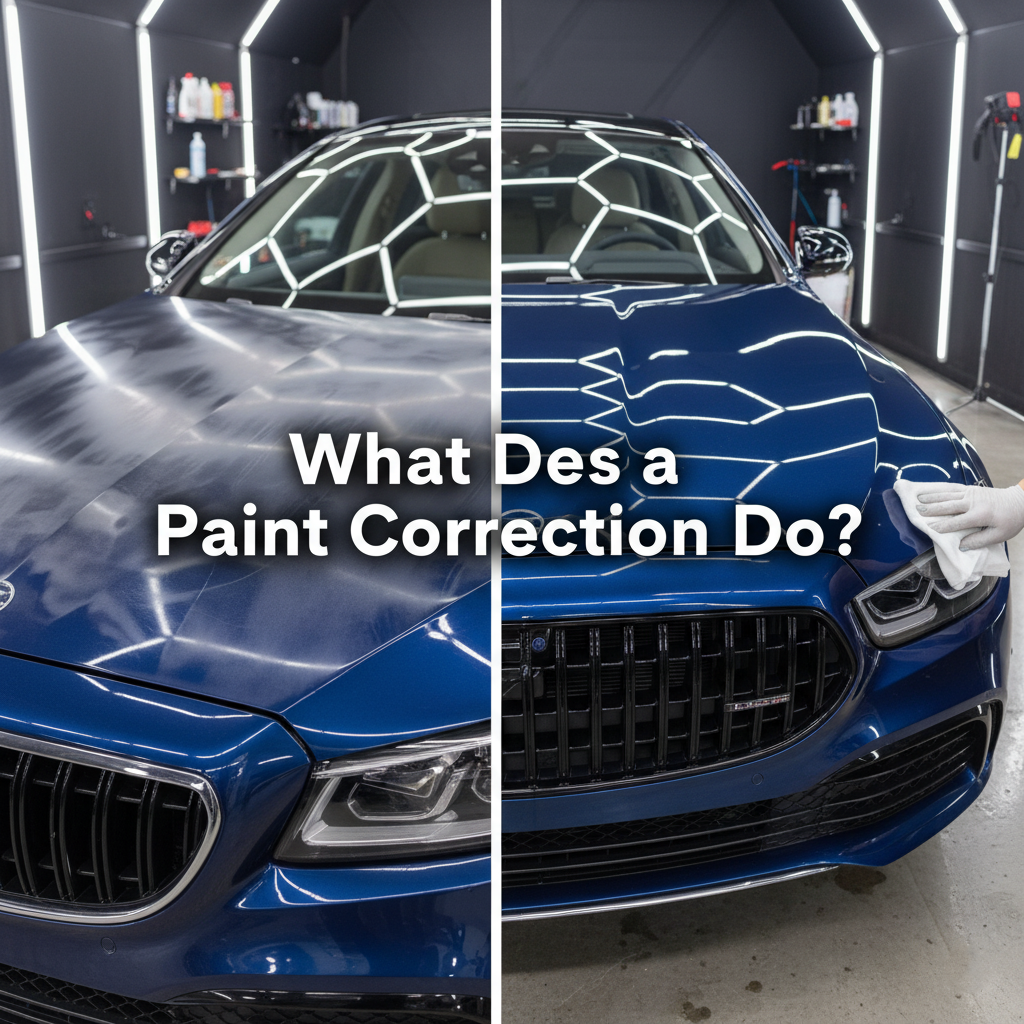
    When your vehicle’s paint begins to look dull or scratched, you need the Best Paint Correction in Ashburn to restore its original shine. At Grizzly Auto Detailing, we provide a precise, step-by-step process that removes imperfections while enhancing gloss and depth. In this guide, we explain how paint correction works, why it matters, and how to maintain your car’s finish after treatment.


    What Is Paint Correction?

    Paint correction is a professional detailing process that eliminates visible defects from your car’s paint surface. It removes swirl marks, minor scratches, oxidation, water spots, and haze. Unlike temporary surface treatments, paint correction physically refines the clear coat, restoring the finish to near-showroom quality.

    By understanding how paint correction works, you can make an informed choice. Skilled technicians, like those at Grizzly Auto Detailing, combine expertise with advanced tools to achieve consistent results without damaging your paint.


    Why Paint Correction Matters

    1. Restores Shine and Depth

    Over time, daily wear causes swirls, micro-scratches, and oxidation. Paint correction removes these defects and enhances depth and gloss. Consequently, your car regains its vibrant, “wet-look” finish.

    2. Protects and Prepares for Coatings

    Paint correction prepares your vehicle for ceramic coatings, wax, or paint protection film (PPF). Removing surface defects ensures that protective layers adhere evenly, which maximizes their effectiveness.

    3. Boosts Vehicle Value

    A car with a flawless finish signals excellent maintenance. Paint correction improves aesthetic appeal, which can increase resale or trade-in value.

    4. Extends Paint Life

    By removing oxidation and minor imperfections, paint correction slows future paint degradation. It also makes ongoing maintenance more manageable, saving time and effort over the long term.


    Step-by-Step Process at Grizzly Auto Detailing

    Step 1: Paint Inspection

    We examine your car under bright, controlled light. This inspection identifies swirl marks, scratches, water spots, and haze. We also measure paint thickness to customize the correction plan.

    Step 2: Thorough Washing and Decontamination

    First, we wash your car with pH-balanced soap. Then, we remove bonded contaminants with clay bars and iron removers. Cleaning thoroughly prevents polishing defects from worsening.

    Step 3: Masking Sensitive Areas

    We carefully mask trim, emblems, glass, and rubber. Masking ensures the polishing process focuses only on paint and prevents accidental damage.

    Step 4: Correction – Cutting and Polishing

    We tackle defects using a multi-stage approach:

    • Cutting stage: We apply a cutting compound with a high-performance pad to remove deep swirl marks and scratches.
    • Polishing stage: We follow with a finishing polish to refine the surface, remove haze, and enhance gloss.

    Popular products we use:

    • Cutting: Menzerna 400, CarPro Essence
    • Polishing: Sonax Cut & Finish, 3D One Hybrid
    • Pads: Wool or aggressive foam for cutting, soft foam or microfiber for finishing

    We inspect every panel carefully and adjust technique as needed to ensure uniform results.

    Step 5: Final Surface Preparation and Protection

    After polishing, we wipe the surface with Isopropyl Alcohol or panel prep solution to remove residues. Then, we apply a protective layer—wax, sealant, or ceramic coating—locking in shine and safeguarding the paint from environmental damage.

    Step 6: Maintenance Guidance

    We advise on proper care, including the two-bucket wash method, microfiber mitts, and periodic top-coats. Following these tips extends the life of your paint correction.


    What Paint Correction Fixes

    • Swirl Marks: Corrects circular scratches caused by improper washing or drying.
    • Oxidation: Removes faded and cloudy paint to restore color.
    • Light Scratches: Levels minor scratches that affect the clear coat.
    • Water Spots: Reduces surface etching from minerals or acid rain.
    • Haze and Micro-Marring: Smooths the surface for a mirror-like reflection.

    Paint correction does not repair deep scratches or base coat damage. Severe defects may require touch-ups or repainting.


    How Often Should You Perform Paint Correction?

    Frequency depends on your vehicle’s use, storage conditions, and environment.

    • Light-use vehicles: every 2–3 years for a one-step correction.
    • Heavily used vehicles: every 1–2 years for multi-stage correction.
    • Always inspect annually; new defects may appear and require attention.

    Why Choose the Best Paint Correction in Ashburn

    • Experienced Technicians: Skilled in advanced polishing techniques.
    • Advanced Equipment: Dual-action polishers, paint thickness gauges, and premium pads.
    • Custom Approach: We tailor every correction to your vehicle’s specific condition.
    • Transparent Communication: We show defects and set realistic expectations.
    • Comprehensive Care: Includes final protection and maintenance advice.

    Choosing the Best Paint Correction in Ashburn ensures your vehicle looks flawless and stays protected longer.


    Common Misconceptions

    • Paint correction does not fix deep scratches that penetrate the base coat.
    • It does not prevent future defects; ongoing maintenance is necessary.
    • It cannot fully restore severely peeling or damaged clear coats.

    Maintenance Tips After Paint Correction

    1. Wait 48 hours before washing after coating application.
    2. Wash using the two-bucket method to prevent swirls.
    3. Dry with microfiber towels or a blower.
    4. Avoid automatic car washes with brushes.
    5. Apply wax or sealant every 6–12 months.
    6. Park in shaded areas to prevent sun damage.
    7. Inspect periodically for new defects and schedule touch-ups as needed.

    Estimated Time and Cost

    • One-step correction: 3–5 hours, ideal for light defects.
    • Multi-stage correction: 1–2 days for severe defects or full restoration.
    • Cost depends on vehicle size, paint color, and condition severity.

    FAQs

    Q1: What does paint correction remove?
    Paint correction removes swirl marks, light scratches, oxidation, haze, and micro-marring.

    Q2: How long do results last?
    Properly maintained corrections last 2–3 years or longer depending on conditions.

    Q3: Is paint correction safe?
    Yes. Skilled professionals monitor paint thickness and use proper techniques to prevent damage.

    Q4: Can it remove deep scratches?
    No. Deep scratches or base coat damage require touch-ups or repainting.

    Q5: How many stages exist in paint correction?
    One-step, two-step, and multi-stage corrections exist depending on defect severity.

    Q6: Why is correction needed before coatings or PPF?
    Correction removes defects, ensuring coatings adhere properly and look flawless.

    Q7: Will it remove swirl marks from washing?
    Yes, proper technique eliminates swirl marks effectively.

    Q8: How long does correction take?
    Small vehicles: a few hours; larger or heavily damaged vehicles: 1–2 days.

    Q9: Does color affect the correction process?
    Yes, darker colors show defects more clearly and require careful refinement.

    Q10: How do I maintain corrected paint?
    Use proper washing techniques, apply wax or sealant regularly, and inspect for new defects.

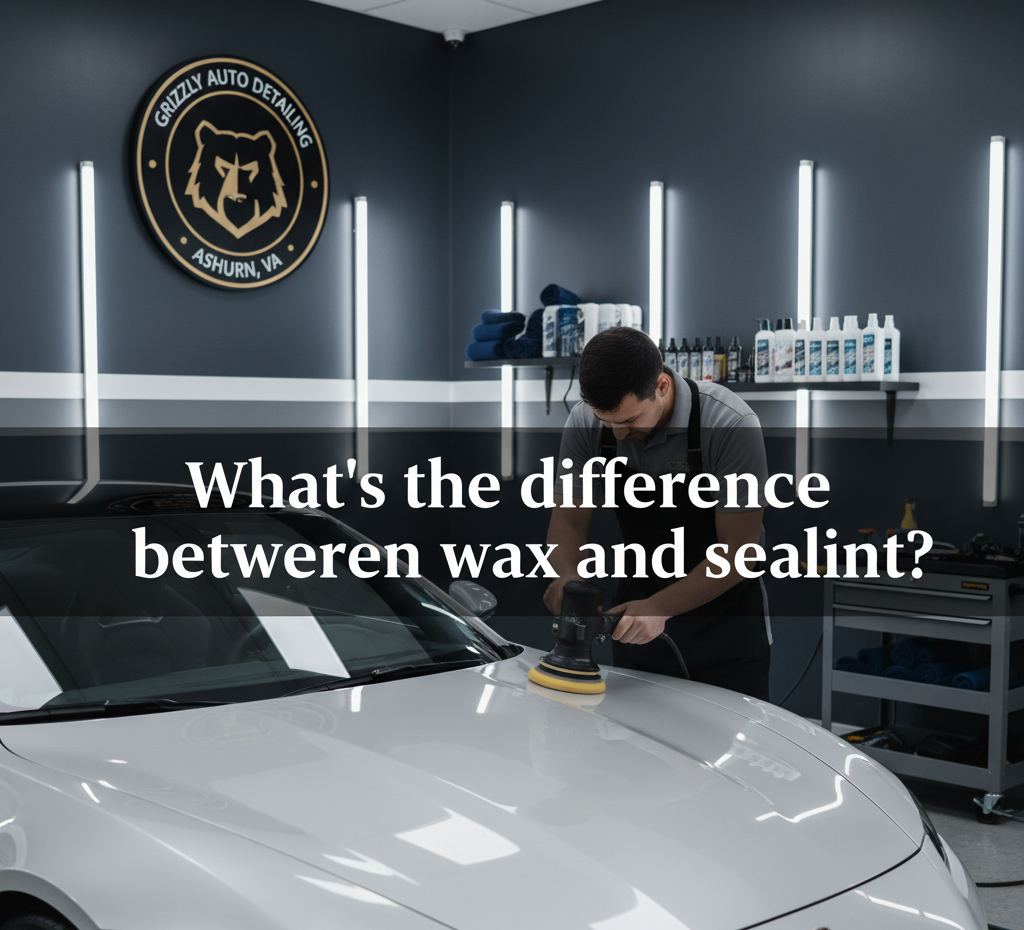
  • What’s the Difference Between Wax and Sealant?

    What’s the Difference Between Wax and Sealant?

    At Grizzly Auto Detailing in Ashburn, VA, we often hear customers ask: “Should I use wax or sealant on my car?” It’s an important question because both products protect and enhance your vehicle’s paint, but they work in different ways. Understanding these differences ensures your car always looks its best. Professional Wax polish Car Exterior Detailing in Ashburn gives your vehicle not only a mirror-like shine but also reliable protection from harsh environmental elements.


    Understanding Car Wax

    What Is Car Wax?

    Car wax is a protective coating applied to your car’s paint to enhance its gloss and prevent damage from contaminants. Traditional waxes use natural carnauba—sourced from Brazilian palm leaves—while modern formulas often mix in synthetic polymers for improved durability.

    Benefits of Wax

    • Brilliant Shine: Wax creates a rich, warm glow that makes colors pop.
    • Water Repellency: It helps water bead off the surface to prevent water spots.
    • Surface Protection: Shields against UV rays, sap, bird droppings, and road grime.
    • Minor Scratch Filling: Smooths out small swirl marks for a flawless look.

    Types of Car Wax

    1. Carnauba Wax: Ideal for show-quality depth and warmth.
    2. Synthetic Wax: Longer-lasting protection with easier application.
    3. Spray Wax: Quick top-ups between full detailing sessions.

    When to Use Wax

    Wax is perfect for car owners who value beauty and shine. Moreover, it’s best used on vehicles that are regularly maintained and stored in garages or mild climates.


    Understanding Paint Sealants

    What Is a Paint Sealant?

    Paint sealants are synthetic, polymer-based products that chemically bond to the paint surface. Unlike wax, which simply sits on top, sealants create a durable barrier that lasts for months.

    Benefits of Sealants

    • Extended Protection: Lasts four to twelve months, even under harsh conditions.
    • Stronger Defense: Resists UV rays, acid rain, and road salt.
    • Enhanced Gloss: Provides a bright, glass-like finish.
    • Low Maintenance: Requires fewer reapplications than wax.

    Types of Sealants

    1. Synthetic Polymer Sealants: Tough, weather-resistant coatings.
    2. Hybrid Sealants: Blend polymer protection with wax-like shine.
    3. Spray Sealants: Fast and easy for regular upkeep.

    When to Use Sealants

    Sealants suit daily drivers and vehicles exposed to outdoor elements. They’re excellent for owners who prefer durable protection over frequent detailing.


    Wax vs. Sealant: Key Differences

    FeatureWaxSealant
    MaterialNatural or semi-syntheticFully synthetic
    Durability4–6 weeks4–12 months
    FinishWarm, deep glowBright, reflective gloss
    Protection LevelModerateHigh
    Ease of ApplicationRequires buffingWipe-on, easy removal
    CostLowerSlightly higher due to longevity

    In short: Wax offers unmatched warmth and shine, while sealants deliver long-term protection.


    Which Is Better for Your Car?

    The choice depends on your priorities. If you love a soft, luxurious glow, wax is unbeatable. If you prefer long-lasting protection with minimal effort, sealant wins. Many detailers—including Grizzly Auto Detailing in Ashburn, VA—combine both: a base layer of sealant for durability, topped with wax for visual depth.


    How to Apply Wax (Step by Step)

    Step 1: Wash and Dry

    Clean your car thoroughly with pH-balanced shampoo. Dry completely using a microfiber towel to prevent streaks.

    Step 2: Prep the Surface

    Use a clay bar to remove embedded contaminants. If needed, lightly polish to correct small imperfections.

    Step 3: Apply Wax

    • Use a soft foam applicator.
    • Work in small, circular motions.
    • Apply a thin, even coat across panels.

    Step 4: Buff to Perfection

    Let the wax haze for a few minutes, then buff using a clean microfiber towel. The result is a deep, glossy finish that feels silky smooth.

    Step 5: Maintain Regularly

    Reapply wax every month or so to preserve shine and protection.


    How to Apply a Sealant

    Step 1: Clean Thoroughly

    Wash and dry your vehicle just like before. Any leftover wax or debris can prevent bonding.

    Step 2: Apply the Sealant

    • Shake the bottle well.
    • Use a foam or microfiber applicator.
    • Spread evenly in straight, overlapping lines.

    Step 3: Let It Cure

    Allow 10–20 minutes for the sealant to bond. Then gently buff the surface with a soft towel.

    Step 4: Enjoy Long-Term Protection

    Sealants can last for months, but washing your car regularly will help maintain the hydrophobic effect.


    Combining Wax and Sealant

    Using both is a detailer’s secret weapon:

    1. Start with a Sealant – This forms a durable protective layer.
    2. Finish with Wax – Adds warmth, depth, and rich shine.

    This combination keeps your paint protected and stunning in every light.


    Professional Product Recommendations

    At Grizzly Auto Detailing, we trust only proven brands:

    Recommended Waxes:

    • Meguiar’s Gold Class Carnauba Plus
    • Collinite 845 Insulator Wax
    • Turtle Wax Hybrid Solutions

    Recommended Sealants:

    • Chemical Guys JetSeal 109
    • Menzerna Power Lock Polymer Sealant
    • Wolfgang Deep Gloss Paint Sealant

    Expert Tips from Grizzly Auto Detailing

    • Always start with a clean, smooth surface.
    • Apply thin coats—more product doesn’t mean better results.
    • Use quality microfiber towels to avoid scratches.
    • Avoid direct sunlight during application.
    • Maintain protection with gentle washes every week.

    These professional habits ensure consistent, long-term results for Wax polish Car Exterior Detailing in Ashburn customers.


    Practical Advice for Different Vehicles

    • Sedans & Coupes: Wax provides a brilliant show-car finish.
    • SUVs & Trucks: Sealant delivers rugged, long-lasting protection.
    • Luxury Cars: Combine both for maximum depth and durability.

    As a result, every vehicle type can achieve an ideal balance of shine and defense.


    Internal & External Resources


    Image Optimization Suggestion

    Include a featured banner image (900×300 px) showing a detailer applying wax and sealant under bright studio lighting at Grizzly Auto Detailing.
    Alt text: “Wax polish Car Exterior Detailing in Ashburn – Grizzly Auto Detailing.”


    Frequently Asked Questions (FAQs)

    1. What’s the main difference between wax and sealant?
    Wax gives short-term shine; sealant provides long-term protection.

    2. Can I layer wax over a sealant?
    Yes. Apply sealant first for protection, then wax for enhanced gloss.

    3. How long does each last?
    Wax lasts around 4–6 weeks, while sealant can last up to a year.

    4. Which is easier to apply?
    Sealant is typically easier—just apply, cure, and buff.

    5. Does wax protect from UV damage?
    Yes, but sealants offer stronger UV defense.

    6. Can I use wax on new paint?
    Yes, after the paint fully cures (usually 30–60 days).

    7. How often should I apply a sealant?
    Every 6–12 months depending on climate and usage.

    8. Do I need both wax and sealant?
    For best results, yes—sealant for protection, wax for shine.

    9. Are spray products as good as paste versions?
    Sprays are convenient but slightly less durable.

    10. Why choose Grizzly Auto Detailing for this service?
    Our experts use premium products, advanced techniques, and deliver unmatched gloss and durability for every car.


    Conclusion

    Understanding the difference between wax and sealant helps you choose the best care for your vehicle. Wax enhances beauty and depth, while sealants offer unmatched protection. Combining both creates the ideal finish—glossy, smooth, and shielded from damage.

    At Grizzly Auto Detailing, we specialize in Wax polish Car Exterior Detailing in Ashburn, providing top-tier results that keep your car looking brand new. Our skilled professionals use only the finest products to ensure long-lasting shine and superior protection. Book your detailing session today and experience the perfect balance of aesthetics and durability.


  • Does exterior detailing remove scratches?

    Does exterior detailing remove scratches?

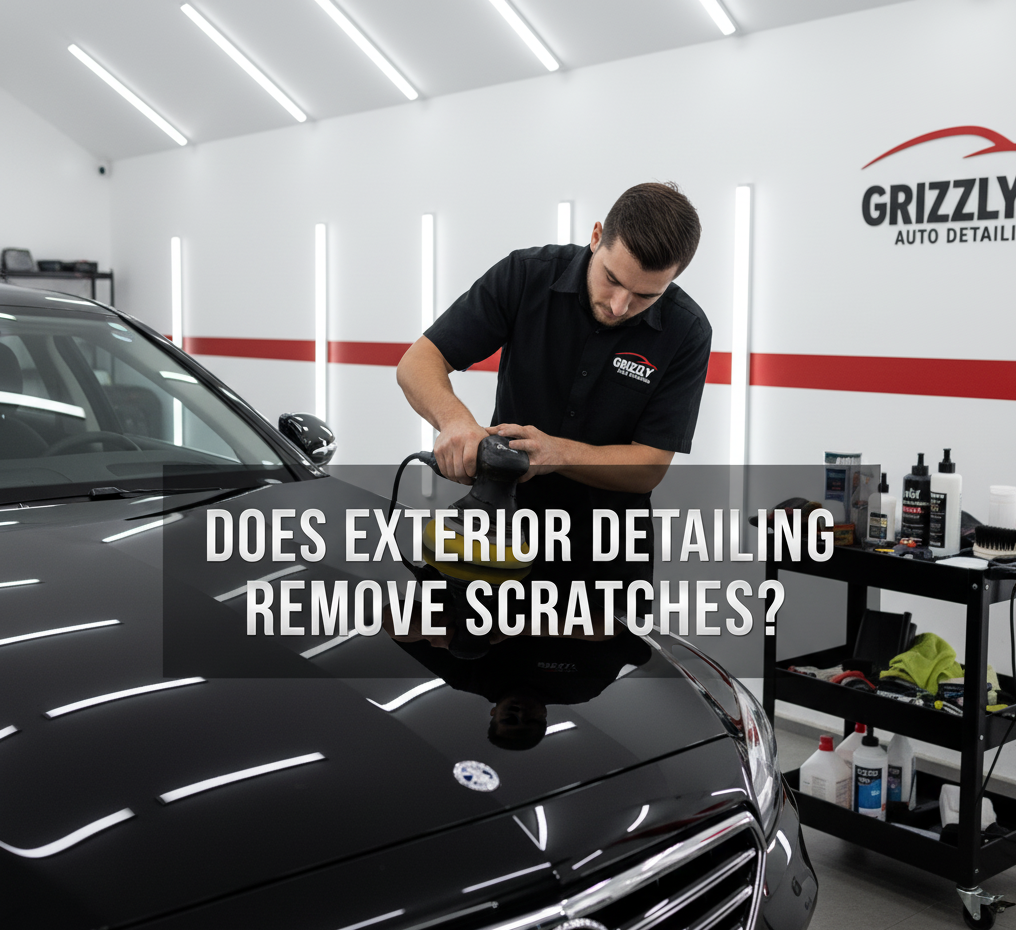
    When it comes to keeping your car in flawless condition, many car owners wonder, “Does exterior detailing remove scratches?” The answer depends on the type of scratches and the detailing process itself. At Grizzly Auto Detailing, we’ve worked with hundreds of clients who want their vehicles restored to a showroom finish. If you’re searching for professional, effective results, Ashburn Car Detailing services can help your vehicle look brand new again.

    Exterior detailing isn’t just about washing and waxing. It’s an art that combines science, skill, and precision. In this detailed guide, we’ll explore how exterior detailing works, what types of scratches it can remove, and what results you can expect from professional detailers in Ashburn, VA.


    Understanding Car Scratches

    Before discussing whether exterior detailing removes scratches, it’s essential to understand what scratches actually are. Car paint is made up of several layers—the clear coat, base coat, and primer. The clear coat protects the color and gives your car its glossy finish. Scratches typically occur when this layer is disturbed.

    There are three primary levels of scratches:

    1. Surface or Clear Coat Scratches – These are light and shallow. They usually occur from improper washing, dust, or light contact with foreign objects.
    2. Medium Scratches – These penetrate deeper into the clear coat and may expose the paint beneath.
    3. Deep Scratches – These go beyond the clear coat and reach the primer or metal body.

    Understanding these levels helps determine what exterior detailing can effectively fix.


    What Is Exterior Detailing?

    Exterior detailing is a professional-grade cleaning and restoration process aimed at rejuvenating your vehicle’s outer surface. Unlike a regular wash, detailing goes several steps further. It includes:

    • Pre-washing and hand washing with pH-balanced shampoos
    • Clay bar treatment to remove embedded contaminants
    • Paint correction to minimize or eliminate scratches and swirls
    • Polishing and waxing to restore shine and protection
    • Trim and tire restoration for a complete finish

    At Grizzly Auto Detailing, we tailor each step to your car’s paint condition and use only premium-grade products. When done properly, this process restores clarity, gloss, and protection—often making your car look better than new.


    Can Exterior Detailing Remove Scratches?

    The short answer: Yes—exterior detailing can remove or significantly reduce scratches, depending on their depth and severity.

    1. For light surface scratches, detailing is highly effective. The polishing and paint correction stages can eliminate these marks by carefully leveling the clear coat.
    2. For moderate scratches, professional polishing compounds can help minimize their appearance.
    3. For deep scratches, however, detailing alone cannot completely remove them. These may require touch-up paint or bodywork.

    In other words, Ashburn Car Detailing services, especially when done by experts like those at Grizzly Auto Detailing, can restore your car’s finish and dramatically reduce visible imperfections.


    How Does Paint Correction Work?

    Paint correction is the heart of exterior detailing when it comes to removing scratches. It involves using specialized polishing machines, pads, and compounds to gently remove microscopic layers of clear coat. This process evens out the paint’s surface and makes scratches virtually disappear.

    Here’s how professionals typically approach it:

    1. Inspection and Preparation:
      The surface is thoroughly cleaned and decontaminated using a clay bar to remove dirt, sap, and residues.
    2. Compounding Stage:
      A cutting compound and machine polisher are used to correct deeper imperfections.
    3. Polishing Stage:
      A finer polish refines the surface, restoring depth and gloss.
    4. Protection Stage:
      A wax, sealant, or ceramic coating is applied to shield the paint from future damage.

    This step-by-step correction process is one reason why Grizzly Auto Detailing in Ashburn, VA is trusted for professional results.


    Why Choose Professional Detailing Over DIY Methods

    Many car owners try to remove scratches using household remedies or over-the-counter products. Unfortunately, most DIY attempts lead to uneven finishes or even worsen the damage. Here’s why professional detailing is worth it:

    • Precision Tools: Professionals use dual-action polishers and graded compounds for controlled correction.
    • Experience Matters: Skilled technicians know exactly how much pressure and speed each paint type can handle.
    • Long-Lasting Protection: Professional waxes and ceramic coatings protect against UV rays and oxidation.
    • Time Efficiency: A full detailing session saves hours of trial and error.

    In short, professional exterior detailing ensures that your car gets the treatment it deserves without risking further damage.


    The Role of Ceramic Coating in Scratch Protection

    While detailing can remove minor scratches, ceramic coating helps prevent new ones. Ceramic coatings create a hard, hydrophobic layer over the paint, making it resistant to minor abrasions, UV damage, and contaminants.

    Benefits include:

    • Increased durability and longevity
    • Enhanced gloss and shine
    • Easier cleaning
    • Long-term protection from swirl marks and oxidation

    Applying a ceramic coating after detailing not only seals in the results but also provides an added defense against future wear and tear.


    Common Myths About Scratch Removal

    Let’s clear up a few misconceptions surrounding exterior detailing and scratch removal:

    1. Myth: Wax removes scratches.
      Fact: Wax only fills scratches temporarily; it doesn’t remove them.
    2. Myth: All scratches can be removed with detailing.
      Fact: Only surface-level imperfections can be eliminated completely.
    3. Myth: Hand polishing gives the same results as machine polishing.
      Fact: Machine polishing offers consistent pressure and depth control, which hand polishing cannot achieve.
    4. Myth: Frequent detailing damages paint.
      Fact: When done professionally, detailing preserves and enhances your paint’s longevity.

    Benefits of Regular Exterior Detailing

    Besides scratch removal, regular detailing provides many long-term benefits:

    • Paint Preservation: Prevents fading and oxidation.
    • Enhanced Resale Value: A well-maintained exterior increases your car’s market appeal.
    • Better Appearance: Keeps your vehicle glossy and attractive.
    • Protection Against Contaminants: Shields from tar, bird droppings, and road grime.
    • Improved Driving Pride: A clean, polished car simply feels better to drive.

    For vehicle owners in Ashburn, VA, scheduling regular Ashburn Car Detailing sessions ensures lasting shine and protection year-round.


    How Often Should You Get Exterior Detailing Done?

    For most cars, professional detailing every 4–6 months is ideal. However, if your car is frequently exposed to harsh weather, road salt, or debris, you might benefit from more frequent sessions.

    Luxury vehicles, show cars, and daily drivers each have different detailing needs. Our experts at Grizzly Auto Detailing recommend assessing your car’s condition regularly to maintain optimal paint health.


    Why Choose Grizzly Auto Detailing in Ashburn, VA

    At Grizzly Auto Detailing, we go beyond basic cleaning. Our team of experts focuses on paint correction, surface protection, and detailing precision. Using advanced technology, eco-friendly products, and meticulous attention to detail, we help your car regain its original brilliance.

    Our commitment to quality, customer satisfaction, and professional excellence makes us the preferred choice for Ashburn Car Detailing services.

    Whether your goal is scratch removal, gloss restoration, or paint protection, our exterior detailing packages are designed to meet your exact needs. From sedans to SUVs, every car gets the royal treatment it deserves.


    Conclusion

    So, does exterior detailing remove scratches? Absolutely—at least for light to moderate ones. With the right tools, products, and expertise, professional detailing can transform your vehicle’s appearance and restore its flawless shine.

    If you’re in Ashburn, VA, trust Grizzly Auto Detailing for comprehensive, expert-level detailing that goes beyond surface cleaning. Our specialists ensure that every inch of your car reflects perfection, value, and pride.


    FAQs

    1. Does exterior detailing remove deep scratches?
    Not completely. Deep scratches that reach the primer or metal may need repainting or touch-up work.

    2. How long does exterior detailing last?
    Typically, a professional detailing job lasts between 4–6 months, depending on driving habits and weather exposure.

    3. Can I remove scratches myself?
    Minor scratches can be masked temporarily, but for lasting results, professional detailing is recommended.

    4. How much does exterior detailing cost in Ashburn, VA?
    Prices vary based on vehicle size and condition, but professional services at Grizzly Auto Detailing offer excellent value for money.

    5. What is the difference between polishing and waxing?
    Polishing corrects imperfections, while waxing adds shine and protection after polishing.

    6. Will detailing remove swirl marks?
    Yes, professional polishing during detailing effectively removes swirl marks and restores clarity.

    7. Can ceramic coating completely prevent scratches?
    Ceramic coatings resist light scratches but don’t make your car completely scratch-proof.

    8. How often should I wax my car?
    If not ceramic-coated, waxing every 2–3 months helps maintain protection and gloss.

    9. Is exterior detailing safe for new cars?
    Absolutely. In fact, detailing helps protect your new car’s finish and prevents premature wear.

    10. Why choose Grizzly Auto Detailing over others?
    Because we combine skill, premium products, and unmatched attention to detail to deliver exceptional results every time.

  • How often should you get an exterior detail?

    How often should you get an exterior detail?

    When it comes to preserving your vehicle’s appearance and extending its life, regular maintenance is crucial. One of the most effective ways to ensure your car continues to look its best is through Premium Car Exterior Detailing in Ashburn. This specialized service not only restores your vehicle’s shine but also protects its surfaces from the harsh effects of weather, dirt, and time. But the pressing question for many car owners is: how often should you schedule an exterior detail?

    Understanding Exterior Detailing

    Exterior detailing is more than just a wash. It involves deep cleaning, polishing, and protecting all the external surfaces of your vehicle. Professional detailers go beyond removing dust and grime; they focus on restoring paint, wheels, glass, and trim to near-original condition. For residents of Ashburn, VA, detailing also provides added protection against environmental factors like humidity, rainfall, road salt, and pollen that frequently affect vehicles in the region.

    Why Frequency Matters

    The frequency of exterior detailing is not arbitrary. It depends on factors such as your driving habits, the climate in your area, the type of roads you use, and how you store your vehicle. Detailing too often may not be necessary, but neglecting it can lead to long-term damage, fading, or corrosion.

    Recommended Schedule

    For most cars in Ashburn, VA, exterior detailing is recommended at least two to three times a year. This schedule ensures your vehicle remains protected from seasonal changes. For example, a spring detail helps remove winter salt and grime, while a fall detail prepares your car for cold weather and prevents damage from moisture and road debris.

    Factors Affecting Detailing Frequency

    1. Daily Driving vs. Occasional Use
      Cars used daily and exposed to heavy traffic pollution require detailing more often than vehicles driven occasionally.
    2. Weather Conditions
      Ashburn experiences variable weather, including hot summers and cold winters. These changes demand consistent detailing to maintain protection.
    3. Vehicle Color
      Dark-colored vehicles tend to show dirt, scratches, and swirl marks more visibly, requiring more frequent attention.
    4. Storage Conditions
      Cars parked outdoors are more vulnerable to dust, bird droppings, and UV rays compared to those kept in garages.

    Protective Benefits of Exterior Detailing

    Exterior detailing doesn’t just improve looks—it safeguards your vehicle. Services often include waxing or ceramic coating, which form a protective layer against environmental damage. Over time, this protection reduces repair costs and maintains resale value. Regular detailing is essentially an investment in your vehicle’s longevity.

    Professional vs. DIY Detailing

    While some car owners attempt DIY detailing, professional services provide better results. Experts at Grizzly Auto Detailing use specialized products and equipment designed for different surfaces. Their experience ensures every inch of your car is treated with care. In the long run, professional detailing saves time and delivers superior protection compared to at-home methods.

    Signs It’s Time for a Detail

    You don’t always need to rely on a calendar to decide when to detail your car. Common signs include:

    • Noticeable dullness or fading of paint
    • Rough texture on the car’s surface
    • Water no longer beads on the paint
    • Visible dirt, grime, or stains that don’t wash off easily
    • Accumulated brake dust on wheels

    Addressing these early signs prevents long-term damage.

    Seasonal Detailing in Ashburn, VA

    Given the local climate, seasonal detailing is often the best approach:

    • Spring: Removes salt, grime, and contaminants from winter.
    • Summer: Protects against UV rays and bug residue.
    • Fall: Prepares paint and surfaces for moisture-heavy conditions.
    • Winter: Shields against road salt and harsh chemicals.

    By aligning your detailing schedule with the seasons, you ensure your car maintains both aesthetics and durability.

    Grizzly Auto Detailing’s Expertise

    Grizzly Auto Detailing in Ashburn, VA specializes in comprehensive exterior detailing. Their tailored services suit local conditions and client needs. With professional-grade tools, protective coatings, and expertise, they ensure your vehicle looks pristine and remains well-guarded against environmental factors.


    FAQs

    1. How often should you get an exterior detail in Ashburn, VA?
    Most cars benefit from exterior detailing two to three times a year, depending on driving and weather conditions.

    2. Does exterior detailing include waxing?
    Yes, professional exterior detailing often includes waxing or protective coatings to preserve the paint.

    3. Can exterior detailing remove scratches?
    Detailing can reduce the appearance of minor scratches, though deep scratches may require paint correction.

    4. Is exterior detailing worth the cost?
    Yes, it preserves paint, protects against damage, and maintains resale value.

    5. How long does an exterior detail last?
    Typically, results last two to four months, depending on weather and driving conditions.

    6. What’s included in exterior detailing?
    It usually includes washing, claying, polishing, waxing, cleaning wheels, and treating trim.

    7. Can I do exterior detailing at home?
    Yes, but professional services deliver better protection and a longer-lasting finish.

    8. Will detailing protect against UV rays?
    Yes, protective waxes and coatings shield your vehicle’s paint from UV damage.

    9. Does color affect detailing needs?
    Yes, darker colors often require more frequent detailing as scratches and dirt show more clearly.

    10. How do I know when my car needs detailing?
    Look for fading paint, lack of water beading, or visible dirt that doesn’t come off with a wash.

  • How Long Does a Full Car Detail Take?

    How Long Does a Full Car Detail Take?

    When people in Ashburn, VA look for ways to renew and protect their vehicles, they often ask: How long does a full car detail take? Time is a resource we all value, and understanding how much is needed for proper detailing helps set realistic expectations. At Grizzly Auto Detailing, every service is guided by clarity, care, and precision. For those searching for Best Car Exterior Detailing in Ashburn, the answer is not a single number but a thoughtful range shaped by several important factors.


    The Meaning of a Full Car Detail

    A full car detail is not a quick wash. It is a complete service aimed at restoring and preserving both exterior and interior surfaces. The purpose is to renew the vehicle to a condition as close to original as possible. A car carries traces of every journey—dust from highways, salt from winter roads, and smudges from daily use. Detailing works to erase these traces and restore the car’s dignity.

    On the outside, detailing includes washing, decontamination, polishing, and protective applications. Inside, it includes vacuuming, steam cleaning, leather or fabric care, and odor removal. The blend of these steps determines the total time required.


    Average Duration of a Full Car Detail

    On average, a full car detail takes 3 to 6 hours. This estimate covers most vehicles under typical conditions. Smaller cars or lighter services take less time, while larger vehicles or those needing advanced work may take more.

    • Basic Full Detail: 3 to 4 hours
    • Mid-Level Detail (with polishing or deep interior cleaning): 4 to 6 hours
    • Advanced Detail (paint correction or ceramic coating): 6 hours to a full day

    At Grizzly Auto Detailing, these ranges are communicated clearly so customers know how long to plan for.


    Key Factors That Affect the Time

    Several precise factors determine how long detailing takes:

    1. Vehicle Size

    A compact sedan requires less work than an SUV or truck. Larger vehicles have more panels, more interior space, and more details that require attention.

    2. Vehicle Condition

    A newer car with light dust will need less work than a car with years of neglected dirt, oxidation, or stains. Condition directly affects time.

    3. Service Package

    Not all details are equal. A basic package may include exterior washing, waxing, and light interior cleaning. A premium package adds clay bar treatment, polishing, and protective coatings. The higher the level of service, the longer the process.

    4. Interior Complexity

    If interiors are heavily soiled, require stain removal, or involve delicate surfaces like leather, additional time is necessary.

    5. Exterior Treatments

    Paint correction, polishing, and ceramic coatings significantly extend the detailing duration. These processes require precision and cannot be rushed.

    6. Expertise and Equipment

    Professionals with advanced tools can complete processes faster without compromising quality. Experience reduces inefficiency but does not remove the need for careful timing.


    Step-by-Step Time Allocation

    To understand why detailing takes several hours, it is useful to break down the process:

    • Initial Wash and Prep: 30–60 minutes
    • Decontamination (clay bar, tar removal): 30–45 minutes
    • Polishing or Paint Correction: 1–2 hours
    • Waxing or Sealant Application: 30–60 minutes
    • Interior Vacuuming and Cleaning: 45–90 minutes
    • Upholstery, Leather, or Carpet Treatment: 30–60 minutes
    • Final Inspection and Touch-Ups: 20–30 minutes

    Total: 3–6 hours on average. More advanced packages may extend beyond this.


    Why a Full Car Detail Takes Time

    Some ask, Why does it take so long? The answer is precision. Unlike a standard wash that simply rinses dirt, detailing removes contaminants, restores surfaces, and applies protective layers. Rushed detailing risks leaving scratches, residues, or uneven finishes.

    Time is not wasted; it is invested in protecting the car’s value. Each step builds on the previous one, ensuring durability and brilliance. As in philosophy, the quality of an outcome is directly linked to the time and attention given to it.


    The Role of Advanced Services

    Certain services extend detailing beyond average timeframes:

    • Multi-Stage Paint Correction: Restores heavily scratched or oxidized paint, requiring multiple hours of polishing.
    • Ceramic Coating: Requires 6–8 hours or longer due to preparation, application, and curing.
    • Engine Bay Cleaning: Adds extra time for careful degreasing and finishing.

    These services are optional but represent investments in protection and aesthetics.


    How Grizzly Auto Detailing Manages Time

    At Grizzly Auto Detailing in Ashburn, VA, time is respected both for the client and for the vehicle. Each detail is scheduled to allow thoroughness without rush. Customers are informed of expected durations, and services are delivered within those ranges.

    This approach ensures that Car Exterior Detailing in Ashburn is more than a quick service—it is a complete restoration, carefully timed for lasting results.


    Comparing Standard and Premium Timelines

    • Standard Detail: Best for maintenance, completed in half a day.
    • Premium Detail: Best for restoring older vehicles, completed in a full day.
    • Showroom Detail: Includes advanced protection, often requiring two days.

    These variations help clients choose services based on both budget and available time.


    The Value of Time in Detailing

    Ultimately, asking how long detailing takes is asking how much care one’s vehicle deserves. The hours spent represent dedication, precision, and renewal. In Ashburn, VA, vehicle owners trust Grizzly Auto Detailing because the value is evident not only in results but in the honesty of time and cost estimates.

    For car owners, the true return is not just a clean vehicle—it is pride, comfort, and preservation of value.


    Final Answer

    A full car detail usually takes 3 to 6 hours, though advanced services may extend the process to 8 hours or more. The exact duration depends on size, condition, and selected package. For those seeking reliable and transparent services, Grizzly Auto Detailing provides trusted timelines and results that justify every moment invested.

    If you are in Ashburn, VA, and wondering how long detailing will take, know that the answer is simple: as long as is required for perfection. For Car Exterior Detailing in Ashburn, the time is always well spent.


    FAQs

    1. How long does a basic car detail take?
    Around 2 to 3 hours for smaller vehicles under normal conditions.

    2. What is included in a full detail?
    Exterior cleaning, polishing, protective layers, and complete interior care.

    3. Can a car be detailed in one hour?
    No, proper detailing requires multiple hours for thorough results.

    4. Do larger vehicles take longer?
    Yes, SUVs and trucks require additional time due to larger surfaces.

    5. How long does paint correction add to detailing?
    Paint correction adds 2 to 4 hours, depending on severity.

    6. Does ceramic coating take more time?
    Yes, ceramic coatings require 6–8 hours or more, including curing.

    7. How often should a car be detailed?
    Every 4 to 6 months for regular maintenance and protection.

    8. How long should I plan to leave my car at the shop?
    Plan for half a day, longer if advanced services are selected.

    9. Does detailing time affect cost?
    Yes, longer and more advanced processes generally cost more.

    10. Why trust Grizzly Auto Detailing in Ashburn, VA?
    Because timelines are transparent, and results are consistent and professional.