Tag: car detailing Springfield VA

  • Can you pressure wash a ceramic coated car?

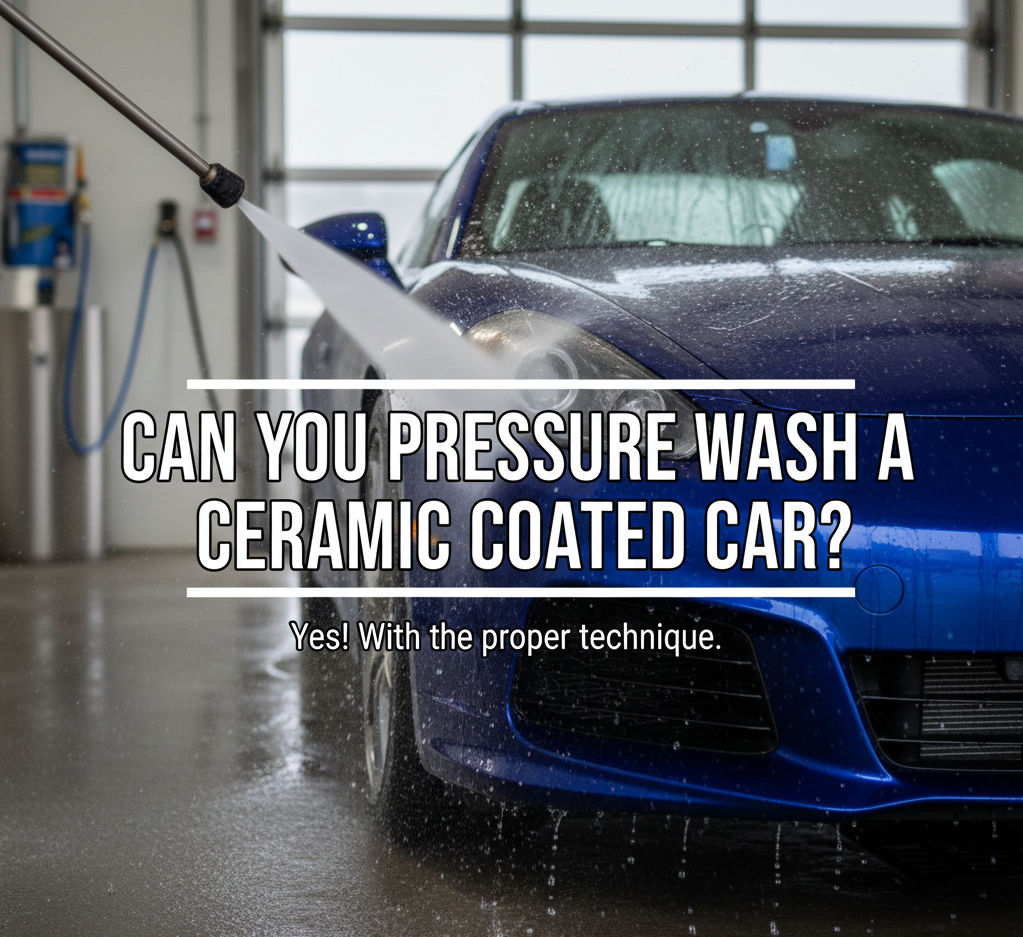
    Can you pressure wash a ceramic coated car?

    Ceramic coating has changed how drivers protect their vehicles, especially for owners who want long-term gloss, durability, and easy maintenance. However, many car owners in Springfield, VA still ask one important question: can you pressure wash a ceramic coated car without damaging it? As an expert industry copywriter and SEO specialist working closely with Grizzly Auto Detailing, this guide explains everything clearly and practically. You will also learn why choosing a System X ceramic coating installer Springfield plays a crucial role in long-term protection.

    Ceramic coatings work as a semi-permanent protective layer that bonds with automotive paint. Unlike wax, ceramic coatings do not wash away after a few cleanings. However, improper washing techniques can reduce their lifespan. Therefore, understanding correct pressure washing methods helps you protect your investment and maintain a flawless finish year-round in Springfield, VA.


    Understanding Ceramic Coating and How It Works

    Ceramic coating uses nanotechnology to form a durable shield over your vehicle’s paint. This layer repels water, dirt, road grime, and harmful UV rays. As a result, your car stays cleaner longer and shines brighter. When installed by a trusted System X ceramic coating installer Springfield, the coating chemically bonds with the paint instead of sitting on top like traditional wax.

    This bond creates hydrophobic properties. Water beads up and slides off easily, carrying dirt with it. Because of this, ceramic-coated vehicles require less aggressive washing. Still, pressure washing remains a safe option when done correctly.


    Pressure Washing Explained for Ceramic Coated Vehicles

    Pressure washing uses high-powered water to remove dirt and debris. While it sounds aggressive, pressure washing can actually be safer than traditional hand washing. Dirty sponges and towels often cause swirl marks and scratches. In contrast, controlled pressure washing reduces unnecessary paint contact.

    However, pressure washers vary widely in strength. Some machines spray water at extremely high PSI levels. Therefore, using the wrong equipment or technique can harm even premium ceramic coatings. This is why professionals at Grizzly Auto Detailing educate clients on safe aftercare.


    Is Pressure Washing Safe for Ceramic Coating?

    Yes, you can pressure wash a ceramic coated car safely. However, you must follow strict guidelines. Ceramic coatings resist water pressure far better than wax or sealants. Still, excessive force, incorrect angles, or harsh chemicals can reduce durability.

    A professionally applied coating from a System X ceramic coating installer Springfield handles routine pressure washing without issues. When done correctly, pressure washing actually extends coating performance by preventing contamination buildup.


    Recommended PSI Levels for Ceramic Coated Cars

    PSI stands for pounds per square inch. For ceramic coated vehicles, experts recommend pressure washers rated between 1,200 and 1,900 PSI. This range removes dirt effectively without stressing the coating. Anything higher increases risk around trim, badges, and edges.

    Grizzly Auto Detailing always advises customers to avoid industrial machines unless professionals handle the wash.


    Choosing the Right Nozzle and Spray Pattern

    Nozzle selection matters just as much as pressure. Wide-angle spray tips work best for ceramic coated vehicles. A 40-degree or 25-degree nozzle spreads water evenly and prevents concentrated impact.

    Never use a zero-degree nozzle. That focused stream can chip paint, weaken coatings, and damage seals. A fan-style spray ensures safe, even cleaning.


    Correct Distance When Pressure Washing

    Distance protects your ceramic coating. Always keep the nozzle at least 12 to 18 inches away from the surface. This spacing allows water to rinse dirt without stressing the coating.

    Start farther away and move gradually if needed. Use smooth, sweeping motions instead of holding the spray in one area.


    Using the Right Cleaning Products

    Water removes loose debris, but pH-neutral car shampoo improves cleaning. Avoid household cleaners, degreasers, and harsh soaps. These chemicals degrade ceramic coating performance.

    Grizzly Auto Detailing recommends coating-safe shampoos that preserve gloss and lubrication.


    Pre-Rinse and Foam Cannon Benefits

    Pre-rinsing removes loose dirt before contact. This step reduces scratches and swirl marks. Foam cannons also work extremely well on ceramic coated vehicles.

    The coating prevents dirt from bonding tightly, allowing foam to lift contaminants and rinse them away easily.


    Drying After Pressure Washing

    Drying remains essential even with ceramic coating. Water beads quickly but leftover droplets can still cause spots. Use a microfiber towel or a car dryer to finish the job.

    Avoid air drying, especially in Springfield’s changing climate, where mineral deposits remain behind.


    Common Pressure Washing Mistakes to Avoid

    Many owners unknowingly shorten coating lifespan. Common mistakes include spraying too close, using narrow nozzles, skipping pre-rinse steps, and washing under direct sunlight.

    Correcting these habits protects your investment long-term.


    How Often Should You Pressure Wash a Ceramic Coated Car?

    Ceramic coating reduces how often you need to wash your car. Most vehicles only need cleaning every two to three weeks.

    Springfield’s pollen, salt, and seasonal debris may require more frequent rinsing to prevent buildup.


    Why Professional Installation Makes a Difference

    Installation quality directly affects durability. A certified System X ceramic coating installer Springfield ensures proper preparation, bonding, and curing.

    Grizzly Auto Detailing follows strict installation standards that allow the coating to withstand regular pressure washing safely.


    Ceramic Coating vs Wax Under Pressure Washing

    Wax strips quickly under pressure washing. Ceramic coating resists pressure, chemicals, and environmental damage far better.

    That durability explains why many Springfield drivers switch to ceramic coatings for long-term protection.


    Seasonal Pressure Washing Tips for Springfield, VA

    Spring brings pollen, summer adds bugs, fall introduces sap, and winter leaves salt residue. Each season requires slight technique adjustments.

    Frequent winter rinses remove salt, while summer washes work best during cooler hours.


    Maintaining Hydrophobic Performance

    Over time, surface contamination can mask water-beading properties. Regular pressure washing restores hydrophobic behavior.

    Grizzly Auto Detailing also offers ceramic maintenance services to refresh coatings without reapplication.


    Environmental Benefits of Pressure Washing

    Pressure washing uses less water than traditional hose methods. Ceramic coatings further reduce water use by shortening cleaning time.

    This eco-friendly advantage appeals to many Springfield residents.


    Why Choose Grizzly Auto Detailing in Springfield, VA

    Grizzly Auto Detailing combines expertise, premium products, and customer education. As a trusted System X ceramic coating installer Springfield, they ensure every vehicle receives proper care guidance.


    Long-Term Benefits of Proper Washing

    Correct washing habits extend coating lifespan, protect resale value, and maintain showroom-level shine.

    Pressure washing, when done properly, supports these benefits rather than harming them.


    Final Thoughts on Pressure Washing Ceramic Coated Cars

    Yes, you can pressure wash a ceramic coated car safely. Follow correct PSI levels, nozzle choices, washing distance, and product selection. Dry properly and avoid harsh chemicals.

    Working with Grizzly Auto Detailing and a certified System X ceramic coating installer Springfield ensures long-term protection and confidence.


    Frequently Asked Questions

    Can pressure washing damage ceramic coating?
    Pressure washing remains safe when you use proper PSI, nozzles, and distance.

    What PSI works best for ceramic coated cars?
    A range of 1,200–1,900 PSI provides safe and effective cleaning.

    Can I use a foam cannon on ceramic coating?
    Yes, foam cannons improve cleaning while reducing surface contact.

    How close should I spray the car?
    Keep the nozzle at least 12–18 inches away.

    Is pressure washing better than hand washing?
    Pressure washing reduces physical contact and swirl marks.

    Does ceramic coating eliminate washing completely?
    No, but it significantly reduces wash frequency.

    Are automatic car washes safe?
    Touchless washes are safer than brush-based systems.

    Should I dry my car after washing?
    Yes, drying prevents water spots and maintains gloss.

    How long does ceramic coating last with proper care?
    Professional coatings can last several years with correct maintenance.

    Why choose Grizzly Auto Detailing?
    They offer expert installation and guidance as a certified System X ceramic coating installer Springfield in Springfield, VA.
  • Can I Wax Over Ceramic Coating?

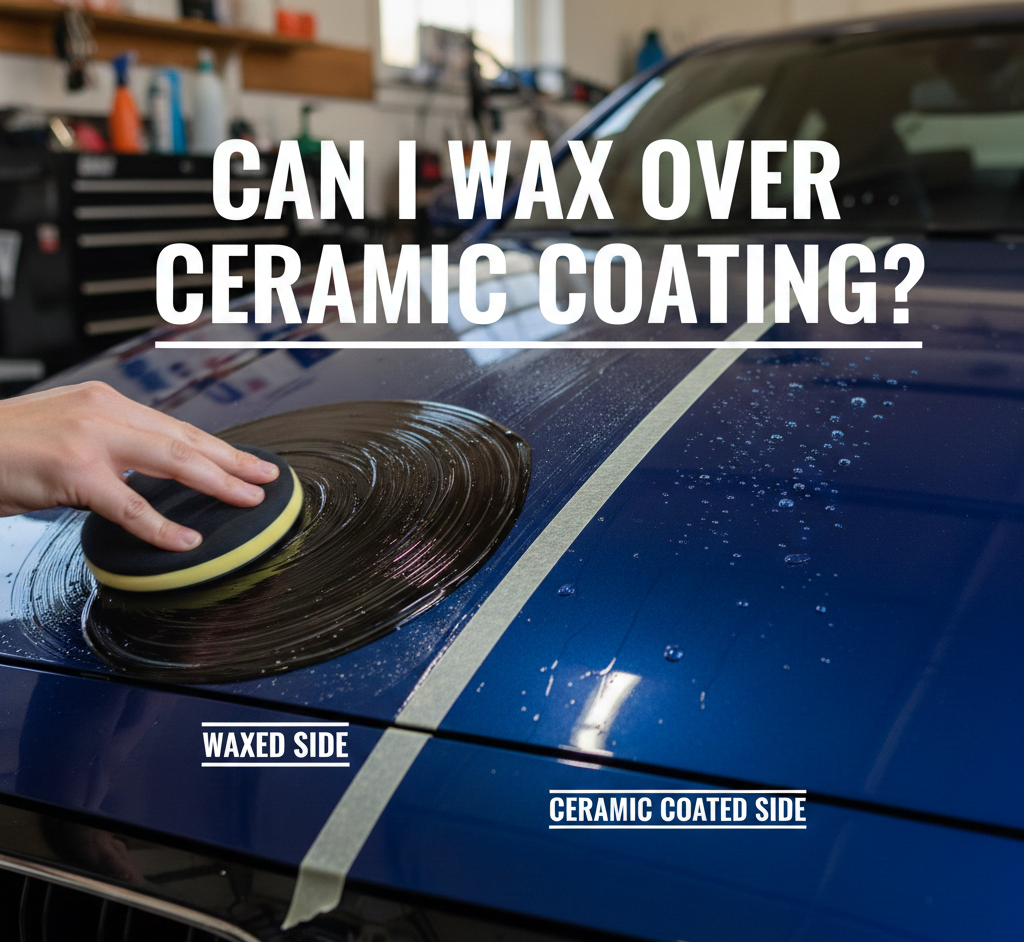
    Can I Wax Over Ceramic Coating?

    Car owners in Springfield, Virginia care deeply about protecting their vehicles, especially when they invest in advanced paint protection solutions. Ceramic coatings have become increasingly popular because they deliver long-term gloss, durability, and resistance against environmental damage. However, many drivers still wonder if traditional methods like waxing have a place after ceramic coating. This question often arises after choosing System X ceramic coating Springfield services from trusted professionals. Understanding how waxing interacts with ceramic coating helps you maintain your vehicle properly without reducing the benefits of your investment.

    Ceramic coating technology works differently than wax, yet both aim to protect paint and enhance shine. While wax once served as the top choice for protection, ceramic coatings now lead the market. Still, confusion remains about whether combining both makes sense. This article explains the relationship between wax and ceramic coating in detail while helping Springfield drivers make informed decisions about vehicle care.


    Understanding What Ceramic Coating Really Does

    Ceramic coating creates a semi-permanent protective layer that bonds with your vehicle’s paint. Unlike wax, which sits loosely on the surface, ceramic coating forms a strong chemical bond. This bond delivers superior resistance against UV rays, dirt, bird droppings, and minor scratches.

    When drivers choose System X ceramic coating Springfield, they receive advanced nanotechnology designed to outperform traditional sealants. The coating enhances gloss while making cleaning easier. Dirt struggles to stick, water beads aggressively, and paint remains protected for years instead of weeks.

    Ceramic coating also reduces oxidation and fading. Over time, sunlight damages unprotected paint, yet ceramic coating slows that process significantly. Because of these benefits, ceramic coatings have become the preferred solution for long-term paint protection.


    How Traditional Wax Works on Vehicle Paint

    Wax works by adding a thin protective layer on top of the paint. Carnauba wax, synthetic wax, and hybrid products all provide shine and water repellency. However, wax does not bond chemically with paint. Instead, it wears off quickly due to heat, washing, and environmental exposure.

    Wax usually lasts a few weeks to a couple of months at best. While wax improves appearance, it requires frequent reapplication. Many drivers grew accustomed to waxing because it provided visible shine and temporary protection.

    Before ceramic coatings became popular, waxing represented the standard care method. Today, however, wax plays a much smaller role, especially for vehicles protected with System X ceramic coating Springfield solutions.


    Can Wax Be Applied Over Ceramic Coating?

    Yes, you technically can apply wax over ceramic coating, but that does not always mean you should. Wax will not damage the ceramic coating directly, yet it does not enhance the coating’s performance either. Instead, wax temporarily masks the ceramic coating’s natural properties.

    Ceramic coating already delivers superior hydrophobic behavior and gloss. When you apply wax on top, you simply add another layer that wears away quickly. Once the wax fades, the ceramic coating continues performing as intended.

    Professional detailers usually recommend avoiding wax on ceramic-coated vehicles. Wax can interfere with the coating’s water behavior and reduce its self-cleaning effect. Therefore, waxing over ceramic coating often becomes unnecessary rather than harmful.


    Why Waxing Over Ceramic Coating Feels Redundant

    Ceramic coatings outperform wax in almost every category. Wax improves shine temporarily, while ceramic coating maintains gloss for years. Wax repels water briefly, while ceramic coating does so consistently.

    When drivers in Springfield invest in System X ceramic coating Springfield, they already receive advanced protection. Wax does not strengthen the coating or extend its lifespan. Instead, wax introduces a layer that requires maintenance without offering real benefits.

    Additionally, wax can trap contaminants on the surface. That buildup may reduce the slickness of ceramic coating. Because ceramic coatings work best when exposed directly, adding wax often creates unnecessary work.


    Situations Where Wax Might Still Be Used

    Some drivers prefer the warm glow that carnauba wax provides. In rare cases, owners apply wax for cosmetic reasons before special events. While this practice does not damage the ceramic coating, it offers short-term visual enhancement only.

    If you choose to wax over ceramic coating, always use a wax that contains no abrasives. Abrasive products can reduce coating performance. However, even in these cases, professional detailers suggest using ceramic-compatible boosters instead.

    Most experts recommend alternatives that complement ceramic coatings rather than cover them.


    Better Alternatives to Wax for Ceramic-Coated Cars

    Instead of wax, ceramic maintenance sprays or silica-based sealants work far better. These products refresh hydrophobic behavior and maintain gloss without interfering with the coating.

    Detailers often suggest periodic maintenance products designed specifically for ceramic-coated vehicles. These sprays reinforce the coating while preserving its natural properties. They also extend durability when applied correctly.

    At Grizzly Auto Detailing, technicians educate clients on maintaining System X ceramic coating Springfield vehicles properly. Using the right maintenance products ensures long-lasting results without unnecessary steps.


    How Washing Habits Affect Ceramic Coating Performance

    Proper washing plays a major role in coating longevity. Regular hand washing using pH-neutral shampoos keeps the surface clean. Automatic car washes with harsh brushes can damage both wax and ceramic coatings.

    When drivers wash their vehicles correctly, ceramic coatings maintain their hydrophobic performance. Wax becomes unnecessary because proper washing preserves shine naturally.

    Avoid using dish soap or aggressive chemicals. These products strip surface protection and degrade coating performance. Instead, use products designed for ceramic-coated finishes.


    Does Wax Shorten the Life of Ceramic Coating?

    Wax does not shorten ceramic coating lifespan directly. However, repeated waxing may clog the coating’s surface and reduce water repellency. Over time, this buildup requires decontamination to restore performance.

    Ceramic coatings thrive when kept clean and exposed. Wax introduces another layer that changes surface behavior. That change may require professional correction later.

    Drivers who rely on System X ceramic coating Springfield solutions benefit most by following professional maintenance advice rather than outdated habits.


    Common Myths About Wax and Ceramic Coating

    Many myths surround vehicle protection. Some believe wax adds extra strength to ceramic coatings. Others think waxing improves coating longevity. These claims lack scientific support.

    Ceramic coatings already deliver maximum protection when maintained correctly. Wax does not add measurable benefits. Another myth suggests ceramic coating replaces washing entirely. While coatings reduce dirt adhesion, regular washing remains necessary.

    Understanding facts prevents mistakes and helps car owners protect their investment properly.


    The Role of Professional Detailing After Ceramic Coating

    Professional detailing ensures optimal performance. Detailers inspect coating condition, remove contaminants, and apply maintenance products when needed.

    Grizzly Auto Detailing provides expert care for vehicles protected with System X ceramic coating Springfield services. Their team uses proper techniques to preserve coating integrity and appearance.

    Professional inspections help detect early issues and maintain gloss without unnecessary treatments like waxing.


    How Environmental Factors Influence Coating Care

    Springfield weather includes heat, humidity, pollen, and road debris. These factors affect vehicle surfaces daily. Ceramic coating resists environmental damage effectively, yet maintenance remains essential.

    Wax struggles against environmental exposure, while ceramic coating performs consistently. Therefore, relying on ceramic coating rather than wax offers better protection year-round.

    Parking habits also matter. Covered parking reduces exposure and prolongs coating performance. Simple lifestyle choices complement ceramic protection effectively.


    Understanding Hydrophobic Behavior Without Wax

    Hydrophobic behavior refers to water repellency. Ceramic coating excels at this function naturally. Water beads tightly and rolls off, carrying dirt away.

    Wax also creates hydrophobic behavior, but for a short time. Ceramic coating delivers this effect continuously. Applying wax may alter bead patterns temporarily, but that change offers no added benefit.

    Drivers often mistake wax-induced gloss for improved protection. In reality, ceramic coating already provides superior performance.


    Maintenance Schedule for Ceramic-Coated Vehicles

    A proper maintenance schedule eliminates the need for wax. Regular washing every two weeks keeps contaminants under control. Periodic ceramic boosters maintain surface slickness.

    Annual inspections help ensure coating performance. Professional decontamination removes bonded contaminants without harming the coating.

    Following this routine keeps System X ceramic coating Springfield vehicles looking new without additional layers.


    Why Manufacturers Do Not Recommend Waxing Ceramic Coatings

    Ceramic coating manufacturers design their products to work independently. Wax interferes with surface chemistry and performance.

    Manufacturers recommend specific maintenance products that complement coating properties. Using approved products ensures warranty compliance and optimal results.

    Ignoring manufacturer guidelines may reduce performance and require corrective services later.


    Cost Considerations: Wax Versus Ceramic Maintenance

    Wax requires frequent purchase and application. Over time, these costs accumulate. Ceramic coating maintenance products cost more initially but last longer and require fewer applications.

    Investing in proper care saves money long-term. Ceramic coatings eliminate constant waxing cycles and reduce labor expenses.

    Drivers who choose System X ceramic coating Springfield benefit financially when they follow correct maintenance practices.


    Visual Appearance: Wax Shine Versus Ceramic Gloss

    Wax provides a warm shine, while ceramic coating delivers a crisp, reflective gloss. Some drivers prefer wax aesthetics, yet ceramic coating offers consistency.

    Ceramic gloss remains stable regardless of weather or washing. Wax shine fades quickly and requires reapplication. Long-term appearance favors ceramic technology.

    Choosing ceramic coating prioritizes durability and clarity over short-lived cosmetic effects.


    When Should Wax Be Completely Avoided?

    Avoid wax if your vehicle features a fresh ceramic coating. During the curing period, wax can interfere with bonding.

    Avoid wax if you notice reduced hydrophobic behavior. Instead, seek professional maintenance. Wax may mask issues temporarily rather than resolve them.

    In most cases, avoiding wax altogether delivers the best results for ceramic-coated vehicles.


    How Grizzly Auto Detailing Educates Customers

    Grizzly Auto Detailing emphasizes education. Clients learn proper washing techniques, maintenance schedules, and product selection.

    By guiding customers, the team ensures long-term satisfaction with System X ceramic coating Springfield services. Education prevents common mistakes and preserves coating performance.

    Customer support continues after installation, reinforcing proper care habits.


    Long-Term Benefits of Skipping Wax

    Skipping wax saves time and effort. Ceramic coating simplifies maintenance and reduces the need for frequent treatments.

    Vehicles maintain resale value better when paint remains protected consistently. Ceramic coating provides long-term benefits that wax cannot match.

    Drivers experience less frustration and better results when they trust ceramic technology fully.


    Final Thoughts on Waxing Over Ceramic Coating

    Waxing over ceramic coating may seem harmless, yet it offers no real advantages. Ceramic coating already delivers superior protection, gloss, and hydrophobic behavior.

    Drivers in Springfield who invest in System X ceramic coating Springfield services gain long-lasting results by following proper maintenance advice. Wax becomes unnecessary when ceramic technology performs as intended.

    Trust professional guidance, use recommended products, and enjoy a cleaner, shinier vehicle without extra steps.


    FAQ Section

    Can I wax my car after ceramic coating?
    Yes, but wax provides no added benefit and remains unnecessary.

    Will wax damage ceramic coating?
    Wax does not damage ceramic coating but may reduce its performance temporarily.

    Does wax make ceramic coating last longer?
    No, wax does not extend ceramic coating lifespan.

    What should I use instead of wax?
    Use ceramic maintenance sprays or silica-based boosters.

    How often should I wash a ceramic-coated car?
    Wash every two weeks using pH-neutral shampoo.

    Can I use automatic car washes?
    Avoid brush-based car washes to protect coating integrity.

    Does ceramic coating replace car washing?
    No, regular washing remains necessary.

    Can wax improve ceramic gloss?
    Wax may change appearance briefly but does not improve protection.

    Should I consult professionals for maintenance?
    Yes, professional detailing ensures optimal coating performance.

    Why choose Grizzly Auto Detailing in Springfield, VA?
    They provide expert care and trusted System X ceramic coating Springfield services.

  • Do you tip car wash people?

    Do you tip car wash people?

    Keeping your car looking pristine isn’t just about aesthetics—it’s about pride, care, and value. Whether you visit a local hand wash or a full-service detailing center, one common question always arises: “Do you tip car wash people?”

    Tipping isn’t mandatory, yet it’s a meaningful way to appreciate good service, attention to detail, and professionalism. At Grizzly Auto Detailing in Springfield, VA, customers frequently ask how much and when to tip after getting their car cleaned, especially following a premium detailing service such as Spotless Car Interior Detailing in Springfield.

    This comprehensive guide breaks down tipping etiquette for car wash professionals, explores when it’s appropriate, how much to offer, and what factors influence your decision—while providing practical advice from real detailing experts.


    Why Tipping Matters at Car Washes

    Tipping has always been a form of recognition. It rewards effort and motivates staff to deliver exceptional results. In the car care industry, tipping is especially valued because most workers rely on tips to supplement their hourly wages.

    When you see your car gleaming, the windows streak-free, and the interior spotless, you’re witnessing hours of skilled labor and product precision. Tipping not only encourages consistency but also builds relationships with professionals who care for your vehicle regularly.

    It’s simple—if someone treats your car with the same care you would, a small tip shows gratitude and respect for their effort.


    The Role of Skill and Effort in Car Wash Services

    Car washing is not as effortless as it appears. The detailing process often involves multiple stages, including pre-wash rinsing, hand washing, drying, waxing, interior vacuuming, and surface protection.

    A professional team, like the experts at Grizzly Auto Detailing, ensures your car is treated with precision. Their Spotless Car Interior Detailing in Springfield service goes beyond vacuuming—it includes stain removal, odor neutralization, conditioning of leather surfaces, and sanitization of every crevice.

    This level of effort requires time, skill, and premium products such as microfiber towels, pH-balanced soaps, and ceramic-safe waxes. Recognizing this attention to detail with a tip is an acknowledgment of craftsmanship.


    When Should You Tip Car Wash People?

    1. For Basic Washes

    If you’re getting a simple exterior wash that includes rinse, soap, and dry, tipping $2–$5 per car is standard. This small gesture acknowledges the team’s quick but efficient work.

    2. For Full-Service Washes

    Full-service washes include both exterior and interior cleaning. In such cases, $5–$10 is an appropriate tip, depending on the size of your vehicle and the quality of service provided.

    3. For Professional Detailing

    When professionals deliver deep-cleaning, polishing, and conditioning—like the Spotless Car Interior Detailing in Springfield package—a tip of 10–15% of the total bill is considered generous and respectful.

    Detailers often spend hours perfecting every inch, making this level of gratitude truly meaningful.

    4. For Exceptional Service

    If your car was in rough condition—muddy, stained, or cluttered—and the result exceeds expectations, go above the average tip. A $20–$30 tip or more shows genuine appreciation for the extra effort.


    How Much Should You Tip?

    While tipping remains optional, certain standards can help guide your decision.

    Service TypeSuggested Tip RangeWhen to Tip More
    Basic Hand Wash$2–$5Large vehicles, fast turnaround
    Full-Service Wash$5–$10Deep interior clean or attentive staff
    Premium Detail10–15% of totalHigh-end detailing like ceramic or interior restoration
    Monthly Membership$5 occasionallyEvery few visits or during holidays

    For those using advanced detailing packages, such as Spotless Car Interior Detailing in Springfield, tipping around 15% reflects both gratitude and respect for the technician’s time and skill.


    Factors to Consider Before Tipping

    1. Quality of Service

    Did the car wash team pay attention to small details like door jambs, vents, and undercarriage areas? If yes, a tip is well-deserved.

    2. Time Spent

    A 30-minute quick wash differs vastly from a 3-hour detailing session. The more time invested, the more appropriate a higher tip becomes.

    3. Type of Facility

    Automated washes typically don’t require tipping. However, hand wash and detailing centers rely on manual labor—tipping is both customary and appreciated there.

    4. Consistency

    If you’re a repeat customer and consistently receive excellent service, tipping regularly builds rapport and may even lead to better personalized care.


    Why Customers Tip More for Detailing

    Detailing is a specialized craft that involves restoring and preserving your vehicle’s condition. A professional detailing service often includes steps such as:

    1. Exterior Foam Wash – Safely lifts dirt without scratching paint.
    2. Clay Bar Treatment – Removes embedded contaminants from surfaces.
    3. Paint Correction – Buffs out minor scratches and swirl marks.
    4. Ceramic Coating or Wax Application – Protects against UV damage and grime.
    5. Interior Deep Clean – Vacuuming, shampooing, and sanitizing.
    6. Leather Conditioning and Plastic Dressing – Restores softness and shine.
    7. Final Inspection – Ensures a showroom-quality finish.

    At Grizzly Auto Detailing, such a process defines their Spotless Car Interior Detailing in Springfield service. The dedication to achieving perfection is exactly why customers often feel inclined to show extra appreciation through tipping.


    Common Tipping Mistakes to Avoid

    1. Tipping Too Little for Exceptional Work
      A $2 tip for a $200 detailing session undervalues the work involved. Match your tip to service complexity.
    2. Tipping in a Rush
      Always hand over your tip directly with a thank-you—it adds sincerity.
    3. Forgetting During Packages
      If you have a prepaid wash plan, remember that attendants still appreciate tips, even if you’re not paying per visit.
    4. Ignoring Individual Effort
      If multiple staff members worked on your car, try tipping them individually or leaving a group tip they can share.

    The Right Way to Tip

    Tipping is most meaningful when done thoughtfully. Here’s how to do it effectively:

    • In Cash: Cash tips are still preferred since they go directly to the staff.
    • With Gratitude: Say “thank you” and acknowledge their hard work—it makes the gesture personal.
    • Regularly: Even small, consistent tips build strong relationships with your local detailing team.

    Remember, a tip not only rewards but motivates detailers to continue delivering the highest standard of work—something Grizzly Auto Detailing takes pride in maintaining every day.


    Beyond Tipping: How to Support Car Wash Professionals

    Aside from tipping, you can support your detailing team by:

    • Leaving Positive Reviews Online – A five-star review on Google or Yelp helps local businesses grow.
    • Referring Friends and Family – Word of mouth is invaluable.
    • Scheduling Regular Maintenance – Frequent visits show loyalty and respect for their craft.
    • Being Honest with Feedback – Constructive comments help improve future experiences.

    At Grizzly Auto Detailing, customers who share their experience about Spotless Car Interior Detailing in Springfield often help others make informed decisions while boosting the company’s local reputation.


    What Products Do Professionals Use?

    A professional car detailing session involves specialized products that guarantee safety and longevity. Common examples include:

    • pH-balanced Car Wash Soaps like Meguiar’s Gold Class or Chemical Guys Honeydew.
    • Microfiber Towels for lint-free drying and polishing.
    • All-Purpose Cleaners for seats, dashboards, and carpets.
    • Leather Conditioners such as Lexol or Griot’s Garage.
    • UV Protectants to prevent cracking or fading of plastic surfaces.
    • Glass Cleaners that leave a streak-free finish.
    • Air Purifiers and Odor Neutralizers for a fresh interior feel.

    Using these, detailers can transform a dusty, dull car into a showroom masterpiece—one reason tipping becomes more than courtesy; it’s appreciation.


    How Grizzly Auto Detailing Sets the Standard

    Located in Springfield, VA, Grizzly Auto Detailing is known for its commitment to precision, quality, and customer satisfaction. Their technicians undergo expert training to handle all vehicle types, from sedans to SUVs, and deliver premium packages such as Spotless Car Interior Detailing in Springfield.

    They believe detailing isn’t just cleaning—it’s restoring, protecting, and preserving your car’s value. Each customer receives personalized attention, ensuring no surface is left untreated.

    Whether you visit for a quick wash or a full detailing session, the team ensures your vehicle leaves looking, feeling, and smelling like new. Their reputation thrives on transparency, trust, and the small acts of appreciation from satisfied customers—like a thoughtful tip.


    Should You Always Tip?

    Not always—but it’s usually worth it.
    If service was rushed, careless, or failed to meet expectations, withholding a tip sends a subtle message. However, if technicians demonstrate care, friendliness, and skill, a tip reinforces good work ethic and encourages consistent service quality.

    In essence, tipping should always be earned—but when it’s earned, it makes a meaningful difference.


    Quick Recap: Car Wash Tipping Etiquette

    SituationSuggested TipReason
    Basic Exterior Wash$2–$5Quick appreciation
    Full-Service Clean$5–$10Balance of time and quality
    Deep Detailing10–15%Recognition of expertise
    Outstanding Effort$20+Exceptional attention to detail
    Repeat VisitConsistent $5–$10Builds trust and rapport

    Final Thoughts

    So, do you tip car wash people? Absolutely—when the service goes beyond your expectations. A tip symbolizes respect for the skill and dedication behind a spotless finish.

    At Grizzly Auto Detailing, every technician takes pride in providing exceptional results. Whether it’s restoring shine, reviving interiors, or delivering Spotless Car Interior Detailing in Springfield, their passion shines through in every vehicle they touch.

    Next time your car looks and feels brand new after a wash, remember that a small tip can go a long way in supporting the hands that made it happen.


    FAQs

    1. Do you have to tip at an automatic car wash?
    No, because the process is machine-operated. Tipping applies to hand wash or detailing services.

    2. How much should I tip for a $100 detailing job?
    A 10–15% tip ($10–$15) is a fair amount for quality work.

    3. Should I tip if the owner personally details my car?
    If the owner provides the service, tipping isn’t required but always appreciated.

    4. Do car wash employees expect tips every time?
    Most don’t expect them, but regular customers who tip often get prioritized service.

    5. Can I tip using a credit card?
    Yes, though cash tips are preferred since employees receive them directly.

    6. What if I’m not happy with the service?
    Provide polite feedback instead of tipping—professional shops will appreciate honesty.

    7. Should I tip before or after the wash?
    Always tip after the service, once you’ve inspected the result.

    8. How do I know if my car detailer did a good job?
    Check for clean vents, spotless seats, shiny tires, and no residue on surfaces.

    9. Do I need to tip for mobile car detailing services?
    Yes, tipping is customary since mobile detailers bring the service to your location.

    10. How often should I get my car detailed?
    Every 3–4 months helps maintain value, especially if you drive frequently or park outdoors.

  • Is $5 a good tip for car wash?

    Is $5 a good tip for car wash?

    Tipping is a small gesture that can leave a big impression. Whether you’re getting a quick wash or a full interior clean, many car owners wonder: Is $5 a good tip for a car wash? At Grizzly Auto Detailing in Springfield, VA, we believe that appreciation should match the effort. Especially when it comes to Steam Car Interior Detailing in Springfield, where attention to detail is everything.

    Car care professionals invest time, skill, and precision to make your vehicle shine. Yet, understanding how much to tip can feel confusing. This guide will help you navigate tipping etiquette, explain what’s fair, and show when $5 is a generous or modest choice.


    Why Tipping Matters in Car Detailing

    Tipping is more than a tradition it’s recognition of craftsmanship. When you visit a detailing shop like Grizzly Auto Detailing, your payment covers the service, but the tip reflects satisfaction. Every detailer strives to deliver exceptional quality, especially during Steam Car Interior Detailing in Springfield, where results often depend on precision tools and expertise.

    H2: The Role of Effort and Skill

    Car detailing isn’t just a wash it’s an art form. From deep-cleaning floor mats to sanitizing vents, professionals use specialized techniques that go beyond a standard rinse. A steam cleaning technician, for instance, invests extra effort to disinfect without chemicals. Recognizing this through an appropriate tip encourages quality and consistency.


    How to Decide the Right Tip Amount

    When it comes to tipping, there’s no one-size-fits-all rule. However, understanding your service type and detailer’s effort helps you make a thoughtful decision.

    H2: General Tipping Guidelines

    For quick exterior washes, a $2–$5 tip is perfectly acceptable. But if your car undergoes complete interior detailing involving seat shampooing, odor removal, and dashboard cleaning the job demands more appreciation. In that case, a $10–$20 tip is more aligned with industry standards.

    When $5 Is a Good Tip

    If you received a basic wash with minimal interior work, $5 is a fair and appreciated tip. It shows courtesy and gratitude. For returning customers, consistent tipping also builds rapport and ensures better service in the future.

    When to Tip More

    Whenever your car detailing professional goes above and beyond — removing tough stains, detailing after a pet mess, or offering Steam Car Interior Detailing in Springfield tipping extra reflects your satisfaction. For full steam detailing, a 10–15% tip on the total bill is ideal.


    H1: Breaking Down the Cost of Car Detailing

    Before deciding how much to tip, it’s important to understand what goes into a car detail. The pricing often depends on service type, duration, and vehicle size.

    What a Full Detail Includes

    A “full detail” typically involves:

    • Exterior hand wash and wax
    • Wheel cleaning and tire shine
    • Vacuuming and steam-cleaning carpets
    • Seat and upholstery deep cleaning
    • Interior panel polishing and odor removal

    These steps require expertise and precision — exactly what Grizzly Auto Detailing delivers through boldSteam Car Interior Detailing in Springfield.

    Time and Tools Matter

    Steam cleaning machines, microfiber cloths, and pH-balanced cleaners are standard tools in professional detailing. The combination of heat and vapor lifts grime safely without damage. When professionals use such equipment carefully, their effort deserves recognition.


    The Psychology of Tipping

    Why People Hesitate to Tip

    Some car owners see detailing as part of the job they’ve already paid for. However, tips act as personal acknowledgment — not obligation. Even a $5 tip boosts morale and encourages detailers to maintain their best work.

    The Reward Cycle

    When you tip fairly, detailers are more motivated to provide exceptional attention to your car. Over time, you’ll notice faster service, better finishing, and personalized care — benefits that go beyond the monetary gesture.


    The Impact of Steam Cleaning on Interior Care

    Steam cleaning is revolutionizing auto care. Unlike traditional water-based washes, it cleans, disinfects, and rejuvenates your vehicle’s interior surfaces efficiently.

    How Steam Cleaning Works

    Pressurized steam loosens dirt, eliminates bacteria, and removes odors without chemicals. It’s safe for leather, fabric, and vinyl — making it a top choice for modern detailing. Grizzly Auto Detailing excels in boldSteam Car Interior Detailing in Springfield, offering deep cleaning results that restore factory freshness.

    Benefits for Car Owners

    • Chemical-free sanitation
    • Eco-friendly cleaning solution
    • Long-lasting freshness
    • Reduced allergens and odors

    Because steam cleaning is labor-intensive and requires training, tipping generously — more than $5 — reflects your appreciation for this advanced service.


    When Not to Tip (and Why That’s Okay)

    While tipping is always kind, it’s not mandatory. If your service didn’t meet expectations, it’s okay to withhold the tip — but offer feedback. Most reputable businesses, like Grizzly Auto Detailing, value constructive feedback as a chance to improve.


    Expert Tips for Deciding Your Tip

    1. Assess Service Quality: Look for thoroughness, attention to small details, and cleanliness.
    2. Consider Job Complexity: Deep stain removal or steam sanitization deserves a higher tip.
    3. Factor in Time: Long detailing sessions show commitment — reward accordingly.
    4. Think Relationship: Loyal customers often receive better long-term care.

    For premium experiences like boldSteam Car Interior Detailing in Springfield, a $10–$20 tip isn’t just polite — it’s encouraging professionalism and quality.


    Why Tipping Supports Local Auto Detailing Businesses

    Your tips do more than thank an employee; they sustain local service quality. At Grizzly Auto Detailing, every tip goes directly to skilled technicians who treat your car as if it were their own. That personal motivation translates to exceptional results and client satisfaction.

    Supporting boldSteam Car Interior Detailing in Springfield** means investing in a cleaner, healthier, and more sustainable detailing industry.**


    FAQs: Common Questions About Tipping Car Detailers

    1. Is $5 a good tip for a car wash?
    Yes, $5 is fair for basic services. For full interior detailing, consider $10–$20.

    2. Should I tip even if the service was expensive?
    Yes, tips acknowledge effort, not just cost. Even on higher bills, tipping 10–15% is appropriate.

    3. How much should I tip for steam cleaning?
    For Steam Car Interior Detailing in Springfield, $15–$25 is standard due to the skill involved.

    4. Can I tip with a card?
    Yes, most auto detailing shops accept tips via card or cash. Cash is often preferred.

    5. Should I tip every time I visit?
    Yes, consistent tipping builds a positive customer-technician relationship.

    6. What if the work wasn’t great?
    Offer feedback first. If the issue isn’t resolved, tipping isn’t required.

    7. Do car detailers expect tips?
    Not always, but it’s appreciated. It motivates continued quality work.

    8. Can I give a non-cash tip?
    Gift cards, snacks, or referrals are also thoughtful alternatives.

    9. Do tips affect service quality next time?
    Often, yes. Detailers remember appreciative clients and deliver their best work.

    10. Is tipping required for full-service packages?
    No, but for complex services like Steam Car Interior Detailing in Springfield, it’s a kind and professional gesture.**


    Conclusion: Small Tip, Big Impact

    A $5 tip can go a long way in expressing gratitude, especially for standard services. But when your vehicle undergoes comprehensive Steam Car Interior Detailing in Springfield, a larger tip better matches the expertise, time, and precision invested.

    At Grizzly Auto Detailing, we see tipping as a form of partnership — an exchange of respect between professionals and customers who value quality. So, next time your car gleams after a meticulous clean, remember: generosity drives excellence.

  • How often should you detail the interior of the car?

    How often should you detail the interior of the car?

    Keeping your car’s interior in pristine condition is about more than just appearances—it’s about preserving your vehicle’s value, comfort, and hygiene. However, many drivers wonder how often they should schedule a professional detailing service. The answer depends on your driving habits, lifestyle, and environmental factors. At Grizzly Auto Detailing, we understand that every vehicle is different, and our experts in Established Interior Detailing in Springfield tailor cleaning schedules to meet each customer’s unique needs.


    Understanding Interior Car Detailing

    Interior detailing is far more comprehensive than a quick vacuum or wipe-down. It involves deep cleaning, sanitizing, and conditioning every surface inside your car to make it look, feel, and smell brand new.

    A professional detailer uses specialized tools and products to target every part of your car’s cabin, from seats and carpets to the dashboard and vents. Let’s look at what’s typically included in the process.

    Key Components of Interior Detailing

    1. Vacuuming and Dust Extraction
      The process begins with a complete vacuum of the seats, floors, mats, and trunk. Detailers use crevice tools and brushes to reach tight spots like seat seams and console edges.
    2. Steam Cleaning and Stain Removal
      Steam cleaners help remove tough stains, grime, and bacteria without soaking the fabric. This ensures deep sanitization while protecting upholstery.
    3. Leather and Upholstery Conditioning
      For leather interiors, experts apply pH-balanced conditioners to maintain softness and prevent cracking. Fabric seats receive fabric protectants to resist future stains.
    4. Dashboard, Console, and Panel Cleaning
      These surfaces are wiped with specialized cleaners and UV protectants to prevent fading, discoloration, and sun cracking.
    5. Odor Neutralization and Air Sanitization
      Professionals use ozone generators or antibacterial sprays to eliminate smoke, food, or pet odors, leaving the air inside your vehicle fresh and clean.
    6. Glass and Mirror Cleaning
      Interior glass is polished with streak-free products to enhance visibility and aesthetics.

    When done regularly, professional detailing enhances comfort and protects every interior component from wear and tear.


    How Often Should You Detail Your Car’s Interior?

    There’s no universal rule, but most experts agree that interior detailing should be performed every three to six months for standard use. However, several factors can influence this timeline.

    1. Daily Commuters

    If you use your vehicle every day—especially for long commutes—you should schedule a full interior detail every three months. Daily exposure to dust, crumbs, and sweat means more frequent cleaning is necessary to maintain hygiene.

    2. Family Vehicles

    Cars used by families, especially those with children or pets, should be detailed every two to three months. Spills, pet fur, and food crumbs accumulate fast, leading to bacteria growth and unpleasant odors.

    3. Occasional Drivers

    If your car isn’t used daily or is stored in a garage, detailing every six months may suffice. Still, it’s wise to wipe down surfaces and vacuum monthly to prevent dust buildup.

    4. Commercial or Fleet Vehicles

    Vehicles used for ridesharing, delivery, or corporate transportation should be detailed monthly. Clean interiors leave positive impressions on clients and passengers while maintaining hygiene standards.

    At Grizzly Auto Detailing, our experts in Established Interior Detailing in Springfield assess your car’s use and recommend the perfect maintenance plan to fit your schedule and lifestyle.


    Why Regular Interior Detailing Is Essential

    Detailing isn’t just about visual appeal—it’s an investment in your car’s long-term condition. Here’s why you shouldn’t skip it.

    1. Preserve Resale Value

    A clean, well-maintained interior increases your vehicle’s resale price. Buyers often judge a car’s care based on its interior cleanliness.

    2. Prevent Health Issues

    Regular detailing removes allergens, dust mites, and bacteria that can cause respiratory irritation or allergies.

    3. Extend Material Lifespan

    Leather, fabric, and vinyl surfaces degrade over time. Conditioning and cleaning prevent cracking, fading, and permanent staining.

    4. Improve Air Quality

    Steam cleaning and deodorization eliminate odors trapped in carpets and vents, ensuring you always breathe fresh air.

    5. Boost Driving Comfort

    A spotless, organized interior improves concentration and creates a more enjoyable driving experience.

    By choosing Established Interior Detailing in Springfield, you ensure that every detail—from seat stitching to air vents—is handled with precision and care.


    The Ideal Interior Detailing Schedule

    Below is a simple guide that matches detailing frequency to vehicle type and usage level:

    Vehicle Type / UsageRecommended FrequencyWhy It Matters
    Light Use / Garaged CarEvery 6–8 monthsMinimal exposure to dirt and dust
    Daily DriverEvery 3–4 monthsConsistent buildup of grime and sweat
    Family VehicleEvery 2–3 monthsFrequent spills and food debris
    Pet TransportEvery 2–3 monthsPet fur, dander, and odors accumulate
    Commercial / FleetMonthlyEnsures cleanliness and customer satisfaction

    At Grizzly Auto Detailing, we customize detailing schedules based on your needs, guaranteeing professional care through Established Interior Detailing in Springfield.


    Products Used in Professional Interior Detailing

    Professional results come from using advanced cleaning products that are safe, effective, and long-lasting. Here’s a look at some typical products detailers rely on:

    1. pH-Neutral All-Purpose Cleaners: Safe for multiple surfaces without damaging finishes.
    2. Leather Conditioners: Restore suppleness while protecting from UV damage.
    3. Fabric Protectants: Prevent stains and make future cleaning easier.
    4. Steam Cleaners: Deep-clean fabrics while eliminating bacteria.
    5. Ozone Machines: Remove strong odors from cigarette smoke or pets.
    6. UV Protectants: Shield dashboards and plastic trim from sun exposure.

    These tools allow professional shops to achieve superior results in less time while maintaining safety standards.


    DIY Maintenance Between Professional Details

    Even though professional detailing provides the deepest clean, you can extend results with simple at-home habits:

    • Vacuum Weekly: Focus on seat creases and under mats.
    • Use Microfiber Towels: Wipe down dust from the dashboard and console.
    • Avoid Harsh Cleaners: Stick to interior-safe sprays to prevent discoloration.
    • Keep Cleaning Wipes Handy: For quick removal of coffee spills or fingerprints.
    • Use Air Fresheners Sparingly: Opt for odor-neutralizing sprays instead of strong fragrances.

    Combining these habits with Established Interior Detailing in Springfield ensures a continuously fresh and well-maintained interior.


    Professional vs. DIY: Why Expertise Matters

    While DIY maintenance helps, professional detailing ensures every inch of your car’s cabin receives specialized attention. Professionals know which techniques and products suit specific materials, preventing damage.

    For example, Grizzly Auto Detailing uses temperature-controlled steam cleaners and biodegradable cleaners—ensuring thorough sanitation without residue or harsh odors. This balance of care and precision is what sets apart true Established Interior Detailing in Springfield from ordinary cleaning.


    Seasonal Considerations for Interior Detailing

    Spring and Summer

    Warmer months are perfect for deep cleaning. Detailing removes pollen, dust, and road grime accumulated during winter.

    Fall

    This season brings leaves, dirt, and moisture that can stick to your carpets and mats. Regular detailing prevents mildew and mold.

    Winter

    Salt and moisture from shoes can damage carpets and cause stains. Professional detailing during winter protects against corrosion and odor buildup.

    Scheduling detailing every season keeps your car’s interior spotless year-round and maintains material health despite temperature changes.


    How Long Does Interior Detailing Take?

    On average, a professional interior detail takes between 2 to 6 hours. The exact time depends on the size of your car, the level of dirt, and the detailing package selected.

    Compact sedans take less time, while SUVs and minivans require additional care for extra surfaces and cargo areas. Even so, expert shops like Grizzly Auto Detailing optimize workflow to ensure quality without unnecessary delays.


    When to Schedule Your Next Appointment

    If you notice any of the following signs, it’s time for a detail:

    • Stale odors that don’t go away
    • Stains on seats or carpets
    • Dust buildup on the dashboard or vents
    • Cloudy windows and mirrors
    • Sticky or greasy surfaces

    Regular visits to Established Interior Detailing in Springfield prevent these issues and keep your car in showroom condition.


    The Value of Professional Expertise

    Professional detailing goes beyond cleaning—it’s a restoration service. Certified detailers inspect for wear, sun damage, and hidden grime, applying techniques that restore materials without harming them.

    At Grizzly Auto Detailing, we combine skill, technology, and eco-friendly products to deliver top-quality results. Our reputation for Established Interior Detailing in Springfield is built on trust, consistency, and superior customer service.


    Conclusion

    Your vehicle deserves the same care you give to any valuable asset. Detailing the interior every few months not only keeps it looking stunning but also ensures it remains healthy, hygienic, and pleasant for every drive.

    Whether you’re maintaining a family car, luxury sedan, or business vehicle, Grizzly Auto Detailing provides the expertise and attention to detail that guarantees satisfaction. With our commitment to Established Interior Detailing in Springfield, your car will continue to shine—inside and out—for years to come.


    Frequently Asked Questions (FAQs)

    1. How often should I detail my car’s interior?
    Every 3–6 months, depending on your vehicle use and lifestyle.

    2. Can I detail my car more often?
    Yes, frequent detailing helps maintain cleanliness and prevents material damage.

    3. Does interior detailing include carpet shampooing?
    Yes, professionals shampoo and extract dirt from carpets and mats.

    4. How long does a typical interior detail take?
    Usually 2–6 hours, based on vehicle size and cleaning requirements.

    5. Is interior detailing safe for leather seats?
    Absolutely, professionals use pH-balanced cleaners and conditioners for leather.

    6. What’s the difference between cleaning and detailing?
    Cleaning removes surface dirt; detailing provides deep cleaning and protection.

    7. Will detailing remove odors?
    Yes, ozone and enzyme treatments eliminate odors from food, smoke, or pets.

    8. How can I maintain results after detailing?
    Vacuum regularly and wipe surfaces weekly with microfiber cloths.

    9. Should I detail in winter?
    Yes, it protects interiors from salt, mud, and moisture damage.

    10. Why choose Grizzly Auto Detailing?
    Because our Established Interior Detailing in Springfield delivers professional-grade results, personalized care, and unmatched reliability.

  • What does a Full  car Detail include?

    What does a Full car Detail include?

    A spotless, well-maintained car doesn’t just look impressive — it reflects your personality, enhances comfort, and preserves your vehicle’s lifespan. But what exactly does a full car detail include? At Grizzly Auto Detailing in Springfield, VA, our expert team defines a full car detail as a complete rejuvenation process for your vehicle, inside and out. With Top tier Interior Detailing in Springfield, every surface is restored, protected, and polished to perfection — leaving your ride looking and feeling brand new.


    What Is Full Car Detailing?

    Full car detailing is the art and science of deep cleaning, restoring, and protecting your vehicle. It’s far more comprehensive than a quick wash or vacuum. A true full detail targets every part of your car — from the paint’s clear coat to the air vents, carpets, and leather stitching.

    Professional detailing removes contaminants, eliminates odors, corrects imperfections, and preserves your car’s resale value. It’s the process of giving your vehicle the care it deserves — and it’s the reason so many Springfield drivers trust Grizzly Auto Detailing for consistent, showroom-level results.


    The Two Pillars of a Full Car Detail

    A full car detail includes two main sections:

    1. Exterior Detailing – Restoring shine, protection, and visual appeal.
    2. Interior Detailing – Deep cleaning, sanitizing, and conditioning every surface.

    Both are crucial for total vehicle restoration and protection. Let’s explore each in detail.


    Exterior Detailing: Where Shine Meets Protection

    Your car’s exterior faces constant exposure — sunlight, rain, bird droppings, road grime, and pollutants. Over time, these elements dull your paint and degrade surfaces. That’s why exterior detailing goes far beyond soap and water — it’s a step-by-step transformation.

    1. Pre-Wash and Hand Wash

    Every detail begins with a foam pre-soak to loosen dirt, followed by the two-bucket hand wash method using grit guards and microfiber mitts. This prevents swirl marks and scratches. Professionals use pH-balanced shampoos to gently cleanse paint without stripping protective coatings.

    2. Wheel and Tire Care

    Wheels and tires are often the dirtiest parts of any car. Detailers apply iron removers and degreasers to dissolve brake dust and road tar. After cleaning, a tire dressing restores rich black color and shields rubber from UV damage.

    3. Paint Decontamination

    Even after washing, tiny contaminants cling to your car’s surface. Using a clay bar, detailers remove embedded particles like sap, tar, and industrial fallout — creating a smooth, flawless surface for polishing.

    4. Polishing and Paint Correction

    Over time, paint develops swirls, light scratches, and oxidation. With dual-action polishers and professional compounds, these defects are removed to reveal the deep gloss beneath. The process restores clarity and reflects light beautifully.

    5. Paint Protection (Wax, Sealant, or Ceramic Coating)

    To lock in shine, detailers apply a protective layer such as:

    • Carnauba Wax – Deep gloss, short-term protection.
    • Synthetic Sealant – Long-lasting shine, 6–12 months.
    • Ceramic Coating – Multi-year protection against UV, chemicals, and scratches.

    Ceramic coatings like CarPro CQuartz create a hydrophobic, mirror-like surface that repels water and dirt effortlessly.

    6. Glass and Trim Polishing

    Windows, mirrors, and lights are polished for perfect clarity. Plastic trims are conditioned with UV protectants to restore their deep color and prevent fading.


    Interior Detailing: Deep Cleaning and Total Refresh

    The inside of your vehicle is where you spend most of your time, so it deserves just as much attention as the outside. With Top tier Interior Detailing in Springfield, every detail is carefully handled — from cleaning and sanitizing to conditioning and deodorizing.

    1. Interior Vacuuming

    Every detail starts with a powerful vacuuming of carpets, mats, seats, and the trunk. Using crevice tools, technicians remove dust, sand, and pet hair from even the tightest corners.

    2. Carpet and Upholstery Shampooing

    Stains and odors are treated using hot water extraction or steam cleaning. Products like Chemical Guys Fabric Cleaner or Bissell Professional Shampoo remove deep-seated dirt without damaging fibers.

    3. Leather Cleaning and Conditioning

    Leather surfaces are gently cleaned using pH-balanced solutions to lift grime without stripping natural oils. Conditioners like Lexol Leather Conditioner then hydrate and soften the material, preventing cracks and fading.

    4. Dashboard, Console, and Panel Cleaning

    Every high-touch surface — including vents, cup holders, and door panels — is cleaned and treated with UV protectant. This step prevents discoloration and adds a subtle, satin finish.

    5. Odor Elimination

    Persistent odors from smoke, pets, or food are neutralized using ozone generators or enzyme-based deodorizers. These methods don’t mask smells — they destroy them at the source.

    6. Air Vent and Crevice Detailing

    Compressed air and fine brushes remove dust and bacteria from vents, ensuring fresh, clean airflow.

    7. Interior Glass Cleaning

    Finally, all glass surfaces are polished with ammonia-free cleaners for streak-free visibility.


    Additional Services in a Full Detail

    Many professional packages — including those offered by Grizzly Auto Detailing — include premium add-ons for enhanced restoration and protection.

    1. Engine Bay Cleaning

    A clean engine bay looks professional and helps spot leaks early. Using low-pressure water and safe degreasers, detailers remove grime without harming sensitive components.

    2. Headlight Restoration

    Cloudy headlights reduce visibility. Polishing them with cutting compounds restores clarity, brightness, and safety.

    3. Fabric Protection

    After cleaning, technicians apply Scotchgard or 303 Fabric Guard to create a protective barrier against future stains and spills.

    4. Plastic and Trim Restoration

    UV-faded plastics and trims regain their original luster through specialized restoration products that rejuvenate and protect.

    5. Rain Repellent Application

    Windshield coatings like Rain-X or Gtechniq G1 are applied to improve visibility in wet weather and reduce grime buildup.


    Benefits of Full Car Detailing

    A full car detail is more than cosmetic. It’s a preventive measure that enhances your vehicle’s health, value, and your overall driving experience.

    Here’s what you gain:

    • Preserved Resale Value: Buyers pay more for well-maintained vehicles.
    • Improved Health: Removes bacteria, allergens, and dust.
    • Enhanced Comfort: Fresh interiors make daily driving enjoyable.
    • Longevity: Protects surfaces from UV damage and premature wear.
    • Pride of Ownership: Nothing feels better than driving a spotless, like-new car.

    When you choose Top tier Interior Detailing in Springfield, you’re not just cleaning your car — you’re investing in its long-term protection.


    Expert Insights from Grizzly Auto Detailing

    At Grizzly Auto Detailing, each service is executed with expert precision. Our certified detailers use the latest equipment, eco-friendly products, and advanced techniques. We never rush a job — instead, we focus on perfection.

    Whether your vehicle is a family SUV, luxury sedan, or weekend cruiser, we tailor our detailing approach to meet its specific needs. That’s why Top tier Interior Detailing in Springfield has become synonymous with trust, excellence, and professional craftsmanship.


    How Often Should You Detail Your Car?

    The frequency depends on your lifestyle and usage:

    • Every 3–4 months: Ideal for daily drivers and commuters.
    • Every 2 months: For families, pet owners, or rideshare drivers.
    • Monthly: Recommended for luxury or show cars.

    Springfield’s changing climate — with its humid summers and snowy winters — means more exposure to contaminants. Routine detailing ensures your car stays protected all year long.


    Maintenance Tips Between Professional Details

    1. Vacuum weekly to keep dirt from embedding in fabrics.
    2. Wipe down surfaces with microfiber cloths regularly.
    3. Avoid harsh cleaners that can strip protective coatings.
    4. Apply spray wax every few weeks for paint protection.
    5. Use seat covers or mats if you have kids or pets.
    6. Keep glass clean to maintain safety and aesthetics.
    7. Schedule quarterly professional details to maintain peak condition.

    Small efforts between appointments help preserve your investment — and make the next detail even more effective.


    Recommended Products for DIY Maintenance

    • Meguiar’s Ultimate Interior Detailer – For quick interior touch-ups.
    • Chemical Guys Total Interior Cleaner – Multi-surface safe.
    • Griot’s Garage Speed Shine – Ideal for quick exterior gloss.
    • Lexol Leather Conditioner – Keeps leather soft and hydrated.
    • 303 Aerospace Protectant – Guards plastic and vinyl from UV damage.

    Using professional-quality products ensures your car stays looking like it just left Grizzly Auto Detailing.


    The Grizzly Difference

    Every detail we perform reflects our passion for perfection. Our technicians treat every car as their own — with patience, precision, and pride.

    We go beyond cleaning — we restore and protect. That’s why customers across Springfield rely on us for consistent, professional-grade results. With Top tier Interior Detailing in Springfield, you can count on luxury-level service that exceeds expectations every single time.


    10 Frequently Asked Questions (FAQs)

    1. How long does a full car detail take?
    Typically, 4–6 hours depending on vehicle size, condition, and selected add-ons.

    2. Does detailing remove scratches?
    Yes, light scratches and swirl marks can be polished out during paint correction. Deep scratches may require specialized repair.

    3. Can interior detailing remove stains and odors completely?
    Yes, steam cleaning and enzyme treatments eliminate stains and neutralize persistent odors.

    4. How often should I schedule a full detail?
    Most drivers should detail every 3–4 months to maintain protection and cleanliness.

    5. Are detailing products safe for my car’s materials?
    Professional-grade cleaners and conditioners are carefully matched to your vehicle’s surfaces to avoid damage.

    6. What’s the difference between waxing and ceramic coating?
    Wax offers temporary shine and protection; ceramic coating forms a long-lasting, durable shield against UV and contaminants.

    7. Will detailing help improve resale value?
    Absolutely — vehicles with full detailing history often command higher resale prices.

    8. Do you offer mobile detailing?
    Yes, Grizzly Auto Detailing provides mobile service options within Springfield for customer convenience.

    9. Can I choose interior-only detailing?
    Yes, our Top tier Interior Detailing in Springfield packages focus specifically on deep interior cleaning and restoration.

    10. How can I book an appointment?
    Visit Grizzly Auto Detailing’s website or call our Springfield shop to schedule your professional detailing session today.


    Final Thoughts

    A full car detail is more than just a deep clean — it’s the ultimate investment in your vehicle’s health and longevity. It restores, protects, and preserves your car’s beauty inside and out.

    At Grizzly Auto Detailing, our commitment to precision, quality, and care ensures every customer drives away in a car that feels new again. Experience Top tier Interior Detailing in Springfield today and see why our reputation for excellence speaks for itself.

  • Does Detailing Remove Scratches?

    Does Detailing Remove Scratches?

    Car owners often wonder if professional detailing can make those annoying scratches disappear. After all, scratches and swirl marks dull your car’s shine, making even a well-maintained vehicle look aged. The truth is detailing can significantly reduce or completely remove many scratches, but it depends on the type, depth, and location of the damage.

    At Grizzly Auto Detailing, we specialize in both interior and exterior transformations that restore your vehicle’s original beauty. Our Trusted Interior Detailing in Springfield service not only revives your cabin but complements exterior detailing, creating a complete restoration experience from the inside out.

    Let’s explore how detailing works, what it can fix, and when deeper corrective solutions are needed.


    Understanding What Detailing Really Means

    Detailing goes beyond a simple car wash. It’s a systematic process designed to deep-clean, decontaminate, and protect both the interior and exterior of your vehicle.

    A professional detailing session usually includes:

    • Exterior decontamination and polishing to restore paint clarity
    • Interior vacuuming and steam cleaning to remove dirt, stains, and odors
    • Protective coatings and conditioners for leather, vinyl, plastic, and fabric
    • Engine bay cleaning, wheel polishing, and glass treatment

    While exterior detailing targets paint correction and gloss, interior detailing rejuvenates your driving environment. When combined, they deliver a full restoration—just like the precision offered by Trusted Interior Detailing in Springfield.


    The Science Behind Paint Scratches

    To understand whether detailing can remove scratches, it’s essential to know how paint layers are structured.

    Most vehicles have a multi-layer paint system:

    1. Clear coat – the transparent top layer that protects the color.
    2. Base coat – provides the actual color of your car.
    3. Primer – bonds the paint to the metal surface.
    4. Metal body – the vehicle’s structure beneath all layers.

    When a scratch occurs, it affects one or more of these layers.

    • Light surface scratches typically damage only the clear coat.
    • Medium scratches may reach the base coat.
    • Deep scratches cut through to the primer or metal.

    Detailing can often remove or minimize light and moderate scratches, but deeper damage requires paint correction or even repainting.


    How Professional Detailing Removes Scratches

    Detailing removes scratches through a multi-step paint correction process. This technique carefully eliminates imperfections by leveling out the surface, making scratches invisible under natural light.

    Here’s a step-by-step look at how professionals handle it:

    1. Washing and Decontamination

    Before polishing, professionals deep-clean the car using a pH-balanced shampoo, iron remover, and clay bar. This removes contaminants that could cause further scratches during polishing.

    2. Paint Inspection

    Under bright LED lights, technicians analyze the depth and type of scratches. They decide whether a one-step or multi-stage correction is needed.

    3. Compounding

    A cutting compound paired with a microfiber or wool pad removes a thin layer of the clear coat to even out surface imperfections.

    4. Polishing

    Next, a fine polish refines the surface, restoring clarity and depth to the paint.

    5. Protection

    Finally, a ceramic coating or wax is applied to protect the paint and prevent new scratches.

    This full cycle, combined with Trusted Interior Detailing in Springfield, ensures every inch of your vehicle—inside and out—looks and feels renewed.


    What Detailing Can Remove

    Professional detailing can effectively reduce or eliminate:

    • Light surface scratches
    • Swirl marks from improper washing
    • Oxidation and fading
    • Hard water stains and etching
    • Fine scuffs and micro-marring

    When performed correctly, detailing restores the car’s shine and depth of color, often making it look better than new.


    What Detailing Cannot Remove

    However, not all scratches are created equal. Detailing cannot fully repair:

    • Deep scratches that expose primer or bare metal
    • Cracked or peeling clear coats
    • Chipped paint areas
    • Rusted or corroded surfaces

    These issues usually require paint touch-ups or panel repainting. Detailing can still improve the overall look, but it won’t make such scratches disappear entirely.


    Common Causes of Car Scratches

    Understanding how scratches happen can help you prevent them after detailing:

    • Automatic car washes with abrasive brushes
    • Improper washing tools, like old sponges or dirty towels
    • Parking lot mishaps, including door dings and keys
    • Environmental contaminants, such as bird droppings or tree sap
    • Poor waxing techniques

    By adopting safe washing habits and scheduling regular maintenance at Trusted Interior Detailing in Springfield, you can keep your car looking flawless for years.


    How Interior Detailing Complements Exterior Perfection

    While exterior detailing focuses on paint correction and scratch removal, interior detailing completes the transformation. At Grizzly Auto Detailing, we believe the beauty of a car isn’t limited to its glossy paint—it continues inside the cabin.

    Interior detailing involves:

    • Steam cleaning carpets and upholstery
    • Leather conditioning and protection
    • Dashboard and console restoration
    • Odor elimination and fabric sanitization

    This service ensures your car feels as fresh as it looks. That’s why Trusted Interior Detailing in Springfield is the perfect finishing touch after exterior restoration—every drive feels brand new.


    Products Professionals Use for Scratch Removal

    A true detailing professional uses top-quality products for precision and safety. Commonly used tools include:

    • Dual-action polishers for controlled correction
    • Microfiber pads to reduce surface heat and friction
    • Cutting compounds like Meguiar’s M105 or Menzerna 400
    • Finishing polishes such as CarPro Essence or 3D One
    • Protective coatings like Gtechniq Crystal Serum or Turtle Wax Hybrid Solutions

    These ensure the correction process removes scratches safely without thinning your paint excessively.


    Why You Shouldn’t Attempt DIY Scratch Removal

    Many DIY kits promise instant results but can lead to bigger problems. Without professional experience, it’s easy to over-polish, removing too much clear coat or causing uneven finishes.

    Professionals like those at Grizzly Auto Detailing understand the delicate balance between correction and protection. They use advanced tools, proper lighting, and precise techniques that achieve flawless results safely.


    Long-Term Benefits of Professional Detailing

    Investing in professional detailing offers multiple benefits:

    • Restored shine and gloss
    • Increased resale value
    • Better paint protection
    • Reduced maintenance costs
    • Enhanced driving satisfaction

    When you combine exterior correction with Trusted Interior Detailing in Springfield, your car maintains a showroom-quality appearance—inside and out.


    How Often Should You Detail Your Car?

    Most experts recommend full detailing every 4–6 months, depending on how you use your vehicle. Cars exposed to harsh weather or frequent driving may need more frequent sessions.

    Between professional visits, maintain your car by:

    • Washing with pH-neutral shampoo
    • Using microfiber towels for drying
    • Applying spray wax every few weeks
    • Avoiding automatic car washes

    These habits preserve the effects of detailing for much longer.


    Expert Tips to Avoid Future Scratches

    After removing scratches, maintaining that flawless finish is crucial. Here’s how:

    • Use the two-bucket wash method (one for soap, one for rinse).
    • Dry with a microfiber towel, not a chamois.
    • Avoid circular motions when washing.
    • Apply ceramic coatings for added protection.
    • Park in shaded areas whenever possible.

    Consistent care ensures your detailing investment pays off over time.


    Why Choose Grizzly Auto Detailing in Springfield, VA

    At Grizzly Auto Detailing, we treat every car as a reflection of our craft. Our experts combine modern techniques with premium products to deliver unmatched results.

    We specialize in:

    • Paint correction and protection
    • Ceramic coating applications
    • Leather restoration
    • Deep carpet and fabric sanitization

    Our reputation as a provider of Trusted Interior Detailing in Springfield stands as proof of our dedication to quality and customer satisfaction.

    Whether your car has light scratches or needs a complete transformation, we have the skills and technology to make it shine like new.


    Final Thoughts

    So, does detailing remove scratches? The answer is yes—most of them. Professional detailing can erase light and moderate surface scratches, restoring your vehicle’s beauty and protecting it for the long haul.

    When done by experts like Grizzly Auto Detailing, your car doesn’t just look better—it feels rejuvenated from every angle. Pairing scratch removal with Trusted Interior Detailing in Springfield ensures your entire vehicle radiates freshness, comfort, and pride of ownership.


    FAQs

    1. Does detailing completely remove all scratches?
    Not all. Detailing removes light and moderate scratches but deep ones may need repainting or touch-ups.

    2. How do I know if a scratch can be removed by detailing?
    If you can’t feel the scratch with your fingernail, detailing can likely fix it.

    3. How often should I get my car detailed?
    Every 4–6 months is ideal to maintain shine and protection.

    4. Does detailing protect against future scratches?
    Yes, coatings and waxes add a layer of protection that helps resist minor abrasions.

    5. Can I remove scratches at home?
    DIY kits can help, but without experience, you risk damaging the paint.

    6. How long does scratch removal take?
    Depending on severity, professional correction usually takes 2–6 hours.

    7. Does interior detailing help remove scratches inside the car?
    Yes, professional cleaning and conditioning can reduce scuffs on leather, vinyl, and plastic surfaces.

    8. Will detailing make my car look brand new?
    Absolutely! With proper correction and care, detailing can dramatically restore your car’s original appearance.

    9. How much does professional detailing cost in Springfield, VA?
    Prices vary by vehicle size and condition, but expect between $150 and $400 for a full service.

    10. Why choose Grizzly Auto Detailing over others?
    Because we deliver expertise, precision, and results backed by years of experience in Trusted Interior Detailing in Springfield.