Tag: car maintenance Ashburn

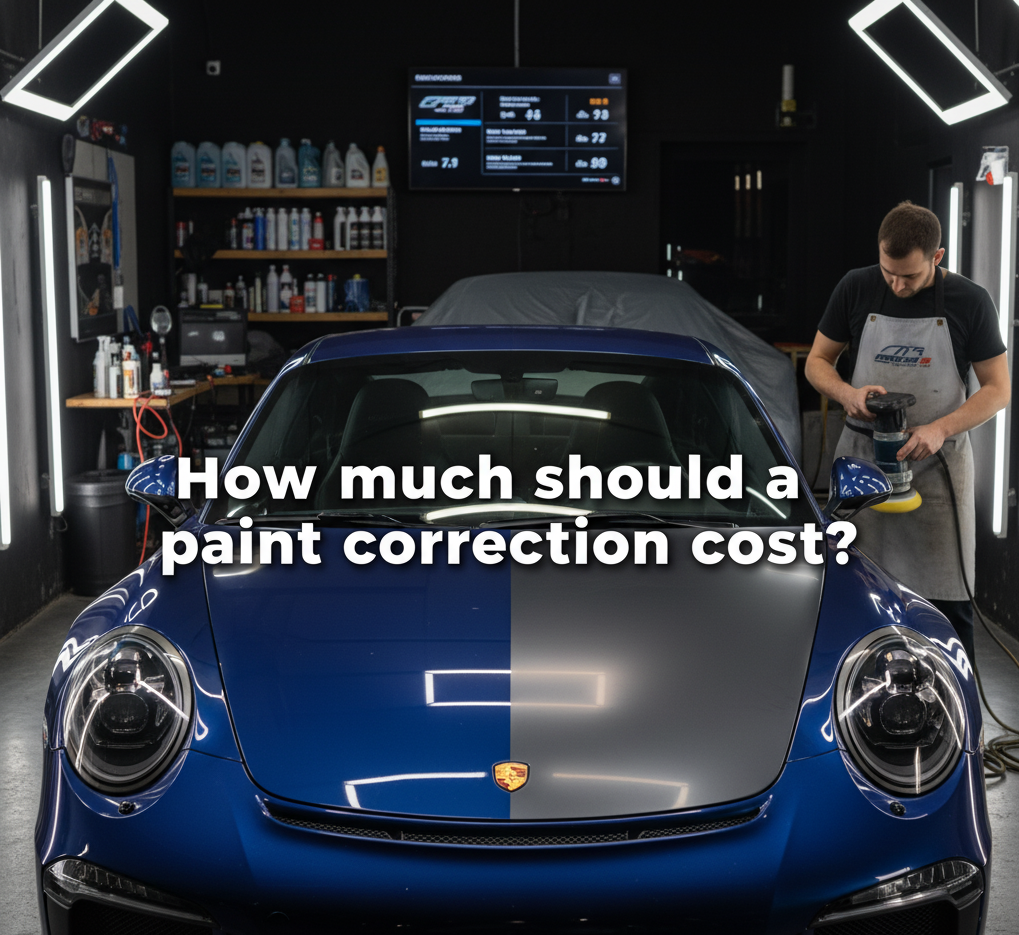
  • How much should a paint correction cost?

    How much should a paint correction cost?

    Car owners love unique colors because they express personality, style, and creativity. However, some people still don’t know that certain colors create legal trouble depending on where you live. While many drivers in Ashburn, VA want their vehicles to look bold and flawless, they also want to protect their investment. Therefore, they choose services like Sophisticated Paint Correction in Ashburn to enhance appearance without taking legal risks. Today, we explore something surprising: what color is actually illegal to paint a car?

    You might think any color is fine if it looks cool, but the truth works differently. Some shades cause confusion on the road, attract unwanted attention from law enforcement, or even violate state regulations. Additionally, the wrong color choice sometimes affects resale value, visibility, and insurance. Because of that, car owners must understand the rules before choosing a custom paint job.

    In this detailed guide, we break down every essential detail about illegal car colors, why certain restrictions exist, how to stay compliant, and how experts like Grizzly Auto Detailing help drivers maintain show-quality finishes. Moreover, we explain how professional detailing services like Sophisticated Paint Correction in Ashburn elevate your car’s look legally and safely.

    Let’s dive in.


    Why Car Color Laws Exist

    Many drivers assume paint colors only matter for aesthetics. However, governments create color restrictions for safety, identification, and law-enforcement clarity. When a vehicle mimics emergency responder styling or creates confusion during night visibility, it becomes a public safety risk.

    Main Reasons Include:

    1. Preventing Impersonation of Emergency Vehicles

    Emergency cars—police, fire, and ambulance—use distinct color combinations. If private vehicles use the same look, other drivers may react differently and create dangerous situations.

    2. Enhancing Road Visibility

    Some colors decrease visibility in low-light environments. When accidents increase due to poorly visible paint, regulators step in.

    3. Maintaining Uniformity in Law Enforcement Operations

    Authorities depend on the visible difference between civilian and emergency vehicles. Confusion affects traffic stops, highway operations, and public response.

    4. Avoiding Fraud and Misidentification

    Car colors sometimes appear in registration records. When someone paints their vehicle to match another car’s description, it creates criminal opportunities.

    Because of all these factors, states create rules. While some allow freedom, others set strict limits.


    So… What Color Is Actually Illegal to Paint a Car?

    Here’s the straightforward answer:

    No specific color is completely illegal across the entire United States.

    However, certain colors and combinations become illegal depending on how they resemble emergency vehicles or violate visibility laws.

    Below are the main colors and styles that create legal trouble in many states, including Virginia.


    Illegal or Restricted Car Colors

    1. Police-Style Black and White

    Even though black or white individually are legal, the black-and-white police pattern becomes a problem.

    Why?

    • It imitates law enforcement
    • It causes confusion on the road
    • Drivers may respond as if a police vehicle approaches
    • Officers could interpret the car as an impersonation attempt

    Virginia law prohibits the appearance of emergency vehicles on personal cars. Therefore, Ashburn drivers must avoid paint schemes resembling patrol cars.


    2. Neon or Reflective Blue and Red (Emergency Colors)

    In many states, including Virginia, full-body paint jobs using reflective blue, reflective red, or flashing patterns mimic emergency vehicles. Because police and other emergency services depend on these colors to signal authority, civilians cannot legally replicate them.


    3. Military-Only Camouflage Patterns

    Although simple camo wraps are usually acceptable, full military replica designs become problematic. Authorities restrict paint jobs that make a car appear like an active military vehicle—especially if markings look official.


    4. Highly Reflective Chrome or Mirror Finishes

    Mirror-like chrome paint jobs look futuristic, but they cause reflections that blind other drivers. Many states classify extreme reflectivity as a visibility hazard.

    Though not outright “illegal,” they attract citations or fail state inspections.


    5. Fluorescent Colors That Violate Local Light Reflection Laws

    Fluorescent neon paints sometimes exceed allowable reflectivity. These colors bounce light aggressively at night and create distraction. Virginia vehicle code monitors aftermarket alterations that affect safe road visibility.


    Colors That Are Legal But Cause Practical Problems

    Even if some colors are legal, they create issues you should consider before painting your vehicle.


    1. Matte Black

    Legal, but it attracts scratches and swirls easily. Because many Ashburn drivers want a flawless finish, they frequently choose Sophisticated Paint Correction in Ashburn to restore clarity or remove imperfections.


    2. Pure White

    White stays legal everywhere. However, police cameras and automated toll systems sometimes misread plate details on bright white surfaces. Paint maintenance also becomes more demanding.


    3. Dark Green or Forest Green

    Still legal, but extremely dark shades create nighttime visibility challenges. Insurance companies occasionally consider them a higher risk.


    4. Pink or Purple

    Absolutely legal, but certain resellers report lower buyer demand, which decreases resale value.


    Virginia-Specific Rules You Should Know

    Virginia vehicle law doesn’t ban specific paint colors outright. However, it prohibited using colors, designs, or reflective patterns that mimic emergency vehicles.

    Examples of restricted designs:

    • Blue–white police cruiser style
    • Red-white fire department style
    • Ambulance striping
    • Hazard-stripe reflective patterns
    • Police-style badges or shield shapes

    What About Underglow?

    Underglow lights use different rules, but color choice still matters.
    Virginia prohibits blue and red underglow on moving vehicles because those colors belong to emergency responders.

    Although this isn’t about paint, it relates to the same laws protecting emergency visual identity.


    Why Paint Correction Matters When Choosing Legal Colors

    Before we dive further into aesthetics and legality, let’s understand how professional detailing fits into this conversation.

    Car owners in Ashburn always want their paint to look flawless. Therefore, they often choose expert services like Paint Correction in Ashburn to enhance depth, shine, and clarity without altering the legal status of their car. Because paint correction repairs swirl marks, scratches, oxidation, and surface damage, the vehicle looks brand-new—without requiring risky or illegal color changes.

    Maintaining original paint becomes the safest, most compliant strategy.


    Is It Illegal to Change Car Color?

    No. U.S. law allows car owners to repaint their vehicles. However, the DMV requires updated records.

    When Must You Report a Color Change?

    If the color changes significantly—such as from black to yellow—you must update registration records so law enforcement can identify your car correctly.

    What If You Don’t Update It?

    Officers may misunderstand the vehicle information during a traffic stop or investigation. While this doesn’t always create legal trouble, it causes unnecessary delays.


    Which Car Colors Attract Police Attention?

    Although color alone doesn’t cause tickets, certain shades statistically catch the eye more often:

    • Bright red
    • Matte black
    • Gold chrome
    • Neon green
    • Electric blue

    When drivers choose extreme or attention-grabbing colors, they sometimes receive more scrutiny because these cars stand out.


    Should You Avoid Illegal or Problematic Colors?

    Absolutely. When you choose a paint color, consider legality, visibility, and maintenance.

    Best Practices for Ashburn, VA Drivers:

    • Avoid emergency-vehicle color schemes
    • Skip mirror-chrome finishes
    • Choose colors that stay visible during night and rain
    • Use professional detailers for restoration instead of risky recoloring
    • Consider cost, resale value, and long-term durability

    Because the right detailing strategy offers a safer alternative, many drivers visit Grizzly Auto Detailing for premium services such as Sophisticated Paint Correction in Ashburn to revive the appearance legally and effectively.


    How Car Color Affects Insurance

    Insurance companies don’t officially base rates on color. However, certain shades indirectly influence premiums:

    1. Bright Colors Encourage Aggressive Driving Perception

    Cars like bright red sometimes receive more attention from officers, which may increase ticket history over time.

    2. Flashy Colors Attract Theft

    Bold and custom colors attract more thieves.

    3. Rare Colors Increase Repair Cost

    If the color requires custom mixing, the insurer might pay more for repairs—leading to higher premiums.


    Popular Legal Car Colors in Ashburn, VA

    Most Ashburn drivers prefer these colors:

    • Metallic silver
    • Gunmetal gray
    • Pearl white
    • Deep blue
    • Burgundy
    • Graphite
    • Jet black

    These shades remain safely within Virginia law, easy to maintain, and ideal for preserving resale value.


    Best Alternatives to Illegal Colors

    If you love bold styling but want to avoid legal trouble, consider the following:

    1. Pearlescent Finishes

    They shift color in sunlight but don’t mimic emergency patterns.

    2. Satin Wraps

    They create uniqueness without excessive reflectivity.

    3. Deep Metallic Shades

    Midnight blue, metallic bronze, or emerald green look premium and stay legal.

    4. Professionally Corrected OEM Paint

    With services like Sophisticated Paint Correction in Ashburn, you restore factory shine without legal or safety issues.


    How Grizzly Auto Detailing Helps You Choose Safely

    Car owners in Ashburn trust Grizzly Auto Detailing because we guide them through safe, legal, and cost-effective appearance upgrades.

    What We Offer:

    • Expert Sophisticated Paint Correction in Ashburn
    • Scratch removal
    • Swirl mark elimination
    • Gloss enhancement
    • Ceramic coating
    • Safe detailing tailored to Virginia laws
    • Professional recommendations on paint preservation

    Because our team understands both aesthetics and legal considerations, we help drivers avoid costly mistakes.


    Final Thoughts

    The big question—what color is illegal to paint a car?—doesn’t have a simple one-word answer. The U.S. doesn’t enforce a nationwide ban on any color. However, certain designs and patterns become illegal when they copy emergency vehicles, create visibility problems, or violate state regulations.

    If you live in Ashburn, VA, you can paint your car almost any color you want as long as you avoid police-style schemes, highly reflective chrome, and emergency-responder replicas. When in doubt, always check local laws or talk to professionals like Grizzly Auto Detailing.

    Most importantly, remember that you don’t need extreme colors to make your vehicle look stunning. Often, maintaining your existing paint with expert detailing—especially high-quality paint correction—creates a flawless, legal, and impressive finish.

    FAQs

    1. Is it illegal to paint my car any color I want?

    No. You can paint your car almost any color you want. However, certain designs, patterns, or emergency-vehicle color schemes may be illegal depending on your state.

    2. Which car colors are restricted or illegal in many states?

    Colors and patterns that mimic emergency vehicles—such as black-and-white police designs, full reflective blue, reflective red, or ambulance-style striping—are restricted in several states, including Virginia.

    3. Is it illegal to paint my car black and white like a police car?

    Yes, painting your car to resemble a police cruiser is illegal in most states. The black-and-white pattern specifically creates confusion on the road and counts as impersonation.

    4. Are chrome or mirror-finish cars illegal?

    Not always illegal, but highly reflective chrome paint can blind other drivers. Many states issue citations or fail the vehicle in inspection due to safety hazards.

    5. Does Virginia ban specific car colors?

    Virginia does not ban a specific color; however, it prohibits designs that resemble emergency vehicles or create road hazards due to excessive reflectivity.

    6. Do I need to update the DMV if I repaint my car?

    Yes, if the color change is significant. The DMV uses vehicle color for identification, so updating your registration ensures accuracy during traffic stops or insurance claims.

    7. Can I get in trouble for using emergency colors like blue or red on my car?

    Yes. Using reflective blue or reflective red paint—especially if paired with stripes—may violate state laws because it resembles emergency responders.

    8. What is the safest color to paint my car?

    Neutral colors like silver, gray, white, and navy blue are safe, legal, easier to maintain, and offer great visibility on the road.

    9. Will repainting my car affect insurance?

    Insurance companies don’t charge more based on color alone. However, flashy or rare colors may increase repair cost, which can indirectly influence premiums.

    10. How can I improve my car’s appearance without choosing risky or restricted colors?

    Professional detailing services like paint correction, ceramic coating, and gloss enhancement help your car look new without needing a custom or potentially restricted paint job.
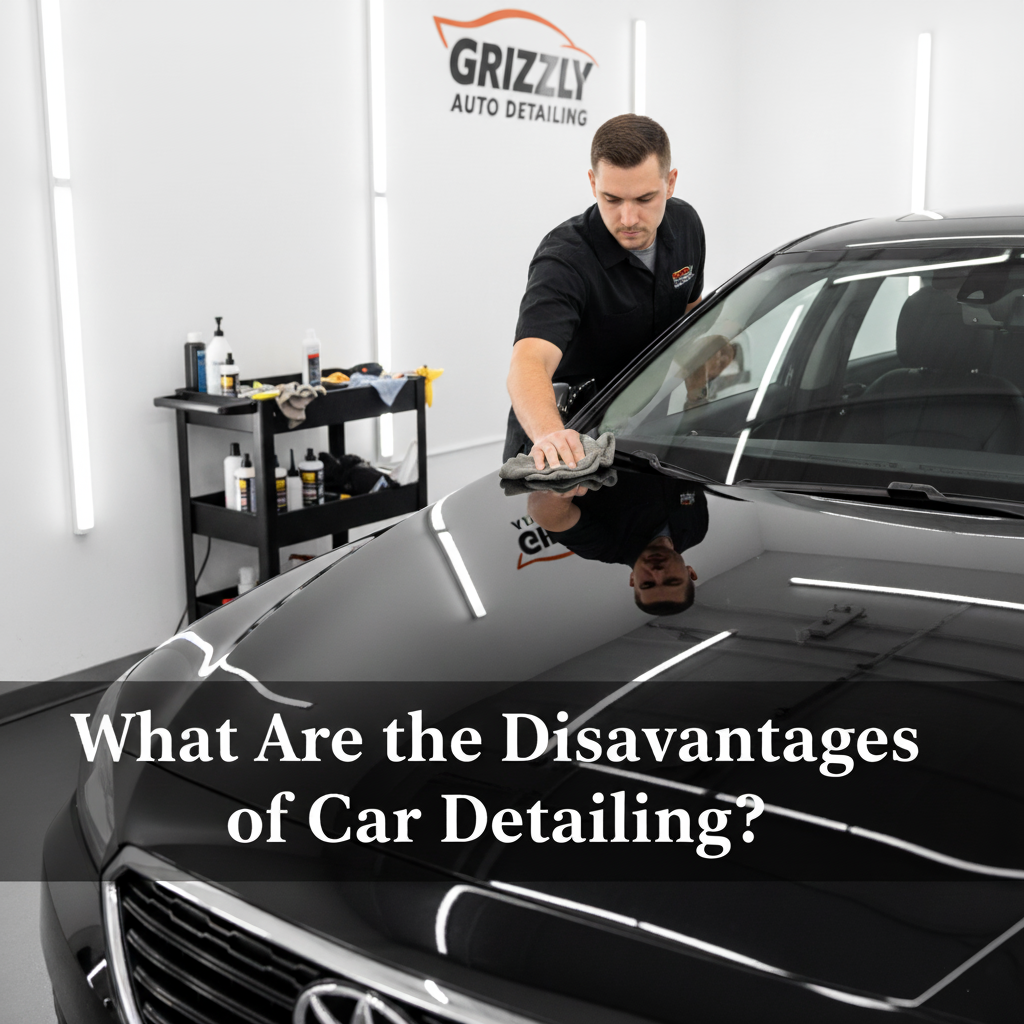
  • What Are the Disadvantages of Car Detailing?

    What Are the Disadvantages of Car Detailing?

    Car detailing is one of the most effective ways to restore a vehicle’s appearance and protect its exterior. However, while it offers plenty of benefits, many car owners overlook the potential downsides. Understanding these drawbacks helps you make better maintenance decisions. If you’re considering Advanced Car Exterior Detailing in Ashburn, it’s essential to weigh the pros and cons before scheduling your next service.

    At Grizzly Auto Detailing, our goal is transparency. We believe that customers deserve complete knowledge about what detailing can and cannot do. This article explores the disadvantages of car detailing—what they are, why they matter, and how to minimize their effects through professional care.


    Understanding Car Detailing

    Before exploring its disadvantages, it’s important to clarify what car detailing actually involves. Unlike a simple wash, detailing is a deep cleaning and restoration process designed to enhance a vehicle’s appearance. It includes:

    • Exterior wash and decontamination
    • Clay bar treatment to remove embedded dirt
    • Paint correction and polishing
    • Waxing or ceramic coating for protection
    • Tire and trim restoration

    When done right, detailing rejuvenates paintwork, increases gloss, and adds long-lasting protection. However, not every car or every owner needs full detailing regularly—and overdoing it or using improper techniques can have negative effects.


    1. Cost Can Be High

    One of the main disadvantages of car detailing is the cost. Professional detailing, especially Advanced Car Exterior Detailing in Ashburn, involves high-quality products, specialized tools, and skilled labor. These factors contribute to a higher price compared to basic car washes.

    For instance, full detailing that includes paint correction, interior deep cleaning, and ceramic coating can cost several hundred dollars. While it’s a worthwhile investment for those who value their car’s appearance, it might not be affordable for everyone—especially when done frequently.

    How to Minimize This Drawback

    To manage costs, space out detailing sessions or choose only the services your car actually needs. Regular washing and basic maintenance between sessions can help prolong the detailing results.


    2. Time-Consuming Process

    Car detailing is not a quick job. Depending on your car’s size, paint condition, and service package, a full detailing session can take anywhere from 4 to 12 hours or even longer. For customers with busy schedules, this can be inconvenient.

    Even though professional detailers like Grizzly Auto Detailing prioritize efficiency, proper results require patience. Rushing through the process can lead to uneven finishes or incomplete cleaning.

    How to Minimize This Drawback

    Plan ahead. Schedule your detailing appointment on a day you won’t need the car immediately. Also, consider express detailing options if you need faster turnaround without compromising too much quality.


    3. Risk of Paint Damage if Done Incorrectly

    Another potential disadvantage is the risk of paint damage when detailing is performed improperly. Untrained technicians or DIY enthusiasts using aggressive compounds, dirty pads, or incorrect techniques can create swirl marks, holograms, or even remove too much clear coat.

    This risk increases when car owners use cheap polishing machines or harsh chemicals bought online. Once clear coat damage occurs, restoring it can be costly.

    How to Minimize This Drawback

    Always choose certified professionals with proven expertise. At Grizzly Auto Detailing, our specialists are trained to use safe products and precise methods to ensure no harm comes to your vehicle’s surface.


    4. Temporary Results Without Proper Maintenance

    Car detailing enhances your vehicle’s appearance—but the results don’t last forever. Dirt, UV rays, road salt, and pollutants can quickly dull the shine if the car isn’t properly maintained afterward. Even wax and sealants wear off over time.

    Without regular upkeep, the money and time invested in detailing may seem wasted. In short, it’s not a permanent fix—it’s part of an ongoing maintenance cycle.

    How to Minimize This Drawback

    After detailing, follow a simple maintenance routine: hand wash regularly, park in shaded areas, and reapply protective coatings as recommended. Maintenance packages offered by Grizzly Auto Detailing are designed to extend your car’s shine and protection.


    5. Not All Scratches Can Be Removed

    A common misconception is that detailing eliminates all scratches and imperfections. While Advanced Car Exterior Detailing in Ashburn can remove light surface marks and swirl lines, deeper scratches that penetrate the base coat or primer usually require repainting.

    Expecting detailing to fix severe damage often leads to disappointment. Understanding its limitations is key to realistic expectations.

    How to Minimize This Drawback

    Before detailing, request a paint inspection. Professionals can identify what level of correction your car needs and advise whether repainting might be a better solution.


    6. Frequent Detailing Can Reduce Clear Coat Thickness

    The clear coat is a thin, protective layer that sits on top of your car’s paint. Each polishing or paint correction session removes a microscopic portion of it. Over time, too-frequent detailing can thin this layer, leaving paint more vulnerable to fading and oxidation.

    How to Minimize This Drawback

    Limit full paint corrections to once or twice a year unless your car sustains visible damage. Between sessions, maintain the surface with wax or ceramic coatings rather than repeated polishing.


    7. Some Chemicals Can Be Harsh

    Though professionals use safe, pH-balanced products, some detailing shops or DIY users might rely on cheaper, overly strong chemicals. These can dry out rubber seals, damage plastics, or dull chrome finishes.

    How to Minimize This Drawback

    Choose a reputable detailing center that uses premium, eco-friendly, and manufacturer-approved products. Grizzly Auto Detailing exclusively uses high-quality materials that are safe for your vehicle and the environment.


    8. Weather Conditions Affect Results

    If detailing is done in extreme heat, humidity, or dusty environments, results may be compromised. Products may not cure properly, water spots can form, or dust may settle on freshly polished surfaces.

    How to Minimize This Drawback

    Professional detailers in Ashburn, VA perform detailing indoors or under controlled conditions to ensure consistent, high-quality outcomes. Always avoid DIY detailing in direct sunlight or windy environments.


    9. Over-Detailing Can Be Unnecessary

    While detailing makes your car look spectacular, doing it too often isn’t always beneficial. Over-detailing can waste money and unnecessarily wear out paint layers or trim materials. Some people become obsessed with perfection and detail their car every month, which is excessive.

    How to Minimize This Drawback

    Stick to a balanced schedule. A full detailing twice a year and light maintenance detailing in between is enough for most vehicles.


    10. Risk of Unqualified or Inexperienced Detailers

    Not every business advertising detailing services meets professional standards. Unqualified or inexperienced detailers can make serious mistakes—using abrasive products, skipping steps, or mishandling delicate surfaces like matte finishes or chrome trims.

    How to Minimize This Drawback

    Always research before booking. Look for experience, certifications, and client reviews. At Grizzly Auto Detailing, each technician undergoes rigorous training and uses proven techniques to guarantee safe, outstanding results.


    The Balanced Perspective

    Despite these disadvantages, car detailing remains one of the most effective ways to maintain your vehicle’s aesthetics and value. Most drawbacks result from poor execution, improper maintenance, or unrealistic expectations—not from the detailing process itself.

    In fact, when performed by skilled professionals, the benefits of detailing—paint rejuvenation, protection, and increased resale value—far outweigh the risks.


    When Is Car Detailing Worth It?

    Car detailing is ideal when:

    • Your paint shows swirl marks, oxidation, or dullness.
    • You’re preparing to sell your car.
    • You want to protect your paint from UV rays and contaminants.
    • You value your vehicle’s appearance and longevity.

    If any of these apply, detailing is absolutely worth it. Just ensure you’re working with professionals who understand your car’s needs and the limits of the detailing process.


    Grizzly Auto Detailing: Your Trusted Experts in Ashburn, VA

    At Grizzly Auto Detailing, we specialize in bringing out the best in every vehicle. Our Advanced Car Exterior Detailing in Ashburn service combines expert craftsmanship, advanced equipment, and top-tier products to deliver long-lasting brilliance.

    We take pride in being honest with our clients. That means educating you about both the advantages and disadvantages of detailing so you can make an informed choice. Every service we provide is designed to maximize shine, minimize risks, and maintain your car’s integrity for years to come.


    Conclusion

    Car detailing is not without its downsides. It can be costly, time-consuming, and, if done incorrectly, potentially harmful to your paint. However, when handled by trained professionals using the right products and methods, the benefits far surpass the disadvantages.

    For those in Ashburn, VA, trust Grizzly Auto Detailing to deliver precision, care, and transparency in every service. With our expertise and passion for perfection, we ensure your car always leaves our shop looking its best—safely, efficiently, and beautifully.


    FAQs

    1. Is car detailing bad for your car’s paint?
    Not when done correctly. Professional detailing is safe and actually protects your paint, but poor technique can cause damage.

    2. How often should I get my car detailed?
    Twice a year is ideal for most vehicles, though it depends on driving conditions and exposure to the elements.

    3. Can car detailing remove deep scratches?
    No, only light surface scratches can be removed. Deep ones may require paint repair.

    4. Why is professional detailing so expensive?
    Because it involves skilled labor, quality materials, and time-consuming precision work to ensure lasting results.

    5. Can I detail my car myself?
    Yes, but without the right tools or knowledge, you risk damaging the paint. Professional detailing is always safer.

    6. Does detailing include engine cleaning?
    Some packages do, but exterior detailing mainly focuses on paint, trim, and tires.

    7. Can over-polishing harm my car?
    Yes, frequent or aggressive polishing can thin the clear coat. Limit full corrections to once or twice a year.

    8. Are all detailing products safe?
    Not necessarily. Always use professional-grade, pH-balanced, and environmentally safe products.

    9. How long does a full detailing session take?
    Typically between 4 to 12 hours, depending on the vehicle’s size and condition.

    10. Why choose Grizzly Auto Detailing in Ashburn?
    Because we combine advanced technology, skilled technicians, and customer-centered service for superior detailing results.


  • How often should you get an exterior detail?

    How often should you get an exterior detail?

    When it comes to preserving your vehicle’s appearance and extending its life, regular maintenance is crucial. One of the most effective ways to ensure your car continues to look its best is through Premium Car Exterior Detailing in Ashburn. This specialized service not only restores your vehicle’s shine but also protects its surfaces from the harsh effects of weather, dirt, and time. But the pressing question for many car owners is: how often should you schedule an exterior detail?

    Understanding Exterior Detailing

    Exterior detailing is more than just a wash. It involves deep cleaning, polishing, and protecting all the external surfaces of your vehicle. Professional detailers go beyond removing dust and grime; they focus on restoring paint, wheels, glass, and trim to near-original condition. For residents of Ashburn, VA, detailing also provides added protection against environmental factors like humidity, rainfall, road salt, and pollen that frequently affect vehicles in the region.

    Why Frequency Matters

    The frequency of exterior detailing is not arbitrary. It depends on factors such as your driving habits, the climate in your area, the type of roads you use, and how you store your vehicle. Detailing too often may not be necessary, but neglecting it can lead to long-term damage, fading, or corrosion.

    Recommended Schedule

    For most cars in Ashburn, VA, exterior detailing is recommended at least two to three times a year. This schedule ensures your vehicle remains protected from seasonal changes. For example, a spring detail helps remove winter salt and grime, while a fall detail prepares your car for cold weather and prevents damage from moisture and road debris.

    Factors Affecting Detailing Frequency

    1. Daily Driving vs. Occasional Use
      Cars used daily and exposed to heavy traffic pollution require detailing more often than vehicles driven occasionally.
    2. Weather Conditions
      Ashburn experiences variable weather, including hot summers and cold winters. These changes demand consistent detailing to maintain protection.
    3. Vehicle Color
      Dark-colored vehicles tend to show dirt, scratches, and swirl marks more visibly, requiring more frequent attention.
    4. Storage Conditions
      Cars parked outdoors are more vulnerable to dust, bird droppings, and UV rays compared to those kept in garages.

    Protective Benefits of Exterior Detailing

    Exterior detailing doesn’t just improve looks—it safeguards your vehicle. Services often include waxing or ceramic coating, which form a protective layer against environmental damage. Over time, this protection reduces repair costs and maintains resale value. Regular detailing is essentially an investment in your vehicle’s longevity.

    Professional vs. DIY Detailing

    While some car owners attempt DIY detailing, professional services provide better results. Experts at Grizzly Auto Detailing use specialized products and equipment designed for different surfaces. Their experience ensures every inch of your car is treated with care. In the long run, professional detailing saves time and delivers superior protection compared to at-home methods.

    Signs It’s Time for a Detail

    You don’t always need to rely on a calendar to decide when to detail your car. Common signs include:

    • Noticeable dullness or fading of paint
    • Rough texture on the car’s surface
    • Water no longer beads on the paint
    • Visible dirt, grime, or stains that don’t wash off easily
    • Accumulated brake dust on wheels

    Addressing these early signs prevents long-term damage.

    Seasonal Detailing in Ashburn, VA

    Given the local climate, seasonal detailing is often the best approach:

    • Spring: Removes salt, grime, and contaminants from winter.
    • Summer: Protects against UV rays and bug residue.
    • Fall: Prepares paint and surfaces for moisture-heavy conditions.
    • Winter: Shields against road salt and harsh chemicals.

    By aligning your detailing schedule with the seasons, you ensure your car maintains both aesthetics and durability.

    Grizzly Auto Detailing’s Expertise

    Grizzly Auto Detailing in Ashburn, VA specializes in comprehensive exterior detailing. Their tailored services suit local conditions and client needs. With professional-grade tools, protective coatings, and expertise, they ensure your vehicle looks pristine and remains well-guarded against environmental factors.


    FAQs

    1. How often should you get an exterior detail in Ashburn, VA?
    Most cars benefit from exterior detailing two to three times a year, depending on driving and weather conditions.

    2. Does exterior detailing include waxing?
    Yes, professional exterior detailing often includes waxing or protective coatings to preserve the paint.

    3. Can exterior detailing remove scratches?
    Detailing can reduce the appearance of minor scratches, though deep scratches may require paint correction.

    4. Is exterior detailing worth the cost?
    Yes, it preserves paint, protects against damage, and maintains resale value.

    5. How long does an exterior detail last?
    Typically, results last two to four months, depending on weather and driving conditions.

    6. What’s included in exterior detailing?
    It usually includes washing, claying, polishing, waxing, cleaning wheels, and treating trim.

    7. Can I do exterior detailing at home?
    Yes, but professional services deliver better protection and a longer-lasting finish.

    8. Will detailing protect against UV rays?
    Yes, protective waxes and coatings shield your vehicle’s paint from UV damage.

    9. Does color affect detailing needs?
    Yes, darker colors often require more frequent detailing as scratches and dirt show more clearly.

    10. How do I know when my car needs detailing?
    Look for fading paint, lack of water beading, or visible dirt that doesn’t come off with a wash.