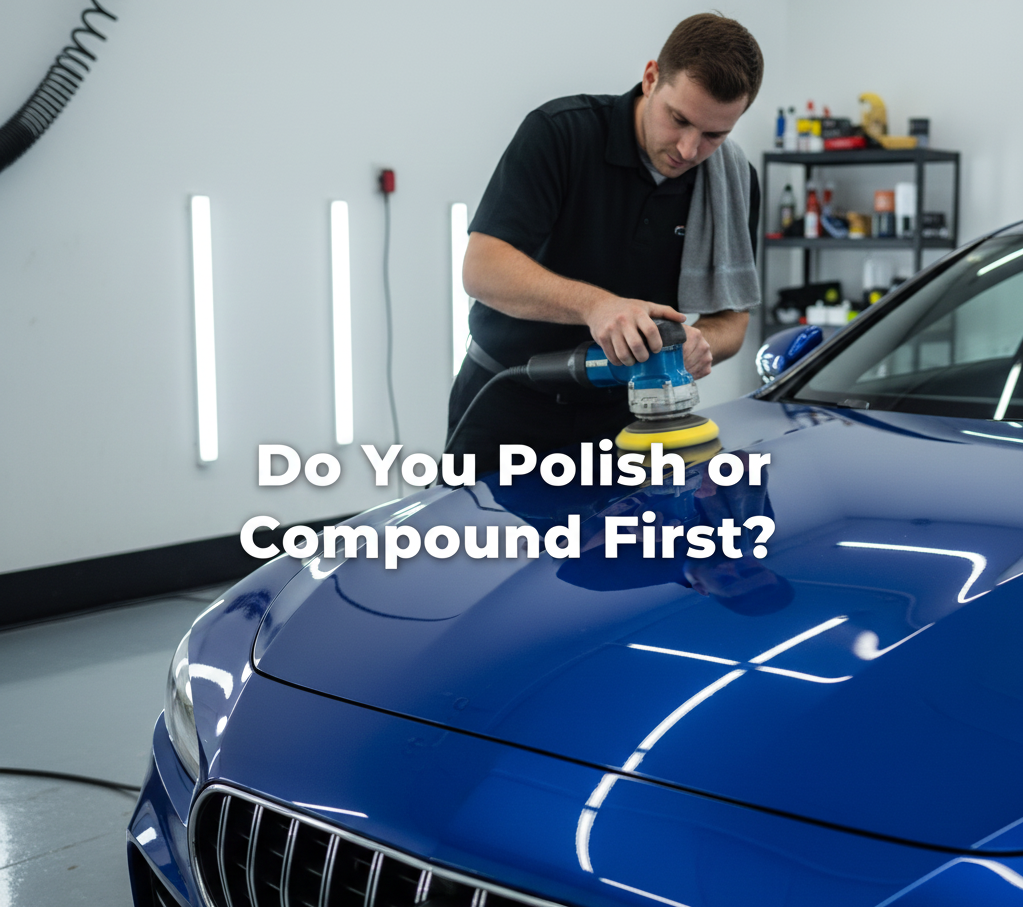
Understanding whether to polish or compound first often creates confusion among car owners, especially those who want showroom-level gloss without harming their paint. At Grizzly Auto Detailing in Ashburn, VA, we help customers make smart choices that protect the vehicle’s finish while delivering the deepest shine possible. But before you decide what step to start with, you need a clear understanding of the Compound vs polish order, why it matters, and how the correct sequence shapes your final results.
Many car enthusiasts use the terms “polishing” and “compounding” interchangeably, yet these processes differ significantly. They achieve different levels of correction, and when you apply them in the wrong order, you risk swirl marks, hazing, uneven finishes, and in some cases, paint damage. Because of this, you must understand exactly what each step does and how professional detailers structure the process for maximum clarity and gloss.
This guide breaks down everything you need to know about whether you should polish or compound first, how the Compound vs polish order influences the outcome, and what process delivers the best results when restoring your vehicle’s shine. We will also discuss tools, time requirements, pressure control, safety considerations, and the importance of finishing steps. By the end of this article, you will understand exactly what to do, in what order, and why the sequence matters so much.
Understanding Compounding
Compounding acts as the heavy-cutting step. It removes significant paint imperfections such as deep scratches, heavy oxidation, water spot etching, and sanding marks. Compounds rely on abrasive particles strong enough to level the surface of your clear coat. Because they cut deeper, they correct paint faster than a polish.
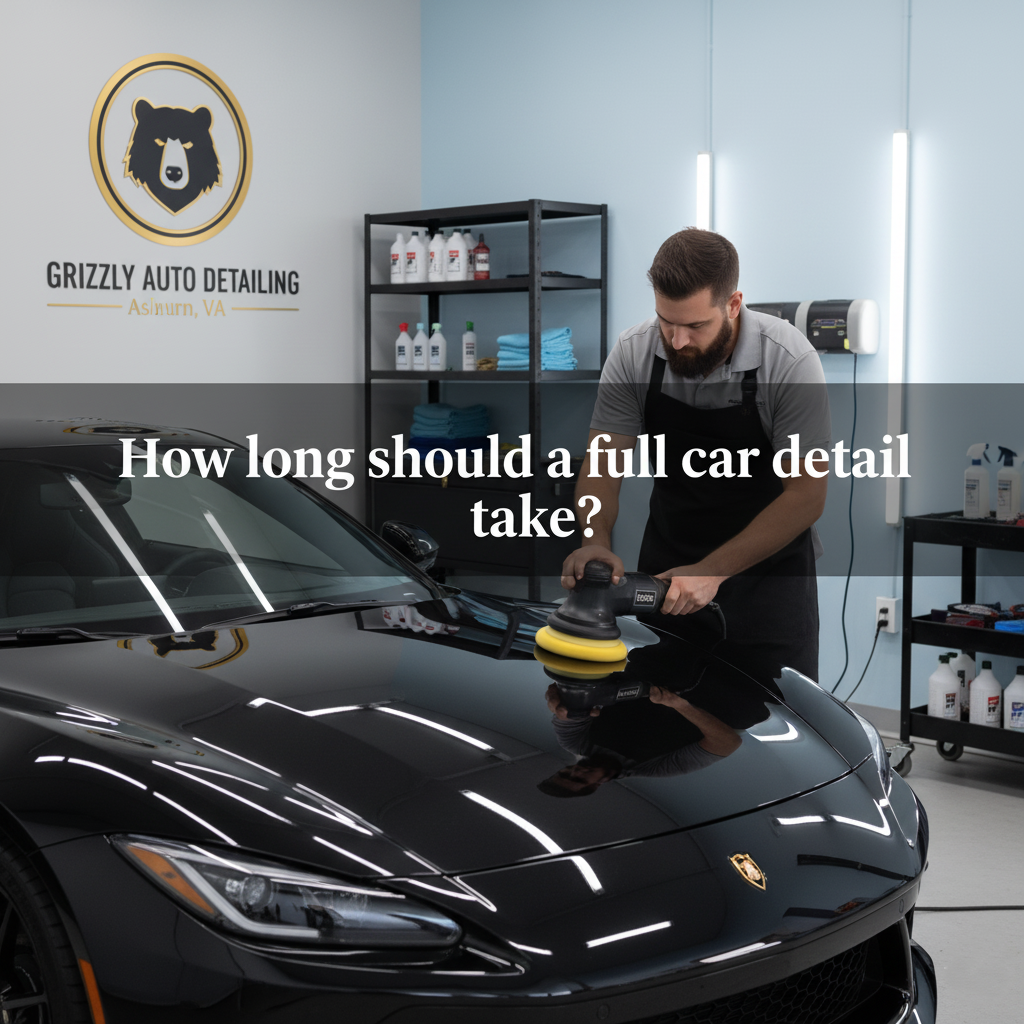
When professional technicians at Grizzly Auto Detailing compound a vehicle, they remove a thin layer of damaged clear coat to reveal a smoother, more uniform surface. This step handles defects that polishing alone cannot fix. Because compounding cuts aggressively, your paint gains clarity but may also show light haze or micro-marring afterward.
This is where the next step becomes essential.
Understanding Polishing
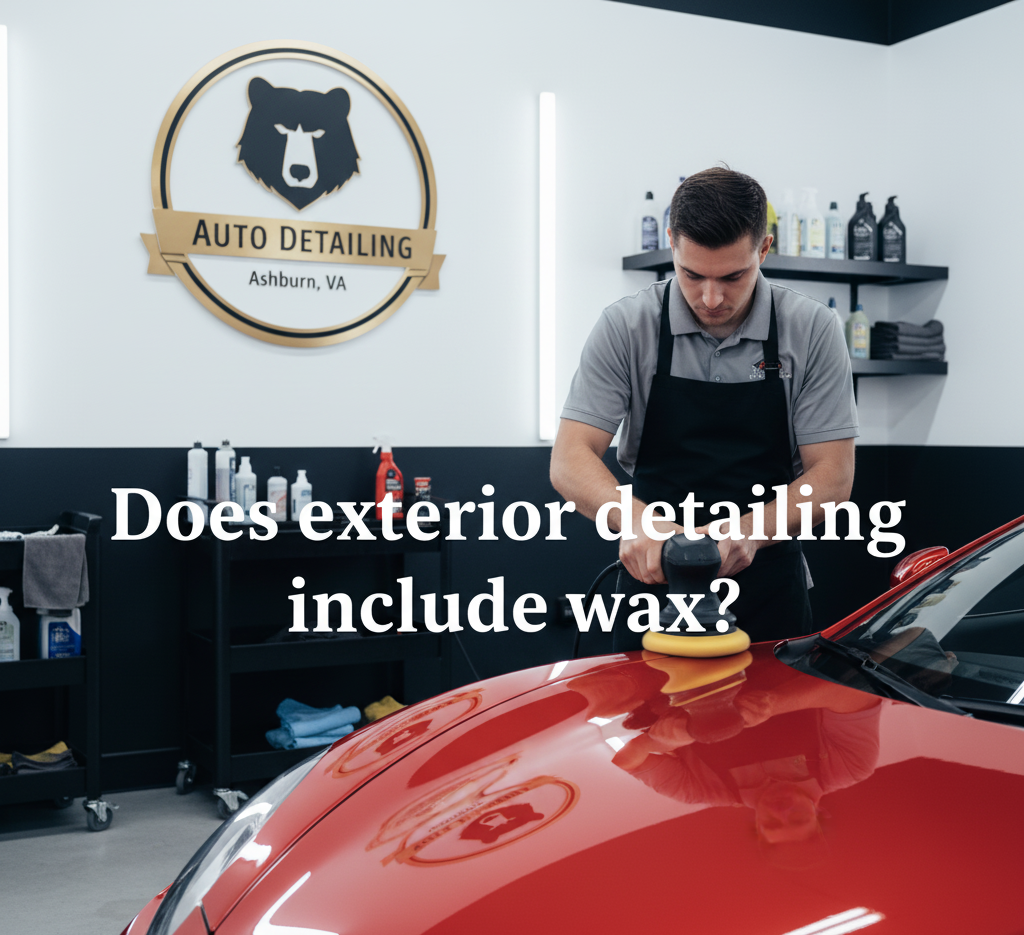
Polishing enhances clarity, depth, and shine. Unlike compounds, polishes use finer abrasives. They correct light imperfections, refine the surface after compounding, and create the final glossy look. Polishing also prepares the surface for wax, sealant, or ceramic coating.
When you polish, you eliminate haze, small swirls, and light marks created by the compounding pad. Therefore, polishing always produces a more reflective, smooth finish. Because of this, the Compound vs polish order always influences the result.
So Do You Polish or Compound First?
Here is the clear answer:
You compound first, then polish.
This simple sequence ensures you remove defects with the aggressive step first, then refine the paint to achieve shine. The Compound vs polish order works like sanding wood: start with a rough grit to shape it, then finish with a fine grit to smooth it.
If you polish first, you waste time because polishing cannot remove deeper scratches. Then you must polish again after compounding, doubling your work.
Why Compounding Always Comes Before Polishing
Compounding Removes Deep Defects
Deep scratches and heavy oxidation require a strong abrasive. Only a compound can correct these issues. Polishing without compounding leaves imperfections behind and gives you a less uniform finish.
Polishing Refines the Surface
Because compounding sometimes leaves micro-hazing, you need polishing to restore gloss. The Compound vs polish order guarantees a flawless finish.
Compounding First Saves Time
If you polish first, you will polish twice: once before compounding and once after. Following the correct order saves time and energy.
You Reduce Paint Removal
Each correction step removes a small layer of clear coat. Using the correct Compound vs polish order (compound → polish) minimizes unnecessary cutting and preserves paint longevity.
How to Determine If You Need Compounding First
Not every vehicle needs compounding. To decide whether your car needs the heavier step, you should inspect the paint under bright lighting, LED flashlights, or sunlight.
You should pick compounding first when you see:
• Deep scratches
• Swirl marks
• Water spot etching
• Oxidation
• Heavy defects
• Sanding marks
• Dull, chalky surfaces
Light swirl marks or faint imperfections do not require compounding. In those cases, polishing alone works perfectly.
How Polishing Enhances the Final Result
Once you finish compounding, polishing brings out the deep gloss and mirror-like shine. The finer abrasives eliminate micro-marring, leave the surface smooth, and enhance reflectivity. Without polishing, your paint will look corrected but not finished.
Polishing also improves:
• Clarity
• Color depth
• Reflectiveness
• Smoothness
• Coating bond strength
The vehicles we polish at Grizzly Auto Detailing always gain a richer glow after the final polish stage, which shows how essential it is to finish the process properly.
The Importance of Choosing the Right Pad
Your pad selection influences the cutting strength and finish quality. This makes Compound vs polish order even more important because the pad determines how aggressive the step becomes.
Compounding Pads
• Wool pads (fastest cut)
• Microfiber pads
• Heavy-cut foam pads
Polishing Pads
• Soft foam finishing pads
• Medium polish pads
• Ultrafine pads
Using aggressive pads during polishing creates haze instead of shine, while soft pads during compounding waste time. This is why the correct sequence matters so much.
Tools That Make the Process Easier
The right tools produce predictable results. Professional detailers often use:
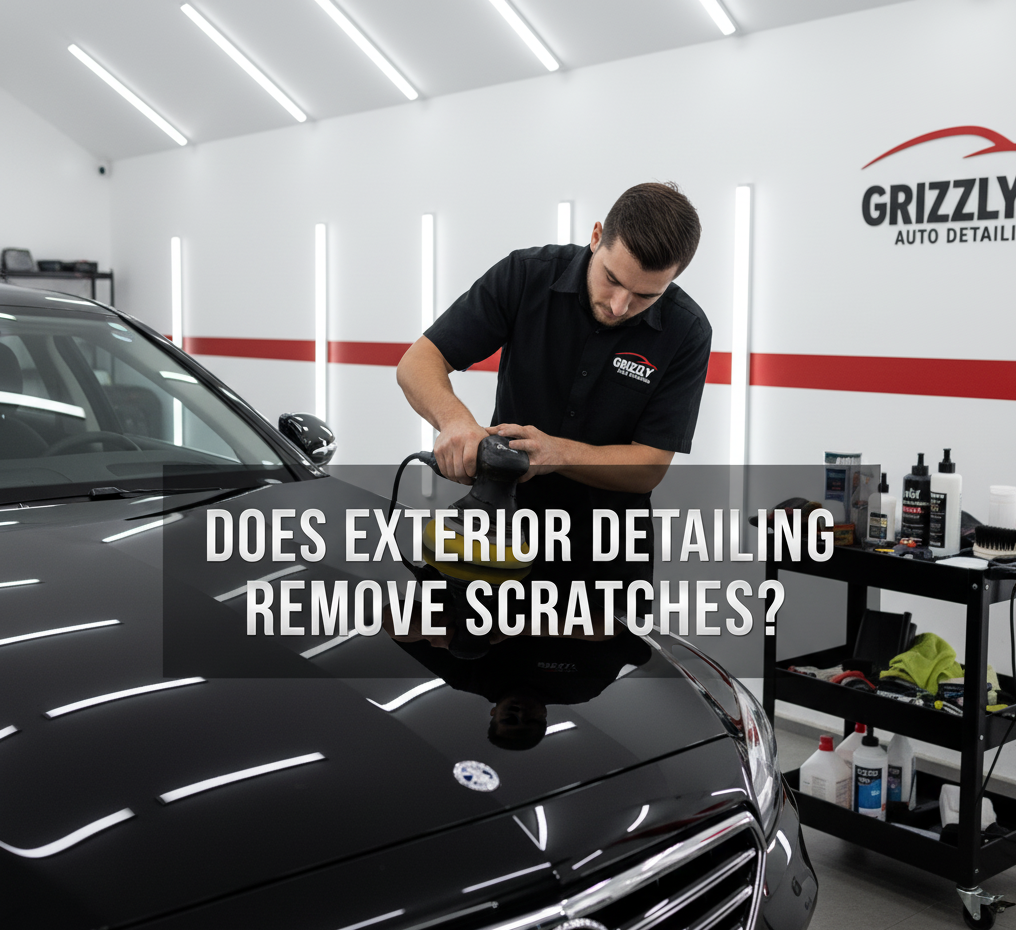
• Dual-action polishers
• Rotary polishers
• Long-throw DA machines
• LED swirl-finding lights
These tools create consistency, reduce risk, and improve gloss. With the proper machine and pad, you follow the correct Compound vs polish order smoothly and safely.
How Long the Process Takes
Time varies depending on:
• Paint hardness
• Defect severity
• Vehicle size
• Pad choice
• Machine type
• Pressure applied
A typical two-step correction (compound → polish) takes anywhere from 3 to 8 hours, depending on the results you want.
Common Mistakes People Make
Many beginners struggle because they skip steps or follow the wrong sequence. Below are the most common errors:
Starting With Polish Instead of Compound
This wastes time and does not correct deep defects.
Staying Too Long in One Area
This causes uneven paint removal.
Using Too Much Pressure
This creates buffer trails.
Not Cleaning Pads
Dirty pads reduce efficiency.
Skipping Inspection Between Steps
You must check your work after compounding to ensure a uniform cut before polishing.
The Role of Protection After Polishing
After you complete compounding and polishing, you must protect the finish. Freshly corrected paint absorbs protection products more effectively.
You can choose:
• Ceramic coating
• High-gloss sealant
• Carnauba wax
Protection preserves your work, maintains clarity, and resists contamination.
The Compound vs Polish Order Explained With an Analogy
Imagine sanding a wooden surface. If you start with fine sandpaper, you waste time because deeper scratches remain. Then you need to sand everything twice. Instead, you start with coarse grit to remove defects and finish with fine grit for smoothness.
Car paint correction works the same way. The correct Compound vs polish order always requires the heavy cut first.
Why This Sequence Matters at Grizzly Auto Detailing
Our shop uses a strict correction system. We diagnose paint conditions precisely and follow a refined two-stage approach:
- Compound to remove defects
- Polish to refine and enhance gloss
This method ensures stunning results on every vehicle in Ashburn, VA. Because every car differs, we inspect the paint thoroughly before starting.
Final Thoughts
If you want a smooth, glossy, professionally corrected finish, you need to follow the correct process. The Compound vs polish order affects clarity, safety, paint longevity, and the final shine. When you compound first, you remove defects efficiently. When you polish afterward, you refine the paint and create a deep, high-quality glow.
Whether you care for your daily driver or prepare your car for an event, this process guarantees professional-level results. And if you want expert help, Grizzly Auto Detailing in Ashburn, VA delivers precision, experience, and beautifully restored vehicles.
FAQs
1. Do I always need to compound before polishing?
No. You only compound when defects run deeper than a polish can fix.
2. Does compounding remove clear coat?
Yes, compounding removes a small layer, so you must perform it carefully.
3. Can polishing fix deep scratches?
No. Polishing corrects only light imperfections.
4. How do I know if my car needs compounding?
Look for deep scratches, heavy swirls, or oxidation.
5. How many times can I compound a vehicle?
Only a limited number of times due to clear-coat thickness.
6. Does polishing increase shine?
Yes, polishing dramatically enhances gloss and clarity.
7. Can I compound by hand?
You can, but machine compounding works faster and more evenly.
8. Do compounds cause haze?
Yes, compounding may create haze that polishing removes.
9. What pad should I use for polishing?
Use a soft foam finishing pad for the best shine.
10. Should I apply wax after polishing?
Yes, wax or sealant protects the freshly corrected surface.