Ceramic coating protects a vehicle with long-lasting gloss, intense hydrophobic power, and serious resistance against weather, road grime, and daily wear. However, many drivers in Ashburn, VA feel confused about one crucial step: Should paint correction come before ceramic coating? The short answer is yes, absolutely, especially when you want flawless clarity, deep shine, and maximum coating durability.
As a leading expert, Grizzly Auto Detailing helps vehicle owners understand why Paint Correction for Ceramic Coating Ashburn plays an essential role in producing a stunning and high-value finish. Ceramic coating locks the paint surface under a protective shell for years. Therefore, you must correct defects before sealing them in.
In Ashburn, VA, the region’s climate, road patterns, and environmental conditions create unique challenges for exterior automotive surfaces. Since this area experiences heavy pollen cycles, humid summers, cold winters, and road salt exposure, paint damage accumulates quickly. Consequently, paint correction transforms dull and imperfect paint into a clean, clear, professionally prepared surface ready for ceramic coating.
Let’s explore everything you need to know, starting with how paint correction works, why it matters before coating, and how long the process usually takes.
Understanding Paint Correction for Ceramic Coating in Ashburn, VA
When professionals perform Paint Correction for Ceramic Coating Ashburn, they meticulously refine the clear coat to remove surface defects. These defects include swirl marks, micro-scratches, holograms, oxidation, haze, etching, and marring. Even brand-new cars need correction because dealership washing practices often create swirl marks on fresh paint.
Paint correction involves three main stages:
1. Decontamination
Detailers remove iron particles, brake dust, embedded road grime, and environmental fallout. These contaminants bond to the paint over time and must be removed to achieve a smooth finish. Ashburn roads contain seasonal residue such as pollen, fine dust, and winter salt, which cling tightly to the clear coat.
2. Machine Polishing
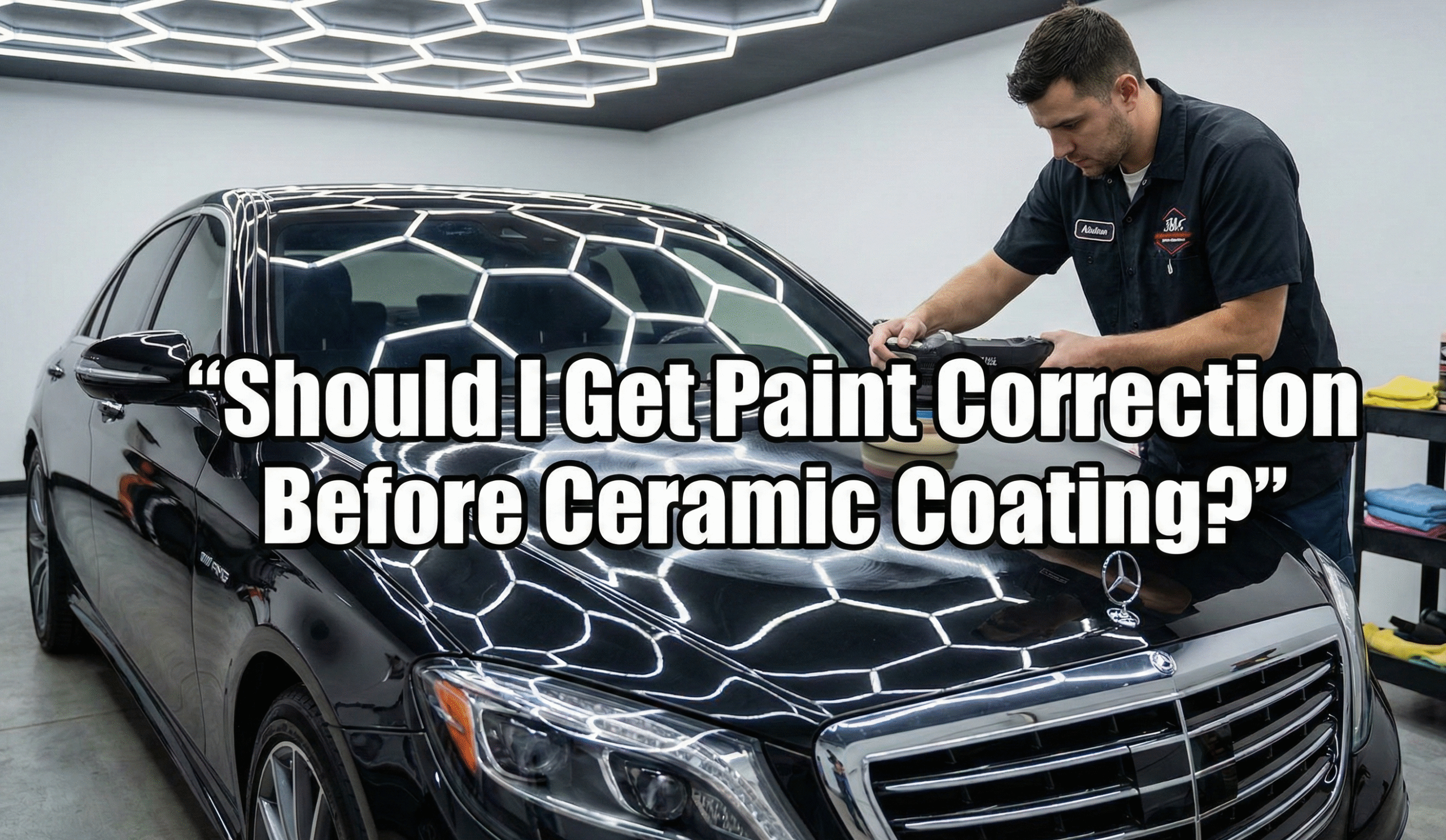
This stage includes compounding and polishing. Compounding eliminates deeper defects, while polishing refines the finish into a clear and glossy surface. At Grizzly Auto Detailing, detailers use high-quality machines, controlled pad movement, and professional-grade compounds to restore clarity safely.
3. Surface Preparation
Before ceramic coating application, professionals wipe down the vehicle with a panel cleanser to remove polishing oils. This ensures the coating can bond directly to the clear coat without interference.
Each stage contributes to long-term results. Without correction, the coating would seal in flaws, exaggerating them under the glossy coating. Paint correction also ensures maximum bonding strength between the coating and the clear coat.
Why Paint Correction Is Necessary Before Ceramic Coating
Ceramic coating does not hide scratches. Instead, it magnifies clarity and reflection. Even slight swirl marks become more visible once coated. That’s why Paint Correction for Ceramic Coating Ashburn becomes essential before applying a long-term protective layer.
Here are the five core reasons:
1. Ceramic Coating Locks In Whatever Already Exists
Coating creates a strong bond that lasts two to seven years. If the paint contains scratches, dull patches, or swirl marks, the coating traps them beneath a hardened shell. This reduces the final gloss and negatively affects the appearance.
2. Proper Correction Improves Coating Longevity
Ceramic coating needs a clean, defect-free surface for ideal bonding. If polishing oils, contaminants, or oxidation remain, the coating weakens and wears out faster. Corrected surfaces hold the coating more securely, improving hydrophobic behavior and durability.
3. The Vehicle Achieves Maximum Gloss
In Ashburn’s sunlight, uncorrected paint looks uneven, dull, or patchy. After correction, the coating amplifies the shine, giving the vehicle a showroom-style finish.
4. It Prevents Coating Failure
Without correction, micro-scratches and contaminants create an unstable surface that affects coating adhesion. This leads to premature failure, patchy protection, water spotting, and uneven beading.
5. It Protects Your Investment
Ceramic coating costs more than wax or sealant, so you should prepare the surface properly to maximize value. Paint correction ensures the coating performs to its highest potential.
How Many Levels of Paint Correction Are Available?
When choosing Paint Correction for Ceramic Coating Ashburn, you can select from multiple correction levels depending on your paint’s condition.
1. One-Step Correction
This includes light polishing to remove 40–60% of visible defects. It works best for vehicles with mild swirl marks and no heavy damage.
2. Two-Stage Correction
This includes compounding followed by polishing. It removes up to 80% of defects, including moderate scratches and oxidation. Most Ashburn vehicles need this level since road contaminants and winter salt cause considerable wear.
3. Multi-Stage Correction
This focuses on near-perfect correction, targeting deep scratches, oxidation, and surface inconsistencies. Luxury vehicles, dark-colored cars, and show cars benefit the most from this option.
Your chosen level influences both cost and the final ceramic coating results.
How Ashburn, VA Conditions Affect Paint Correction Needs
Ashburn’s environment plays a major role in paint damage. Here’s why correction becomes necessary before ceramic coating:
Seasonal Pollen
The region releases heavy pollen from trees and plants, leading to sticky residue that adheres to paint.
Road Salt in Winter
Salt accelerates oxidation and embeds contaminants into the clear coat.
High UV Exposure
Sunlight fades paint and highlights imperfections, especially on darker vehicles.
Mixed Driving Conditions
Ashburn includes suburban neighborhoods, highway travel, and rural roads, all of which introduce different contaminants.
Temperature Fluctuations
Shifting temperatures expand and contract the clear coat, revealing pre-existing flaws.
Paint correction helps reverse this damage and prepares the surface for long-term ceramic protection.
How Long Does Paint Correction Take Before Coating?
Correction time depends on the condition of the paint, vehicle size, and chosen correction level. On average:
- One-step correction: 3–4 hours
- Two-stage correction: 5–8 hours
- Multi-stage correction: 8–15+ hours
Coating application adds additional hours for curing and leveling. Therefore, the entire service often spans a full day or more.
Benefits of Getting Paint Correction Before Ceramic Coating
Drivers in Ashburn often ask whether correction truly makes a difference. The answer is yes, and the benefits go far beyond looks. When you invest in Paint Correction for Ceramic Coating Ashburn, you ensure long-term results that maximize clarity, gloss, and durability. Let’s explore these benefits in detail.
1. Ultimate Gloss Enhancement
Paint correction removes oxidation, swirl marks, micro-marring, and haze. When ceramic coating is applied afterward, the surface appears deeper, wetter, and more brilliant. Light reflects evenly across the paint, producing a mirror-like finish.
2. Stronger Ceramic Bonding
The coating bonds directly to the clear coat. When contaminants or oils remain, the coating struggles to settle properly. Correction ensures the coating adheres tightly, which increases longevity and hydrophobic strength.
3. Long-Term Protection
Ashburn roads contain debris, dust, and seasonal salt. After paint correction, ceramic coating shields the newly refined paint from future damage. This protection keeps the paint clearer for years.
4. Higher Vehicle Value
A perfectly corrected and coated vehicle retains more value. Dealers and private buyers notice the difference immediately. Paint correction prevents years of wear from becoming permanent.
5. Reduced Maintenance Effort
Corrected and coated paint repels water, mud, pollen, and brake dust. Washing becomes easier and quicker. Swirl marks also reduce because the coating prevents contaminants from clinging to the surface.
Step-by-Step Process: Paint Correction + Ceramic Coating
Here is the full, professional-grade process used by Grizzly Auto Detailing:
Step 1: Exterior Wash
Specialized detergents remove old wax, road grime, and surface dirt. This prepares the paint for deeper cleaning.
Step 2: Chemical Decontamination
Iron removers and fallout cleaners dissolve embedded particles stuck in the clear coat. These particles come from brake dust, construction dust, and industrial fallout common in Ashburn.
Step 3: Mechanical Decontamination
A clay bar glides across the paint to extract contaminants the liquid remover didn’t catch. This leaves the surface smooth.
Step 4: Paint Thickness Measurement
Proper correction requires understanding how much clear coat exists. Technicians measure paint depth to refine the surface safely.
Step 5: Compounding Stage
A cutting compound paired with a firm pad removes deeper defects. The process eliminates faded sections, moderate scratches, and heavy swirl marks.
Step 6: Polishing Stage
A finishing polish refines the paint, eliminating haze or micro-scratches that compounding sometimes leaves. This stage creates the foundation for a glossy final result.
Step 7: Surface Wipe-Down
Detailers remove polishing oils with a panel prep solution. This ensures ceramic coating bonds directly to the clear coat without interference.
Step 8: Ceramic Coating Application
A professional-grade coating is applied in controlled sections to avoid high spots or streaking. The coating cures for several hours, bonding tightly to the paint.
Step 9: Final Curing
The vehicle rests so the coating can harden fully and achieve maximum strength.
Common Mistakes People Make Before Ceramic Coating
Even motivated car owners in Ashburn make mistakes that reduce coating success. Avoid these issues before getting ceramic coating:
1. Skipping Paint Correction
Some drivers believe their paint “looks fine,” but small defects become extremely noticeable after coating. Correction ensures perfection.
2. Using Dish Soap or Harsh Cleaners
Aggressive chemicals strip paint and create micro-scratches, making correction harder.
3. Washing With Dirty Towels
Reusing dirty microfiber towels creates swirls and reduces clarity.
4. Applying Wax Before Ceramic Coating
Wax prevents the coating from bonding properly because it leaves a layer on the paint.
5. Attempting DIY Correction Without Skill
YouTube videos make correction seem simple, but using the wrong pad, pressure, or machine speed easily burns the clear coat.
A trained technician follows safe techniques that protect the paint while correcting it.
How Much Does Paint Correction Before Ceramic Coating Cost?
Pricing varies depending on vehicle size, paint condition, and level of correction required. Here’s a general range for Ashburn:
- One-step correction: $250–$400
- Two-step correction: $450–$750
- Multi-stage correction: $850–$1,500+
- Ceramic coating: $600–$2,000 depending on the formula
When bundled, many detailing shops — including Grizzly Auto Detailing — offer discounted packages.
Although correction increases upfront cost, it ensures the ceramic coating lasts much longer and looks significantly better.
How Long Does the Entire Process Take?
On average, expect:
- Paint correction: 4–12 hours depending on severity
- Ceramic coating application: 2–6 hours
- Final curing: 12–24 hours
Therefore, the full service often takes one full day to two days.
Because of Ashburn’s shifting weather, technicians adjust curing conditions to achieve perfect results year-round.
How Long Does the Result Last?
With proper maintenance, the combination of correction + coating lasts:
- Gloss and clarity: 3–5 years
- Hydrophobic behavior: 2–5 years
- Scratch resistance: Continually, as long as coating remains intact
Drivers who follow safe washing techniques enjoy the longest results.
Maintenance Tips After Ceramic Coating
Here’s how to maintain your newly corrected and coated paint:
1. Two-Bucket Wash Method
Use two buckets — one for rinse, one for soap — so dirt doesn’t return to the paint.
2. Avoid Automatic Car Washes
Brushes create swirl marks and weaken the coating.
3. Use pH-Neutral Shampoo
Coating-safe soaps maintain shine and hydrophobic properties.
4. Dry With a High-Quality Microfiber Towel
It prevents streaks and keeps the coating intact.
5. Apply a Silica Spray Sealant
This boosts gloss and hydrophobic performance every few months.
6. Schedule Annual Inspections
Professional detailers check for coating integrity and correct minor issues early.
Proper maintenance ensures the results of Paint Correction for Ceramic Coating Ashburn continue to impress for years.
10 Frequently Asked Questions (FAQs)
1. Do I always need paint correction before ceramic coating?
Yes. Correction ensures the paint looks flawless and allows the coating to bond properly.
2. Does ceramic coating hide scratches?
No. It enhances clarity, making scratches more noticeable if you skip correction.
3. How long does paint correction take?
It takes 4–12 hours depending on vehicle size and paint condition.
4. How long does ceramic coating last?
Professional coatings last 2–7 years depending on maintenance and product quality.
5. Can new cars skip paint correction?
No. New cars often have swirl marks from dealership washes.
6. Does paint correction remove all defects?
It removes most, but very deep scratches may remain slightly visible.
7. Can I do paint correction myself?
DIY risks clear-coat damage. Professional correction ensures safe and refined results.
8. Will ceramic coating protect against rock chips?
Ceramic helps with minor abrasions but not actual rock chip impact.
9. How soon can I wash my car after coating?
Wait 7 days before washing to allow full curing.
10. Is ceramic coating worth it in Ashburn, VA?
Yes. The climate, pollen, and road conditions make long-term protection extremely valuable.