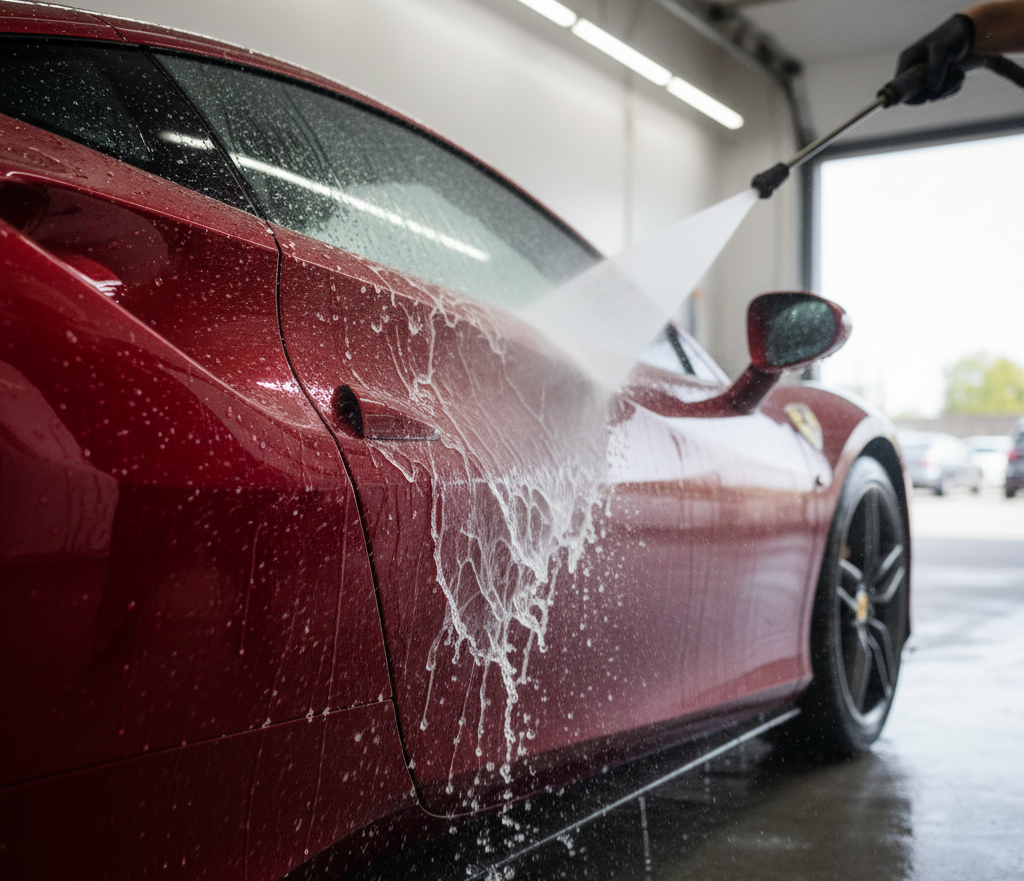
Car owners in Springfield, Virginia increasingly invest in ceramic coating to protect their vehicles from environmental damage and constant wear. Ceramic coating offers long-term gloss, chemical resistance, and easier maintenance compared to traditional wax. However, once a vehicle receives ceramic coating, many owners question how to clean it safely. One of the most common concerns involves pressure washing. Drivers want to know whether high-pressure water can damage the coating or reduce its lifespan.
At Grizzly Auto Detailing, this question arises frequently, especially among clients choosing System X ceramic coating packages Springfield. Understanding proper washing techniques ensures the coating continues delivering performance and value for years.
Understanding how ceramic coating protects your vehicle
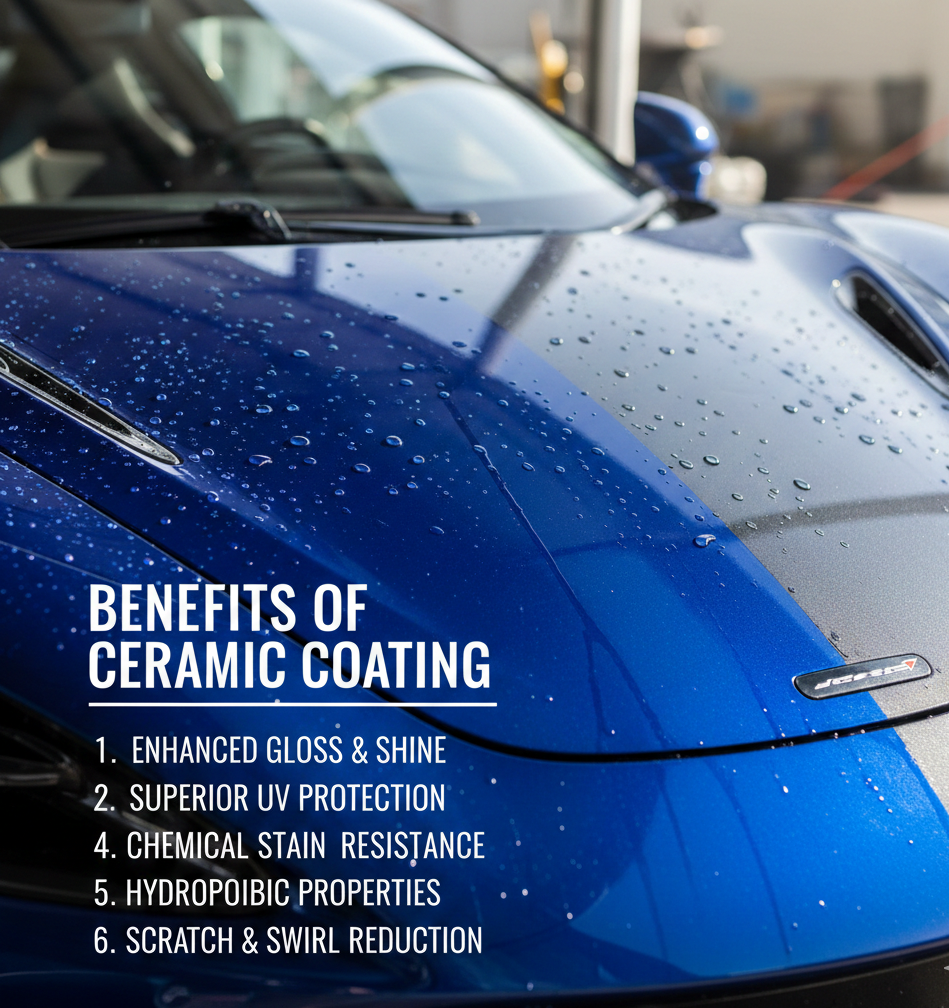
Ceramic coating forms a durable protective layer that bonds with the vehicle’s clear coat. This layer resists contaminants, UV rays, oxidation, and chemical exposure. Unlike wax, ceramic coating does not wash away easily. Instead, it creates a hardened surface that repels dirt and water.
Because ceramic coatings offer advanced protection, cleaning methods must support that protection rather than compromise it. Pressure washing, when done correctly, aligns well with ceramic coating maintenance.
Why pressure washing raises concerns
Pressure washers deliver powerful streams of water designed to remove stubborn dirt. While effective, excessive pressure or improper technique can damage vehicle surfaces. Concerns arise when owners assume ceramic coating makes paint indestructible.
Although ceramic coating adds durability, it does not make surfaces immune to misuse. Therefore, understanding pressure limits and washing techniques becomes essential.
Can you pressure wash a ceramic coated car safely?
Yes, you can pressure wash a ceramic coated car safely when you follow correct procedures. Ceramic coatings handle water pressure better than unprotected paint. However, technique determines outcome.
Professionals recommend using moderate pressure and appropriate distance from the surface. When owners follow these guidelines, pressure washing supports coating performance rather than harming it.
Benefits of pressure washing a ceramic coated vehicle
Pressure washing offers several advantages for ceramic coated vehicles. It removes dirt efficiently without aggressive scrubbing. Because ceramic coating repels contaminants, water pressure often lifts debris effortlessly.
This method reduces the need for physical contact, minimizing swirl marks. For clients using System X ceramic coating packages Springfield, pressure washing enhances ease of maintenance.
Ideal pressure levels for ceramic coated cars
Using extremely high pressure increases risk. Experts recommend pressure washers rated between 1,200 and 1,900 PSI for vehicle washing. This range cleans effectively without stressing the coating or paint.
Additionally, using a wide spray nozzle disperses water evenly, preventing concentrated force on one spot.
Proper distance when pressure washing
Maintaining safe distance protects both coating and paint. Keeping the nozzle at least twelve inches away prevents unnecessary force. Gradually adjusting distance allows controlled cleaning.
This method ensures dirt removal while preserving coating integrity.
Why ceramic coating responds well to pressure washing
Ceramic coating creates a slick, hydrophobic surface. Dirt and grime struggle to adhere firmly. Pressure washing simply encourages contaminants to slide off.
This characteristic explains why ceramic coated vehicles often look clean even after light rinsing. Owners quickly appreciate this benefit after choosing System X ceramic coating packages Springfield.
Common mistakes to avoid while pressure washing
Despite benefits, mistakes can compromise results. Using narrow jet nozzles concentrates pressure and risks damage. Holding the nozzle too close also increases risk.
Additionally, spraying directly into seams, emblems, or damaged areas can force water into sensitive components.
The role of pre-rinse and foam application
Pre-rinsing removes loose debris before contact washing. Applying foam loosens remaining dirt safely. Pressure washing after foam application lifts contaminants gently.
This sequence reduces friction and preserves coating longevity.
Using the right soap with pressure washing
Using pH-neutral soap supports ceramic coating health. Harsh detergents degrade hydrophobic performance over time.
Professionals recommend soaps designed for ceramic coated vehicles to maintain slickness and gloss.
Pressure washing frequency for ceramic coated cars
Ceramic coated vehicles require less frequent washing. Many owners wash every two to three weeks depending on driving conditions.
Pressure washing too often may not harm coating directly but unnecessary cleaning increases exposure to mechanical stress.
Seasonal considerations in Springfield, Virginia
Springfield experiences seasonal challenges including pollen, rain, and winter road salts. Pressure washing helps remove these contaminants efficiently.
Ceramic coating prevents chemical bonding, making seasonal cleaning faster and safer.
Pressure washing wheels and lower panels
Wheels and lower panels accumulate heavy contamination. Ceramic coating applied to these areas resists brake dust and grime.
Pressure washing cleans these surfaces effectively when done correctly, reducing manual scrubbing.
Does pressure washing remove ceramic coating?
Proper pressure washing does not remove ceramic coating. Ceramic coatings resist water pressure far beyond typical washing conditions.
However, aggressive techniques or damaged paint areas may expose underlying layers. Professional care prevents such issues.
Comparing pressure washing to hand washing
Hand washing requires physical contact, increasing swirl mark risk. Pressure washing minimizes contact while delivering effective cleaning.
Many professionals combine both methods for optimal results.
How professional detailers approach pressure washing
At Grizzly Auto Detailing, technicians use controlled pressure, safe soaps, and proper technique. This approach preserves coating performance.
Clients choosing System X ceramic coating packages Springfield receive guidance on safe maintenance practices.
Pressure washing and coating longevity
Correct washing techniques extend coating lifespan. Pressure washing removes contaminants that otherwise degrade coating performance.
This maintenance approach protects the investment made in ceramic coating.
Pressure washing before maintenance toppers
Before applying ceramic boosters or toppers, pressure washing cleans the surface thoroughly. This preparation ensures even application.
This step maintains hydrophobic behavior and gloss.
Environmental benefits of pressure washing
Pressure washing often uses less water than traditional hose washing. Ceramic coating further reduces water usage by improving cleaning efficiency.
This eco-friendly advantage aligns with modern vehicle care standards.
Addressing water spotting concerns
Hard water can leave mineral spots. Drying the vehicle after pressure washing prevents spotting.
Using filtered water or drying aids enhances results.
When pressure washing may not be ideal
Damaged paint, loose trim, or compromised seals require caution. In such cases, lower pressure or hand washing becomes preferable.
Professional inspection helps determine best approach.
Pressure washing new versus used ceramic coatings
New coatings respond exceptionally well to pressure washing. Older coatings still benefit but may require additional care.
Maintenance schedules adapt to coating age and condition.
Educating owners on safe pressure washing
Owner education ensures long-term success. Grizzly Auto Detailing emphasizes technique, tools, and frequency.
This education complements System X ceramic coating packages Springfield by maximizing value.
Pressure washing myths about ceramic coatings
Some believe pressure washing destroys ceramic coating instantly. Others assume ceramic coating eliminates all maintenance needs.
Both assumptions are incorrect. Proper care ensures durability.
Why professional guidance matters
Every vehicle differs in paint condition and usage. Professional advice prevents costly mistakes.
Grizzly Auto Detailing offers support beyond installation.
Long-term ownership advantages
Ceramic coating simplifies cleaning while preserving appearance. Pressure washing supports these benefits when done correctly.
Owners enjoy cleaner vehicles with less effort.
Final thoughts on pressure washing ceramic coated cars
Yes, you can pressure wash a ceramic coated car safely when you follow proper guidelines. Moderate pressure, correct distance, and appropriate soaps protect coating integrity.
For Springfield drivers investing in System X ceramic coating packages Springfield, proper pressure washing enhances convenience, longevity, and satisfaction. Grizzly Auto Detailing remains committed to helping customers protect their vehicles through expert guidance and professional care.
Frequently Asked Questions
Can you pressure wash a ceramic coated car?
Yes, pressure washing is safe when done with proper pressure and technique.
What PSI is safe for ceramic coating?
Between 1,200 and 1,900 PSI works safely for vehicle washing.
Does pressure washing remove ceramic coating?
No, correct pressure washing does not remove ceramic coating.
How close should the nozzle be to the car?
Maintain at least twelve inches distance from the surface.
Can pressure washing cause swirl marks?
No, it reduces swirl marks by minimizing physical contact.
Should I use soap with pressure washing?
Yes, use pH-neutral soap designed for ceramic coated vehicles.
How often should I pressure wash my ceramic coated car?
Every two to three weeks depending on driving conditions.
Is pressure washing better than hand washing?
Pressure washing reduces contact but both methods can work together.
Can I pressure wash wheels with ceramic coating?
Yes, ceramic coated wheels clean easily with pressure washing.
Why choose Grizzly Auto Detailing?
They provide expert installation, maintenance guidance, and trusted ceramic coating solutions.