Tag: ceramic coating maintenance Springfield VA

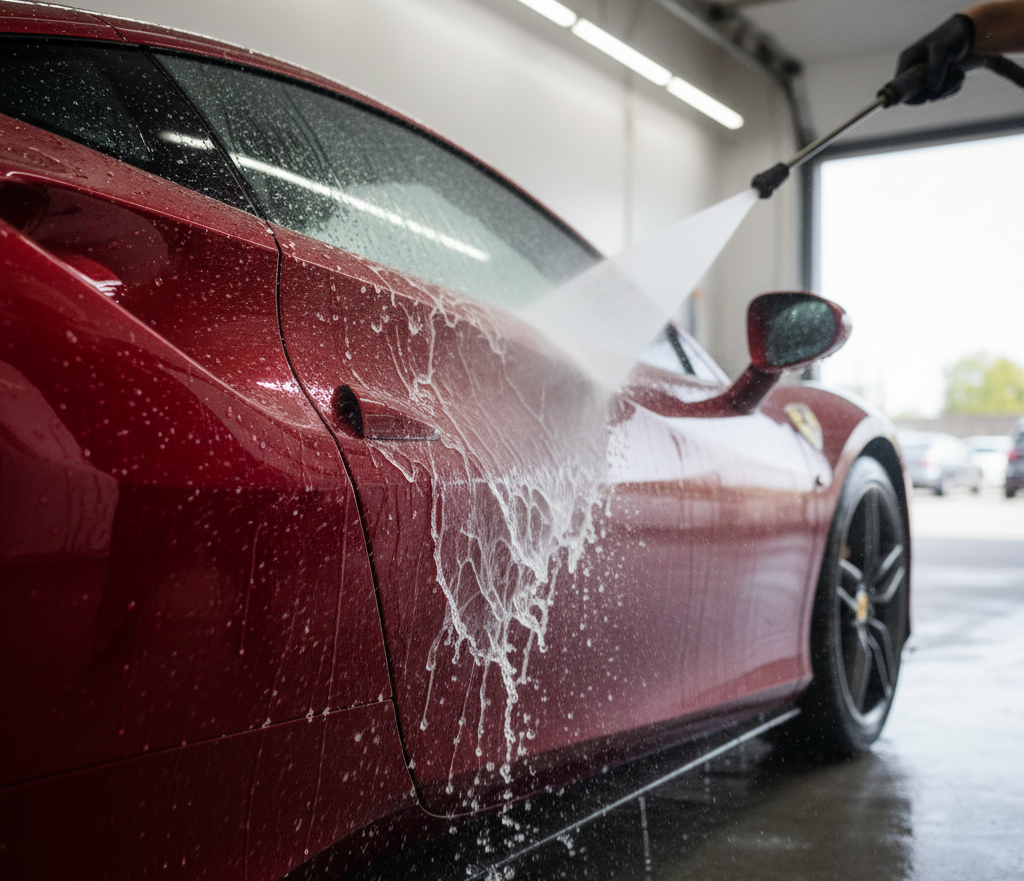
  • Can You Pressure Wash a Ceramic Coated Car?

    Can You Pressure Wash a Ceramic Coated Car?

    Car owners in Springfield, Virginia increasingly invest in ceramic coating to protect their vehicles from environmental damage and constant wear. Ceramic coating offers long-term gloss, chemical resistance, and easier maintenance compared to traditional wax. However, once a vehicle receives ceramic coating, many owners question how to clean it safely. One of the most common concerns involves pressure washing. Drivers want to know whether high-pressure water can damage the coating or reduce its lifespan.

    At Grizzly Auto Detailing, this question arises frequently, especially among clients choosing System X ceramic coating packages Springfield. Understanding proper washing techniques ensures the coating continues delivering performance and value for years.

    Understanding how ceramic coating protects your vehicle

    Ceramic coating forms a durable protective layer that bonds with the vehicle’s clear coat. This layer resists contaminants, UV rays, oxidation, and chemical exposure. Unlike wax, ceramic coating does not wash away easily. Instead, it creates a hardened surface that repels dirt and water.

    Because ceramic coatings offer advanced protection, cleaning methods must support that protection rather than compromise it. Pressure washing, when done correctly, aligns well with ceramic coating maintenance.

    Why pressure washing raises concerns

    Pressure washers deliver powerful streams of water designed to remove stubborn dirt. While effective, excessive pressure or improper technique can damage vehicle surfaces. Concerns arise when owners assume ceramic coating makes paint indestructible.

    Although ceramic coating adds durability, it does not make surfaces immune to misuse. Therefore, understanding pressure limits and washing techniques becomes essential.

    Can you pressure wash a ceramic coated car safely?

    Yes, you can pressure wash a ceramic coated car safely when you follow correct procedures. Ceramic coatings handle water pressure better than unprotected paint. However, technique determines outcome.

    Professionals recommend using moderate pressure and appropriate distance from the surface. When owners follow these guidelines, pressure washing supports coating performance rather than harming it.

    Benefits of pressure washing a ceramic coated vehicle

    Pressure washing offers several advantages for ceramic coated vehicles. It removes dirt efficiently without aggressive scrubbing. Because ceramic coating repels contaminants, water pressure often lifts debris effortlessly.

    This method reduces the need for physical contact, minimizing swirl marks. For clients using System X ceramic coating packages Springfield, pressure washing enhances ease of maintenance.

    Ideal pressure levels for ceramic coated cars

    Using extremely high pressure increases risk. Experts recommend pressure washers rated between 1,200 and 1,900 PSI for vehicle washing. This range cleans effectively without stressing the coating or paint.

    Additionally, using a wide spray nozzle disperses water evenly, preventing concentrated force on one spot.

    Proper distance when pressure washing

    Maintaining safe distance protects both coating and paint. Keeping the nozzle at least twelve inches away prevents unnecessary force. Gradually adjusting distance allows controlled cleaning.

    This method ensures dirt removal while preserving coating integrity.

    Why ceramic coating responds well to pressure washing

    Ceramic coating creates a slick, hydrophobic surface. Dirt and grime struggle to adhere firmly. Pressure washing simply encourages contaminants to slide off.

    This characteristic explains why ceramic coated vehicles often look clean even after light rinsing. Owners quickly appreciate this benefit after choosing System X ceramic coating packages Springfield.

    Common mistakes to avoid while pressure washing

    Despite benefits, mistakes can compromise results. Using narrow jet nozzles concentrates pressure and risks damage. Holding the nozzle too close also increases risk.

    Additionally, spraying directly into seams, emblems, or damaged areas can force water into sensitive components.

    The role of pre-rinse and foam application

    Pre-rinsing removes loose debris before contact washing. Applying foam loosens remaining dirt safely. Pressure washing after foam application lifts contaminants gently.

    This sequence reduces friction and preserves coating longevity.

    Using the right soap with pressure washing

    Using pH-neutral soap supports ceramic coating health. Harsh detergents degrade hydrophobic performance over time.

    Professionals recommend soaps designed for ceramic coated vehicles to maintain slickness and gloss.

    Pressure washing frequency for ceramic coated cars

    Ceramic coated vehicles require less frequent washing. Many owners wash every two to three weeks depending on driving conditions.

    Pressure washing too often may not harm coating directly but unnecessary cleaning increases exposure to mechanical stress.

    Seasonal considerations in Springfield, Virginia

    Springfield experiences seasonal challenges including pollen, rain, and winter road salts. Pressure washing helps remove these contaminants efficiently.

    Ceramic coating prevents chemical bonding, making seasonal cleaning faster and safer.

    Pressure washing wheels and lower panels

    Wheels and lower panels accumulate heavy contamination. Ceramic coating applied to these areas resists brake dust and grime.

    Pressure washing cleans these surfaces effectively when done correctly, reducing manual scrubbing.

    Does pressure washing remove ceramic coating?

    Proper pressure washing does not remove ceramic coating. Ceramic coatings resist water pressure far beyond typical washing conditions.

    However, aggressive techniques or damaged paint areas may expose underlying layers. Professional care prevents such issues.

    Comparing pressure washing to hand washing

    Hand washing requires physical contact, increasing swirl mark risk. Pressure washing minimizes contact while delivering effective cleaning.

    Many professionals combine both methods for optimal results.

    How professional detailers approach pressure washing

    At Grizzly Auto Detailing, technicians use controlled pressure, safe soaps, and proper technique. This approach preserves coating performance.

    Clients choosing System X ceramic coating packages Springfield receive guidance on safe maintenance practices.

    Pressure washing and coating longevity

    Correct washing techniques extend coating lifespan. Pressure washing removes contaminants that otherwise degrade coating performance.

    This maintenance approach protects the investment made in ceramic coating.

    Pressure washing before maintenance toppers

    Before applying ceramic boosters or toppers, pressure washing cleans the surface thoroughly. This preparation ensures even application.

    This step maintains hydrophobic behavior and gloss.

    Environmental benefits of pressure washing

    Pressure washing often uses less water than traditional hose washing. Ceramic coating further reduces water usage by improving cleaning efficiency.

    This eco-friendly advantage aligns with modern vehicle care standards.

    Addressing water spotting concerns

    Hard water can leave mineral spots. Drying the vehicle after pressure washing prevents spotting.

    Using filtered water or drying aids enhances results.

    When pressure washing may not be ideal

    Damaged paint, loose trim, or compromised seals require caution. In such cases, lower pressure or hand washing becomes preferable.

    Professional inspection helps determine best approach.

    Pressure washing new versus used ceramic coatings

    New coatings respond exceptionally well to pressure washing. Older coatings still benefit but may require additional care.

    Maintenance schedules adapt to coating age and condition.

    Educating owners on safe pressure washing

    Owner education ensures long-term success. Grizzly Auto Detailing emphasizes technique, tools, and frequency.

    This education complements System X ceramic coating packages Springfield by maximizing value.

    Pressure washing myths about ceramic coatings

    Some believe pressure washing destroys ceramic coating instantly. Others assume ceramic coating eliminates all maintenance needs.

    Both assumptions are incorrect. Proper care ensures durability.

    Why professional guidance matters

    Every vehicle differs in paint condition and usage. Professional advice prevents costly mistakes.

    Grizzly Auto Detailing offers support beyond installation.

    Long-term ownership advantages

    Ceramic coating simplifies cleaning while preserving appearance. Pressure washing supports these benefits when done correctly.

    Owners enjoy cleaner vehicles with less effort.

    Final thoughts on pressure washing ceramic coated cars

    Yes, you can pressure wash a ceramic coated car safely when you follow proper guidelines. Moderate pressure, correct distance, and appropriate soaps protect coating integrity.

    For Springfield drivers investing in System X ceramic coating packages Springfield, proper pressure washing enhances convenience, longevity, and satisfaction. Grizzly Auto Detailing remains committed to helping customers protect their vehicles through expert guidance and professional care.


    Frequently Asked Questions

    Can you pressure wash a ceramic coated car?
    Yes, pressure washing is safe when done with proper pressure and technique.

    What PSI is safe for ceramic coating?
    Between 1,200 and 1,900 PSI works safely for vehicle washing.

    Does pressure washing remove ceramic coating?
    No, correct pressure washing does not remove ceramic coating.

    How close should the nozzle be to the car?
    Maintain at least twelve inches distance from the surface.

    Can pressure washing cause swirl marks?
    No, it reduces swirl marks by minimizing physical contact.

    Should I use soap with pressure washing?
    Yes, use pH-neutral soap designed for ceramic coated vehicles.

    How often should I pressure wash my ceramic coated car?
    Every two to three weeks depending on driving conditions.

    Is pressure washing better than hand washing?
    Pressure washing reduces contact but both methods can work together.

    Can I pressure wash wheels with ceramic coating?
    Yes, ceramic coated wheels clean easily with pressure washing.

    Why choose Grizzly Auto Detailing?
    They provide expert installation, maintenance guidance, and trusted ceramic coating solutions.
  • Can you polish a ceramic coating?

    Car owners in Springfield, Virginia often invest in ceramic coating to protect their vehicle’s paint and preserve a flawless finish. Ceramic coatings promise durability, gloss, and resistance to environmental damage. However, many drivers eventually ask an important question: can you polish a ceramic coating without damaging it? The answer requires a deeper understanding of how ceramic coatings work, how they age, and how professional detailing techniques restore appearance without compromising protection.

    At Grizzly Auto Detailing, customers regularly ask this question when swirl marks, water spots, or light surface defects appear. When discussing ceramic coating maintenance, price, and longevity, understanding the role of polishing becomes essential. This discussion also connects closely with System X ceramic coating price Springfield, because proper care protects long-term value.

    Understanding how ceramic coatings work

    Ceramic coatings form a semi-permanent protective layer that bonds chemically with a vehicle’s clear coat. Unlike wax or sealants, ceramic coatings do not sit loosely on the surface. Instead, they integrate at a molecular level, creating a hard yet flexible barrier.

    This protective layer resists UV damage, chemical etching, oxidation, and light abrasions. Over time, however, surface contamination, improper washing, and environmental exposure can reduce visual clarity. At that point, vehicle owners consider polishing as a corrective solution.

    What polishing actually means in automotive detailing

    Polishing removes microscopic surface imperfections by leveling the surface with abrasives. Traditional paint polishing targets clear coat defects such as swirl marks and scratches. When a ceramic coating exists, polishing behaves differently.

    Polishing a ceramic coated vehicle does not always remove paint damage. Instead, it may remove or thin the coating itself. Therefore, understanding intent and technique becomes critical.

    Can ceramic coatings be polished safely?

    Yes, ceramic coatings can be polished, but purpose and approach matter. Light polishing removes surface contamination and restores gloss without fully stripping the coating. Aggressive polishing, however, can remove the coating entirely.

    Professionals assess coating condition before choosing a polishing method. At Grizzly Auto Detailing, trained technicians evaluate whether polishing enhances appearance or compromises protection.

    Why ceramic coatings develop surface defects

    Even the best ceramic coatings encounter wear. Improper washing techniques introduce swirl marks. Hard water leaves mineral deposits. Airborne contaminants bond to the surface.

    Although ceramic coatings resist damage better than unprotected paint, they remain exposed to daily environmental stress. Over time, these factors dull gloss and reduce hydrophobic behavior.

    Polishing versus topping or reapplying coating

    Polishing is not always the first solution. Sometimes, decontamination or coating toppers restore performance without abrasion. Polishing becomes necessary when defects penetrate the coating layer.

    Understanding maintenance options protects investment value and influences decisions tied to System X ceramic coating price Springfield.

    The difference between light polishing and paint correction

    Light polishing refreshes the surface by removing minor defects and contamination. Paint correction removes deeper imperfections and typically strips ceramic coating completely.

    Choosing the right approach prevents unnecessary removal of protection. Professional assessment ensures the coating remains intact whenever possible.

    How professionals polish ceramic coated vehicles

    Professional detailers use fine polishes and controlled machine speeds. They focus on surface refinement rather than defect removal. This method minimizes coating loss.

    At Grizzly Auto Detailing, technicians combine experience and testing to determine safe polishing limits. This precision preserves coating lifespan and maintains value.

    Does polishing reduce ceramic coating lifespan?

    Yes, aggressive polishing shortens coating lifespan. However, light polishing performed correctly has minimal impact. The goal remains surface refinement rather than material removal.

    Understanding this balance protects long-term performance and helps justify System X ceramic coating price Springfield through extended durability.

    When polishing becomes necessary

    Polishing becomes necessary when water spots etch into the coating or when swirl marks affect appearance. Environmental exposure over time can degrade surface clarity.

    Rather than ignoring defects, professional polishing restores aesthetics while maintaining protection.

    Can DIY polishing damage ceramic coating?

    Yes, improper DIY polishing often causes more harm than benefit. Incorrect pad choice, excessive pressure, or aggressive compounds remove ceramic coating quickly.

    Professional guidance ensures correct technique and product selection.

    System X ceramic coating and polishing compatibility

    System X ceramic coatings respond well to controlled maintenance polishing. Their balanced hardness allows refinement without catastrophic removal when handled professionally.

    At Grizzly Auto Detailing, System X ceramic coating price Springfield reflects not just installation, but long-term serviceability and maintenance support.

    Hydrophobic performance after polishing

    Light polishing may temporarily reduce hydrophobic behavior. However, professional detailers often apply ceramic boosters to restore water repellency.

    This process extends coating performance and maintains visual appeal.

    The role of maintenance products after polishing

    Maintenance sprays and toppers replenish slickness and enhance gloss. These products complement polishing and protect the underlying coating.

    Consistent care ensures ceramic coating longevity.

    Cost considerations and long-term value

    Understanding polishing needs affects ownership costs. Vehicles maintained correctly require fewer reapplications. This efficiency supports the value behind System X ceramic coating price Springfield.

    Professional maintenance reduces long-term expenses and preserves resale value.

    New ceramic coatings versus aged coatings

    New coatings require minimal polishing. Older coatings may need refinement due to environmental wear. Assessing coating age guides maintenance decisions.

    Grizzly Auto Detailing tailors services based on coating condition and client expectations.

    Polishing frequency recommendations

    Polishing should remain infrequent. Excessive polishing accelerates coating wear. Annual inspection helps determine necessity.

    Professional evaluation prevents unnecessary material removal.

    Environmental factors in Springfield, Virginia

    Springfield weather includes heat, rain, pollen, and winter road salts. These conditions contribute to surface contamination and water spotting.

    Ceramic coating maintenance accounts for regional challenges.

    Polishing before recoating

    When coating degradation becomes significant, polishing removes remaining ceramic layers before reapplication. This process ensures proper bonding for new coating.

    This approach aligns with long-term protection strategies and pricing transparency.

    How Grizzly Auto Detailing approaches ceramic coating care

    Grizzly Auto Detailing prioritizes education and transparency. Clients receive clear guidance on maintenance, polishing, and longevity.

    This professional approach ensures customers understand value beyond System X ceramic coating price Springfield.

    Visual improvement versus protection balance

    Polishing enhances appearance, but protection matters more. Professional detailers balance both objectives carefully.

    This philosophy protects vehicle investment.

    Common myths about polishing ceramic coatings

    Some believe ceramic coatings cannot be polished at all. Others assume polishing always destroys protection. Both assumptions remain inaccurate.

    Correct technique and intent define results.

    Why professional assessment matters

    Every vehicle differs. Paint condition, coating age, and usage influence maintenance decisions. Professional inspection ensures optimal outcomes.

    Grizzly Auto Detailing emphasizes customized solutions.

    Long-term ownership benefits

    Proper ceramic coating maintenance preserves gloss, reduces maintenance costs, and enhances resale value.

    This long-term perspective validates investment decisions.

    Final thoughts on polishing ceramic coatings

    Yes, ceramic coatings can be polished when performed correctly. Light polishing restores appearance while preserving protection. Aggressive polishing removes coating and requires reapplication.

    For Springfield drivers, understanding maintenance protects both aesthetics and budget. With professional care, ceramic coatings continue delivering value long after installation.

    Grizzly Auto Detailing remains committed to helping customers maintain vehicles with clarity, transparency, and expertise.


    Frequently Asked Questions

    Can you polish a ceramic coating?
    Yes, light polishing can refresh appearance without fully removing the coating.

    Does polishing remove ceramic coating?
    Aggressive polishing can remove it, while light polishing usually does not.

    How often should ceramic coating be polished?
    Only when necessary, usually after professional inspection.

    Can I polish ceramic coating myself?
    DIY polishing risks damage without proper tools and knowledge.

    Does polishing affect hydrophobic performance?
    It may temporarily reduce it, but maintenance products restore it.

    Is polishing cheaper than reapplying coating?
    Yes, polishing often extends coating life and delays reapplication.

    Does System X coating handle polishing well?
    Yes, when handled by professionals.

    Will polishing fix deep scratches?
    No, ceramic coating does not prevent or fully repair deep scratches.

    How does polishing impact System X ceramic coating price Springfield?
    Proper maintenance preserves value and reduces long-term costs.

    Why choose Grizzly Auto Detailing?
    They provide professional evaluation, safe polishing, and trusted ceramic coating care.

  • Can I Wax Over Ceramic Coating?

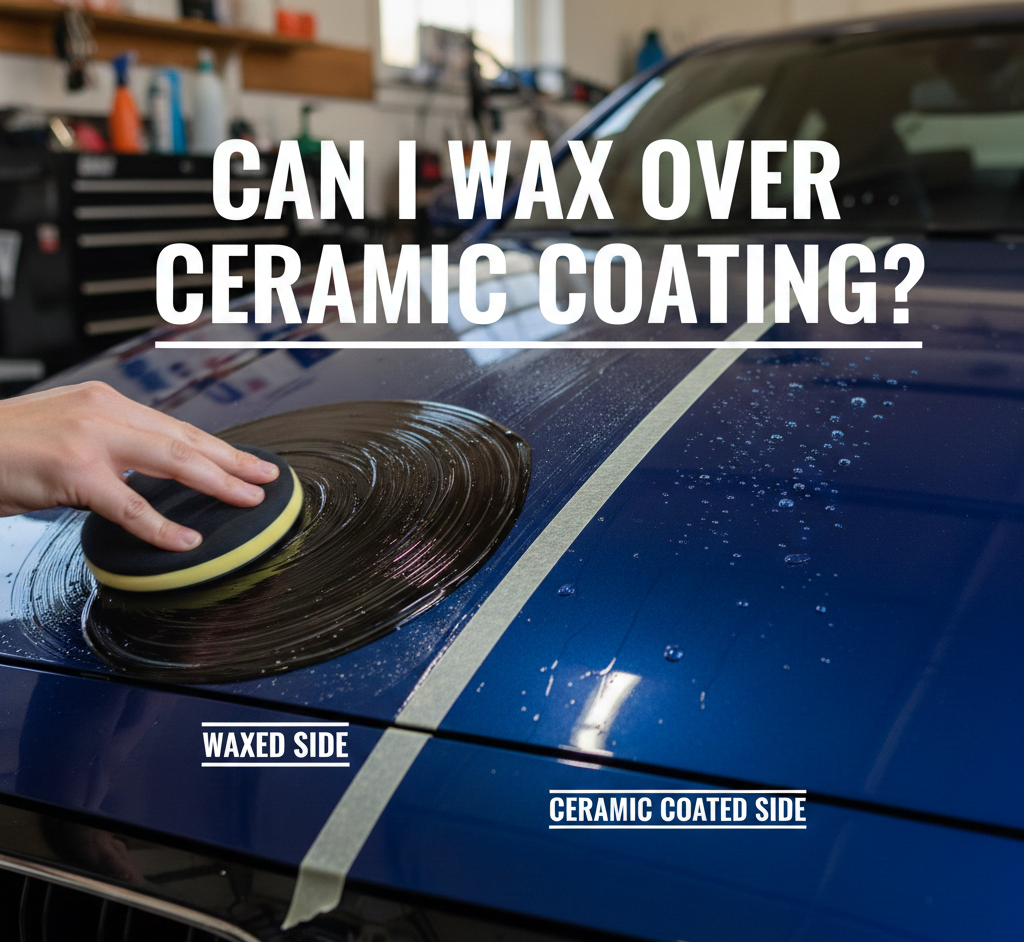
    Can I Wax Over Ceramic Coating?

    Car owners in Springfield, Virginia care deeply about protecting their vehicles, especially when they invest in advanced paint protection solutions. Ceramic coatings have become increasingly popular because they deliver long-term gloss, durability, and resistance against environmental damage. However, many drivers still wonder if traditional methods like waxing have a place after ceramic coating. This question often arises after choosing System X ceramic coating Springfield services from trusted professionals. Understanding how waxing interacts with ceramic coating helps you maintain your vehicle properly without reducing the benefits of your investment.

    Ceramic coating technology works differently than wax, yet both aim to protect paint and enhance shine. While wax once served as the top choice for protection, ceramic coatings now lead the market. Still, confusion remains about whether combining both makes sense. This article explains the relationship between wax and ceramic coating in detail while helping Springfield drivers make informed decisions about vehicle care.


    Understanding What Ceramic Coating Really Does

    Ceramic coating creates a semi-permanent protective layer that bonds with your vehicle’s paint. Unlike wax, which sits loosely on the surface, ceramic coating forms a strong chemical bond. This bond delivers superior resistance against UV rays, dirt, bird droppings, and minor scratches.

    When drivers choose System X ceramic coating Springfield, they receive advanced nanotechnology designed to outperform traditional sealants. The coating enhances gloss while making cleaning easier. Dirt struggles to stick, water beads aggressively, and paint remains protected for years instead of weeks.

    Ceramic coating also reduces oxidation and fading. Over time, sunlight damages unprotected paint, yet ceramic coating slows that process significantly. Because of these benefits, ceramic coatings have become the preferred solution for long-term paint protection.


    How Traditional Wax Works on Vehicle Paint

    Wax works by adding a thin protective layer on top of the paint. Carnauba wax, synthetic wax, and hybrid products all provide shine and water repellency. However, wax does not bond chemically with paint. Instead, it wears off quickly due to heat, washing, and environmental exposure.

    Wax usually lasts a few weeks to a couple of months at best. While wax improves appearance, it requires frequent reapplication. Many drivers grew accustomed to waxing because it provided visible shine and temporary protection.

    Before ceramic coatings became popular, waxing represented the standard care method. Today, however, wax plays a much smaller role, especially for vehicles protected with System X ceramic coating Springfield solutions.


    Can Wax Be Applied Over Ceramic Coating?

    Yes, you technically can apply wax over ceramic coating, but that does not always mean you should. Wax will not damage the ceramic coating directly, yet it does not enhance the coating’s performance either. Instead, wax temporarily masks the ceramic coating’s natural properties.

    Ceramic coating already delivers superior hydrophobic behavior and gloss. When you apply wax on top, you simply add another layer that wears away quickly. Once the wax fades, the ceramic coating continues performing as intended.

    Professional detailers usually recommend avoiding wax on ceramic-coated vehicles. Wax can interfere with the coating’s water behavior and reduce its self-cleaning effect. Therefore, waxing over ceramic coating often becomes unnecessary rather than harmful.


    Why Waxing Over Ceramic Coating Feels Redundant

    Ceramic coatings outperform wax in almost every category. Wax improves shine temporarily, while ceramic coating maintains gloss for years. Wax repels water briefly, while ceramic coating does so consistently.

    When drivers in Springfield invest in System X ceramic coating Springfield, they already receive advanced protection. Wax does not strengthen the coating or extend its lifespan. Instead, wax introduces a layer that requires maintenance without offering real benefits.

    Additionally, wax can trap contaminants on the surface. That buildup may reduce the slickness of ceramic coating. Because ceramic coatings work best when exposed directly, adding wax often creates unnecessary work.


    Situations Where Wax Might Still Be Used

    Some drivers prefer the warm glow that carnauba wax provides. In rare cases, owners apply wax for cosmetic reasons before special events. While this practice does not damage the ceramic coating, it offers short-term visual enhancement only.

    If you choose to wax over ceramic coating, always use a wax that contains no abrasives. Abrasive products can reduce coating performance. However, even in these cases, professional detailers suggest using ceramic-compatible boosters instead.

    Most experts recommend alternatives that complement ceramic coatings rather than cover them.


    Better Alternatives to Wax for Ceramic-Coated Cars

    Instead of wax, ceramic maintenance sprays or silica-based sealants work far better. These products refresh hydrophobic behavior and maintain gloss without interfering with the coating.

    Detailers often suggest periodic maintenance products designed specifically for ceramic-coated vehicles. These sprays reinforce the coating while preserving its natural properties. They also extend durability when applied correctly.

    At Grizzly Auto Detailing, technicians educate clients on maintaining System X ceramic coating Springfield vehicles properly. Using the right maintenance products ensures long-lasting results without unnecessary steps.


    How Washing Habits Affect Ceramic Coating Performance

    Proper washing plays a major role in coating longevity. Regular hand washing using pH-neutral shampoos keeps the surface clean. Automatic car washes with harsh brushes can damage both wax and ceramic coatings.

    When drivers wash their vehicles correctly, ceramic coatings maintain their hydrophobic performance. Wax becomes unnecessary because proper washing preserves shine naturally.

    Avoid using dish soap or aggressive chemicals. These products strip surface protection and degrade coating performance. Instead, use products designed for ceramic-coated finishes.


    Does Wax Shorten the Life of Ceramic Coating?

    Wax does not shorten ceramic coating lifespan directly. However, repeated waxing may clog the coating’s surface and reduce water repellency. Over time, this buildup requires decontamination to restore performance.

    Ceramic coatings thrive when kept clean and exposed. Wax introduces another layer that changes surface behavior. That change may require professional correction later.

    Drivers who rely on System X ceramic coating Springfield solutions benefit most by following professional maintenance advice rather than outdated habits.


    Common Myths About Wax and Ceramic Coating

    Many myths surround vehicle protection. Some believe wax adds extra strength to ceramic coatings. Others think waxing improves coating longevity. These claims lack scientific support.

    Ceramic coatings already deliver maximum protection when maintained correctly. Wax does not add measurable benefits. Another myth suggests ceramic coating replaces washing entirely. While coatings reduce dirt adhesion, regular washing remains necessary.

    Understanding facts prevents mistakes and helps car owners protect their investment properly.


    The Role of Professional Detailing After Ceramic Coating

    Professional detailing ensures optimal performance. Detailers inspect coating condition, remove contaminants, and apply maintenance products when needed.

    Grizzly Auto Detailing provides expert care for vehicles protected with System X ceramic coating Springfield services. Their team uses proper techniques to preserve coating integrity and appearance.

    Professional inspections help detect early issues and maintain gloss without unnecessary treatments like waxing.


    How Environmental Factors Influence Coating Care

    Springfield weather includes heat, humidity, pollen, and road debris. These factors affect vehicle surfaces daily. Ceramic coating resists environmental damage effectively, yet maintenance remains essential.

    Wax struggles against environmental exposure, while ceramic coating performs consistently. Therefore, relying on ceramic coating rather than wax offers better protection year-round.

    Parking habits also matter. Covered parking reduces exposure and prolongs coating performance. Simple lifestyle choices complement ceramic protection effectively.


    Understanding Hydrophobic Behavior Without Wax

    Hydrophobic behavior refers to water repellency. Ceramic coating excels at this function naturally. Water beads tightly and rolls off, carrying dirt away.

    Wax also creates hydrophobic behavior, but for a short time. Ceramic coating delivers this effect continuously. Applying wax may alter bead patterns temporarily, but that change offers no added benefit.

    Drivers often mistake wax-induced gloss for improved protection. In reality, ceramic coating already provides superior performance.


    Maintenance Schedule for Ceramic-Coated Vehicles

    A proper maintenance schedule eliminates the need for wax. Regular washing every two weeks keeps contaminants under control. Periodic ceramic boosters maintain surface slickness.

    Annual inspections help ensure coating performance. Professional decontamination removes bonded contaminants without harming the coating.

    Following this routine keeps System X ceramic coating Springfield vehicles looking new without additional layers.


    Why Manufacturers Do Not Recommend Waxing Ceramic Coatings

    Ceramic coating manufacturers design their products to work independently. Wax interferes with surface chemistry and performance.

    Manufacturers recommend specific maintenance products that complement coating properties. Using approved products ensures warranty compliance and optimal results.

    Ignoring manufacturer guidelines may reduce performance and require corrective services later.


    Cost Considerations: Wax Versus Ceramic Maintenance

    Wax requires frequent purchase and application. Over time, these costs accumulate. Ceramic coating maintenance products cost more initially but last longer and require fewer applications.

    Investing in proper care saves money long-term. Ceramic coatings eliminate constant waxing cycles and reduce labor expenses.

    Drivers who choose System X ceramic coating Springfield benefit financially when they follow correct maintenance practices.


    Visual Appearance: Wax Shine Versus Ceramic Gloss

    Wax provides a warm shine, while ceramic coating delivers a crisp, reflective gloss. Some drivers prefer wax aesthetics, yet ceramic coating offers consistency.

    Ceramic gloss remains stable regardless of weather or washing. Wax shine fades quickly and requires reapplication. Long-term appearance favors ceramic technology.

    Choosing ceramic coating prioritizes durability and clarity over short-lived cosmetic effects.


    When Should Wax Be Completely Avoided?

    Avoid wax if your vehicle features a fresh ceramic coating. During the curing period, wax can interfere with bonding.

    Avoid wax if you notice reduced hydrophobic behavior. Instead, seek professional maintenance. Wax may mask issues temporarily rather than resolve them.

    In most cases, avoiding wax altogether delivers the best results for ceramic-coated vehicles.


    How Grizzly Auto Detailing Educates Customers

    Grizzly Auto Detailing emphasizes education. Clients learn proper washing techniques, maintenance schedules, and product selection.

    By guiding customers, the team ensures long-term satisfaction with System X ceramic coating Springfield services. Education prevents common mistakes and preserves coating performance.

    Customer support continues after installation, reinforcing proper care habits.


    Long-Term Benefits of Skipping Wax

    Skipping wax saves time and effort. Ceramic coating simplifies maintenance and reduces the need for frequent treatments.

    Vehicles maintain resale value better when paint remains protected consistently. Ceramic coating provides long-term benefits that wax cannot match.

    Drivers experience less frustration and better results when they trust ceramic technology fully.


    Final Thoughts on Waxing Over Ceramic Coating

    Waxing over ceramic coating may seem harmless, yet it offers no real advantages. Ceramic coating already delivers superior protection, gloss, and hydrophobic behavior.

    Drivers in Springfield who invest in System X ceramic coating Springfield services gain long-lasting results by following proper maintenance advice. Wax becomes unnecessary when ceramic technology performs as intended.

    Trust professional guidance, use recommended products, and enjoy a cleaner, shinier vehicle without extra steps.


    FAQ Section

    Can I wax my car after ceramic coating?
    Yes, but wax provides no added benefit and remains unnecessary.

    Will wax damage ceramic coating?
    Wax does not damage ceramic coating but may reduce its performance temporarily.

    Does wax make ceramic coating last longer?
    No, wax does not extend ceramic coating lifespan.

    What should I use instead of wax?
    Use ceramic maintenance sprays or silica-based boosters.

    How often should I wash a ceramic-coated car?
    Wash every two weeks using pH-neutral shampoo.

    Can I use automatic car washes?
    Avoid brush-based car washes to protect coating integrity.

    Does ceramic coating replace car washing?
    No, regular washing remains necessary.

    Can wax improve ceramic gloss?
    Wax may change appearance briefly but does not improve protection.

    Should I consult professionals for maintenance?
    Yes, professional detailing ensures optimal coating performance.

    Why choose Grizzly Auto Detailing in Springfield, VA?
    They provide expert care and trusted System X ceramic coating Springfield services.