Tag: clear coat repair

  • Does Paint Correction Improve Car Resale Value?

    Does Paint Correction Improve Car Resale Value?

    When drivers in Ashburn plan to sell their vehicles, they often look for effective ways to elevate their car’s value quickly. Often, they discover that High-end Paint Correction Ashburn VA delivers one of the highest returns because it transforms a tired finish into a vibrant, glossy surface that feels nearly new. In fact, buyers consistently pay more for a vehicle that looks immaculate, and prospective owners usually judge a car’s condition within seconds. Therefore, when sellers aim for the strongest resale results, they consistently choose professional paint correction because it instantly increases appeal, confidence, and perceived worth.

    Although many car owners understand that shine helps sales, they rarely understand why paint correction plays such a powerful role in valuation. Because of that, this article breaks down every element clearly. You will learn what paint correction includes, how detailers execute each stage, why this service alters buyer psychology, and how your car gains real monetary value after the procedure. Moreover, you will understand how the specialists at Grizzly Auto Detailing deliver superior results using advanced tools, safe techniques, and premium products that elevate finish quality in measurable ways.

    Furthermore, when you explore how dealers, inspectors, and private buyers assess a car’s condition, you will immediately see why restoring gloss improves financial outcomes more reliably than any quick cosmetic fix. Consequently, you can make an informed decision before listing your vehicle for sale. And when you prepare your car properly, you typically attract more interested buyers, reduce negotiation pressure, and close the sale faster at a higher price.


    Understanding How Paint Correction Works

    Although many people think of paint correction as simple polishing, the process actually removes visible defects from the clear coat through advanced mechanical refinement. Detailers eliminate swirl marks, oxidation, water spots, holograms, micro-marring, and fine scratches by leveling the clear coat with controlled abrasion. As a result, the surface becomes smooth, reflective, and crystal-clear.

    However, detailers do not grind away the clear coat randomly. Instead, the specialists at Grizzly Auto Detailing inspect the paint under color-matching LEDs and swirl-finder lights. Then, they measure clear-coat depth with digital paint gauges to ensure safe correction. Because of this careful approach, your car receives precision work that preserves long-term paint health while dramatically improving appearance.

    In addition, paint correction involves multiple stages. Because each step enhances clarity, the overall transformation becomes unmistakable when the job finishes.


    Inspection and Planning

    Technicians always begin by evaluating defect patterns across every panel. Since different panels experience different types of wear, professionals analyze each section separately. For example, horizontal surfaces like hoods and roofs typically show oxidation and etching, while vertical panels usually reveal swirl marks and light scratches. Additionally, areas behind door handles often show fingernail scuffing, and front bumpers frequently collect stone marks.

    With comprehensive inspection, the technician determines whether your vehicle needs one-step, two-step, or multi-stage correction. Moreover, this evaluation ensures that no unnecessary abrasives touch the paint.

    Because every detailer at Grizzly Auto Detailing maintains strict standards, they always choose a correction plan that fits your car’s age, paint hardness, defect severity, and resale goals.


    Decontamination and Surface Preparation

    Before any machine touches the paint, the technician removes all contamination. Otherwise, trapped debris would cause additional scratching during polishing. Therefore, your vehicle undergoes:

    • A pH-balanced foam pre-wash
    • Hand washing with lubricated shampoo
    • Iron-remover application that dissolves embedded brake dust
    • Clay-bar treatment that extracts bonded contaminants

    As a result, the paint becomes perfectly clean and smooth before correction begins.

    Because this thorough preparation prevents micro-marring and ensures consistent polishing results, your final finish looks sharper, glossier, and more uniform.


    Cutting and Polishing Stages

    Paint correction relies on controlled abrasion, and technicians select the pads, machines, and compounds based on your paint’s condition. They use dual-action polishers for safer temperature management, and they apply microfiber, wool, or foam pads depending on the required level of defect removal.

    During the cutting phase, detailers level the surface to eliminate deep imperfections. Then, during the polishing phase, they refine the finish until it gleams like glass. As a result, the paint achieves maximum clarity, depth, and reflection.

    Additionally, Grizzly Auto Detailing uses industry-leading products from brands like Koch Chemie, Meguiar’s Professional Series, and Rupes. Because these products offer consistent results with minimal dust, you enjoy a superior finish without residue.

    Moreover, when the correction concludes, the exterior looks dramatically fresher—often better than vehicles that sit on dealership showrooms.


    How Paint Correction Boosts Resale Value

    Although appearance alone influences buyers, paint correction increases resale value for several reasons that extend beyond aesthetics. Since modern buyers rely heavily on perceived condition, corrected paint generates immediate trust and confidence.

    1. A flawless finish signals responsible ownership

    When your paint looks immaculate, buyers assume the rest of the vehicle received similar care. Consequently, they view the interior, mechanical components, and maintenance history more positively.

    Because buyers trust the overall condition, they usually negotiate less aggressively.

    2. Enhanced exterior quality raises perceived market value

    Potential buyers often compare vehicles visually before researching mechanical records. Therefore, a shiny, corrected finish instantly positions your car as a premium option in the market.

    As a result, you can confidently list your vehicle at a higher price.

    3. Professional correction eliminates years of wear

    Since paint defects accumulate over time, your car may appear older than its true age. However, correction removes this visual aging. Consequently, your vehicle looks newer, fresher, and more modern.

    This renewed appearance often leads to resale increases that exceed the cost of correction.

    4. Buyers often favor well-presented vehicles

    Most buyers choose cars that require the least additional work. Because your corrected paint needs no improvement, it becomes a more attractive purchase. Therefore, buyers feel motivated to finalize the sale quickly.

    5. Paint correction prepares the car for coatings or sealants

    Because detailers refine the surface during correction, your vehicle becomes ready for ceramic coating application. Ceramic coating protects the finish from UV rays, oxidation, etching, and environmental contaminants. Therefore, buyers view coated vehicles as significantly more valuable.


    Why Ashburn Sellers Choose Professional Correction

    When residents of Ashburn prepare their vehicles for sale, they usually want fast improvements that deliver measurable value. Since High-end Paint Correction Ashburn VA restores paint clarity instantly, sellers receive one of the best returns on appearance-based upgrades.

    Additionally, Ashburn buyers generally prefer vehicles that appear well-maintained and professionally restored. Therefore, sellers who invest in correction frequently sell faster, with stronger offers and fewer last-minute negotiations.

    Moreover, because Ashburn’s climate includes sun exposure, pollen accumulation, and road salt during winter, local vehicles often develop paint imperfections more quickly. Consequently, correction becomes even more valuable in this region.


    Professional Tools Used for Correction

    Grizzly Auto Detailing uses advanced equipment such as:

    • Rupes BigFoot dual-action polishers
    • Flex forced-rotation machines
    • High-quality cutting and finishing pads
    • Digital gloss meters
    • LED swirl-finder lights
    • Paint-depth gauges

    With these tools, specialists deliver uniform results on every panel.

    Furthermore, skilled technicians understand paint hardness differences among brands like BMW, Honda, Tesla, and Ford. Because of this expertise, each vehicle receives a tailored correction strategy that maximizes shine and safety.


    Step-by-Step Example of a Full Correction Session

    Below is an example of how Grizzly Auto Detailing performs a full correction for a customer preparing for resale:

    1. Greet the client and evaluate goals
    2. Inspect paint thoroughly
    3. Measure clear coat levels
    4. Rinse and foam pre-wash
    5. Hand wash with pH-balanced shampoo
    6. Apply iron remover
    7. Clay-bar the paint
    8. Tape off sensitive trim
    9. Perform test spot to determine ideal pad/compound
    10. Execute full cutting stage
    11. Refine with finishing polish
    12. Wipe down with panel cleaner
    13. Inspect under bright lights
    14. Apply paint sealant or ceramic coating
    15. Deliver a final walkthrough with the customer

    Because this workflow ensures meticulous quality, your vehicle achieves maximum gloss, clarity, and resale impact.


    How Much Value Paint Correction Can Add

    Although results vary, sellers frequently earn between $500 and $2,000 more depending on vehicle age, paint condition, and market demand. Moreover, luxury vehicles often show even stronger value increases, especially when the finish regains its original depth and shine.

    Therefore, the service typically pays for itself, making it one of the smartest pre-sale investments for Ashburn sellers.

    Furthermore, paint correction increases online listing appeal. Since high-gloss photos attract more clicks, your car gains more attention, more inquiries, and more potential buyers.


    Long-Term Benefits Beyond Resale

    Although you may plan to sell your car soon, paint correction delivers additional advantages:

    • Stronger protection against UV damage
    • Easier maintenance
    • Enhanced clear-coat lifespan
    • Greater satisfaction during ownership

    Because your car stays cleaner and shinier, you enjoy improved pride of ownership until the moment you sell it.

    And when buyers see that your car looks stunning both in person and online, they instantly view it as a superior option—giving you exceptional leverage during price discussions.

    As you evaluate your options, you will consistently find that High-end Paint Correction Ashburn VA delivers the strongest improvement with the least effort, the shortest turnaround time, and the most impressive visual transformation.


    Why Choose Grizzly Auto Detailing

    Grizzly Auto Detailing stands out because of:

    • Extensive correction experience
    • Advanced industry tools
    • Premium abrasives and polishes
    • Careful inspection protocols
    • Transparent communication
    • Tailored services for every customer

    Furthermore, the team removes defects safely while preserving maximum paint thickness. Because they value long-term paint health, they treat each car as if they own it.

    Additionally, their correction packages pair beautifully with ceramic coating upgrades, allowing sellers to maximize resale appearance and protection simultaneously.


    Final Thoughts on Resale Value

    You can dramatically elevate your vehicle’s market presence by investing in High-end Paint Correction Ashburn VA before listing it for sale. Because buyers respond emotionally to a brilliant finish, your car will stand out in online listings, attract more inquiries, and command higher offers.

    Moreover, correction sets the right first impression and communicates responsible ownership. Therefore, you gain confidence when negotiating, and buyers feel confident paying a premium.

    Consequently, paint correction continues to rank among the most cost-effective ways to boost resale value, especially in a competitive region like Ashburn.

    When you want maximum return, you always win by choosing skilled professionals who treat your paint with the highest level of care.

    As a result, you sell faster, earn more, and enjoy a smooth, profitable selling experience.

    Finally, when you entrust your car to Grizzly Auto Detailing, you invest in expertise, precision, and lasting beauty—ensuring that your vehicle makes a statement the moment buyers see it.

    With knowledge, technique, and craftsmanship, the specialists at Grizzly Auto Detailing deliver the kind of glossy finish that consistently elevates resale value and leaves a lasting impression.

    And with the final mention, you understand why more sellers depend on High-end Paint Correction Ashburn VA when they want unmatched shine, stronger market appeal, and maximum profit from their vehicle sales.


    FAQs

    1. Does paint correction remove all scratches?
    Paint correction removes most light and moderate scratches but cannot eliminate deep gouges that cut into the base coat.

    2. How long does paint correction usually take?
    Most vehicles require 4–10 hours depending on defect severity and correction level.

    3. Will my paint look brand new after correction?
    Yes, the surface will look dramatically clearer, deeper, and glossier, often better than showroom condition.

    4. Can paint correction increase my car’s resale value?
    Absolutely. Many sellers earn hundreds or thousands more due to the improved appearance.

    5. Do I need ceramic coating after correction?
    Coating protects the newly corrected finish and prolongs gloss, so it becomes a highly recommended upgrade.

    6. How often should I get paint correction?
    Most cars only need full correction once, followed by a coating or sealant for maintenance.

    7. Does washing technique affect results after correction?
    Yes. Safe washing preserves clarity and prevents new swirl marks.

    8. Can paint correction fix oxidation?
    Yes. Detailers remove oxidation and restore depth and shine during correction.

    9. Should I correct paint before selling my car?
    Yes. The improved appearance attracts more buyers and strengthens resale value.

    10. Does paint correction work on all paint types?
    Yes. Technicians adjust pads, polish, and technique for every paint system.
  • How Long Does Professional Paint Correction Take in Ashburn?

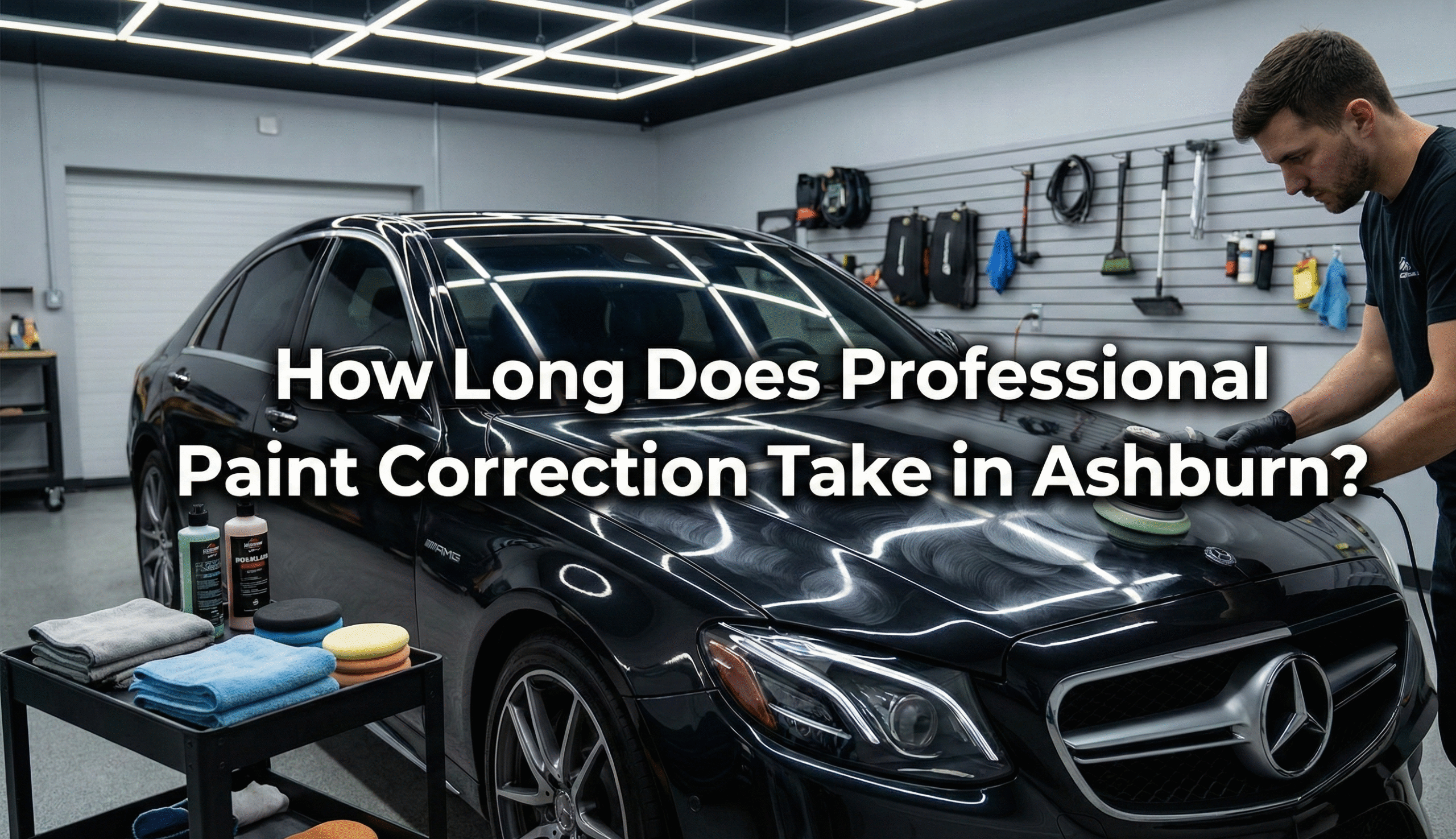
    How Long Does Professional Paint Correction Take in Ashburn?

    Owning a car in Ashburn, VA, comes with the pride of driving a vehicle that turns heads. But over time, the paint may lose its shine due to environmental exposure, daily wear, and minor scratches. Many car owners wonder: how long does professional paint correction take, and is it worth the investment? Grizzly Auto Detailing, experts in Multi-stage paint correction Ashburn, provides a comprehensive guide to help you understand the process, timeline, and benefits.

    Why Paint Correction Matters

    Paint correction restores the vehicle’s paint to its original depth, clarity, and gloss. Vehicles in Ashburn face sun exposure, dust, and occasional road debris, which contribute to oxidation, swirl marks, and light scratches. Professional Multi-stage paint correction Ashburn services not only improve aesthetic appeal but also protect the vehicle’s long-term value.

    The benefits include:

    • Enhanced vehicle appearance with mirror-like finishes
    • Prevention of long-term paint damage
    • Increased resale value
    • Smooth surface ready for protective coatings

    The Science Behind Paint Correction

    Paint correction involves removing imperfections from the clear coat using abrasive compounds and polishing machines. The science is simple yet precise: the top layer of the clear coat is carefully leveled to remove scratches, swirls, and oxidation. Advanced tools like dual-action polishers and high-quality microfiber pads allow technicians to restore the paint without causing further damage.

    Types of Paint Correction

    Single-Stage Correction addresses minor imperfections such as light swirl marks and surface scratches. It usually takes a few hours for a standard vehicle and includes polishing and a protective wax application.

    Multi-Stage Correction is more comprehensive. It involves multiple steps:

    1. Compounding – Aggressively removes deeper scratches and oxidation.
    2. Polishing – Refines the paint for clarity and depth.
    3. Finishing – Applies protective coatings like wax, sealant, or ceramic coating.

    Multi-stage correction is ideal for vehicles with moderate to severe paint imperfections and ensures a flawless, durable finish.

    Factors Affecting Paint Correction Duration

    The time required depends on several key factors:

    1. Vehicle Size – Larger vehicles like SUVs, trucks, or vans require more surface area to polish, increasing the time needed.
    2. Paint Condition – Severely oxidized, scratched, or faded paint requires more stages and careful handling.
    3. Number of Stages – Multi-stage corrections take longer than single-stage because each step is meticulous.
    4. Paint Type – Metallic, pearl, or custom paints require specialized techniques.
    5. Additional Services – Applying ceramic coatings, protective sealants, or detailing interiors can extend the total service time.

    Detailed Multi-Stage Paint Correction Process

    Step 1: Inspection and Assessment – Technicians assess the car’s paint thickness, scratches, swirls, and oxidation levels. This step determines the number of stages and compounds required.

    Step 2: Surface Preparation – The vehicle is washed with pH-neutral soaps, followed by decontamination to remove iron particles, tar, and other pollutants. Proper surface preparation ensures the polishing process is effective.

    Step 3: Compounding – An aggressive compound is applied with a polishing machine to remove deep scratches and oxidation. This step may require multiple passes depending on defect severity.

    Step 4: Polishing – Using a finer compound, the paint is refined to restore clarity and gloss. This stage also eliminates minor haze left by compounding.

    Step 5: Finishing – A protective wax, sealant, or ceramic coating is applied to preserve the corrected paint. This adds depth, shine, and long-lasting protection.

    Each stage requires precision and attention to detail. Skipping steps or rushing the process can compromise the finish.

    Equipment and Materials

    Professional paint correction relies on high-quality tools and compounds:

    • Dual-action or rotary polishers
    • Foam, microfiber, or wool pads
    • Cutting and finishing compounds
    • Protective sealants or ceramic coatings

    Using proper equipment ensures optimal results and prevents damage, though it also contributes to the time needed for the full process.

    Vehicle Size and Paint Complexity

    Small sedans typically take 4–6 hours for single-stage correction and 1–2 days for multi-stage. Larger vehicles like SUVs, trucks, or vans may require 2–4 days for multi-stage correction. Metallic or pearl paints require more cautious handling and additional polishing passes, which can extend the timeline.

    Environmental Factors in Ashburn, VA

    Ashburn’s climate plays a role in paint correction timing. Sunlight, dust, and seasonal debris can affect the paint’s surface. Controlled indoor environments with proper lighting and temperature ensure the best outcomes and prevent contamination during polishing.

    Professional Expertise

    Experienced technicians at Grizzly Auto Detailing follow a standardized approach to ensure efficiency and quality. Expertise impacts the speed and effectiveness of the correction, as professionals know the correct sequence of steps, compound choices, and pad selections to achieve flawless results.

    DIY vs Professional Paint Correction

    While DIY kits exist, professional Multi-stage paint correction Ashburn provides significant advantages:

    • Safe handling of all paint types
    • Proper compound and pad selection
    • Uniform polishing with consistent pressure
    • Long-lasting protection through wax, sealant, or ceramic coatings

    DIY attempts may improve minor imperfections but rarely match the depth, clarity, and durability of professional results.

    Maintenance After Paint Correction

    To preserve the results, car owners should follow these guidelines:

    • Wash regularly with pH-neutral soaps
    • Avoid automatic brushes that can cause new swirls
    • Apply wax or sealant every few months
    • Address new scratches promptly

    Grizzly Auto Detailing also offers maintenance programs tailored for Ashburn vehicles to maintain a showroom finish for years.

    Common Mistakes and Misconceptions

    • Misconception 1: Paint correction removes all scratches.
      Only surface and moderate scratches are removable; deep scratches may require touch-up or panel repair.
    • Misconception 2: Multi-stage correction is only for luxury cars.
      Any vehicle with paint imperfections benefits from professional correction.
    • Misconception 3: Once corrected, paint needs no maintenance.
      Regular upkeep is essential to maintain the finish.
    • Mistake 1: Using improper compounds or pads can damage paint.
    • Mistake 2: Rushing through stages leads to uneven results or holograms.

    Case Studies

    1. Compact Sedan – Single-stage correction removed light swirl marks and restored shine in 6 hours.
    2. Luxury SUV – Two-stage correction addressed oxidation and moderate scratches over 2 days.
    3. Sports Car with Custom Paint – Multi-stage correction restored deep scratches and applied ceramic coating over 4 days.
    4. Full-Size Truck – Compounding, polishing, and sealing took 3 days to achieve a flawless, protected finish.

    FAQs Section

    1. How long does a multi-stage paint correction take?
    It typically takes 2–4 days depending on vehicle size, paint condition, and additional services.

    2. Is paint correction safe for all vehicles?
    Yes, professional correction is safe for all paint types and vehicles.

    3. Does multi-stage correction remove deep scratches?
    It removes most surface and moderate scratches; deep scratches may require touch-up or panel repair.

    4. Can I perform multi-stage correction myself?
    DIY methods rarely achieve professional-grade results and may damage the paint.

    5. How often should paint correction be performed?
    Every 12–24 months depending on exposure, usage, and environmental conditions.

    6. Does paint correction include protective coatings?
    Yes, professionals often include wax, sealant, or ceramic coating for durability and shine.

    7. What factors influence correction duration?
    Vehicle size, paint condition, number of stages, paint type, and environmental factors.

    8. Can paint correction restore faded paint?
    Yes, it revives depth, gloss, and clarity for oxidized or dull paint.

    9. Is professional correction expensive?
    Cost varies by vehicle size, paint condition, and required correction stages.

    10. Why choose Grizzly Auto Detailing in Ashburn?
    We provide expert Multi-stage paint correction Ashburn services with high-quality tools, tailored techniques, and guaranteed results.

  • Is Paint Correction Worth It for Cars in Ashburn?

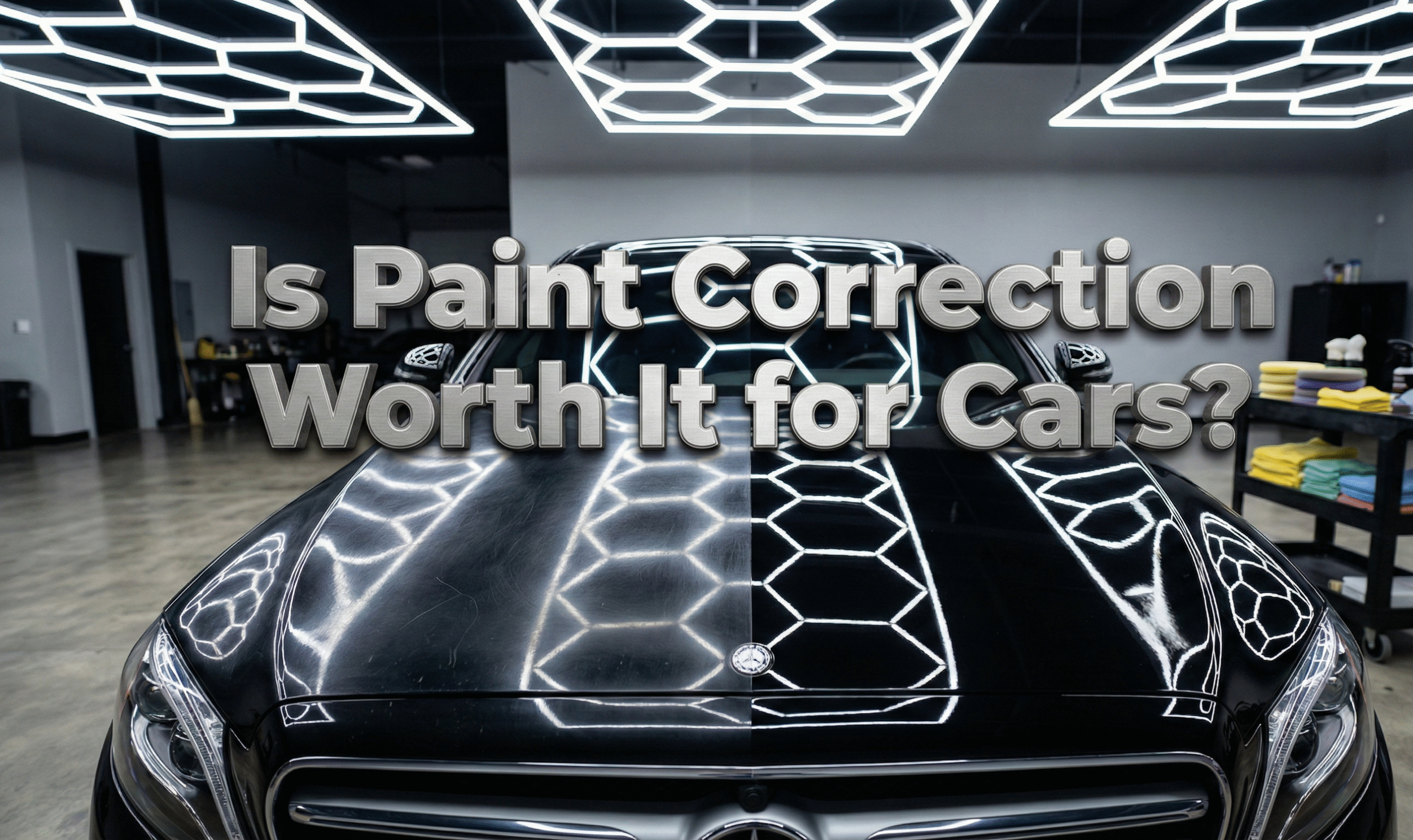
    Is Paint Correction Worth It for Cars in Ashburn?

    Owning a vehicle in Ashburn, Virginia, comes with a unique set of joys and challenges. You have access to beautiful scenic drives through London County, but you also face the realities of Northern Virginia traffic, construction debris, and fluctuating weather patterns. Because of this, Paint restoration in Ashburn has become an essential service for owners looking to maintain their vehicle’s value. Over time, even the most cherished luxury sedans and rugged SUVs lose their showroom luster. Swirl marks appear from improper washing, oxidation sets in from the summer sun, and road salts from winter storms leave the clear coat feeling rough and looking dull.

    For many car owners, the term “paint correction” sounds like an unnecessary luxury or a vague upsell at the car wash. However, if you truly care about your vehicle’s longevity and resale value, it is one of the most critical services you can invest in. This guide dives deep into the science of paint correction, why it is essential for Ashburn drivers, and how it transforms your vehicle from “used” to “like new.”

    Understanding the Science of Paint Defects

    To understand why paint correction is worth the investment, you must first understand what is happening to your car’s surface. Modern vehicles are painted with a base coat (the color) and a clear coat (the protective layer). When you see a car that looks dull, scratched, or “swirled,” you are rarely looking at damage to the color itself. Instead, you are seeing thousands of microscopic cuts and abrasions in the clear coat.

    These defects scatter light. Instead of light hitting the surface and bouncing back in a uniform, mirror-like reflection, it hits these scratches and refracts in different directions. This optical illusion creates the dreaded “spiderweb” effect visible under streetlights or bright sunlight. Paint correction is the process of mechanically leveling the clear coat to remove these defects, allowing light to reflect perfectly once again.

    Common Paint Imperfections

    • Swirl Marks: Fine scratches usually caused by automatic car washes or wiping a dirty car with a dry towel.
    • RIDS (Random Isolated Deep Scratches): Deeper scratches from road debris or accidental contact.
    • Etching: Marks left by bird droppings or acid rain that have eaten into the clear coat.
    • Oxidation: A milky or chalky appearance caused by UV exposure.
    • Holograms: Buffer trails left by inexperienced detailers using rotary machines improperly.

    The Ashburn Factor: Why Local Conditions Matter

    Driving in Ashburn presents specific environmental hazards that make paint maintenance a challenge. The rapid development in Loudoun County means constant construction dust, which is abrasive and can settle on your paint. When you wipe this dust off without proper lubrication, you essentially sandpaper your own car.

    Furthermore, Northern Virginia experiences a full four-season cycle. The hot, humid summers accelerate oxidation, while the winters bring brine and road salt. These chemical de-icers are fantastic for safety but terrible for your vehicle’s finish. They cling to the surface and, if left unchecked, can chemically bond to the paint, leading to permanent etching.

    In this region, Paint restoration in Ashburn—a core service at Grizzly Auto Detailing—is not just about vanity; it is about preservation. By correcting the paint, you remove the damaged layers where these contaminants like to hide, creating a smooth surface that is easier to clean and harder to damage.

    The Multi-Stage Correction Process

    True paint correction is an art form that requires patience, skill, and the right technology. It is far more than a “buff and wax.” At Grizzly Auto Detailing, technicians approach the vehicle surgically, measuring paint depth and testing combinations of pads and compounds to achieve the best result without compromising the integrity of the clear coat.

    Step 1: Decontamination

    Before a polisher ever touches the paint, the surface must be clinically clean. A simple wash is not enough. Professionals use iron removers to chemically dissolve brake dust embedded in the paint pores. They then use a clay bar to mechanically shear off bonded contaminants like tree sap and tar. If you skip this step, the polishing pad will pick up these particles and drag them across the paint, causing more damage.

    Step 2: Compounding (The Cutting Stage)

    This is the aggressive phase. Using a microfiber or wool pad and an abrasive compound, the detailer removes the top layer of the clear coat where the deepest scratches reside. This stage eliminates roughly 80-90% of the defects but may leave a slight haze behind.

    Step 3: Polishing (The Refining Stage)

    Refinement is where the gloss comes from. Using a soft foam pad and a finishing polish, the technician removes the haze left by compounding and jewels the paint to a high shine. On softer paints, this might be the only step needed. On harder clear coats, it is the vital second half of the equation.

    Step 4: Protection

    Correction removes defects, but it leaves the paint “naked.” Without protection, the sun and rain will immediately start degrading the finish again. This is why Paint restoration in Ashburn is almost always paired with a ceramic coating or a high-quality sealant. These products lock in the work, effectively sealing the restored surface under a sacrificial barrier.

    Financial Sense: Cost vs. Value

    The sticker price of paint correction can be a shock to the uninitiated. Depending on the size of the vehicle and the condition of the paint, it can range significantly. However, you must view this as a restorative maintenance cost rather than a cleaning cost.

    Boosting Resale Value

    Used car prices are volatile. When you go to sell or trade in your vehicle, the exterior condition is the first thing a buyer or appraiser sees. A car with faded, swirled paint screams “neglected,” leading the buyer to wonder what else wasn’t maintained (like the engine or transmission). Conversely, a ten-year-old car with mirror-like paint suggests meticulous ownership. You can often command a premium that exceeds the cost of the correction service itself.

    Lease Returns

    If you lease your vehicle, you are chargeable for “excessive wear and tear.” Deep scratches and poor paint condition can lead to hefty penalties at the lease end. A light paint correction before the inspection can save you thousands in dealership fees.

    Paint Correction vs. Repainting

    A common misconception is that if paint is scratched, it needs to be repainted. Repainting is expensive, intrusive, and rarely matches the factory durability. Factory paint is baked on at temperatures that body shops cannot replicate once the car is assembled.

    Paint correction is non-invasive. It keeps your original factory paint intact, which is always preferred by collectors and buyers. Unless the scratch has gone completely through the clear coat and color coat down to the metal (which can catch your fingernail), professional correction is the superior, more affordable choice compared to a body shop respray.

    The Role of Ceramic Coating

    While paint correction fixes the past, ceramic coating protects the future. These two services are the peanut butter and jelly of the auto detailing world. You should never apply a long-term ceramic coating over uncorrected paint because you will simply be sealing in the scratches.

    Once the paint is corrected, a ceramic coating (liquid quartz or glass) is applied. This hardens to form a shell that is chemically resistant and hydrophobic. Water beads up and rolls off, taking dirt with it. For Ashburn drivers, this means your car stays cleaner during the rainy spring season and is much easier to wash during the pollen-heavy months.

    Choosing the Right Specialist in Ashburn

    Not all detailers are created equal. The term “buffing” is often used loosely by high-volume car washes that use rotary buffers with dirty wool pads. This “hack and whack” approach often fills scratches with glazes (oils) rather than removing them. The car looks great for two weeks, but once the oils wash off, the scratches reappear, often accompanied by new buffer trails.

    When searching for Paint restoration in Ashburn, look for a studio like Grizzly Auto Detailing that utilizes proper lighting. You cannot correct what you cannot see. Our professional shop uses high-CRI (Color Rendering Index) lights that mimic the sun, revealing every imperfection. We also offer paint depth readings to ensure your car has enough clear coat safely remaining to undergo the process.

    DIY: A Risk Not Worth Taking?

    With the rise of YouTube detailing channels, many enthusiasts are tempted to buy a polisher and try it themselves. While possible, the learning curve is steep. Paint systems vary wildly; a pad and polish combination that works wonders on a hard German clear coat might chew up a soft Japanese paint system.

    The risks of DIY correction include “burning through” the clear coat (stripping it entirely), instilling holograms that are expensive to fix, and staining plastic trim with compound. For a daily driver you don’t care about, it might be a fun project. For your pride and joy, trusting the professionals at Grizzly Auto Detailing is the safer route.

    Maintenance: Keeping the Shine Alive

    After investing in paint correction, your washing habits must change. You cannot take a corrected car through a customized “soft touch” automatic car wash. The brushes in those machines retain dirt from the thousands of cars before yours, acting like sandpaper flails.

    Touchless washes are safer but use harsh chemicals that can degrade waxes. The best method is the two-bucket hand wash or a rinseless wash method using high-quality microfiber towels. If you don’t have the time to hand wash, Grizzly Auto Detailing offers maintenance wash packages specifically for clients who have had correction work done.

    The Psychological Benefit

    There is an intangible value to driving a car that looks perfect. It feels newer. It makes the driving experience more enjoyable. In a professional setting, pulling up to a meeting in a well-maintained vehicle projects an image of competence and attention to detail. We spend a significant amount of time in our cars, especially with the commute times in Northern Virginia. Ensuring that environment is clean and aesthetically pleasing improves your quality of life.

    Conclusion

    Is paint correction worth it? If you view your vehicle as merely an appliance to get from Point A to Point B, perhaps not. But if you see your car as an investment, a reflection of your standards, or a passion, then the answer is a resounding yes. It resets the clock on your vehicle’s appearance, protects it against the harsh Virginia environment, and secures its financial value.

    By seeking out professional Paint restoration in Ashburn from Grizzly Auto Detailing, you are not just cleaning your car; you are engaging in a specialized preservation process. It is the difference between wearing a suit off the rack and having one tailored to fit perfectly. The gloss, the depth, and the clarity of corrected paint are unmistakable. In a world of dull, swirled grey traffic, driving a mirror-finish vehicle is a statement of excellence.

    Frequently Asked Questions (FAQs)

    1. How long does the paint correction process take?

    Unlike a standard wash, paint correction is labor-intensive. A single-step enhancement might take 4-6 hours, while a multi-stage restoration can take 2-3 days. The timeline depends entirely on the severity of the defects and the desired level of perfection.

    2. Will paint correction remove all scratches?

    It removes scratches that are in the clear coat. If a scratch is deep enough to catch your fingernail, it has likely penetrated the clear coat and reached the base color or primer. These cannot be safely buffed out and may require touch-up paint or bodywork.

    3. How often should I get my paint corrected?

    Ideally, you should only need a major paint correction once, provided you maintain the vehicle correctly afterward. If you continue to use automatic car washes, you will re-instill swirls and need correction again annually.

    4. Is paint correction the same as waxing?

    No. Waxing adds a temporary layer of protection and gloss on top of the paint. Paint correction removes a microscopic layer of the paint to fix the surface. Wax covers defects; correction eliminates them.

    5. Does paint correction affect the thickness of my paint?

    Yes, it involves removing a microscopic amount of clear coat (usually 1-3 microns). Factory clear coats are thin, so a professional will measure the paint thickness before starting to ensure it is safe to proceed.

    6. Can I get paint correction on a leased car?

    Absolutely. In fact, it is highly recommended before turning in a lease to avoid “excess wear and tear” charges for poor exterior condition.

    7. Why is paint correction more expensive than a detail?

    A standard detail focuses on cleaning dirt. Paint correction focuses on permanently repairing surface damage. It requires expensive equipment, specialized compounds, and a high level of technical skill that takes years to master.

    8. Will ceramic coating hide my scratches?

    Generally, no. Ceramic coatings are transparent glass layers. If you coat over a scratch, you lock it in. This is why paint correction is a mandatory prerequisite for a high-quality ceramic coating installation.

    9. Does paint correction fix rock chips?

    No. Rock chips are areas where paint is missing. Polishing cannot replace missing paint. Rock chips require filling with touch-up paint, wet sanding, and then polishing.

    10. How do I know if I need paint correction?

    Wash your car and look at the paint under direct sunlight or a bright LED flashlight. If you see circular spiderwebs, haze, or random scratches that dull the reflection, your vehicle is a candidate for correction.