Tag: clear coat repair Ashburn

  • Can Paint Correction Fix Deep Scratches on My Car?

    Can Paint Correction Fix Deep Scratches on My Car?

    If you love your car, nothing feels worse than seeing a deep scratch running along the paint. It instantly steals the shine, ruins the look, and makes your vehicle appear older than it really is. At Grizzly Auto Detailing in Ashburn, VA, we help drivers deal with these frustrating imperfections every single day. Many people come to us asking the same question: “Can paint correction fix deep scratches on my car?”

    The short answer is: sometimes yes, sometimes no—but the real answer depends on how deep the damage goes. Understanding paint depth, scratch levels, and correction techniques, especially when customers request Deep scratch correction Ashburn services, helps you make the right decision without wasting money or risking further damage.

    In this complete guide, you’ll learn exactly how paint correction works, what deep scratches require, when repair is possible, and when repainting becomes necessary. You’ll also see why choosing a professional service such as Grizzly Auto Detailing in Ashburn, VA keeps your vehicle safer, glossier, and protected for years.

    To make everything simple, we explain the process step-by-step using clear, friendly language—no complicated jargon, no confusing instructions.

    Let’s break it down.


    Understanding What Paint Correction Actually Does

    Paint correction eliminates surface defects from the clear coat—the transparent protective layer applied above your car’s colored paint. These defects may include:

    • swirl marks
    • light scratches
    • hazing
    • oxidation
    • dullness
    • micro-marring

    Correcting these imperfections requires multiple stages of polishing with abrasive compounds. Each stage removes a tiny layer of the clear coat to reveal smooth, glossy paint underneath.

    Paint correction dramatically enhances shine, clarity, and reflection. However, it cannot magically rebuild paint that has been physically removed.

    That means paint correction can only fix scratches that are inside the clear coat, not deep cuts that reach the base coat or metal.


    Different Levels of Scratches: What Can Be Fixed?

    Think of scratches as layers. Your car’s paint consists of:

    1. Clear coat – top glossy layer
    2. Base coat – color layer
    3. Primer – adhesive foundation
    4. Metal body – the actual car surface

    Scratches fall into these categories:

    1. Clear-Coat Scratches (Fully Fixable)

    These sit on the surface and usually disappear with polishing. Paint correction easily handles them.

    2. Shallow Base-Coat Scratches (Sometimes Fixable)

    They reach the colored paint but not the primer. Some may improve with correction, but complete removal is not guaranteed.

    3. Deep Scratches (Not Fully Fixable With Correction Alone)

    These cut through the clear coat and base coat, exposing primer or metal. Paint correction cannot restore missing material.

    This article focuses on deep scratches—the kind that cause car owners the most worry.


    So… Can Paint Correction Fix Deep Scratches?

    It depends on the severity.

    Paint correction can reduce the appearance of a deep scratch by smoothing edges, increasing reflection, and softening contrast. However, it cannot rebuild paint that has been scraped off.

    A deep scratch improves—not disappears.

    This is where professional expertise matters. At Grizzly Auto Detailing, we always examine scratch depth under proper lighting before deciding on a plan. Many scratches people assume are “deep” are actually removable clear-coat scratches. Others require alternative repair methods.

    For full transparency, here are the five most accurate ways professionals determine depth:

    • fingernail test
    • inspection under LEDs
    • microscopic paint-depth gauge reading
    • hand-polish test area
    • reflection distortion analysis

    These steps reveal whether correction will help or if another service fits better.


    When Paint Correction Works for Deep Scratches

    Paint correction helps when the scratch:

    • feels slightly rough but doesn’t catch your nail
    • stays white and doesn’t expose a darker layer
    • hasn’t cracked the surrounding clear coat
    • appears long but shallow
    • sits above the primer

    In these situations, polishing reduces visibility dramatically. Your car may look 80–90% better without repainting.

    This is where Grizzly Auto Detailing specializes. Our team performs advanced multi-stage polishing for customers seeking refined results. Proper correction enhances gloss and eliminates distracting imperfections around the scratch, making it far less noticeable.


    When Paint Correction Does NOT Work

    If the scratch exposes:

    • primer (grey)
    • bare metal (silver)
    • plastic (for bumpers)
    • rust pores

    Then correction alone cannot fix it.

    At that point, repair options include:

    • wet sanding
    • touch-up paint
    • spot repair
    • panel repainting
    • blending and clear-coating

    Many customers come in expecting miracles from polishing. A professional technician gives honest expectations before beginning work—something we do consistently at Grizzly Auto Detailing.


    How Professionals Handle Deep Scratches in Ashburn, VA

    When clients schedule Deep scratch correction Ashburn appointments, we follow a structured approach.

    1. Decontamination Wash

    We remove dirt, fallout, tar, and bonded particles.

    2. Paint Inspection

    Multiple lighting angles reveal scratch depth and width.

    3. Paint Thickness Reading

    We measure how much clear coat remains to avoid over-polishing.

    4. Test Spot

    A small section gets polished to evaluate correction potential.

    5. Polishing or Alternative Repair

    Based on results, we choose the safest and most effective method.

    6. Ceramic or Sealant Protection

    After correction, we apply protection to prevent new damage.

    This process ensures safe, predictable results without risking paint integrity.


    Why Deep Scratches Require Professional Attention

    Working on deep scratches requires experience. DIY attempts often worsen damage because improper tools strip too much clear coat.

    Here’s why professional correction matters:

    1. Correct Compounds and Pads

    Using the wrong combination burns through paint.

    2. Heat-Controlled Polishing

    Machines generate friction that can cause permanent marks.

    3. Even Pressure Application

    Uneven strokes create visible waves or distortions.

    4. Measured Material Removal

    Professionals avoid removing too much clear coat.

    5. Long-Term Protection

    We install coatings that maintain gloss for years.

    These reasons are why most car owners in Ashburn trust Grizzly Auto Detailing rather than attempting risky home remedies.


    The True Benefit of Paint Correction for Deep Scratches

    Even when correction cannot erase the scratch, it still offers huge value:

    • improves shine
    • reduces visibility
    • smooths edges
    • enhances reflection
    • increases resale value
    • restores paint clarity
    • boosts gloss and depth
    • prepares the surface for ceramic coating

    Because the eye notices contrast more than depth, smoothing the clear coat makes the scratch seem significantly smaller.

    For many vehicles, this improvement is enough to make the entire car look refreshed and well-maintained.

    Many of our clients choose Deep scratch correction Ashburn treatments for these exact benefits.


    How Long Does Paint Correction Last?

    With proper care, results last:

    • 12 months with standard sealant
    • 2–5 years with ceramic coating
    • Up to 10 years with graphene coating

    Maintenance washes, safe drying methods, and routine inspections extend durability.


    Is Paint Correction Worth It for Deep Scratches?

    Absolutely—when the scratch is not severe enough to warrant repainting. Correction saves money, prevents unnecessary paintwork, and dramatically improves overall appearance.

    Choose correction when:

    • the scratch is inside the clear coat
    • repainting costs exceed your budget
    • you want improved appearance
    • you prefer original factory paint
    • the damage shows only at certain angles

    At Grizzly Auto Detailing, we help customers compare options and choose what best fits their situation.


    Cost of Deep Scratch Repair in Ashburn, VA

    Prices vary depending on:

    • scratch length
    • scratch depth
    • vehicle size
    • paint type
    • repair method required

    Typical price ranges:

    • Light correction: $150–$350
    • Medium correction: $300–$600
    • Deep scratch correction: $150–$900
    • Spot repainting: $200–$500
    • Panel repainting: $500–$1,200

    Corrections are always cheaper than repainting when possible.

    We commonly offer specialized packages for customers seeking Deep scratch correction Ashburn solutions customized for their vehicle’s needs.


    How to Decide Between Paint Correction and Repainting

    Ask these questions:

    Does your fingernail catch on the scratch?

    If yes, it’s likely too deep.

    Is metal or primer visible?

    Repainting is necessary.

    Does the scratch disappear when wet?

    Correction may succeed.

    Is the scratch isolated to a small area?

    Spot repair works well.

    Do you prefer to maintain original factory paint?

    Choose correction first.

    Is the surrounding paint dull or swirled?

    Correction improves the entire surface, not just the scratch.

    By combining professional evaluation with your preferences, you avoid paying for unnecessary work.


    Why Choose Grizzly Auto Detailing for Deep Scratch Repair in Ashburn, VA

    Drivers in Ashburn trust our expertise for several reasons:

    1. Skilled Specialists

    We focus heavily on precise paint correction.

    2. Advanced Tools

    We use premium polishers, pads, and compounds.

    3. Honest Evaluation

    We never oversell services. If repainting is better, we say so.

    4. Multi-Stage Correction

    We perform thorough correction for showroom-quality finishes.

    5. Long-Term Protection

    We offer ceramic and graphene coatings for durability.

    6. Local Convenience

    Ashburn residents value quick, professional service close to home.

    Clients frequently book our signature Deep scratch correction Ashburn package for full restorative service.


    FAQs

    Below are 10 FAQs, each with the question in bold and the answer following underneath:


    1. Can paint correction remove every deep scratch?
    No, paint correction only reduces visibility. If the scratch reaches primer or metal, repainting becomes necessary.

    2. How do I know if a scratch is too deep?
    If your fingernail catches on the scratch or you see grey or silver underneath, it is too deep for correction alone.

    3. Does polishing damage my car’s paint?
    Not when done professionally. Experts remove minimal clear coat in a controlled, safe manner.

    4. How long does paint correction take?
    Depending on the severity, full correction takes 2–8 hours for most vehicles.

    5. Will paint correction make my car look new again?
    Yes, it restores gloss, clarity, and reflection, often making the car appear significantly newer.

    6. What if I have multiple deep scratches?
    Professionals evaluate each scratch and recommend correction, touch-ups, or repainting depending on depth.

    7. Is ceramic coating required after correction?
    It isn’t required but strongly recommended because it locks in the improved finish and prevents new scratches.

    8. Can I fix deep scratches at home?
    DIY methods often worsen damage. Professional inspection ensures safe and accurate repair.

    9. How much does deep scratch repair cost in Ashburn?
    Costs range from $150 to over $1,000 depending on severity and chosen repair method.

    10. Why should I choose Grizzly Auto Detailing?
    We offer expert evaluation, advanced tools, honest recommendations, and premium results tailored to local Ashburn drivers.
  • How bad of a scratch can be buffed out?

    How bad of a scratch can be buffed out?

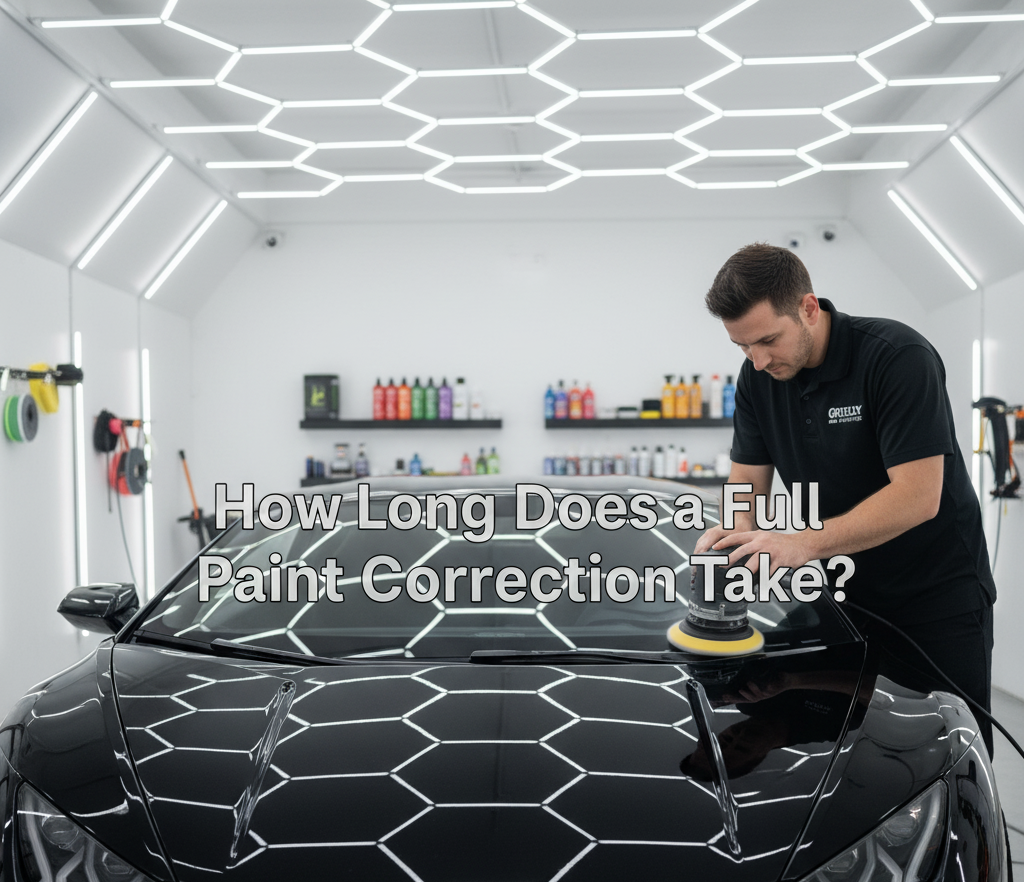
    Car enthusiasts know that a flawless finish does more than just turn heads—it speaks volumes about care, pride, and precision. When vehicle owners in Ashburn want that showroom-level gloss, they often turn to Modern Paint Correction in Ashburn by Grizzly Auto Detailing. Yet, one of the most common questions drivers ask before booking a service is simple: “How long does a full paint correction actually take?”

    To answer that, let’s break down every detail—from the process itself and the variables that influence timing to professional techniques that guarantee perfection.


    Understanding What Paint Correction Involves

    Paint correction is the meticulous process of leveling and refining a car’s clear coat to remove imperfections such as swirl marks, scratches, oxidation, and water spots. While washing and waxing can make a car look clean, paint correction restores the original depth and clarity of the finish.

    However, not every paint correction is the same. Depending on the level of damage, the paint’s hardness, and the desired finish, technicians may use single-step, two-step, or multi-step correction methods—each requiring different levels of time and attention.

    At Grizzly Auto Detailing, professionals performing modern paint correction in Ashburn approach every car with a systematic plan that blends art, science, and experience.


    The Step-by-Step Process That Determines Time

    Even though every job is unique, all complete paint correction projects generally follow the same key stages. Let’s explore how each step affects the total duration.

    1. Deep Cleansing and Decontamination

    Before any polishing begins, the car’s surface must be thoroughly washed and stripped of contaminants. This includes a foam pre-soak, a two-bucket hand wash, and a complete chemical decontamination using products like iron removers and tar solvents. Finally, technicians use a clay bar to remove embedded particles.

    Estimated time: 1–2 hours

    This stage sets the foundation. If contamination remains, polishing pads can pick it up and create fresh micro-scratches.

    2. Paint Inspection and Assessment

    Under LED lights or paint-correction inspection lamps, the detailing technician inspects every panel. They identify swirl marks, scratches, oxidation, and holograms. The goal is to determine the level of correction needed—light, moderate, or severe.

    Estimated time: 30–45 minutes

    This step also involves using a paint depth gauge to measure how much clear coat remains.

    3. Test Spot and Product Selection

    Before committing to a method, professionals test a small section of paint to see which combination of pad, compound, and polish yields the best results. Choosing the wrong combination can waste hours or risk paint damage.

    Estimated time: 30 minutes

    4. Correction Stages (The Most Time-Consuming Phase)

    This is where the magic—and most of the time—happens. The technician uses a machine polisher to gradually remove clear coat layers that contain defects.

    Single-step correction:
    Used for newer vehicles or minor imperfections. The process involves one compound and polish pass to refine the surface.
    Time required: 4–6 hours

    Two-step correction:
    Used for moderate swirl marks or oxidation. This stage includes compounding to remove heavy defects, followed by a finer polish to refine the finish.
    Time required: 8–12 hours

    Multi-step correction:
    Reserved for severely neglected or dark-colored vehicles that show every flaw. This method requires several cutting and polishing stages.
    Time required: 15–20+ hours

    Professionals offering modern paint correction in Ashburn assess the paint condition early on, ensuring the method matches the car’s needs while balancing efficiency and safety.

    5. Final Polishing and Finishing Touches

    Once the correction stages are complete, a final refining polish enhances gloss and eliminates any light haze. The technician then performs a full panel wipe to remove polishing oils, leaving behind a crystal-clear, reflective surface.

    Estimated time: 1–2 hours

    6. Protection Application

    After paint correction, the surface becomes more vulnerable to elements since the top layer of clear coat has been leveled. Therefore, professionals apply a high-grade sealant, wax, or ceramic coating to protect the finish.

    Estimated time: 1–3 hours


    Total Average Time Frame

    Taking all stages into account, a full paint correction typically takes anywhere from 8 to 20 hours, depending on the car’s condition and the number of correction steps required.

    However, at Grizzly Auto Detailing, modern paint correction in Ashburn isn’t rushed. The technicians emphasize perfection, not speed. Complex jobs on luxury cars or vehicles with hard paint, such as German makes (BMW, Audi, Mercedes-Benz), may take up to two full days for optimal results.


    Factors That Influence Paint Correction Duration

    1. Vehicle Size and Shape

    Compact cars take less time than large SUVs or trucks due to surface area. A full-size vehicle might require twice as many passes during polishing.

    2. Paint Type and Condition

    Soft paint systems (like Japanese brands) correct faster but mar easily, while harder European clear coats require more time and pressure.

    3. Desired Level of Perfection

    A show-car finish demands multiple stages, while a daily driver may only need a two-step correction for a glossy improvement.

    4. Environmental Factors

    Temperature, humidity, and lighting conditions can affect polish performance. Controlled environments like Grizzly’s detailing bay ensure efficiency without compromising results.

    5. Technician Experience

    Skilled professionals can achieve high-level correction faster through refined technique, tool control, and knowledge of product behavior.


    Tools and Products That Speed Up the Process

    Modern technology has significantly improved correction efficiency. At Grizzly Auto Detailing, technicians rely on professional-grade tools and materials that balance speed and safety:

    • Dual-action polishers for even correction and reduced risk of holograms.
    • Microfiber cutting pads for faster defect removal.
    • Advanced compounds like Meguiar’s M110 or Koch Chemie H8.02 for controlled cutting.
    • Finishing polishes such as Sonax Perfect Finish for ultimate gloss.
    • Inspection lights to ensure uniform correction across every panel.

    This combination ensures that Modern Paint Correction in Ashburn consistently delivers superior results in the shortest practical timeframe.


    Why Quality Always Trumps Speed

    While it’s tempting to focus on how long a service takes, the truth is that paint correction is about precision—not haste. A rushed correction can introduce buffer trails, missed imperfections, or even burn through the clear coat.

    Professional detailers at Grizzly Auto Detailing prioritize controlled pressure, panel-by-panel consistency, and safe heat levels. They understand that each car’s paint tells a story—and every swirl, mark, and defect deserves expert attention.

    As a result, clients enjoy a finish that not only looks flawless but also lasts for years with proper maintenance.


    Maintaining the Corrected Finish

    After a professional paint correction, proper maintenance keeps the finish looking flawless much longer. Here’s how:

    • Use pH-balanced car shampoos for regular washes.
    • Avoid automatic car washes that use abrasive brushes.
    • Dry with clean microfiber towels to prevent new swirl marks.
    • Apply a ceramic coating to reduce future oxidation and improve hydrophobicity.
    • Schedule maintenance detailing every 4–6 months for continued gloss retention.

    These steps help preserve the results of modern paint correction in Ashburn and prevent the need for another correction in the near future.


    The Value of Professional Paint Correction

    Paint correction is not just a cosmetic upgrade—it’s a restoration of your vehicle’s identity. It protects long-term value, enhances aesthetic appeal, and prevents further clear coat degradation.

    Drivers who invest in premium services like those offered by Grizzly Auto Detailing know they’re not just paying for shine—they’re paying for craftsmanship, durability, and expertise backed by professional certification and years of experience.


    FAQs

    1. How long does a single-stage paint correction take?
    A single-stage correction usually takes around 4–6 hours, depending on the paint’s condition and size of the vehicle.

    2. Does paint color affect correction time?
    Yes, darker colors reveal imperfections more clearly and require more time for perfect results.

    3. Can I drive my car immediately after correction?
    Yes, but it’s best to avoid washing it or exposing it to heavy rain for 24 hours if a sealant or coating was applied.

    4. What’s the difference between paint correction and polishing?
    Polishing only enhances shine, while paint correction removes actual imperfections for a flawless finish.

    5. How often should I get paint correction done?
    Typically every 2–3 years, depending on driving habits and maintenance practices.

    6. Does paint correction fix deep scratches?
    It removes surface defects, but deep scratches that penetrate the clear coat may require touch-up paint or wet sanding.

    7. How do I know if my car needs correction?
    If you notice swirl marks or dull reflection under sunlight, your car likely needs professional correction.

    8. Is paint correction safe for new cars?
    Yes, but it should be done carefully by certified professionals to avoid removing unnecessary clear coat.

    9. Will paint correction increase resale value?
    Definitely. A professionally corrected car looks newer and cleaner and commands a higher resale price.

    10. How do I find the best service for paint correction?
    Choose certified experts like Grizzly Auto Detailing in Ashburn, who specialize in precision, technology, and customer satisfaction.


    Final Thoughts

    A full paint correction is an investment in your car’s beauty and value. Depending on the correction level and paint condition, it can take anywhere from 8 hours to two full days. However, when handled by professionals skilled in modern paint correction in Ashburn, the result is a flawless, mirror-like finish that reflects not only light but also the pride of ownership.

  • How much would it cost to fix paint on a car?

    How much would it cost to fix paint on a car?

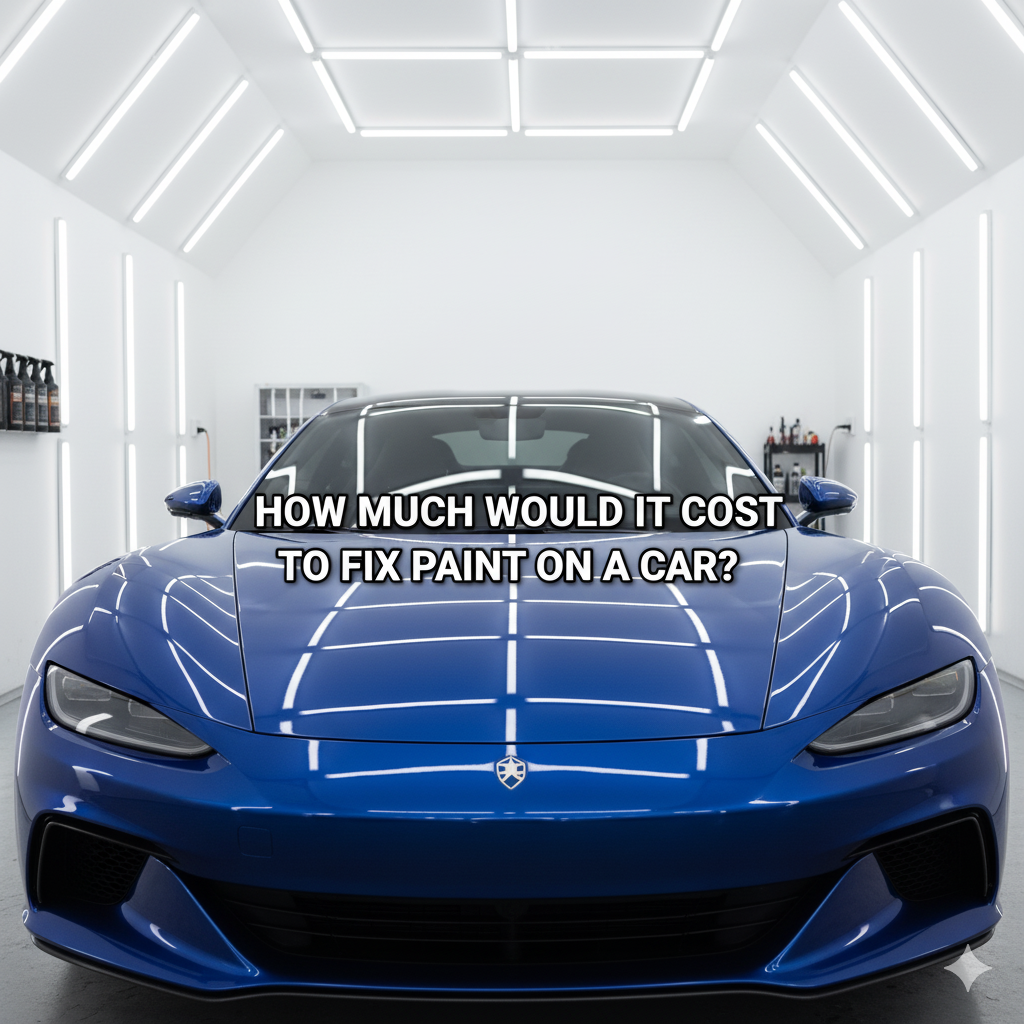
    When your car’s paint begins to show scratches, swirl marks, or fading, it’s not just about appearance it’s about preserving value and pride. Many car owners in Virginia wonder what it truly costs to restore that original glossy finish. The answer depends on damage severity, paint type, and the service quality you choose. However, when precision and perfection matter, nothing compares to Elite Paint Correction in Ashburn the premium standard for restoring automotive beauty and shine.

    Professional paint correction goes beyond masking defects. It revives color depth, eliminates imperfections, and enhances long-term protection against the elements. But before diving into costs, it’s essential to understand what paint correction involves, why it’s worth the investment, and how experts like Grizzly Auto Detailing deliver results that last.


    Understanding Paint Damage: From Scratches to Oxidation

    Car paint serves as both decoration and defense. It protects the body from UV rays, dirt, and moisture while giving your vehicle its unique personality. Over time, environmental exposure and improper washing techniques can dull or damage this surface.

    Some of the most common types of paint damage include:

    • Swirl Marks: Caused by improper washing or automatic car washes with harsh brushes.
    • Light Scratches: Typically found in clear coats; removable with professional polishing.
    • Deep Scratches: Penetrate through color coats and often require repainting or touch-up.
    • Oxidation: Fading or chalky paint from long-term UV exposure.
    • Water Spots or Etching: Result from mineral deposits or acidic rain drying on the surface.

    Understanding what kind of damage your car has helps determine the right repair process and its cost.


    What Paint Correction Actually Does

    Paint correction is a multi-stage process that eliminates imperfections in the vehicle’s clear coat using precision polishing and cutting compounds. Professionals meticulously remove a thin layer of the clear coat to level out scratches, oxidation, and blemishes.

    Unlike simple polishing, which temporarily improves gloss, correction permanently restores clarity and depth. That’s why car enthusiasts and collectors often choose Elite Paint Correction in Ashburn because it delivers lasting transformation instead of short-term shine.

    The Three Levels of Paint Correction

    1. Single-Stage Correction:
      Removes light swirl marks and enhances overall gloss. Best for newer vehicles with minimal imperfections.
      Average cost: $250–$450.
    2. Two-Stage Correction:
      Includes compounding and polishing to eliminate moderate defects and restore reflectivity.
      Average cost: $500–$800.
    3. Multi-Stage Correction (Showroom Finish):
      Designed for heavily marred paint or high-end vehicles requiring perfection.
      Average cost: $1,000–$1,800+.

    Every stage involves hours of detailed handwork, specialized tools, and premium products like Meguiar’s, 3D Car Care, or Menzerna compounds ensuring a flawless, mirror-like finish.


    Factors That Affect Paint Repair Costs

    While the average car owner might hope for a fixed price, the truth is that every car tells its own story. Several factors influence how much it costs to fix or correct paint:

    1. Paint Condition

    Minor surface scratches may need only light polishing, while deep gouges might require sanding and repainting. The more severe the damage, the higher the cost.

    2. Vehicle Size

    A compact sedan takes less time and product than a large SUV or truck. Naturally, larger vehicles require more labor and materials.

    3. Paint Type

    Metallics, pearls, and multi-stage paints are more complex to correct or match. Custom or luxury paints may require specialized products and expertise.

    4. Level of Correction Desired

    A quick enhancement might only cost a few hundred dollars, but a show-quality finish that meets professional detailing standards, such as Elite Paint Correction in Ashburn, can exceed a thousand dollars.

    5. Professional Expertise

    Experienced detailers use high-grade polishing machines, microfiber pads, and precision compounds that guarantee safe and even correction. Choosing a seasoned specialist ensures results without risking paint burn-through or uneven gloss.


    The Real Value Behind Professional Paint Correction

    It’s easy to assume that all detailing services are the same, but true paint correction is a specialized art form. Professionals analyze paint thickness, lighting angles, and defect depth before any machine touches the surface.

    This attention to detail pays off not only in beauty but also in long-term protection. Corrected paint resists fading and damage better, and applying ceramic coatings afterward can extend the life of the finish for years.

    At Grizzly Auto Detailing, technicians trained in Elite Paint Correction in Ashburn combine technology and craftsmanship. Using dual-action polishers, calibrated lighting, and top-tier products, they refine paint surfaces to perfection. Clients receive not just a cosmetic upgrade but a full restoration that enhances the vehicle’s resale value and longevity.


    Why DIY Paint Fixes Often Fall Short

    It might be tempting to save money with DIY kits, but these quick fixes rarely provide lasting results. Most store-bought products only hide scratches temporarily. Without experience, using abrasive compounds or rotary polishers can make things worse introducing holograms or thinning clear coats unevenly.

    In contrast, professionals understand paint chemistry and surface tolerances. They measure clear coat thickness, identify defect types, and apply controlled correction using the right pad and compound combination. This precision ensures safety and durability.

    When you choose Elite Paint Correction in Ashburn, you’re paying not just for labor but for expertise a skill developed through training, experience, and passion for flawless results.


    A Closer Look at the Paint Correction Process

    The process of paint correction is meticulous, often taking several hours or even days, depending on the level of imperfection. Below is what typically happens during a professional session at Grizzly Auto Detailing:

    Step 1: Inspection and Paint Analysis

    Using bright LED lighting and gloss meters, experts inspect every panel for scratches, oxidation, and contamination. They measure clear coat thickness to plan safe correction levels.

    Step 2: Thorough Wash and Decontamination

    A pH-balanced car shampoo removes dirt, while a clay bar eliminates embedded contaminants like tar, rail dust, and tree sap. This creates a clean, smooth surface for polishing.

    Step 3: Masking Sensitive Areas

    Detailers protect rubber trims, badges, and edges with tape to prevent product buildup or accidental scuffing.

    Step 4: Compounding and Polishing

    Using rotary or dual-action polishers, specialists carefully level out scratches and swirl marks. Multiple passes with varying pad densities and compounds refine the paint’s texture.

    Step 5: Final Polish and Gloss Enhancement

    A finishing polish enhances reflection and restores deep gloss, leaving a mirror-like surface that gleams under sunlight.

    Step 6: Surface Protection

    To preserve the result, professionals apply ceramic coatings or premium waxes that lock in shine and guard against UV rays, oxidation, and road grime.


    How Paint Correction Differs from Repainting

    While both improve appearance, the two serve very different purposes.

    • Paint Correction: Removes imperfections from existing paint layers. Ideal for swirl marks, oxidation, and light scratches.
    • Repainting: Involves sanding down and reapplying color and clear coats. Necessary when damage exposes the metal or primer beneath.

    Paint correction typically costs less and preserves your car’s original finish, while repainting can cost several thousand dollars depending on quality. Many car owners prefer correction first since it delivers dramatic improvements without invasive procedures.


    Cost Estimates: Fixing Paint vs. Full Correction

    To better understand cost differences, let’s break down typical repair options:

    Type of ServiceAverage CostDescription
    Scratch Touch-Up$50 – $150Minor repairs for small chips or single scratches.
    Spot Repainting$200 – $600Repaint of one or two panels.
    Partial Paint Correction$300 – $600Light correction for visible swirl marks.
    Full Paint Correction$800 – $1,800+Multi-stage correction restoring showroom shine.
    Ceramic Coating Add-On$600 – $1,200Long-term protection after correction.

    Keep in mind that professional services often include warranties or follow-up care. When you invest in Elite Paint Correction in Ashburn, you’re paying for both immediate results and long-term peace of mind.


    Why Paint Correction Protects Your Car’s Value

    Your car’s paint is the first thing potential buyers notice — and dull, scratched finishes can instantly reduce perceived value. Proper paint correction not only improves aesthetics but also preserves the integrity of the clear coat, preventing corrosion or fading.

    Buyers associate glossy, well-maintained paint with careful ownership. So, investing a few hundred dollars in correction today could increase resale value by much more when it’s time to sell or trade in your vehicle.


    Maintaining Your Car After Paint Correction

    Once your car’s paint is restored, maintaining that brilliance is key. Here’s how to protect your investment:

    • Use pH-neutral soaps: Harsh detergents can strip wax or coatings.
    • Wash using two buckets: One for rinse water, one for soap, to minimize swirl marks.
    • Dry with microfiber towels: Avoid chamois or rough fabrics.
    • Apply protection regularly: Reapply wax or sealant every 3–6 months.
    • Avoid automatic washes: Use hand washes or touchless systems to preserve the finish.

    These steps ensure your corrected paint stays radiant for years.


    Final Thoughts: Is Paint Correction Worth It?

    If you’re serious about your car’s appearance and long-term value, the answer is a resounding yes. Paint correction transforms tired, dull paint into a flawless, glass-like finish. It not only boosts pride of ownership but also safeguards your car’s exterior for years to come.

    For those in Virginia, Grizzly Auto Detailing sets the gold standard with Elite Paint Correction in Ashburn — blending passion, expertise, and advanced techniques to deliver unmatched results. From subtle restoration to complete transformations, their specialists ensure every inch of your vehicle reflects perfection.


    Frequently Asked Questions (FAQs)

    1. What is paint correction, and how is it different from polishing?
    Paint correction removes imperfections from the clear coat, while polishing only enhances gloss temporarily without fixing underlying issues.

    2. How long does professional paint correction take?
    Depending on the car’s condition, it can take anywhere from 6 to 20 hours.

    3. How much does full paint correction cost in Ashburn, VA?
    Expect $800–$1,800 for a full correction, depending on vehicle size and damage severity.

    4. Can I fix deep scratches with paint correction?
    Light to moderate scratches are removable, but deep ones that reach primer usually require repainting.

    5. How often should I get paint correction done?
    Most cars only need it once unless neglected or exposed to harsh conditions.

    6. Does paint correction remove the clear coat?
    A minimal layer is removed typically 2–5 microns ensuring safe results when performed by professionals.

    7. Can ceramic coating replace paint correction?
    No. Coatings enhance gloss and protection but cannot fix existing imperfections. Correction should always come first.

    8. Is paint correction safe for all colors?
    Yes, but dark colors (like black or navy) show imperfections more clearly, requiring more precision.

    9. How long will the results last?
    With proper care, a professional correction can maintain its shine for up to 3 years or longer.

    10. Why should I choose Grizzly Auto Detailing for paint correction?
    Because Grizzly Auto Detailing specializes in Elite Paint Correction in Ashburn, combining advanced tools, premium products, and unmatched skill to deliver lasting brilliance and customer satisfaction.