Tag: professional car care

  • What Do Car Dealers Use to Clean the Interior?

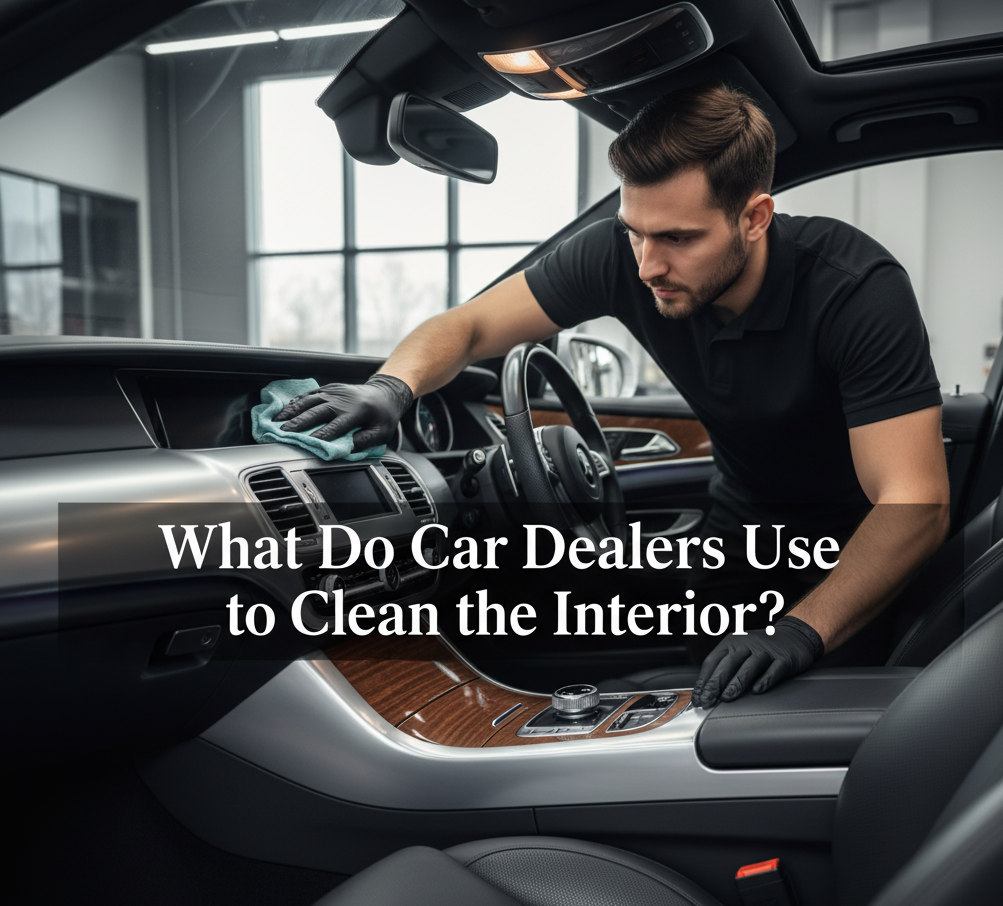
    What Do Car Dealers Use to Clean the Interior?

    Walk into a car dealership and you’ll notice something immediately—the cars sparkle, inside and out. The interiors smell new, every surface gleams, and not a speck of dust is in sight. That flawless look doesn’t happen by chance; it’s the result of professional precision, high-end products, and years of experience. At Grizzly Auto Detailing in Great Falls, VA, we follow similar standards through bold Reputable Car Interior Detailing in Great Falls.

    Dealerships understand that presentation sells. A clean car interior signals value, care, and attention to detail. But what exactly do car dealers use to clean those interiors so perfectly? Let’s explore their secrets, tools, techniques, and even how you can achieve dealer-level quality at home—or leave it to the pros for a truly showroom-worthy finish.


    Why Dealers Focus on Interior Detailing

    When customers step inside a vehicle, the interior is where they connect emotionally with the car. The scent, texture, and cleanliness determine first impressions. That’s why dealers invest heavily in professional interior detailing—because cleanliness influences buying decisions.

    Dealers treat interior detailing as both an art and a science. It’s not about masking odors or polishing plastics—it’s about restoring every surface to factory condition. A professional touch makes the difference between “clean” and “immaculate.”

    At Grizzly Auto Detailing, our process for bold Reputable Car Interior Detailing in Great Falls mirrors this dealership-level excellence. We combine advanced tools with safe, high-quality products to achieve perfection inside every vehicle.


    Dealer-Level Interior Detailing: Step-by-Step Process

    Professional dealers and detailers follow a carefully structured approach to cleaning interiors. Each step has a specific purpose, and skipping any part can compromise results.


    Step 1: Initial Inspection and Setup

    Before cleaning begins, detailers inspect the car’s condition. They identify materials (leather, vinyl, cloth, plastic) and assess problem areas such as stains, pet hair, or lingering odors.

    Pro Insight: Dealers use inspection lighting and magnifying flashlights to identify fine dust and residue invisible under normal lighting.

    Setup Includes:

    • Moving seats to access hard-to-reach spots
    • Removing mats and personal items
    • Preparing cleaning zones with microfiber cloths and product stations

    This prep ensures efficiency and avoids cross-contamination between materials.


    Step 2: Vacuuming and Dust Extraction

    Dealers use industrial-grade vacuums—often dual-motor or HEPA-filtered—for deep cleaning. These vacuums pull out embedded dirt from carpets, seats, and even air vents.

    Tools Used:

    • RIDGID Wet/Dry Vacuum
    • MetroVac Vac N’ Blo Automotive
    • Dyson Cyclone V15 cordless with detailing attachments

    Pro Tip: Attach narrow nozzles or crevice tools to reach between seat rails and door panels. Dealers also use compressed air guns to blow out debris before vacuuming.

    The goal is not just to remove visible debris but also microscopic dust that dulls fabric and accelerates wear.


    Step 3: Steam Cleaning for Sanitization

    Steam cleaning has become a dealer favorite because it sanitizes without chemicals. Steam penetrates deep into fabrics, dissolves grime, and kills bacteria—all while using minimal moisture.

    Benefits of Steam Cleaning:

    • Eliminates 99% of germs
    • Removes stubborn stains
    • Neutralizes odors naturally

    Dealers use machines like:

    • Fortador PRO Plus Steam Cleaner
    • Vapamore MR-75 Amico
    • Dupray Neat Steam Cleaner

    They regulate pressure and temperature carefully—too much heat can damage delicate materials like untreated leather or suede.

    At Grizzly Auto Detailing, we use advanced vapor systems as part of bold Reputable Car Interior Detailing in Great Falls, ensuring safe, deep sanitization for every surface.


    Step 4: Cleaning Dashboards, Consoles, and Panels

    Dealers clean interior surfaces using pH-balanced all-purpose cleaners. These dissolve dirt and body oils without harming finishes.

    Common Tools:

    • Detailing brushes for vents and buttons
    • Microfiber towels
    • Air compressors to blow out tight crevices

    Recommended Products:

    • Meguiar’s Quik Interior Detailer
    • 3D LVP Interior Cleaner
    • Koch Chemie Allround Surface Cleaner

    After cleaning, professionals apply UV protectants such as 303 Aerospace Protectant or Griot’s Garage Interior Dressing to guard against fading, cracking, and heat damage.


    Step 5: Upholstery and Carpet Extraction

    Cloth seats and carpets require extraction to lift deep-seated grime. Dealers use hot water extractors or shampoo machines that inject cleaner and immediately vacuum it up.

    Top Dealer Extractors:

    • Mytee Lite 8070
    • Bissell BigGreen Commercial Carpet Extractor
    • Tornador Extractor Gun

    They also use fabric guards to prevent future staining.

    For leather interiors, pros use dedicated leather cleaners and conditioners to clean, hydrate, and protect.
    Examples include:

    • Lexol Leather Cleaner & Conditioner
    • Chemical Guys Leather Care Kit
    • Meguiar’s Gold Class Leather Conditioner

    Leather detailing is delicate—it requires balancing cleaning strength with moisturizing protection to prevent cracking.


    Step 6: Glass, Mirrors, and Displays

    Streak-free clarity enhances overall cleanliness. Dealers rely on ammonia-free glass cleaners to prevent damage to tints and screens.

    Pro Formula:
    Spray cleaner onto a microfiber towel, not directly on the surface, to avoid streaks or drips.

    Dealer Favorites:

    • Invisible Glass Premium Cleaner
    • Griot’s Garage Ultra 5
    • Stoner Glass Cleaner

    The result? Crystal-clear windows, mirrors, and touchscreen displays that look brand new.


    Step 7: Odor Removal and Deodorization

    A fresh scent is key to the “new car” experience. Dealers use odor eliminators rather than perfumes. These break down odor-causing molecules instead of masking them.

    Tools and Techniques:

    • Ozone generators for complete air purification
    • Enzyme-based odor removers
    • Activated charcoal air filters

    Popular Products:

    • Meguiar’s Whole Car Air Re-Fresher
    • Ozium Odor Eliminator
    • Turtle Wax Power Out Odor-X

    At Grizzly Auto Detailing, we use the same ozone-based purification system in our bold Reputable Car Interior Detailing in Great Falls, leaving your car truly fresh, not just fragranced.


    Step 8: Conditioning and Protecting Surfaces

    After cleaning, dealers finish with protectants to maintain a new look longer. Conditioners restore suppleness to leather, while protectants guard plastics and vinyl against fading.

    Expert Picks:

    • 303 Protectant (UV protection)
    • Chemical Guys Silk Shine Dressing
    • Adam’s Interior Detailer (antistatic finish)

    Professionals always prefer a matte or satin finish—glossy surfaces can cause reflections that distract drivers.


    Step 9: Fine Detailing and Final Inspection

    Dealers finish by addressing small but important areas—door jambs, seat tracks, steering columns, and seat belts. Every surface gets inspected under direct light to ensure uniform cleanliness.

    They also apply protective coatings on fabrics and leathers for longevity.

    At Grizzly Auto Detailing, we use similar standards in our bold Reputable Car Interior Detailing in Great Falls, ensuring the finish rivals that of dealership displays.


    Professional Tools That Make the Difference

    Dealers don’t rely on household supplies. Their professional-grade equipment ensures deeper cleaning, safer results, and faster drying.

    Essential Dealer Tools:

    1. Dual-motor vacuum
    2. Tornador air gun
    3. Steam cleaner
    4. Hot water extractor
    5. Microfiber towels (premium grade)
    6. Interior detailing brushes
    7. Ozone generator
    8. Detailing lights
    9. Compressed air system
    10. Soft applicator pads

    These tools make interior detailing precise, efficient, and showroom-perfect.


    Dealer vs. Professional Detailer: What’s the Difference?

    While car dealers focus on presentation, professional detailers like Grizzly Auto Detailing prioritize long-term protection.

    AspectCar DealerProfessional Detailer
    GoalVisual appeal for saleDeep cleaning & preservation
    ProductsMid-grade for volumeHigh-grade specialized formulas
    Time Spent1–2 hours3–5 hours minimum
    TechniquesFast turnaroundCustomized by material
    OutcomeTemporary cleanlinessLong-lasting condition

    A dealer’s goal is to impress potential buyers quickly, while a detailer’s goal is to protect your investment over time.


    H2: Achieving Dealer-Level Cleaning at Home

    You can replicate much of the dealership process at home with patience and the right supplies. Here’s how to get started.

    Step 1 – Gather Your Tools

    • Cordless vacuum
    • Steam cleaner (optional but effective)
    • All-purpose cleaner
    • Microfiber towels
    • Interior brushes
    • Leather conditioner

    Step 2 – Start from the Top

    Always work from the top down—clean dashboards first, then seats, and finally carpets. This prevents recontamination.

    Step 3 – Use Proper Technique

    Spray cleaner on your towel, not directly on surfaces. Use soft circular motions to lift dirt without scratching.

    Step 4 – Focus on Details

    Don’t overlook cup holders, vents, and seams—these areas trap dust and grime.

    Step 5 – Protect and Maintain

    Finish with a protectant or conditioner. Regular touch-ups every few weeks will maintain that new-car feel.


    Pro Tips from Grizzly Auto Detailing Experts

    1. Avoid harsh chemicals. They can discolor fabrics and plastics.
    2. Use two buckets—one for clean water, one for rinsing dirty towels.
    3. Switch microfiber towels often to prevent re-depositing dirt.
    4. Condition leather monthly to keep it soft and crack-free.
    5. Keep vents clean using air-compressed detailing tools.
    6. Dry completely to avoid mildew growth.

    Dealer Secrets: Advanced Interior Products

    Here’s a peek at some professional-grade interior detailing products used by dealerships and experts alike.

    Product TypeExampleKey Benefit
    Fabric CleanerMeguiar’s Carpet & Upholstery CleanerLifts stains and deodorizes
    All-Purpose CleanerKoch Chemie Green StarSafe for multiple surfaces
    Leather ConditionerLexol Leather ConditionerPrevents cracking and fading
    Glass CleanerStoner Invisible GlassAmmonia-free clarity
    Protectant303 Aerospace ProtectantBlocks UV damage
    Odor NeutralizerOzium Air SanitizerEliminates bacteria and odors

    These products are preferred because they are safe, efficient, and deliver professional-level results without causing damage.


    Maintenance Schedule for a Clean Interior

    TaskFrequencyPurpose
    VacuumingWeeklyPrevent dirt buildup
    Interior Wipe-DownBiweeklyMaintain shine and hygiene
    Deep DetailingEvery 3 monthsRestore and protect materials
    Odor TreatmentAs neededMaintain freshness
    Leather ConditioningMonthlyPrevent cracks and fading

    Consistent maintenance extends the life of your vehicle’s interior and preserves resale value.


    Why Choose Grizzly Auto Detailing

    At Grizzly Auto Detailing, we bring dealership-level precision directly to your car. Our technicians are trained in the same techniques car dealers use—but with a focus on your car’s long-term protection and comfort.

    We don’t just clean; we restore, preserve, and protect every interior surface using eco-friendly products and advanced detailing equipment.

    With our bold Reputable Car Interior Detailing in Great Falls, you’ll experience the same luxury finish that car dealers achieve—without the dealership markup.


    The Value of Professional Detailing

    Beyond cleanliness, interior detailing protects your investment. Dirt, oils, and UV rays degrade materials over time. Regular professional cleaning prevents wear, enhances comfort, and boosts resale value.

    Professional detailing is not an expense—it’s a preservation strategy.


    Conclusion

    Dealerships use a blend of advanced tools, safe cleaning agents, and professional techniques to make their cars shine inside and out. Achieving that same quality at home is possible, but it requires the right products, knowledge, and dedication.

    For those who prefer expert precision, Grizzly Auto Detailing provides the perfect solution with bold Reputable Car Interior Detailing in Great Falls.

    Our mission is simple: transform every car interior into a pristine, comfortable, and protected space that feels brand new every day.


    🔹 FAQs

    1. What do car dealers use to clean the inside of cars?
    Dealers use steam cleaners, hot water extractors, pH-balanced cleaners, and odor neutralizers for deep, safe cleaning.

    2. Do they use the same products as professional detailers?
    Not always—dealers often use faster-acting, bulk cleaners, while professionals choose premium, surface-specific formulas.

    3. Can I clean my car interior like a dealer at home?
    Yes, with the right tools and patience, you can achieve near-dealer results using proper techniques.

    4. What’s the most important part of cleaning the interior?
    Vacuuming and sanitization—these steps remove dirt, allergens, and bacteria for a truly fresh interior.

    5. How do car dealers make cars smell new?
    They use ozone generators and enzyme-based odor removers to neutralize smells instead of masking them.

    6. How long does a professional interior detail take?
    Usually 3–5 hours, depending on the size and condition of the vehicle.

    7. Do dealerships condition leather seats?
    Yes, they use specialized conditioners to keep leather soft and prevent cracking.

    8. What’s the best cleaner for dashboards?
    A pH-balanced interior cleaner followed by a UV protectant—like 303 Aerospace Protectant.

    9. Is professional detailing worth it?
    Absolutely. It extends interior life, increases comfort, and boosts resale value.

    10. Why choose Grizzly Auto Detailing?
    Because we bring dealership-quality results to Great Falls with expert care, advanced tools, and trusted customer service.
  • How to Buff a Car Detail?

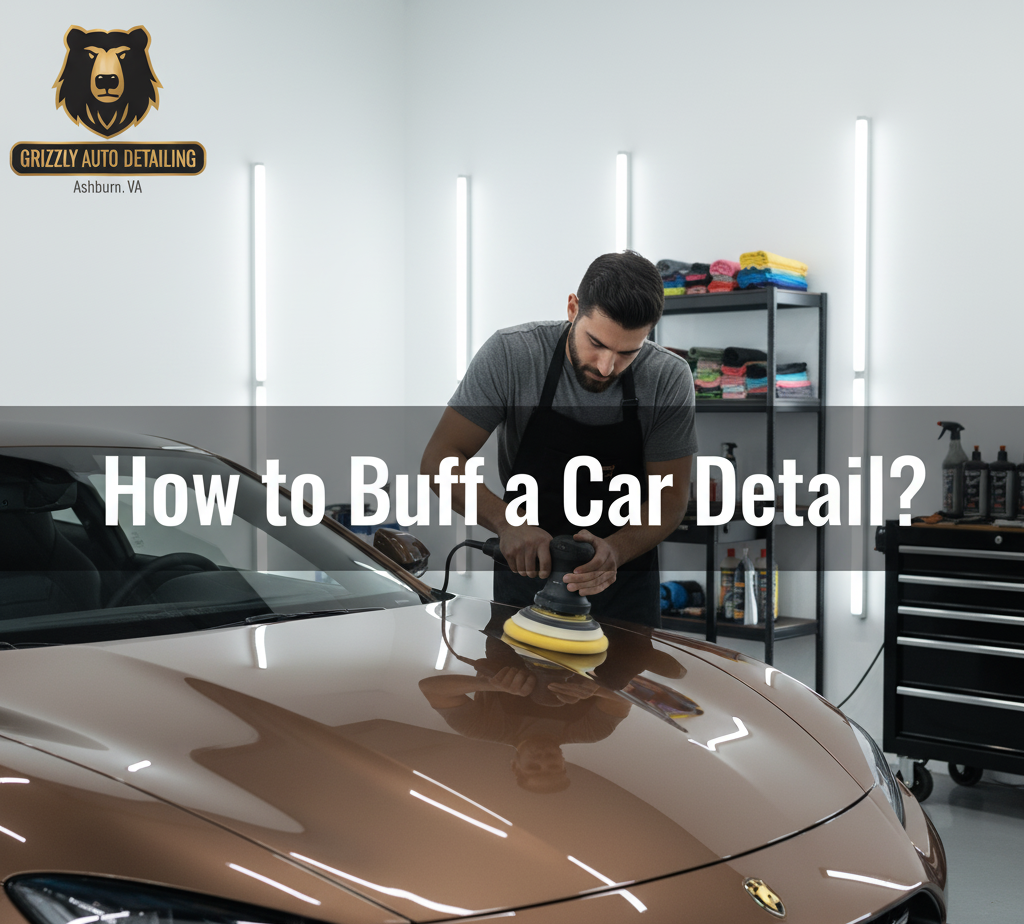
    How to Buff a Car Detail?

    When it comes to achieving that mirror-like shine that makes your vehicle look fresh from the showroom, few techniques compare to a proper buffing job. Buffing is both an art and a science — one that requires patience, the right tools, and the correct process. At Grizzly Auto Detailing in Ashburn, VA, our experts specialize in restoring a vehicle’s finish with precision and care. If you’re searching for the ultimate guide to restoring gloss and removing paint imperfections, you’re in the right place. Whether you’re a weekend warrior or a professional detailer, this guide will walk you through everything you need to know about how to buff a car detail effectively — with proven insights from professionals in Car Cleaning Ashburn.


    Understanding the Purpose of Buffing

    Buffing is more than just shining a car’s surface — it’s a corrective process that removes fine scratches, oxidation, swirl marks, and other minor imperfections in the paint. Over time, environmental factors such as UV rays, rain, bird droppings, and road grime degrade a car’s finish. Buffing restores clarity and depth by smoothing the clear coat, allowing the paint beneath to shine through beautifully.

    In essence, buffing bridges the gap between washing and waxing — it’s the polishing stage that makes the difference between a car that looks “clean” and one that looks truly detailed.


    Tools and Materials You’ll Need

    Before diving into the process, gather the right tools. Professional detailing always begins with preparation.

    Essential Equipment

    • Dual-action (DA) polisher or rotary buffer
    • Polishing pads (foam, microfiber, or wool depending on paint type)
    • Cutting compound or polish
    • Microfiber towels
    • Masking tape (for trim protection)
    • Detailing spray or surface prep cleaner
    • High-quality wax or sealant for final protection

    Each item plays a role in ensuring consistent, swirl-free results. For example, a dual-action polisher is ideal for beginners because it minimizes the risk of burning paint while still achieving excellent correction. Professional detailers at Grizzly Auto Detailing rely on rotary buffers for advanced correction jobs, especially when performing full Car Cleaning Ashburn packages that include paint restoration.


    Step 1: Wash and Decontaminate the Vehicle

    A clean surface is crucial before buffing. Dirt or debris left on the paint can cause micro-scratches when buffed.

    1. Rinse the vehicle thoroughly. Remove loose dirt and grime using high-pressure water.
    2. Use a pH-balanced car shampoo. A pH-neutral formula prevents stripping waxes or sealants while removing contaminants.
    3. Two-bucket method. One bucket for clean, soapy water and one for rinsing the wash mitt ensures dirt isn’t reapplied to the paint.
    4. Clay bar treatment. After washing, use a clay bar and lubricant to remove embedded contaminants like tar, sap, or brake dust.

    Once the surface is squeaky clean, dry it using microfiber drying towels. A fully decontaminated surface ensures your buffer doesn’t grind particles into the paint.


    Step 2: Mask Delicate Areas

    Before turning on the buffer, apply painter’s tape to trim, badges, emblems, or rubber seals. This prevents polish residue buildup and accidental scuffing. Masking demonstrates professionalism and attention to detail — both essential traits for high-quality results.


    Step 3: Select the Correct Pad and Polish

    The combination of pad and polish determines the level of correction you achieve. Understanding their roles is key:

    • Cutting Pads: Used for heavy paint correction with compounds.
    • Polishing Pads: Designed for moderate swirl and scratch removal.
    • Finishing Pads: Used for final refinement or applying wax.

    Similarly, compounds and polishes vary by aggressiveness. A good starting point is a medium-cut polish paired with a foam pad. Always perform a test spot to determine what level of correction your vehicle’s paint requires. Professionals at Grizzly Auto Detailing adjust pad and polish combinations according to each vehicle’s condition during premium Car Cleaning Ashburn services.


    Step 4: Prime the Pad

    Before applying polish to the car’s surface, prime the pad. This step ensures even product distribution and prevents dry buffing, which can create micro-marring.

    • Apply a few small pea-sized dots of polish to the pad.
    • Spread it gently across the section you’ll work on before activating the machine.
    • Lightly press the pad against the surface to evenly coat the area.

    Proper priming leads to consistent correction and minimizes friction between the pad and paint.


    Step 5: Work in Small Sections

    Buffing isn’t about speed — it’s about control. Work in manageable sections (2’x2’) to maintain consistency and prevent the polish from drying prematurely.

    1. Spread the polish evenly over the section with the machine off.
    2. Set the buffer at low speed to spread the product.
    3. Gradually increase the speed to about 4–5 on a DA polisher (or 1,200–1,500 RPM on a rotary).
    4. Move the pad in overlapping passes — first horizontally, then vertically — to ensure even coverage.

    Keep the pad flat and apply light to moderate pressure. Let the machine’s motion and the polish do the work — not brute force. The goal is to refine the surface, not grind it down.


    Step 6: Inspect and Wipe Down

    Once you’ve completed a section, stop buffing and inspect the finish. Use a clean microfiber towel and a detailing spray or panel wipe to remove polish residue. Examine the paint under bright lighting.

    • If the defects persist, repeat the process using a slightly more aggressive pad or compound.
    • If the surface looks glossy and smooth, move on to the next section.

    Buffing requires patience — taking time to evaluate your progress ensures flawless results.


    Step 7: Perform a Final Polish

    After the correction stage, perform a final polish with a softer pad and finishing polish. This refines the paint, enhances depth, and creates that wet-look shine enthusiasts love.

    Professional detailers often use ultra-fine finishing compounds to achieve mirror clarity. This final step is what separates an average detail from a show-quality finish.


    Step 8: Apply Wax or Sealant

    Buffing removes minor imperfections, but it also removes any existing protective layers. Once you’ve achieved the desired finish, protect it immediately with a wax, sealant, or ceramic coating.

    • Carnauba wax offers a warm, deep glow but requires frequent reapplication.
    • Synthetic sealants provide long-lasting protection and enhanced water beading.
    • Ceramic coatings deliver ultimate durability, often lasting years when applied correctly.

    At Grizzly Auto Detailing, we recommend ceramic coatings for customers seeking the longest-lasting shine and protection as part of comprehensive Car Cleaning Ashburn services.


    Step 9: Maintain the Buffed Finish

    Your freshly buffed car deserves proper care. Avoid harsh cleaners or automatic car washes, which can reintroduce scratches. Instead:

    • Wash using the two-bucket method.
    • Use microfiber towels and gentle drying techniques.
    • Apply quick detailer sprays between washes to maintain gloss.
    • Reapply wax or sealant every few months to preserve protection.

    With regular upkeep, your car will maintain its brilliant shine for months.


    Expert Tips from Grizzly Auto Detailing

    • Avoid direct sunlight. Heat causes polish to dry too quickly, making it difficult to work.
    • Check pad cleanliness often. A clogged pad can create micro-marring and reduce effectiveness.
    • Use a swirl-finder light. This reveals imperfections invisible under normal lighting.
    • Work slowly. Buffing is a marathon, not a sprint. Precision always wins over haste.
    • Always start mild. Begin with the least aggressive combination before increasing cutting power.

    Grizzly Auto Detailing technicians in Ashburn are trained to evaluate each car’s paint condition and tailor the process accordingly. Their approach ensures maximum shine without compromising the integrity of the paintwork.


    Common Mistakes to Avoid When Buffing

    Even seasoned enthusiasts can make errors that hinder results. Be mindful of these common pitfalls:

    1. Using too much polish: Excess product leads to residue buildup and inconsistent correction.
    2. Skipping surface prep: Buffing over dirt scratches the paint.
    3. Overheating the surface: Applying too much pressure can burn the clear coat.
    4. Neglecting edge control: Edges are thinner and require delicate handling.
    5. Failing to protect afterward: Without a protective layer, the finish quickly degrades.

    Avoiding these mistakes ensures your hard work produces professional-grade shine every time.


    How Often Should You Buff Your Car?

    Buffing is not a weekly or monthly procedure. The frequency depends on factors such as your driving environment, paint type, and maintenance routine.

    For most cars, buffing once or twice a year is sufficient. Over-buffing can thin the clear coat, so always aim for correction only when necessary. If your vehicle undergoes professional detailing with Grizzly Auto Detailing, our specialists assess paint thickness to ensure safe and effective polishing during any Car Cleaning Ashburn service.


    Professional vs. DIY Buffing

    While do-it-yourself buffing can yield impressive results, professional detailing offers advantages worth considering:

    AspectDIY BuffingProfessional Buffing
    CostLower initial costHigher upfront investment
    ToolsLimited to consumer-gradeIndustrial-grade buffers and products
    Finish QualityGood with practiceShowroom-quality shine
    RiskPotential for mistakesExpert control and safety
    DurabilityShorter-term resultsLong-lasting protection

    Professionals like those at Grizzly Auto Detailing combine experience, premium materials, and precision techniques to ensure your car’s finish looks its best — safely and efficiently.


    Final Thoughts

    Buffing a car detail is one of the most satisfying aspects of automotive care. When done correctly, it transforms dull, tired paint into a reflective, flawless surface that turns heads wherever you go.

    By following the steps outlined above — from washing and decontamination to final protection — you can achieve results that rival professional shops. However, if you desire the ultimate, risk-free experience with guaranteed perfection, consider booking a service with Grizzly Auto Detailing in Ashburn, VA.

    Their certified professionals use state-of-the-art equipment and proven detailing systems to deliver unmatched gloss, depth, and protection — making your vehicle look better than new.


    FAQs About Buffing a Car Detail

    1. How long does it take to buff a car properly?
    A full-car buff can take anywhere from 3 to 6 hours depending on the size of the vehicle and the extent of paint correction needed.

    2. Can I buff a car by hand?
    Yes, but machine buffing provides far better results. Hand buffing is ideal only for spot polishing or applying wax.

    3. What’s the difference between buffing and polishing?
    Polishing is part of the buffing process — it uses abrasive compounds to smooth the paint, while buffing refers to the entire correction stage.

    4. How do I know if my car needs buffing?
    If you notice dullness, oxidation, or swirl marks that don’t disappear after washing, it’s time to buff.

    5. Can buffing remove scratches?
    Yes, light surface scratches and swirl marks can be removed through buffing, but deep scratches may require professional repair.

    6. Is buffing safe for clear coat paint?
    When performed correctly, yes. Over-buffing or using excessive pressure can thin the clear coat, so moderation is key.

    7. How much does professional buffing cost?
    Professional buffing costs vary by location and vehicle size but typically range from $150 to $400 for standard vehicles.

    8. How often should I wax after buffing?
    Reapply wax or sealant every 2–3 months to maintain the protection and gloss achieved through buffing.

    9. What type of polish should beginners use?
    Start with a medium-cut polish and a foam pad — this combination is forgiving and effective for most paint types.

    10. Does buffing help resale value?
    Absolutely. A well-buffed, glossy vehicle signals proper maintenance, which can increase resale appeal and value.


  • How Much Does It Cost to Detail a Car Exterior?

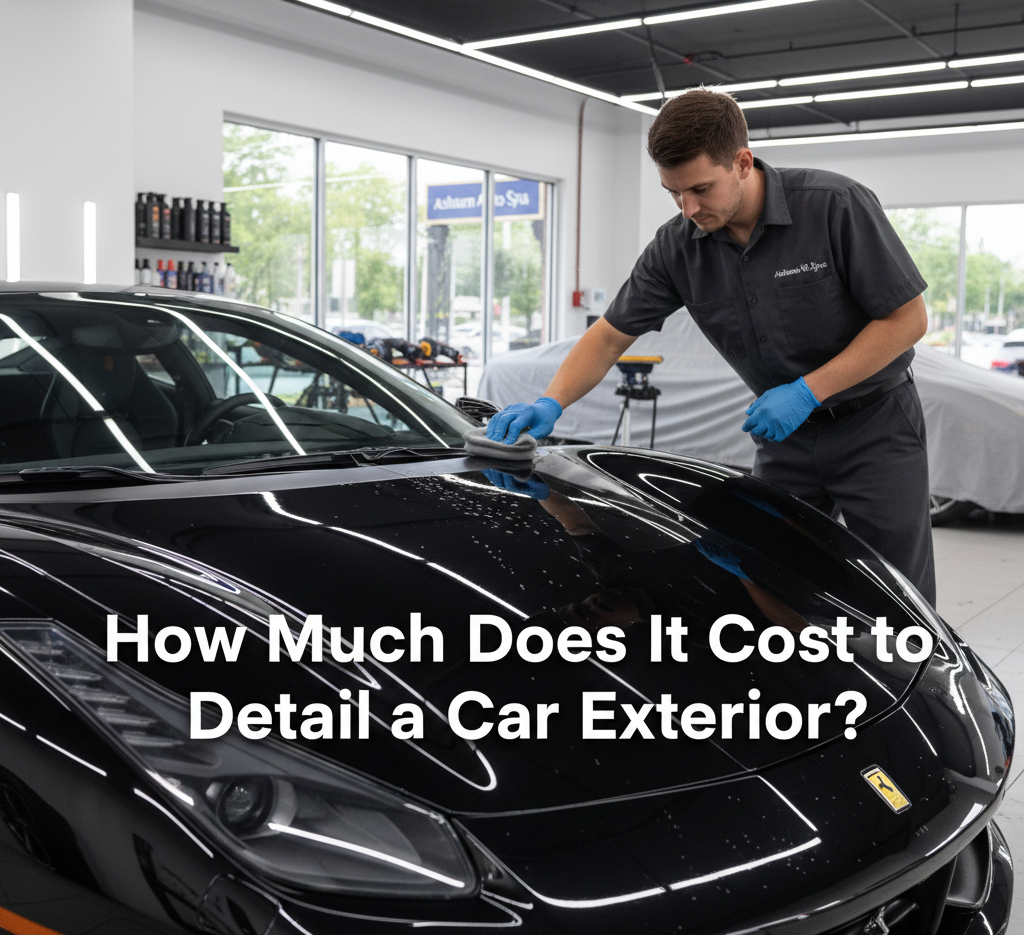
    How Much Does It Cost to Detail a Car Exterior?

    When people in Ashburn, VA search for professional ways to restore the beauty and protection of their vehicles, they often wonder about the cost of Car Exterior Detailing in Ashburn. Detailing is not merely a surface-level cleaning; it is a thoughtful process that restores, protects, and preserves the value of a vehicle. To answer the central question, the cost of detailing a car exterior depends on several key factors such as vehicle size, condition, services included, and the expertise of the company providing the work. At Grizzly Auto Detailing, transparency and quality guide every service, ensuring clients understand the real value behind the price.


    Understanding Exterior Detailing

    Detailing a car exterior is different from a standard wash. A wash may remove dirt, but it does not deeply cleanse or correct imperfections. Exterior detailing includes specialized processes designed to restore the paint, improve gloss, and extend protection. Each vehicle tells its own story through scratches, oxidation, and road wear. Exterior detailing rewrites that story, giving the vehicle a renewed appearance.


    Key Factors That Influence Cost

    The cost of exterior detailing is not fixed. It depends on measurable and visible aspects of the car. To remain direct and precise, the following are the essential determinants:

    1. Vehicle Size – Larger vehicles such as SUVs, trucks, or vans require more time, more products, and more effort compared to sedans or compact cars.
    2. Condition of the Exterior – A new car with minor surface dust requires less work compared to an older car with oxidation, scratches, or neglected paint.
    3. Level of Service – A basic package may include washing and waxing, while advanced packages involve paint correction, clay bar treatments, or ceramic coatings.
    4. Products and Equipment – Professional-grade sealants, compounds, and detailing tools add to the overall cost but significantly improve results.
    5. Detailer Expertise – Skilled professionals often charge higher rates because their experience ensures precision, safety, and longer-lasting results.

    Average Cost Range in Ashburn, VA

    In Ashburn, VA, the average cost to detail a car exterior ranges between $100 to $300 for standard detailing. This may include washing, waxing, polishing, and basic protection. For advanced services like multi-step paint correction or ceramic coating, the cost can increase to $500 or more, depending on the desired outcome.

    At Grizzly Auto Detailing, the goal is to provide clarity in pricing so clients know exactly what they are paying for, without hidden costs.


    Why Cost Varies

    The question, “How much does it cost?” cannot be answered with a single number because vehicles differ in needs. A black car with swirl marks requires more polishing than a white car with light dust. A truck that spends winters outdoors may need extensive decontamination, while a garage-kept sedan requires a lighter service. The value of detailing lies in customization. The price reflects not only time and materials but also the preservation of the vehicle’s aesthetic and resale value.


    The Value Beyond Price

    Philosophically, price is the number paid, while value is the benefit received. In exterior detailing, the true value lies in:

    • Restoring paint clarity
    • Protecting against UV damage and oxidation
    • Enhancing vehicle appearance
    • Increasing resale potential

    This distinction reminds us that while cost is measured in dollars, value is measured in time saved, beauty restored, and pride of ownership.


    Grizzly Auto Detailing’s Approach

    Grizzly Auto Detailing in Ashburn, VA offers carefully structured services that align cost with quality. Packages are transparent, tailored to customer needs, and performed with precision. By balancing affordability and expertise, Grizzly ensures that clients receive more than just a service—they receive a renewed relationship with their vehicle.


    Final Thoughts

    The cost to detail a car exterior in Ashburn varies depending on vehicle size, condition, and chosen services. Yet the consistent truth is that detailing is an investment, not an expense. It preserves the vehicle’s present beauty while protecting its future value. For those seeking reliable Car Exterior Detailing in Ashburn, Grizzly Auto Detailing offers both clarity and craftsmanship, ensuring every dollar spent results in lasting value.


    FAQs

    1. How much does basic exterior detailing cost in Ashburn, VA?
    Basic exterior detailing typically costs between $100 and $150, depending on the size of the vehicle.

    2. Does detailing include scratch removal?
    Light scratches may be reduced with polishing, but deep scratches often require paint correction.

    3. How long does a detailing session take?
    Most exterior detailing sessions take 2 to 4 hours, depending on vehicle condition.

    4. What is the difference between detailing and a car wash?
    A wash removes dirt, while detailing restores shine, corrects imperfections, and adds protection.

    5. Is ceramic coating included in standard detailing?
    No, ceramic coating is usually an advanced service available at an additional cost.

    6. How often should I detail my car exterior?
    Detailing every 4 to 6 months is recommended for maintaining optimal shine and protection.

    7. Does exterior detailing increase resale value?
    Yes, a well-detailed exterior enhances appearance and makes the car more appealing to buyers.

    8. What is the average cost for SUVs or trucks?
    Exterior detailing for larger vehicles may range from $150 to $250 for standard services.

    9. Can I request customized detailing packages?
    Yes, Grizzly Auto Detailing offers tailored packages based on client needs and vehicle condition.

    10. Why choose Grizzly Auto Detailing in Ashburn, VA?
    Grizzly combines professional expertise, premium products, and transparent pricing for trusted results.