A flawless automotive finish always captures attention. Drivers in Ashburn, VA value clean, glossy, and well-maintained vehicles, and nothing restores a car’s surface like a thorough, professional paint correction. However, many car owners still wonder what actually happens during this process. They see stunning before-and-after pictures, yet the steps behind the transformation often stay unclear. Today, you’ll understand every stage of this premium service, especially when you choose a shop that performs Full paint correction Ashburn the right way.
A proper correction service goes far beyond basic polishing. It removes real defects, improves clarity, revives depth, eliminates oxidation, and restores the kind of shine that rivals showroom finishes. When done correctly, this service becomes an art form—precision, technique, and high-level skill form the difference between good results and remarkable, professional-grade brilliance.
At Grizzly Auto Detailing, we design our approach specifically for Ashburn’s climate and local driving conditions. Since local cars endure intense UV exposure, road film, winter salt, and micro-scratches from automatic washes, they often require deeper restoration. Because of this, Full paint correction Ashburn treatments stand as one of the most requested services in the region.
Below, you’ll discover what is really included in a professional paint correction service in Ashburn, why each step matters, and how these techniques transform your car’s appearance dramatically.
Understanding the Purpose of Paint Correction
A professional correction service eliminates defects rather than hiding them. Unlike simple waxing or shining, this process uses machine polishing, abrasives, and precise leveling to treat imperfections such as:
- Swirl marks
- Deep scratches
- Water spot etching
- Holgraphic trails
- Oxidation
- Hard water stains
- Chemical damage
- Wash-induced marring
Because of these issues, many vehicles never look truly glossy, even after a wash. Paint correction changes that. It restores actual smoothness and clarity by refining the surface itself. When specialists perform Full paint correction Ashburn, they create a finish that looks dramatically richer, brighter, and more luxurious.
Step 1: Comprehensive Vehicle Inspection
A professional service always begins with a full inspection. This stage helps the technician understand the car’s paint type, defect severity, and potential limitations. Since Ashburn drivers own a wide range of vehicles—from Teslas to BMWs to lifted trucks—the inspection must identify factory clear-coat hardness, previous bodywork, and environmental wear.
During this evaluation, the specialist:
- Examines the vehicle under LED correction lights
- Checks clear-coat thickness using a paint depth gauge
- Identifies deep scratches and etched marks
- Maps areas with oxidation or fading
- Notes locations where the clear coat appears thin
This inspection guides the correction plan. Every step becomes intentional and safe. Instead of guessing, the specialist uses measurements and insight to determine the proper compound, pad, and correction intensity.
Step 2: Deep Decontamination Wash
A correction service cannot begin on a dirty or contaminated surface. Because of this, the technician uses a multi-stage wash that goes far beyond a regular cleaning. They remove every bonded contaminant so the polishing pads glide smoothly and evenly.
This process includes:
1. Pre-Rinse and Foam Bath
The vehicle receives thick foam that loosens grime, road film, and dust. The foam lubricates the surface, which prevents additional scratches during contact washing.
2. Two-Bucket Hand Wash
This technique ensures zero swirl introduction. Fresh wash mitts, grit-guard buckets, and clean microfiber towels help maintain flawless washing practices.
3. Iron Removal Treatment
Since Ashburn roads carry brake dust and airborne metal particles, iron fallout sticks easily to paint. The specialist applies an iron-dissolving solution to safely melt away these contaminants.
4. Clay Bar Treatment
After the chemical decontamination, the technician uses a clay bar or clay mitt to pull out embedded debris. This step leaves the paint fully smooth, which is crucial before polishing.
This deep-clean phase creates a clean surface that accepts correction safely and predictably.
Step 3: Paint Depth Analysis and Correction Planning
After washing and decontamination, the technician reassesses the paint thickness. They use a digital meter to check varying points of the vehicle, including:
- Hood
- Fenders
- Roof
- Doors
- Quarter panels
- Trunk
This measurement reveals how aggressive the correction can safely become. Since clear-coat layers vary between brands, understanding thickness becomes essential. For example, German vehicles often have harder clear coats that require stronger cutting. Meanwhile, certain Japanese vehicles come with thinner coatings that require more finesse.
Because of these differences, a professional always tailors the approach. Every decision—pad, polish, machine speed, and number of passes—comes from this analysis. This personalized structure defines professional correction and distinguishes it from cheap polishing packages.
Step 4: Multi-Stage Paint Correction
This section represents the heart of the process. Here, the specialist begins leveling defects using machine polishers. Since Ashburn drivers often face swirl marks and harsh micro-scratches from automatic car washes, multi-stage correction becomes necessary.
A true Full paint correction Ashburn service includes:
1. Cutting Stage (Heavy Correction)
During this stage, the technician uses abrasive compounds and firm pads to eliminate deep defects. This step removes:
- Weather-induced fading
- Oxidation
- Swirl marks
- Washing scratches
- Surface etching
The goal is to level the clear coat evenly so the entire surface reflects light more accurately.
2. Polishing Stage (Refinement)
After the heavy stage, the specialist switches to softer pads and finer polishes. This phase focuses on gloss refinement. The car develops an increasingly rich, high-clarity shine.
3. Finishing Stage (Ultra Fine Correction)
Finally, the technician uses ultra-soft pads to eliminate micro-marring and create mirror-like clarity. This stage ensures the paint reaches maximum depth and smoothness.
Every inch of the vehicle receives attention—from bumper to roofline—creating the signature, flawless finish associated with top-tier correction services.
Step 5: Edge Work, Tight Areas, and Specialty Sections
Not every part of the vehicle allows machine access. Skilled technicians use hand tools, micro-polishers, and detailing sticks to refine areas such as:
- Door handles
- Mirror caps
- Edges and seams
- B-pillars
- Behind door curves
- Lower bumper areas
These spots matter because they complete the overall look. A professional never ignores them. Instead, they treat these difficult areas with care and precision.
When performing Full paint correction Ashburn, this attention to detail becomes a major reason why clients choose premium services.
Step 6: IPA Wipe-Down
After correction, the technician wipes the entire vehicle using an alcohol-based solution. This solution removes polishing oils so the true finish appears. No filler hides defects. No oils mask swirls.
This step:
- Reveals the authentic final condition
- Prepares the paint for sealants or coatings
- Ensures zero residue interferes with protection
At this stage, the car already looks dramatically better—smooth, glossy, deep, and vibrant.
Step 7: Optional Sealant, Wax, or Ceramic Protection
While correction restores beauty, protection preserves it. Many Ashburn customers choose to apply:
- Ceramic coatings
- Polymer sealants
- High-quality wax
These layers repel dirt, enhance gloss, block UV rays, and extend the life of the corrected finish. Many clients combine Full paint correction Ashburn with ceramic coating because it locks in the results for years rather than months.
Step 8: Final Gloss Inspection Under Multiple Light Sources
After the polishing and IPA wipe-down, the vehicle receives a full inspection under several lighting conditions. This step ensures no defect hides in shadows or angles. A flawless correction requires light variety, so the technician uses:
- Sunlight simulation lamps
- LED swirl finder lights
- Shop overhead lighting
- Cross-lighting angles
- Outdoor natural light when possible
This combination reveals the paint’s true condition. Swirls, holograms, leftover haze, or micro-scratches cannot remain unnoticed. Because of Ashburn’s bright sunlight and reflective roads, proper inspection holds high importance. A true Full paint correction Ashburn service always includes this extensive final check, which eliminates surprises and guarantees perfection before vehicle delivery.
Step 9: Dressing, Final Touches, and Presentation
Paint correction focuses on the paint, but detailers finish the entire exterior to create a complete, polished appearance. These finishing touches include:
- Tire dressing
- Trim restoration
- Stainless and chrome polishing
- Glass cleaning
- Emblem detailing
- Exhaust tip polishing
- Final dust removal
- Door jamb cleaning
These steps elevate the result from “better paint” to “fully renewed vehicle.” The customer receives a visually unified result, where every corner looks professionally refined. Many Ashburn clients appreciate these touches because they enhance resale value, elevate presentation, and create a memorable visual impact.
Why Paint Correction Matters for Ashburn Drivers
Ashburn’s climate, traffic patterns, and driving conditions create unique challenges for vehicle paint. Cars often face:
- Harsh UV radiation
- Tree sap from local neighborhoods
- Mineral-heavy water spots
- Road construction dust
- Autumn leaf debris
- Winter salt
- Micro-scratches from automated washes
Because of these elements, paint loses shine faster. Many vehicles develop dullness within months, even when the owner washes regularly.
A high-quality correction solves these problems by restoring the paint’s clean, reflective, and smooth structure. When done by a trained specialist using modern tools, correction revives gloss, clarity, and richness that stand out against daily wear.
Results You Can Expect from a Professional Correction
A proper correction delivers dramatic visual improvement. Many clients describe the results as “brand new,” “showroom worthy,” or “better than when I bought it.”
You can expect:
1. Deep Gloss and Reflectivity
The surface reflects like glass, producing a mirror-like finish.
2. Rich, Enhanced Color
Metallics sparkle more. Solid paints look deeper and more luxurious.
3. Removal of Swirls and Scratches
This benefit alone creates a major visual difference.
4. UV and Oxidation Recovery
Your paint regains the depth and vibrancy it lost under the sun.
5. Immediate Boost in Vehicle Value
Corrected vehicles attract more buyers and higher offers.
Since local drivers increasingly value appearance, many choose Full paint correction Ashburn before selling or trading their vehicles.
Single-Stage vs. Multi-Stage Correction
Understanding the difference helps customers choose the right service:
Single-Stage Correction
This option improves gloss and removes light defects. It works best for newer vehicles or lightly damaged paint. It uses one polishing step.
Multi-Stage Correction
This service includes cutting, polishing, and refining. It removes deeper scratches, oxidation, and significant wear. Multi-stage represents true Full paint correction Ashburn, delivering the highest clarity and the best transformation possible.
Why Choose Grizzly Auto Detailing in Ashburn, VA?
Ashburn drivers trust Grizzly Auto Detailing because we combine precision, experience, and care. Every technician follows a structured method that eliminates risk and maximizes results. Unlike quick polishing services, we build each correction around the vehicle’s paint type, age, and condition.
Our Core Advantages Include:
1. Advanced Tools and Techniques
We use cutting-edge polishers, pads, and compounds designed to handle modern clear coats effectively.
2. Customized Correction Plans
Every correction reflects your vehicle’s unique needs. We measure paint thickness, check for previous repairs, and design the safest and most effective approach.
3. Experienced Technicians
Our team understands the safe limits of correction. We never rush or cut corners.
4. Ashburn-Specific Knowledge
Our long-term experience with local conditions helps us anticipate issues such as hard water stains, UV wear, and seasonal contaminants.
5. The Best Protection Options
After a full correction, we offer ceramic coatings, graphene coatings, or premium sealants to maintain results for years.
6. Honest, Transparent Service
We explain every step, showing before-and-after comparisons so customers feel confident and informed.
Drivers choose us repeatedly because they value flawless work, reliable service, and consistent quality. Your car deserves the same.
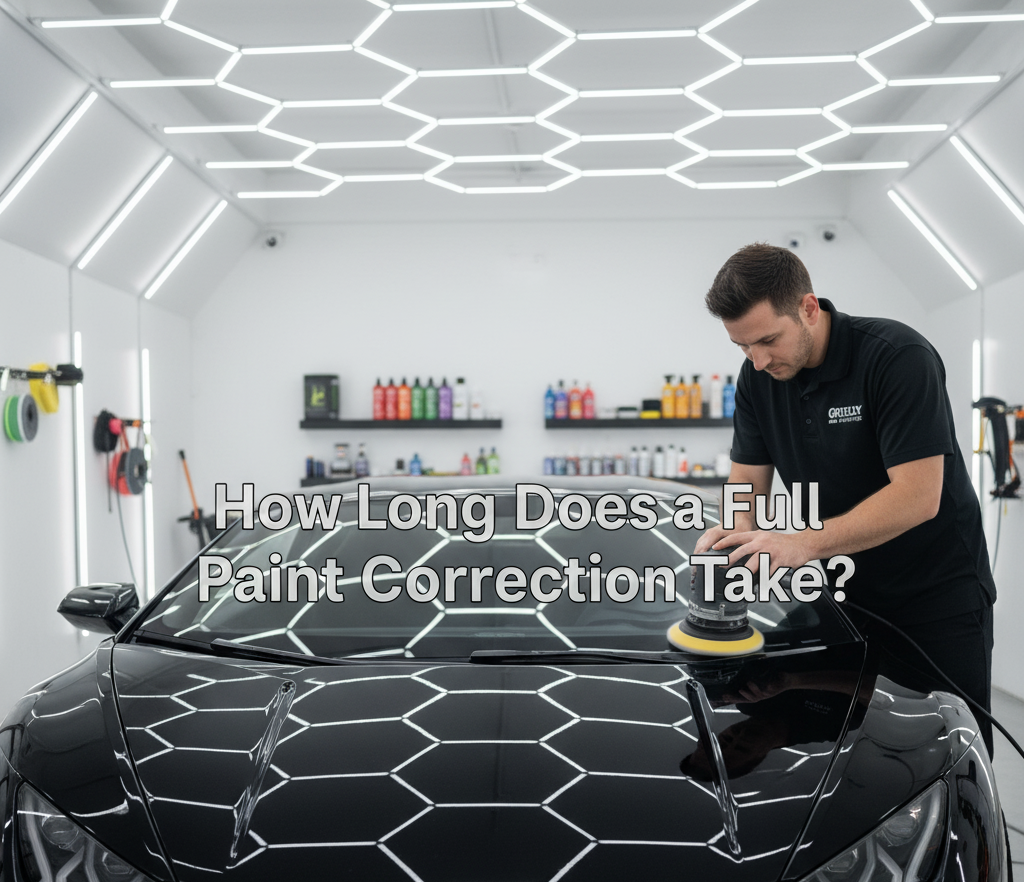
How Long Does a Full Paint Correction Take?
Time varies based on vehicle size, paint hardness, and defect severity. A basic correction may take 4–6 hours. A true multi-stage Full paint correction Ashburn service often requires 10–20 hours of focused, skilled work.
Larger vehicles—such as SUVs and trucks—may require longer due to surface area and harder clear coats. A proper correction never happens quickly. It requires patience, precision, and careful judgment at each stage.
How to Maintain Your Car After Correction
Once your vehicle receives paint correction, proper maintenance helps preserve the flawless finish.
Follow these steps for long-lasting gloss:
- Wash weekly using a pH-neutral soap
- Use microfiber towels only
- Avoid drive-through car washes
- Apply ceramic or paint sealants
- Use spray wax between washes
- Remove bird droppings immediately
- Park in covered or shaded areas
These habits protect the newly corrected surface and extend the life of your investment.
Is Paint Correction Worth It?
Absolutely. Paint correction remains one of the most effective ways to revive a car’s exterior. It improves appearance, increases value, and transforms surface quality dramatically. When combined with ceramic coating, results last for years, making Full paint correction Ashburn a smart long-term investment for car owners who value appearance and longevity.
Conclusion
A professional paint correction service in Ashburn includes far more than polishing. It involves evaluation, decontamination, precise machine correction, refinement, edge work, inspection, and protection—all performed with skill and intention.
When specialists handle the process, the transformation becomes stunning. Your car regains deep gloss, clarity, and richness that stand out anywhere in Ashburn. For vehicle owners who expect premium results, paint correction delivers unmatched beauty and protection that lasts.
Grizzly Auto Detailing performs this artistry with commitment and expertise, using advanced tools and proven techniques to offer the highest-quality Full paint correction Ashburn experience.
FAQs
1. What is paint correction?
Paint correction removes scratches, swirls, oxidation, and imperfections to restore gloss and clarity.
2. How long does a full correction take?
It usually requires 10–20 hours depending on paint condition and vehicle size.
3. Will correction remove all scratches?
It removes most defects, but extremely deep scratches may require touch-up or repainting.
4. Does paint correction damage clear coat?
No. Skilled technicians measure paint thickness and correct safely.
5. How long do results last?
Results last months to years depending on maintenance and protection coatings.
6. Should I apply ceramic coating after correction?
Yes. Ceramic coating locks in the results and protects the finish.
7. Can new cars benefit from correction?
Yes. Even new cars often have swirl marks from factory and transport handling.
8. How much does paint correction cost?
Cost varies by vehicle size, condition, and number of correction stages.
9. Can I wash my car after correction?
Wait 24 hours before washing to allow the finish to settle.
10. Is paint correction better than waxing?
Yes. Wax hides defects. Correction removes them permanently.