Tag: shine restoration

  • How to Properly Clean the Outside of a Car?

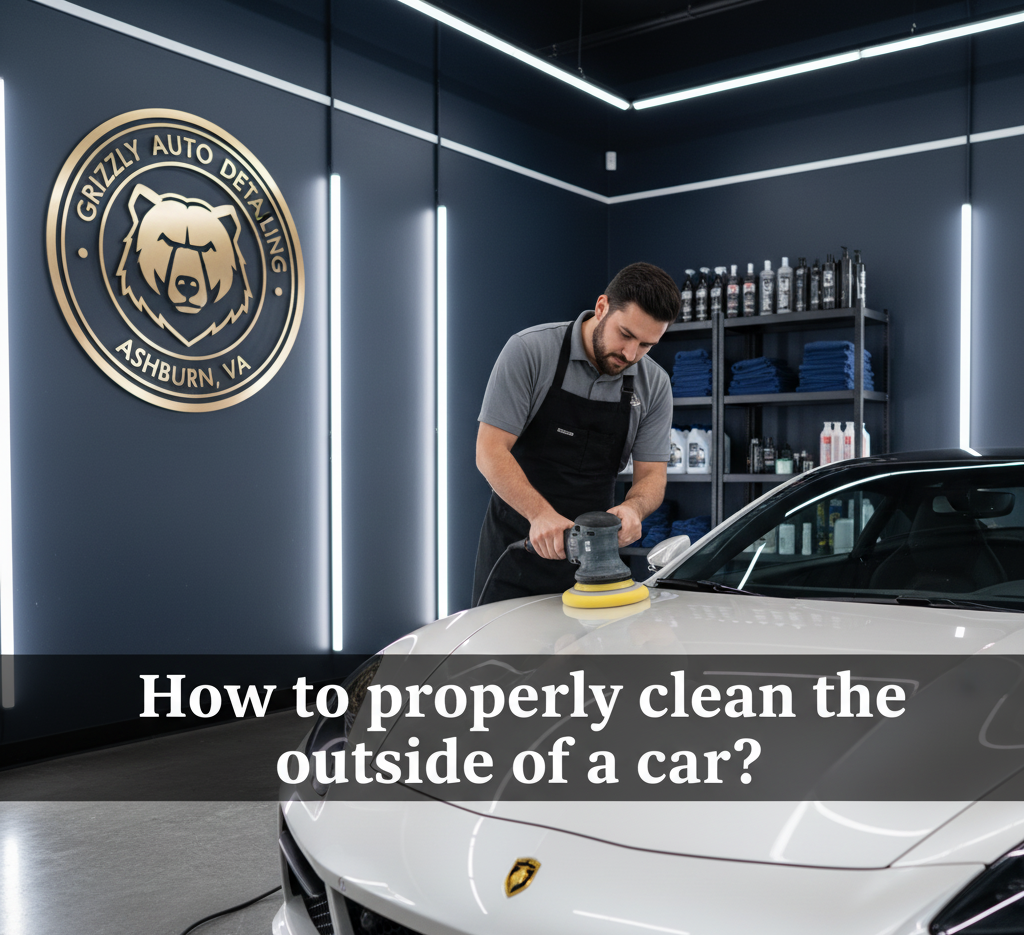
    How to Properly Clean the Outside of a Car?

    A clean, gleaming car not only looks impressive but also reflects the owner’s attention to care and detail. Proper exterior cleaning preserves your vehicle’s paint, enhances resale value, and maintains that showroom-level shine. Whether you’re a weekend car enthusiast or a busy professional, understanding the right cleaning methods and products is essential to achieving long-lasting brilliance.

    At Grizzly Auto Detailing in Ashburn, VA, our specialists have perfected the art of exterior car care. As Vehicle shine experts Car Exterior Detailing in Ashburn, we understand every step that goes into transforming a dull, dirty car into a stunning, mirror-like masterpiece.

    This complete guide walks you through professional methods, recommended tools, and proven detailing strategies that will help you clean the outside of your car like a pro.


    Why Proper Car Cleaning Matters

    Many people assume washing a car is as simple as soap, water, and a towel. However, improper cleaning can do more harm than good. Using the wrong products or techniques can cause swirl marks, scratches, and dull paint.

    Proper exterior cleaning achieves three key benefits:

    1. Protection: Removes contaminants like road salt, tar, and bug residue that damage paint.
    2. Longevity: Extends the life of clear coats, trims, and protective layers.
    3. Aesthetics: Delivers that deep, glossy finish that turns heads wherever you drive.

    When performed correctly, exterior cleaning maintains your car’s health and appearance — and when handled by professionals like Vehicle shine experts Car Exterior Detailing in Ashburn, results are on another level entirely.


    Step 1: Preparation and Pre-Rinse

    Park in the Shade

    Always start by parking in a shaded area. Direct sunlight can cause soap and water to dry too quickly, leading to streaks and water spots.

    Gather Your Tools

    You’ll need:

    • Two buckets (one for soapy water, one for rinse water)
    • A pH-balanced car shampoo
    • Microfiber wash mitt
    • Wheel brushes
    • Hose or pressure washer
    • Drying towels

    Avoid household detergents like dish soap, as they strip away protective coatings.

    Pre-Rinse the Vehicle

    Use a hose or pressure washer to remove loose dirt and debris. Begin from the roof and work your way down. This prevents dragging grit across paint surfaces during washing.


    Step 2: The Two-Bucket Wash Method

    The two-bucket method is a professional technique used to minimize swirl marks.

    1. Bucket 1: Mix car shampoo and water according to product directions.
    2. Bucket 2: Fill with clean water to rinse your wash mitt.
    3. Process: Dip the mitt into the soapy bucket, wash a small section, rinse in the clean bucket, then repeat.

    Work from Top to Bottom

    The lower parts of your vehicle collect the most grime. Always start with the roof and windows, then move to doors, bumpers, and wheels.

    Use Microfiber Mitts

    Microfiber mitts lift dirt safely off the surface without scratching the paint. Replace or clean them frequently to avoid trapped debris.


    Step 3: Cleaning Wheels and Tires

    Wheels are often the dirtiest part of any car. Brake dust, tar, and road grime build up quickly and can corrode finishes.

    Use a Dedicated Cleaner

    Select a wheel cleaner that’s pH-neutral and safe for your wheel type (alloy, chrome, or painted).

    • Spray generously and let it sit for 1–2 minutes.
    • Agitate using a soft wheel brush or detailing sponge.
    • Rinse thoroughly before moving on to the tires.

    Clean Tires Too

    Use an all-purpose cleaner or tire cleaner and a stiff brush. Removing dirt from the rubber ensures that tire dressings adhere properly later.


    Step 4: Focus on the Details – Emblems, Grilles, and Crevices

    Dirt often hides in intricate areas like grilles, badges, and around trim pieces. Use small brushes or detailing swabs to clean these spots. A foaming all-purpose cleaner can help lift stubborn grime from tight areas.


    Step 5: Rinse Thoroughly

    Once you’ve washed every section, rinse the entire vehicle from top to bottom again. This ensures no soap residue remains. Residual shampoo can dull your car’s finish and leave streaks if not completely removed.


    Step 6: Dry Without Scratches

    Use the Right Towels

    Always use high-quality microfiber drying towels. Regular bath towels or paper towels can scratch paint.

    Dry Gently

    Lay the towel flat and drag it lightly across the surface. Avoid circular rubbing motions. Compressed air or a leaf blower can also help remove water from crevices, preventing water spots.


    Step 7: Decontaminate the Paint

    Even after washing, your paint may feel slightly rough — that’s due to bonded contaminants like tree sap or industrial fallout.

    Clay Bar Treatment

    Use a clay bar kit to remove these particles:

    1. Spray a clay lubricant on a small section.
    2. Glide the clay bar gently across the paint.
    3. Wipe clean with a microfiber towel.

    The result is a smooth, glass-like surface that’s ready for polishing or waxing.


    Step 8: Polish for Perfection

    Why Polish?

    Polishing removes minor swirl marks, oxidation, and light scratches. It enhances the paint’s depth and clarity.

    How to Polish

    • Apply a small amount of polish to a foam applicator pad or machine polisher.
    • Work in small sections using overlapping motions.
    • Wipe off residue with a clean microfiber towel.

    Professional polishers like Meguiar’s Ultimate Polish or Menzerna Super Finish provide excellent results for DIY enthusiasts.


    Step 9: Protect the Finish

    Now that your car is clean and polished, it’s time to lock in that shine.

    Wax vs. Sealant vs. Ceramic Coating

    Product TypeDurabilityAppearanceRecommended For
    Wax4–6 weeksWarm, glossy finishShow cars
    Sealant4–6 monthsDeep shineDaily drivers
    Ceramic Coating2–5 yearsHigh gloss, hydrophobicPremium protection

    Apply protection evenly and buff gently. Proper protection maintains the finish while repelling dirt, UV rays, and water.


    Step 10: Clean Windows and Mirrors

    Clean glass completes the look of a freshly detailed car. Use a high-quality automotive glass cleaner (like Stoner Invisible Glass) and a dedicated microfiber towel.

    Technique

    • Wipe vertically on the outside and horizontally inside to identify streaks.
    • Clean edges and corners where grime often hides.

    Step 11: Dress Tires and Exterior Trim

    Tire dressings add that final professional touch. Choose a non-greasy, UV-resistant formula such as Meguiar’s Endurance Gel.

    • Apply with a foam applicator.
    • Let it dry to prevent sling onto paint.

    For faded plastic trims, use a trim restorer like Gtechniq C4 to rejuvenate and protect.


    Step 12: Final Inspection

    Step back and inspect your work. Check for missed spots, water streaks, or smudges. The best detailers perform a final wipe-down with a detailing spray to enhance gloss.

    Professional attention from Vehicle shine experts Car Exterior Detailing in Ashburn ensures your vehicle achieves a deep, long-lasting shine that stands out on the road.


    Maintenance Tips for Long-Lasting Results

    1. Wash weekly to prevent dirt buildup.
    2. Use quick detailer sprays between washes to maintain gloss.
    3. Avoid automatic car washes – they can cause micro-scratches.
    4. Reapply protection regularly (wax every 6 weeks or sealant every 6 months).
    5. Dry completely after every wash to prevent hard water spots.

    Consistent maintenance keeps your car in top shape, ensuring your cleaning efforts last longer.


    Recommended Products

    CategoryProduct ExampleDescription
    ShampooChemical Guys Mr. PinkpH-balanced for safe cleaning
    Wheel CleanerSonax Wheel Cleaner PlusRemoves brake dust effectively
    PolishMenzerna 2500Restores gloss and clarity
    SealantWolfgang Deep GlossLong-lasting paint protection
    Trim RestorerGtechniq C4Revives faded plastics
    Tire GelMeguiar’s EnduranceHigh-gloss, long-lasting shine

    Common Mistakes to Avoid

    • Using dish soap: Strips wax and damages paint.
    • Washing in direct sunlight: Causes streaking and spotting.
    • Using dirty towels: Reintroduces scratches and swirls.
    • Skipping protection: Leaves paint vulnerable to contaminants.
    • Neglecting wheels and trims: Diminishes the overall look of your car.

    Seasonal Cleaning Advice

    Spring

    Remove winter salt and grime buildup; apply fresh sealant.

    Summer

    Protect against UV damage and pollen buildup.

    Fall

    Remove tree sap and fallen leaf stains before winter.

    Winter

    Apply ceramic coating or sealant for added resistance to road salt.


    The Professional Advantage

    While DIY cleaning can be rewarding, professional detailing ensures superior, long-lasting results.

    Why Choose Grizzly Auto Detailing

    • Certified technicians trained in paint-safe methods.
    • Use of advanced tools and premium products.
    • Tailored packages to suit your car’s specific needs.
    • Proven results trusted throughout Ashburn, VA.

    When you trust Vehicle shine experts Car Exterior Detailing in Ashburn, you’re not just cleaning your car—you’re investing in its longevity, protection, and lasting appeal.


    Frequently Asked Questions (FAQs)

    1. How often should I wash my car?
    Once a week or as needed, depending on road and weather conditions.

    2. Can I use a pressure washer at home?
    Yes, but keep the nozzle at least 12 inches from the surface to prevent damage.

    3. What’s the best soap for car washing?
    Use a pH-balanced automotive shampoo like Meguiar’s Gold Class or Chemical Guys Mr. Pink.

    4. How can I avoid swirl marks?
    Use the two-bucket method and microfiber towels; avoid circular scrubbing.

    5. Is waxing necessary if I use a sealant?
    Optional. Sealants provide excellent protection, but wax adds extra shine.

    6. What causes water spots on paint?
    Mineral deposits from hard water drying on the surface. Always dry thoroughly.

    7. How do I clean bird droppings safely?
    Use a detailing spray and microfiber towel immediately; don’t let it bake in the sun.

    8. What’s the safest way to dry a car?
    Use microfiber drying towels or a blower — never let it air-dry.

    9. Can I wash my car in winter?
    Yes, but use warm water and dry completely to avoid freezing.

    10. Why should I hire professionals for detailing?
    Professionals use specialized tools, techniques, and products to achieve lasting, flawless results safely.


    Conclusion

    Properly cleaning the outside of your car goes beyond simple washing — it’s an essential part of preserving beauty, performance, and value. With the right methods, products, and consistency, your car can maintain a showroom-quality shine all year long.

    At Grizzly Auto Detailing, we pride ourselves on delivering precision, care, and excellence in every service. Our team of Vehicle shine experts Car Exterior Detailing in Ashburn ensures your vehicle receives professional treatment and attention to detail unmatched in the region.

    Whether you’re preparing for a show, protecting your investment, or just love driving a spotless car, trust Grizzly Auto Detailing to bring out the best in your vehicle — one flawless shine at a time.


  • How to Professionally Detail the Exterior of a Car?

    How to Professionally Detail the Exterior of a Car?

    When it comes to preserving your vehicle’s shine, protecting its paint, and maintaining its value, professional detailing is the gold standard. Whether you drive a daily commuter or a luxury ride, a proper exterior detail can transform your car from dull to dazzling. At Grizzly Auto Detailing in Ashburn, VA, our skilled team has mastered the art of High Quality Car Exterior Detailing in Ashburn, ensuring every inch of your vehicle looks impeccable and protected for months.

    This guide breaks down every professional step involved in exterior detailing — from washing and decontaminating to polishing and sealing — with expert insights, product recommendations, and tips you can trust.


    Understanding the Importance of Exterior Car Detailing

    Your car’s exterior endures harsh environmental factors every day — UV rays, acid rain, bird droppings, tree sap, and road debris. Over time, these contaminants damage the paint, dull the finish, and accelerate wear.

    Professional detailing not only restores that factory-fresh shine but also provides a long-lasting protective layer against these aggressors. Moreover, consistent detailing safeguards your vehicle’s resale value and enhances its overall appearance.

    At Grizzly Auto Detailing, we approach every detail session as an art and a science — a blend of precise techniques, advanced tools, and premium products that deliver superior results through High Quality Car Exterior Detailing in Ashburn.


    Step-by-Step Guide to Professional Exterior Car Detailing

    Let’s explore the professional process of exterior detailing that delivers unmatched depth, gloss, and protection.


    1. Initial Inspection and Preparation

    A professional detail begins with a comprehensive inspection of the vehicle’s paint condition, contaminants, and surface defects. Technicians look for:

    • Swirl marks or scratches
    • Oxidation or fading paint
    • Tar, bug splatter, or sap spots
    • Water spots and etching

    This assessment determines the detailing approach, product type, and polishing intensity required.

    Pro Tip: Always detail your car in a shaded, cool area to prevent water spotting and premature drying of cleaning products.


    2. Pre-Wash and Rinse

    The pre-wash step helps loosen and remove surface grime before physical contact. Professionals use a foam cannon or snow foam to blanket the vehicle in a thick layer of cleaning solution. This process:

    • Softens dirt particles
    • Reduces the risk of scratching
    • Prepares the surface for a contact wash

    After letting the foam dwell for a few minutes, it’s rinsed off using a pressure washer. The car is now ready for the next step.


    3. Two-Bucket Contact Wash Method

    Unlike a regular wash, professional detailing uses the two-bucket method — one bucket for soapy water and another for rinsing the mitt.

    Tools & Products Used:

    • pH-balanced car shampoo (e.g., Meguiar’s Gold Class or Griot’s Garage)
    • Microfiber wash mitt
    • Grit guards to trap dirt

    Technicians wash from top to bottom, ensuring gentle strokes to avoid micro-scratches. Wheels and tires are cleaned separately using dedicated brushes and wheel-safe cleaners.


    4. Decontamination: Iron, Tar, and Clay Removal

    Even after washing, microscopic contaminants can remain embedded in the paint. The decontamination process ensures a smooth, clean surface for polishing and protection.

    Iron Removal

    Specialized iron removers dissolve embedded brake dust and ferrous particles that regular washing cannot eliminate.

    Tar Removal

    Tar spots from asphalt roads are treated with tar-specific solvents that safely dissolve sticky residue without harming the paint.

    Clay Bar Treatment

    A clay bar or synthetic clay mitt glides over lubricated surfaces, picking up stubborn contaminants like tree sap, overspray, or industrial fallout.

    Result: A glass-smooth finish ready for polishing.


    5. Paint Correction (Polishing)

    This stage restores paint clarity by removing swirl marks, oxidation, and fine scratches. It’s where detailing becomes a true art form.

    Process Overview:

    1. Test Spot: Detailers test a small section to determine the correct pad and compound combination.
    2. Machine Polishing: Dual-action polishers or rotary buffers are used with foam or microfiber pads.
    3. Compounding: Removes heavier defects.
    4. Finishing Polish: Refines and enhances gloss.

    Recommended Products:

    • Menzerna, Rupes, or Chemical Guys polishing compounds
    • Lake Country foam pads

    Professional paint correction requires experience — improper technique can burn the paint or create holograms. That’s why experts at Grizzly Auto Detailing ensure flawless, swirl-free results with High Quality Car Exterior Detailing in Ashburn.


    6. Paint Protection: Wax, Sealant, or Ceramic Coating

    Once the surface is polished to perfection, protection is applied to lock in the shine and guard against contaminants.

    Wax

    • Natural carnauba wax provides deep, warm gloss.
    • Lasts 1–2 months; ideal for enthusiasts who enjoy frequent upkeep.

    Paint Sealant

    • Synthetic polymers that bond to paint.
    • Offers longer-lasting protection (4–6 months).

    Ceramic Coating

    • Advanced nanotechnology that forms a semi-permanent layer.
    • Delivers 2–5 years of protection and extreme hydrophobic properties.

    Pro Tip: For daily drivers in Ashburn’s mixed climate, a professional ceramic coating provides the best long-term value and durability.


    7. Detailing Wheels, Tires, and Trim

    No professional exterior detail is complete without addressing the wheels, tires, and trim.

    Wheels: Cleaned using acid-free wheel cleaners and soft brushes to eliminate brake dust and grime.
    Tires: Dressed with non-greasy tire gels for a satin or glossy finish.
    Plastic Trim: Conditioned with UV-resistant dressings to prevent fading and cracking.

    Clean, conditioned trim complements the freshly detailed paint for a unified, show-quality appearance.


    8. Glass and Mirror Cleaning

    Crystal-clear windows and mirrors improve both aesthetics and safety. Professionals use ammonia-free glass cleaners and dedicated microfiber towels to avoid streaks.

    Pro Tip: Wipe in one direction inside (horizontal) and another outside (vertical) to spot any missed areas.


    9. Final Touches and Inspection

    Before completing the job, detailers perform a final inspection under various light sources to ensure perfection. Door jambs, fuel caps, and emblems are given a final wipe-down.

    They also check for residue or missed spots to guarantee a flawless finish. A high-quality detailing spray is often applied as the final gloss enhancer.


    Professional Tools and Products Used in Exterior Detailing

    A professional detailer’s toolkit reflects their commitment to precision and quality. Here’s what you’ll typically find:

    CategoryRecommended ToolsPurpose
    WashingFoam cannon, microfiber mitt, grit guardsGentle cleaning
    DecontaminationIron remover, clay barRemove bonded contaminants
    PolishingDual-action polisher, pads, compoundsRestore gloss
    ProtectionCeramic coating, sealant, waxLong-term shine
    FinishingDetailing spray, tire gelFinal presentation

    These professional-grade tools are key to achieving superior, lasting results.


    Benefits of Professional Exterior Detailing

    A well-detailed vehicle is more than just eye candy. The benefits are practical and long-lasting:

    1. Paint Protection

    Detailing protects your car’s finish from fading, oxidation, and environmental damage.

    2. Increased Resale Value

    A meticulously maintained exterior can add thousands to your car’s market value.

    3. Improved Driving Experience

    Clean glass and mirrors enhance visibility, while polished paint instills pride in ownership.

    4. Long-Term Cost Savings

    Regular maintenance prevents costly repainting or paint correction in the future.


    How Often Should You Detail Your Car?

    Most experts recommend professional exterior detailing every 3 to 4 months. However, if your car is exposed to harsh weather, frequent highway driving, or outdoor parking, quarterly detailing ensures optimal protection.

    For vehicles treated with ceramic coatings, maintenance intervals can extend to 6 months or more, with simple upkeep washes in between.


    Seasonal Detailing in Ashburn, VA

    Ashburn’s diverse climate—ranging from humid summers to snowy winters—makes seasonal detailing crucial.

    • Spring: Remove salt and debris from winter roads.
    • Summer: Protect against UV rays and oxidation.
    • Fall: Eliminate leaf stains and sap.
    • Winter: Apply hydrophobic protection to combat salt corrosion.

    Seasonal detailing ensures your car stays protected year-round.


    DIY vs. Professional Detailing: Why Expertise Matters

    While DIY detailing can be rewarding, it rarely matches professional results. Professional detailers combine training, experience, and advanced tools to achieve finishes that DIY enthusiasts often find impossible.

    DIY Challenges:

    • Limited product knowledge
    • Risk of swirl marks or burns
    • Inconsistent results

    Professional Advantages:

    • Precision techniques
    • Access to commercial-grade products
    • Guaranteed results and protection

    In short, professional services like those at Grizzly Auto Detailing provide exceptional, lasting outcomes backed by expertise.


    Why Choose Grizzly Auto Detailing in Ashburn, VA?

    At Grizzly Auto Detailing, we take pride in our passion for precision and commitment to excellence. Every vehicle receives personalized care using top-tier products and meticulous techniques.

    Our reputation for reliability, quality, and customer satisfaction sets us apart in the Ashburn auto detailing industry.

    Whether you’re maintaining a family SUV or restoring a collector’s car, our High Quality Car Exterior Detailing in Ashburn ensures your vehicle leaves our shop looking showroom-ready.


    Pro Tips from Grizzly Auto Detailing Experts

    • Always use pH-balanced shampoos to avoid stripping wax or sealant.
    • Dry using soft microfiber drying towels to prevent swirl marks.
    • Avoid direct sunlight during washing or waxing.
    • Apply protection every 3–6 months for consistent results.
    • Invest in ceramic coatings for the best long-term protection.

    Consistency and quality products make all the difference between an average clean and a professional finish.


    Frequently Asked Questions (FAQs)

    1. How long does a professional exterior detail take?
    Typically, 3–6 hours depending on the vehicle size and paint condition.

    2. What’s the difference between waxing and ceramic coating?
    Wax lasts for a few weeks, while ceramic coatings provide protection for years.

    3. Can detailing remove scratches?
    Yes, minor scratches and swirl marks can be polished out during paint correction.

    4. Is professional detailing worth the cost?
    Absolutely. The improved appearance, protection, and resale value justify the investment.

    5. How often should I schedule detailing in Ashburn?
    Every 3–4 months for most vehicles, or seasonally for optimal protection.

    6. What products do professionals use for detailing?
    High-end brands like Rupes, Menzerna, Meguiar’s, and Chemical Guys are industry favorites.

    7. Can ceramic coating be applied to any car?
    Yes, but proper paint preparation is essential for bonding and longevity.

    8. How do I maintain my car after professional detailing?
    Wash weekly, avoid harsh chemicals, and use quick detail sprays between washes.

    9. Do you offer mobile detailing services in Ashburn?
    Yes, Grizzly Auto Detailing provides convenient on-site detailing for busy clients.

    10. How can I book an appointment?
    Visit our website or contact Grizzly Auto Detailing directly to schedule your service today.