Author: adboex

  • How Long Does Paint Correction Last on a Car?

    How Long Does Paint Correction Last on a Car?

    Every car owner wants a vehicle that looks pristine, glossy, and well-maintained. However, over time, swirl marks, scratches, oxidation, and water spots can appear, making even luxury cars look aged. Fortunately, professional paint correction restores your car’s finish and protects it for years. In Ashburn, VA, Grizzly Auto Detailing specializes in maximizing Paint restoration longevity Ashburn, keeping vehicles flawless and increasing their resale value.

    This article will explore paint correction in depth, explain how long it lasts, outline key factors affecting longevity, and provide actionable maintenance tips.


    What Is Paint Correction?

    Paint correction is a detailed process that restores your vehicle’s paint by removing imperfections like swirl marks, scratches, oxidation, and water spots. First, the car undergoes a thorough wash and decontamination. Dirt, tar, and other bonded particles are removed to ensure the surface is ready for polishing.

    Next, detailers apply high-quality polishing compounds using precision tools. Minor scratches require light polishing, while deeper imperfections demand multi-stage correction. Each step restores clarity, depth, and gloss. Over-polishing can damage the clear coat, which is why professional services like Grizzly Auto Detailing are essential to achieve long-lasting results.


    Why Longevity of Paint Correction Matters

    Many car owners assume paint correction results are permanent, but this isn’t true. Several factors determine how long the results last. First, the quality of polishing compounds and coatings matters. Second, the skill of the detailer ensures proper correction without over-polishing. Third, environmental exposure, vehicle usage, and maintenance habits all influence durability.

    Understanding these factors helps car owners in Ashburn, VA, maximize Paint restoration longevity Ashburn, ensuring their vehicles retain showroom-quality finishes for years.


    Step-by-Step Paint Correction Process

    1. Inspection and Assessment

    The first step is a detailed inspection to identify swirl marks, scratches, oxidation, and other defects. This step allows the detailer to create a customized correction plan.

    2. Wash and Decontamination

    The vehicle is washed using pH-neutral shampoos and treated with clay bars or chemical decontaminants. This removes all bonded particles, ensuring a clean surface for correction.

    3. Polishing and Correction

    • Single-Stage Correction: Removes minor scratches and light swirl marks.
    • Multi-Stage Correction: Addresses deeper imperfections and restores a mirror-like finish.

    4. Protective Coating Application

    After polishing, wax, sealants, or ceramic coatings are applied. These coatings protect the paint from environmental hazards while maximizing Paint restoration longevity Ashburn.


    Factors Affecting Paint Correction Longevity

    Quality of Products

    Premium compounds and coatings ensure durability. Lower-quality products may fade quickly and leave imperfections exposed.

    Expertise of the Detailer

    Experienced professionals know how to remove defects without damaging the clear coat. Their techniques directly influence the longevity of correction.

    Environmental Exposure

    Sunlight, acid rain, pollution, and road salts gradually degrade corrected paint. Parking under shade or in a garage reduces these effects.

    Vehicle Usage

    Daily drivers face more wear and tear than cars that are garage-kept or used occasionally.

    Maintenance Habits

    Regular washing, proper drying with microfiber towels, and periodic coating reapplication preserve gloss and extend Paint restoration longevity Ashburn.


    Expected Duration of Paint Correction

    The lifespan of paint correction varies. A single-stage correction without protective coating typically lasts 6–12 months. Multi-stage correction with high-quality protective coatings can last 2–3 years. Cars maintained meticulously and shielded from harsh weather may enjoy even longer results.

    It is important to remember that paint correction restores existing paint and does not prevent new scratches or damage. Combining correction with ceramic coatings, sealants, or protective films ensures maximum Paint restoration longevity Ashburn.


    The Role of Protective Coatings

    Protective coatings enhance the durability of paint correction. Wax, sealants, and ceramic coatings form a barrier between paint and environmental hazards.

    Types of Protective Coatings

    • Wax: Affordable, provides temporary shine, and requires frequent reapplication.
    • Sealants: Longer-lasting than wax and protects against UV rays, dirt, and contaminants.
    • Ceramic Coatings: Hard, hydrophobic layer that repels water, prevents oxidation, and reduces cleaning frequency.

    Applying these coatings after correction maintains paint health and extends Paint restoration longevity Ashburn.


    Signs That Paint Correction Needs a Refresh

    Even high-quality paint correction eventually requires attention. Common signs include:

    • Loss of gloss and shine
    • Appearance of swirl marks and scratches
    • Oxidation or hazy areas
    • Water spots that resist washing

    Early detection allows car owners in Ashburn to schedule maintenance promptly, ensuring long-lasting results.


    DIY vs. Professional Paint Correction

    Many car owners consider DIY kits for convenience. While these may help minor scratches, they rarely achieve professional results.

    • Risks of DIY: Uneven polishing, excessive clear coat removal, or permanent damage.
    • Benefits of Professional Services: Advanced tools, premium compounds, expert technique, and maximized Paint restoration longevity Ashburn.

    Professionals ensure optimal results, restoring clarity, depth, and gloss safely.


    Maintenance Tips for Long-Lasting Results

    1. Regular Washing

    Use pH-neutral car shampoos weekly to remove dirt and contaminants.

    2. Avoid Automated Brushes

    Harsh brushes often leave micro-scratches, reducing correction durability.

    3. Microfiber Towels

    Dry and polish using soft microfiber towels to prevent surface damage.

    4. Quick Detailing Sprays

    Maintain gloss and shine between washes with detailing sprays.

    5. Garage or Shaded Parking

    Reduces exposure to UV rays, rain, and pollutants.

    6. Reapply Protective Coatings

    Sealants, waxes, and ceramic coatings should be refreshed periodically to enhance Paint restoration longevity Ashburn.


    Benefits of Long-Lasting Paint Correction

    • Enhanced Appearance: Smooth, reflective, and flawless paint restores showroom-quality shine.
    • Higher Resale Value: Flawless paint attracts higher offers and increases market appeal.
    • Environmental Protection: Shields paint from UV rays, acid rain, and road salts.
    • Reduced Maintenance: Smooth surfaces clean easily and maintain shine longer.

    Why Choose Grizzly Auto Detailing in Ashburn, VA

    Grizzly Auto Detailing combines professional expertise, modern tools, and premium products to deliver flawless results. Every vehicle receives a customized approach to maximize Paint restoration longevity Ashburn, ensuring long-lasting shine and protection.


    Conclusion

    Paint correction restores your vehicle’s finish, enhances resale value, and protects paint for the long term. Durability depends on professional expertise, product quality, environmental exposure, and proper maintenance. For car owners in Ashburn, VA, Grizzly Auto Detailing ensures maximum Paint restoration longevity Ashburn, keeping vehicles glossy, flawless, and protected for years. Investing in paint correction is not just cosmetic—it safeguards your car’s value and appearance.


    Frequently Asked Questions

    1. How often should I get paint correction for my car?
    Typically every 1–3 years depending on usage and environmental exposure.

    2. Can paint correction remove all scratches?
    It removes most surface scratches and swirl marks, but deep scratches may require additional repair.

    3. How long does paint correction last without a protective coating?
    Generally 6–12 months depending on maintenance and conditions.

    4. Is paint correction safe for all types of paint?
    Yes, when performed by trained professionals who understand the paint type.

    5. Does paint correction increase resale value?
    Absolutely. Vehicles with flawless paint attract higher resale offers.

    6. Can I do paint correction myself at home?
    DIY kits exist, but professional services achieve superior, long-lasting results.

    7. How does weather affect paint correction?
    UV rays, acid rain, and pollution gradually reduce durability. Protective coatings are essential.

    8. What is the difference between paint correction and polishing?
    Polishing is part of the process; correction involves multiple steps to remove defects and restore gloss.

    9. Should I combine paint correction with ceramic coating?
    Yes. This maximizes Paint restoration longevity Ashburn and protects against environmental damage.

    10. How long does a professional paint correction service take?
    Depending on vehicle size and correction level, it usually takes 1–3 days for a complete service.

  • What’s Included in a Professional Paint Correction Service?

    What’s Included in a Professional Paint Correction Service?

    A flawless automotive finish always captures attention. Drivers in Ashburn, VA value clean, glossy, and well-maintained vehicles, and nothing restores a car’s surface like a thorough, professional paint correction. However, many car owners still wonder what actually happens during this process. They see stunning before-and-after pictures, yet the steps behind the transformation often stay unclear. Today, you’ll understand every stage of this premium service, especially when you choose a shop that performs Full paint correction Ashburn the right way.

    A proper correction service goes far beyond basic polishing. It removes real defects, improves clarity, revives depth, eliminates oxidation, and restores the kind of shine that rivals showroom finishes. When done correctly, this service becomes an art form—precision, technique, and high-level skill form the difference between good results and remarkable, professional-grade brilliance.

    At Grizzly Auto Detailing, we design our approach specifically for Ashburn’s climate and local driving conditions. Since local cars endure intense UV exposure, road film, winter salt, and micro-scratches from automatic washes, they often require deeper restoration. Because of this, Full paint correction Ashburn treatments stand as one of the most requested services in the region.

    Below, you’ll discover what is really included in a professional paint correction service in Ashburn, why each step matters, and how these techniques transform your car’s appearance dramatically.


    Understanding the Purpose of Paint Correction

    A professional correction service eliminates defects rather than hiding them. Unlike simple waxing or shining, this process uses machine polishing, abrasives, and precise leveling to treat imperfections such as:

    • Swirl marks
    • Deep scratches
    • Water spot etching
    • Holgraphic trails
    • Oxidation
    • Hard water stains
    • Chemical damage
    • Wash-induced marring

    Because of these issues, many vehicles never look truly glossy, even after a wash. Paint correction changes that. It restores actual smoothness and clarity by refining the surface itself. When specialists perform Full paint correction Ashburn, they create a finish that looks dramatically richer, brighter, and more luxurious.


    Step 1: Comprehensive Vehicle Inspection

    A professional service always begins with a full inspection. This stage helps the technician understand the car’s paint type, defect severity, and potential limitations. Since Ashburn drivers own a wide range of vehicles—from Teslas to BMWs to lifted trucks—the inspection must identify factory clear-coat hardness, previous bodywork, and environmental wear.

    During this evaluation, the specialist:

    • Examines the vehicle under LED correction lights
    • Checks clear-coat thickness using a paint depth gauge
    • Identifies deep scratches and etched marks
    • Maps areas with oxidation or fading
    • Notes locations where the clear coat appears thin

    This inspection guides the correction plan. Every step becomes intentional and safe. Instead of guessing, the specialist uses measurements and insight to determine the proper compound, pad, and correction intensity.


    Step 2: Deep Decontamination Wash

    A correction service cannot begin on a dirty or contaminated surface. Because of this, the technician uses a multi-stage wash that goes far beyond a regular cleaning. They remove every bonded contaminant so the polishing pads glide smoothly and evenly.

    This process includes:

    1. Pre-Rinse and Foam Bath

    The vehicle receives thick foam that loosens grime, road film, and dust. The foam lubricates the surface, which prevents additional scratches during contact washing.

    2. Two-Bucket Hand Wash

    This technique ensures zero swirl introduction. Fresh wash mitts, grit-guard buckets, and clean microfiber towels help maintain flawless washing practices.

    3. Iron Removal Treatment

    Since Ashburn roads carry brake dust and airborne metal particles, iron fallout sticks easily to paint. The specialist applies an iron-dissolving solution to safely melt away these contaminants.

    4. Clay Bar Treatment

    After the chemical decontamination, the technician uses a clay bar or clay mitt to pull out embedded debris. This step leaves the paint fully smooth, which is crucial before polishing.

    This deep-clean phase creates a clean surface that accepts correction safely and predictably.


    Step 3: Paint Depth Analysis and Correction Planning

    After washing and decontamination, the technician reassesses the paint thickness. They use a digital meter to check varying points of the vehicle, including:

    • Hood
    • Fenders
    • Roof
    • Doors
    • Quarter panels
    • Trunk

    This measurement reveals how aggressive the correction can safely become. Since clear-coat layers vary between brands, understanding thickness becomes essential. For example, German vehicles often have harder clear coats that require stronger cutting. Meanwhile, certain Japanese vehicles come with thinner coatings that require more finesse.

    Because of these differences, a professional always tailors the approach. Every decision—pad, polish, machine speed, and number of passes—comes from this analysis. This personalized structure defines professional correction and distinguishes it from cheap polishing packages.


    Step 4: Multi-Stage Paint Correction

    This section represents the heart of the process. Here, the specialist begins leveling defects using machine polishers. Since Ashburn drivers often face swirl marks and harsh micro-scratches from automatic car washes, multi-stage correction becomes necessary.

    A true Full paint correction Ashburn service includes:

    1. Cutting Stage (Heavy Correction)

    During this stage, the technician uses abrasive compounds and firm pads to eliminate deep defects. This step removes:

    • Weather-induced fading
    • Oxidation
    • Swirl marks
    • Washing scratches
    • Surface etching

    The goal is to level the clear coat evenly so the entire surface reflects light more accurately.

    2. Polishing Stage (Refinement)

    After the heavy stage, the specialist switches to softer pads and finer polishes. This phase focuses on gloss refinement. The car develops an increasingly rich, high-clarity shine.

    3. Finishing Stage (Ultra Fine Correction)

    Finally, the technician uses ultra-soft pads to eliminate micro-marring and create mirror-like clarity. This stage ensures the paint reaches maximum depth and smoothness.

    Every inch of the vehicle receives attention—from bumper to roofline—creating the signature, flawless finish associated with top-tier correction services.


    Step 5: Edge Work, Tight Areas, and Specialty Sections

    Not every part of the vehicle allows machine access. Skilled technicians use hand tools, micro-polishers, and detailing sticks to refine areas such as:

    • Door handles
    • Mirror caps
    • Edges and seams
    • B-pillars
    • Behind door curves
    • Lower bumper areas

    These spots matter because they complete the overall look. A professional never ignores them. Instead, they treat these difficult areas with care and precision.

    When performing Full paint correction Ashburn, this attention to detail becomes a major reason why clients choose premium services.


    Step 6: IPA Wipe-Down

    After correction, the technician wipes the entire vehicle using an alcohol-based solution. This solution removes polishing oils so the true finish appears. No filler hides defects. No oils mask swirls.

    This step:

    • Reveals the authentic final condition
    • Prepares the paint for sealants or coatings
    • Ensures zero residue interferes with protection

    At this stage, the car already looks dramatically better—smooth, glossy, deep, and vibrant.


    Step 7: Optional Sealant, Wax, or Ceramic Protection

    While correction restores beauty, protection preserves it. Many Ashburn customers choose to apply:

    • Ceramic coatings
    • Polymer sealants
    • High-quality wax

    These layers repel dirt, enhance gloss, block UV rays, and extend the life of the corrected finish. Many clients combine Full paint correction Ashburn with ceramic coating because it locks in the results for years rather than months.

    Step 8: Final Gloss Inspection Under Multiple Light Sources

    After the polishing and IPA wipe-down, the vehicle receives a full inspection under several lighting conditions. This step ensures no defect hides in shadows or angles. A flawless correction requires light variety, so the technician uses:

    • Sunlight simulation lamps
    • LED swirl finder lights
    • Shop overhead lighting
    • Cross-lighting angles
    • Outdoor natural light when possible

    This combination reveals the paint’s true condition. Swirls, holograms, leftover haze, or micro-scratches cannot remain unnoticed. Because of Ashburn’s bright sunlight and reflective roads, proper inspection holds high importance. A true Full paint correction Ashburn service always includes this extensive final check, which eliminates surprises and guarantees perfection before vehicle delivery.


    Step 9: Dressing, Final Touches, and Presentation

    Paint correction focuses on the paint, but detailers finish the entire exterior to create a complete, polished appearance. These finishing touches include:

    • Tire dressing
    • Trim restoration
    • Stainless and chrome polishing
    • Glass cleaning
    • Emblem detailing
    • Exhaust tip polishing
    • Final dust removal
    • Door jamb cleaning

    These steps elevate the result from “better paint” to “fully renewed vehicle.” The customer receives a visually unified result, where every corner looks professionally refined. Many Ashburn clients appreciate these touches because they enhance resale value, elevate presentation, and create a memorable visual impact.


    Why Paint Correction Matters for Ashburn Drivers

    Ashburn’s climate, traffic patterns, and driving conditions create unique challenges for vehicle paint. Cars often face:

    • Harsh UV radiation
    • Tree sap from local neighborhoods
    • Mineral-heavy water spots
    • Road construction dust
    • Autumn leaf debris
    • Winter salt
    • Micro-scratches from automated washes

    Because of these elements, paint loses shine faster. Many vehicles develop dullness within months, even when the owner washes regularly.

    A high-quality correction solves these problems by restoring the paint’s clean, reflective, and smooth structure. When done by a trained specialist using modern tools, correction revives gloss, clarity, and richness that stand out against daily wear.


    Results You Can Expect from a Professional Correction

    A proper correction delivers dramatic visual improvement. Many clients describe the results as “brand new,” “showroom worthy,” or “better than when I bought it.”

    You can expect:

    1. Deep Gloss and Reflectivity

    The surface reflects like glass, producing a mirror-like finish.

    2. Rich, Enhanced Color

    Metallics sparkle more. Solid paints look deeper and more luxurious.

    3. Removal of Swirls and Scratches

    This benefit alone creates a major visual difference.

    4. UV and Oxidation Recovery

    Your paint regains the depth and vibrancy it lost under the sun.

    5. Immediate Boost in Vehicle Value

    Corrected vehicles attract more buyers and higher offers.

    Since local drivers increasingly value appearance, many choose Full paint correction Ashburn before selling or trading their vehicles.


    Single-Stage vs. Multi-Stage Correction

    Understanding the difference helps customers choose the right service:

    Single-Stage Correction

    This option improves gloss and removes light defects. It works best for newer vehicles or lightly damaged paint. It uses one polishing step.

    Multi-Stage Correction

    This service includes cutting, polishing, and refining. It removes deeper scratches, oxidation, and significant wear. Multi-stage represents true Full paint correction Ashburn, delivering the highest clarity and the best transformation possible.


    Why Choose Grizzly Auto Detailing in Ashburn, VA?

    Ashburn drivers trust Grizzly Auto Detailing because we combine precision, experience, and care. Every technician follows a structured method that eliminates risk and maximizes results. Unlike quick polishing services, we build each correction around the vehicle’s paint type, age, and condition.

    Our Core Advantages Include:

    1. Advanced Tools and Techniques

    We use cutting-edge polishers, pads, and compounds designed to handle modern clear coats effectively.

    2. Customized Correction Plans

    Every correction reflects your vehicle’s unique needs. We measure paint thickness, check for previous repairs, and design the safest and most effective approach.

    3. Experienced Technicians

    Our team understands the safe limits of correction. We never rush or cut corners.

    4. Ashburn-Specific Knowledge

    Our long-term experience with local conditions helps us anticipate issues such as hard water stains, UV wear, and seasonal contaminants.

    5. The Best Protection Options

    After a full correction, we offer ceramic coatings, graphene coatings, or premium sealants to maintain results for years.

    6. Honest, Transparent Service

    We explain every step, showing before-and-after comparisons so customers feel confident and informed.

    Drivers choose us repeatedly because they value flawless work, reliable service, and consistent quality. Your car deserves the same.


    How Long Does a Full Paint Correction Take?

    Time varies based on vehicle size, paint hardness, and defect severity. A basic correction may take 4–6 hours. A true multi-stage Full paint correction Ashburn service often requires 10–20 hours of focused, skilled work.

    Larger vehicles—such as SUVs and trucks—may require longer due to surface area and harder clear coats. A proper correction never happens quickly. It requires patience, precision, and careful judgment at each stage.


    How to Maintain Your Car After Correction

    Once your vehicle receives paint correction, proper maintenance helps preserve the flawless finish.

    Follow these steps for long-lasting gloss:

    • Wash weekly using a pH-neutral soap
    • Use microfiber towels only
    • Avoid drive-through car washes
    • Apply ceramic or paint sealants
    • Use spray wax between washes
    • Remove bird droppings immediately
    • Park in covered or shaded areas

    These habits protect the newly corrected surface and extend the life of your investment.


    Is Paint Correction Worth It?

    Absolutely. Paint correction remains one of the most effective ways to revive a car’s exterior. It improves appearance, increases value, and transforms surface quality dramatically. When combined with ceramic coating, results last for years, making Full paint correction Ashburn a smart long-term investment for car owners who value appearance and longevity.


    Conclusion

    A professional paint correction service in Ashburn includes far more than polishing. It involves evaluation, decontamination, precise machine correction, refinement, edge work, inspection, and protection—all performed with skill and intention.

    When specialists handle the process, the transformation becomes stunning. Your car regains deep gloss, clarity, and richness that stand out anywhere in Ashburn. For vehicle owners who expect premium results, paint correction delivers unmatched beauty and protection that lasts.

    Grizzly Auto Detailing performs this artistry with commitment and expertise, using advanced tools and proven techniques to offer the highest-quality Full paint correction Ashburn experience.


    FAQs

    1. What is paint correction?
    Paint correction removes scratches, swirls, oxidation, and imperfections to restore gloss and clarity.

    2. How long does a full correction take?
    It usually requires 10–20 hours depending on paint condition and vehicle size.

    3. Will correction remove all scratches?
    It removes most defects, but extremely deep scratches may require touch-up or repainting.

    4. Does paint correction damage clear coat?
    No. Skilled technicians measure paint thickness and correct safely.

    5. How long do results last?
    Results last months to years depending on maintenance and protection coatings.

    6. Should I apply ceramic coating after correction?
    Yes. Ceramic coating locks in the results and protects the finish.

    7. Can new cars benefit from correction?
    Yes. Even new cars often have swirl marks from factory and transport handling.

    8. How much does paint correction cost?
    Cost varies by vehicle size, condition, and number of correction stages.

    9. Can I wash my car after correction?
    Wait 24 hours before washing to allow the finish to settle.

    10. Is paint correction better than waxing?
    Yes. Wax hides defects. Correction removes them permanently.

  • Does Paint Correction Improve Car Resale Value?

    Does Paint Correction Improve Car Resale Value?

    When drivers in Ashburn plan to sell their vehicles, they often look for effective ways to elevate their car’s value quickly. Often, they discover that High-end Paint Correction Ashburn VA delivers one of the highest returns because it transforms a tired finish into a vibrant, glossy surface that feels nearly new. In fact, buyers consistently pay more for a vehicle that looks immaculate, and prospective owners usually judge a car’s condition within seconds. Therefore, when sellers aim for the strongest resale results, they consistently choose professional paint correction because it instantly increases appeal, confidence, and perceived worth.

    Although many car owners understand that shine helps sales, they rarely understand why paint correction plays such a powerful role in valuation. Because of that, this article breaks down every element clearly. You will learn what paint correction includes, how detailers execute each stage, why this service alters buyer psychology, and how your car gains real monetary value after the procedure. Moreover, you will understand how the specialists at Grizzly Auto Detailing deliver superior results using advanced tools, safe techniques, and premium products that elevate finish quality in measurable ways.

    Furthermore, when you explore how dealers, inspectors, and private buyers assess a car’s condition, you will immediately see why restoring gloss improves financial outcomes more reliably than any quick cosmetic fix. Consequently, you can make an informed decision before listing your vehicle for sale. And when you prepare your car properly, you typically attract more interested buyers, reduce negotiation pressure, and close the sale faster at a higher price.


    Understanding How Paint Correction Works

    Although many people think of paint correction as simple polishing, the process actually removes visible defects from the clear coat through advanced mechanical refinement. Detailers eliminate swirl marks, oxidation, water spots, holograms, micro-marring, and fine scratches by leveling the clear coat with controlled abrasion. As a result, the surface becomes smooth, reflective, and crystal-clear.

    However, detailers do not grind away the clear coat randomly. Instead, the specialists at Grizzly Auto Detailing inspect the paint under color-matching LEDs and swirl-finder lights. Then, they measure clear-coat depth with digital paint gauges to ensure safe correction. Because of this careful approach, your car receives precision work that preserves long-term paint health while dramatically improving appearance.

    In addition, paint correction involves multiple stages. Because each step enhances clarity, the overall transformation becomes unmistakable when the job finishes.


    Inspection and Planning

    Technicians always begin by evaluating defect patterns across every panel. Since different panels experience different types of wear, professionals analyze each section separately. For example, horizontal surfaces like hoods and roofs typically show oxidation and etching, while vertical panels usually reveal swirl marks and light scratches. Additionally, areas behind door handles often show fingernail scuffing, and front bumpers frequently collect stone marks.

    With comprehensive inspection, the technician determines whether your vehicle needs one-step, two-step, or multi-stage correction. Moreover, this evaluation ensures that no unnecessary abrasives touch the paint.

    Because every detailer at Grizzly Auto Detailing maintains strict standards, they always choose a correction plan that fits your car’s age, paint hardness, defect severity, and resale goals.


    Decontamination and Surface Preparation

    Before any machine touches the paint, the technician removes all contamination. Otherwise, trapped debris would cause additional scratching during polishing. Therefore, your vehicle undergoes:

    • A pH-balanced foam pre-wash
    • Hand washing with lubricated shampoo
    • Iron-remover application that dissolves embedded brake dust
    • Clay-bar treatment that extracts bonded contaminants

    As a result, the paint becomes perfectly clean and smooth before correction begins.

    Because this thorough preparation prevents micro-marring and ensures consistent polishing results, your final finish looks sharper, glossier, and more uniform.


    Cutting and Polishing Stages

    Paint correction relies on controlled abrasion, and technicians select the pads, machines, and compounds based on your paint’s condition. They use dual-action polishers for safer temperature management, and they apply microfiber, wool, or foam pads depending on the required level of defect removal.

    During the cutting phase, detailers level the surface to eliminate deep imperfections. Then, during the polishing phase, they refine the finish until it gleams like glass. As a result, the paint achieves maximum clarity, depth, and reflection.

    Additionally, Grizzly Auto Detailing uses industry-leading products from brands like Koch Chemie, Meguiar’s Professional Series, and Rupes. Because these products offer consistent results with minimal dust, you enjoy a superior finish without residue.

    Moreover, when the correction concludes, the exterior looks dramatically fresher—often better than vehicles that sit on dealership showrooms.


    How Paint Correction Boosts Resale Value

    Although appearance alone influences buyers, paint correction increases resale value for several reasons that extend beyond aesthetics. Since modern buyers rely heavily on perceived condition, corrected paint generates immediate trust and confidence.

    1. A flawless finish signals responsible ownership

    When your paint looks immaculate, buyers assume the rest of the vehicle received similar care. Consequently, they view the interior, mechanical components, and maintenance history more positively.

    Because buyers trust the overall condition, they usually negotiate less aggressively.

    2. Enhanced exterior quality raises perceived market value

    Potential buyers often compare vehicles visually before researching mechanical records. Therefore, a shiny, corrected finish instantly positions your car as a premium option in the market.

    As a result, you can confidently list your vehicle at a higher price.

    3. Professional correction eliminates years of wear

    Since paint defects accumulate over time, your car may appear older than its true age. However, correction removes this visual aging. Consequently, your vehicle looks newer, fresher, and more modern.

    This renewed appearance often leads to resale increases that exceed the cost of correction.

    4. Buyers often favor well-presented vehicles

    Most buyers choose cars that require the least additional work. Because your corrected paint needs no improvement, it becomes a more attractive purchase. Therefore, buyers feel motivated to finalize the sale quickly.

    5. Paint correction prepares the car for coatings or sealants

    Because detailers refine the surface during correction, your vehicle becomes ready for ceramic coating application. Ceramic coating protects the finish from UV rays, oxidation, etching, and environmental contaminants. Therefore, buyers view coated vehicles as significantly more valuable.


    Why Ashburn Sellers Choose Professional Correction

    When residents of Ashburn prepare their vehicles for sale, they usually want fast improvements that deliver measurable value. Since High-end Paint Correction Ashburn VA restores paint clarity instantly, sellers receive one of the best returns on appearance-based upgrades.

    Additionally, Ashburn buyers generally prefer vehicles that appear well-maintained and professionally restored. Therefore, sellers who invest in correction frequently sell faster, with stronger offers and fewer last-minute negotiations.

    Moreover, because Ashburn’s climate includes sun exposure, pollen accumulation, and road salt during winter, local vehicles often develop paint imperfections more quickly. Consequently, correction becomes even more valuable in this region.


    Professional Tools Used for Correction

    Grizzly Auto Detailing uses advanced equipment such as:

    • Rupes BigFoot dual-action polishers
    • Flex forced-rotation machines
    • High-quality cutting and finishing pads
    • Digital gloss meters
    • LED swirl-finder lights
    • Paint-depth gauges

    With these tools, specialists deliver uniform results on every panel.

    Furthermore, skilled technicians understand paint hardness differences among brands like BMW, Honda, Tesla, and Ford. Because of this expertise, each vehicle receives a tailored correction strategy that maximizes shine and safety.


    Step-by-Step Example of a Full Correction Session

    Below is an example of how Grizzly Auto Detailing performs a full correction for a customer preparing for resale:

    1. Greet the client and evaluate goals
    2. Inspect paint thoroughly
    3. Measure clear coat levels
    4. Rinse and foam pre-wash
    5. Hand wash with pH-balanced shampoo
    6. Apply iron remover
    7. Clay-bar the paint
    8. Tape off sensitive trim
    9. Perform test spot to determine ideal pad/compound
    10. Execute full cutting stage
    11. Refine with finishing polish
    12. Wipe down with panel cleaner
    13. Inspect under bright lights
    14. Apply paint sealant or ceramic coating
    15. Deliver a final walkthrough with the customer

    Because this workflow ensures meticulous quality, your vehicle achieves maximum gloss, clarity, and resale impact.


    How Much Value Paint Correction Can Add

    Although results vary, sellers frequently earn between $500 and $2,000 more depending on vehicle age, paint condition, and market demand. Moreover, luxury vehicles often show even stronger value increases, especially when the finish regains its original depth and shine.

    Therefore, the service typically pays for itself, making it one of the smartest pre-sale investments for Ashburn sellers.

    Furthermore, paint correction increases online listing appeal. Since high-gloss photos attract more clicks, your car gains more attention, more inquiries, and more potential buyers.


    Long-Term Benefits Beyond Resale

    Although you may plan to sell your car soon, paint correction delivers additional advantages:

    • Stronger protection against UV damage
    • Easier maintenance
    • Enhanced clear-coat lifespan
    • Greater satisfaction during ownership

    Because your car stays cleaner and shinier, you enjoy improved pride of ownership until the moment you sell it.

    And when buyers see that your car looks stunning both in person and online, they instantly view it as a superior option—giving you exceptional leverage during price discussions.

    As you evaluate your options, you will consistently find that High-end Paint Correction Ashburn VA delivers the strongest improvement with the least effort, the shortest turnaround time, and the most impressive visual transformation.


    Why Choose Grizzly Auto Detailing

    Grizzly Auto Detailing stands out because of:

    • Extensive correction experience
    • Advanced industry tools
    • Premium abrasives and polishes
    • Careful inspection protocols
    • Transparent communication
    • Tailored services for every customer

    Furthermore, the team removes defects safely while preserving maximum paint thickness. Because they value long-term paint health, they treat each car as if they own it.

    Additionally, their correction packages pair beautifully with ceramic coating upgrades, allowing sellers to maximize resale appearance and protection simultaneously.


    Final Thoughts on Resale Value

    You can dramatically elevate your vehicle’s market presence by investing in High-end Paint Correction Ashburn VA before listing it for sale. Because buyers respond emotionally to a brilliant finish, your car will stand out in online listings, attract more inquiries, and command higher offers.

    Moreover, correction sets the right first impression and communicates responsible ownership. Therefore, you gain confidence when negotiating, and buyers feel confident paying a premium.

    Consequently, paint correction continues to rank among the most cost-effective ways to boost resale value, especially in a competitive region like Ashburn.

    When you want maximum return, you always win by choosing skilled professionals who treat your paint with the highest level of care.

    As a result, you sell faster, earn more, and enjoy a smooth, profitable selling experience.

    Finally, when you entrust your car to Grizzly Auto Detailing, you invest in expertise, precision, and lasting beauty—ensuring that your vehicle makes a statement the moment buyers see it.

    With knowledge, technique, and craftsmanship, the specialists at Grizzly Auto Detailing deliver the kind of glossy finish that consistently elevates resale value and leaves a lasting impression.

    And with the final mention, you understand why more sellers depend on High-end Paint Correction Ashburn VA when they want unmatched shine, stronger market appeal, and maximum profit from their vehicle sales.


    FAQs

    1. Does paint correction remove all scratches?
    Paint correction removes most light and moderate scratches but cannot eliminate deep gouges that cut into the base coat.

    2. How long does paint correction usually take?
    Most vehicles require 4–10 hours depending on defect severity and correction level.

    3. Will my paint look brand new after correction?
    Yes, the surface will look dramatically clearer, deeper, and glossier, often better than showroom condition.

    4. Can paint correction increase my car’s resale value?
    Absolutely. Many sellers earn hundreds or thousands more due to the improved appearance.

    5. Do I need ceramic coating after correction?
    Coating protects the newly corrected finish and prolongs gloss, so it becomes a highly recommended upgrade.

    6. How often should I get paint correction?
    Most cars only need full correction once, followed by a coating or sealant for maintenance.

    7. Does washing technique affect results after correction?
    Yes. Safe washing preserves clarity and prevents new swirl marks.

    8. Can paint correction fix oxidation?
    Yes. Detailers remove oxidation and restore depth and shine during correction.

    9. Should I correct paint before selling my car?
    Yes. The improved appearance attracts more buyers and strengthens resale value.

    10. Does paint correction work on all paint types?
    Yes. Technicians adjust pads, polish, and technique for every paint system.

  • Can Paint Correction Fix Deep Scratches on My Car?

    Can Paint Correction Fix Deep Scratches on My Car?

    If you love your car, nothing feels worse than seeing a deep scratch running along the paint. It instantly steals the shine, ruins the look, and makes your vehicle appear older than it really is. At Grizzly Auto Detailing in Ashburn, VA, we help drivers deal with these frustrating imperfections every single day. Many people come to us asking the same question: “Can paint correction fix deep scratches on my car?”

    The short answer is: sometimes yes, sometimes no—but the real answer depends on how deep the damage goes. Understanding paint depth, scratch levels, and correction techniques, especially when customers request Deep scratch correction Ashburn services, helps you make the right decision without wasting money or risking further damage.

    In this complete guide, you’ll learn exactly how paint correction works, what deep scratches require, when repair is possible, and when repainting becomes necessary. You’ll also see why choosing a professional service such as Grizzly Auto Detailing in Ashburn, VA keeps your vehicle safer, glossier, and protected for years.

    To make everything simple, we explain the process step-by-step using clear, friendly language—no complicated jargon, no confusing instructions.

    Let’s break it down.


    Understanding What Paint Correction Actually Does

    Paint correction eliminates surface defects from the clear coat—the transparent protective layer applied above your car’s colored paint. These defects may include:

    • swirl marks
    • light scratches
    • hazing
    • oxidation
    • dullness
    • micro-marring

    Correcting these imperfections requires multiple stages of polishing with abrasive compounds. Each stage removes a tiny layer of the clear coat to reveal smooth, glossy paint underneath.

    Paint correction dramatically enhances shine, clarity, and reflection. However, it cannot magically rebuild paint that has been physically removed.

    That means paint correction can only fix scratches that are inside the clear coat, not deep cuts that reach the base coat or metal.


    Different Levels of Scratches: What Can Be Fixed?

    Think of scratches as layers. Your car’s paint consists of:

    1. Clear coat – top glossy layer
    2. Base coat – color layer
    3. Primer – adhesive foundation
    4. Metal body – the actual car surface

    Scratches fall into these categories:

    1. Clear-Coat Scratches (Fully Fixable)

    These sit on the surface and usually disappear with polishing. Paint correction easily handles them.

    2. Shallow Base-Coat Scratches (Sometimes Fixable)

    They reach the colored paint but not the primer. Some may improve with correction, but complete removal is not guaranteed.

    3. Deep Scratches (Not Fully Fixable With Correction Alone)

    These cut through the clear coat and base coat, exposing primer or metal. Paint correction cannot restore missing material.

    This article focuses on deep scratches—the kind that cause car owners the most worry.


    So… Can Paint Correction Fix Deep Scratches?

    It depends on the severity.

    Paint correction can reduce the appearance of a deep scratch by smoothing edges, increasing reflection, and softening contrast. However, it cannot rebuild paint that has been scraped off.

    A deep scratch improves—not disappears.

    This is where professional expertise matters. At Grizzly Auto Detailing, we always examine scratch depth under proper lighting before deciding on a plan. Many scratches people assume are “deep” are actually removable clear-coat scratches. Others require alternative repair methods.

    For full transparency, here are the five most accurate ways professionals determine depth:

    • fingernail test
    • inspection under LEDs
    • microscopic paint-depth gauge reading
    • hand-polish test area
    • reflection distortion analysis

    These steps reveal whether correction will help or if another service fits better.


    When Paint Correction Works for Deep Scratches

    Paint correction helps when the scratch:

    • feels slightly rough but doesn’t catch your nail
    • stays white and doesn’t expose a darker layer
    • hasn’t cracked the surrounding clear coat
    • appears long but shallow
    • sits above the primer

    In these situations, polishing reduces visibility dramatically. Your car may look 80–90% better without repainting.

    This is where Grizzly Auto Detailing specializes. Our team performs advanced multi-stage polishing for customers seeking refined results. Proper correction enhances gloss and eliminates distracting imperfections around the scratch, making it far less noticeable.


    When Paint Correction Does NOT Work

    If the scratch exposes:

    • primer (grey)
    • bare metal (silver)
    • plastic (for bumpers)
    • rust pores

    Then correction alone cannot fix it.

    At that point, repair options include:

    • wet sanding
    • touch-up paint
    • spot repair
    • panel repainting
    • blending and clear-coating

    Many customers come in expecting miracles from polishing. A professional technician gives honest expectations before beginning work—something we do consistently at Grizzly Auto Detailing.


    How Professionals Handle Deep Scratches in Ashburn, VA

    When clients schedule Deep scratch correction Ashburn appointments, we follow a structured approach.

    1. Decontamination Wash

    We remove dirt, fallout, tar, and bonded particles.

    2. Paint Inspection

    Multiple lighting angles reveal scratch depth and width.

    3. Paint Thickness Reading

    We measure how much clear coat remains to avoid over-polishing.

    4. Test Spot

    A small section gets polished to evaluate correction potential.

    5. Polishing or Alternative Repair

    Based on results, we choose the safest and most effective method.

    6. Ceramic or Sealant Protection

    After correction, we apply protection to prevent new damage.

    This process ensures safe, predictable results without risking paint integrity.


    Why Deep Scratches Require Professional Attention

    Working on deep scratches requires experience. DIY attempts often worsen damage because improper tools strip too much clear coat.

    Here’s why professional correction matters:

    1. Correct Compounds and Pads

    Using the wrong combination burns through paint.

    2. Heat-Controlled Polishing

    Machines generate friction that can cause permanent marks.

    3. Even Pressure Application

    Uneven strokes create visible waves or distortions.

    4. Measured Material Removal

    Professionals avoid removing too much clear coat.

    5. Long-Term Protection

    We install coatings that maintain gloss for years.

    These reasons are why most car owners in Ashburn trust Grizzly Auto Detailing rather than attempting risky home remedies.


    The True Benefit of Paint Correction for Deep Scratches

    Even when correction cannot erase the scratch, it still offers huge value:

    • improves shine
    • reduces visibility
    • smooths edges
    • enhances reflection
    • increases resale value
    • restores paint clarity
    • boosts gloss and depth
    • prepares the surface for ceramic coating

    Because the eye notices contrast more than depth, smoothing the clear coat makes the scratch seem significantly smaller.

    For many vehicles, this improvement is enough to make the entire car look refreshed and well-maintained.

    Many of our clients choose Deep scratch correction Ashburn treatments for these exact benefits.


    How Long Does Paint Correction Last?

    With proper care, results last:

    • 12 months with standard sealant
    • 2–5 years with ceramic coating
    • Up to 10 years with graphene coating

    Maintenance washes, safe drying methods, and routine inspections extend durability.


    Is Paint Correction Worth It for Deep Scratches?

    Absolutely—when the scratch is not severe enough to warrant repainting. Correction saves money, prevents unnecessary paintwork, and dramatically improves overall appearance.

    Choose correction when:

    • the scratch is inside the clear coat
    • repainting costs exceed your budget
    • you want improved appearance
    • you prefer original factory paint
    • the damage shows only at certain angles

    At Grizzly Auto Detailing, we help customers compare options and choose what best fits their situation.


    Cost of Deep Scratch Repair in Ashburn, VA

    Prices vary depending on:

    • scratch length
    • scratch depth
    • vehicle size
    • paint type
    • repair method required

    Typical price ranges:

    • Light correction: $150–$350
    • Medium correction: $300–$600
    • Deep scratch correction: $150–$900
    • Spot repainting: $200–$500
    • Panel repainting: $500–$1,200

    Corrections are always cheaper than repainting when possible.

    We commonly offer specialized packages for customers seeking Deep scratch correction Ashburn solutions customized for their vehicle’s needs.


    How to Decide Between Paint Correction and Repainting

    Ask these questions:

    Does your fingernail catch on the scratch?

    If yes, it’s likely too deep.

    Is metal or primer visible?

    Repainting is necessary.

    Does the scratch disappear when wet?

    Correction may succeed.

    Is the scratch isolated to a small area?

    Spot repair works well.

    Do you prefer to maintain original factory paint?

    Choose correction first.

    Is the surrounding paint dull or swirled?

    Correction improves the entire surface, not just the scratch.

    By combining professional evaluation with your preferences, you avoid paying for unnecessary work.


    Why Choose Grizzly Auto Detailing for Deep Scratch Repair in Ashburn, VA

    Drivers in Ashburn trust our expertise for several reasons:

    1. Skilled Specialists

    We focus heavily on precise paint correction.

    2. Advanced Tools

    We use premium polishers, pads, and compounds.

    3. Honest Evaluation

    We never oversell services. If repainting is better, we say so.

    4. Multi-Stage Correction

    We perform thorough correction for showroom-quality finishes.

    5. Long-Term Protection

    We offer ceramic and graphene coatings for durability.

    6. Local Convenience

    Ashburn residents value quick, professional service close to home.

    Clients frequently book our signature Deep scratch correction Ashburn package for full restorative service.


    FAQs

    Below are 10 FAQs, each with the question in bold and the answer following underneath:


    1. Can paint correction remove every deep scratch?
    No, paint correction only reduces visibility. If the scratch reaches primer or metal, repainting becomes necessary.

    2. How do I know if a scratch is too deep?
    If your fingernail catches on the scratch or you see grey or silver underneath, it is too deep for correction alone.

    3. Does polishing damage my car’s paint?
    Not when done professionally. Experts remove minimal clear coat in a controlled, safe manner.

    4. How long does paint correction take?
    Depending on the severity, full correction takes 2–8 hours for most vehicles.

    5. Will paint correction make my car look new again?
    Yes, it restores gloss, clarity, and reflection, often making the car appear significantly newer.

    6. What if I have multiple deep scratches?
    Professionals evaluate each scratch and recommend correction, touch-ups, or repainting depending on depth.

    7. Is ceramic coating required after correction?
    It isn’t required but strongly recommended because it locks in the improved finish and prevents new scratches.

    8. Can I fix deep scratches at home?
    DIY methods often worsen damage. Professional inspection ensures safe and accurate repair.

    9. How much does deep scratch repair cost in Ashburn?
    Costs range from $150 to over $1,000 depending on severity and chosen repair method.

    10. Why should I choose Grizzly Auto Detailing?
    We offer expert evaluation, advanced tools, honest recommendations, and premium results tailored to local Ashburn drivers.

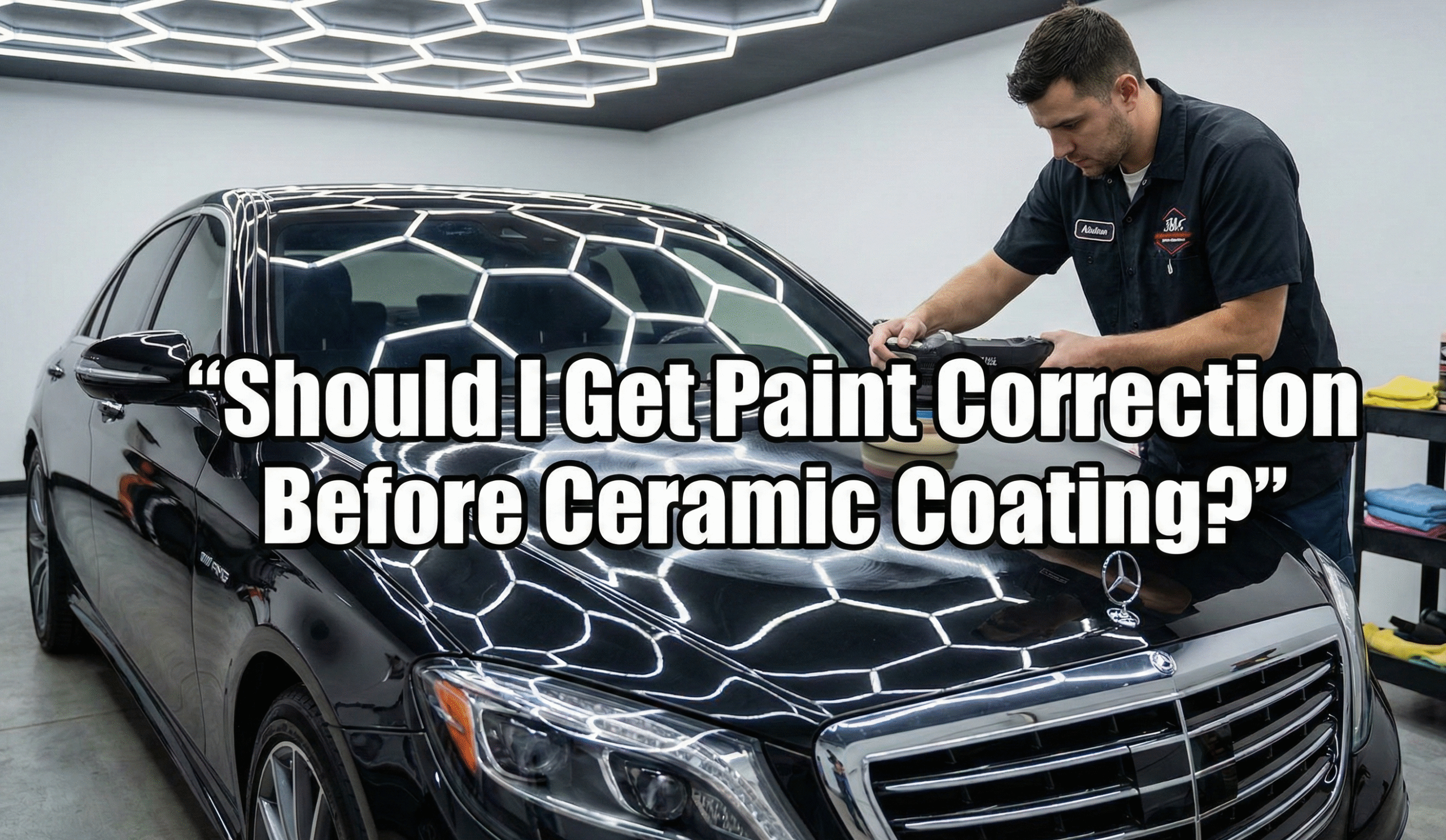
  • Should I Get Paint Correction Before Ceramic Coating?

    Should I Get Paint Correction Before Ceramic Coating?

    Ceramic coating protects a vehicle with long-lasting gloss, intense hydrophobic power, and serious resistance against weather, road grime, and daily wear. However, many drivers in Ashburn, VA feel confused about one crucial step: Should paint correction come before ceramic coating? The short answer is yes, absolutely, especially when you want flawless clarity, deep shine, and maximum coating durability.

    As a leading expert, Grizzly Auto Detailing helps vehicle owners understand why Paint Correction for Ceramic Coating Ashburn plays an essential role in producing a stunning and high-value finish. Ceramic coating locks the paint surface under a protective shell for years. Therefore, you must correct defects before sealing them in.

    In Ashburn, VA, the region’s climate, road patterns, and environmental conditions create unique challenges for exterior automotive surfaces. Since this area experiences heavy pollen cycles, humid summers, cold winters, and road salt exposure, paint damage accumulates quickly. Consequently, paint correction transforms dull and imperfect paint into a clean, clear, professionally prepared surface ready for ceramic coating.

    Let’s explore everything you need to know, starting with how paint correction works, why it matters before coating, and how long the process usually takes.


    Understanding Paint Correction for Ceramic Coating in Ashburn, VA

    When professionals perform Paint Correction for Ceramic Coating Ashburn, they meticulously refine the clear coat to remove surface defects. These defects include swirl marks, micro-scratches, holograms, oxidation, haze, etching, and marring. Even brand-new cars need correction because dealership washing practices often create swirl marks on fresh paint.

    Paint correction involves three main stages:

    1. Decontamination

    Detailers remove iron particles, brake dust, embedded road grime, and environmental fallout. These contaminants bond to the paint over time and must be removed to achieve a smooth finish. Ashburn roads contain seasonal residue such as pollen, fine dust, and winter salt, which cling tightly to the clear coat.

    2. Machine Polishing

    This stage includes compounding and polishing. Compounding eliminates deeper defects, while polishing refines the finish into a clear and glossy surface. At Grizzly Auto Detailing, detailers use high-quality machines, controlled pad movement, and professional-grade compounds to restore clarity safely.

    3. Surface Preparation

    Before ceramic coating application, professionals wipe down the vehicle with a panel cleanser to remove polishing oils. This ensures the coating can bond directly to the clear coat without interference.

    Each stage contributes to long-term results. Without correction, the coating would seal in flaws, exaggerating them under the glossy coating. Paint correction also ensures maximum bonding strength between the coating and the clear coat.


    Why Paint Correction Is Necessary Before Ceramic Coating

    Ceramic coating does not hide scratches. Instead, it magnifies clarity and reflection. Even slight swirl marks become more visible once coated. That’s why Paint Correction for Ceramic Coating Ashburn becomes essential before applying a long-term protective layer.

    Here are the five core reasons:

    1. Ceramic Coating Locks In Whatever Already Exists

    Coating creates a strong bond that lasts two to seven years. If the paint contains scratches, dull patches, or swirl marks, the coating traps them beneath a hardened shell. This reduces the final gloss and negatively affects the appearance.

    2. Proper Correction Improves Coating Longevity

    Ceramic coating needs a clean, defect-free surface for ideal bonding. If polishing oils, contaminants, or oxidation remain, the coating weakens and wears out faster. Corrected surfaces hold the coating more securely, improving hydrophobic behavior and durability.

    3. The Vehicle Achieves Maximum Gloss

    In Ashburn’s sunlight, uncorrected paint looks uneven, dull, or patchy. After correction, the coating amplifies the shine, giving the vehicle a showroom-style finish.

    4. It Prevents Coating Failure

    Without correction, micro-scratches and contaminants create an unstable surface that affects coating adhesion. This leads to premature failure, patchy protection, water spotting, and uneven beading.

    5. It Protects Your Investment

    Ceramic coating costs more than wax or sealant, so you should prepare the surface properly to maximize value. Paint correction ensures the coating performs to its highest potential.


    How Many Levels of Paint Correction Are Available?

    When choosing Paint Correction for Ceramic Coating Ashburn, you can select from multiple correction levels depending on your paint’s condition.

    1. One-Step Correction

    This includes light polishing to remove 40–60% of visible defects. It works best for vehicles with mild swirl marks and no heavy damage.

    2. Two-Stage Correction

    This includes compounding followed by polishing. It removes up to 80% of defects, including moderate scratches and oxidation. Most Ashburn vehicles need this level since road contaminants and winter salt cause considerable wear.

    3. Multi-Stage Correction

    This focuses on near-perfect correction, targeting deep scratches, oxidation, and surface inconsistencies. Luxury vehicles, dark-colored cars, and show cars benefit the most from this option.

    Your chosen level influences both cost and the final ceramic coating results.


    How Ashburn, VA Conditions Affect Paint Correction Needs

    Ashburn’s environment plays a major role in paint damage. Here’s why correction becomes necessary before ceramic coating:

    Seasonal Pollen

    The region releases heavy pollen from trees and plants, leading to sticky residue that adheres to paint.

    Road Salt in Winter

    Salt accelerates oxidation and embeds contaminants into the clear coat.

    High UV Exposure

    Sunlight fades paint and highlights imperfections, especially on darker vehicles.

    Mixed Driving Conditions

    Ashburn includes suburban neighborhoods, highway travel, and rural roads, all of which introduce different contaminants.

    Temperature Fluctuations

    Shifting temperatures expand and contract the clear coat, revealing pre-existing flaws.

    Paint correction helps reverse this damage and prepares the surface for long-term ceramic protection.


    How Long Does Paint Correction Take Before Coating?

    Correction time depends on the condition of the paint, vehicle size, and chosen correction level. On average:

    • One-step correction: 3–4 hours
    • Two-stage correction: 5–8 hours
    • Multi-stage correction: 8–15+ hours

    Coating application adds additional hours for curing and leveling. Therefore, the entire service often spans a full day or more.

    Benefits of Getting Paint Correction Before Ceramic Coating

    Drivers in Ashburn often ask whether correction truly makes a difference. The answer is yes, and the benefits go far beyond looks. When you invest in Paint Correction for Ceramic Coating Ashburn, you ensure long-term results that maximize clarity, gloss, and durability. Let’s explore these benefits in detail.

    1. Ultimate Gloss Enhancement

    Paint correction removes oxidation, swirl marks, micro-marring, and haze. When ceramic coating is applied afterward, the surface appears deeper, wetter, and more brilliant. Light reflects evenly across the paint, producing a mirror-like finish.

    2. Stronger Ceramic Bonding

    The coating bonds directly to the clear coat. When contaminants or oils remain, the coating struggles to settle properly. Correction ensures the coating adheres tightly, which increases longevity and hydrophobic strength.

    3. Long-Term Protection

    Ashburn roads contain debris, dust, and seasonal salt. After paint correction, ceramic coating shields the newly refined paint from future damage. This protection keeps the paint clearer for years.

    4. Higher Vehicle Value

    A perfectly corrected and coated vehicle retains more value. Dealers and private buyers notice the difference immediately. Paint correction prevents years of wear from becoming permanent.

    5. Reduced Maintenance Effort

    Corrected and coated paint repels water, mud, pollen, and brake dust. Washing becomes easier and quicker. Swirl marks also reduce because the coating prevents contaminants from clinging to the surface.


    Step-by-Step Process: Paint Correction + Ceramic Coating

    Here is the full, professional-grade process used by Grizzly Auto Detailing:

    Step 1: Exterior Wash

    Specialized detergents remove old wax, road grime, and surface dirt. This prepares the paint for deeper cleaning.

    Step 2: Chemical Decontamination

    Iron removers and fallout cleaners dissolve embedded particles stuck in the clear coat. These particles come from brake dust, construction dust, and industrial fallout common in Ashburn.

    Step 3: Mechanical Decontamination

    A clay bar glides across the paint to extract contaminants the liquid remover didn’t catch. This leaves the surface smooth.

    Step 4: Paint Thickness Measurement

    Proper correction requires understanding how much clear coat exists. Technicians measure paint depth to refine the surface safely.

    Step 5: Compounding Stage

    A cutting compound paired with a firm pad removes deeper defects. The process eliminates faded sections, moderate scratches, and heavy swirl marks.

    Step 6: Polishing Stage

    A finishing polish refines the paint, eliminating haze or micro-scratches that compounding sometimes leaves. This stage creates the foundation for a glossy final result.

    Step 7: Surface Wipe-Down

    Detailers remove polishing oils with a panel prep solution. This ensures ceramic coating bonds directly to the clear coat without interference.

    Step 8: Ceramic Coating Application

    A professional-grade coating is applied in controlled sections to avoid high spots or streaking. The coating cures for several hours, bonding tightly to the paint.

    Step 9: Final Curing

    The vehicle rests so the coating can harden fully and achieve maximum strength.


    Common Mistakes People Make Before Ceramic Coating

    Even motivated car owners in Ashburn make mistakes that reduce coating success. Avoid these issues before getting ceramic coating:

    1. Skipping Paint Correction

    Some drivers believe their paint “looks fine,” but small defects become extremely noticeable after coating. Correction ensures perfection.

    2. Using Dish Soap or Harsh Cleaners

    Aggressive chemicals strip paint and create micro-scratches, making correction harder.

    3. Washing With Dirty Towels

    Reusing dirty microfiber towels creates swirls and reduces clarity.

    4. Applying Wax Before Ceramic Coating

    Wax prevents the coating from bonding properly because it leaves a layer on the paint.

    5. Attempting DIY Correction Without Skill

    YouTube videos make correction seem simple, but using the wrong pad, pressure, or machine speed easily burns the clear coat.

    A trained technician follows safe techniques that protect the paint while correcting it.


    How Much Does Paint Correction Before Ceramic Coating Cost?

    Pricing varies depending on vehicle size, paint condition, and level of correction required. Here’s a general range for Ashburn:

    • One-step correction: $250–$400
    • Two-step correction: $450–$750
    • Multi-stage correction: $850–$1,500+
    • Ceramic coating: $600–$2,000 depending on the formula

    When bundled, many detailing shops — including Grizzly Auto Detailing — offer discounted packages.

    Although correction increases upfront cost, it ensures the ceramic coating lasts much longer and looks significantly better.


    How Long Does the Entire Process Take?

    On average, expect:

    • Paint correction: 4–12 hours depending on severity
    • Ceramic coating application: 2–6 hours
    • Final curing: 12–24 hours

    Therefore, the full service often takes one full day to two days.

    Because of Ashburn’s shifting weather, technicians adjust curing conditions to achieve perfect results year-round.


    How Long Does the Result Last?

    With proper maintenance, the combination of correction + coating lasts:

    • Gloss and clarity: 3–5 years
    • Hydrophobic behavior: 2–5 years
    • Scratch resistance: Continually, as long as coating remains intact

    Drivers who follow safe washing techniques enjoy the longest results.


    Maintenance Tips After Ceramic Coating

    Here’s how to maintain your newly corrected and coated paint:

    1. Two-Bucket Wash Method

    Use two buckets — one for rinse, one for soap — so dirt doesn’t return to the paint.

    2. Avoid Automatic Car Washes

    Brushes create swirl marks and weaken the coating.

    3. Use pH-Neutral Shampoo

    Coating-safe soaps maintain shine and hydrophobic properties.

    4. Dry With a High-Quality Microfiber Towel

    It prevents streaks and keeps the coating intact.

    5. Apply a Silica Spray Sealant

    This boosts gloss and hydrophobic performance every few months.

    6. Schedule Annual Inspections

    Professional detailers check for coating integrity and correct minor issues early.

    Proper maintenance ensures the results of Paint Correction for Ceramic Coating Ashburn continue to impress for years.


    10 Frequently Asked Questions (FAQs)

    1. Do I always need paint correction before ceramic coating?

    Yes. Correction ensures the paint looks flawless and allows the coating to bond properly.

    2. Does ceramic coating hide scratches?

    No. It enhances clarity, making scratches more noticeable if you skip correction.

    3. How long does paint correction take?

    It takes 4–12 hours depending on vehicle size and paint condition.

    4. How long does ceramic coating last?

    Professional coatings last 2–7 years depending on maintenance and product quality.

    5. Can new cars skip paint correction?

    No. New cars often have swirl marks from dealership washes.

    6. Does paint correction remove all defects?

    It removes most, but very deep scratches may remain slightly visible.

    7. Can I do paint correction myself?

    DIY risks clear-coat damage. Professional correction ensures safe and refined results.

    8. Will ceramic coating protect against rock chips?

    Ceramic helps with minor abrasions but not actual rock chip impact.

    9. How soon can I wash my car after coating?

    Wait 7 days before washing to allow full curing.

    10. Is ceramic coating worth it in Ashburn, VA?

    Yes. The climate, pollen, and road conditions make long-term protection extremely valuable.

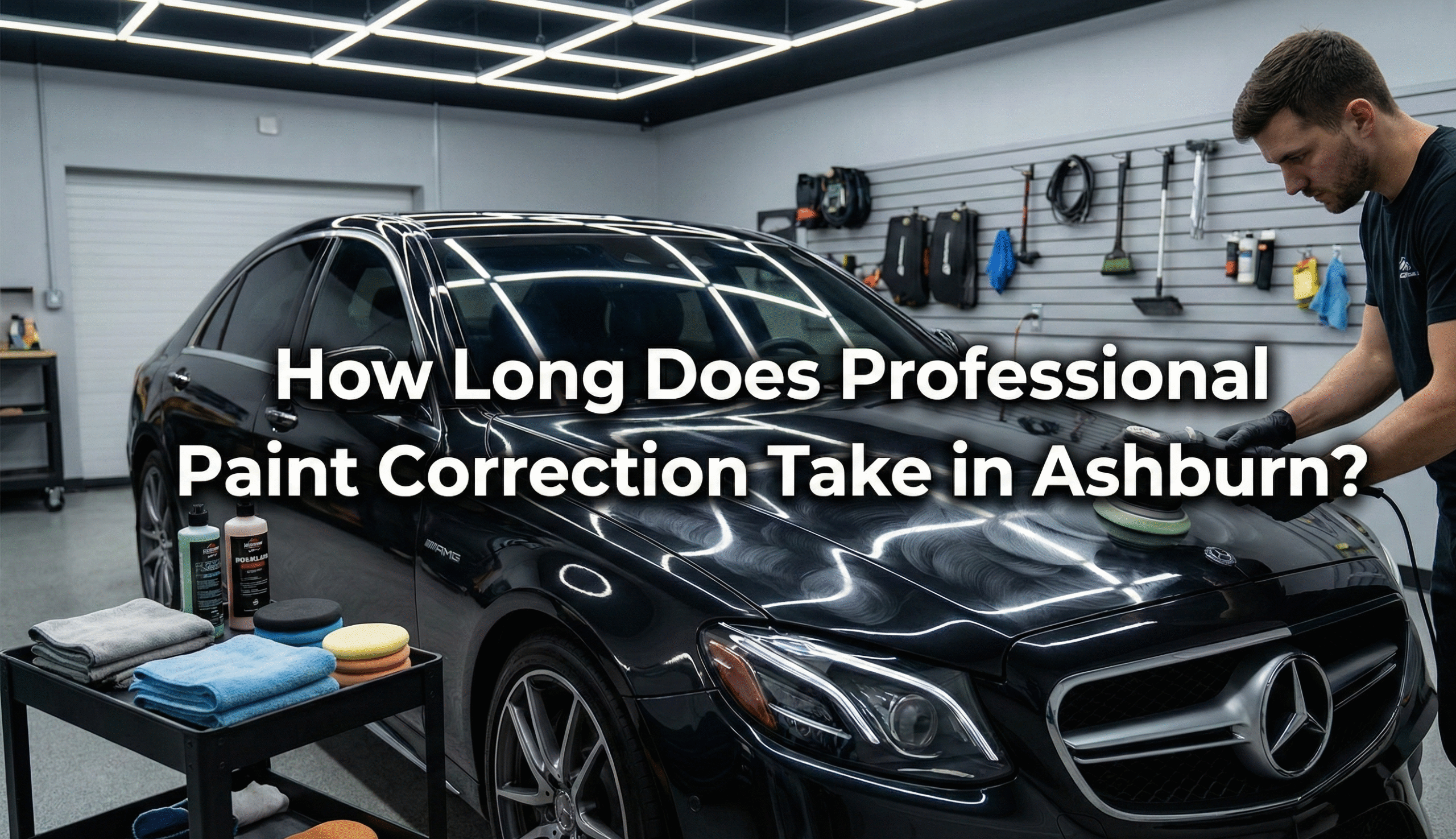
  • How Long Does Professional Paint Correction Take in Ashburn?

    How Long Does Professional Paint Correction Take in Ashburn?

    Owning a car in Ashburn, VA, comes with the pride of driving a vehicle that turns heads. But over time, the paint may lose its shine due to environmental exposure, daily wear, and minor scratches. Many car owners wonder: how long does professional paint correction take, and is it worth the investment? Grizzly Auto Detailing, experts in Multi-stage paint correction Ashburn, provides a comprehensive guide to help you understand the process, timeline, and benefits.

    Why Paint Correction Matters

    Paint correction restores the vehicle’s paint to its original depth, clarity, and gloss. Vehicles in Ashburn face sun exposure, dust, and occasional road debris, which contribute to oxidation, swirl marks, and light scratches. Professional Multi-stage paint correction Ashburn services not only improve aesthetic appeal but also protect the vehicle’s long-term value.

    The benefits include:

    • Enhanced vehicle appearance with mirror-like finishes
    • Prevention of long-term paint damage
    • Increased resale value
    • Smooth surface ready for protective coatings

    The Science Behind Paint Correction

    Paint correction involves removing imperfections from the clear coat using abrasive compounds and polishing machines. The science is simple yet precise: the top layer of the clear coat is carefully leveled to remove scratches, swirls, and oxidation. Advanced tools like dual-action polishers and high-quality microfiber pads allow technicians to restore the paint without causing further damage.

    Types of Paint Correction

    Single-Stage Correction addresses minor imperfections such as light swirl marks and surface scratches. It usually takes a few hours for a standard vehicle and includes polishing and a protective wax application.

    Multi-Stage Correction is more comprehensive. It involves multiple steps:

    1. Compounding – Aggressively removes deeper scratches and oxidation.
    2. Polishing – Refines the paint for clarity and depth.
    3. Finishing – Applies protective coatings like wax, sealant, or ceramic coating.

    Multi-stage correction is ideal for vehicles with moderate to severe paint imperfections and ensures a flawless, durable finish.

    Factors Affecting Paint Correction Duration

    The time required depends on several key factors:

    1. Vehicle Size – Larger vehicles like SUVs, trucks, or vans require more surface area to polish, increasing the time needed.
    2. Paint Condition – Severely oxidized, scratched, or faded paint requires more stages and careful handling.
    3. Number of Stages – Multi-stage corrections take longer than single-stage because each step is meticulous.
    4. Paint Type – Metallic, pearl, or custom paints require specialized techniques.
    5. Additional Services – Applying ceramic coatings, protective sealants, or detailing interiors can extend the total service time.

    Detailed Multi-Stage Paint Correction Process

    Step 1: Inspection and Assessment – Technicians assess the car’s paint thickness, scratches, swirls, and oxidation levels. This step determines the number of stages and compounds required.

    Step 2: Surface Preparation – The vehicle is washed with pH-neutral soaps, followed by decontamination to remove iron particles, tar, and other pollutants. Proper surface preparation ensures the polishing process is effective.

    Step 3: Compounding – An aggressive compound is applied with a polishing machine to remove deep scratches and oxidation. This step may require multiple passes depending on defect severity.

    Step 4: Polishing – Using a finer compound, the paint is refined to restore clarity and gloss. This stage also eliminates minor haze left by compounding.

    Step 5: Finishing – A protective wax, sealant, or ceramic coating is applied to preserve the corrected paint. This adds depth, shine, and long-lasting protection.

    Each stage requires precision and attention to detail. Skipping steps or rushing the process can compromise the finish.

    Equipment and Materials

    Professional paint correction relies on high-quality tools and compounds:

    • Dual-action or rotary polishers
    • Foam, microfiber, or wool pads
    • Cutting and finishing compounds
    • Protective sealants or ceramic coatings

    Using proper equipment ensures optimal results and prevents damage, though it also contributes to the time needed for the full process.

    Vehicle Size and Paint Complexity

    Small sedans typically take 4–6 hours for single-stage correction and 1–2 days for multi-stage. Larger vehicles like SUVs, trucks, or vans may require 2–4 days for multi-stage correction. Metallic or pearl paints require more cautious handling and additional polishing passes, which can extend the timeline.

    Environmental Factors in Ashburn, VA

    Ashburn’s climate plays a role in paint correction timing. Sunlight, dust, and seasonal debris can affect the paint’s surface. Controlled indoor environments with proper lighting and temperature ensure the best outcomes and prevent contamination during polishing.

    Professional Expertise

    Experienced technicians at Grizzly Auto Detailing follow a standardized approach to ensure efficiency and quality. Expertise impacts the speed and effectiveness of the correction, as professionals know the correct sequence of steps, compound choices, and pad selections to achieve flawless results.

    DIY vs Professional Paint Correction

    While DIY kits exist, professional Multi-stage paint correction Ashburn provides significant advantages:

    • Safe handling of all paint types
    • Proper compound and pad selection
    • Uniform polishing with consistent pressure
    • Long-lasting protection through wax, sealant, or ceramic coatings

    DIY attempts may improve minor imperfections but rarely match the depth, clarity, and durability of professional results.

    Maintenance After Paint Correction

    To preserve the results, car owners should follow these guidelines:

    • Wash regularly with pH-neutral soaps
    • Avoid automatic brushes that can cause new swirls
    • Apply wax or sealant every few months
    • Address new scratches promptly

    Grizzly Auto Detailing also offers maintenance programs tailored for Ashburn vehicles to maintain a showroom finish for years.

    Common Mistakes and Misconceptions

    • Misconception 1: Paint correction removes all scratches.
      Only surface and moderate scratches are removable; deep scratches may require touch-up or panel repair.
    • Misconception 2: Multi-stage correction is only for luxury cars.
      Any vehicle with paint imperfections benefits from professional correction.
    • Misconception 3: Once corrected, paint needs no maintenance.
      Regular upkeep is essential to maintain the finish.
    • Mistake 1: Using improper compounds or pads can damage paint.
    • Mistake 2: Rushing through stages leads to uneven results or holograms.

    Case Studies

    1. Compact Sedan – Single-stage correction removed light swirl marks and restored shine in 6 hours.
    2. Luxury SUV – Two-stage correction addressed oxidation and moderate scratches over 2 days.
    3. Sports Car with Custom Paint – Multi-stage correction restored deep scratches and applied ceramic coating over 4 days.
    4. Full-Size Truck – Compounding, polishing, and sealing took 3 days to achieve a flawless, protected finish.

    FAQs Section

    1. How long does a multi-stage paint correction take?
    It typically takes 2–4 days depending on vehicle size, paint condition, and additional services.

    2. Is paint correction safe for all vehicles?
    Yes, professional correction is safe for all paint types and vehicles.

    3. Does multi-stage correction remove deep scratches?
    It removes most surface and moderate scratches; deep scratches may require touch-up or panel repair.

    4. Can I perform multi-stage correction myself?
    DIY methods rarely achieve professional-grade results and may damage the paint.

    5. How often should paint correction be performed?
    Every 12–24 months depending on exposure, usage, and environmental conditions.

    6. Does paint correction include protective coatings?
    Yes, professionals often include wax, sealant, or ceramic coating for durability and shine.

    7. What factors influence correction duration?
    Vehicle size, paint condition, number of stages, paint type, and environmental factors.

    8. Can paint correction restore faded paint?
    Yes, it revives depth, gloss, and clarity for oxidized or dull paint.

    9. Is professional correction expensive?
    Cost varies by vehicle size, paint condition, and required correction stages.

    10. Why choose Grizzly Auto Detailing in Ashburn?
    We provide expert Multi-stage paint correction Ashburn services with high-quality tools, tailored techniques, and guaranteed results.

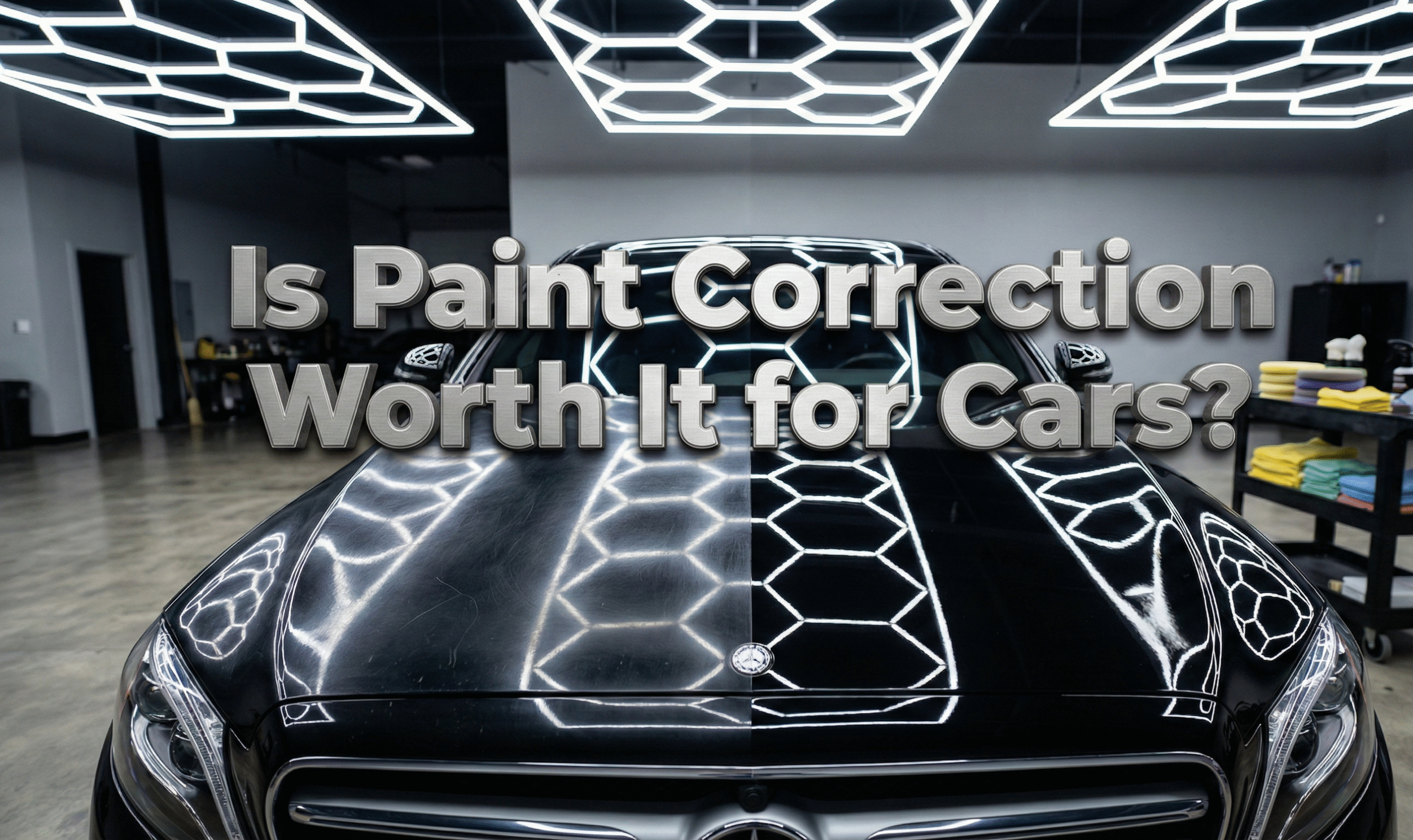
  • Is Paint Correction Worth It for Cars in Ashburn?

    Is Paint Correction Worth It for Cars in Ashburn?

    Owning a vehicle in Ashburn, Virginia, comes with a unique set of joys and challenges. You have access to beautiful scenic drives through London County, but you also face the realities of Northern Virginia traffic, construction debris, and fluctuating weather patterns. Because of this, Paint restoration in Ashburn has become an essential service for owners looking to maintain their vehicle’s value. Over time, even the most cherished luxury sedans and rugged SUVs lose their showroom luster. Swirl marks appear from improper washing, oxidation sets in from the summer sun, and road salts from winter storms leave the clear coat feeling rough and looking dull.

    For many car owners, the term “paint correction” sounds like an unnecessary luxury or a vague upsell at the car wash. However, if you truly care about your vehicle’s longevity and resale value, it is one of the most critical services you can invest in. This guide dives deep into the science of paint correction, why it is essential for Ashburn drivers, and how it transforms your vehicle from “used” to “like new.”

    Understanding the Science of Paint Defects

    To understand why paint correction is worth the investment, you must first understand what is happening to your car’s surface. Modern vehicles are painted with a base coat (the color) and a clear coat (the protective layer). When you see a car that looks dull, scratched, or “swirled,” you are rarely looking at damage to the color itself. Instead, you are seeing thousands of microscopic cuts and abrasions in the clear coat.

    These defects scatter light. Instead of light hitting the surface and bouncing back in a uniform, mirror-like reflection, it hits these scratches and refracts in different directions. This optical illusion creates the dreaded “spiderweb” effect visible under streetlights or bright sunlight. Paint correction is the process of mechanically leveling the clear coat to remove these defects, allowing light to reflect perfectly once again.

    Common Paint Imperfections

    • Swirl Marks: Fine scratches usually caused by automatic car washes or wiping a dirty car with a dry towel.
    • RIDS (Random Isolated Deep Scratches): Deeper scratches from road debris or accidental contact.
    • Etching: Marks left by bird droppings or acid rain that have eaten into the clear coat.
    • Oxidation: A milky or chalky appearance caused by UV exposure.
    • Holograms: Buffer trails left by inexperienced detailers using rotary machines improperly.

    The Ashburn Factor: Why Local Conditions Matter

    Driving in Ashburn presents specific environmental hazards that make paint maintenance a challenge. The rapid development in Loudoun County means constant construction dust, which is abrasive and can settle on your paint. When you wipe this dust off without proper lubrication, you essentially sandpaper your own car.

    Furthermore, Northern Virginia experiences a full four-season cycle. The hot, humid summers accelerate oxidation, while the winters bring brine and road salt. These chemical de-icers are fantastic for safety but terrible for your vehicle’s finish. They cling to the surface and, if left unchecked, can chemically bond to the paint, leading to permanent etching.

    In this region, Paint restoration in Ashburn—a core service at Grizzly Auto Detailing—is not just about vanity; it is about preservation. By correcting the paint, you remove the damaged layers where these contaminants like to hide, creating a smooth surface that is easier to clean and harder to damage.

    The Multi-Stage Correction Process

    True paint correction is an art form that requires patience, skill, and the right technology. It is far more than a “buff and wax.” At Grizzly Auto Detailing, technicians approach the vehicle surgically, measuring paint depth and testing combinations of pads and compounds to achieve the best result without compromising the integrity of the clear coat.

    Step 1: Decontamination

    Before a polisher ever touches the paint, the surface must be clinically clean. A simple wash is not enough. Professionals use iron removers to chemically dissolve brake dust embedded in the paint pores. They then use a clay bar to mechanically shear off bonded contaminants like tree sap and tar. If you skip this step, the polishing pad will pick up these particles and drag them across the paint, causing more damage.

    Step 2: Compounding (The Cutting Stage)

    This is the aggressive phase. Using a microfiber or wool pad and an abrasive compound, the detailer removes the top layer of the clear coat where the deepest scratches reside. This stage eliminates roughly 80-90% of the defects but may leave a slight haze behind.

    Step 3: Polishing (The Refining Stage)

    Refinement is where the gloss comes from. Using a soft foam pad and a finishing polish, the technician removes the haze left by compounding and jewels the paint to a high shine. On softer paints, this might be the only step needed. On harder clear coats, it is the vital second half of the equation.

    Step 4: Protection

    Correction removes defects, but it leaves the paint “naked.” Without protection, the sun and rain will immediately start degrading the finish again. This is why Paint restoration in Ashburn is almost always paired with a ceramic coating or a high-quality sealant. These products lock in the work, effectively sealing the restored surface under a sacrificial barrier.

    Financial Sense: Cost vs. Value

    The sticker price of paint correction can be a shock to the uninitiated. Depending on the size of the vehicle and the condition of the paint, it can range significantly. However, you must view this as a restorative maintenance cost rather than a cleaning cost.

    Boosting Resale Value

    Used car prices are volatile. When you go to sell or trade in your vehicle, the exterior condition is the first thing a buyer or appraiser sees. A car with faded, swirled paint screams “neglected,” leading the buyer to wonder what else wasn’t maintained (like the engine or transmission). Conversely, a ten-year-old car with mirror-like paint suggests meticulous ownership. You can often command a premium that exceeds the cost of the correction service itself.

    Lease Returns

    If you lease your vehicle, you are chargeable for “excessive wear and tear.” Deep scratches and poor paint condition can lead to hefty penalties at the lease end. A light paint correction before the inspection can save you thousands in dealership fees.

    Paint Correction vs. Repainting

    A common misconception is that if paint is scratched, it needs to be repainted. Repainting is expensive, intrusive, and rarely matches the factory durability. Factory paint is baked on at temperatures that body shops cannot replicate once the car is assembled.

    Paint correction is non-invasive. It keeps your original factory paint intact, which is always preferred by collectors and buyers. Unless the scratch has gone completely through the clear coat and color coat down to the metal (which can catch your fingernail), professional correction is the superior, more affordable choice compared to a body shop respray.

    The Role of Ceramic Coating

    While paint correction fixes the past, ceramic coating protects the future. These two services are the peanut butter and jelly of the auto detailing world. You should never apply a long-term ceramic coating over uncorrected paint because you will simply be sealing in the scratches.

    Once the paint is corrected, a ceramic coating (liquid quartz or glass) is applied. This hardens to form a shell that is chemically resistant and hydrophobic. Water beads up and rolls off, taking dirt with it. For Ashburn drivers, this means your car stays cleaner during the rainy spring season and is much easier to wash during the pollen-heavy months.

    Choosing the Right Specialist in Ashburn

    Not all detailers are created equal. The term “buffing” is often used loosely by high-volume car washes that use rotary buffers with dirty wool pads. This “hack and whack” approach often fills scratches with glazes (oils) rather than removing them. The car looks great for two weeks, but once the oils wash off, the scratches reappear, often accompanied by new buffer trails.

    When searching for Paint restoration in Ashburn, look for a studio like Grizzly Auto Detailing that utilizes proper lighting. You cannot correct what you cannot see. Our professional shop uses high-CRI (Color Rendering Index) lights that mimic the sun, revealing every imperfection. We also offer paint depth readings to ensure your car has enough clear coat safely remaining to undergo the process.

    DIY: A Risk Not Worth Taking?

    With the rise of YouTube detailing channels, many enthusiasts are tempted to buy a polisher and try it themselves. While possible, the learning curve is steep. Paint systems vary wildly; a pad and polish combination that works wonders on a hard German clear coat might chew up a soft Japanese paint system.

    The risks of DIY correction include “burning through” the clear coat (stripping it entirely), instilling holograms that are expensive to fix, and staining plastic trim with compound. For a daily driver you don’t care about, it might be a fun project. For your pride and joy, trusting the professionals at Grizzly Auto Detailing is the safer route.

    Maintenance: Keeping the Shine Alive

    After investing in paint correction, your washing habits must change. You cannot take a corrected car through a customized “soft touch” automatic car wash. The brushes in those machines retain dirt from the thousands of cars before yours, acting like sandpaper flails.

    Touchless washes are safer but use harsh chemicals that can degrade waxes. The best method is the two-bucket hand wash or a rinseless wash method using high-quality microfiber towels. If you don’t have the time to hand wash, Grizzly Auto Detailing offers maintenance wash packages specifically for clients who have had correction work done.

    The Psychological Benefit

    There is an intangible value to driving a car that looks perfect. It feels newer. It makes the driving experience more enjoyable. In a professional setting, pulling up to a meeting in a well-maintained vehicle projects an image of competence and attention to detail. We spend a significant amount of time in our cars, especially with the commute times in Northern Virginia. Ensuring that environment is clean and aesthetically pleasing improves your quality of life.

    Conclusion

    Is paint correction worth it? If you view your vehicle as merely an appliance to get from Point A to Point B, perhaps not. But if you see your car as an investment, a reflection of your standards, or a passion, then the answer is a resounding yes. It resets the clock on your vehicle’s appearance, protects it against the harsh Virginia environment, and secures its financial value.

    By seeking out professional Paint restoration in Ashburn from Grizzly Auto Detailing, you are not just cleaning your car; you are engaging in a specialized preservation process. It is the difference between wearing a suit off the rack and having one tailored to fit perfectly. The gloss, the depth, and the clarity of corrected paint are unmistakable. In a world of dull, swirled grey traffic, driving a mirror-finish vehicle is a statement of excellence.

    Frequently Asked Questions (FAQs)

    1. How long does the paint correction process take?

    Unlike a standard wash, paint correction is labor-intensive. A single-step enhancement might take 4-6 hours, while a multi-stage restoration can take 2-3 days. The timeline depends entirely on the severity of the defects and the desired level of perfection.

    2. Will paint correction remove all scratches?

    It removes scratches that are in the clear coat. If a scratch is deep enough to catch your fingernail, it has likely penetrated the clear coat and reached the base color or primer. These cannot be safely buffed out and may require touch-up paint or bodywork.

    3. How often should I get my paint corrected?

    Ideally, you should only need a major paint correction once, provided you maintain the vehicle correctly afterward. If you continue to use automatic car washes, you will re-instill swirls and need correction again annually.

    4. Is paint correction the same as waxing?

    No. Waxing adds a temporary layer of protection and gloss on top of the paint. Paint correction removes a microscopic layer of the paint to fix the surface. Wax covers defects; correction eliminates them.

    5. Does paint correction affect the thickness of my paint?

    Yes, it involves removing a microscopic amount of clear coat (usually 1-3 microns). Factory clear coats are thin, so a professional will measure the paint thickness before starting to ensure it is safe to proceed.

    6. Can I get paint correction on a leased car?

    Absolutely. In fact, it is highly recommended before turning in a lease to avoid “excess wear and tear” charges for poor exterior condition.

    7. Why is paint correction more expensive than a detail?

    A standard detail focuses on cleaning dirt. Paint correction focuses on permanently repairing surface damage. It requires expensive equipment, specialized compounds, and a high level of technical skill that takes years to master.

    8. Will ceramic coating hide my scratches?

    Generally, no. Ceramic coatings are transparent glass layers. If you coat over a scratch, you lock it in. This is why paint correction is a mandatory prerequisite for a high-quality ceramic coating installation.

    9. Does paint correction fix rock chips?

    No. Rock chips are areas where paint is missing. Polishing cannot replace missing paint. Rock chips require filling with touch-up paint, wet sanding, and then polishing.

    10. How do I know if I need paint correction?

    Wash your car and look at the paint under direct sunlight or a bright LED flashlight. If you see circular spiderwebs, haze, or random scratches that dull the reflection, your vehicle is a candidate for correction.

  • How Much Does a Full Paint Correction Cost in Ashburn?

    How Much Does a Full Paint Correction Cost in Ashburn?

    If you are a car enthusiast in Ashburn, VA, you might have wondered, “How much does a full paint correction cost?” Maintaining your vehicle’s paint not only enhances its appearance but also protects it from environmental damage. Grizzly Auto Detailing specializes in professional Paint Correction price in Ashburn, providing comprehensive services to restore your vehicle’s finish to a flawless, showroom-quality shine.

    What is Paint Correction?

    Paint correction is a meticulous process aimed at removing imperfections such as swirl marks, scratches, oxidation, and water spots from your vehicle’s paint. These blemishes occur naturally over time due to exposure to sun, rain, debris, and improper washing techniques. Paint correction restores the paint to its original clarity, depth, and gloss. It is not just about aesthetics; proper correction also increases the longevity of your vehicle’s exterior.

    Why Paint Correction is Essential

    Over time, cars inevitably suffer from scratches and dull paint, which degrade the vehicle’s overall look. Ignoring these issues can reduce the vehicle’s resale value. Professional Paint Correction price in Ashburn ensures:

    • Restoration of original shine: Removes imperfections and reveals the true depth of the paint.
    • Protection against environmental hazards: A corrected paint surface allows protective coatings like ceramic to adhere better.
    • Increased resale value: A well-maintained paint finish attracts buyers and enhances market price.
    • Enhanced aesthetic appeal: A flawless finish stands out and makes a positive impression.

    Factors That Affect Paint Correction Price

    Pricing varies widely depending on the vehicle type, paint condition, and service level. Understanding these factors helps you budget effectively.

    1. Vehicle Size: Larger cars take more time and materials, increasing the cost. Sedans usually cost less than SUVs or trucks.
    2. Paint Condition: Heavily scratched or oxidized paint requires multiple stages of correction.
    3. Paint Type: Metallic, pearl, and custom paints require specialized polishing techniques.
    4. Service Level: Single, two, or three-stage corrections differ in time, materials, and results.
    5. Additional Services: Combining paint correction with ceramic coating or protective sealants will raise the price but offer long-term benefits.

    Average Paint Correction Price in Ashburn, VA

    Paint Correction price in Ashburn ranges based on service depth:

    • Single-Stage Correction: $400–$800 – Addresses minor swirl marks and light scratches.
    • Two-Stage Correction: $800–$1,500 – Corrects deeper scratches and moderate oxidation.
    • Three-Stage / Full Correction: $1,500–$2,500+ – Comprehensive restoration including compounding, polishing, and finishing with protective coatings.

    Understanding Each Stage of Paint Correction

    Single-Stage Correction

    Single-stage correction uses a polishing compound to remove superficial scratches and swirls. Technicians use dual-action polishers with specialized pads to ensure a uniform finish. This stage is ideal for vehicles with minor imperfections and is cost-effective for those seeking a refreshed appearance.

    Two-Stage Correction

    Two-stage correction begins with compounding to remove deeper scratches, followed by polishing to refine the surface. The process may involve:

    • Paint thickness measurement to avoid excessive removal
    • Compounding with aggressive pads
    • Polishing for enhanced clarity
    • Finishing with a protective wax or sealant

    This approach is suitable for cars with moderate wear, including swirl marks, oxidation, and minor scratches.

    Three-Stage / Full Paint Correction

    The three-stage correction is the ultimate service, ideal for vehicles with significant paint damage. The steps include:

    1. Compounding: Removes severe scratches and oxidation.
    2. Polishing: Refines the paint and enhances gloss.
    3. Finishing & Protection: Adds a sealant or ceramic coating to preserve the corrected finish.

    This method restores the vehicle to near-new condition and commands the highest Paint Correction price in Ashburn due to its thoroughness.

    Additional Factors Affecting Costs

    • Paint Thickness Testing: Essential for ensuring safe polishing without damaging the paint.
    • Spot Repair Areas: Localized scratches may need extra attention.
    • Ceramic Coating: Provides long-term protection, increasing overall value.
    • Detailing Packages: Interior, engine bay, or undercarriage detailing may be combined for convenience.

    Case Studies: Cost Examples

    • Compact Sedan: Single-stage correction at $450 for minor swirl removal.
    • Luxury SUV: Two-stage correction at $1,200 for moderate scratches and oxidation.
    • Exotic Car: Full three-stage correction at $2,300 including protective coatings and extensive polishing.

    These examples illustrate how vehicle type and paint condition influence Paint Correction price in Ashburn.

    DIY vs. Professional Service

    While DIY kits exist, they rarely achieve professional results. DIY attempts can lead to uneven surfaces, holograms, or paint thinning. Professionals at Grizzly Auto Detailing ensure:

    • Proper assessment of paint thickness
    • Correct choice of compounds and polishers
    • Safe, uniform application
    • Long-lasting, high-quality finish

    Choosing the Right Paint Correction Service

    Consider the following before scheduling:

    • Vehicle Usage: Daily drivers may need more frequent touch-ups.
    • Desired Finish: Professionals can match the level of gloss you desire.
    • Budget: Options range from affordable single-stage to premium full correction.
    • Protective Coatings: Adding ceramic coatings enhances durability and gloss.

    Maintenance After Paint Correction

    Proper maintenance preserves your investment:

    • Wash regularly with pH-neutral soaps
    • Avoid harsh automatic car washes
    • Apply wax or sealant every 3–6 months
    • Address minor scratches promptly
    • Use proper drying methods to prevent water spots

    Grizzly Auto Detailing offers maintenance packages that help extend the life of your corrected paint.

    Common Mistakes to Avoid

    • Choosing prohibited DIY methods
    • Skipping professional consultation
    • Ignoring paint type compatibility
    • Failing to maintain corrected paint

    Benefits of Professional Paint Correction

    • Restores vehicle to showroom-quality finish
    • Protects paint from future damage
    • Increases resale value
    • Improves overall aesthetic appeal

    Local Considerations in Ashburn, VA

    Weather, humidity, and road conditions in Ashburn can accelerate paint wear. Choosing a local professional ensures your vehicle is treated with methods suited to regional environmental conditions. Grizzly Auto Detailing specializes in Paint Correction price in Ashburn that considers local factors for optimal results.

    FAQs Section

    1. What is the average cost of a full paint correction in Ashburn? The average Paint Correction price in Ashburn ranges from $1,500 to $2,500, depending on vehicle size and paint condition.

    2. Does paint type affect the cost? Yes, metallic, pearl, and custom paints require specialized polishing techniques, which increases cost.

    3. How long does a full paint correction take? It usually takes 2–4 days depending on vehicle condition, size, and complexity of paint damage.

    4. Can I combine paint correction with ceramic coating? Yes, combining services enhances protection and longevity but increases total cost.

    5. Is paint correction necessary for new cars? Even new cars may have minor swirl marks from transport or dealership handling, so light correction is recommended.

    6. Can DIY paint correction be effective? DIY methods may help minor scratches but cannot match professional results in consistency and quality.

    7. How often should paint correction be performed? Every 12–24 months, depending on exposure, usage, and vehicle maintenance.

    8. Does paint correction remove scratches permanently? Professional paint correction removes surface scratches and restores clarity, but deep damages may require spot repair.

    9. Are there risks involved with paint correction? Risks include holograms or thinning paint if not performed correctly. Professionals minimize these risks.

    10. Why choose Grizzly Auto Detailing in Ashburn? We provide transparent pricing, expert service, and guaranteed results, ensuring the best value for Paint Correction price in Ashburn.

  • How much should a paint correction cost?

    How much should a paint correction cost?

    Car owners love unique colors because they express personality, style, and creativity. However, some people still don’t know that certain colors create legal trouble depending on where you live. While many drivers in Ashburn, VA want their vehicles to look bold and flawless, they also want to protect their investment. Therefore, they choose services like Sophisticated Paint Correction in Ashburn to enhance appearance without taking legal risks. Today, we explore something surprising: what color is actually illegal to paint a car?

    You might think any color is fine if it looks cool, but the truth works differently. Some shades cause confusion on the road, attract unwanted attention from law enforcement, or even violate state regulations. Additionally, the wrong color choice sometimes affects resale value, visibility, and insurance. Because of that, car owners must understand the rules before choosing a custom paint job.

    In this detailed guide, we break down every essential detail about illegal car colors, why certain restrictions exist, how to stay compliant, and how experts like Grizzly Auto Detailing help drivers maintain show-quality finishes. Moreover, we explain how professional detailing services like Sophisticated Paint Correction in Ashburn elevate your car’s look legally and safely.

    Let’s dive in.


    Why Car Color Laws Exist

    Many drivers assume paint colors only matter for aesthetics. However, governments create color restrictions for safety, identification, and law-enforcement clarity. When a vehicle mimics emergency responder styling or creates confusion during night visibility, it becomes a public safety risk.

    Main Reasons Include:

    1. Preventing Impersonation of Emergency Vehicles

    Emergency cars—police, fire, and ambulance—use distinct color combinations. If private vehicles use the same look, other drivers may react differently and create dangerous situations.

    2. Enhancing Road Visibility

    Some colors decrease visibility in low-light environments. When accidents increase due to poorly visible paint, regulators step in.

    3. Maintaining Uniformity in Law Enforcement Operations

    Authorities depend on the visible difference between civilian and emergency vehicles. Confusion affects traffic stops, highway operations, and public response.

    4. Avoiding Fraud and Misidentification

    Car colors sometimes appear in registration records. When someone paints their vehicle to match another car’s description, it creates criminal opportunities.

    Because of all these factors, states create rules. While some allow freedom, others set strict limits.


    So… What Color Is Actually Illegal to Paint a Car?

    Here’s the straightforward answer:

    No specific color is completely illegal across the entire United States.

    However, certain colors and combinations become illegal depending on how they resemble emergency vehicles or violate visibility laws.

    Below are the main colors and styles that create legal trouble in many states, including Virginia.


    Illegal or Restricted Car Colors

    1. Police-Style Black and White

    Even though black or white individually are legal, the black-and-white police pattern becomes a problem.

    Why?

    • It imitates law enforcement
    • It causes confusion on the road
    • Drivers may respond as if a police vehicle approaches
    • Officers could interpret the car as an impersonation attempt

    Virginia law prohibits the appearance of emergency vehicles on personal cars. Therefore, Ashburn drivers must avoid paint schemes resembling patrol cars.


    2. Neon or Reflective Blue and Red (Emergency Colors)

    In many states, including Virginia, full-body paint jobs using reflective blue, reflective red, or flashing patterns mimic emergency vehicles. Because police and other emergency services depend on these colors to signal authority, civilians cannot legally replicate them.


    3. Military-Only Camouflage Patterns

    Although simple camo wraps are usually acceptable, full military replica designs become problematic. Authorities restrict paint jobs that make a car appear like an active military vehicle—especially if markings look official.


    4. Highly Reflective Chrome or Mirror Finishes

    Mirror-like chrome paint jobs look futuristic, but they cause reflections that blind other drivers. Many states classify extreme reflectivity as a visibility hazard.

    Though not outright “illegal,” they attract citations or fail state inspections.


    5. Fluorescent Colors That Violate Local Light Reflection Laws

    Fluorescent neon paints sometimes exceed allowable reflectivity. These colors bounce light aggressively at night and create distraction. Virginia vehicle code monitors aftermarket alterations that affect safe road visibility.


    Colors That Are Legal But Cause Practical Problems

    Even if some colors are legal, they create issues you should consider before painting your vehicle.


    1. Matte Black

    Legal, but it attracts scratches and swirls easily. Because many Ashburn drivers want a flawless finish, they frequently choose Sophisticated Paint Correction in Ashburn to restore clarity or remove imperfections.


    2. Pure White

    White stays legal everywhere. However, police cameras and automated toll systems sometimes misread plate details on bright white surfaces. Paint maintenance also becomes more demanding.


    3. Dark Green or Forest Green

    Still legal, but extremely dark shades create nighttime visibility challenges. Insurance companies occasionally consider them a higher risk.


    4. Pink or Purple

    Absolutely legal, but certain resellers report lower buyer demand, which decreases resale value.


    Virginia-Specific Rules You Should Know

    Virginia vehicle law doesn’t ban specific paint colors outright. However, it prohibited using colors, designs, or reflective patterns that mimic emergency vehicles.

    Examples of restricted designs:

    • Blue–white police cruiser style
    • Red-white fire department style
    • Ambulance striping
    • Hazard-stripe reflective patterns
    • Police-style badges or shield shapes

    What About Underglow?

    Underglow lights use different rules, but color choice still matters.
    Virginia prohibits blue and red underglow on moving vehicles because those colors belong to emergency responders.

    Although this isn’t about paint, it relates to the same laws protecting emergency visual identity.


    Why Paint Correction Matters When Choosing Legal Colors

    Before we dive further into aesthetics and legality, let’s understand how professional detailing fits into this conversation.

    Car owners in Ashburn always want their paint to look flawless. Therefore, they often choose expert services like Paint Correction in Ashburn to enhance depth, shine, and clarity without altering the legal status of their car. Because paint correction repairs swirl marks, scratches, oxidation, and surface damage, the vehicle looks brand-new—without requiring risky or illegal color changes.

    Maintaining original paint becomes the safest, most compliant strategy.


    Is It Illegal to Change Car Color?

    No. U.S. law allows car owners to repaint their vehicles. However, the DMV requires updated records.

    When Must You Report a Color Change?

    If the color changes significantly—such as from black to yellow—you must update registration records so law enforcement can identify your car correctly.

    What If You Don’t Update It?

    Officers may misunderstand the vehicle information during a traffic stop or investigation. While this doesn’t always create legal trouble, it causes unnecessary delays.


    Which Car Colors Attract Police Attention?

    Although color alone doesn’t cause tickets, certain shades statistically catch the eye more often:

    • Bright red
    • Matte black
    • Gold chrome
    • Neon green
    • Electric blue

    When drivers choose extreme or attention-grabbing colors, they sometimes receive more scrutiny because these cars stand out.


    Should You Avoid Illegal or Problematic Colors?

    Absolutely. When you choose a paint color, consider legality, visibility, and maintenance.

    Best Practices for Ashburn, VA Drivers:

    • Avoid emergency-vehicle color schemes
    • Skip mirror-chrome finishes
    • Choose colors that stay visible during night and rain
    • Use professional detailers for restoration instead of risky recoloring
    • Consider cost, resale value, and long-term durability

    Because the right detailing strategy offers a safer alternative, many drivers visit Grizzly Auto Detailing for premium services such as Sophisticated Paint Correction in Ashburn to revive the appearance legally and effectively.


    How Car Color Affects Insurance

    Insurance companies don’t officially base rates on color. However, certain shades indirectly influence premiums:

    1. Bright Colors Encourage Aggressive Driving Perception

    Cars like bright red sometimes receive more attention from officers, which may increase ticket history over time.

    2. Flashy Colors Attract Theft

    Bold and custom colors attract more thieves.

    3. Rare Colors Increase Repair Cost

    If the color requires custom mixing, the insurer might pay more for repairs—leading to higher premiums.


    Popular Legal Car Colors in Ashburn, VA

    Most Ashburn drivers prefer these colors:

    • Metallic silver
    • Gunmetal gray
    • Pearl white
    • Deep blue
    • Burgundy
    • Graphite
    • Jet black

    These shades remain safely within Virginia law, easy to maintain, and ideal for preserving resale value.


    Best Alternatives to Illegal Colors

    If you love bold styling but want to avoid legal trouble, consider the following:

    1. Pearlescent Finishes

    They shift color in sunlight but don’t mimic emergency patterns.

    2. Satin Wraps

    They create uniqueness without excessive reflectivity.

    3. Deep Metallic Shades

    Midnight blue, metallic bronze, or emerald green look premium and stay legal.

    4. Professionally Corrected OEM Paint

    With services like Sophisticated Paint Correction in Ashburn, you restore factory shine without legal or safety issues.


    How Grizzly Auto Detailing Helps You Choose Safely

    Car owners in Ashburn trust Grizzly Auto Detailing because we guide them through safe, legal, and cost-effective appearance upgrades.

    What We Offer:

    • Expert Sophisticated Paint Correction in Ashburn
    • Scratch removal
    • Swirl mark elimination
    • Gloss enhancement
    • Ceramic coating
    • Safe detailing tailored to Virginia laws
    • Professional recommendations on paint preservation

    Because our team understands both aesthetics and legal considerations, we help drivers avoid costly mistakes.


    Final Thoughts

    The big question—what color is illegal to paint a car?—doesn’t have a simple one-word answer. The U.S. doesn’t enforce a nationwide ban on any color. However, certain designs and patterns become illegal when they copy emergency vehicles, create visibility problems, or violate state regulations.

    If you live in Ashburn, VA, you can paint your car almost any color you want as long as you avoid police-style schemes, highly reflective chrome, and emergency-responder replicas. When in doubt, always check local laws or talk to professionals like Grizzly Auto Detailing.

    Most importantly, remember that you don’t need extreme colors to make your vehicle look stunning. Often, maintaining your existing paint with expert detailing—especially high-quality paint correction—creates a flawless, legal, and impressive finish.

    FAQs

    1. Is it illegal to paint my car any color I want?

    No. You can paint your car almost any color you want. However, certain designs, patterns, or emergency-vehicle color schemes may be illegal depending on your state.

    2. Which car colors are restricted or illegal in many states?

    Colors and patterns that mimic emergency vehicles—such as black-and-white police designs, full reflective blue, reflective red, or ambulance-style striping—are restricted in several states, including Virginia.

    3. Is it illegal to paint my car black and white like a police car?

    Yes, painting your car to resemble a police cruiser is illegal in most states. The black-and-white pattern specifically creates confusion on the road and counts as impersonation.

    4. Are chrome or mirror-finish cars illegal?

    Not always illegal, but highly reflective chrome paint can blind other drivers. Many states issue citations or fail the vehicle in inspection due to safety hazards.

    5. Does Virginia ban specific car colors?

    Virginia does not ban a specific color; however, it prohibits designs that resemble emergency vehicles or create road hazards due to excessive reflectivity.

    6. Do I need to update the DMV if I repaint my car?

    Yes, if the color change is significant. The DMV uses vehicle color for identification, so updating your registration ensures accuracy during traffic stops or insurance claims.

    7. Can I get in trouble for using emergency colors like blue or red on my car?

    Yes. Using reflective blue or reflective red paint—especially if paired with stripes—may violate state laws because it resembles emergency responders.

    8. What is the safest color to paint my car?

    Neutral colors like silver, gray, white, and navy blue are safe, legal, easier to maintain, and offer great visibility on the road.

    9. Will repainting my car affect insurance?

    Insurance companies don’t charge more based on color alone. However, flashy or rare colors may increase repair cost, which can indirectly influence premiums.

    10. How can I improve my car’s appearance without choosing risky or restricted colors?

    Professional detailing services like paint correction, ceramic coating, and gloss enhancement help your car look new without needing a custom or potentially restricted paint job.

  • How much does a color correction cost?

    How much does a color correction cost?

    Car enthusiasts and everyday drivers alike know that a flawless paint finish elevates a vehicle’s appearance. Over time, however, exposure to sun, contaminants, and improper washing techniques can dull the paint, leaving swirl marks, scratches, and oxidation. When this happens, drivers often ask, “How much does a color correction cost?”

    The truth is, the price depends on the severity of the imperfections, the size of your vehicle, and the quality of service. Investing in Highly trained Paint Correction in Ashburn ensures professional results, restoring your car’s paint to a deep, reflective gloss while protecting the clear coat for years to come.

    Color correction is more than just a polish; it’s a meticulous process that requires expertise, precision tools, and premium products. Understanding the factors influencing cost helps you make an informed decision and ensures your vehicle receives the care it deserves.


    What Is Color Correction?

    Color correction, also known as paint correction, involves restoring a vehicle’s paint to its original clarity and depth. Professionals remove imperfections such as:

    • Swirl marks caused by improper washing
    • Fine scratches from environmental exposure
    • Oxidation and etching from UV rays
    • Water spots and mineral deposits

    Unlike repainting, color correction works on the existing paint layers, specifically targeting defects in the clear coat to restore gloss without changing the vehicle’s color.


    Why Professional Color Correction Matters

    Many vehicle owners attempt DIY solutions using over-the-counter compounds or polishes. While these products provide temporary improvements, they rarely match the precision and safety of professional services.

    Advantages of Professional Color Correction:

    • Expertise and Experience: Professionals understand how to safely correct paint without damaging it.
    • Precision Equipment: Machines like dual-action and rotary polishers offer controlled removal of defects.
    • Premium Compounds: High-quality products, such as Menzerna and Meguiar’s, ensure lasting results.
    • Protection: Following correction, sealants or ceramic coatings protect the paint against future damage.

    At Grizzly Auto Detailing, their team’s expertise in Highly trained Paint Correction in Ashburn guarantees that your car achieves maximum shine while preserving the paint’s integrity.


    Factors That Influence the Cost of Color Correction

    Pricing varies depending on several key elements:

    1. Severity of Paint Defects

    Minor swirl marks require less labor than deep scratches or severe oxidation. Vehicles with extensive imperfections demand more time and multiple polishing stages, increasing the overall cost.

    2. Vehicle Size

    A larger vehicle naturally requires more product, effort, and time. Sedans typically cost less than SUVs, trucks, or full-sized luxury vehicles.

    3. Number of Correction Stages

    • Single-Stage Correction: Light defects; typically costs less.
    • Two-Stage Correction: Moderate scratches and swirls; requires more time.
    • Multi-Stage Correction: Severe imperfections; highest cost due to time and product usage.

    4. Paint Type and Condition

    Metallic, pearl, or multi-stage paints require careful handling to avoid holograms or color shift. Older paint with oxidation may need more aggressive correction.

    5. Professional Expertise

    Highly skilled technicians bring experience, precision, and proper equipment to every project, ensuring safe and long-lasting results.


    Average Cost of Color Correction

    While prices vary by location and vehicle condition, typical ranges for professional color correction include:

    Correction LevelAverage CostTime RequiredIdeal For
    Single-Stage$300 – $5003–6 hoursMinor swirl marks and light scratches
    Two-Stage$600 – $9006–12 hoursModerate defects, oxidation
    Multi-Stage$1,000 – $1,500+12–25 hoursSevere scratches, oxidation, water spots

    At Grizzly Auto Detailing, investing in Highly trained Paint Correction in Ashburn ensures a transformation that’s worth every dollar, delivering clarity, depth, and protection that far surpasses DIY methods.


    Step-by-Step Process of Professional Color Correction

    Understanding the process explains why professional correction justifies its cost.

    Step 1: Comprehensive Wash and Decontamination

    Technicians begin by washing the vehicle with pH-balanced shampoo. A clay bar treatment removes embedded contaminants like iron particles, tar, and brake dust, preparing the surface for polishing.

    Step 2: Paint Inspection

    Using bright LED lights and paint thickness gauges, experts examine the paint for scratches, swirl marks, and oxidation. This assessment determines the number of correction stages needed.

    Step 3: Test Spot

    A test spot is polished to determine the ideal combination of pad, polish, and machine speed. This ensures safe and effective correction across the entire vehicle.

    Step 4: Machine Polishing

    Using dual-action or rotary polishers, technicians remove imperfections. Each panel is addressed methodically, using cutting compounds and finishing polishes tailored to the paint’s hardness and condition.

    Step 5: Finishing Polish

    A finishing polish refines the paint surface, enhancing gloss and clarity. Professionals ensure that no holograms, swirl marks, or uneven reflections remain.

    Step 6: Protection

    Finally, a wax, sealant, or ceramic coating is applied to protect the paint from UV damage, environmental contaminants, and oxidation. This step preserves the corrected finish for years.


    Product Examples Used in Professional Color Correction

    • Compounds: Menzerna Heavy Cut Compound, Meguiar’s M105
    • Polishes: Menzerna SF4000, Sonax Perfect Finish
    • Pads: Rupes foam and microfiber polishing pads
    • Protectants: CQuartz Finest Reserve Ceramic Coating, CarPro Reload Sealant

    Using premium products ensures consistent results and reduces the risk of paint damage during correction.


    Comparing DIY Kits vs Professional Correction

    While DIY kits are affordable, they cannot match professional precision.

    Equipment

    Consumer polishers have limited power and inconsistent speed control. Professional machines allow technicians to safely remove imperfections without burning the paint.

    Skill Level

    Without proper training, DIY users risk over-polishing, holograms, or uneven surfaces. Professionals undergo extensive training in Highly trained Paint Correction in Ashburn techniques.

    Longevity

    Professional correction, followed by ceramic coating or sealant, ensures long-lasting shine and protection. DIY methods provide temporary cosmetic improvement at best.


    Maintaining Your Corrected Paint

    After correction, proper maintenance preserves results:

    • Wash with Two-Bucket Method: Prevents swirl marks and maintains smoothness.
    • Use Microfiber Towels: Avoid scratches during drying.
    • Regular Protection: Reapply sealants or ceramic coating maintenance products every few months.
    • Avoid Automatic Car Washes: Bristle brushes can mar the finish.

    Factors Affecting Long-Term Value

    Investing in color correction has benefits beyond immediate appearance.

    • Enhanced Resale Value: A flawless finish makes the vehicle more attractive to buyers.
    • Protection Against Environmental Damage: Corrected and coated paint resists UV rays, road salt, and acid rain.
    • Ease of Maintenance: Smooth, corrected surfaces repel dirt and reduce washing time.

    Realistic Scenarios: What $700 Buys

    Assuming a mid-sized sedan with moderate swirl marks and light oxidation:

    • Single-stage correction for $300–$500 may be sufficient.
    • Two-stage correction costing around $700 can remove moderate defects, restore shine, and apply protection.

    At Grizzly Auto Detailing, Highly trained Paint Correction in Ashburn ensures that even this mid-range price delivers professional results comparable to high-end detailing packages.


    Why Professional Expertise Matters

    Professional technicians combine knowledge, tools, and experience:

    • Precision Work: Each panel is polished carefully to preserve clear coat.
    • Consistent Results: Controlled machine speeds and compounds provide uniform gloss.
    • Expert Protection: Final coatings safeguard the paint and prolong correction benefits.

    Investing in professional correction is a long-term decision that prevents repeated low-quality treatments and reduces the need for future repair.


    Comparing Color Correction to Repainting

    • Color Correction: Restores existing paint, removing defects without repainting.
    • Repainting: Required for severe damage, corrosion, or when color matching is impossible.

    Most cosmetic imperfections, including light to moderate swirl marks, scratches, and oxidation, can be fully restored with professional color correction — making it more cost-effective than repainting.


    Tips to Maximize Value From Color Correction

    • Schedule Regular Maintenance: Keep the paint protected with sealants or ceramic coatings.
    • Wash Correctly: Avoid harsh chemicals and automatic brushes.
    • Store Your Vehicle Properly: Shade or garage storage reduces oxidation and sun damage.
    • Avoid DIY Shortcuts: Professional correction preserves paint integrity and avoids costly mistakes.

    The Grizzly Auto Detailing Advantage

    Grizzly Auto Detailing stands out as the premier choice for Highly trained Paint Correction in Ashburn:

    • Certified Technicians: Skilled in multi-stage correction and safe polishing techniques.
    • Premium Products and Equipment: Ensures durability and flawless results.
    • Custom Plans for Each Vehicle: Tailored approaches achieve optimal correction and protection.
    • Reputation for Excellence: Trusted by Ashburn vehicle owners for reliable and lasting results.

    Final Thoughts

    The cost of color correction varies with the level of imperfection, vehicle size, and required protection. A typical investment around $700 provides a significant transformation in paint quality, especially when performed by professionals.

    Choosing Highly trained Paint Correction in Ashburn ensures your vehicle receives precise correction, superior gloss, and long-term protection — making the cost a worthwhile investment in both aesthetics and value.


    Frequently Asked Questions

    1. How much does color correction cost on average?
    It ranges from $300 for minor defects to $1,500+ for multi-stage, severe imperfections.

    2. How long does color correction take?
    Typically 3–25 hours depending on vehicle size and correction stage.

    3. Can color correction remove deep scratches?
    It removes defects in the clear coat; scratches into the base coat or primer may require touch-up or repainting.

    4. Is DIY color correction effective?
    DIY methods provide temporary results and can damage paint without proper skill.

    5. What products do professionals use?
    Brands like Menzerna, Meguiar’s, Rupes pads, and ceramic coatings are standard.

    6. How long do corrected results last?
    With proper care, results last years, especially with protective coatings.

    7. Does color correction improve resale value?
    Yes, a flawless finish enhances visual appeal and can increase market value.

    8. How often should a car receive color correction?
    Typically every 2–3 years, depending on paint condition and environmental exposure.

    9. What’s the difference between polishing and color correction?
    Polishing enhances shine; correction removes defects from the paint surface.

    10. Why choose Grizzly Auto Detailing?
    They provide precise, safe, and long-lasting correction with premium tools and expert techniques.