Tag: Ashburn auto detailing

  • How much would it cost to fix paint on a car?

    How much would it cost to fix paint on a car?

    When your car’s paint begins to show scratches, swirl marks, or fading, it’s not just about appearance it’s about preserving value and pride. Many car owners in Virginia wonder what it truly costs to restore that original glossy finish. The answer depends on damage severity, paint type, and the service quality you choose. However, when precision and perfection matter, nothing compares to Elite Paint Correction in Ashburn the premium standard for restoring automotive beauty and shine.

    Professional paint correction goes beyond masking defects. It revives color depth, eliminates imperfections, and enhances long-term protection against the elements. But before diving into costs, it’s essential to understand what paint correction involves, why it’s worth the investment, and how experts like Grizzly Auto Detailing deliver results that last.


    Understanding Paint Damage: From Scratches to Oxidation

    Car paint serves as both decoration and defense. It protects the body from UV rays, dirt, and moisture while giving your vehicle its unique personality. Over time, environmental exposure and improper washing techniques can dull or damage this surface.

    Some of the most common types of paint damage include:

    • Swirl Marks: Caused by improper washing or automatic car washes with harsh brushes.
    • Light Scratches: Typically found in clear coats; removable with professional polishing.
    • Deep Scratches: Penetrate through color coats and often require repainting or touch-up.
    • Oxidation: Fading or chalky paint from long-term UV exposure.
    • Water Spots or Etching: Result from mineral deposits or acidic rain drying on the surface.

    Understanding what kind of damage your car has helps determine the right repair process and its cost.


    What Paint Correction Actually Does

    Paint correction is a multi-stage process that eliminates imperfections in the vehicle’s clear coat using precision polishing and cutting compounds. Professionals meticulously remove a thin layer of the clear coat to level out scratches, oxidation, and blemishes.

    Unlike simple polishing, which temporarily improves gloss, correction permanently restores clarity and depth. That’s why car enthusiasts and collectors often choose Elite Paint Correction in Ashburn because it delivers lasting transformation instead of short-term shine.

    The Three Levels of Paint Correction

    1. Single-Stage Correction:
      Removes light swirl marks and enhances overall gloss. Best for newer vehicles with minimal imperfections.
      Average cost: $250–$450.
    2. Two-Stage Correction:
      Includes compounding and polishing to eliminate moderate defects and restore reflectivity.
      Average cost: $500–$800.
    3. Multi-Stage Correction (Showroom Finish):
      Designed for heavily marred paint or high-end vehicles requiring perfection.
      Average cost: $1,000–$1,800+.

    Every stage involves hours of detailed handwork, specialized tools, and premium products like Meguiar’s, 3D Car Care, or Menzerna compounds ensuring a flawless, mirror-like finish.


    Factors That Affect Paint Repair Costs

    While the average car owner might hope for a fixed price, the truth is that every car tells its own story. Several factors influence how much it costs to fix or correct paint:

    1. Paint Condition

    Minor surface scratches may need only light polishing, while deep gouges might require sanding and repainting. The more severe the damage, the higher the cost.

    2. Vehicle Size

    A compact sedan takes less time and product than a large SUV or truck. Naturally, larger vehicles require more labor and materials.

    3. Paint Type

    Metallics, pearls, and multi-stage paints are more complex to correct or match. Custom or luxury paints may require specialized products and expertise.

    4. Level of Correction Desired

    A quick enhancement might only cost a few hundred dollars, but a show-quality finish that meets professional detailing standards, such as Elite Paint Correction in Ashburn, can exceed a thousand dollars.

    5. Professional Expertise

    Experienced detailers use high-grade polishing machines, microfiber pads, and precision compounds that guarantee safe and even correction. Choosing a seasoned specialist ensures results without risking paint burn-through or uneven gloss.


    The Real Value Behind Professional Paint Correction

    It’s easy to assume that all detailing services are the same, but true paint correction is a specialized art form. Professionals analyze paint thickness, lighting angles, and defect depth before any machine touches the surface.

    This attention to detail pays off not only in beauty but also in long-term protection. Corrected paint resists fading and damage better, and applying ceramic coatings afterward can extend the life of the finish for years.

    At Grizzly Auto Detailing, technicians trained in Elite Paint Correction in Ashburn combine technology and craftsmanship. Using dual-action polishers, calibrated lighting, and top-tier products, they refine paint surfaces to perfection. Clients receive not just a cosmetic upgrade but a full restoration that enhances the vehicle’s resale value and longevity.


    Why DIY Paint Fixes Often Fall Short

    It might be tempting to save money with DIY kits, but these quick fixes rarely provide lasting results. Most store-bought products only hide scratches temporarily. Without experience, using abrasive compounds or rotary polishers can make things worse introducing holograms or thinning clear coats unevenly.

    In contrast, professionals understand paint chemistry and surface tolerances. They measure clear coat thickness, identify defect types, and apply controlled correction using the right pad and compound combination. This precision ensures safety and durability.

    When you choose Elite Paint Correction in Ashburn, you’re paying not just for labor but for expertise a skill developed through training, experience, and passion for flawless results.


    A Closer Look at the Paint Correction Process

    The process of paint correction is meticulous, often taking several hours or even days, depending on the level of imperfection. Below is what typically happens during a professional session at Grizzly Auto Detailing:

    Step 1: Inspection and Paint Analysis

    Using bright LED lighting and gloss meters, experts inspect every panel for scratches, oxidation, and contamination. They measure clear coat thickness to plan safe correction levels.

    Step 2: Thorough Wash and Decontamination

    A pH-balanced car shampoo removes dirt, while a clay bar eliminates embedded contaminants like tar, rail dust, and tree sap. This creates a clean, smooth surface for polishing.

    Step 3: Masking Sensitive Areas

    Detailers protect rubber trims, badges, and edges with tape to prevent product buildup or accidental scuffing.

    Step 4: Compounding and Polishing

    Using rotary or dual-action polishers, specialists carefully level out scratches and swirl marks. Multiple passes with varying pad densities and compounds refine the paint’s texture.

    Step 5: Final Polish and Gloss Enhancement

    A finishing polish enhances reflection and restores deep gloss, leaving a mirror-like surface that gleams under sunlight.

    Step 6: Surface Protection

    To preserve the result, professionals apply ceramic coatings or premium waxes that lock in shine and guard against UV rays, oxidation, and road grime.


    How Paint Correction Differs from Repainting

    While both improve appearance, the two serve very different purposes.

    • Paint Correction: Removes imperfections from existing paint layers. Ideal for swirl marks, oxidation, and light scratches.
    • Repainting: Involves sanding down and reapplying color and clear coats. Necessary when damage exposes the metal or primer beneath.

    Paint correction typically costs less and preserves your car’s original finish, while repainting can cost several thousand dollars depending on quality. Many car owners prefer correction first since it delivers dramatic improvements without invasive procedures.


    Cost Estimates: Fixing Paint vs. Full Correction

    To better understand cost differences, let’s break down typical repair options:

    Type of ServiceAverage CostDescription
    Scratch Touch-Up$50 – $150Minor repairs for small chips or single scratches.
    Spot Repainting$200 – $600Repaint of one or two panels.
    Partial Paint Correction$300 – $600Light correction for visible swirl marks.
    Full Paint Correction$800 – $1,800+Multi-stage correction restoring showroom shine.
    Ceramic Coating Add-On$600 – $1,200Long-term protection after correction.

    Keep in mind that professional services often include warranties or follow-up care. When you invest in Elite Paint Correction in Ashburn, you’re paying for both immediate results and long-term peace of mind.


    Why Paint Correction Protects Your Car’s Value

    Your car’s paint is the first thing potential buyers notice — and dull, scratched finishes can instantly reduce perceived value. Proper paint correction not only improves aesthetics but also preserves the integrity of the clear coat, preventing corrosion or fading.

    Buyers associate glossy, well-maintained paint with careful ownership. So, investing a few hundred dollars in correction today could increase resale value by much more when it’s time to sell or trade in your vehicle.


    Maintaining Your Car After Paint Correction

    Once your car’s paint is restored, maintaining that brilliance is key. Here’s how to protect your investment:

    • Use pH-neutral soaps: Harsh detergents can strip wax or coatings.
    • Wash using two buckets: One for rinse water, one for soap, to minimize swirl marks.
    • Dry with microfiber towels: Avoid chamois or rough fabrics.
    • Apply protection regularly: Reapply wax or sealant every 3–6 months.
    • Avoid automatic washes: Use hand washes or touchless systems to preserve the finish.

    These steps ensure your corrected paint stays radiant for years.


    Final Thoughts: Is Paint Correction Worth It?

    If you’re serious about your car’s appearance and long-term value, the answer is a resounding yes. Paint correction transforms tired, dull paint into a flawless, glass-like finish. It not only boosts pride of ownership but also safeguards your car’s exterior for years to come.

    For those in Virginia, Grizzly Auto Detailing sets the gold standard with Elite Paint Correction in Ashburn — blending passion, expertise, and advanced techniques to deliver unmatched results. From subtle restoration to complete transformations, their specialists ensure every inch of your vehicle reflects perfection.


    Frequently Asked Questions (FAQs)

    1. What is paint correction, and how is it different from polishing?
    Paint correction removes imperfections from the clear coat, while polishing only enhances gloss temporarily without fixing underlying issues.

    2. How long does professional paint correction take?
    Depending on the car’s condition, it can take anywhere from 6 to 20 hours.

    3. How much does full paint correction cost in Ashburn, VA?
    Expect $800–$1,800 for a full correction, depending on vehicle size and damage severity.

    4. Can I fix deep scratches with paint correction?
    Light to moderate scratches are removable, but deep ones that reach primer usually require repainting.

    5. How often should I get paint correction done?
    Most cars only need it once unless neglected or exposed to harsh conditions.

    6. Does paint correction remove the clear coat?
    A minimal layer is removed typically 2–5 microns ensuring safe results when performed by professionals.

    7. Can ceramic coating replace paint correction?
    No. Coatings enhance gloss and protection but cannot fix existing imperfections. Correction should always come first.

    8. Is paint correction safe for all colors?
    Yes, but dark colors (like black or navy) show imperfections more clearly, requiring more precision.

    9. How long will the results last?
    With proper care, a professional correction can maintain its shine for up to 3 years or longer.

    10. Why should I choose Grizzly Auto Detailing for paint correction?
    Because Grizzly Auto Detailing specializes in Elite Paint Correction in Ashburn, combining advanced tools, premium products, and unmatched skill to deliver lasting brilliance and customer satisfaction.
  • Does Paint Correction include Sanding?

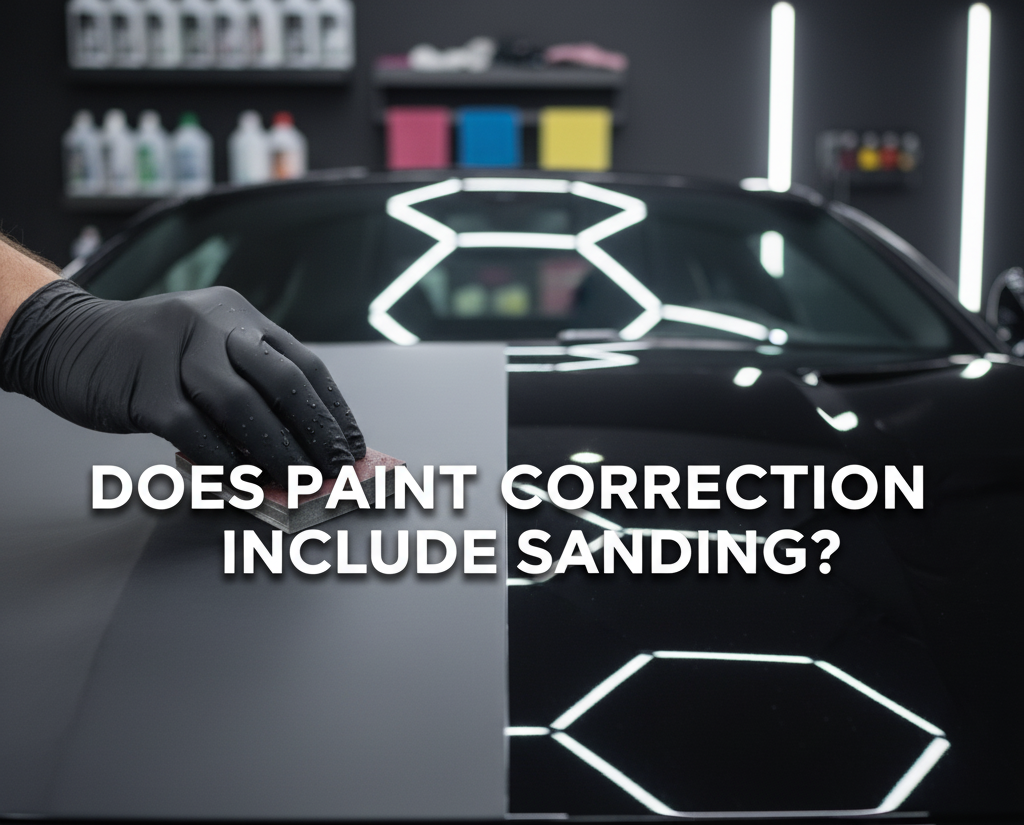
    Does Paint Correction include Sanding?

    Paint correction is one of the most misunderstood detailing services, often mistaken for a simple polishing process. Many car owners wonder: “Does paint correction include sanding?” The answer isn’t a straightforward yes or no — it depends on the paint’s condition, defect depth, and the desired finish quality.

    At Grizzly Auto Detailing, our technicians deliver unmatched precision and care with every correction project. As a leader in Expert Paint Correction in Ashburn, we combine science, craftsmanship, and premium products to restore vehicles to showroom perfection. Sanding, when used, becomes part of a controlled and highly technical process to refine the paint safely and effectively.

    Let’s explore how sanding fits into professional paint correction and why it plays such a crucial role in achieving that flawless mirror finish.


    What Is Paint Correction, Really?

    Paint correction is the professional process of removing surface imperfections from a vehicle’s paint to restore clarity, depth, and gloss. It goes far beyond simple waxing or polishing. Technicians use machine polishers, cutting compounds, and precise techniques to permanently eliminate defects such as swirl marks, oxidation, light scratches, and etching.

    When you opt for Expert Paint Correction in Ashburn, you’re choosing a meticulous, multi-stage restoration that revitalizes the paintwork instead of masking flaws. Each step, from inspection to final protection, is tailored to your vehicle’s unique surface condition.


    When Does Sanding Become Part of Paint Correction?

    Sanding — often called “wet sanding” or “color sanding” — is an advanced corrective technique used only when necessary. It helps level out severe defects that machine polishing alone cannot fix.

    Professionals integrate sanding into the correction process when:

    • Deep scratches penetrate beyond the clear coat’s upper layer.
    • The surface has severe orange peel texture.
    • There are uneven paint layers or heavy oxidation.
    • The goal is to achieve show-car or mirror-quality reflection.

    Because sanding removes a controlled amount of the clear coat, it requires significant skill and experience. That’s why Expert Paint Correction in Ashburn always includes precise assessment before deciding if sanding is appropriate.


    Step-by-Step: How Professionals Integrate Sanding into Paint Correction

    Let’s break down how sanding fits within the complete paint correction workflow used by professional detailers at Grizzly Auto Detailing.

    1. Initial Inspection and Paint Evaluation

    Every project begins with a detailed inspection. Technicians use high-intensity lighting and digital paint thickness gauges to evaluate surface conditions. This step determines whether defects can be removed through compounding or require controlled sanding.

    2. Surface Decontamination

    The car undergoes a multi-stage wash using pH-balanced shampoos, iron removers, and clay bars. This eliminates embedded contaminants that could cause micro-scratches during sanding or polishing.

    3. Masking and Preparation

    Sensitive trim, edges, and badges are carefully masked off to prevent accidental abrasion. This preparation ensures all correction work targets only the intended painted surfaces.

    4. Wet Sanding Process

    If sanding is needed, technicians select the proper grit — often starting with 2000–3000 grit sandpaper — and use water to lubricate the surface. Each section is sanded evenly to level defects without cutting too deep. The goal is to flatten imperfections while preserving as much clear coat as possible.

    5. Machine Compounding

    After sanding, a compounding stage removes sanding marks and restores surface smoothness. Professional compounds like Meguiar’s M105 or Menzerna Heavy Cut 400 are applied using dual-action or rotary polishers with microfiber pads.

    6. Finishing Polish

    A fine polish like Sonax Perfect Finish refines the paint to deep, mirror-like clarity. This stage eliminates any micro-marring left after compounding, enhancing gloss and depth.

    7. Protective Coating Application

    Once the surface achieves a flawless finish, a ceramic coating or professional-grade sealant locks in protection. This step prevents UV degradation, oxidation, and swirl marks from returning.

    This structured, layered process guarantees that sanding — when included — enhances rather than risks the paintwork.


    Why Sanding Requires Expertise

    Sanding is both an art and a science. Professionals must balance defect removal against clear coat preservation. Removing too much material can permanently damage the finish.

    Detailers performing Expert Paint Correction in Ashburn use digital thickness gauges to measure before, during, and after sanding. This ensures consistent correction while maintaining a safe paint depth. Every stroke, every grit change, and every water application follows precise standards.

    That’s why DIY sanding attempts often lead to uneven surfaces, exposed base coats, or unsightly holograms. Expert-level correction guarantees flawless results without compromising paint integrity.


    Tools and Products Used During Paint Correction

    Professional results depend heavily on using the right equipment and products. At Grizzly Auto Detailing, we use top-tier brands trusted by detailing experts worldwide.

    Sanding Tools and Materials:

    • 3M Trizact sanding discs
    • Meguiar’s Unigrit wet sandpapers (2000–5000 grit)
    • Soft sanding blocks or dual-action pneumatic sanders
    • Dedicated water spray bottles for consistent lubrication

    Compounding and Polishing Tools:

    • Rupes BigFoot dual-action polishers
    • Flex rotary polishers for heavy-cut stages
    • Lake Country and Rupes foam/microfiber pads
    • Compounds: Menzerna 400, Koch Chemie H9.01
    • Polishes: CarPro Reflect, Sonax EX 04-06

    Protection and Finishing:

    • CarPro CQuartz UK 3.0 ceramic coating
    • Gtechniq Crystal Serum Light
    • Gyeon Cure maintenance spray

    This combination ensures maximum correction with minimal surface risk.


    The Benefits of Paint Correction with Sanding

    When performed by professionals, sanding-based paint correction delivers results that ordinary polishing cannot achieve.

    • Flawless Finish: Removes deeper defects, heavy orange peel, and severe etching.
    • Showroom Gloss: Produces mirror-like reflections under any lighting.
    • Surface Uniformity: Levels inconsistencies, creating even texture across panels.
    • Improved Paint Clarity: Enhances color depth, especially for darker vehicles.
    • Long-Term Protection: Prepares the surface for ceramic coatings to bond perfectly.

    For clients seeking exceptional results, Expert Paint Correction in Ashburn offers unmatched refinement and durability.


    When Sanding Is Not Necessary

    Not every paint correction job requires sanding. In many cases, high-quality compounding and polishing achieve perfect clarity without reducing clear coat thickness.

    If your car only has light swirl marks, mild oxidation, or faint holograms, professionals skip sanding to preserve the paint. The decision always depends on the paint’s condition, measured thickness, and desired outcome.

    At Grizzly Auto Detailing, technicians evaluate these factors carefully before deciding the most effective — and safest — correction approach.


    The Risks of Improper Sanding

    Incorrect sanding techniques can lead to disastrous results, including:

    • Clear Coat Burn-Through: Removing too much paint exposes the base coat.
    • Uneven Surfaces: Poor sanding creates texture inconsistencies visible under light.
    • Deep Sanding Marks: Using incorrect grit can leave lines impossible to polish out.
    • Reduced Paint Longevity: Excessive material removal shortens the paint’s lifespan.

    That’s why sanding should only be performed by trained professionals using proper tools and monitoring equipment. Choosing certified experts like Grizzly Auto Detailing ensures the process remains safe and effective.


    Comparing Sanding and Non-Sanding Correction

    AspectWith SandingWithout Sanding
    Defect DepthHandles deep scratches and orange peelHandles light to moderate defects
    Finish QualityAchieves show-car perfectionProduces strong, glossy improvement
    Risk LevelHigher — requires expertiseLower — safer for general maintenance
    Time RequiredLonger (up to 40+ hours)Shorter (8–20 hours)
    CostHigher due to labor and skillModerate for standard corrections

    Professionals decide the ideal approach based on inspection results and client expectations.


    Why Paint Thickness Measurements Matter

    Before sanding, technicians always assess paint depth using digital gauges. Most modern vehicles have a clear coat thickness between 35–60 microns — thinner than a sheet of paper. Since sanding removes microns at a time, precision becomes critical.

    Experts record readings from multiple panels to detect variations caused by previous repaints or repairs. This step ensures sanding only occurs where paint depth allows safe correction.

    That’s a fundamental part of Expert Paint Correction in Ashburn, where precision drives every decision.


    Long-Term Care After Paint Correction

    Once your vehicle’s surface has been corrected and, if applicable, sanded, ongoing maintenance preserves the results:

    1. Use pH-Neutral Shampoo: Avoid harsh detergents that degrade coatings.
    2. Adopt Two-Bucket Wash Method: Prevent swirl mark reformation.
    3. Dry with Plush Microfiber Towels: Eliminate friction-induced marring.
    4. Apply Ceramic Maintenance Sprays: Reinforce the protective layer monthly.
    5. Avoid Automatic Washes: Brushes can reverse the correction results.
    6. Schedule Annual Inspections: Professionals can re-assess coating integrity.

    These habits extend the life of your correction and maintain the car’s flawless appearance.


    Realistic Scenario Example

    Imagine a dark metallic sedan with years of heavy swirl marks, oxidation, and a few deep scratches near the door handle. Standard polishing could remove minor defects, but deeper scratches remain visible.

    A professional technician inspects the paint, measures thickness, and determines sanding is safe on the affected panels. They use 3000-grit wet sandpaper to level the defects, followed by compounding and polishing.

    The result? The once faded, scratched surface now shines with a flawless, glass-like finish — something achievable only through professional sanding-based correction.


    Why Professional Expertise Matters

    Every car’s paint responds differently to correction methods. Factors like hardness, age, and clear coat composition influence the approach. Professionals know how to adjust pad types, pressure, and compound strength for optimal results.

    Grizzly Auto Detailing’s technicians have corrected thousands of vehicles with consistent excellence. Their knowledge ensures sanding — when needed — enhances beauty safely and effectively.

    Trusting Expert Paint Correction in Ashburn means trusting a team that understands every nuance of modern automotive paint systems.


    Final Thoughts

    So, does paint correction include sanding? Sometimes it does — but only when the job requires it. Sanding serves as a precision tool for severe defects and high-end finishing, not a default step in every correction.

    At Grizzly Auto Detailing, we approach every car with the same philosophy: measure, analyze, correct, and protect. Whether your paint needs light refinement or advanced sanding correction, we deliver excellence that lasts.

    The next time you seek Expert Paint Correction in Ashburn, remember that true quality isn’t about shortcuts — it’s about craftsmanship, precision, and long-term value.


    Frequently Asked Questions (FAQs)

    1. Does paint correction always include sanding?
    No. Sanding is used only when defects are too deep for polishing alone.

    2. What is wet sanding in detailing?
    Wet sanding uses fine sandpaper and water to level severe paint imperfections before polishing.

    3. Can sanding damage car paint?
    Yes, if performed incorrectly. Professionals use thickness gauges to ensure safe sanding.

    4. How long does a sanding-based correction take?
    Depending on the car’s size and condition, it can take anywhere from 20 to 40 hours.

    5. What grit sandpaper is used in paint correction?
    Typically between 2000 and 5000 grit, depending on defect severity and finish requirements.

    6. Is sanding necessary for ceramic coating prep?
    Not always. Most cars only need compounding and polishing before coating application.

    7. Can I do paint sanding at home?
    DIY sanding is risky. Improper techniques can permanently damage your paint.

    8. How much does professional sanding correction cost?
    Prices vary but typically range between $800 and $2,000 for advanced, full-vehicle correction.

    9. How often should paint correction be done?
    Most vehicles only need full correction once, followed by regular maintenance.

    10. Why choose Grizzly Auto Detailing for sanding correction?
    Because our team specializes in Expert Paint Correction in Ashburn, delivering flawless, lasting results with precision and care.

  • How to Professionally Detail the Exterior of a Car?

    How to Professionally Detail the Exterior of a Car?

    When it comes to preserving your vehicle’s shine, protecting its paint, and maintaining its value, professional detailing is the gold standard. Whether you drive a daily commuter or a luxury ride, a proper exterior detail can transform your car from dull to dazzling. At Grizzly Auto Detailing in Ashburn, VA, our skilled team has mastered the art of High Quality Car Exterior Detailing in Ashburn, ensuring every inch of your vehicle looks impeccable and protected for months.

    This guide breaks down every professional step involved in exterior detailing — from washing and decontaminating to polishing and sealing — with expert insights, product recommendations, and tips you can trust.


    Understanding the Importance of Exterior Car Detailing

    Your car’s exterior endures harsh environmental factors every day — UV rays, acid rain, bird droppings, tree sap, and road debris. Over time, these contaminants damage the paint, dull the finish, and accelerate wear.

    Professional detailing not only restores that factory-fresh shine but also provides a long-lasting protective layer against these aggressors. Moreover, consistent detailing safeguards your vehicle’s resale value and enhances its overall appearance.

    At Grizzly Auto Detailing, we approach every detail session as an art and a science — a blend of precise techniques, advanced tools, and premium products that deliver superior results through High Quality Car Exterior Detailing in Ashburn.


    Step-by-Step Guide to Professional Exterior Car Detailing

    Let’s explore the professional process of exterior detailing that delivers unmatched depth, gloss, and protection.


    1. Initial Inspection and Preparation

    A professional detail begins with a comprehensive inspection of the vehicle’s paint condition, contaminants, and surface defects. Technicians look for:

    • Swirl marks or scratches
    • Oxidation or fading paint
    • Tar, bug splatter, or sap spots
    • Water spots and etching

    This assessment determines the detailing approach, product type, and polishing intensity required.

    Pro Tip: Always detail your car in a shaded, cool area to prevent water spotting and premature drying of cleaning products.


    2. Pre-Wash and Rinse

    The pre-wash step helps loosen and remove surface grime before physical contact. Professionals use a foam cannon or snow foam to blanket the vehicle in a thick layer of cleaning solution. This process:

    • Softens dirt particles
    • Reduces the risk of scratching
    • Prepares the surface for a contact wash

    After letting the foam dwell for a few minutes, it’s rinsed off using a pressure washer. The car is now ready for the next step.


    3. Two-Bucket Contact Wash Method

    Unlike a regular wash, professional detailing uses the two-bucket method — one bucket for soapy water and another for rinsing the mitt.

    Tools & Products Used:

    • pH-balanced car shampoo (e.g., Meguiar’s Gold Class or Griot’s Garage)
    • Microfiber wash mitt
    • Grit guards to trap dirt

    Technicians wash from top to bottom, ensuring gentle strokes to avoid micro-scratches. Wheels and tires are cleaned separately using dedicated brushes and wheel-safe cleaners.


    4. Decontamination: Iron, Tar, and Clay Removal

    Even after washing, microscopic contaminants can remain embedded in the paint. The decontamination process ensures a smooth, clean surface for polishing and protection.

    Iron Removal

    Specialized iron removers dissolve embedded brake dust and ferrous particles that regular washing cannot eliminate.

    Tar Removal

    Tar spots from asphalt roads are treated with tar-specific solvents that safely dissolve sticky residue without harming the paint.

    Clay Bar Treatment

    A clay bar or synthetic clay mitt glides over lubricated surfaces, picking up stubborn contaminants like tree sap, overspray, or industrial fallout.

    Result: A glass-smooth finish ready for polishing.


    5. Paint Correction (Polishing)

    This stage restores paint clarity by removing swirl marks, oxidation, and fine scratches. It’s where detailing becomes a true art form.

    Process Overview:

    1. Test Spot: Detailers test a small section to determine the correct pad and compound combination.
    2. Machine Polishing: Dual-action polishers or rotary buffers are used with foam or microfiber pads.
    3. Compounding: Removes heavier defects.
    4. Finishing Polish: Refines and enhances gloss.

    Recommended Products:

    • Menzerna, Rupes, or Chemical Guys polishing compounds
    • Lake Country foam pads

    Professional paint correction requires experience — improper technique can burn the paint or create holograms. That’s why experts at Grizzly Auto Detailing ensure flawless, swirl-free results with High Quality Car Exterior Detailing in Ashburn.


    6. Paint Protection: Wax, Sealant, or Ceramic Coating

    Once the surface is polished to perfection, protection is applied to lock in the shine and guard against contaminants.

    Wax

    • Natural carnauba wax provides deep, warm gloss.
    • Lasts 1–2 months; ideal for enthusiasts who enjoy frequent upkeep.

    Paint Sealant

    • Synthetic polymers that bond to paint.
    • Offers longer-lasting protection (4–6 months).

    Ceramic Coating

    • Advanced nanotechnology that forms a semi-permanent layer.
    • Delivers 2–5 years of protection and extreme hydrophobic properties.

    Pro Tip: For daily drivers in Ashburn’s mixed climate, a professional ceramic coating provides the best long-term value and durability.


    7. Detailing Wheels, Tires, and Trim

    No professional exterior detail is complete without addressing the wheels, tires, and trim.

    Wheels: Cleaned using acid-free wheel cleaners and soft brushes to eliminate brake dust and grime.
    Tires: Dressed with non-greasy tire gels for a satin or glossy finish.
    Plastic Trim: Conditioned with UV-resistant dressings to prevent fading and cracking.

    Clean, conditioned trim complements the freshly detailed paint for a unified, show-quality appearance.


    8. Glass and Mirror Cleaning

    Crystal-clear windows and mirrors improve both aesthetics and safety. Professionals use ammonia-free glass cleaners and dedicated microfiber towels to avoid streaks.

    Pro Tip: Wipe in one direction inside (horizontal) and another outside (vertical) to spot any missed areas.


    9. Final Touches and Inspection

    Before completing the job, detailers perform a final inspection under various light sources to ensure perfection. Door jambs, fuel caps, and emblems are given a final wipe-down.

    They also check for residue or missed spots to guarantee a flawless finish. A high-quality detailing spray is often applied as the final gloss enhancer.


    Professional Tools and Products Used in Exterior Detailing

    A professional detailer’s toolkit reflects their commitment to precision and quality. Here’s what you’ll typically find:

    CategoryRecommended ToolsPurpose
    WashingFoam cannon, microfiber mitt, grit guardsGentle cleaning
    DecontaminationIron remover, clay barRemove bonded contaminants
    PolishingDual-action polisher, pads, compoundsRestore gloss
    ProtectionCeramic coating, sealant, waxLong-term shine
    FinishingDetailing spray, tire gelFinal presentation

    These professional-grade tools are key to achieving superior, lasting results.


    Benefits of Professional Exterior Detailing

    A well-detailed vehicle is more than just eye candy. The benefits are practical and long-lasting:

    1. Paint Protection

    Detailing protects your car’s finish from fading, oxidation, and environmental damage.

    2. Increased Resale Value

    A meticulously maintained exterior can add thousands to your car’s market value.

    3. Improved Driving Experience

    Clean glass and mirrors enhance visibility, while polished paint instills pride in ownership.

    4. Long-Term Cost Savings

    Regular maintenance prevents costly repainting or paint correction in the future.


    How Often Should You Detail Your Car?

    Most experts recommend professional exterior detailing every 3 to 4 months. However, if your car is exposed to harsh weather, frequent highway driving, or outdoor parking, quarterly detailing ensures optimal protection.

    For vehicles treated with ceramic coatings, maintenance intervals can extend to 6 months or more, with simple upkeep washes in between.


    Seasonal Detailing in Ashburn, VA

    Ashburn’s diverse climate—ranging from humid summers to snowy winters—makes seasonal detailing crucial.

    • Spring: Remove salt and debris from winter roads.
    • Summer: Protect against UV rays and oxidation.
    • Fall: Eliminate leaf stains and sap.
    • Winter: Apply hydrophobic protection to combat salt corrosion.

    Seasonal detailing ensures your car stays protected year-round.


    DIY vs. Professional Detailing: Why Expertise Matters

    While DIY detailing can be rewarding, it rarely matches professional results. Professional detailers combine training, experience, and advanced tools to achieve finishes that DIY enthusiasts often find impossible.

    DIY Challenges:

    • Limited product knowledge
    • Risk of swirl marks or burns
    • Inconsistent results

    Professional Advantages:

    • Precision techniques
    • Access to commercial-grade products
    • Guaranteed results and protection

    In short, professional services like those at Grizzly Auto Detailing provide exceptional, lasting outcomes backed by expertise.


    Why Choose Grizzly Auto Detailing in Ashburn, VA?

    At Grizzly Auto Detailing, we take pride in our passion for precision and commitment to excellence. Every vehicle receives personalized care using top-tier products and meticulous techniques.

    Our reputation for reliability, quality, and customer satisfaction sets us apart in the Ashburn auto detailing industry.

    Whether you’re maintaining a family SUV or restoring a collector’s car, our High Quality Car Exterior Detailing in Ashburn ensures your vehicle leaves our shop looking showroom-ready.


    Pro Tips from Grizzly Auto Detailing Experts

    • Always use pH-balanced shampoos to avoid stripping wax or sealant.
    • Dry using soft microfiber drying towels to prevent swirl marks.
    • Avoid direct sunlight during washing or waxing.
    • Apply protection every 3–6 months for consistent results.
    • Invest in ceramic coatings for the best long-term protection.

    Consistency and quality products make all the difference between an average clean and a professional finish.


    Frequently Asked Questions (FAQs)

    1. How long does a professional exterior detail take?
    Typically, 3–6 hours depending on the vehicle size and paint condition.

    2. What’s the difference between waxing and ceramic coating?
    Wax lasts for a few weeks, while ceramic coatings provide protection for years.

    3. Can detailing remove scratches?
    Yes, minor scratches and swirl marks can be polished out during paint correction.

    4. Is professional detailing worth the cost?
    Absolutely. The improved appearance, protection, and resale value justify the investment.

    5. How often should I schedule detailing in Ashburn?
    Every 3–4 months for most vehicles, or seasonally for optimal protection.

    6. What products do professionals use for detailing?
    High-end brands like Rupes, Menzerna, Meguiar’s, and Chemical Guys are industry favorites.

    7. Can ceramic coating be applied to any car?
    Yes, but proper paint preparation is essential for bonding and longevity.

    8. How do I maintain my car after professional detailing?
    Wash weekly, avoid harsh chemicals, and use quick detail sprays between washes.

    9. Do you offer mobile detailing services in Ashburn?
    Yes, Grizzly Auto Detailing provides convenient on-site detailing for busy clients.

    10. How can I book an appointment?
    Visit our website or contact Grizzly Auto Detailing directly to schedule your service today.