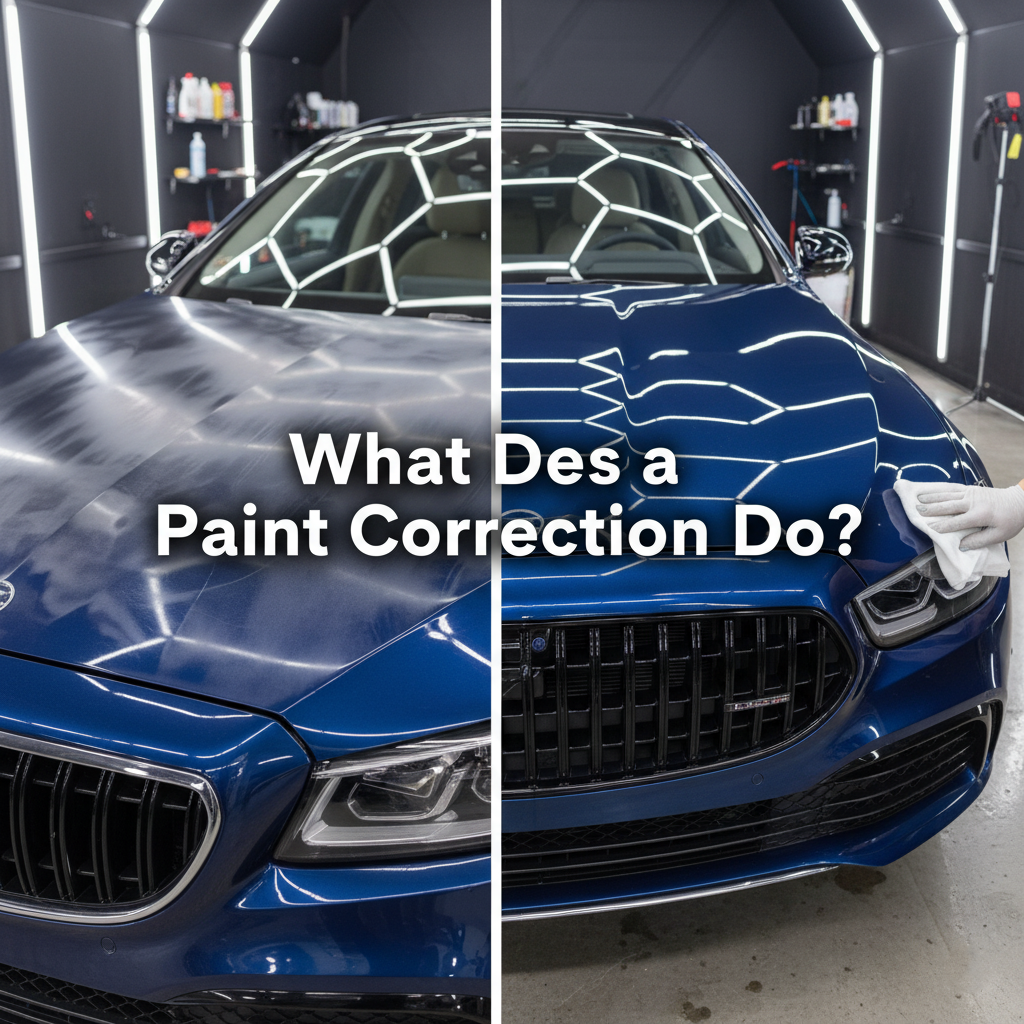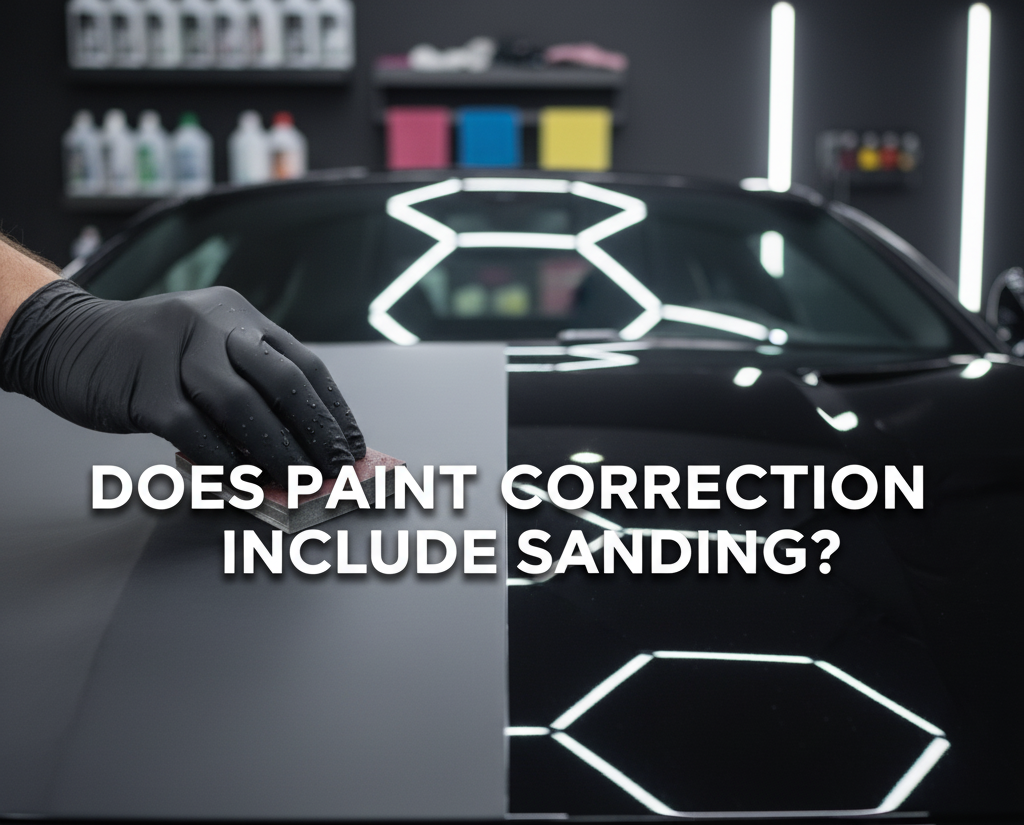
Paint correction is one of the most misunderstood detailing services, often mistaken for a simple polishing process. Many car owners wonder: “Does paint correction include sanding?” The answer isn’t a straightforward yes or no — it depends on the paint’s condition, defect depth, and the desired finish quality.
At Grizzly Auto Detailing, our technicians deliver unmatched precision and care with every correction project. As a leader in Expert Paint Correction in Ashburn, we combine science, craftsmanship, and premium products to restore vehicles to showroom perfection. Sanding, when used, becomes part of a controlled and highly technical process to refine the paint safely and effectively.
Let’s explore how sanding fits into professional paint correction and why it plays such a crucial role in achieving that flawless mirror finish.
What Is Paint Correction, Really?
Paint correction is the professional process of removing surface imperfections from a vehicle’s paint to restore clarity, depth, and gloss. It goes far beyond simple waxing or polishing. Technicians use machine polishers, cutting compounds, and precise techniques to permanently eliminate defects such as swirl marks, oxidation, light scratches, and etching.
When you opt for Expert Paint Correction in Ashburn, you’re choosing a meticulous, multi-stage restoration that revitalizes the paintwork instead of masking flaws. Each step, from inspection to final protection, is tailored to your vehicle’s unique surface condition.
When Does Sanding Become Part of Paint Correction?
Sanding — often called “wet sanding” or “color sanding” — is an advanced corrective technique used only when necessary. It helps level out severe defects that machine polishing alone cannot fix.
Professionals integrate sanding into the correction process when:
- Deep scratches penetrate beyond the clear coat’s upper layer.
- The surface has severe orange peel texture.
- There are uneven paint layers or heavy oxidation.
- The goal is to achieve show-car or mirror-quality reflection.
Because sanding removes a controlled amount of the clear coat, it requires significant skill and experience. That’s why Expert Paint Correction in Ashburn always includes precise assessment before deciding if sanding is appropriate.
Step-by-Step: How Professionals Integrate Sanding into Paint Correction
Let’s break down how sanding fits within the complete paint correction workflow used by professional detailers at Grizzly Auto Detailing.
1. Initial Inspection and Paint Evaluation
Every project begins with a detailed inspection. Technicians use high-intensity lighting and digital paint thickness gauges to evaluate surface conditions. This step determines whether defects can be removed through compounding or require controlled sanding.
2. Surface Decontamination
The car undergoes a multi-stage wash using pH-balanced shampoos, iron removers, and clay bars. This eliminates embedded contaminants that could cause micro-scratches during sanding or polishing.
3. Masking and Preparation
Sensitive trim, edges, and badges are carefully masked off to prevent accidental abrasion. This preparation ensures all correction work targets only the intended painted surfaces.
4. Wet Sanding Process
If sanding is needed, technicians select the proper grit — often starting with 2000–3000 grit sandpaper — and use water to lubricate the surface. Each section is sanded evenly to level defects without cutting too deep. The goal is to flatten imperfections while preserving as much clear coat as possible.
5. Machine Compounding
After sanding, a compounding stage removes sanding marks and restores surface smoothness. Professional compounds like Meguiar’s M105 or Menzerna Heavy Cut 400 are applied using dual-action or rotary polishers with microfiber pads.
6. Finishing Polish
A fine polish like Sonax Perfect Finish refines the paint to deep, mirror-like clarity. This stage eliminates any micro-marring left after compounding, enhancing gloss and depth.
7. Protective Coating Application
Once the surface achieves a flawless finish, a ceramic coating or professional-grade sealant locks in protection. This step prevents UV degradation, oxidation, and swirl marks from returning.
This structured, layered process guarantees that sanding — when included — enhances rather than risks the paintwork.
Why Sanding Requires Expertise
Sanding is both an art and a science. Professionals must balance defect removal against clear coat preservation. Removing too much material can permanently damage the finish.
Detailers performing Expert Paint Correction in Ashburn use digital thickness gauges to measure before, during, and after sanding. This ensures consistent correction while maintaining a safe paint depth. Every stroke, every grit change, and every water application follows precise standards.
That’s why DIY sanding attempts often lead to uneven surfaces, exposed base coats, or unsightly holograms. Expert-level correction guarantees flawless results without compromising paint integrity.
Tools and Products Used During Paint Correction
Professional results depend heavily on using the right equipment and products. At Grizzly Auto Detailing, we use top-tier brands trusted by detailing experts worldwide.
Sanding Tools and Materials:
- 3M Trizact sanding discs
- Meguiar’s Unigrit wet sandpapers (2000–5000 grit)
- Soft sanding blocks or dual-action pneumatic sanders
- Dedicated water spray bottles for consistent lubrication
Compounding and Polishing Tools:
- Rupes BigFoot dual-action polishers
- Flex rotary polishers for heavy-cut stages
- Lake Country and Rupes foam/microfiber pads
- Compounds: Menzerna 400, Koch Chemie H9.01
- Polishes: CarPro Reflect, Sonax EX 04-06
Protection and Finishing:
- CarPro CQuartz UK 3.0 ceramic coating
- Gtechniq Crystal Serum Light
- Gyeon Cure maintenance spray
This combination ensures maximum correction with minimal surface risk.
The Benefits of Paint Correction with Sanding
When performed by professionals, sanding-based paint correction delivers results that ordinary polishing cannot achieve.
- Flawless Finish: Removes deeper defects, heavy orange peel, and severe etching.
- Showroom Gloss: Produces mirror-like reflections under any lighting.
- Surface Uniformity: Levels inconsistencies, creating even texture across panels.
- Improved Paint Clarity: Enhances color depth, especially for darker vehicles.
- Long-Term Protection: Prepares the surface for ceramic coatings to bond perfectly.
For clients seeking exceptional results, Expert Paint Correction in Ashburn offers unmatched refinement and durability.
When Sanding Is Not Necessary
Not every paint correction job requires sanding. In many cases, high-quality compounding and polishing achieve perfect clarity without reducing clear coat thickness.
If your car only has light swirl marks, mild oxidation, or faint holograms, professionals skip sanding to preserve the paint. The decision always depends on the paint’s condition, measured thickness, and desired outcome.
At Grizzly Auto Detailing, technicians evaluate these factors carefully before deciding the most effective — and safest — correction approach.
The Risks of Improper Sanding
Incorrect sanding techniques can lead to disastrous results, including:
- Clear Coat Burn-Through: Removing too much paint exposes the base coat.
- Uneven Surfaces: Poor sanding creates texture inconsistencies visible under light.
- Deep Sanding Marks: Using incorrect grit can leave lines impossible to polish out.
- Reduced Paint Longevity: Excessive material removal shortens the paint’s lifespan.
That’s why sanding should only be performed by trained professionals using proper tools and monitoring equipment. Choosing certified experts like Grizzly Auto Detailing ensures the process remains safe and effective.
Comparing Sanding and Non-Sanding Correction
| Aspect | With Sanding | Without Sanding |
|---|---|---|
| Defect Depth | Handles deep scratches and orange peel | Handles light to moderate defects |
| Finish Quality | Achieves show-car perfection | Produces strong, glossy improvement |
| Risk Level | Higher — requires expertise | Lower — safer for general maintenance |
| Time Required | Longer (up to 40+ hours) | Shorter (8–20 hours) |
| Cost | Higher due to labor and skill | Moderate for standard corrections |
Professionals decide the ideal approach based on inspection results and client expectations.
Why Paint Thickness Measurements Matter
Before sanding, technicians always assess paint depth using digital gauges. Most modern vehicles have a clear coat thickness between 35–60 microns — thinner than a sheet of paper. Since sanding removes microns at a time, precision becomes critical.
Experts record readings from multiple panels to detect variations caused by previous repaints or repairs. This step ensures sanding only occurs where paint depth allows safe correction.
That’s a fundamental part of Expert Paint Correction in Ashburn, where precision drives every decision.
Long-Term Care After Paint Correction
Once your vehicle’s surface has been corrected and, if applicable, sanded, ongoing maintenance preserves the results:
- Use pH-Neutral Shampoo: Avoid harsh detergents that degrade coatings.
- Adopt Two-Bucket Wash Method: Prevent swirl mark reformation.
- Dry with Plush Microfiber Towels: Eliminate friction-induced marring.
- Apply Ceramic Maintenance Sprays: Reinforce the protective layer monthly.
- Avoid Automatic Washes: Brushes can reverse the correction results.
- Schedule Annual Inspections: Professionals can re-assess coating integrity.
These habits extend the life of your correction and maintain the car’s flawless appearance.
Realistic Scenario Example
Imagine a dark metallic sedan with years of heavy swirl marks, oxidation, and a few deep scratches near the door handle. Standard polishing could remove minor defects, but deeper scratches remain visible.
A professional technician inspects the paint, measures thickness, and determines sanding is safe on the affected panels. They use 3000-grit wet sandpaper to level the defects, followed by compounding and polishing.
The result? The once faded, scratched surface now shines with a flawless, glass-like finish — something achievable only through professional sanding-based correction.
Why Professional Expertise Matters
Every car’s paint responds differently to correction methods. Factors like hardness, age, and clear coat composition influence the approach. Professionals know how to adjust pad types, pressure, and compound strength for optimal results.
Grizzly Auto Detailing’s technicians have corrected thousands of vehicles with consistent excellence. Their knowledge ensures sanding — when needed — enhances beauty safely and effectively.
Trusting Expert Paint Correction in Ashburn means trusting a team that understands every nuance of modern automotive paint systems.
Final Thoughts
So, does paint correction include sanding? Sometimes it does — but only when the job requires it. Sanding serves as a precision tool for severe defects and high-end finishing, not a default step in every correction.
At Grizzly Auto Detailing, we approach every car with the same philosophy: measure, analyze, correct, and protect. Whether your paint needs light refinement or advanced sanding correction, we deliver excellence that lasts.
The next time you seek Expert Paint Correction in Ashburn, remember that true quality isn’t about shortcuts — it’s about craftsmanship, precision, and long-term value.
Frequently Asked Questions (FAQs)
1. Does paint correction always include sanding?
No. Sanding is used only when defects are too deep for polishing alone.
2. What is wet sanding in detailing?
Wet sanding uses fine sandpaper and water to level severe paint imperfections before polishing.
3. Can sanding damage car paint?
Yes, if performed incorrectly. Professionals use thickness gauges to ensure safe sanding.
4. How long does a sanding-based correction take?
Depending on the car’s size and condition, it can take anywhere from 20 to 40 hours.
5. What grit sandpaper is used in paint correction?
Typically between 2000 and 5000 grit, depending on defect severity and finish requirements.
6. Is sanding necessary for ceramic coating prep?
Not always. Most cars only need compounding and polishing before coating application.
7. Can I do paint sanding at home?
DIY sanding is risky. Improper techniques can permanently damage your paint.
8. How much does professional sanding correction cost?
Prices vary but typically range between $800 and $2,000 for advanced, full-vehicle correction.
9. How often should paint correction be done?
Most vehicles only need full correction once, followed by regular maintenance.
10. Why choose Grizzly Auto Detailing for sanding correction?
Because our team specializes in Expert Paint Correction in Ashburn, delivering flawless, lasting results with precision and care.