Tag: paint protection

  • Why is Paint Correction so Expensive?

    Why is Paint Correction so Expensive?

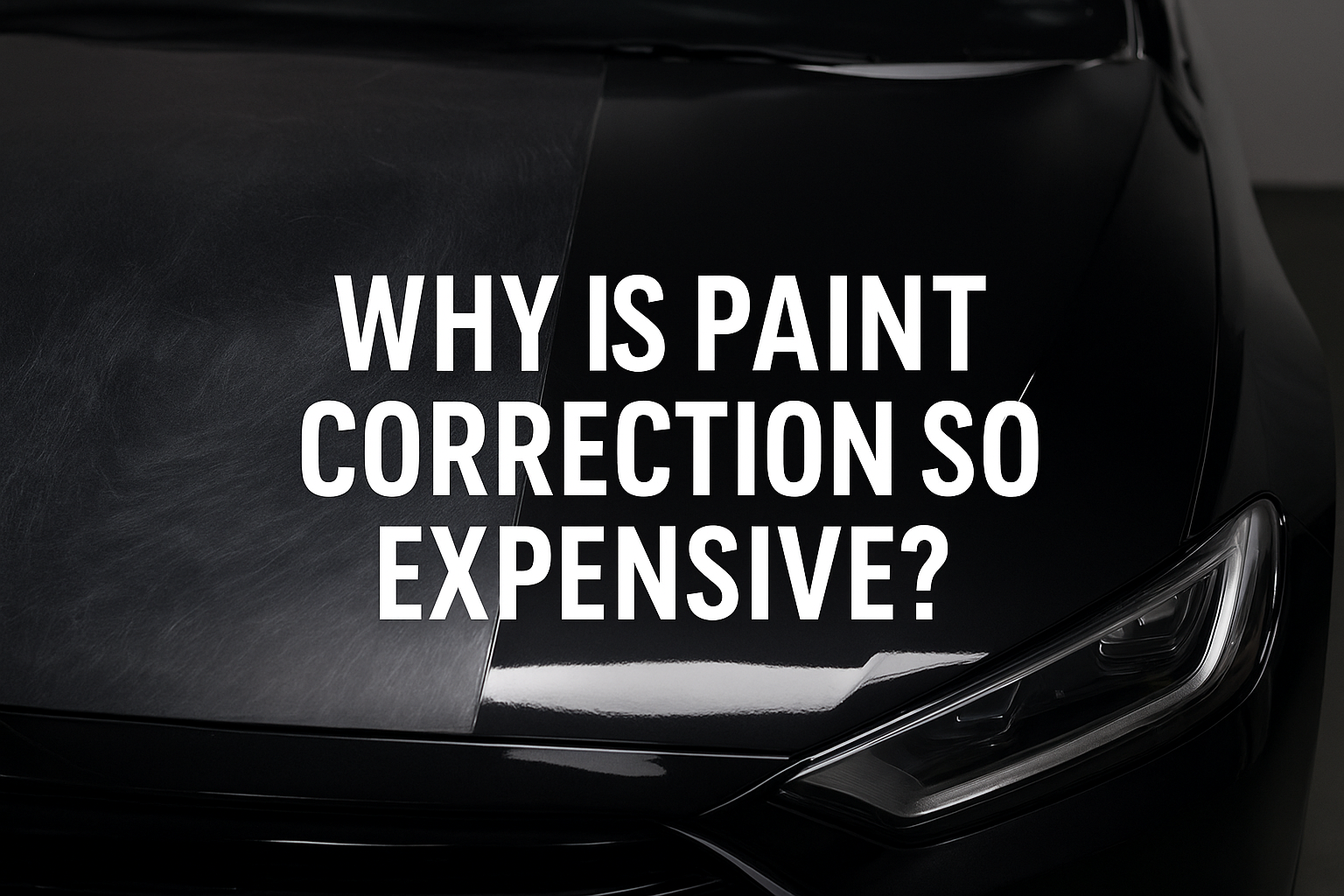
    When car enthusiasts or proud vehicle owners ask, “Why is paint correction so expensive?”, the answer goes far beyond surface beauty. It’s not just about polishing paint it’s about skill, precision, technology, and the protection of one of your most valuable assets. At Grizzly Auto Detailing, our commitment to quality defines our reputation for Premier Paint Correction in Ashburn. Every swirl removed, every imperfection leveled, and every reflection enhanced represents hours of expert work, professional-grade materials, and a passion for perfection.

    Paint correction isn’t merely a “buff and shine” job; it’s an art form backed by science. Let’s uncover exactly what makes this service worth every penny from process and tools to expertise and long-term value.


    The True Essence of Paint Correction

    Paint correction is the professional process of leveling out surface defects such as swirl marks, oxidation, etching, and scratches to restore paint clarity and depth. Unlike simple polishing or waxing, this process permanently removes imperfections instead of just hiding them.

    To achieve a flawless mirror finish, detailers don’t simply run a buffer over the car. They analyze paint thickness, assess defect depth, select correct pad and compound combinations, and perform multi-stage correction steps. That’s why customers seeking Premier Paint Correction in Ashburn quickly realize the investment reflects the precision and detail required.


    Step-by-Step Breakdown of Professional Paint Correction

    Understanding each phase of a proper correction service reveals why it commands higher pricing. Here’s what typically goes into a top-tier correction job:

    1. Inspection and Paint Assessment

    First, the vehicle undergoes a detailed inspection under professional lighting. Every panel is evaluated for defects, oxidation, and prior damage. The technician measures the paint thickness using digital gauges to determine how much material can be safely corrected.

    2. Decontamination Wash

    Next, the surface is thoroughly cleaned using pH-balanced soaps and iron removers. Clay bar treatment follows to remove bonded contaminants like tar, sap, and industrial fallout. This ensures no debris interferes with polishing.

    3. Tape Protection and Preparation

    Sensitive edges, trims, and emblems are carefully masked to prevent accidental damage. This preparation step demonstrates the professionalism behind Premier Paint Correction in Ashburn, where nothing is rushed or overlooked.

    4. Compounding Stage

    A heavy-cut compound paired with a microfiber or wool pad is used to level deep defects. The technician controls machine speed, pressure, and temperature to achieve uniform correction without overheating the paint.

    5. Polishing Stage

    After compounding, a fine polish and foam pad refine the surface to eliminate haze and micro-marring, creating a crystal-clear reflection. This step transforms a dull finish into a flawless gloss.

    6. Final Surface Cleansing and Inspection

    Once correction is complete, a surface wipe removes any remaining residues. The car is inspected under multiple lighting angles — sunlight simulation, LEDs, and color match lamps — to ensure no imperfection remains.

    7. Protection Layer Application

    Finally, a ceramic coating or professional wax is applied to protect the freshly corrected paint. The coating seals the gloss and prevents future defects from reappearing too soon.

    Each of these steps demands specialized tools, technical knowledge, and a controlled environment — key factors that drive up cost but ensure world-class results.


    Factors That Influence Paint Correction Costs

    Even among professional detailing shops, pricing varies because several key factors determine the final cost:

    1. Paint Condition and Vehicle Size

    A small, well-maintained sedan takes far less time than a large SUV with years of neglected paint. The level of correction required — one-step, two-step, or multi-stage — also impacts cost.

    2. Professional Experience and Skill

    Experience matters enormously. At Grizzly Auto Detailing, technicians undergo specialized training in safe correction techniques, machine handling, and paint behavior. Choosing a Premier Paint Correction in Ashburn means you’re paying for years of accumulated expertise.

    3. Equipment and Product Quality

    Premium compounds like Menzerna, Koch Chemie, or Meguiar’s, combined with high-end dual-action polishers and LED lighting systems, dramatically improve results — but they’re costly. Professional-grade microfiber pads and ceramic coatings also add to the expense.

    4. Time and Labor Intensity

    True correction isn’t rushed. Even a minor two-stage correction can take 12–20 hours, while show-level finishes might require 40+ hours of meticulous hand and machine work. Each pass, each polish, and each inspection round is performed until perfection is achieved.

    5. Controlled Environment

    Dust-free, temperature-regulated detailing bays are essential for flawless correction. Maintaining such professional facilities adds operational costs but ensures premium outcomes.


    Why DIY Correction Can Cost More in the Long Run

    Some car owners attempt DIY correction using inexpensive orbital buffers and retail-grade polishes. However, without training, it’s easy to cause irreversible damage such as paint burn-through or uneven correction.

    Correcting a poor DIY job usually costs more because professionals must first fix the new issues before addressing the original ones. Investing in expert-level correction from the start — like Premier Paint Correction in Ashburn — saves both time and money while protecting your car’s paint longevity.


    The Science Behind the Shine

    High-quality paint correction merges artistry with physics. When compounds and pads interact, microscopic abrasives gently remove clear coat layers measured in microns. The process involves controlling friction, heat, and mechanical pressure to refine the surface.

    Professional technicians rely on real-time paint readings and advanced correction charts to guide their work. Achieving flawless reflection requires a perfect balance — too little pressure won’t remove defects; too much may cause damage.

    Every corrected panel represents controlled material removal measured scientifically for long-term paint health. This scientific precision is part of what makes the service premium.


    The Value of Experience and Professional Standards

    Choosing a professional detailing company like Grizzly Auto Detailing ensures the job is executed using proper tools and methods. Every technician understands different paint systems — from hard German clears to soft Japanese finishes — and adjusts techniques accordingly.

    Quality assurance is another major factor. Each step is verified multiple times to maintain consistent gloss and clarity across all panels. This attention to uniformity and protection defines what Premier Paint Correction in Ashburn truly means — excellence without shortcuts.


    The Long-Term Benefits of Paint Correction

    Paint correction does far more than make a car look new; it increases longevity and resale value while offering practical protection benefits.

    • Enhanced Gloss and Depth: Creates a mirror-like finish that’s visibly superior to standard waxing.
    • Surface Smoothness: Makes maintenance easier since dirt and debris slide off effortlessly.
    • Oxidation Resistance: Removes early oxidation and prevents paint fading caused by UV exposure.
    • Increased Resale Value: Buyers are more attracted to a car that looks well-maintained.
    • Ceramic Coating Compatibility: Corrected paint ensures coatings bond properly for maximum durability.

    When performed by certified professionals, the results can last for years with proper care.


    Realistic Product Examples

    Professionals use premium-grade products for safe, consistent outcomes. Examples include:

    • Compounds: Meguiar’s M105, Menzerna Heavy Cut 400, Rupes Coarse Compound.
    • Polishes: Sonax Perfect Finish, CarPro Reflect, Koch Chemie Micro Cut.
    • Pads: Lake Country HDO, Rupes Blue/Wool, Hex Logic Orange.
    • Protection: CarPro CQuartz, Gtechniq Crystal Serum, or Gyeon Mohs.

    Each product type is selected based on paint hardness, color, and condition to maximize reflection and depth.


    Why Professional Paint Correction Is Worth Every Dollar

    When you invest in professional correction, you’re not just paying for shiny paint — you’re purchasing expertise, confidence, and lasting quality. A skilled detailer ensures your vehicle’s finish is not only beautiful but protected.

    The cost reflects years of accumulated training, thousands of dollars in professional-grade equipment, and countless hours of hands-on experience. For car lovers, that peace of mind is priceless.

    Ultimately, when you trust your vehicle with Premier Paint Correction in Ashburn, you ensure it receives the meticulous attention and craftsmanship it deserves. The price may seem steep initially, but the results — and protection — make it a true investment in long-term car care.


    Expert Maintenance Tips After Paint Correction

    To preserve your newly corrected finish, follow these expert recommendations:

    1. Wash Weekly with a pH-Neutral Shampoo: Avoid harsh detergents that strip protective layers.
    2. Use Two-Bucket Method: Minimize swirl mark formation during washes.
    3. Dry with Microfiber Towels: Prevent micro-scratches caused by rough fabrics.
    4. Avoid Automated Car Washes: Brushes can undo correction work.
    5. Apply Ceramic Spray Sealants: Extend the life of your coating protection.
    6. Store Indoors or Use Car Covers: Reduce UV and environmental exposure.

    Consistent care keeps your vehicle shining for years.


    Final Thoughts

    So, why is paint correction so expensive? Because it’s not just another car wash service — it’s a blend of technical expertise, advanced materials, and countless hours dedicated to perfection.

    Every swirl removed represents time, precision, and craftsmanship. For car owners who demand excellence, Premier Paint Correction in Ashburn isn’t a luxury — it’s the only way to restore and protect their investment with pride.

    At Grizzly Auto Detailing, we deliver unmatched quality, expert knowledge, and transformative results that redefine what professional detailing should be.


    Frequently Asked Questions (FAQs)

    1. How long does professional paint correction last?
    With proper maintenance, it can last several years, especially when protected with ceramic coating.

    2. Can paint correction remove all scratches?
    It removes most surface-level and moderate defects but cannot fix deep gouges that penetrate the clear coat.

    3. Is paint correction safe for all car paints?
    Yes, when performed by trained experts who assess paint hardness and thickness before correction.

    4. How many stages are in a full paint correction?
    Typically, one-step, two-step, or three-step processes depending on defect severity and finish goals.

    5. How do I maintain the finish after correction?
    Use pH-neutral shampoos, avoid automatic washes, and apply ceramic boosters every few months.

    6. Is paint correction better than waxing?
    Yes. Wax only hides defects temporarily, while correction permanently removes them for long-term clarity.

    7. How much does professional paint correction cost?
    Costs vary by vehicle size and condition but generally range between $500–$1,500 for high-end results.

    8. Does paint correction damage the clear coat?
    Not when done properly — professionals remove only microscopic layers to level imperfections safely.

    9. How can I tell if my car needs paint correction?
    If your paint looks dull under sunlight, or you see swirl marks or oxidation, it likely needs correction.

    10. Why choose Grizzly Auto Detailing for paint correction?
    Because we combine expertise, top-tier tools, and years of experience to deliver Premier Paint Correction in Ashburn that exceeds expectations.
  • What does a paint correction do?

    What does a paint correction do?

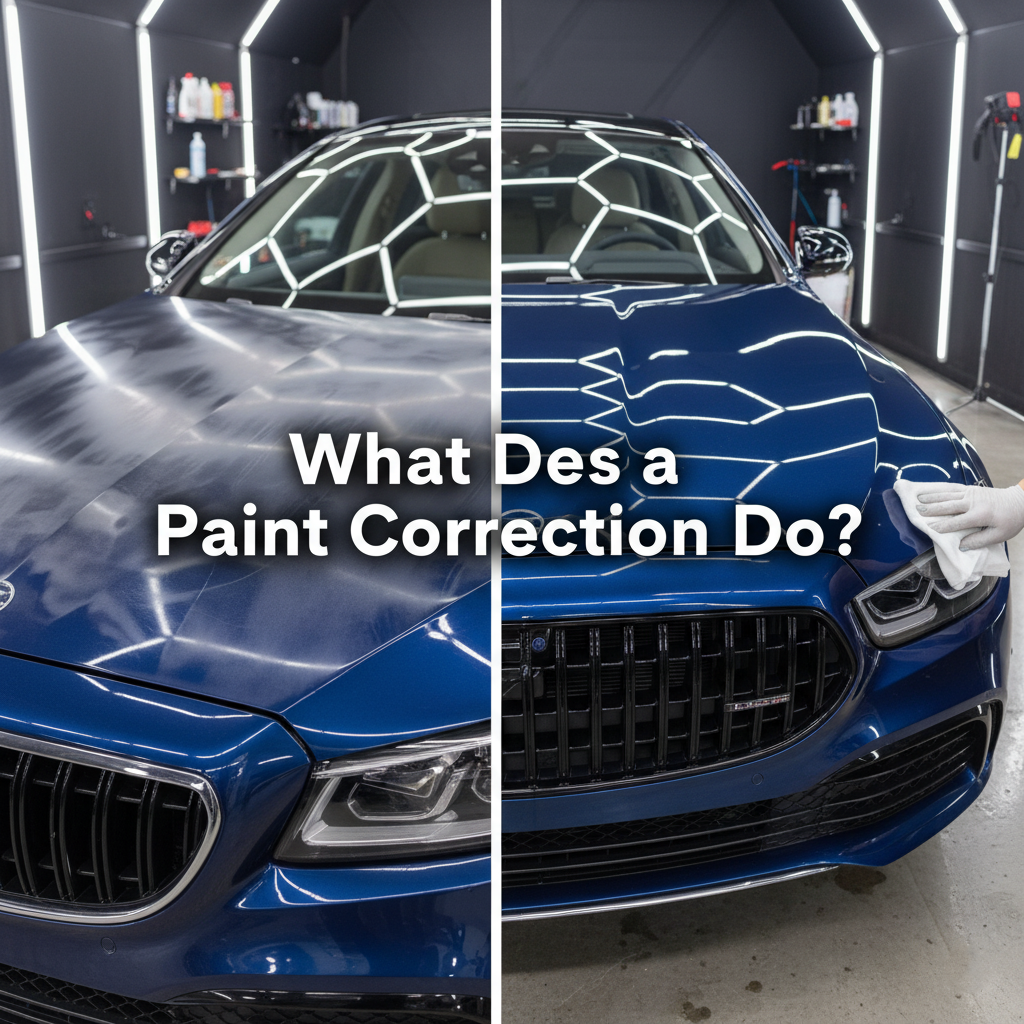
    When your vehicle’s paint begins to look dull or scratched, you need the Best Paint Correction in Ashburn to restore its original shine. At Grizzly Auto Detailing, we provide a precise, step-by-step process that removes imperfections while enhancing gloss and depth. In this guide, we explain how paint correction works, why it matters, and how to maintain your car’s finish after treatment.


    What Is Paint Correction?

    Paint correction is a professional detailing process that eliminates visible defects from your car’s paint surface. It removes swirl marks, minor scratches, oxidation, water spots, and haze. Unlike temporary surface treatments, paint correction physically refines the clear coat, restoring the finish to near-showroom quality.

    By understanding how paint correction works, you can make an informed choice. Skilled technicians, like those at Grizzly Auto Detailing, combine expertise with advanced tools to achieve consistent results without damaging your paint.


    Why Paint Correction Matters

    1. Restores Shine and Depth

    Over time, daily wear causes swirls, micro-scratches, and oxidation. Paint correction removes these defects and enhances depth and gloss. Consequently, your car regains its vibrant, “wet-look” finish.

    2. Protects and Prepares for Coatings

    Paint correction prepares your vehicle for ceramic coatings, wax, or paint protection film (PPF). Removing surface defects ensures that protective layers adhere evenly, which maximizes their effectiveness.

    3. Boosts Vehicle Value

    A car with a flawless finish signals excellent maintenance. Paint correction improves aesthetic appeal, which can increase resale or trade-in value.

    4. Extends Paint Life

    By removing oxidation and minor imperfections, paint correction slows future paint degradation. It also makes ongoing maintenance more manageable, saving time and effort over the long term.


    Step-by-Step Process at Grizzly Auto Detailing

    Step 1: Paint Inspection

    We examine your car under bright, controlled light. This inspection identifies swirl marks, scratches, water spots, and haze. We also measure paint thickness to customize the correction plan.

    Step 2: Thorough Washing and Decontamination

    First, we wash your car with pH-balanced soap. Then, we remove bonded contaminants with clay bars and iron removers. Cleaning thoroughly prevents polishing defects from worsening.

    Step 3: Masking Sensitive Areas

    We carefully mask trim, emblems, glass, and rubber. Masking ensures the polishing process focuses only on paint and prevents accidental damage.

    Step 4: Correction – Cutting and Polishing

    We tackle defects using a multi-stage approach:

    • Cutting stage: We apply a cutting compound with a high-performance pad to remove deep swirl marks and scratches.
    • Polishing stage: We follow with a finishing polish to refine the surface, remove haze, and enhance gloss.

    Popular products we use:

    • Cutting: Menzerna 400, CarPro Essence
    • Polishing: Sonax Cut & Finish, 3D One Hybrid
    • Pads: Wool or aggressive foam for cutting, soft foam or microfiber for finishing

    We inspect every panel carefully and adjust technique as needed to ensure uniform results.

    Step 5: Final Surface Preparation and Protection

    After polishing, we wipe the surface with Isopropyl Alcohol or panel prep solution to remove residues. Then, we apply a protective layer—wax, sealant, or ceramic coating—locking in shine and safeguarding the paint from environmental damage.

    Step 6: Maintenance Guidance

    We advise on proper care, including the two-bucket wash method, microfiber mitts, and periodic top-coats. Following these tips extends the life of your paint correction.


    What Paint Correction Fixes

    • Swirl Marks: Corrects circular scratches caused by improper washing or drying.
    • Oxidation: Removes faded and cloudy paint to restore color.
    • Light Scratches: Levels minor scratches that affect the clear coat.
    • Water Spots: Reduces surface etching from minerals or acid rain.
    • Haze and Micro-Marring: Smooths the surface for a mirror-like reflection.

    Paint correction does not repair deep scratches or base coat damage. Severe defects may require touch-ups or repainting.


    How Often Should You Perform Paint Correction?

    Frequency depends on your vehicle’s use, storage conditions, and environment.

    • Light-use vehicles: every 2–3 years for a one-step correction.
    • Heavily used vehicles: every 1–2 years for multi-stage correction.
    • Always inspect annually; new defects may appear and require attention.

    Why Choose the Best Paint Correction in Ashburn

    • Experienced Technicians: Skilled in advanced polishing techniques.
    • Advanced Equipment: Dual-action polishers, paint thickness gauges, and premium pads.
    • Custom Approach: We tailor every correction to your vehicle’s specific condition.
    • Transparent Communication: We show defects and set realistic expectations.
    • Comprehensive Care: Includes final protection and maintenance advice.

    Choosing the Best Paint Correction in Ashburn ensures your vehicle looks flawless and stays protected longer.


    Common Misconceptions

    • Paint correction does not fix deep scratches that penetrate the base coat.
    • It does not prevent future defects; ongoing maintenance is necessary.
    • It cannot fully restore severely peeling or damaged clear coats.

    Maintenance Tips After Paint Correction

    1. Wait 48 hours before washing after coating application.
    2. Wash using the two-bucket method to prevent swirls.
    3. Dry with microfiber towels or a blower.
    4. Avoid automatic car washes with brushes.
    5. Apply wax or sealant every 6–12 months.
    6. Park in shaded areas to prevent sun damage.
    7. Inspect periodically for new defects and schedule touch-ups as needed.

    Estimated Time and Cost

    • One-step correction: 3–5 hours, ideal for light defects.
    • Multi-stage correction: 1–2 days for severe defects or full restoration.
    • Cost depends on vehicle size, paint color, and condition severity.

    FAQs

    Q1: What does paint correction remove?
    Paint correction removes swirl marks, light scratches, oxidation, haze, and micro-marring.

    Q2: How long do results last?
    Properly maintained corrections last 2–3 years or longer depending on conditions.

    Q3: Is paint correction safe?
    Yes. Skilled professionals monitor paint thickness and use proper techniques to prevent damage.

    Q4: Can it remove deep scratches?
    No. Deep scratches or base coat damage require touch-ups or repainting.

    Q5: How many stages exist in paint correction?
    One-step, two-step, and multi-stage corrections exist depending on defect severity.

    Q6: Why is correction needed before coatings or PPF?
    Correction removes defects, ensuring coatings adhere properly and look flawless.

    Q7: Will it remove swirl marks from washing?
    Yes, proper technique eliminates swirl marks effectively.

    Q8: How long does correction take?
    Small vehicles: a few hours; larger or heavily damaged vehicles: 1–2 days.

    Q9: Does color affect the correction process?
    Yes, darker colors show defects more clearly and require careful refinement.

    Q10: How do I maintain corrected paint?
    Use proper washing techniques, apply wax or sealant regularly, and inspect for new defects.

  • What are the disadvantages of car detailing?

    What are the disadvantages of car detailing?

    Car detailing is widely known for transforming dull, dirty vehicles into spotless, polished masterpieces. However, just like any service, it’s not without its drawbacks. While the shine and freshness are appealing, there are potential downsides that car owners in Springfield, VA should consider before booking a session.

    At Grizzly Auto Detailing, our goal isn’t just to sell services—it’s to educate car owners about the entire process, so they can make informed decisions. When performed correctly, detailing can enhance your car’s life and appearance. But done excessively or carelessly, it can cause more harm than good.

    That’s why our team emphasizes precision, balance, and the best standards of Immaculate Interior Detailing in Springfield a service designed to keep your car clean and healthy without the risks that come from over-detailing or improper techniques.


    1. The High Cost of Frequent Detailing

    Car detailing offers impressive results, but it comes with a cost. Regular detailing sessions—especially when performed by professionals—can add up over time.

    A single full-service detailing job in Springfield can range anywhere between $200 and $600, depending on the size and condition of your vehicle. While you’ll enjoy that just-cleaned scent and showroom sparkle, frequent visits might not be practical for every budget.

    Expert Tip:

    Instead of scheduling detailing every few weeks, consider quarterly or seasonal appointments. Grizzly Auto Detailing recommends tailoring service frequency to your driving habits and environment.


    2. Risk of Paint Damage from Improper Techniques

    When done incorrectly, detailing can cause micro-scratches, swirl marks, or dullness on your paintwork. These defects usually result from poor washing methods, contaminated towels, or cheap polishing compounds.

    Even though high-end detailers like Grizzly Auto Detailing use premium microfiber cloths and pH-balanced cleaners, some less experienced technicians might use abrasive products that degrade your car’s finish over time.

    Excessive machine polishing can thin the clear coat, leading to fading and oxidation. Once that protective layer wears down, it’s tough—and expensive—to restore.


    3. Overuse of Chemicals Inside the Cabin

    Interior detailing often involves powerful cleaners, degreasers, and protectants. While these products are designed to lift dirt and kill bacteria, some can cause discoloration or dryness on leather, vinyl, or plastic surfaces if misused.

    For instance, applying silicone-heavy dressings too frequently can make your dashboard shiny but slippery, which is not ideal for safe driving.

    The professional team at Grizzly Auto Detailing ensures that Imaculate Interior Detailing in Springfield uses balanced, eco-friendly solutions that preserve your cabin’s texture and natural finish rather than masking it with chemicals.


    4. Time-Consuming Process

    Detailing is not a quick car wash. A proper interior and exterior detail can take anywhere from three to eight hours, depending on the level of service. For busy individuals, that’s a significant time investment.

    If you rely heavily on your car for daily commutes or business, being without it for half a day or longer can be inconvenient.

    To solve this, Grizzly Auto Detailing offers flexible scheduling options and mobile detailing services around Springfield—making it easier to maintain your vehicle without disrupting your routine.


    5. Risk of Water Damage or Mold Growth

    Improper drying after interior detailing can lead to mold, mildew, and unpleasant odors. Moisture trapped beneath carpets or seats may seem harmless at first but can eventually lead to bacteria buildup.

    Professionals know the importance of thorough drying, but do-it-yourself detailers often miss this step. That’s why using dehumidifiers or industrial vacuums after cleaning fabric interiors is crucial.

    At Grizzly Auto Detailing, the Imaculate Interior Detailing in Springfield package includes specialized air movers to ensure every corner is completely dry—protecting your car’s interior health and your comfort.


    6. Possible Damage to Electronics

    Modern cars come packed with electronic systems—infotainment screens, sensors, seat warmers, and digital dashboards. Excess moisture or aggressive cleaners can easily damage these sensitive components.

    When amateurs or inexperienced technicians clean without proper caution, liquids might seep into electronic areas, leading to malfunctioning buttons or screens.

    Our trained specialists at Grizzly Auto Detailing use controlled misting, microfiber applicators, and safe contact cleaning methods to ensure zero harm to electronic panels or touchscreens.


    7. Wax Build-Up and Paint Layer Fatigue

    Too much of a good thing can become bad—especially when it comes to wax and polish. Repeated applications can create buildup, dulling your paint rather than enhancing it.

    A thick layer of wax might trap contaminants or lead to uneven gloss, especially under sunlight. Over-polishing, on the other hand, removes the top protective layer of paint with each session.

    We recommend professional evaluation every six months. The Imaculate Interior Detailing in Springfield service focuses on balance—restoring shine only when needed, without compromising your paint’s integrity.


    8. Temporary Results Without Consistent Maintenance

    Even the best detail won’t last forever. Exposure to rain, road salt, UV rays, and pollution can quickly undo a detailing job’s benefits.

    That’s why maintaining your vehicle post-detailing is essential. Using the wrong soap at home or skipping regular washes can shorten the results dramatically.

    At Grizzly Auto Detailing, our professionals educate clients about aftercare—offering simple tips and product recommendations to extend your detail’s lifespan.


    9. Over-Detailing Can Cause Material Fatigue

    Every surface in your car—leather, rubber, or paint—has a natural lifespan. Over-cleaning or frequent product applications can weaken those materials.

    Leather conditioners used too often can cause softening and cracking, while repeated buffing can strip paint or clear coat. Even plastic trims can fade when exposed repeatedly to chemical sprays or sunlight after treatment.

    Our philosophy at Grizzly Auto Detailing is moderation. We deliver Imaculate Interior Detailing in Springfield with a focus on restoration, not over-treatment. Every product and step has a purpose, ensuring both beauty and durability.


    10. DIY Detailing Can Be Risky

    Some car owners attempt DIY detailing to save money, but without the right tools or knowledge, results often lead to regret. Common mistakes include:

    • Using household cleaners on car interiors.
    • Scrubbing delicate surfaces too aggressively.
    • Skipping proper rinsing and drying.
    • Mixing incompatible products.

    DIY errors may save money upfront but cost more in long-term repairs. Professionals have years of experience, specialized tools, and proper product knowledge—ensuring your car receives the best treatment safely.


    11. Environmental Concerns

    While the detailing industry is moving toward sustainability, traditional detailing still consumes large amounts of water and chemicals. Wastewater runoff containing detergents and oils can harm local ecosystems if not properly contained.

    Grizzly Auto Detailing takes this responsibility seriously by using eco-friendly methods, biodegradable cleaners, and controlled waste disposal—especially during Imaculate Interior Detailing in Springfield sessions.


    12. Unrealistic Expectations from Over-Marketing

    Many car owners expect permanent results from detailing—believing that once polished, their cars will stay flawless for months. Unfortunately, that’s not realistic.

    Detailing enhances your car’s appearance and cleanliness, but environmental exposure continues daily. Marketing hype can create false expectations, leading to disappointment.

    Grizzly Auto Detailing focuses on honesty, educating clients about realistic outcomes and long-term care strategies.


    13. Potential for Residue and Streaks

    Even experienced detailers can leave behind streaks or residue if products aren’t properly buffed or removed. This issue becomes more visible under sunlight, especially on glass or glossy panels.

    That’s why our technicians double-check every surface after cleaning. Using specialized lighting systems, we inspect your car for streaks, ensuring the flawless finish that Grizzly Auto Detailing is known for.


    14. Sensitive Materials May React Differently

    Every car interior is different—some have genuine leather, others have synthetic blends or Alcantara. Applying a one-size-fits-all cleaner can cause discoloration or texture changes.

    At Grizzly Auto Detailing, we perform a patch test before full application during Imaculate Interior Detailing in Springfield. This ensures that each product interacts safely with your specific materials.


    15. Time Between Details Matters

    Spacing out detailing sessions is as important as the detailing itself. Too frequent treatments can degrade your car’s natural finishes. Too infrequent, and dirt buildup becomes difficult to manage.

    We recommend a 3- to 4-month interval between professional detailing sessions for optimal results—striking the right balance between appearance and longevity.


    Conclusion: Balance Is the Key to Perfect Detailing

    Car detailing offers incredible benefits—protection, beauty, and comfort. Yet, like any maintenance routine, it has its disadvantages if done too often, incorrectly, or by untrained hands.

    At Grizzly Auto Detailing, we prioritize your car’s long-term health. Through expert craftsmanship and environmentally responsible practices, our Imaculate Interior Detailing in Springfield service ensures that your car stays pristine without the risks associated with over-detailing.

    When handled by professionals who understand the science and art of auto care, detailing becomes a form of protection, not harm. Trust Grizzly Auto Detailing to deliver precision, safety, and shine—every single time.


    FAQs

    1. How often should I get my car detailed?
    Every 3 to 4 months is ideal, depending on driving conditions and vehicle usage.

    2. Can car detailing damage my paint?
    Yes, if done improperly or too often. Always rely on professionals using quality products.

    3. What’s the difference between washing and detailing?
    Washing cleans the surface; detailing deep-cleans, restores, and protects both inside and out.

    4. Are detailing chemicals harmful?
    Some harsh products can be. That’s why Grizzly Auto Detailing uses eco-friendly, non-toxic options.

    5. Is interior detailing safe for leather seats?
    Yes—when proper pH-balanced cleaners and conditioners are used sparingly.

    6. Why does detailing sometimes cause streaks?
    Improper buffing or residue from low-quality products can leave streaks.

    7. Can over-detailing wear out car materials?
    Absolutely. Excessive cleaning or waxing can lead to material fatigue or fading.

    8. How can I maintain my car after detailing?
    Avoid harsh soaps, wash regularly, and keep interiors dry and dust-free.

    9. Are all detailers the same?
    No. Professional experience, tools, and product selection make a huge difference in quality.

    10. Why choose Grizzly Auto Detailing?
    Because we balance perfection and protection—delivering results that last without unnecessary risks.

  • What Is a Full Exterior Detail?

    What Is a Full Exterior Detail?

    Maintaining a vehicle goes beyond simple washes. A car is an investment, and its exterior is the first thing people notice. At Grizzly Auto Detailing in Ashburn, VA, we specialize in Precision Car Exterior Detailing in Ashburn, providing professional services that restore, protect, and maintain your vehicle’s appearance.

    A full exterior detail is more than cleaning; it’s a step-by-step process designed to ensure every visible part of your vehicle, from paint to wheels, looks flawless. In this guide, we explain what a full exterior detail includes, why it is necessary, and how professional detailing protects your investment.


    Why Exterior Detailing Is Essential

    Exterior detailing is not just about appearance. It helps prevent long-term damage from environmental hazards like UV rays, acid rain, road salts, and pollution. Even minor contaminants like brake dust or tar can embed into the paint, causing scratches and oxidation over time.

    By investing in professional Precision Car Exterior Detailing in Ashburn, you protect your vehicle, enhance its value, and maintain a sleek, polished look. Moreover, detailing addresses areas often missed in regular washes, such as wheel wells, door jambs, and trim.


    Key Benefits of a Full Exterior Detail

    1. Protects the Paint

    Professional coatings—wax, sealants, or ceramic—create a protective barrier against UV rays, road grime, and environmental contaminants. This layer prevents fading and maintains a rich, vibrant finish.

    2. Restores the Vehicle’s Shine

    Polishing removes light scratches, swirl marks, and oxidation. The result is a mirror-like finish that makes your car stand out.

    3. Enhances Resale Value

    A well-maintained exterior signals that the vehicle has been cared for. Buyers are willing to pay more for cars that look polished and pristine.

    4. Prevents Corrosion

    Dirt, tar, and road salts can lead to rust over time. Exterior detailing removes these elements, preventing corrosion and extending the life of your car’s bodywork.

    5. Improves Safety

    Clean glass and mirrors improve visibility. Detailing ensures streak-free windows, polished headlights, and reflective mirrors for safer driving.


    Professional Full Exterior Detailing Process

    Professional detailing follows a systematic approach to achieve optimal results. Here’s what to expect:

    Step 1: Pre-Wash and Rinse

    A thorough rinse removes loose dirt and prevents scratches during washing. Experts use foam cannons or snow foam to loosen grime gently.

    Step 2: Hand Wash

    Using the two-bucket method, the car is washed from top to bottom with soft microfiber mitts and pH-neutral soap. This prevents swirl marks and maintains paint integrity.

    Step 3: Wheel and Tire Cleaning

    Wheels and tires accumulate heavy brake dust and road debris. Specialized brushes and degreasers clean these areas without affecting the vehicle’s paint.

    Step 4: Paint Decontamination

    Even after washing, contaminants like tar, sap, or iron particles remain. Clay bars or chemical treatments remove these safely, leaving the surface smooth.

    Step 5: Drying

    Professional-grade microfiber towels or blowers prevent water spots and streaks. Proper drying ensures every surface is ready for polishing.

    Step 6: Polishing and Paint Correction

    Polishing removes minor scratches, swirl marks, and oxidation. Professionals choose the correct polish and tools for your vehicle, ensuring a flawless finish.

    Step 7: Protective Coatings

    After polishing, waxes, sealants, or ceramic coatings are applied. These protect your paint from UV rays, road grime, and environmental contaminants. Our Precision Car Exterior Detailing in Ashburn includes advanced coatings for long-lasting protection.

    Step 8: Glass and Mirrors

    Glass surfaces are cleaned with streak-free, ammonia-free solutions. Hydrophobic coatings improve water resistance and visibility.

    Step 9: Trim and Chrome Restoration

    Plastic trims, rubber moldings, and chrome accents are treated with restorers to prevent fading and cracking, restoring their original appearance.

    Step 10: Tires and Final Touches

    Tire dressing adds a finishing touch. A final inspection ensures no spots are missed, completing the full exterior detail to professional standards.


    Is a Full Exterior Detail Necessary?

    Yes. While regular washing keeps your car superficially clean, it cannot remove embedded contaminants or protect the paint. A full exterior detail restores shine, prevents damage, and maintains value.

    Moreover, detailing extends the life of coatings and paint, protecting your investment and reducing long-term costs.


    How Often Should a Full Exterior Detail Be Done?

    • Daily Drivers: Every 3–4 months
    • Garage-Kept Cars: Every 6 months
    • Luxury or Show Vehicles: Every 2–3 months

    Regular washing between detailing sessions helps maintain results and prolong protective coatings.


    DIY vs. Professional Detailing

    DIY washes may remove dirt, but professional detailing delivers:

    • Expert paint correction
    • Long-lasting protective coatings
    • Safe handling of all surfaces
    • Superior results with specialized tools

    Professional Precision Car Exterior Detailing in Ashburn ensures optimal outcomes that are difficult to replicate at home.


    Tips for Maintaining Your Exterior

    1. Wash with pH-neutral soaps.
    2. Dry using microfiber towels.
    3. Use quick-detail sprays for added shine.
    4. Avoid harsh automatic car washes.
    5. Park in shaded areas to prevent UV damage.

    These steps help maintain professional detailing results between appointments.


    Common Myths About Exterior Detailing

    • A simple car wash is enough — false; it doesn’t remove embedded contaminants.
    • Detailing is only for luxury vehicles — false; all vehicles benefit.
    • Wax lasts forever — false; coatings degrade over time.
    • DIY detailing equals professional work — false; expertise and tools matter.
    • Detailing is too expensive — false; it’s an investment in protection and value.

    Conclusion

    A full exterior detail is essential for protecting, restoring, and maintaining your vehicle. From pre-wash to protective coatings, each step enhances aesthetics, safety, and value. Professional Precision Car Exterior Detailing in Ashburn ensures your car looks pristine while safeguarding its paint and trim.

    Invest in exterior detailing today to preserve your vehicle’s appearance and value. Trust Grizzly Auto Detailing for expert care, advanced products, and unmatched results.


    Frequently Asked Questions (FAQs)

    1. What does a full exterior detail include?
    It includes washing, paint decontamination, polishing, protective coatings, glass, trim, and tire/wheel care.

    2. How often should I get a full exterior detail?
    Every 3–6 months depending on vehicle use and storage conditions.

    3. Can detailing remove minor scratches?
    Yes, professional polishing removes swirl marks and light scratches.

    4. What is the difference between wax and ceramic coating?
    Wax provides short-term protection; ceramic coatings provide long-term durability and water resistance.

    5. Is professional detailing worth the cost?
    Yes, it preserves paint, protects your investment, and enhances appearance and resale value.

    6. Can I detail my car myself?
    DIY is possible, but professionals achieve superior results with specialized tools and products.

    7. Will exterior detailing protect my paint from UV damage?
    Yes, protective coatings block harmful UV rays.

    8. Can detailing improve resale value?
    Yes, a polished, well-maintained exterior increases buyer confidence and market value.

    9. How long does a full exterior detail take?
    Typically 3–6 hours depending on vehicle size and condition.

    10. Are all vehicles suitable for exterior detailing?
    Yes, all vehicles benefit from professional exterior detailing, regardless of make or model.


  • Is Exterior Detailing Necessary?

    Is Exterior Detailing Necessary?

    When it comes to maintaining a vehicle, many owners focus on the interior, thinking that a regular wash is enough to keep their car looking good. However, the exterior is the first impression of your vehicle, and protecting it is crucial. That’s why at Grizzly Auto Detailing in Ashburn, VA, we specialize in Flawless Car Exterior Detailing in Ashburn, ensuring your car’s paint, trim, and wheels are preserved and restored to their peak condition. In this article, we explore why exterior detailing is not just necessary but an essential part of vehicle maintenance, the benefits it provides, and the professional steps involved in the process.


    Why Exterior Detailing Matters

    Exterior detailing is more than a superficial wash. It involves cleaning, polishing, and protecting all visible exterior surfaces of your vehicle, including paint, chrome, glass, and trim. Over time, environmental factors like UV rays, acid rain, road salts, and pollution can deteriorate your car’s exterior. Without proper care, oxidation, scratches, and fading can occur.

    By investing in professional Flawless Car Exterior Detailing in Ashburn, car owners can prevent long-term damage, preserve resale value, and enhance aesthetic appeal. Moreover, detailing ensures that every part of the vehicle, even hard-to-reach areas like wheel wells and door jambs, receives attention, which a standard wash often misses.


    Key Benefits of Exterior Detailing

    1. Protects the Paint

    A polished and sealed exterior acts as a barrier against harmful elements. Professional-grade waxes, sealants, and ceramic coatings applied during detailing protect your paint from UV rays, acid rain, bird droppings, and road grime.

    2. Restores Vehicle Appearance

    Over time, paint may develop swirl marks, scratches, and oxidation. Exterior detailing involves techniques like paint correction and polishing to restore the original gloss, giving your car a showroom finish.

    3. Enhances Resale Value

    A well-maintained exterior increases the vehicle’s market value. Buyers are willing to pay more for a car that looks clean, polished, and well-cared-for. Investing in professional Flawless Car Exterior Detailing in Ashburn can pay off if you plan to sell or trade-in your vehicle.

    4. Prevents Corrosion

    Debris, tar, and road salts can accelerate corrosion if not removed. Exterior detailing removes these harmful elements, preventing long-term structural damage.

    5. Improves Safety

    Clean windows, mirrors, and headlights improve visibility. Proper detailing ensures that light reflection and clarity are maximized, contributing to safer driving conditions.


    Professional Exterior Detailing Process

    Understanding the professional steps involved in exterior detailing helps illustrate why it’s necessary and why DIY washes often fall short.

    Step 1: Pre-Wash and Rinse

    Pre-wash involves rinsing the car to remove loose dirt and debris. This step prevents scratches during the subsequent hand wash. Professionals at Grizzly Auto Detailing often use a foam cannon or snow foam to loosen dirt safely.

    Step 2: Hand Wash Using Two-Bucket Method

    A thorough hand wash using the two-bucket method (one bucket for soap, one for rinsing) prevents swirl marks and paint damage. Soft microfiber mitts are used to clean every surface, from the roof to the lower panels.

    Step 3: Wheels and Tires

    Wheel cleaning is crucial since brake dust and grime accumulate heavily in this area. Special brushes and degreasers are used to clean the wheels and tire sidewalls thoroughly.

    Step 4: Paint Decontamination

    Even after washing, contaminants like iron particles, tar, and sap remain on the paint. A clay bar or chemical decontamination ensures a smooth, clean surface ready for polishing.

    Step 5: Drying

    Drying with microfiber towels or a blow dryer prevents water spots. Proper drying techniques ensure no streaks or scratches are left on the paint or glass surfaces.

    Step 6: Polishing and Paint Correction

    Polishing removes minor imperfections and enhances gloss. Professionals use dual-action or rotary polishers with varying compounds depending on the severity of scratches and oxidation.

    Step 7: Protective Coatings

    After polishing, protective coatings like wax, sealants, or ceramic coatings are applied. These products shield the paint from environmental hazards, ensuring long-lasting shine and protection.

    Step 8: Glass, Mirrors, and Trim

    Glass and mirrors are cleaned with ammonia-free solutions to avoid streaks. Trim restoration products bring back the luster of faded plastic or rubber components.

    Step 9: Tires and Finishing Touches

    Tire dressing and final inspections complete the detailing process. Professionals check for streaks, missed spots, or imperfections, ensuring the car achieves Flawless Car Exterior Detailing in Ashburn standards.


    Is Exterior Detailing Really Necessary?

    The answer is a definite yes. While basic car washes can remove surface dirt, they cannot remove embedded contaminants, restore gloss, or provide lasting protection. Regular detailing is essential for:

    • Maintaining the original factory finish
    • Preventing costly paint damage
    • Enhancing vehicle aesthetics
    • Improving safety and visibility
    • Maximizing resale value

    Without exterior detailing, minor damages can escalate, resulting in expensive repairs or diminished curb appeal.


    How Often Should Exterior Detailing Be Done?

    The frequency depends on your car usage and environmental exposure:

    • Daily Drivers: Every 3–4 months
    • Garage-Kept Vehicles: Every 6 months
    • Luxury or Show Cars: Every 2–3 months to maintain peak condition

    Regular maintenance washes between professional detailing sessions extend the life of coatings and preserve the vehicle’s pristine finish.


    DIY vs. Professional Detailing

    While some car owners attempt DIY detailing, professional services provide several advantages:

    • Access to premium products and tools
    • Advanced techniques like paint correction and ceramic coating
    • Expertise in handling different types of paint and finishes
    • Time efficiency and guaranteed results

    Professional Flawless Car Exterior Detailing in Ashburn ensures that your vehicle is treated with expert care, minimizing risk and maximizing results.


    Tips to Maintain Your Exterior Between Details

    1. Wash your car regularly with pH-neutral soap
    2. Dry with microfiber towels to avoid water spots
    3. Use quick detailer sprays for added shine
    4. Avoid harsh automatic car washes
    5. Park in shaded areas to reduce UV damage

    These small steps help maintain the results of professional detailing and extend the lifespan of protective coatings.


    Benefits of Investing in Professional Services

    • Consistency: Every vehicle receives the same meticulous treatment
    • Durability: Long-lasting protection against elements
    • Appearance: Achieve a mirror-like finish impossible with standard washes
    • Resale Value: Maintains car value over time
    • Convenience: Saves time and effort while delivering superior results

    Grizzly Auto Detailing in Ashburn offers expert guidance and premium service to achieve Flawless Car Exterior Detailing in Ashburn every time.


    Common Myths About Exterior Detailing

    • Myth 1: A car wash is enough — false, it does not protect the paint
    • Myth 2: Detailing is only for luxury cars — false, all cars benefit
    • Myth 3: Wax lasts forever — false, protective layers degrade over time
    • Myth 4: DIY detailing is equivalent — false, professionals provide superior results
    • Myth 5: Detailing is too expensive — false, it’s an investment in protection and value

    Conclusion

    Exterior detailing is not optional; it is a necessity for every car owner who values appearance, protection, and longevity. From pre-wash to final coating, professional detailing ensures your vehicle is thoroughly cleaned, polished, and protected. Choosing Flawless Car Exterior Detailing in Ashburn guarantees exceptional results that maintain your car’s beauty and value.

    Investing in exterior detailing today saves you from costly repairs tomorrow, enhances safety, and gives your vehicle the pristine, glossy finish that turns heads.


    Frequently Asked Questions (FAQs)

    1. What does exterior detailing include?
    Exterior detailing includes washing, paint correction, polishing, protective coatings, glass, trim, and wheels.

    2. How often should I detail my car’s exterior?
    Typically, every 3–6 months depending on use, climate, and storage.

    3. Can detailing remove minor scratches?
    Yes, professional polishing can remove swirl marks and minor scratches.

    4. What’s the difference between waxing and ceramic coating?
    Wax provides short-term shine; ceramic coatings offer long-lasting protection and hydrophobic properties.

    5. Is exterior detailing worth the cost?
    Absolutely — it protects paint, preserves value, and enhances appearance.

    6. Can I detail my car myself?
    DIY is possible, but professionals achieve superior results with advanced products and tools.

    7. Will detailing protect my car from UV damage?
    Yes, protective coatings block harmful UV rays that can fade paint.

    8. Can detailing improve resale value?
    Yes, a well-maintained exterior increases buyer confidence and resale price.

    9. How long does professional exterior detailing take?
    Typically 3–6 hours depending on vehicle size and condition.

    10. Are all vehicles suitable for exterior detailing?
    Yes, all vehicles, regardless of make or model, benefit from exterior detailing.

  • What Is the Order of Detailing a Car?

    What Is the Order of Detailing a Car?

    Detailing a car is far more than just washing it — it’s an intricate, systematic process that restores and protects your vehicle’s beauty, value, and performance. At Grizzly Auto Detailing in Ashburn, VA, we specialize in complete auto care that enhances every inch of your vehicle. Our team delivers precision and passion in every service, offering the Top-Rated Car Exterior Detailing in Ashburn for car owners who want the ultimate showroom finish.

    Understanding the order of detailing a car is essential for achieving professional results. From pre-wash to polishing, and from decontamination to waxing, each step builds on the last to create a mirror-like shine that lasts. Let’s walk through the proper order of detailing a car, step-by-step, along with expert tips from the detailing pros at Grizzly Auto Detailing.


    1. The Importance of Following a Proper Detailing Order

    Detailing in the right order ensures efficiency, consistency, and protection for your car’s surfaces. If steps are performed incorrectly or out of sequence, you risk leaving swirl marks, micro-scratches, or residue. Moreover, correct sequencing maximizes the lifespan of your coatings, waxes, and sealants.

    Professional detailers, especially those offering the Top-Rated Car Exterior Detailing in Ashburn, always follow a proven method that starts with the dirtiest areas and progresses toward the most delicate finishes. This systematic approach produces flawless, long-lasting results.


    2. Step One: Pre-Wash and Rinse

    The pre-wash stage loosens dirt and grime from the car’s surface before any physical contact. Using a pressure washer or foam cannon, apply a pH-balanced snow foam to cover the entire exterior. Let it dwell for a few minutes to soften dirt particles.

    This step minimizes the chance of dragging contaminants across the paint, which can cause scratches. After soaking, rinse thoroughly with clean water. Grizzly Auto Detailing uses high-quality foam shampoos that are biodegradable and safe for all finishes.


    3. Step Two: Hand Wash

    Once the pre-wash is complete, it’s time for the contact wash. Use the two-bucket method — one bucket for soapy water and another for rinsing your wash mitt. This prevents reintroducing dirt to the paint.

    Start from the top of the vehicle and move downward. Avoid circular motions that can cause micro-marring; instead, use straight, overlapping strokes. Our professionals at Grizzly Auto Detailing use premium microfiber mitts and gentle, pH-neutral shampoos to ensure a swirl-free finish.


    4. Step Three: Wheel and Tire Cleaning

    Wheels and tires accumulate heavy brake dust, road salt, and tar. Clean them early in the detailing process using dedicated wheel brushes and iron remover products. Avoid using the same mitt or sponge for the body and the wheels to prevent contamination.

    A clean wheel well dramatically enhances the car’s appearance and gives the detail a complete, professional look. Moreover, dressing the tires after cleaning adds a dark, satin finish that complements your polished paint.


    5. Step Four: Paint Decontamination

    Even after washing, your paint may have embedded contaminants such as iron particles, tar, or tree sap. To remove them, use an iron remover spray, followed by a clay bar treatment.

    Clay bars lift microscopic debris from the surface, leaving it smooth and ready for polishing. Professionals performing the Top-Rated Car Exterior Detailing in Ashburn use specialized clay kits that glide effortlessly without marring the finish. This meticulous care ensures the paint is fully prepped for correction and protection.


    6. Step Five: Drying the Vehicle

    Drying is often underestimated but crucial. Always use soft microfiber drying towels or a touchless car dryer to eliminate water spots. Never let the car air-dry, as mineral deposits can stain your paint or glass.

    Our team at Grizzly Auto Detailing uses high-capacity drying blowers that safely remove moisture from hard-to-reach areas such as side mirrors, grilles, and badges.


    7. Step Six: Paint Correction (Polishing)

    Polishing is where the magic happens. It removes oxidation, fine scratches, and swirl marks, restoring your paint’s depth and clarity. Using a dual-action polisher, start with a mild compound and finish with a refining polish.

    Paint correction requires skill and patience. It’s not just about gloss—it’s about restoring the integrity of your car’s clear coat. This step is the foundation of the Top-Rated Car Exterior Detailing in Ashburn, giving your car that mirror-like, high-definition shine.


    8. Step Seven: Paint Protection (Wax, Sealant, or Ceramic Coating)

    After polishing, you must protect the surface. Depending on your preference and budget, you can choose among wax, sealant, or ceramic coating.

    • Wax offers a warm, natural gloss but lasts only a few months.
    • Sealants provide stronger, longer-lasting protection (up to 6 months).
    • Ceramic coatings deliver premium durability and hydrophobicity that can last years.

    At Grizzly Auto Detailing, we specialize in advanced ceramic coatings formulated to resist UV damage, oxidation, and road contaminants. This layer locks in the brilliance achieved during polishing.


    9. Step Eight: Glass and Mirror Cleaning

    Clean glass is essential for both visibility and aesthetics. Use an ammonia-free glass cleaner and a separate microfiber towel for glass surfaces to avoid streaking. Don’t forget side mirrors and interior glass panels.

    Professionals offering Top-Rated Car Exterior Detailing in Ashburn often use hydrophobic glass coatings to improve water beading and night-time visibility. This adds another layer of protection and convenience for drivers.


    10. Step Nine: Trim and Chrome Restoration

    Plastic trims, chrome accents, and exterior moldings often fade due to sun exposure. Use a specialized trim restorer or dressing to rejuvenate their appearance.

    For chrome, use a non-abrasive polish to remove oxidation and restore brilliance. These finishing touches elevate the overall look of your vehicle and make it truly stand out.


    11. Step Ten: Tire Dressing and Final Touches

    Tire dressing gives the car that “fresh from the showroom” finish. Choose a water-based dressing for a natural satin look or a gel-based dressing for a deeper, wet appearance.

    After applying tire dressing, perform a final inspection of all areas — door jambs, badges, and emblems. Wipe down any remaining residue and step back to admire the flawless finish. Your car is now completely detailed, gleaming with the perfection of the Top-Rated Car Exterior Detailing in Ashburn.


    Expert Tips from Grizzly Auto Detailing Professionals

    • Work in shade to prevent products from drying too quickly.
    • Use clean microfiber towels for every step to avoid cross-contamination.
    • Inspect under bright lighting to catch hidden imperfections.
    • Invest in quality products — cheaper alternatives can damage paint or coatings.
    • Be patient and systematic; proper detailing requires attention, not speed.

    Why Professional Detailing Makes a Difference

    While DIY detailing is possible, professionals bring years of experience, specialized tools, and professional-grade products. At Grizzly Auto Detailing, we tailor every service to the vehicle’s make, model, and paint condition.

    Our specialists understand how to correct, protect, and maintain every type of finish. That’s why we’re recognized for delivering the Top-Rated Car Exterior Detailing in Ashburn, combining craftsmanship with cutting-edge technology to make your car look extraordinary.


    Conclusion

    The order of detailing a car isn’t random — it’s a process refined through precision, expertise, and care. Each stage, from pre-wash to final polish, plays a crucial role in achieving perfection.

    By following this sequence and using professional-grade techniques, you can transform your vehicle into a reflection of pride and excellence.

    If you’re looking for premium results that last, trust Grizzly Auto Detailing — where innovation meets passion and your car receives the best Top-Rated Car Exterior Detailing in Ashburn.


    Frequently Asked Questions (FAQs)

    1. What does a full car detail include?
    A full detail covers both interior and exterior cleaning, polishing, and protection for paint, glass, and trim.

    2. How often should I detail my car?
    Detail your car every 4–6 months for optimal shine and protection, depending on driving conditions.

    3. Can I skip clay bar treatment if I wash regularly?
    No, clay bars remove embedded contaminants that washing alone can’t eliminate.

    4. What’s the difference between wax and ceramic coating?
    Wax gives short-term shine, while ceramic coatings offer long-term protection and gloss.

    5. How long does exterior detailing take?
    A complete exterior detail typically takes 3–6 hours, depending on the car’s condition and size.

    6. Should I detail before applying paint protection film?
    Yes, detailing ensures the paint is clean and defect-free before applying protective films.

    7. Can polishing damage my paint?
    When done correctly, polishing removes micro-imperfections without harming the clear coat.

    8. How do I maintain my car’s shine after detailing?
    Use pH-neutral shampoos and avoid automatic car washes to preserve the finish.

    9. Do professionals use different products than DIY detailers?
    Yes, professionals use high-quality, industrial-grade products that provide better and longer-lasting results.

    10. Is professional detailing worth the cost?
    Absolutely. Professional detailing protects your investment, boosts resale value, and keeps your vehicle looking stunning year-round.

  • When you get your car detailed, do they do the outside?

    When you get your car detailed, do they do the outside?

    When you book a professional car detailing service, one of the most common questions customers ask is, “Do they also clean and polish the outside?” The answer is a resounding yes. Exterior detailing is a vital part of every comprehensive car detail — and at Grizzly Auto Detailing in Ashburn, VA, it’s performed with precision, care, and premium-grade materials to ensure your vehicle gleams like new. Whether your goal is to maintain value, boost curb appeal, or protect your investment, High-Gloss Car Exterior Detailing in Ashburn delivers results that make your car’s paintwork stand out with unmatched brilliance.


    What Is Included in a Full Car Detail?

    A complete car detailing service covers both interior and exterior treatments, designed to clean, restore, and protect every inch of your vehicle. Unlike a basic car wash, detailing involves deep cleaning and rejuvenation techniques that improve both appearance and longevity.

    The exterior detail focuses on paint restoration and protection, while the interior detail handles upholstery, carpets, dashboard, and trim care. Together, they transform your vehicle into a near-showroom condition.

    When you choose Grizzly Auto Detailing, every step — from decontaminating paintwork to applying protective sealants — is performed by experienced technicians using professional tools and products formulated for High-Gloss Car Exterior Detailing in Ashburn.


    Understanding Exterior Car Detailing

    Exterior detailing goes far beyond a quick wash. It’s an intricate process involving paint decontamination, polishing, and protection that restores the factory-fresh shine and shields against future damage.

    Here’s what typically happens during a professional exterior detail:

    1. Pre-Wash and Surface Preparation

    The process begins with a deep pre-rinse to remove surface dirt, followed by a pH-balanced foam wash that loosens grime without harming wax or paint coatings. Using the two-bucket method (one for soapy water, one for rinse water) prevents swirl marks and scratches.

    Technicians carefully clean wheels, tires, and wheel wells — areas often neglected in casual washes. Specialty iron removers and degreasers are used to eliminate brake dust and road tar.

    2. Paint Decontamination

    Even after washing, microscopic contaminants such as rail dust, tar, and sap can cling to your paint. A clay bar treatment removes these embedded particles, leaving the surface smooth and ready for polishing.

    3. Paint Correction and Buffing

    This is where the transformation truly happens. Using dual-action polishers, professional compounds, and microfiber pads, detailers eliminate oxidation, swirl marks, and minor scratches. The goal is to restore color depth and reflectivity.

    This stage defines High-Gloss Car Exterior Detailing in Ashburn — a service that blends technical expertise with artistry to create that flawless, mirror-like finish customers love.

    4. Protective Coating Application

    Once the surface is corrected, it must be protected. Professionals apply premium paint sealants, waxes, or ceramic coatings to lock in shine and guard against UV damage, road salts, and water spots. These layers act as armor, keeping your paint glossy and durable for months or even years.

    5. Final Touches

    Detailers finish with tire dressing, trim restoration, and glass polishing. Headlights and taillights are cleaned and sometimes lightly polished to ensure clarity and uniform shine.

    The result? A car exterior that looks, feels, and reflects light like new.


    Why Exterior Detailing Matters

    The exterior of your car faces constant exposure to environmental hazards — sunlight, acid rain, road salt, and pollution. Over time, these elements degrade the paint, dull the finish, and accelerate wear.

    Exterior detailing acts as both a preventive and restorative measure. By polishing and sealing the paint, you’re not just enhancing aesthetics — you’re preserving resale value and extending your car’s lifespan.

    A clean exterior is also a reflection of care and professionalism. Whether you drive a luxury SUV or a family sedan, meticulous detailing shows pride in ownership and attention to detail.


    Professional Detailing vs. Regular Car Wash

    While a quick car wash removes dirt, it does little to correct or protect the paint. Detailing, on the other hand, is a multi-step process involving professional-grade tools and products designed to restore rather than simply clean.

    Here’s a quick comparison:

    AspectRegular Car WashProfessional Detailing
    Duration15–30 minutes3–6 hours or more
    ProcessSurface cleaning onlyDeep cleaning, polishing, protection
    GoalTemporary cleanlinessLong-term shine and protection
    ToolsBrushes, soap, rinseBuffers, clay bars, polishes, waxes
    ResultClean surfaceGlossy, protected finish

    When you choose a professional service like Grizzly Auto Detailing, you’re investing in expert craftsmanship and premium products used in High-Gloss Car Exterior Detailing in Ashburn.


    How Often Should You Detail the Exterior?

    The frequency of detailing depends on how you use and store your vehicle.

    • Daily Drivers: Every 3–4 months to maintain paint health.
    • Garage-Kept Cars: Every 6 months or after seasonal changes.
    • Show or Luxury Cars: Every 2–3 months to preserve maximum gloss.

    Regular maintenance washes in between detailing sessions help sustain the shine and protective coatings. Using proper techniques (microfiber towels, pH-balanced soaps) ensures your paint stays swirl-free and glossy.


    Expert Techniques Used by Grizzly Auto Detailing

    At Grizzly Auto Detailing, professionals apply proven detailing methods tailored to each vehicle’s finish, paint type, and age. Below are key techniques used for superior results:

    Dual-Action Polishing

    This advanced machine uses oscillating and rotating motion to safely remove paint defects without damaging the clear coat. It’s ideal for swirl removal and producing a deep, reflective gloss.

    Layered Protection

    Technicians often apply multiple layers of sealant or wax for extended durability. Some customers choose ceramic coatings, which chemically bond to paint for up to five years of protection.

    Trim and Plastic Restoration

    UV-resistant dressings rejuvenate faded trims and plastic components, giving the exterior a uniform, refreshed appearance.

    Water Spot and Bug Removal

    Special acidic cleaners safely dissolve mineral deposits and bug residues without dulling the paint or stripping wax.

    Each process step is meticulously executed to meet High-Gloss Car Exterior Detailing in Ashburn standards of excellence — ensuring your vehicle not only shines but stays protected long after the service.


    The Role of Ceramic Coating in Exterior Detailing

    Ceramic coating has revolutionized the detailing industry. This liquid polymer bonds chemically to the vehicle’s clear coat, creating a hydrophobic (water-repelling) layer that resists dirt, UV rays, and oxidation.

    Benefits include:

    • Long-lasting protection (2–5 years)
    • Easier cleaning
    • Enhanced gloss and depth
    • Resistance to chemicals and bird droppings

    For customers who want to maintain that freshly detailed look with minimal effort, Grizzly Auto Detailing recommends ceramic coating as part of their premium High-Gloss Car Exterior Detailing in Ashburn packages.


    Maintaining the Exterior After Detailing

    To preserve your car’s detailed finish:

    1. Use a microfiber wash mitt instead of sponges to prevent micro-scratches.
    2. Avoid automatic car washes with harsh brushes.
    3. Dry with clean microfiber towels to prevent water spots.
    4. Apply a quick detailer spray weekly to refresh shine.
    5. Park in shaded areas to reduce UV exposure.

    Following these steps will extend the life of your detail and keep your car’s finish brilliant between professional appointments.


    Why Choose Grizzly Auto Detailing in Ashburn, VA

    Grizzly Auto Detailing stands out because of its dedication to craftsmanship, premium materials, and customer satisfaction. Each service is customized, ensuring every client gets exactly what their vehicle needs — from simple maintenance washes to advanced multi-stage paint correction.

    Their detailing experts undergo continuous training, keeping up with the latest technologies and products in the industry. The result is consistency, excellence, and long-term protection for your vehicle’s paint and finish.

    When it comes to High-Gloss Car Exterior Detailing in Ashburn, Grizzly Auto Detailing remains the trusted name for drivers who demand perfection.


    Common Mistakes Car Owners Make

    Even with the best intentions, many car owners unintentionally harm their vehicle’s finish. Avoid these common errors:

    1. Using dish soap or household cleaners — they strip wax and damage clear coats.
    2. Washing in direct sunlight — it causes streaks and water spots.
    3. Using old towels or sponges — they can trap dirt and scratch paint.
    4. Ignoring wheel wells and undercarriage — corrosion can start here.
    5. Skipping protection — unprotected paint fades faster.

    By avoiding these habits and scheduling regular detailing, you’ll maintain a high-gloss finish and protect your car’s value.


    The Bottom Line

    Yes — when you get your car detailed, they absolutely do the outside. In fact, exterior detailing is often the highlight of the entire process, turning dull paint into a vibrant, mirror-like surface.

    Professional detailers use specialized tools, compounds, and protection methods to ensure your vehicle looks its absolute best. When done by experts like those at Grizzly Auto Detailing, the results speak for themselves: depth, clarity, and shine that last.

    So, the next time someone asks, “Do they clean the outside when detailing?” — you’ll know that with High-Gloss Car Exterior Detailing in Ashburn, your car gets more than a wash; it receives a complete rejuvenation.


    FAQs About Exterior Car Detailing

    1. Does car detailing include the exterior wash and polish?
    Yes, professional detailing always includes exterior cleaning, polishing, and protection for a lasting shine.

    2. How long does exterior detailing take?
    Depending on vehicle size and paint condition, it usually takes between 3 to 6 hours.

    3. Will detailing remove scratches?
    Minor scratches and swirl marks can be removed through paint correction and polishing.

    4. How often should I get my car detailed?
    Most experts recommend detailing every 3–6 months, depending on driving conditions and climate.

    5. What’s the difference between waxing and ceramic coating?
    Wax offers short-term shine; ceramic coatings provide long-term, chemical-resistant protection.

    6. Can I wash my car after getting it detailed?
    Wait at least 48 hours before washing to allow any sealant or coating to fully cure.

    7. Does detailing include the engine bay?
    Some packages do — it depends on your chosen service level. Always ask your detailer beforehand.

    8. Is exterior detailing worth the cost?
    Absolutely. It maintains paint health, boosts resale value, and enhances your car’s appearance.

    9. Can rain ruin my fresh detail?
    Light rain won’t harm it, but heavy rain shortly after waxing may reduce protection longevity.

    10. How do I keep the shine after detailing?
    Use gentle washes, avoid harsh soaps, and apply a spray sealant or quick detailer regularly.


  • How to Properly Clean the Outside of a Car?

    How to Properly Clean the Outside of a Car?

    A clean, gleaming car not only looks impressive but also reflects the owner’s attention to care and detail. Proper exterior cleaning preserves your vehicle’s paint, enhances resale value, and maintains that showroom-level shine. Whether you’re a weekend car enthusiast or a busy professional, understanding the right cleaning methods and products is essential to achieving long-lasting brilliance.

    At Grizzly Auto Detailing in Ashburn, VA, our specialists have perfected the art of exterior car care. As Vehicle shine experts Car Exterior Detailing in Ashburn, we understand every step that goes into transforming a dull, dirty car into a stunning, mirror-like masterpiece.

    This complete guide walks you through professional methods, recommended tools, and proven detailing strategies that will help you clean the outside of your car like a pro.


    Why Proper Car Cleaning Matters

    Many people assume washing a car is as simple as soap, water, and a towel. However, improper cleaning can do more harm than good. Using the wrong products or techniques can cause swirl marks, scratches, and dull paint.

    Proper exterior cleaning achieves three key benefits:

    1. Protection: Removes contaminants like road salt, tar, and bug residue that damage paint.
    2. Longevity: Extends the life of clear coats, trims, and protective layers.
    3. Aesthetics: Delivers that deep, glossy finish that turns heads wherever you drive.

    When performed correctly, exterior cleaning maintains your car’s health and appearance — and when handled by professionals like Vehicle shine experts Car Exterior Detailing in Ashburn, results are on another level entirely.


    Step 1: Preparation and Pre-Rinse

    Park in the Shade

    Always start by parking in a shaded area. Direct sunlight can cause soap and water to dry too quickly, leading to streaks and water spots.

    Gather Your Tools

    You’ll need:

    • Two buckets (one for soapy water, one for rinse water)
    • A pH-balanced car shampoo
    • Microfiber wash mitt
    • Wheel brushes
    • Hose or pressure washer
    • Drying towels

    Avoid household detergents like dish soap, as they strip away protective coatings.

    Pre-Rinse the Vehicle

    Use a hose or pressure washer to remove loose dirt and debris. Begin from the roof and work your way down. This prevents dragging grit across paint surfaces during washing.


    Step 2: The Two-Bucket Wash Method

    The two-bucket method is a professional technique used to minimize swirl marks.

    1. Bucket 1: Mix car shampoo and water according to product directions.
    2. Bucket 2: Fill with clean water to rinse your wash mitt.
    3. Process: Dip the mitt into the soapy bucket, wash a small section, rinse in the clean bucket, then repeat.

    Work from Top to Bottom

    The lower parts of your vehicle collect the most grime. Always start with the roof and windows, then move to doors, bumpers, and wheels.

    Use Microfiber Mitts

    Microfiber mitts lift dirt safely off the surface without scratching the paint. Replace or clean them frequently to avoid trapped debris.


    Step 3: Cleaning Wheels and Tires

    Wheels are often the dirtiest part of any car. Brake dust, tar, and road grime build up quickly and can corrode finishes.

    Use a Dedicated Cleaner

    Select a wheel cleaner that’s pH-neutral and safe for your wheel type (alloy, chrome, or painted).

    • Spray generously and let it sit for 1–2 minutes.
    • Agitate using a soft wheel brush or detailing sponge.
    • Rinse thoroughly before moving on to the tires.

    Clean Tires Too

    Use an all-purpose cleaner or tire cleaner and a stiff brush. Removing dirt from the rubber ensures that tire dressings adhere properly later.


    Step 4: Focus on the Details – Emblems, Grilles, and Crevices

    Dirt often hides in intricate areas like grilles, badges, and around trim pieces. Use small brushes or detailing swabs to clean these spots. A foaming all-purpose cleaner can help lift stubborn grime from tight areas.


    Step 5: Rinse Thoroughly

    Once you’ve washed every section, rinse the entire vehicle from top to bottom again. This ensures no soap residue remains. Residual shampoo can dull your car’s finish and leave streaks if not completely removed.


    Step 6: Dry Without Scratches

    Use the Right Towels

    Always use high-quality microfiber drying towels. Regular bath towels or paper towels can scratch paint.

    Dry Gently

    Lay the towel flat and drag it lightly across the surface. Avoid circular rubbing motions. Compressed air or a leaf blower can also help remove water from crevices, preventing water spots.


    Step 7: Decontaminate the Paint

    Even after washing, your paint may feel slightly rough — that’s due to bonded contaminants like tree sap or industrial fallout.

    Clay Bar Treatment

    Use a clay bar kit to remove these particles:

    1. Spray a clay lubricant on a small section.
    2. Glide the clay bar gently across the paint.
    3. Wipe clean with a microfiber towel.

    The result is a smooth, glass-like surface that’s ready for polishing or waxing.


    Step 8: Polish for Perfection

    Why Polish?

    Polishing removes minor swirl marks, oxidation, and light scratches. It enhances the paint’s depth and clarity.

    How to Polish

    • Apply a small amount of polish to a foam applicator pad or machine polisher.
    • Work in small sections using overlapping motions.
    • Wipe off residue with a clean microfiber towel.

    Professional polishers like Meguiar’s Ultimate Polish or Menzerna Super Finish provide excellent results for DIY enthusiasts.


    Step 9: Protect the Finish

    Now that your car is clean and polished, it’s time to lock in that shine.

    Wax vs. Sealant vs. Ceramic Coating

    Product TypeDurabilityAppearanceRecommended For
    Wax4–6 weeksWarm, glossy finishShow cars
    Sealant4–6 monthsDeep shineDaily drivers
    Ceramic Coating2–5 yearsHigh gloss, hydrophobicPremium protection

    Apply protection evenly and buff gently. Proper protection maintains the finish while repelling dirt, UV rays, and water.


    Step 10: Clean Windows and Mirrors

    Clean glass completes the look of a freshly detailed car. Use a high-quality automotive glass cleaner (like Stoner Invisible Glass) and a dedicated microfiber towel.

    Technique

    • Wipe vertically on the outside and horizontally inside to identify streaks.
    • Clean edges and corners where grime often hides.

    Step 11: Dress Tires and Exterior Trim

    Tire dressings add that final professional touch. Choose a non-greasy, UV-resistant formula such as Meguiar’s Endurance Gel.

    • Apply with a foam applicator.
    • Let it dry to prevent sling onto paint.

    For faded plastic trims, use a trim restorer like Gtechniq C4 to rejuvenate and protect.


    Step 12: Final Inspection

    Step back and inspect your work. Check for missed spots, water streaks, or smudges. The best detailers perform a final wipe-down with a detailing spray to enhance gloss.

    Professional attention from Vehicle shine experts Car Exterior Detailing in Ashburn ensures your vehicle achieves a deep, long-lasting shine that stands out on the road.


    Maintenance Tips for Long-Lasting Results

    1. Wash weekly to prevent dirt buildup.
    2. Use quick detailer sprays between washes to maintain gloss.
    3. Avoid automatic car washes – they can cause micro-scratches.
    4. Reapply protection regularly (wax every 6 weeks or sealant every 6 months).
    5. Dry completely after every wash to prevent hard water spots.

    Consistent maintenance keeps your car in top shape, ensuring your cleaning efforts last longer.


    Recommended Products

    CategoryProduct ExampleDescription
    ShampooChemical Guys Mr. PinkpH-balanced for safe cleaning
    Wheel CleanerSonax Wheel Cleaner PlusRemoves brake dust effectively
    PolishMenzerna 2500Restores gloss and clarity
    SealantWolfgang Deep GlossLong-lasting paint protection
    Trim RestorerGtechniq C4Revives faded plastics
    Tire GelMeguiar’s EnduranceHigh-gloss, long-lasting shine

    Common Mistakes to Avoid

    • Using dish soap: Strips wax and damages paint.
    • Washing in direct sunlight: Causes streaking and spotting.
    • Using dirty towels: Reintroduces scratches and swirls.
    • Skipping protection: Leaves paint vulnerable to contaminants.
    • Neglecting wheels and trims: Diminishes the overall look of your car.

    Seasonal Cleaning Advice

    Spring

    Remove winter salt and grime buildup; apply fresh sealant.

    Summer

    Protect against UV damage and pollen buildup.

    Fall

    Remove tree sap and fallen leaf stains before winter.

    Winter

    Apply ceramic coating or sealant for added resistance to road salt.


    The Professional Advantage

    While DIY cleaning can be rewarding, professional detailing ensures superior, long-lasting results.

    Why Choose Grizzly Auto Detailing

    • Certified technicians trained in paint-safe methods.
    • Use of advanced tools and premium products.
    • Tailored packages to suit your car’s specific needs.
    • Proven results trusted throughout Ashburn, VA.

    When you trust Vehicle shine experts Car Exterior Detailing in Ashburn, you’re not just cleaning your car—you’re investing in its longevity, protection, and lasting appeal.


    Frequently Asked Questions (FAQs)

    1. How often should I wash my car?
    Once a week or as needed, depending on road and weather conditions.

    2. Can I use a pressure washer at home?
    Yes, but keep the nozzle at least 12 inches from the surface to prevent damage.

    3. What’s the best soap for car washing?
    Use a pH-balanced automotive shampoo like Meguiar’s Gold Class or Chemical Guys Mr. Pink.

    4. How can I avoid swirl marks?
    Use the two-bucket method and microfiber towels; avoid circular scrubbing.

    5. Is waxing necessary if I use a sealant?
    Optional. Sealants provide excellent protection, but wax adds extra shine.

    6. What causes water spots on paint?
    Mineral deposits from hard water drying on the surface. Always dry thoroughly.

    7. How do I clean bird droppings safely?
    Use a detailing spray and microfiber towel immediately; don’t let it bake in the sun.

    8. What’s the safest way to dry a car?
    Use microfiber drying towels or a blower — never let it air-dry.

    9. Can I wash my car in winter?
    Yes, but use warm water and dry completely to avoid freezing.

    10. Why should I hire professionals for detailing?
    Professionals use specialized tools, techniques, and products to achieve lasting, flawless results safely.


    Conclusion

    Properly cleaning the outside of your car goes beyond simple washing — it’s an essential part of preserving beauty, performance, and value. With the right methods, products, and consistency, your car can maintain a showroom-quality shine all year long.

    At Grizzly Auto Detailing, we pride ourselves on delivering precision, care, and excellence in every service. Our team of Vehicle shine experts Car Exterior Detailing in Ashburn ensures your vehicle receives professional treatment and attention to detail unmatched in the region.

    Whether you’re preparing for a show, protecting your investment, or just love driving a spotless car, trust Grizzly Auto Detailing to bring out the best in your vehicle — one flawless shine at a time.


  • How to Make a Car Exterior Look Better?

    How to Make a Car Exterior Look Better?

    Every car owner dreams of driving a vehicle that gleams under the sun with a flawless, mirror-like finish. However, maintaining that pristine look requires consistent care, the right techniques, and professional detailing expertise. At Grizzly Auto Detailing in Ashburn, VA, we’ve helped thousands of clients transform their vehicles from dull to dazzling. Whether you’re preparing for a special event, improving resale value, or simply take pride in your car, understanding how to make your exterior look its best is key. Professional Ashburn Car Detailing delivers that high-end shine and long-lasting protection every driver desires.

    In this comprehensive guide, we’ll explore proven methods, expert detailing techniques, and high-quality products to make your car’s exterior look brand new again.


    Understanding What Makes a Car Look Great

    Before diving into detailing steps, it’s important to understand what influences the overall appearance of your car’s exterior:

    1. Paint Condition – Scratches, oxidation, and swirl marks dull the finish.
    2. Surface Contaminants – Dust, tar, and pollutants stick to the paint, making it look rough.
    3. Wheel and Tire Appearance – Dirty rims or faded tires ruin even a freshly washed car.
    4. Glass and Trim – Clean windows and glossy trims add to the overall aesthetics.
    5. Lighting – Headlights and taillights lose clarity due to UV exposure and oxidation.

    Addressing each of these areas through detailing restores your vehicle’s aesthetic appeal and maintains its value.


    Step 1: Start with a Thorough Exterior Wash

    Use the Right Products

    Always begin with a pH-balanced car shampoo, never dish soap or household cleaners. These can strip protective coatings and damage paint. High-quality shampoos like Meguiar’s Gold Class Car Wash or Chemical Guys Mr. Pink gently remove dirt while preserving wax layers.

    Two-Bucket Wash Method

    1. Fill one bucket with clean water and car shampoo.
    2. Use the second bucket for rinsing your wash mitt.
    3. Wash from top to bottom to prevent dragging dirt onto clean surfaces.

    Rinse and Dry Properly

    Use a pressure washer or hose with moderate pressure to rinse off the suds. Dry with a microfiber drying towel to prevent water spots and streaks.


    Step 2: Decontaminate the Surface

    Even after washing, microscopic contaminants like iron particles, sap, and tar may remain. These impurities bond to the paint surface, creating a rough texture.

    Clay Bar Treatment

    • Spray a clay lubricant over small sections of the car.
    • Glide the clay bar gently across the surface.
    • Wipe off residue with a microfiber towel.

    This process removes embedded particles and prepares the paint for polishing.


    Step 3: Correct Paint Imperfections

    Assess the Paint

    Under direct light, examine your car’s paint for scratches, oxidation, and swirl marks. These imperfections reflect light unevenly, diminishing gloss.

    Machine Polishing

    Professional polishers like those used at Grizzly Auto Detailing use dual-action polishers to safely correct paint.

    • Start with a medium-cut polish for moderate defects.
    • Follow up with a finishing polish to refine gloss.

    Products like Menzerna Super Finish or Meguiar’s Ultimate Polish are excellent choices for DIY enthusiasts.

    Importance of Proper Pads and Technique

    Use foam pads suitable for your polish type and keep the machine moving steadily to avoid burning the paint.


    Step 4: Apply a Protective Layer

    After polishing, your car’s paint is at its most vulnerable. Applying protection seals in the shine and guards against UV rays, road salt, and environmental contaminants.

    Choose Between Wax, Sealant, or Ceramic Coating

    1. Wax – Offers a rich, warm glow; perfect for show cars.
    2. Sealant – Provides longer-lasting synthetic protection (up to 6 months).
    3. Ceramic Coating – Creates a nano-layer that lasts years and enhances gloss.

    At Grizzly Auto Detailing, our professional ceramic coating services in Ashburn Car Detailing ensure maximum protection and hydrophobic performance.

    Application Tips

    • Apply thin layers using an applicator pad.
    • Let the product cure per manufacturer’s instructions.
    • Buff gently with a clean microfiber towel.

    Step 5: Restore Trim and Plastics

    Faded black trims and rubber seals make a vehicle appear older. Use a trim restorer or dressing like Gtechniq C4 Trim Restorer to rejuvenate faded plastic.

    • Clean trims thoroughly.
    • Apply product evenly with a foam applicator.
    • Wipe off excess for a satin finish.

    Step 6: Clean and Protect Glass

    Streak-free glass enhances visibility and overall appearance.

    • Use an automotive glass cleaner such as Stoner Invisible Glass.
    • Wipe in a vertical motion on the outside and horizontal inside to spot missed areas.
    • Apply a rain repellent coating to help water bead off during bad weather.

    Step 7: Refresh Headlights and Taillights

    Oxidized headlights can drastically affect your car’s look and safety.

    • Wet sand with 2000-grit sandpaper if yellowing is severe.
    • Polish with a headlight restoration compound.
    • Seal with UV-resistant coating to prevent future fading.

    The same process can revive dull taillights for a complete refreshed exterior.


    Step 8: Revive Wheels and Tires

    Shiny paint means little if the wheels are dull and dirty.

    • Use a dedicated wheel cleaner (acid-free) and a soft brush.
    • Clean brake dust and tar thoroughly.
    • Apply tire dressing like Meguiar’s Endurance Gel for a deep, black finish.

    Pro Tip: Avoid silicone-heavy tire dressings—they attract dust and can sling onto paint.


    Step 9: Final Detailing Touches

    Once the major areas are complete, fine-tune the details:

    • Polish exhaust tips for a clean chrome shine.
    • Dress rubber weather seals to keep them supple.
    • Apply quick detailer spray for a finishing gloss boost.

    These small touches separate professional results from average ones.


    Step 10: Regular Maintenance

    Maintaining your freshly detailed look is easier than starting over each time.

    Maintenance Wash

    Perform a light wash weekly using gentle shampoo and a microfiber mitt. Avoid automatic car washes—they can cause swirl marks.

    Quick Detailing

    Use a quick detailer spray after each wash to refresh gloss and maintain protection.

    Reapply Protection

    • Wax: Every 4–6 weeks
    • Sealant: Every 4–6 months
    • Ceramic Coating: Every 2–3 years

    Consistent care ensures your car always looks its best, especially with professional Ashburn Car Detailing services.


    Professional Tools and Products We Recommend

    CategoryProduct ExamplePurpose
    ShampooChemical Guys Mr. PinkSafe, effective cleaning
    Clay BarMothers Clay KitRemoves bonded contaminants
    PolishMenzerna 2500Paint correction
    SealantWolfgang Deep GlossLong-lasting protection
    WaxCollinite 845High-gloss finish
    Trim RestorerGtechniq C4Revives faded plastics
    Glass CleanerStoner Invisible GlassStreak-free clarity
    Tire DressingMeguiar’s Endurance GelDeep, lasting shine

    Expert Tips from Grizzly Auto Detailing

    • Work in the shade: Direct sunlight causes premature drying and streaks.
    • Use high-quality microfiber towels: They prevent scratches and ensure even application.
    • Avoid cross-contamination: Separate towels for wheels, paint, and glass.
    • Don’t rush: Take your time to achieve uniform results.
    • Stay consistent: Detailing isn’t a one-time task; it’s regular care that keeps your car stunning year-round.

    Environmental and Seasonal Considerations

    Summer

    High heat can bake contaminants onto paint. Wash frequently and park in shaded areas.

    Winter

    Road salts and grime can corrode surfaces. Apply sealant or ceramic coating before winter starts for added protection.

    Spring and Fall

    Ideal seasons for full detailing since temperatures are moderate and curing conditions are optimal.


    Common Mistakes to Avoid

    1. Using household cleaners on paint – they strip protection and dull finishes.
    2. Skipping drying – air drying causes mineral deposits and spots.
    3. Overusing product – thin, even layers are more effective than thick coatings.
    4. Neglecting trim and wheels – clean wheels and trims elevate the whole car’s look.
    5. Not following curing times – rushing the process reduces product effectiveness.

    Benefits of Professional Exterior Detailing

    While DIY detailing is rewarding, professional detailing delivers exceptional precision and lasting protection.

    Why Choose Grizzly Auto Detailing

    • Certified technicians with years of experience.
    • Advanced tools and premium-grade products.
    • Custom detailing packages to fit every vehicle type.
    • Locally trusted name in Ashburn Car Detailing.

    From swirl-free finishes to ceramic coatings that last years, professional care ensures your car always stands out.


    Frequently Asked Questions (FAQs)

    1. How often should I detail my car’s exterior?
    Ideally, every 4–6 months for regular maintenance, depending on weather and usage.

    2. Can I use household soap to wash my car?
    No. Use automotive shampoos designed to protect wax or coating layers.

    3. What’s better—wax, sealant, or ceramic coating?
    Wax enhances shine; sealant offers longer protection; ceramic coating provides both durability and gloss.

    4. How can I remove water spots safely?
    Use a dedicated water spot remover or a mild vinegar solution, followed by rinsing.

    5. What causes swirl marks on paint?
    Improper washing methods, dirty towels, and automatic car washes often cause them.

    6. Should I polish my car every time I wash it?
    No. Polishing should only be done when necessary to remove defects.

    7. How can I make faded trim black again?
    Use a trim restorer or plastic dressing for color revival and UV protection.

    8. How long does a ceramic coating last?
    Typically 2–3 years with proper care. Professional application lasts longer.

    9. Is it okay to wax over a sealant?
    Yes, layering wax over a cured sealant adds warmth and depth to the finish.

    10. Why choose Grizzly Auto Detailing?
    Because we combine expertise, premium products, and passion for detailing to deliver stunning, long-lasting results for every car.


    Conclusion

    Making your car exterior look better isn’t just about vanity—it’s about pride, protection, and preservation. With regular cleaning, decontamination, polishing, and protection, you can keep your car looking brand new for years.

    At Grizzly Auto Detailing in Ashburn, we bring professional precision and expertise to every job. Whether you’re a car enthusiast or simply want your vehicle to shine like new, our experts ensure superior results every time. Experience the transformation that professional detailing brings—and see why we’re the trusted choice for Ashburn Car Detailing.

  • How Do You Detail the Exterior of a Car?

    How Do You Detail the Exterior of a Car?

    Maintaining a car’s exterior requires more than a simple rinse. At Grizzly Auto Detailing in Ashburn, VA, our Vehicle wash Car Exterior Detailing in Ashburn services provide meticulous care to restore, protect, and enhance your vehicle’s appearance. Exterior detailing goes beyond a standard car wash—it involves precision, high-quality products, and expert techniques to achieve a showroom-quality finish.

    This comprehensive guide will explain the step-by-step process, essential products, and tips to maintain your car’s exterior, helping you understand the professional detailing process.


    What Is Exterior Car Detailing?

    Exterior car detailing is a thorough cleaning and restoration of all exterior surfaces of a vehicle. Unlike a regular wash, detailing addresses:

    • Paint imperfections, scratches, and swirl marks
    • Contaminants like tar, sap, and industrial fallout
    • Wheels, tires, and trim
    • Glass surfaces and mirrors
    • Protective coatings such as wax, sealant, or ceramic

    Professional Vehicle wash Car Exterior Detailing in Ashburn ensures that every surface receives attention, restoring your car’s shine while preventing long-term damage.


    Key Differences Between Exterior Detailing and a Car Wash

    FeatureCar WashExterior Detailing
    Depth of CleaningRemoves surface dirtCleans, restores, and protects
    Paint CareMinimalPolishing and correction included
    ProtectionNoneWax, sealant, or coating applied
    Wheels & TiresQuick rinseThorough cleaning and dressing
    Time Required10–30 minutes2–6 hours depending on vehicle

    As a result, detailing is the ideal choice for long-term maintenance, while car washes serve only temporary cosmetic needs.


    Benefits of Exterior Detailing

    1. Restores Paint and Finish

    Detergents, environmental debris, and UV rays damage paint. Professional detailing restores vibrancy and gloss.

    2. Provides Protective Layer

    Coatings like wax or ceramic shield the paint from pollutants, UV exposure, and water spots.

    3. Enhances Resale Value

    Vehicles with well-maintained exteriors command higher resale prices compared to those cleaned superficially.

    4. Maintains Wheels, Tires, and Trim

    Detailing preserves rubber, chrome, and plastic components from cracking, fading, or corrosion.

    5. Prevents Long-Term Damage

    Removing contaminants prevents oxidation, rust, and permanent paint damage.


    Step-by-Step Exterior Detailing Process

    Step 1: Pre-Wash Rinse

    Removes loose dirt to prevent scratches during the washing process.

    Step 2: Hand Wash

    We use a two-bucket method with microfiber mitts and pH-balanced soap for gentle and effective cleaning.

    Step 3: Wheel and Tire Cleaning

    Non-acidic cleaners and brushes restore wheel surfaces, tires, and wheel wells.

    Step 4: Paint Decontamination

    Clay bars remove embedded contaminants such as tar, sap, and industrial fallout.

    Step 5: Polishing and Paint Correction

    Dual-action polishers and compounds remove swirl marks, minor scratches, and oxidation.

    Step 6: Protective Coatings

    Wax, sealant, or ceramic coatings are applied for protection and enhanced shine.

    Step 7: Glass and Trim Detailing

    Polishing glass and treating trim components restore clarity and luster.

    Step 8: Tire Dressing

    Professional application restores black gloss and prevents cracking and fading.

    Step 9: Final Inspection

    Every surface is inspected to ensure quality Vehicle wash Car Exterior Detailing in Ashburn standards.


    Essential Products for Exterior Detailing

    • Shampoos: Meguiar’s Gold Class, Chemical Guys Mr. Pink
    • Polishes: Menzerna Super Finish, 3D One-Step Polish
    • Protective Coatings: CarPro CQuartz UK 3.0, Gtechniq Crystal Serum
    • Tire and Trim Dressings: Chemical Guys VRP, Gyeon Trim

    Using premium products ensures superior finish and long-lasting protection.


    How Often Should You Detail Your Car?

    • Monthly Maintenance Wash: Keeps surfaces clean and reduces contaminant buildup.
    • Full Exterior Detail: Every 3–6 months, depending on driving conditions and environment.
    • Protective Coatings: Wax quarterly, sealants semi-annually, ceramic coatings maintained per manufacturer’s instructions.

    Regular detailing maximizes the benefits of Vehicle wash Car Exterior Detailing in Ashburn.


    DIY vs Professional Detailing

    While DIY car care works for basic cleaning:

    • Professionals use advanced tools and products
    • Techniques prevent scratches and swirl marks
    • Protective coatings last longer when applied professionally
    • Expert attention ensures flawless results

    Consequently, investing in professional detailing is more cost-effective in the long term.


    Seasonal Considerations for Exterior Detailing

    • Winter: Protects against road salt and grime
    • Spring: Removes pollen and environmental debris
    • Summer: Shields paint from UV damage
    • Fall: Prevents leaves and dirt buildup

    Tailored seasonal care ensures your vehicle remains protected year-round.


    Common Misconceptions About Exterior Detailing

    • Myth: “Car washes are sufficient.”
      Fact: Only detailing removes contaminants and protects surfaces.
    • Myth: “Detailing is only cosmetic.”
      Fact: It preserves value, prevents damage, and maintains vehicle integrity.
    • Myth: “DIY detailing works as well as professionals.”
      Fact: Professionals achieve a more thorough, longer-lasting finish.

    Benefits of Professional Detailing at Grizzly Auto Detailing

    1. Expert knowledge in paint correction and restoration
    2. Use of premium, professional-grade products
    3. Attention to every detail, including hard-to-reach areas
    4. Long-lasting protection for paint, trim, and glass
    5. Enhanced resale value for your vehicle

    FAQs

    1. How do you detail the exterior of a car?
    Exterior detailing involves washing, decontaminating, polishing, and applying protective coatings to all exterior surfaces.

    2. How often should I detail my car exterior?
    Every 3–6 months depending on usage and climate.

    3. Does detailing remove scratches?
    Minor scratches and swirl marks are corrected during polishing.

    4. Are waxes included in exterior detailing?
    Yes, wax or sealant is applied for protection and shine.

    5. How long does exterior detailing take?
    Typically 2–6 hours depending on the vehicle and services selected.

    6. Can I detail my car at home?
    Yes, but professional detailing ensures longer-lasting and superior results.

    7. What products are used for exterior detailing?
    Premium shampoos, polishes, waxes, sealants, ceramic coatings, and tire/trim dressings.

    8. Does exterior detailing improve resale value?
    Yes, well-maintained exteriors help retain higher vehicle value.

    9. Are ceramic coatings included in standard detailing?
    They are optional add-ons for extended protection.

    10. Why choose Grizzly Auto Detailing in Ashburn?
    We provide expert techniques, premium products, and meticulous attention to detail for flawless results.


    Final Thoughts

    Detailing the exterior of your vehicle preserves paint, protects surfaces, and enhances overall aesthetics. Professional Vehicle wash Car Exterior Detailing in Ashburn ensures your car receives the care it deserves, restoring a showroom-quality finish and long-lasting protection.

    At Grizzly Auto Detailing, we combine experience, high-quality products, and expert techniques to deliver exceptional results for every vehicle.