Tag: professional auto detailing

  • How Long Does Paint Correction Last on a Car?

    How Long Does Paint Correction Last on a Car?

    Every car owner wants a vehicle that looks pristine, glossy, and well-maintained. However, over time, swirl marks, scratches, oxidation, and water spots can appear, making even luxury cars look aged. Fortunately, professional paint correction restores your car’s finish and protects it for years. In Ashburn, VA, Grizzly Auto Detailing specializes in maximizing Paint restoration longevity Ashburn, keeping vehicles flawless and increasing their resale value.

    This article will explore paint correction in depth, explain how long it lasts, outline key factors affecting longevity, and provide actionable maintenance tips.


    What Is Paint Correction?

    Paint correction is a detailed process that restores your vehicle’s paint by removing imperfections like swirl marks, scratches, oxidation, and water spots. First, the car undergoes a thorough wash and decontamination. Dirt, tar, and other bonded particles are removed to ensure the surface is ready for polishing.

    Next, detailers apply high-quality polishing compounds using precision tools. Minor scratches require light polishing, while deeper imperfections demand multi-stage correction. Each step restores clarity, depth, and gloss. Over-polishing can damage the clear coat, which is why professional services like Grizzly Auto Detailing are essential to achieve long-lasting results.


    Why Longevity of Paint Correction Matters

    Many car owners assume paint correction results are permanent, but this isn’t true. Several factors determine how long the results last. First, the quality of polishing compounds and coatings matters. Second, the skill of the detailer ensures proper correction without over-polishing. Third, environmental exposure, vehicle usage, and maintenance habits all influence durability.

    Understanding these factors helps car owners in Ashburn, VA, maximize Paint restoration longevity Ashburn, ensuring their vehicles retain showroom-quality finishes for years.


    Step-by-Step Paint Correction Process

    1. Inspection and Assessment

    The first step is a detailed inspection to identify swirl marks, scratches, oxidation, and other defects. This step allows the detailer to create a customized correction plan.

    2. Wash and Decontamination

    The vehicle is washed using pH-neutral shampoos and treated with clay bars or chemical decontaminants. This removes all bonded particles, ensuring a clean surface for correction.

    3. Polishing and Correction

    • Single-Stage Correction: Removes minor scratches and light swirl marks.
    • Multi-Stage Correction: Addresses deeper imperfections and restores a mirror-like finish.

    4. Protective Coating Application

    After polishing, wax, sealants, or ceramic coatings are applied. These coatings protect the paint from environmental hazards while maximizing Paint restoration longevity Ashburn.


    Factors Affecting Paint Correction Longevity

    Quality of Products

    Premium compounds and coatings ensure durability. Lower-quality products may fade quickly and leave imperfections exposed.

    Expertise of the Detailer

    Experienced professionals know how to remove defects without damaging the clear coat. Their techniques directly influence the longevity of correction.

    Environmental Exposure

    Sunlight, acid rain, pollution, and road salts gradually degrade corrected paint. Parking under shade or in a garage reduces these effects.

    Vehicle Usage

    Daily drivers face more wear and tear than cars that are garage-kept or used occasionally.

    Maintenance Habits

    Regular washing, proper drying with microfiber towels, and periodic coating reapplication preserve gloss and extend Paint restoration longevity Ashburn.


    Expected Duration of Paint Correction

    The lifespan of paint correction varies. A single-stage correction without protective coating typically lasts 6–12 months. Multi-stage correction with high-quality protective coatings can last 2–3 years. Cars maintained meticulously and shielded from harsh weather may enjoy even longer results.

    It is important to remember that paint correction restores existing paint and does not prevent new scratches or damage. Combining correction with ceramic coatings, sealants, or protective films ensures maximum Paint restoration longevity Ashburn.


    The Role of Protective Coatings

    Protective coatings enhance the durability of paint correction. Wax, sealants, and ceramic coatings form a barrier between paint and environmental hazards.

    Types of Protective Coatings

    • Wax: Affordable, provides temporary shine, and requires frequent reapplication.
    • Sealants: Longer-lasting than wax and protects against UV rays, dirt, and contaminants.
    • Ceramic Coatings: Hard, hydrophobic layer that repels water, prevents oxidation, and reduces cleaning frequency.

    Applying these coatings after correction maintains paint health and extends Paint restoration longevity Ashburn.


    Signs That Paint Correction Needs a Refresh

    Even high-quality paint correction eventually requires attention. Common signs include:

    • Loss of gloss and shine
    • Appearance of swirl marks and scratches
    • Oxidation or hazy areas
    • Water spots that resist washing

    Early detection allows car owners in Ashburn to schedule maintenance promptly, ensuring long-lasting results.


    DIY vs. Professional Paint Correction

    Many car owners consider DIY kits for convenience. While these may help minor scratches, they rarely achieve professional results.

    • Risks of DIY: Uneven polishing, excessive clear coat removal, or permanent damage.
    • Benefits of Professional Services: Advanced tools, premium compounds, expert technique, and maximized Paint restoration longevity Ashburn.

    Professionals ensure optimal results, restoring clarity, depth, and gloss safely.


    Maintenance Tips for Long-Lasting Results

    1. Regular Washing

    Use pH-neutral car shampoos weekly to remove dirt and contaminants.

    2. Avoid Automated Brushes

    Harsh brushes often leave micro-scratches, reducing correction durability.

    3. Microfiber Towels

    Dry and polish using soft microfiber towels to prevent surface damage.

    4. Quick Detailing Sprays

    Maintain gloss and shine between washes with detailing sprays.

    5. Garage or Shaded Parking

    Reduces exposure to UV rays, rain, and pollutants.

    6. Reapply Protective Coatings

    Sealants, waxes, and ceramic coatings should be refreshed periodically to enhance Paint restoration longevity Ashburn.


    Benefits of Long-Lasting Paint Correction

    • Enhanced Appearance: Smooth, reflective, and flawless paint restores showroom-quality shine.
    • Higher Resale Value: Flawless paint attracts higher offers and increases market appeal.
    • Environmental Protection: Shields paint from UV rays, acid rain, and road salts.
    • Reduced Maintenance: Smooth surfaces clean easily and maintain shine longer.

    Why Choose Grizzly Auto Detailing in Ashburn, VA

    Grizzly Auto Detailing combines professional expertise, modern tools, and premium products to deliver flawless results. Every vehicle receives a customized approach to maximize Paint restoration longevity Ashburn, ensuring long-lasting shine and protection.


    Conclusion

    Paint correction restores your vehicle’s finish, enhances resale value, and protects paint for the long term. Durability depends on professional expertise, product quality, environmental exposure, and proper maintenance. For car owners in Ashburn, VA, Grizzly Auto Detailing ensures maximum Paint restoration longevity Ashburn, keeping vehicles glossy, flawless, and protected for years. Investing in paint correction is not just cosmetic—it safeguards your car’s value and appearance.


    Frequently Asked Questions

    1. How often should I get paint correction for my car?
    Typically every 1–3 years depending on usage and environmental exposure.

    2. Can paint correction remove all scratches?
    It removes most surface scratches and swirl marks, but deep scratches may require additional repair.

    3. How long does paint correction last without a protective coating?
    Generally 6–12 months depending on maintenance and conditions.

    4. Is paint correction safe for all types of paint?
    Yes, when performed by trained professionals who understand the paint type.

    5. Does paint correction increase resale value?
    Absolutely. Vehicles with flawless paint attract higher resale offers.

    6. Can I do paint correction myself at home?
    DIY kits exist, but professional services achieve superior, long-lasting results.

    7. How does weather affect paint correction?
    UV rays, acid rain, and pollution gradually reduce durability. Protective coatings are essential.

    8. What is the difference between paint correction and polishing?
    Polishing is part of the process; correction involves multiple steps to remove defects and restore gloss.

    9. Should I combine paint correction with ceramic coating?
    Yes. This maximizes Paint restoration longevity Ashburn and protects against environmental damage.

    10. How long does a professional paint correction service take?
    Depending on vehicle size and correction level, it usually takes 1–3 days for a complete service.

  • How much should a paint correction cost?

    How much should a paint correction cost?

    Every car enthusiast or vehicle owner wants that deep, mirror-like shine that makes paint look brand new. However, over time, swirl marks, oxidation, and scratches can dull even the most beautiful finishes. That’s where Advanced Paint Correction in Ashburn comes in. This professional process goes far beyond a standard polish — it restores your car’s clear coat, eliminates imperfections, and revives its showroom-level gloss.

    Yet, one question often arises among drivers: How much should paint correction cost? The answer isn’t always straightforward, since pricing depends on multiple factors, including paint condition, vehicle size, correction level, and professional expertise. Let’s explore how these details affect the cost and why investing in paint correction is one of the smartest decisions you can make for your car’s appearance and value.


    What Paint Correction Really Involves

    Paint correction isn’t a simple buff job. It’s a meticulous process that removes imperfections from the paint surface using specialized polishing machines, cutting compounds, and finishing pads. Professionals at Grizzly Auto Detailing treat each vehicle as a unique project, ensuring every step delivers maximum gloss and clarity.

    Step 1: Comprehensive Wash and Decontamination

    Before any correction begins, the vehicle must be cleaned thoroughly. A pH-balanced shampoo removes dirt, grime, and old wax. Then, a clay bar treatment extracts embedded contaminants like tar, brake dust, or industrial fallout. This ensures a smooth, contaminant-free surface for polishing.

    Step 2: Paint Inspection and Measurement

    Next, detailers inspect the paint under bright LED lighting and measure its thickness using a paint depth gauge. This identifies problem areas and helps determine how aggressive the correction process can safely be.

    Step 3: Test Spot and Machine Polishing

    Professionals always start with a test spot to find the right combination of pad and compound. Once perfected, they move systematically across each panel, using dual-action or rotary polishers to remove swirl marks, oxidation, and etching.

    Step 4: Finishing and Paint Protection

    After correction, a finishing polish enhances gloss and refines the paint’s clarity. Finally, professionals apply a ceramic coating, sealant, or wax to protect the finish. This not only locks in the shine but also provides long-term defense against environmental damage.


    Factors That Influence Paint Correction Costs

    While paint correction offers transformative results, the price can vary significantly. Understanding these cost drivers will help you make a well-informed decision.

    1. Level of Paint Damage

    A vehicle with minor swirl marks requires less work than one covered in deep scratches or oxidation. Light corrections may take 4–6 hours, while full multi-stage corrections can require 15–25 hours of skilled labor.

    2. Vehicle Size and Type

    Larger vehicles like SUVs and trucks have more surface area to correct. Naturally, this increases labor time and product usage, raising the overall cost. Smaller sedans, coupes, or sports cars typically cost less.

    3. Number of Correction Stages

    Paint correction is typically divided into three levels:

    • Single-Stage Correction: Removes light defects and enhances gloss.
    • Two-Stage Correction: Tackles moderate defects and significantly improves clarity.
    • Multi-Stage Correction: Addresses severe oxidation, deep scratches, and etching for a flawless finish.

    Each stage adds time, complexity, and materials, influencing the final price.

    4. Professional Expertise

    Detailing isn’t just about tools — it’s about experience. A certified professional who uses precision techniques and premium-grade products will naturally charge more, but you’ll receive a much higher-quality result.

    5. Quality of Products and Equipment

    Top-tier products from brands like Meguiar’s, Rupes, or Menzerna, combined with high-quality polishing pads and professional-grade machines, contribute to both the performance and longevity of the results.


    Average Cost Ranges for Paint Correction

    When estimating how much paint correction should cost, it helps to understand the typical pricing tiers used by professionals.

    Correction LevelAverage Price RangeTime RequiredIdeal For
    Single-Stage Correction$300 – $5004–6 hoursLight swirl marks and gloss restoration
    Two-Stage Correction$600 – $9008–12 hoursModerate defects and light scratches
    Multi-Stage Correction$1,000 – $1,500+15–25 hoursSevere oxidation and deep imperfections

    These are general estimates, but prices in Ashburn, VA, may vary depending on the local market and the specific detailer’s reputation. High-end professionals like Grizzly Auto Detailing offer value that justifies the cost — precision workmanship, premium materials, and proven expertise.


    Why Professional Paint Correction Is Worth Every Penny

    You might wonder if paying for paint correction is truly worth it when there are cheaper alternatives available. The answer is yes — and here’s why.

    It Restores More Than Just Shine

    Paint correction doesn’t just make your car look good. It removes micro-level imperfections that reflect light unevenly, creating that dull, hazy look. After correction, the finish appears deeper, glossier, and more vibrant.

    It Protects Your Investment

    Correcting and protecting the paint helps preserve the vehicle’s resale value. Buyers notice a flawless finish, and it often gives the impression of a well-maintained car.

    It Prevents Future Damage

    By removing contaminants and adding a protective coating afterward, you reduce the likelihood of long-term oxidation and clear coat failure.

    It Enhances the Effect of Ceramic Coating

    Applying ceramic coating over uncorrected paint traps imperfections underneath. Correcting the paint first ensures the coating bonds perfectly and enhances the vehicle’s gloss for years.


    The Expertise Behind the Process

    At Grizzly Auto Detailing, every technician uses a meticulous approach to ensure flawless results. Their expertise in Advanced Paint Correction in Ashburn combines experience, skill, and technology to achieve near-perfect paint finishes.

    Precision and Patience

    Each panel is polished systematically. Professionals use different pad densities and compound grades for targeted correction. They constantly evaluate progress under multiple lighting angles.

    Safe and Measured Techniques

    Paint correction involves removing microscopic layers of clear coat. Experts know exactly how far to go — balancing maximum defect removal with long-term paint health.

    Use of Premium Tools

    High-quality polishers such as Rupes BigFoot or Flex XC3401, paired with specialized compounds, make a significant difference. These tools offer smoother finishes, reduced heat buildup, and consistent correction.


    DIY vs. Professional Paint Correction

    While DIY kits are available, they can’t match the precision or durability of professional results. Here’s why most experts recommend hiring a specialist.

    Time and Skill Requirements

    Paint correction is time-intensive and requires significant expertise. Without proper experience, it’s easy to burn the paint or create holograms that worsen the finish.

    Product Limitations

    Consumer-grade products may hide defects temporarily but can’t remove them entirely. Professionals use compounds that permanently level the surface.

    Long-Term Results

    Professionals combine correction with protection — ensuring your finish lasts longer and resists future damage.


    How to Choose the Right Paint Correction Specialist

    When selecting a detailing shop, look for more than just low prices. Quality, experience, and trust matter most.

    Ask About Certification

    Look for certified professionals with training from recognized detailing organizations. Certification ensures a high standard of care and advanced technical knowledge.

    Review Their Portfolio

    A reputable shop will proudly show before-and-after photos of previous work. This helps you gauge their results and consistency.

    Check Customer Reviews

    Local reviews often reveal how a business handles customer service and quality assurance. Consistent five-star ratings are a great sign of reliability.

    Evaluate Their Process

    A true professional explains every step clearly — from initial inspection to post-correction care — ensuring you understand what you’re paying for.


    The Hidden Value of Professional Detailing

    Beyond the cost, Advanced Paint Correction in Ashburn delivers long-term benefits that often outweigh the initial expense. It transforms your car’s appearance, enhances resale value, and makes future maintenance easier.

    Properly corrected and protected paint repels dirt and water more effectively, requiring less frequent washes. Moreover, with added coatings, your vehicle maintains that deep gloss even months after the service.


    Maintenance Tips After Paint Correction

    To preserve your newly corrected finish, follow these expert recommendations:

    Use a pH-Balanced Shampoo

    Avoid harsh detergents that can strip protective coatings. Opt for a pH-neutral car shampoo to maintain the surface integrity.

    Wash With the Two-Bucket Method

    One bucket holds soapy water, while the other holds clean rinse water. This reduces the chance of reintroducing dirt and causing swirl marks.

    Dry With Microfiber Towels

    Microfiber materials minimize scratching during the drying process. Always blot gently instead of dragging the towel.

    Apply Regular Sealants or Coatings

    Reapply a protective layer every few months (or annually for ceramic coatings) to preserve shine and protection.


    How Location Affects Pricing

    Geographic factors also play a role. In high-demand areas like Northern Virginia, where Grizzly Auto Detailing operates, clients expect premium quality. The region’s climate and affluence also encourage higher detailing standards. Consequently, Advanced Paint Correction in Ashburn reflects a combination of local expertise, product quality, and superior customer service.


    Common Misconceptions About Paint Correction

    Many myths surround paint correction, but understanding the truth helps you appreciate its value.

    “It’s Just Polishing.”

    While polishing enhances shine, correction removes actual defects from the clear coat. It’s a far more precise and results-driven process.

    “Any Detailer Can Do It.”

    Not all detailers specialize in correction. It requires advanced skills, proper tools, and years of experience to achieve flawless finishes.

    “It’s Too Expensive.”

    When you factor in longevity, paint health, and visual improvement, the cost is more than justified. It’s an investment in your vehicle’s preservation.


    Final Thoughts

    Understanding the true cost of paint correction means recognizing it as more than a cosmetic upgrade. It’s a restoration process that revives the integrity of your paintwork and transforms your car’s overall look.

    By trusting a professional like Grizzly Auto Detailing, you ensure precision workmanship, durable protection, and long-lasting value. With Advanced Paint Correction in Ashburn, you’re not just paying for a shine — you’re investing in excellence that endures.


    Frequently Asked Questions

    1. How long does paint correction usually take?
    Depending on the level of correction, it can take anywhere from 4 hours for a light polish to over 20 hours for a full multi-stage process.

    2. Does paint correction remove clear coat?
    A minimal amount of clear coat is removed during correction, only enough to eliminate surface defects safely.

    3. Can paint correction fix deep scratches?
    It can remove or reduce many scratches, but if they penetrate beyond the clear coat, repainting may be necessary.

    4. How long do results last?
    When maintained properly, the effects can last several years, especially when followed by ceramic coating or sealant.

    5. What’s the best protection after correction?
    A ceramic coating offers the most durable protection, providing long-term gloss and resistance against contaminants.

    6. Can I wash my car immediately after correction?
    It’s best to wait 24 hours before washing to let sealants or coatings cure fully.

    7. How often should I get paint correction?
    Most vehicles only need it once unless the paint becomes heavily marred again.

    8. Is polishing the same as paint correction?
    No. Polishing enhances shine, while paint correction removes imperfections for permanent results.

    9. What should I look for in a detailing shop?
    Seek professionals with proven experience, advanced tools, and certification in paint correction techniques.

    10. Why is professional paint correction better than DIY?
    Professionals have the expertise and equipment to safely remove defects and achieve flawless, long-lasting results.

  • How Long Will a Paint Correction Last?

    How Long Will a Paint Correction Last?

    If you’re searching for Professional Paint Correction in Ashburn, you’ve come to the right place. At Grizzly Auto Detailing, we strive to restore your vehicle’s finish and maintain that showroom shine for as long as possible. One of the most frequent questions we receive is: how long will a paint correction last? Let’s dive into that question and give you a comprehensive answer designed for clarity, practical insight, and long‑term value.


    What Is Paint Correction?

    Before we talk about longevity, let’s recap exactly what paint correction is. Paint correction is the professional process of removing paint‑surface imperfections such as swirl marks, light scratches, oxidation, etching, and haze. It uses machine polishers, various compounds, pads, and careful technique to level the clearcoat and restore clarity and gloss. It isn’t simply masking defects—it’s physically improving the surface. As one expert writes: “Paint correction is the process of removing surface imperfections … detailers use a combination of specialized polishing compounds, pads, and machines to level the clear coat and eliminate these blemishes.” ridincleandetailing.com+1
    At Grizzly Auto Detailing in Ashburn, when we talk about Professional Paint Correction in Ashburn, we mean that full‑service approach: decontamination, compounding, polishing, finishing, inspection.


    Why Longevity Matters

    When you invest in Professional Paint Correction in Ashburn, you invest in more than just a temporary shine. You invest in:

    • Resale value — a well‑maintained and glossy car commands more attention.
    • Easy maintenance — once the paint is corrected, subsequent maintenance is simpler and safer.
    • Protection of clearcoat — while correction itself doesn’t protect, pairing it with protection prolongs results.
    • Pride of ownership — there’s nothing like driving a car that looks freshly brought home from the showroom.

    Because you’re expecting results from us at Grizzly Auto Detailing, you deserve honest answers about how long those results last—and what influences that duration.


    How Long Does Paint Correction Last?

    Here’s the key takeaway: The imperfections removed during a paint correction stay removed. But the appearance of a flawless finish depends on how you care for the vehicle afterwards, the environment it lives in, and the protection you apply after correction.

    The short answer

    • Some detailers note that a proper paint correction may last for over three years under favourable conditions. 5starautodetail.com
    • Others say in daily‑driven vehicles with average care, the pristine finish may last 6–12 months before you start seeing swirling, micro‑scratches or gloss loss. ridincleandetailing.com
    • In harsh conditions or with minimal protection, signs of wear can appear in just a few months. Love’s Auto Detail+1

    The detailed breakdown

    Here’s how different factors influence longevity:

    FactorImpact on Longevity
    Protection after correction (wax, sealant, ceramic coating)A strong protective layer helps maintain the corrected finish. Without it, new defects will show quickly. ridincleandetailing.com+1
    Usage and exposureDaily driving, exposure to sun/UV, bird droppings, road salt, off‑road use reduce lifespan of finish.
    Washing/maintenance methodsProper washing (two‑bucket method, microfiber mitts) prevents new swirl marks; poor washing shortens the effect. ridincleandetailing.com
    Quality of correction workA thorough job from a skilled professional such as we perform at Grizzly Auto Detailing yields better baseline and longer duration.
    Environment/storageGaraged vehicles, covered parking, less exposure to elements = longer lasting results.
    Clearcoat thickness and paint typeOlder vehicles or certain paint systems may have thinner clearcoats and thus less tolerance for repeated corrections. PERMAGARD

    Realistic expectations

    • For a vehicle properly corrected and protected with a premium ceramic coating + maintained well: Expect 2–4 years or more of high‑level finish.
    • For a vehicle corrected but with only wax/sealant and moderate care: Expect 1–2 years before noticeable degradation.
    • For a daily‑driver corrected but unprotected or poorly maintained: Signs of wear may appear within 6–12 months, but the underlying correction still holds value.

    What Happens After Correction? (The Corrective Steps)

    At Grizzly Auto Detailing, our process for Professional Paint Correction in Ashburn typically follows these steps. By explaining them, you’ll see why the quality of process matters to how long results last.

    Step 1: Pre‑wash / decontamination

    We begin by safely washing the vehicle with pH‑balanced shampoo, then using iron fallout removers, tar and sap removers, and a clay bar (or clay mitt) to remove embedded contaminants. This ensures the surface is clean and smooth so polishing is effective.

    Step 2: Paint inspection and test spots

    We inspect paint depth, clearcoat condition, and measure whether defects are superficial or deeper. We perform test‑spots with different pad/polish combinations to ensure we choose the right aggressiveness—this preserves clearcoat thickness and avoids over correction.

    Step 3: Compounding / cut phase

    Using an aggressive polish/compounding pad, we remove swirl marks and minor scratches. A multi‑stage correction may use a rotary or gear‑driven machine with wool or heavy foam pad for the initial cut. According to one source: “The heavy cut and medium cut stages … will typically take about 8‑12 hours to complete.” metropolitandetail.com
    We work in sections (e.g., 16″x16″) with multiple passes until level.

    Step 4: Refinement/polish phase

    We follow compounding with a finishing polish and soft foam pad to remove haze, machine polish marks, and bring out depth and gloss. This step is critical in achieving a showroom finish.

    Step 5: Surface wipe down and final inspection

    We wipe with isopropyl alcohol (IPA) or a visit‑safe surface cleaner to remove oils and polish residues, so the next protection layer bonds properly. We inspect under LED lighting to ensure no haze, swirl, or holograms remain.

    Step 6: Protect the finish

    Here we apply your chosen protective product. At Grizzly Auto Detailing we offer:

    • Premium ceramic coating (longest durability)
    • High‑quality synthetic sealant
    • Premium carnauba or polymer wax
      Choosing a ceramic coating here significantly boosts the longevity of your correction.

    Step 7: Maintenance plan & client education

    We provide you best‑practice guidelines: safe washing methods, recommended products, inspection intervals. Good maintenance ensures your results last longer.


    Why the Corrected Results Don’t Last Forever Without Maintenance

    Even though the defects are removed, the finish is still subject to new damage. Here are key reasons why you may start seeing wear again:

    1. New micro‑scratches from improper washing or automatic car washes.
    2. UV exposure & oxidation gradually degrade clearcoat and dull shine.
    3. Environmental contaminants (bird droppings, tree sap, industrial fallout) etch the surface over time.
    4. Lack of protective layer means no barrier against those elements.
    5. Repeated correction risk — each correction removes clearcoat thickness. As one expert notes, clearcoat is very thin and repeated polishing erodes it gradually. PERMAGARD

    Thus it becomes clear: the correction itself is permanent in terms of removed defects, but the glossy, flawless look depends on protection + maintenance.


    How to Get the Most Out of Your Paint Correction

    To maximise the life of your result, here’s what Grizzly Auto Detailing recommends:

    Choose high‑quality protection

    After correction, select a product that suits your usage. For long‑term durability, our ceramic coatings outperform wax or sealants. Pairing correction with this type of coating helps extend the time between corrections.

    Adopt proper washing methods

    • Use the two‑bucket method (wash & rinse bucket).
    • Use microfiber wash mitts and towels.
    • Avoid automatic brush car washes whenever possible—they introduce swirl marks.
    • Dry with a clean microfiber towel or use a blower.

    Address contaminants quickly

    Bird droppings, bug splatter, tree sap—address these fast. Letting them sit will etch the surface, requiring extra work.

    Keep up routine inspections

    Look for early signs of gloss loss or light swirling under direct sunlight. Catching issues early means a quick polishing job rather than a full correction.

    Park smart

    Whenever possible, park in shaded or covered areas. UV exposure and weather vastly impact finish longevity.

    Respect clearcoat limits

    Modern clearcoats are thin. Frequent heavy correction can risk thinning the clearcoat too much. At Grizzly Auto Detailing, we emphasise minimal necessary correction and then maintenance polish to preserve thickness.


    When Should You Consider Re‑Correction?

    Even with protection, there comes a time when a follow‑up or refresh is warranted. Here’s what to look for:

    • Loss of depth, clarity or gloss in direct sunlight.
    • Micro‑swirling across panels noticeable under LED lighting.
    • High usage or high‑exposure vehicle (daily drive, parked outdoors, high debris roads).
    • The protective layer has degraded (wax/sealant worn down).
    • You’re changing usage (e.g., vehicle going from leisure to daily driver).

    In those cases, you might schedule a refresh detailing or a light polish. But you don’t always need full correction—sometimes a “light enhancement” can extend life without full machine cutting.


    Why Choose Grizzly Auto Detailing in Ashburn?

    When you pick us for Professional Paint Correction in Ashburn, you get:

    • Expert technicians trained in state‑of‑the‑art machine polishing and protection systems.
    • A full process from decontamination to protection—a holistic approach.
    • High‑quality products used and recommended for long‑term performance.
    • Transparent communication: we inspect, test spot, and report what your vehicle actually needs.
    • Maintenance guidance tailored to your vehicle and driving conditions.
    • Local convenience in Ashburn, VA, so you have a trusted partner nearby.

    We believe that a paint correction isn’t just a service—it’s an investment in your vehicle’s value and appearance. And we want that investment to pay off for as long as possible.


    Summary

    To answer your question: how long will a paint correction last? The answer will always include a conditional element. If you drive your car every day, expose it to the elements, don’t apply protection and wash improperly, the results may begin to degrade in as little as 6–12 months. On the other hand, if you have a well‑executed correction, apply a premium ceramic coating, maintain safe washing practices, and park in good environments, you could enjoy 2–3 years or more of outstanding finish (some vehicles even longer).
    At Grizzly Auto Detailing, we deliver the highest quality approach to Professional Paint Correction in Ashburn so you can expect better longevity and better value from your vehicle.

    If you’re ready to restore your vehicle’s paint and lock in a durable finish, contact us at Grizzly Auto Detailing. Let us help you maximize your investment with a finish that lasts.


    Frequently Asked Questions (FAQs)

    1. How often should I have paint correction done?
    It depends on how well the vehicle is cared for. Some owners only need it every 2–4 years if they protect the finish properly; others might need a light enhancement or correction annually if usage and environment are harsh.

    2. Does paint correction remove the clearcoat?
    Yes, to some degree. Paint correction uses abrasives and polishing action that removes a microscopic layer of clearcoat to eliminate defects, which is why quality matters and over‑polishing is risky. PERMAGARD

    3. Is paint correction the same as waxing or detailing?
    No. Waxing covers and protects; paint correction removes defects in the clearcoat. Detailing is broad and may include wash, polish, wax, etc. Correction is a deeper restoration step.

    4. Can I get a guarantee on how long the finish will last?
    Most detailers will provide a workmanship guarantee but cannot guarantee a specific lifespan since usage, maintenance and environment impact results significantly. At Grizzly Auto Detailing, we will recommend protection and maintenance schedules to maximize results.

    5. Will I still need maintenance after paint correction?
    Absolutely. Correcting your paint does not eliminate the need for washing, washing properly, applying protective products, and keeping the vehicle clean of contaminants.

    6. What kind of protection should I apply after correction?
    We recommend a high‑quality ceramic coating for maximum longevity, or premium sealant if budget dictates. Wax is the minimum. The stronger the protection, the longer the correction finish stays looking fresh.

    7. My vehicle has only minor swirls; is full correction necessary?
    Not always. Sometimes a one‑step polish or enhancement may suffice. But if you want deep clarity and gloss, a full multi‑stage correction is preferred. We at Grizzly Auto Detailing inspect and advise what your car truly needs.

    8. How do I wash my car after correction to keep the finish?
    Use the two‑bucket method, microfiber mitts, avoid brush automatic car washes, rinse first, wash top‑down, dry with microfiber towel or air blower, avoid direct sunlight if possible.

    9. My car is parked outdoors and driven daily—how does that affect correction lifespan?
    It tends to reduce lifespan compared to garaged vehicles. Constant sun, dirt, road debris and contaminants all accelerate wear. In such cases, you may want more frequent maintenance polish or inspections.

    10. If I see some swirl marks again, does that mean the original correction failed?
    Not necessarily. The original defects were removed. New swirl marks indicate new damage. This is normal wear and tear. What matters is how quickly you catch and correct them, and how well you maintain the finish.

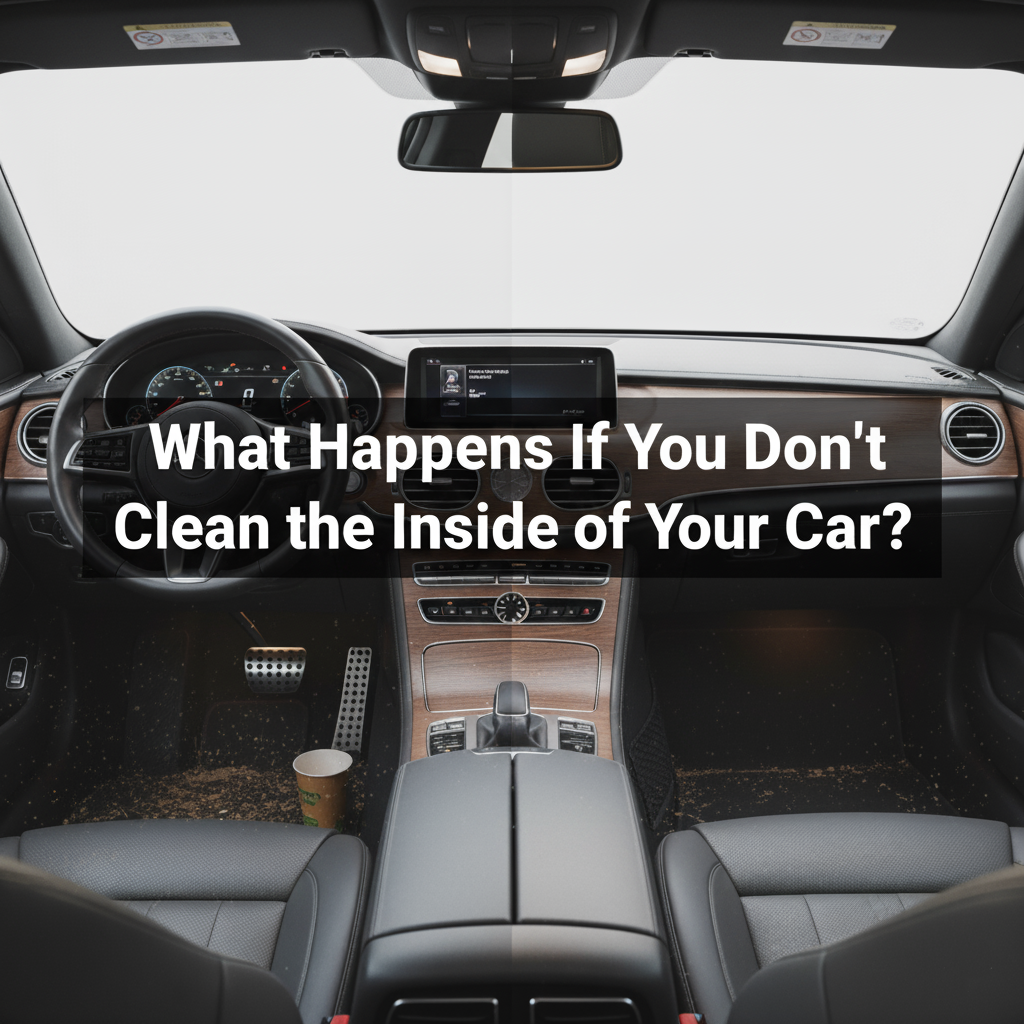
  • What happens if you don’t clean the inside of your car?

    What happens if you don’t clean the inside of your car?

    Your car’s interior is more than just a space for driving—it’s where you spend hours every week. Yet, many vehicle owners focus on the exterior shine while ignoring what’s inside. Neglecting your car’s cabin can have serious consequences, from health risks to mechanical issues.

    At Grizzly Auto Detailing, we’ve seen firsthand how quickly dust, food crumbs, and bacteria can accumulate in unclean vehicles. That’s why we created our Flawless Interior Detailing in Springfield service, a professional solution that restores hygiene, comfort, and value to every vehicle we treat.

    Let’s explore what really happens when you don’t clean the inside of your car—and why consistent interior detailing is not a luxury but a necessity.


    1. Dirt and Dust Build-Up Becomes a Daily Irritant

    When you skip cleaning, dirt and dust particles settle everywhere—on the dashboard, seats, cup holders, and air vents. Over time, this buildup creates an unpleasant driving experience. Each time you turn on the air conditioning, dust particles circulate throughout the cabin, triggering allergies and breathing discomfort.

    This constant exposure affects both your health and your car’s air quality. Simple vacuuming isn’t enough once debris embeds deeply into carpets or under the seats.

    With Grizzly Auto Detailing’s professional equipment, our Flawless Interior Detailing in Springfield eliminates even microscopic dust, ensuring clean air and a comfortable environment every time you drive.


    2. Lingering Odors Take Over Your Car

    Food spills, sweat, pet hair, and damp materials create odors that are almost impossible to remove without professional help. Once organic matter seeps into seat cushions or carpet fibers, it decomposes and emits a sour, musty smell.

    Most air fresheners only mask these odors. The real solution is deep extraction cleaning, ozone treatment, and proper sanitization—techniques that neutralize odor at its source.

    At Grizzly Auto Detailing, we use enzyme-based cleaners and vaporized disinfectants to completely remove trapped bacteria, leaving your car smelling clean and fresh again.


    3. Bacteria and Germs Multiply Rapidly

    Your car is a breeding ground for bacteria—especially the steering wheel, seatbelts, door handles, and infotainment screens. Studies show these areas can harbor more germs than a household toilet seat.

    Without regular cleaning, these microorganisms multiply, posing health risks to you and your passengers. Eating in the car accelerates contamination, as leftover crumbs attract mold and bacteria.

    Professional interior detailing sanitizes every surface using non-toxic, hospital-grade cleaners. Our Flawless Interior Detailing in Springfield eliminates germs, keeping your family safe during every ride.


    4. Mold Growth from Moisture and Spills

    Moisture is one of your interior’s biggest enemies. Spilled drinks, wet shoes, or leaking weather seals can lead to hidden dampness beneath carpets or in seat padding. Within days, this moisture turns into mold, causing foul smells and even respiratory issues.

    Mold spores also damage fabric fibers, creating permanent stains and weakening your car’s structure over time.

    Our team at Grizzly Auto Detailing uses industrial-grade extractors and air movers to remove moisture completely during every Flawless Interior Detailing in Springfield service. We ensure your vehicle stays dry, fresh, and safe.


    5. Permanent Stains and Fabric Damage

    Unattended spills can quickly turn into permanent stains. Coffee, soda, or oil-based substances penetrate upholstery and cause discoloration that regular cleaning can’t fix.

    Over time, these stains weaken fabrics, leading to cracks or fading. In leather interiors, dirt acts as sandpaper, wearing down protective coatings and creating cracks.

    With routine interior detailing, these issues are preventable. Professionals apply fabric guards and conditioners that protect against future stains and prolong the lifespan of your interior.


    6. Dashboard and Trim Deterioration

    Your dashboard faces constant exposure to sunlight and heat. Dust, grime, and UV rays work together to fade and crack the surface if not cleaned regularly.

    Unprotected dashboards also attract sticky residue that reflects sunlight, reducing visibility while driving. Regular cleaning with pH-balanced products prevents this damage and maintains a matte, clean finish.

    At Grizzly Auto Detailing, our interior detailing experts apply UV protectants that restore shine without leaving a greasy texture—preserving your car’s refined look.


    7. Electrical Malfunctions from Dirt and Moisture

    Modern vehicles rely on intricate electrical systems integrated into seats, consoles, and dashboards. Dirt or moisture entering these components can cause malfunctions such as faulty sensors, unresponsive buttons, or flickering lights.

    When liquids seep into the control panels, they corrode circuits, leading to expensive repairs. Preventing this damage requires proper cleaning tools that remove grime safely without excess moisture.

    Our technicians at Grizzly Auto Detailing use steam cleaners and microfiber-safe methods to protect electronics while ensuring a spotless interior finish.


    8. Reduced Air Quality and HVAC Efficiency

    A dirty cabin filter or clogged vent can drastically reduce air quality and heating or cooling performance. When you don’t clean your car’s interior, dust and debris accumulate in air ducts, recirculating pollutants every time you run the A/C.

    Bad air quality leads to unpleasant odors, eye irritation, and respiratory problems. Regular interior detailing includes vent cleaning and cabin filter inspection—helping your car’s HVAC system run more efficiently and safely.


    9. Pest Infestation and Hidden Contaminants

    Leftover food crumbs and sticky residues can attract insects and rodents, especially when a car sits unused for long periods. These pests can chew wiring, nest in vents, or contaminate upholstery.

    Removing pests after infestation is difficult and costly. Regular cleaning eliminates food sources, making your car unappealing to unwanted guests.

    With Flawless Interior Detailing in Springfield, our deep-cleaning process ensures no debris or hidden waste remains—leaving no place for pests to hide.


    10. Decreased Vehicle Value

    Neglecting interior care significantly lowers resale value. Buyers and appraisers notice worn seats, bad odors, and stained carpets immediately. Even if your engine runs perfectly, a dirty cabin gives the impression of poor maintenance overall.

    On the other hand, vehicles maintained through consistent interior detailing hold their value and attract serious buyers. Investing in Grizzly Auto Detailing’s interior care now can yield a higher return later.


    11. Loss of Comfort and Driving Experience

    A cluttered, dirty car affects your mood and focus. Sticky surfaces, dusty vents, and unpleasant smells create discomfort during daily drives. Your car should feel like a personal sanctuary—not a storage bin.

    Clean surroundings enhance alertness and reduce stress behind the wheel. With Flawless Interior Detailing in Springfield, we transform driving back into an enjoyable, stress-free experience.


    12. Diminished Professional Image

    For many people, their vehicle doubles as an extension of their personal or professional image. A dirty car interior sends the wrong message—to clients, passengers, or even family members.

    Maintaining cleanliness demonstrates attention to detail and pride in ownership. Whether you drive for business, ride-share, or personal use, a well-kept interior creates a lasting positive impression.


    13. Allergies and Respiratory Issues

    Dust mites, pollen, and mold spores thrive in neglected interiors. These allergens trigger sneezing, headaches, and itchy eyes, especially in spring and summer.

    Carpets and seat fabrics act like filters, trapping these particles and releasing them whenever disturbed. Regular vacuuming and steam cleaning prevent this health hazard.

    At Grizzly Auto Detailing, we specialize in allergen-free cleaning products that eliminate irritants and ensure your air stays pure year-round.


    14. Cracked Leather and Faded Upholstery

    Without proper conditioning, leather seats dry out and crack over time. Sun exposure and dirt buildup accelerate this wear, making repairs costly.

    During each Flawless Interior Detailing in Springfield session, our technicians cleanse and rehydrate leather with premium conditioners that restore elasticity and protect from UV damage.

    Similarly, fabric seats receive stain-resistant coatings that maintain color vibrancy and comfort.


    15. Safety Concerns from Dirty Glass and Mirrors

    A foggy windshield or dusty mirrors reduce visibility—especially during night driving or rain. Inside residue from cigarette smoke or air pollution can create a cloudy film on glass surfaces.

    Cleaning glass from the inside ensures maximum clarity and safety. Our detailing experts use streak-free cleaners formulated specifically for automotive glass, leaving every window spotless.


    16. Long-Term Corrosion and Damage

    Spills and trapped moisture can corrode metal components under seats or inside doors. This hidden corrosion spreads slowly but can cause squeaky noises, rust stains, or seat track malfunction.

    Regular inspection during detailing prevents such long-term damage, saving you from expensive replacements later.


    17. Reduced Efficiency of Air Fresheners and Filters

    When your interior is dirty, even the best air fresheners or filters can’t mask odors effectively. Dusty surfaces and old filters absorb fragrances quickly, wasting your effort and money.

    Thorough interior detailing eliminates the need for constant air freshener use by addressing the root cause of smells.


    18. Legal and Inspection Issues

    In some regions, excessive interior dirt, debris, or windshield haze can affect visibility and fail safety inspections. Maintaining a clean interior helps ensure compliance with safety standards and keeps your vehicle road-ready.


    19. Psychological Impact of a Dirty Car

    Clutter and mess contribute to mental fatigue. Studies show that messy environments increase stress levels and reduce focus. When your car feels dirty, you subconsciously experience irritation, distraction, and anxiety during commutes.

    A clean cabin promotes calmness and organization, improving your overall driving mood and productivity.


    20. A Dirty Interior Makes Cleaning Harder Over Time

    The longer you ignore cleaning, the harder it becomes to restore your car’s original condition. Dust turns sticky, grime embeds deeply, and stains set permanently.

    Regular cleaning prevents buildup and reduces the effort required for each session. That’s why scheduling Flawless Interior Detailing in Springfield at least three times a year keeps your vehicle fresh and easier to maintain.


    Conclusion: A Clean Interior Protects Your Car, Health, and Comfort

    Ignoring your car’s interior might seem harmless at first, but over time, it leads to costly damage, unpleasant odors, and potential health problems. From bacteria growth to faded materials, the effects of neglect add up quickly.

    The good news is that prevention is simple. Grizzly Auto Detailing’s Flawless Interior Detailing in Springfield delivers the deep cleaning your vehicle needs—eliminating bacteria, restoring materials, and protecting every surface.

    Your car deserves the same attention you give your home. Clean it regularly, treat it with care, and trust professionals who know how to preserve every inch of your investment.


    FAQs

    1. How often should I clean the inside of my car?
    Every two to three months is ideal for regular drivers, but more often if you transport kids or pets.

    2. What happens if I never clean my car’s interior?
    Dirt, bacteria, and odors accumulate, reducing comfort, safety, and vehicle value.

    3. Can dirty interiors cause health problems?
    Yes. Mold, bacteria, and allergens inside your car can trigger respiratory issues.

    4. How can I prevent bad odors in my car?
    Avoid eating inside, clean spills immediately, and schedule professional interior detailing regularly.

    5. What’s the best way to protect leather seats?
    Use pH-balanced leather cleaners and conditioners to prevent cracking and fading.

    6. Can neglecting cleaning damage electronics?
    Absolutely. Dust and moisture can interfere with touchscreens and control buttons.

    7. How do professionals remove tough stains?
    They use steam cleaners, enzyme solutions, and fabric-safe extraction equipment for deep cleaning.

    8. Does Grizzly Auto Detailing use eco-friendly products?
    Yes, all our cleaning agents are biodegradable, safe, and gentle on vehicle materials.

    9. How long does interior detailing take?
    Usually between 3–5 hours, depending on your car’s condition and size.

    10. Why should I choose Grizzly Auto Detailing?
    Because we combine expertise, advanced tools, and premium care to deliver truly Flawless Interior Detailing in Springfield every time.

  • What are the disadvantages of car detailing?

    What are the disadvantages of car detailing?

    Car detailing is widely known for transforming dull, dirty vehicles into spotless, polished masterpieces. However, just like any service, it’s not without its drawbacks. While the shine and freshness are appealing, there are potential downsides that car owners in Springfield, VA should consider before booking a session.

    At Grizzly Auto Detailing, our goal isn’t just to sell services—it’s to educate car owners about the entire process, so they can make informed decisions. When performed correctly, detailing can enhance your car’s life and appearance. But done excessively or carelessly, it can cause more harm than good.

    That’s why our team emphasizes precision, balance, and the best standards of Immaculate Interior Detailing in Springfield a service designed to keep your car clean and healthy without the risks that come from over-detailing or improper techniques.


    1. The High Cost of Frequent Detailing

    Car detailing offers impressive results, but it comes with a cost. Regular detailing sessions—especially when performed by professionals—can add up over time.

    A single full-service detailing job in Springfield can range anywhere between $200 and $600, depending on the size and condition of your vehicle. While you’ll enjoy that just-cleaned scent and showroom sparkle, frequent visits might not be practical for every budget.

    Expert Tip:

    Instead of scheduling detailing every few weeks, consider quarterly or seasonal appointments. Grizzly Auto Detailing recommends tailoring service frequency to your driving habits and environment.


    2. Risk of Paint Damage from Improper Techniques

    When done incorrectly, detailing can cause micro-scratches, swirl marks, or dullness on your paintwork. These defects usually result from poor washing methods, contaminated towels, or cheap polishing compounds.

    Even though high-end detailers like Grizzly Auto Detailing use premium microfiber cloths and pH-balanced cleaners, some less experienced technicians might use abrasive products that degrade your car’s finish over time.

    Excessive machine polishing can thin the clear coat, leading to fading and oxidation. Once that protective layer wears down, it’s tough—and expensive—to restore.


    3. Overuse of Chemicals Inside the Cabin

    Interior detailing often involves powerful cleaners, degreasers, and protectants. While these products are designed to lift dirt and kill bacteria, some can cause discoloration or dryness on leather, vinyl, or plastic surfaces if misused.

    For instance, applying silicone-heavy dressings too frequently can make your dashboard shiny but slippery, which is not ideal for safe driving.

    The professional team at Grizzly Auto Detailing ensures that Imaculate Interior Detailing in Springfield uses balanced, eco-friendly solutions that preserve your cabin’s texture and natural finish rather than masking it with chemicals.


    4. Time-Consuming Process

    Detailing is not a quick car wash. A proper interior and exterior detail can take anywhere from three to eight hours, depending on the level of service. For busy individuals, that’s a significant time investment.

    If you rely heavily on your car for daily commutes or business, being without it for half a day or longer can be inconvenient.

    To solve this, Grizzly Auto Detailing offers flexible scheduling options and mobile detailing services around Springfield—making it easier to maintain your vehicle without disrupting your routine.


    5. Risk of Water Damage or Mold Growth

    Improper drying after interior detailing can lead to mold, mildew, and unpleasant odors. Moisture trapped beneath carpets or seats may seem harmless at first but can eventually lead to bacteria buildup.

    Professionals know the importance of thorough drying, but do-it-yourself detailers often miss this step. That’s why using dehumidifiers or industrial vacuums after cleaning fabric interiors is crucial.

    At Grizzly Auto Detailing, the Imaculate Interior Detailing in Springfield package includes specialized air movers to ensure every corner is completely dry—protecting your car’s interior health and your comfort.


    6. Possible Damage to Electronics

    Modern cars come packed with electronic systems—infotainment screens, sensors, seat warmers, and digital dashboards. Excess moisture or aggressive cleaners can easily damage these sensitive components.

    When amateurs or inexperienced technicians clean without proper caution, liquids might seep into electronic areas, leading to malfunctioning buttons or screens.

    Our trained specialists at Grizzly Auto Detailing use controlled misting, microfiber applicators, and safe contact cleaning methods to ensure zero harm to electronic panels or touchscreens.


    7. Wax Build-Up and Paint Layer Fatigue

    Too much of a good thing can become bad—especially when it comes to wax and polish. Repeated applications can create buildup, dulling your paint rather than enhancing it.

    A thick layer of wax might trap contaminants or lead to uneven gloss, especially under sunlight. Over-polishing, on the other hand, removes the top protective layer of paint with each session.

    We recommend professional evaluation every six months. The Imaculate Interior Detailing in Springfield service focuses on balance—restoring shine only when needed, without compromising your paint’s integrity.


    8. Temporary Results Without Consistent Maintenance

    Even the best detail won’t last forever. Exposure to rain, road salt, UV rays, and pollution can quickly undo a detailing job’s benefits.

    That’s why maintaining your vehicle post-detailing is essential. Using the wrong soap at home or skipping regular washes can shorten the results dramatically.

    At Grizzly Auto Detailing, our professionals educate clients about aftercare—offering simple tips and product recommendations to extend your detail’s lifespan.


    9. Over-Detailing Can Cause Material Fatigue

    Every surface in your car—leather, rubber, or paint—has a natural lifespan. Over-cleaning or frequent product applications can weaken those materials.

    Leather conditioners used too often can cause softening and cracking, while repeated buffing can strip paint or clear coat. Even plastic trims can fade when exposed repeatedly to chemical sprays or sunlight after treatment.

    Our philosophy at Grizzly Auto Detailing is moderation. We deliver Imaculate Interior Detailing in Springfield with a focus on restoration, not over-treatment. Every product and step has a purpose, ensuring both beauty and durability.


    10. DIY Detailing Can Be Risky

    Some car owners attempt DIY detailing to save money, but without the right tools or knowledge, results often lead to regret. Common mistakes include:

    • Using household cleaners on car interiors.
    • Scrubbing delicate surfaces too aggressively.
    • Skipping proper rinsing and drying.
    • Mixing incompatible products.

    DIY errors may save money upfront but cost more in long-term repairs. Professionals have years of experience, specialized tools, and proper product knowledge—ensuring your car receives the best treatment safely.


    11. Environmental Concerns

    While the detailing industry is moving toward sustainability, traditional detailing still consumes large amounts of water and chemicals. Wastewater runoff containing detergents and oils can harm local ecosystems if not properly contained.

    Grizzly Auto Detailing takes this responsibility seriously by using eco-friendly methods, biodegradable cleaners, and controlled waste disposal—especially during Imaculate Interior Detailing in Springfield sessions.


    12. Unrealistic Expectations from Over-Marketing

    Many car owners expect permanent results from detailing—believing that once polished, their cars will stay flawless for months. Unfortunately, that’s not realistic.

    Detailing enhances your car’s appearance and cleanliness, but environmental exposure continues daily. Marketing hype can create false expectations, leading to disappointment.

    Grizzly Auto Detailing focuses on honesty, educating clients about realistic outcomes and long-term care strategies.


    13. Potential for Residue and Streaks

    Even experienced detailers can leave behind streaks or residue if products aren’t properly buffed or removed. This issue becomes more visible under sunlight, especially on glass or glossy panels.

    That’s why our technicians double-check every surface after cleaning. Using specialized lighting systems, we inspect your car for streaks, ensuring the flawless finish that Grizzly Auto Detailing is known for.


    14. Sensitive Materials May React Differently

    Every car interior is different—some have genuine leather, others have synthetic blends or Alcantara. Applying a one-size-fits-all cleaner can cause discoloration or texture changes.

    At Grizzly Auto Detailing, we perform a patch test before full application during Imaculate Interior Detailing in Springfield. This ensures that each product interacts safely with your specific materials.


    15. Time Between Details Matters

    Spacing out detailing sessions is as important as the detailing itself. Too frequent treatments can degrade your car’s natural finishes. Too infrequent, and dirt buildup becomes difficult to manage.

    We recommend a 3- to 4-month interval between professional detailing sessions for optimal results—striking the right balance between appearance and longevity.


    Conclusion: Balance Is the Key to Perfect Detailing

    Car detailing offers incredible benefits—protection, beauty, and comfort. Yet, like any maintenance routine, it has its disadvantages if done too often, incorrectly, or by untrained hands.

    At Grizzly Auto Detailing, we prioritize your car’s long-term health. Through expert craftsmanship and environmentally responsible practices, our Imaculate Interior Detailing in Springfield service ensures that your car stays pristine without the risks associated with over-detailing.

    When handled by professionals who understand the science and art of auto care, detailing becomes a form of protection, not harm. Trust Grizzly Auto Detailing to deliver precision, safety, and shine—every single time.


    FAQs

    1. How often should I get my car detailed?
    Every 3 to 4 months is ideal, depending on driving conditions and vehicle usage.

    2. Can car detailing damage my paint?
    Yes, if done improperly or too often. Always rely on professionals using quality products.

    3. What’s the difference between washing and detailing?
    Washing cleans the surface; detailing deep-cleans, restores, and protects both inside and out.

    4. Are detailing chemicals harmful?
    Some harsh products can be. That’s why Grizzly Auto Detailing uses eco-friendly, non-toxic options.

    5. Is interior detailing safe for leather seats?
    Yes—when proper pH-balanced cleaners and conditioners are used sparingly.

    6. Why does detailing sometimes cause streaks?
    Improper buffing or residue from low-quality products can leave streaks.

    7. Can over-detailing wear out car materials?
    Absolutely. Excessive cleaning or waxing can lead to material fatigue or fading.

    8. How can I maintain my car after detailing?
    Avoid harsh soaps, wash regularly, and keep interiors dry and dust-free.

    9. Are all detailers the same?
    No. Professional experience, tools, and product selection make a huge difference in quality.

    10. Why choose Grizzly Auto Detailing?
    Because we balance perfection and protection—delivering results that last without unnecessary risks.

  • How much should  I tip for $100 car detail?

    How much should I tip for $100 car detail?

    When you invest in detailing services, you expect precision, care, and results that make your car look brand new. But when it comes to tipping, most drivers hesitate how much is appropriate? If your total bill is $100, the answer depends on the quality of work, service level, and your overall satisfaction. As the trusted experts at Grizzly Auto Detailing, our team performing bold Economical Interior Detailing in Springfield believes understanding tipping etiquette is part of being an informed customer. Let’s explore how much to tip, why it matters, and what goes into the service you’re appreciating.


    Understanding the Role of Tipping in Car Detailing

    Tipping in the car detailing industry is a gesture of appreciation, not an obligation. However, detailers put in hours of labor-intensive work—cleaning, polishing, conditioning, and protecting your vehicle’s surfaces. This effort goes far beyond a regular car wash, and tipping helps acknowledge that dedication.

    When clients at bold Economical Interior Detailing in Springfield leave a tip, it signals respect for craftsmanship, effort, and consistency. Moreover, a fair tip motivates professionals to continue delivering premium service and maintain that meticulous attention to detail.


    Why Tip for a $100 Car Detail?

    A $100 car detail typically covers a standard interior and exterior cleaning. It’s more thorough than a quick wash but less intensive than a deep, premium package. For this range, a 10–20% tip is considered industry standard.

    Tip PercentageAmountWhen to Give It
    10%$10For good service, thorough cleaning
    15%$15For great results, extra care, and effort
    20%$20For exceptional detailing and customer service

    The professionals at bold Economical Interior Detailing in Springfield suggest that customers use tipping to acknowledge both quality and effort. If your car looks spotless and smells fresh, a 15–20% tip communicates genuine satisfaction.


    What Does a $100 Car Detail Include?

    Before tipping, it helps to understand what your payment covers. A standard $100 detail typically includes:

    Exterior Services

    • Hand wash and dry
    • Wax or sealant application
    • Wheel and tire cleaning
    • Bug, tar, and light oxidation removal

    Interior Services

    • Vacuuming carpets and seats
    • Cleaning dashboards, vents, and panels
    • Wiping windows and mirrors
    • Deodorizing interior surfaces

    At bold Economical Interior Detailing in Springfield, professionals use pH-balanced cleaners, microfiber cloths, and specialized brushes to achieve flawless results while protecting your vehicle’s surfaces.


    Factors That Influence How Much You Should Tip

    1. Quality of Work

    Inspect your car after the detail. Look for hidden spots—door jambs, cupholders, vents, and seat tracks. If every inch shines, the technician went above and beyond.

    2. Time Spent on the Job

    Some vehicles require extra attention. A heavily soiled car might take twice the time and effort. Recognizing that additional labor with a higher tip shows appreciation for hard work.

    3. Communication and Professionalism

    If your detailer clearly explains the service, offers product recommendations, and handles your car with care, it’s worth rewarding with a higher tip.

    4. Service Package

    Basic interior detailing differs from full-scale packages. A tip for an express job might differ from one for a full ceramic interior protection session.

    5. Consistency

    If you regularly visit bold Economical Interior Detailing in Springfield and receive consistent results, tipping fosters a loyal relationship and ensures continued top-tier care.


    Comparing Basic, Mid-Range, and Premium Detail Tipping

    Service LevelAverage CostTip RangeExample
    Basic Wash & Vacuum$50–$80$5–$10Simple clean-up for daily use
    Full Interior Detail$100–$150$10–$25Deep cleaning and conditioning
    Premium Detail$200+$30–$50Advanced coatings, machine polishing

    If you receive mid-range detailing worth $100, a $15–$20 tip expresses satisfaction for professional-grade results and meticulous attention.


    The Professional’s Perspective on Tipping

    At Grizzly Auto Detailing, tipping isn’t mandatory—but it’s highly appreciated. Every member of our team values honesty and professionalism. Our goal is to exceed expectations every single time. When clients tip, it not only rewards great service but also reinforces a culture of excellence.

    bold Economical Interior Detailing in Springfield isn’t just about making cars look stunning—it’s about creating a trusted, long-term relationship where clients feel their vehicles are in expert hands.


    Expert Insight: Why 15% is the Golden Range

    After surveying hundreds of customers, detailers agree that 15% is the sweet spot. It’s generous enough to recognize effort but still practical for most budgets. For a $100 service, $15 shows gratitude without feeling excessive.

    However, if your detailer:

    • Removed tough stains
    • Restored fading leather
    • Used high-end interior products
    • Delivered flawless results on schedule

    Then 20%—or $20—is a fair reward for top-tier craftsmanship.


    When You Might Tip Less

    Not all detailing experiences warrant a full tip. You might reduce or skip tipping if:

    • The work was rushed or incomplete
    • Surfaces were left streaky or greasy
    • The car wasn’t delivered on time
    • Customer service was dismissive or inattentive

    Still, it’s best to communicate concerns before leaving a lower tip. Most professionals aim to correct issues promptly.


    Beyond Money: Other Ways to Show Appreciation

    If your budget is tight, you can still express gratitude by:

    • Leaving a positive Google review
    • Referring friends and family
    • Scheduling regular services
    • Sharing before-and-after photos on social media

    Every bit of recognition helps hardworking detailers grow their business and reputation.


    Understanding the Cost-to-Service Ratio

    For a $100 detail, about 40–50% of the fee often covers labor, 20–25% goes to supplies and overhead, and the rest helps sustain the business. Tipping adds a personal acknowledgment for that skilled manual work—something machines can’t replicate.

    With bold Economical Interior Detailing in Springfield, each technician spends hours perfecting your car’s look using professional-grade tools and eco-friendly solutions.


    Pro Tips to Maximize Value on Your Detail

    1. Book in advance to ensure availability and avoid rush fees.
    2. Request interior protection like fabric guard or leather conditioner to extend cleanliness.
    3. Ask for maintenance tips to keep your car fresh between visits.
    4. Join loyalty programs—some offer discounts or free add-ons for repeat customers.
    5. Be upfront about expectations—it helps detailers customize your service better.

    Choosing the Right Detailer for Quality and Value

    If you’re seeking outstanding service at a fair rate, bold Economical Interior Detailing in Springfield offers precision care at budget-friendly prices. Each detail package is tailored to meet the needs of local drivers—from busy professionals to families needing spotless vehicles.

    Our process includes:

    • Gentle steam cleaning for interiors
    • UV protection for dashboards
    • Non-toxic deodorization for lasting freshness

    We blend affordability with premium-quality results, ensuring every client gets maximum value.


    Final Thoughts

    Tipping after a $100 car detail is about gratitude and fairness. A 10–20% range is standard, with 15% being the most common for excellent results. Quality detailing is labor-intensive, and your tip encourages continued dedication and excellence.

    With bold Economical Interior Detailing in Springfield, every dollar you spend contributes to expert care, superior results, and lasting satisfaction. Remember, when your car gleams and smells pristine, acknowledging the effort behind it makes all the difference.


    Frequently Asked Questions (FAQs)

    1. Should I always tip my car detailer?
    Yes, tipping is customary and shows appreciation for quality service and hard work.

    2. How much should I tip for a $100 car detail?
    Typically, $10–$20 is appropriate, depending on quality and satisfaction.

    3. Do car detailers expect tips?
    Not necessarily, but most greatly appreciate them as recognition of their effort.

    4. Can I tip less than 10%?
    Yes, if the service was average or below expectations, but communicate any concerns first.

    5. Should I tip differently for mobile detailing?
    Mobile detailers often spend extra time traveling, so tipping 15–20% is fair.

    6. What if I can’t afford to tip?
    A positive review or referral can serve as an alternative form of appreciation.

    7. Do detailers split tips among staff?
    In many shops, tips are shared among the detailing team.

    8. Should I tip before or after the service?
    Always tip after, once you’re satisfied with the results.

    9. Is tipping in cash better?
    Yes, cash tips are immediate and directly received by the worker.

    10. Why does tipping matter in detailing?
    It motivates professionals, supports small businesses, and rewards exceptional craftsmanship.

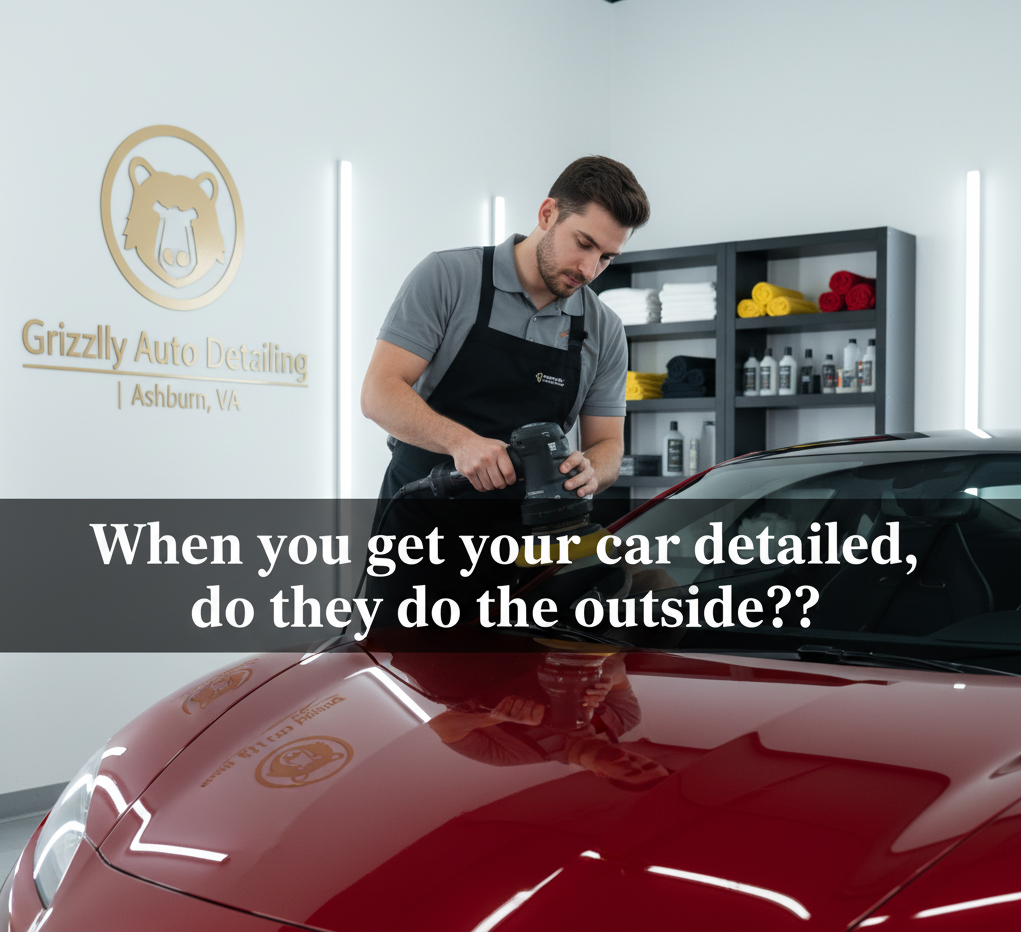
  • When you get your car detailed, do they do the outside?

    When you get your car detailed, do they do the outside?

    When you book a professional car detailing service, one of the most common questions customers ask is, “Do they also clean and polish the outside?” The answer is a resounding yes. Exterior detailing is a vital part of every comprehensive car detail — and at Grizzly Auto Detailing in Ashburn, VA, it’s performed with precision, care, and premium-grade materials to ensure your vehicle gleams like new. Whether your goal is to maintain value, boost curb appeal, or protect your investment, High-Gloss Car Exterior Detailing in Ashburn delivers results that make your car’s paintwork stand out with unmatched brilliance.


    What Is Included in a Full Car Detail?

    A complete car detailing service covers both interior and exterior treatments, designed to clean, restore, and protect every inch of your vehicle. Unlike a basic car wash, detailing involves deep cleaning and rejuvenation techniques that improve both appearance and longevity.

    The exterior detail focuses on paint restoration and protection, while the interior detail handles upholstery, carpets, dashboard, and trim care. Together, they transform your vehicle into a near-showroom condition.

    When you choose Grizzly Auto Detailing, every step — from decontaminating paintwork to applying protective sealants — is performed by experienced technicians using professional tools and products formulated for High-Gloss Car Exterior Detailing in Ashburn.


    Understanding Exterior Car Detailing

    Exterior detailing goes far beyond a quick wash. It’s an intricate process involving paint decontamination, polishing, and protection that restores the factory-fresh shine and shields against future damage.

    Here’s what typically happens during a professional exterior detail:

    1. Pre-Wash and Surface Preparation

    The process begins with a deep pre-rinse to remove surface dirt, followed by a pH-balanced foam wash that loosens grime without harming wax or paint coatings. Using the two-bucket method (one for soapy water, one for rinse water) prevents swirl marks and scratches.

    Technicians carefully clean wheels, tires, and wheel wells — areas often neglected in casual washes. Specialty iron removers and degreasers are used to eliminate brake dust and road tar.

    2. Paint Decontamination

    Even after washing, microscopic contaminants such as rail dust, tar, and sap can cling to your paint. A clay bar treatment removes these embedded particles, leaving the surface smooth and ready for polishing.

    3. Paint Correction and Buffing

    This is where the transformation truly happens. Using dual-action polishers, professional compounds, and microfiber pads, detailers eliminate oxidation, swirl marks, and minor scratches. The goal is to restore color depth and reflectivity.

    This stage defines High-Gloss Car Exterior Detailing in Ashburn — a service that blends technical expertise with artistry to create that flawless, mirror-like finish customers love.

    4. Protective Coating Application

    Once the surface is corrected, it must be protected. Professionals apply premium paint sealants, waxes, or ceramic coatings to lock in shine and guard against UV damage, road salts, and water spots. These layers act as armor, keeping your paint glossy and durable for months or even years.

    5. Final Touches

    Detailers finish with tire dressing, trim restoration, and glass polishing. Headlights and taillights are cleaned and sometimes lightly polished to ensure clarity and uniform shine.

    The result? A car exterior that looks, feels, and reflects light like new.


    Why Exterior Detailing Matters

    The exterior of your car faces constant exposure to environmental hazards — sunlight, acid rain, road salt, and pollution. Over time, these elements degrade the paint, dull the finish, and accelerate wear.

    Exterior detailing acts as both a preventive and restorative measure. By polishing and sealing the paint, you’re not just enhancing aesthetics — you’re preserving resale value and extending your car’s lifespan.

    A clean exterior is also a reflection of care and professionalism. Whether you drive a luxury SUV or a family sedan, meticulous detailing shows pride in ownership and attention to detail.


    Professional Detailing vs. Regular Car Wash

    While a quick car wash removes dirt, it does little to correct or protect the paint. Detailing, on the other hand, is a multi-step process involving professional-grade tools and products designed to restore rather than simply clean.

    Here’s a quick comparison:

    AspectRegular Car WashProfessional Detailing
    Duration15–30 minutes3–6 hours or more
    ProcessSurface cleaning onlyDeep cleaning, polishing, protection
    GoalTemporary cleanlinessLong-term shine and protection
    ToolsBrushes, soap, rinseBuffers, clay bars, polishes, waxes
    ResultClean surfaceGlossy, protected finish

    When you choose a professional service like Grizzly Auto Detailing, you’re investing in expert craftsmanship and premium products used in High-Gloss Car Exterior Detailing in Ashburn.


    How Often Should You Detail the Exterior?

    The frequency of detailing depends on how you use and store your vehicle.

    • Daily Drivers: Every 3–4 months to maintain paint health.
    • Garage-Kept Cars: Every 6 months or after seasonal changes.
    • Show or Luxury Cars: Every 2–3 months to preserve maximum gloss.

    Regular maintenance washes in between detailing sessions help sustain the shine and protective coatings. Using proper techniques (microfiber towels, pH-balanced soaps) ensures your paint stays swirl-free and glossy.


    Expert Techniques Used by Grizzly Auto Detailing

    At Grizzly Auto Detailing, professionals apply proven detailing methods tailored to each vehicle’s finish, paint type, and age. Below are key techniques used for superior results:

    Dual-Action Polishing

    This advanced machine uses oscillating and rotating motion to safely remove paint defects without damaging the clear coat. It’s ideal for swirl removal and producing a deep, reflective gloss.

    Layered Protection

    Technicians often apply multiple layers of sealant or wax for extended durability. Some customers choose ceramic coatings, which chemically bond to paint for up to five years of protection.

    Trim and Plastic Restoration

    UV-resistant dressings rejuvenate faded trims and plastic components, giving the exterior a uniform, refreshed appearance.

    Water Spot and Bug Removal

    Special acidic cleaners safely dissolve mineral deposits and bug residues without dulling the paint or stripping wax.

    Each process step is meticulously executed to meet High-Gloss Car Exterior Detailing in Ashburn standards of excellence — ensuring your vehicle not only shines but stays protected long after the service.


    The Role of Ceramic Coating in Exterior Detailing

    Ceramic coating has revolutionized the detailing industry. This liquid polymer bonds chemically to the vehicle’s clear coat, creating a hydrophobic (water-repelling) layer that resists dirt, UV rays, and oxidation.

    Benefits include:

    • Long-lasting protection (2–5 years)
    • Easier cleaning
    • Enhanced gloss and depth
    • Resistance to chemicals and bird droppings

    For customers who want to maintain that freshly detailed look with minimal effort, Grizzly Auto Detailing recommends ceramic coating as part of their premium High-Gloss Car Exterior Detailing in Ashburn packages.


    Maintaining the Exterior After Detailing

    To preserve your car’s detailed finish:

    1. Use a microfiber wash mitt instead of sponges to prevent micro-scratches.
    2. Avoid automatic car washes with harsh brushes.
    3. Dry with clean microfiber towels to prevent water spots.
    4. Apply a quick detailer spray weekly to refresh shine.
    5. Park in shaded areas to reduce UV exposure.

    Following these steps will extend the life of your detail and keep your car’s finish brilliant between professional appointments.


    Why Choose Grizzly Auto Detailing in Ashburn, VA

    Grizzly Auto Detailing stands out because of its dedication to craftsmanship, premium materials, and customer satisfaction. Each service is customized, ensuring every client gets exactly what their vehicle needs — from simple maintenance washes to advanced multi-stage paint correction.

    Their detailing experts undergo continuous training, keeping up with the latest technologies and products in the industry. The result is consistency, excellence, and long-term protection for your vehicle’s paint and finish.

    When it comes to High-Gloss Car Exterior Detailing in Ashburn, Grizzly Auto Detailing remains the trusted name for drivers who demand perfection.


    Common Mistakes Car Owners Make

    Even with the best intentions, many car owners unintentionally harm their vehicle’s finish. Avoid these common errors:

    1. Using dish soap or household cleaners — they strip wax and damage clear coats.
    2. Washing in direct sunlight — it causes streaks and water spots.
    3. Using old towels or sponges — they can trap dirt and scratch paint.
    4. Ignoring wheel wells and undercarriage — corrosion can start here.
    5. Skipping protection — unprotected paint fades faster.

    By avoiding these habits and scheduling regular detailing, you’ll maintain a high-gloss finish and protect your car’s value.


    The Bottom Line

    Yes — when you get your car detailed, they absolutely do the outside. In fact, exterior detailing is often the highlight of the entire process, turning dull paint into a vibrant, mirror-like surface.

    Professional detailers use specialized tools, compounds, and protection methods to ensure your vehicle looks its absolute best. When done by experts like those at Grizzly Auto Detailing, the results speak for themselves: depth, clarity, and shine that last.

    So, the next time someone asks, “Do they clean the outside when detailing?” — you’ll know that with High-Gloss Car Exterior Detailing in Ashburn, your car gets more than a wash; it receives a complete rejuvenation.


    FAQs About Exterior Car Detailing

    1. Does car detailing include the exterior wash and polish?
    Yes, professional detailing always includes exterior cleaning, polishing, and protection for a lasting shine.

    2. How long does exterior detailing take?
    Depending on vehicle size and paint condition, it usually takes between 3 to 6 hours.

    3. Will detailing remove scratches?
    Minor scratches and swirl marks can be removed through paint correction and polishing.

    4. How often should I get my car detailed?
    Most experts recommend detailing every 3–6 months, depending on driving conditions and climate.

    5. What’s the difference between waxing and ceramic coating?
    Wax offers short-term shine; ceramic coatings provide long-term, chemical-resistant protection.

    6. Can I wash my car after getting it detailed?
    Wait at least 48 hours before washing to allow any sealant or coating to fully cure.

    7. Does detailing include the engine bay?
    Some packages do — it depends on your chosen service level. Always ask your detailer beforehand.

    8. Is exterior detailing worth the cost?
    Absolutely. It maintains paint health, boosts resale value, and enhances your car’s appearance.

    9. Can rain ruin my fresh detail?
    Light rain won’t harm it, but heavy rain shortly after waxing may reduce protection longevity.

    10. How do I keep the shine after detailing?
    Use gentle washes, avoid harsh soaps, and apply a spray sealant or quick detailer regularly.


  • What’s the Difference Between Wax and Sealant?

    What’s the Difference Between Wax and Sealant?

    At Grizzly Auto Detailing in Ashburn, VA, we often hear customers ask: “Should I use wax or sealant on my car?” It’s an important question because both products protect and enhance your vehicle’s paint, but they work in different ways. Understanding these differences ensures your car always looks its best. Professional Wax polish Car Exterior Detailing in Ashburn gives your vehicle not only a mirror-like shine but also reliable protection from harsh environmental elements.


    Understanding Car Wax

    What Is Car Wax?

    Car wax is a protective coating applied to your car’s paint to enhance its gloss and prevent damage from contaminants. Traditional waxes use natural carnauba—sourced from Brazilian palm leaves—while modern formulas often mix in synthetic polymers for improved durability.

    Benefits of Wax

    • Brilliant Shine: Wax creates a rich, warm glow that makes colors pop.
    • Water Repellency: It helps water bead off the surface to prevent water spots.
    • Surface Protection: Shields against UV rays, sap, bird droppings, and road grime.
    • Minor Scratch Filling: Smooths out small swirl marks for a flawless look.

    Types of Car Wax

    1. Carnauba Wax: Ideal for show-quality depth and warmth.
    2. Synthetic Wax: Longer-lasting protection with easier application.
    3. Spray Wax: Quick top-ups between full detailing sessions.

    When to Use Wax

    Wax is perfect for car owners who value beauty and shine. Moreover, it’s best used on vehicles that are regularly maintained and stored in garages or mild climates.


    Understanding Paint Sealants

    What Is a Paint Sealant?

    Paint sealants are synthetic, polymer-based products that chemically bond to the paint surface. Unlike wax, which simply sits on top, sealants create a durable barrier that lasts for months.

    Benefits of Sealants

    • Extended Protection: Lasts four to twelve months, even under harsh conditions.
    • Stronger Defense: Resists UV rays, acid rain, and road salt.
    • Enhanced Gloss: Provides a bright, glass-like finish.
    • Low Maintenance: Requires fewer reapplications than wax.

    Types of Sealants

    1. Synthetic Polymer Sealants: Tough, weather-resistant coatings.
    2. Hybrid Sealants: Blend polymer protection with wax-like shine.
    3. Spray Sealants: Fast and easy for regular upkeep.

    When to Use Sealants

    Sealants suit daily drivers and vehicles exposed to outdoor elements. They’re excellent for owners who prefer durable protection over frequent detailing.


    Wax vs. Sealant: Key Differences

    FeatureWaxSealant
    MaterialNatural or semi-syntheticFully synthetic
    Durability4–6 weeks4–12 months
    FinishWarm, deep glowBright, reflective gloss
    Protection LevelModerateHigh
    Ease of ApplicationRequires buffingWipe-on, easy removal
    CostLowerSlightly higher due to longevity

    In short: Wax offers unmatched warmth and shine, while sealants deliver long-term protection.


    Which Is Better for Your Car?

    The choice depends on your priorities. If you love a soft, luxurious glow, wax is unbeatable. If you prefer long-lasting protection with minimal effort, sealant wins. Many detailers—including Grizzly Auto Detailing in Ashburn, VA—combine both: a base layer of sealant for durability, topped with wax for visual depth.


    How to Apply Wax (Step by Step)

    Step 1: Wash and Dry

    Clean your car thoroughly with pH-balanced shampoo. Dry completely using a microfiber towel to prevent streaks.

    Step 2: Prep the Surface

    Use a clay bar to remove embedded contaminants. If needed, lightly polish to correct small imperfections.

    Step 3: Apply Wax

    • Use a soft foam applicator.
    • Work in small, circular motions.
    • Apply a thin, even coat across panels.

    Step 4: Buff to Perfection

    Let the wax haze for a few minutes, then buff using a clean microfiber towel. The result is a deep, glossy finish that feels silky smooth.

    Step 5: Maintain Regularly

    Reapply wax every month or so to preserve shine and protection.


    How to Apply a Sealant

    Step 1: Clean Thoroughly

    Wash and dry your vehicle just like before. Any leftover wax or debris can prevent bonding.

    Step 2: Apply the Sealant

    • Shake the bottle well.
    • Use a foam or microfiber applicator.
    • Spread evenly in straight, overlapping lines.

    Step 3: Let It Cure

    Allow 10–20 minutes for the sealant to bond. Then gently buff the surface with a soft towel.

    Step 4: Enjoy Long-Term Protection

    Sealants can last for months, but washing your car regularly will help maintain the hydrophobic effect.


    Combining Wax and Sealant

    Using both is a detailer’s secret weapon:

    1. Start with a Sealant – This forms a durable protective layer.
    2. Finish with Wax – Adds warmth, depth, and rich shine.

    This combination keeps your paint protected and stunning in every light.


    Professional Product Recommendations

    At Grizzly Auto Detailing, we trust only proven brands:

    Recommended Waxes:

    • Meguiar’s Gold Class Carnauba Plus
    • Collinite 845 Insulator Wax
    • Turtle Wax Hybrid Solutions

    Recommended Sealants:

    • Chemical Guys JetSeal 109
    • Menzerna Power Lock Polymer Sealant
    • Wolfgang Deep Gloss Paint Sealant

    Expert Tips from Grizzly Auto Detailing

    • Always start with a clean, smooth surface.
    • Apply thin coats—more product doesn’t mean better results.
    • Use quality microfiber towels to avoid scratches.
    • Avoid direct sunlight during application.
    • Maintain protection with gentle washes every week.

    These professional habits ensure consistent, long-term results for Wax polish Car Exterior Detailing in Ashburn customers.


    Practical Advice for Different Vehicles

    • Sedans & Coupes: Wax provides a brilliant show-car finish.
    • SUVs & Trucks: Sealant delivers rugged, long-lasting protection.
    • Luxury Cars: Combine both for maximum depth and durability.

    As a result, every vehicle type can achieve an ideal balance of shine and defense.


    Internal & External Resources


    Image Optimization Suggestion

    Include a featured banner image (900×300 px) showing a detailer applying wax and sealant under bright studio lighting at Grizzly Auto Detailing.
    Alt text: “Wax polish Car Exterior Detailing in Ashburn – Grizzly Auto Detailing.”


    Frequently Asked Questions (FAQs)

    1. What’s the main difference between wax and sealant?
    Wax gives short-term shine; sealant provides long-term protection.

    2. Can I layer wax over a sealant?
    Yes. Apply sealant first for protection, then wax for enhanced gloss.

    3. How long does each last?
    Wax lasts around 4–6 weeks, while sealant can last up to a year.

    4. Which is easier to apply?
    Sealant is typically easier—just apply, cure, and buff.

    5. Does wax protect from UV damage?
    Yes, but sealants offer stronger UV defense.

    6. Can I use wax on new paint?
    Yes, after the paint fully cures (usually 30–60 days).

    7. How often should I apply a sealant?
    Every 6–12 months depending on climate and usage.

    8. Do I need both wax and sealant?
    For best results, yes—sealant for protection, wax for shine.

    9. Are spray products as good as paste versions?
    Sprays are convenient but slightly less durable.

    10. Why choose Grizzly Auto Detailing for this service?
    Our experts use premium products, advanced techniques, and deliver unmatched gloss and durability for every car.


    Conclusion

    Understanding the difference between wax and sealant helps you choose the best care for your vehicle. Wax enhances beauty and depth, while sealants offer unmatched protection. Combining both creates the ideal finish—glossy, smooth, and shielded from damage.

    At Grizzly Auto Detailing, we specialize in Wax polish Car Exterior Detailing in Ashburn, providing top-tier results that keep your car looking brand new. Our skilled professionals use only the finest products to ensure long-lasting shine and superior protection. Book your detailing session today and experience the perfect balance of aesthetics and durability.


  • What does exterior auto detailing include?

    What does exterior auto detailing include?

    When most people think of cleaning a car, they imagine a quick wash and rinse. Yet true exterior detailing is much more comprehensive. It’s a precise process that restores, protects, and enhances every visible surface of your vehicle. At Grizzly Auto Detailing in Ashburn, VA, we deliver professional-grade care through our signature service—Auto protection Car Exterior Detailing in Ashburn—to ensure your car looks immaculate and remains protected against the elements.


    Understanding Exterior Auto Detailing

    Exterior auto detailing involves cleaning, correcting, and protecting your car’s paint, glass, chrome, and trim. Unlike a drive-through wash, detailing removes embedded contaminants, restores clarity, and adds lasting defense layers.

    Moreover, detailers use specialized products and advanced tools to rejuvenate surfaces safely, achieving a shine that ordinary washes can’t match. As a result, the car regains its showroom gloss and long-term resilience.


    Why It Matters for Vehicle Health

    Your car’s finish constantly battles UV rays, rain, road salt, and airborne pollutants. Therefore, neglecting the exterior accelerates paint fading, oxidation, and corrosion.

    Professional detailing acts as preventive care. It preserves clear coat integrity, prevents rust development, and extends your paint’s lifespan—protecting both appearance and value.


    Key Steps Included in Professional Exterior Detailing

    1. Initial Rinse and Pre-Wash

    Detailers start with a pressurized rinse to remove loose grime and debris. This crucial step prevents scratching during contact washing.

    2. Hand Wash with pH-Balanced Soap

    Using the two-bucket method and premium microfiber mitts, professionals apply pH-neutral shampoo to lift dirt gently without stripping wax or sealant layers.

    3. Wheel and Tire Care

    Special wheel cleaners break down brake dust and iron particles. Brushes and applicators ensure every spoke and tire sidewall is spotless.

    4. Paint Decontamination

    A clay-bar treatment extracts stubborn contaminants such as tar and rail dust. Consequently, the paint becomes silky smooth—perfect for polishing and protection.

    5. Polishing and Paint Correction

    To restore gloss, swirl marks and light scratches are removed using dual-action polishers with compounds like Menzerna, Rupes, or 3D One. This step reveals true color depth and mirror-like reflection.

    6. Surface Protection Application

    At this stage, Auto protection Car Exterior Detailing in Ashburn delivers long-lasting defense. Depending on the customer’s preference, protection may include:

    • Carnauba Wax: Provides rich warmth and hydrophobic properties for 2–3 months.
    • Synthetic Sealant: Offers stronger polymer bonding lasting up to 6 months.
    • Ceramic Coating: Creates a nano-layer shield that resists chemicals, UV rays, and oxidation for years.

    7. Glass Cleaning and Polish

    Using ammonia-free cleaners and rain repellents, professionals achieve streak-free transparency that improves visibility and safety.

    8. Trim and Plastic Restoration

    Faded trims regain their original black tone with UV-resistant dressings, improving contrast and protection against brittleness.

    9. Tire Dressing

    High-quality silicone or water-based dressings provide a satin or glossy finish while repelling dirt and moisture.

    10. Final Inspection

    Each panel is checked under bright LED lighting. Detailers perform final touch-ups to guarantee a flawless result before delivery.


    Products Used by Professionals

    Grizzly Auto Detailing utilizes trusted brands for consistent quality and safety:

    • Wash & Decon: Meguiar’s Gold Class, Koch-Chemie Gsf
    • Correction: 3D One, Menzerna Super Finish
    • Protection: Gtechniq Crystal Serum, CarPro CQuartz UK 3.0
    • Trim & Tires: Chemical Guys VRP, Gyeon Tire

    Using professional-grade materials ensures every vehicle receives the highest level of finish and durability.


    Benefits of Exterior Detailing

    1. Preserves paint longevity and clarity.
    2. Boosts resale value through improved appearance.
    3. Reduces future maintenance costs.
    4. Protects against oxidation and UV damage.
    5. Enhances driving satisfaction with a showroom look.

    In addition, detailing helps protect your investment—keeping your car pristine through all weather conditions common in Northern Virginia.


    How Often Should You Detail Your Car?

    For most drivers in Ashburn, detailing every 3–6 months is ideal. Vehicles with ceramic coatings can extend intervals between services, provided they receive regular maintenance washes.

    Frequent drivers or those who park outdoors should detail more often to combat contaminants like pollen, acid rain, and brake dust.


    Professional Expertise Matters

    Not all detailing is equal. Professional results depend on experience, lighting conditions, and product selection. At Grizzly Auto Detailing, our technicians use paint-safe microfiber tools, correct pressure techniques, and industry-approved compounds for consistent, swirl-free outcomes.

    Moreover, we tailor each service to your vehicle’s finish type—whether it’s clear-coat, single-stage, or matte paint—to ensure the ideal balance between correction and preservation.


    Maintaining the Finish After Detailing

    To extend the life of your new shine:

    • Use a pH-neutral shampoo and microfiber wash mitt.
    • Dry with soft towels to prevent water spots.
    • Apply a quick detailer spray every few weeks.
    • Avoid automatic brush washes.
    • Park under shade whenever possible.

    These habits protect the effects of Auto protection Car Exterior Detailing in Ashburn and maintain a glossy, hydrophobic finish between visits.


    Common Mistakes to Avoid

    1. Using dish soap or harsh cleaners.
    2. Skipping the decontamination stage.
    3. Over-polishing the paint.
    4. Neglecting rubber and plastic trim.
    5. Detailing in direct sunlight.

    Avoiding these errors keeps your car’s surfaces pristine and prolongs protective coatings.


    Why Choose Grizzly Auto Detailing in Ashburn VA

    • Local Knowledge: We understand Virginia’s climate challenges.
    • Certified Technicians: Trained in modern paint correction methods.
    • Premium Products: Industry-leading brands only.
    • Client Focus: Transparent pricing and consistent results.

    Our commitment to excellence ensures each vehicle we service leaves with unbeatable clarity, depth, and durability.


    Conclusion

    Exterior auto detailing is both a craft and a science. It combines advanced products, technical skill, and passion for perfection. Whether you’re preparing for resale or simply love the feeling of a freshly detailed vehicle, professional care delivers results that last.

    By choosing Grizzly Auto Detailing, you invest in quality, precision, and long-term vehicle health—ensuring your car turns heads wherever it goes.


    Frequently Asked Questions (FAQs)

    1. What is included in an exterior detail?
    Thorough wash, decontamination, paint correction, surface protection, trim and tire treatment.

    2. Does detailing remove scratches?
    Yes—light scratches and swirls can be removed through polishing and paint correction.

    3. How long does a full detail take?
    Typically 4–6 hours, depending on vehicle size and condition.

    4. What kind of wax do professionals use?
    Detailers use high-grade carnauba wax or synthetic sealants for durability and shine.

    5. Can detailing protect against sun damage?
    Absolutely—UV-blocking coatings and waxes reduce oxidation and fading.

    6. Is ceramic coating better than wax?
    Yes—ceramic coatings last longer and offer superior chemical and UV resistance.

    7. How often should I get my car detailed?
    Every 3–6 months for optimal appearance and protection.

    8. Can I detail my own car at home?
    Yes, but professional tools and experience achieve deeper results safely.

    9. Do you offer packages for regular maintenance?
    Grizzly Auto Detailing offers custom maintenance plans tailored to client needs.

    10. Why choose Grizzly Auto Detailing in Ashburn?
    Because we combine expertise, premium products, and dedication to deliver showroom-quality results every time.


  • Does Exterior Detailing Include Wax?

    Does Exterior Detailing Include Wax?

    Car enthusiasts often ask: Does exterior detailing include wax? The simple answer is yes — wax is a crucial step that adds protection and shine to your car’s paint. At Grizzly Auto Detailing, our professional Wax polish Car Exterior Detailing in Ashburn delivers more than a spotless look. It enhances your paint’s longevity, provides a glossy finish, and shields your vehicle from harsh elements.


    What Is Exterior Detailing?

    Exterior detailing is the deep cleaning, restoration, and protection of your car’s exterior surfaces. It goes far beyond a standard wash. The goal is to make your vehicle look brand new while preserving its paint quality.

    Professional detailing involves washing, decontaminating, polishing, and waxing. Each step has a purpose. Washing removes dirt, polishing restores shine, and waxing locks in protection.


    Why Waxing Is an Essential Part of Detailing

    Waxing isn’t just about appearance — it’s about preservation. When applied correctly, wax creates a protective layer on your car’s paint. This layer repels dirt, UV rays, rain, and road contaminants. That’s why experts at Grizzly Auto Detailing always include waxing in our Wax polish Car Exterior Detailing in Ashburn service.

    Moreover, wax gives your paint a smooth surface. This makes washing easier and prevents debris from sticking to the paint. As a result, your car stays cleaner for longer and retains its shine.


    The Benefits of Wax in Car Detailing

    Professional waxing provides both short-term beauty and long-term protection. Some key benefits include:

    • Paint Protection: Shields against fading and oxidation.
    • Gloss Enhancement: Creates a mirror-like reflection.
    • Ease of Cleaning: Dirt and water slide off easily.
    • Longevity: Reduces wear caused by UV and road debris.
    • Value Retention: Maintains your car’s resale value.

    Therefore, waxing is not optional — it’s a must for any comprehensive exterior detail.


    Different Types of Wax Used by Professionals

    Not all waxes are equal. Professional detailers use different types based on the vehicle’s paint and condition.

    1. Carnauba Wax

    Carnauba wax is made from natural palm leaves. It offers a deep, warm shine that’s especially striking on dark-colored vehicles. However, it usually lasts 6–8 weeks before reapplication.

    2. Synthetic Wax

    Synthetic or polymer waxes are engineered for durability. They provide protection for up to six months and withstand heat, rain, and UV exposure effectively.

    3. Hybrid Wax

    This blends carnauba and synthetic materials. It gives both long-lasting protection and a rich glow — the best of both worlds.

    At Grizzly Auto Detailing, we choose the perfect wax for your car’s needs, ensuring the best results every time.


    The Step-by-Step Process of Exterior Detailing

    Here’s how a professional detailing service like ours achieves showroom-level shine:

    Step 1: Pre-Wash and Inspection

    We start with a careful inspection. Then, we rinse and pre-wash the car to remove loose dirt.

    Step 2: Deep Cleaning and Decontamination

    A pH-balanced shampoo and clay bar treatment remove embedded contaminants like tar, sap, and brake dust.

    Step 3: Paint Correction and Polishing

    Polishing removes swirl marks, oxidation, and scratches, restoring color depth and clarity.

    Step 4: Wax Application

    Wax is applied evenly across the paint surface. This final layer enhances gloss and provides a protective shield.

    Step 5: Finishing Touches

    We polish trim, clean windows, and dress tires to complete the detail.


    How Often Should You Wax Your Car?

    Waxing frequency depends on your driving environment and the products used. Generally, you should wax your car every 3–4 months.

    If you drive often or park outdoors, you might need to wax more frequently. For maximum protection, professional detailing every season is ideal.


    Wax vs. Sealant vs. Ceramic Coating

    It’s important to understand the difference between these three:

    Protection TypeDurabilityAppearanceCost
    Wax3–6 monthsWarm, glossyLow
    Sealant6–12 monthsSlick, reflectiveModerate
    Ceramic Coating2–5 yearsDeep, glass-likeHigh

    While ceramic coatings last the longest, waxing remains the most affordable and practical way to keep your paint looking great.


    Common Myths About Car Waxing

    Let’s clear up a few misconceptions:

    • Myth 1: Waxing too often damages the paint.
      Truth: Quality wax applied properly protects the paint safely.
    • Myth 2: Wax and polish are the same thing.
      Truth: Polish removes imperfections; wax protects the surface.
    • Myth 3: New cars don’t need wax.
      Truth: Even new paint needs protection from UV rays and pollution.

    Why Choose Grizzly Auto Detailing in Ashburn, VA?

    Grizzly Auto Detailing is known for precision, care, and results. Our trained technicians use premium tools and products to deliver flawless finishes.

    With our Wax polish Car Exterior Detailing in Ashburn, your vehicle receives a full-service exterior restoration. From decontamination to final waxing, every detail is handled meticulously.

    We treat every car as if it were our own — ensuring superior shine, protection, and satisfaction.


    Maintenance Tips After Waxing

    To make your wax last longer, follow these simple maintenance practices:

    1. Wash with pH-neutral shampoo.
    2. Avoid harsh chemicals or automated washes.
    3. Dry using a soft microfiber towel.
    4. Park in covered or shaded areas.
    5. Use a quick-detail spray to refresh the gloss between washes.

    These steps help maintain the shine and protection for months.


    Final Thoughts

    So, does exterior detailing include wax? Absolutely. Waxing is the final step that seals the results of professional detailing — delivering unmatched gloss and long-lasting protection.

    For drivers in Ashburn, VA, Grizzly Auto Detailing offers premium Wax polish Car Exterior Detailing in Ashburn designed to keep your vehicle looking stunning all year long.

    When your car deserves the best, trust the professionals who make it shine — every single time.


    FAQs

    1. Does every detailing package include waxing?
    Yes, waxing is part of most professional exterior detailing services at Grizzly Auto Detailing.

    2. How long does car wax last?
    Depending on the type, wax protection lasts 3–6 months.

    3. Can waxing fix paint scratches?
    No, it only hides minor imperfections; polishing is required for scratch removal.

    4. Is waxing necessary for new cars?
    Yes, it provides essential protection from environmental damage.

    5. What type of wax is best for my car?
    That depends on your paint color and condition. Professionals can recommend the ideal type.

    6. Can I apply wax at home?
    Yes, but professional application ensures even coverage and better durability.

    7. Does waxing help with resale value?
    Yes, it maintains the car’s appearance, boosting resale potential.

    8. How do I know if my car needs wax?
    If water no longer beads on the surface, it’s time for a fresh coat.

    9. Can I combine wax with a ceramic coating?
    Yes, wax can be layered over ceramic coatings for added shine.

    10. How can I book a detailing session?
    Visit Grizzly Auto Detailing in Ashburn, VA, or book online for expert service.