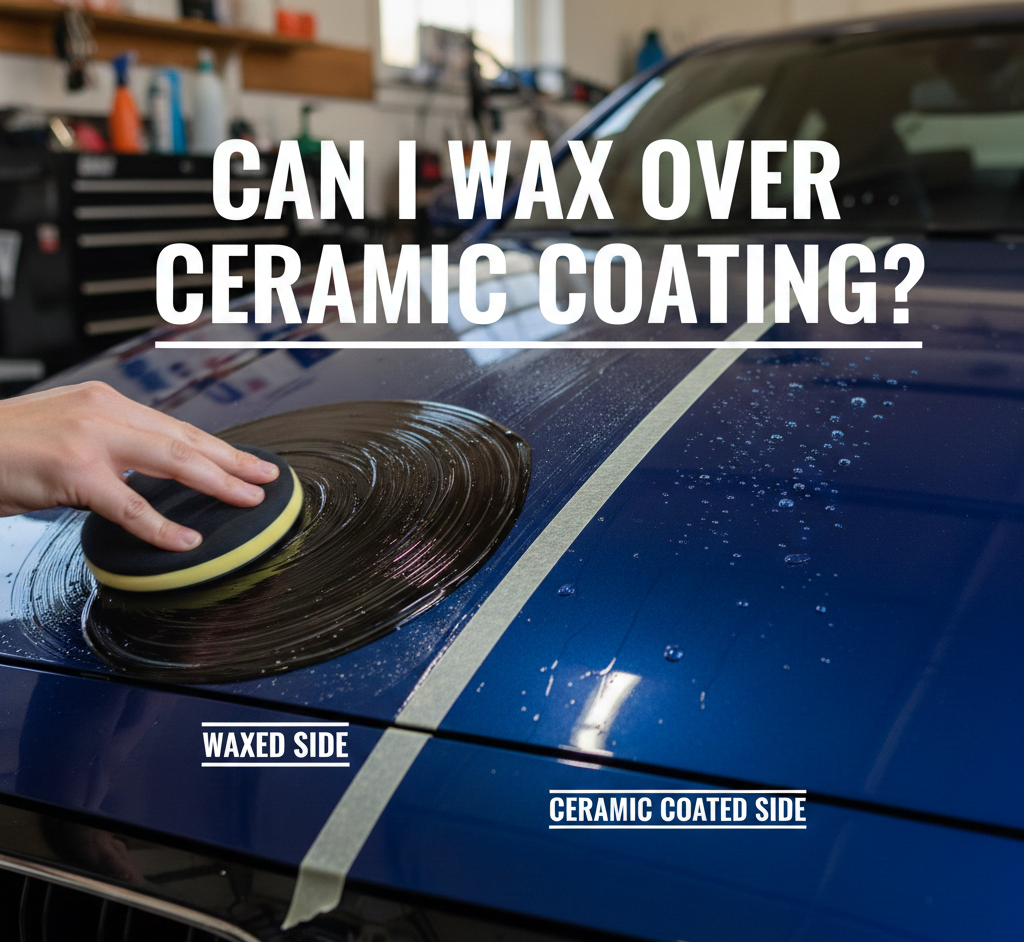
Car owners in Springfield, Virginia care deeply about protecting their vehicles, especially when they invest in advanced paint protection solutions. Ceramic coatings have become increasingly popular because they deliver long-term gloss, durability, and resistance against environmental damage. However, many drivers still wonder if traditional methods like waxing have a place after ceramic coating. This question often arises after choosing System X ceramic coating Springfield services from trusted professionals. Understanding how waxing interacts with ceramic coating helps you maintain your vehicle properly without reducing the benefits of your investment.
Ceramic coating technology works differently than wax, yet both aim to protect paint and enhance shine. While wax once served as the top choice for protection, ceramic coatings now lead the market. Still, confusion remains about whether combining both makes sense. This article explains the relationship between wax and ceramic coating in detail while helping Springfield drivers make informed decisions about vehicle care.
Understanding What Ceramic Coating Really Does
Ceramic coating creates a semi-permanent protective layer that bonds with your vehicle’s paint. Unlike wax, which sits loosely on the surface, ceramic coating forms a strong chemical bond. This bond delivers superior resistance against UV rays, dirt, bird droppings, and minor scratches.
When drivers choose System X ceramic coating Springfield, they receive advanced nanotechnology designed to outperform traditional sealants. The coating enhances gloss while making cleaning easier. Dirt struggles to stick, water beads aggressively, and paint remains protected for years instead of weeks.
Ceramic coating also reduces oxidation and fading. Over time, sunlight damages unprotected paint, yet ceramic coating slows that process significantly. Because of these benefits, ceramic coatings have become the preferred solution for long-term paint protection.
How Traditional Wax Works on Vehicle Paint
Wax works by adding a thin protective layer on top of the paint. Carnauba wax, synthetic wax, and hybrid products all provide shine and water repellency. However, wax does not bond chemically with paint. Instead, it wears off quickly due to heat, washing, and environmental exposure.
Wax usually lasts a few weeks to a couple of months at best. While wax improves appearance, it requires frequent reapplication. Many drivers grew accustomed to waxing because it provided visible shine and temporary protection.
Before ceramic coatings became popular, waxing represented the standard care method. Today, however, wax plays a much smaller role, especially for vehicles protected with System X ceramic coating Springfield solutions.
Can Wax Be Applied Over Ceramic Coating?
Yes, you technically can apply wax over ceramic coating, but that does not always mean you should. Wax will not damage the ceramic coating directly, yet it does not enhance the coating’s performance either. Instead, wax temporarily masks the ceramic coating’s natural properties.
Ceramic coating already delivers superior hydrophobic behavior and gloss. When you apply wax on top, you simply add another layer that wears away quickly. Once the wax fades, the ceramic coating continues performing as intended.
Professional detailers usually recommend avoiding wax on ceramic-coated vehicles. Wax can interfere with the coating’s water behavior and reduce its self-cleaning effect. Therefore, waxing over ceramic coating often becomes unnecessary rather than harmful.
Why Waxing Over Ceramic Coating Feels Redundant
Ceramic coatings outperform wax in almost every category. Wax improves shine temporarily, while ceramic coating maintains gloss for years. Wax repels water briefly, while ceramic coating does so consistently.
When drivers in Springfield invest in System X ceramic coating Springfield, they already receive advanced protection. Wax does not strengthen the coating or extend its lifespan. Instead, wax introduces a layer that requires maintenance without offering real benefits.
Additionally, wax can trap contaminants on the surface. That buildup may reduce the slickness of ceramic coating. Because ceramic coatings work best when exposed directly, adding wax often creates unnecessary work.
Situations Where Wax Might Still Be Used
Some drivers prefer the warm glow that carnauba wax provides. In rare cases, owners apply wax for cosmetic reasons before special events. While this practice does not damage the ceramic coating, it offers short-term visual enhancement only.
If you choose to wax over ceramic coating, always use a wax that contains no abrasives. Abrasive products can reduce coating performance. However, even in these cases, professional detailers suggest using ceramic-compatible boosters instead.
Most experts recommend alternatives that complement ceramic coatings rather than cover them.
Better Alternatives to Wax for Ceramic-Coated Cars
Instead of wax, ceramic maintenance sprays or silica-based sealants work far better. These products refresh hydrophobic behavior and maintain gloss without interfering with the coating.
Detailers often suggest periodic maintenance products designed specifically for ceramic-coated vehicles. These sprays reinforce the coating while preserving its natural properties. They also extend durability when applied correctly.
At Grizzly Auto Detailing, technicians educate clients on maintaining System X ceramic coating Springfield vehicles properly. Using the right maintenance products ensures long-lasting results without unnecessary steps.
How Washing Habits Affect Ceramic Coating Performance
Proper washing plays a major role in coating longevity. Regular hand washing using pH-neutral shampoos keeps the surface clean. Automatic car washes with harsh brushes can damage both wax and ceramic coatings.
When drivers wash their vehicles correctly, ceramic coatings maintain their hydrophobic performance. Wax becomes unnecessary because proper washing preserves shine naturally.
Avoid using dish soap or aggressive chemicals. These products strip surface protection and degrade coating performance. Instead, use products designed for ceramic-coated finishes.
Does Wax Shorten the Life of Ceramic Coating?
Wax does not shorten ceramic coating lifespan directly. However, repeated waxing may clog the coating’s surface and reduce water repellency. Over time, this buildup requires decontamination to restore performance.
Ceramic coatings thrive when kept clean and exposed. Wax introduces another layer that changes surface behavior. That change may require professional correction later.
Drivers who rely on System X ceramic coating Springfield solutions benefit most by following professional maintenance advice rather than outdated habits.
Common Myths About Wax and Ceramic Coating
Many myths surround vehicle protection. Some believe wax adds extra strength to ceramic coatings. Others think waxing improves coating longevity. These claims lack scientific support.
Ceramic coatings already deliver maximum protection when maintained correctly. Wax does not add measurable benefits. Another myth suggests ceramic coating replaces washing entirely. While coatings reduce dirt adhesion, regular washing remains necessary.
Understanding facts prevents mistakes and helps car owners protect their investment properly.
The Role of Professional Detailing After Ceramic Coating
Professional detailing ensures optimal performance. Detailers inspect coating condition, remove contaminants, and apply maintenance products when needed.
Grizzly Auto Detailing provides expert care for vehicles protected with System X ceramic coating Springfield services. Their team uses proper techniques to preserve coating integrity and appearance.
Professional inspections help detect early issues and maintain gloss without unnecessary treatments like waxing.
How Environmental Factors Influence Coating Care
Springfield weather includes heat, humidity, pollen, and road debris. These factors affect vehicle surfaces daily. Ceramic coating resists environmental damage effectively, yet maintenance remains essential.
Wax struggles against environmental exposure, while ceramic coating performs consistently. Therefore, relying on ceramic coating rather than wax offers better protection year-round.
Parking habits also matter. Covered parking reduces exposure and prolongs coating performance. Simple lifestyle choices complement ceramic protection effectively.
Understanding Hydrophobic Behavior Without Wax
Hydrophobic behavior refers to water repellency. Ceramic coating excels at this function naturally. Water beads tightly and rolls off, carrying dirt away.
Wax also creates hydrophobic behavior, but for a short time. Ceramic coating delivers this effect continuously. Applying wax may alter bead patterns temporarily, but that change offers no added benefit.
Drivers often mistake wax-induced gloss for improved protection. In reality, ceramic coating already provides superior performance.
Maintenance Schedule for Ceramic-Coated Vehicles
A proper maintenance schedule eliminates the need for wax. Regular washing every two weeks keeps contaminants under control. Periodic ceramic boosters maintain surface slickness.
Annual inspections help ensure coating performance. Professional decontamination removes bonded contaminants without harming the coating.
Following this routine keeps System X ceramic coating Springfield vehicles looking new without additional layers.
Why Manufacturers Do Not Recommend Waxing Ceramic Coatings
Ceramic coating manufacturers design their products to work independently. Wax interferes with surface chemistry and performance.
Manufacturers recommend specific maintenance products that complement coating properties. Using approved products ensures warranty compliance and optimal results.
Ignoring manufacturer guidelines may reduce performance and require corrective services later.
Cost Considerations: Wax Versus Ceramic Maintenance
Wax requires frequent purchase and application. Over time, these costs accumulate. Ceramic coating maintenance products cost more initially but last longer and require fewer applications.
Investing in proper care saves money long-term. Ceramic coatings eliminate constant waxing cycles and reduce labor expenses.
Drivers who choose System X ceramic coating Springfield benefit financially when they follow correct maintenance practices.
Visual Appearance: Wax Shine Versus Ceramic Gloss
Wax provides a warm shine, while ceramic coating delivers a crisp, reflective gloss. Some drivers prefer wax aesthetics, yet ceramic coating offers consistency.
Ceramic gloss remains stable regardless of weather or washing. Wax shine fades quickly and requires reapplication. Long-term appearance favors ceramic technology.
Choosing ceramic coating prioritizes durability and clarity over short-lived cosmetic effects.
When Should Wax Be Completely Avoided?
Avoid wax if your vehicle features a fresh ceramic coating. During the curing period, wax can interfere with bonding.
Avoid wax if you notice reduced hydrophobic behavior. Instead, seek professional maintenance. Wax may mask issues temporarily rather than resolve them.
In most cases, avoiding wax altogether delivers the best results for ceramic-coated vehicles.
How Grizzly Auto Detailing Educates Customers
Grizzly Auto Detailing emphasizes education. Clients learn proper washing techniques, maintenance schedules, and product selection.
By guiding customers, the team ensures long-term satisfaction with System X ceramic coating Springfield services. Education prevents common mistakes and preserves coating performance.
Customer support continues after installation, reinforcing proper care habits.
Long-Term Benefits of Skipping Wax
Skipping wax saves time and effort. Ceramic coating simplifies maintenance and reduces the need for frequent treatments.
Vehicles maintain resale value better when paint remains protected consistently. Ceramic coating provides long-term benefits that wax cannot match.
Drivers experience less frustration and better results when they trust ceramic technology fully.
Final Thoughts on Waxing Over Ceramic Coating
Waxing over ceramic coating may seem harmless, yet it offers no real advantages. Ceramic coating already delivers superior protection, gloss, and hydrophobic behavior.
Drivers in Springfield who invest in System X ceramic coating Springfield services gain long-lasting results by following proper maintenance advice. Wax becomes unnecessary when ceramic technology performs as intended.
Trust professional guidance, use recommended products, and enjoy a cleaner, shinier vehicle without extra steps.
FAQ Section
Can I wax my car after ceramic coating?
Yes, but wax provides no added benefit and remains unnecessary.
Will wax damage ceramic coating?
Wax does not damage ceramic coating but may reduce its performance temporarily.
Does wax make ceramic coating last longer?
No, wax does not extend ceramic coating lifespan.
What should I use instead of wax?
Use ceramic maintenance sprays or silica-based boosters.
How often should I wash a ceramic-coated car?
Wash every two weeks using pH-neutral shampoo.
Can I use automatic car washes?
Avoid brush-based car washes to protect coating integrity.
Does ceramic coating replace car washing?
No, regular washing remains necessary.
Can wax improve ceramic gloss?
Wax may change appearance briefly but does not improve protection.
Should I consult professionals for maintenance?
Yes, professional detailing ensures optimal coating performance.
Why choose Grizzly Auto Detailing in Springfield, VA?
They provide expert care and trusted System X ceramic coating Springfield services.
Leave a Reply